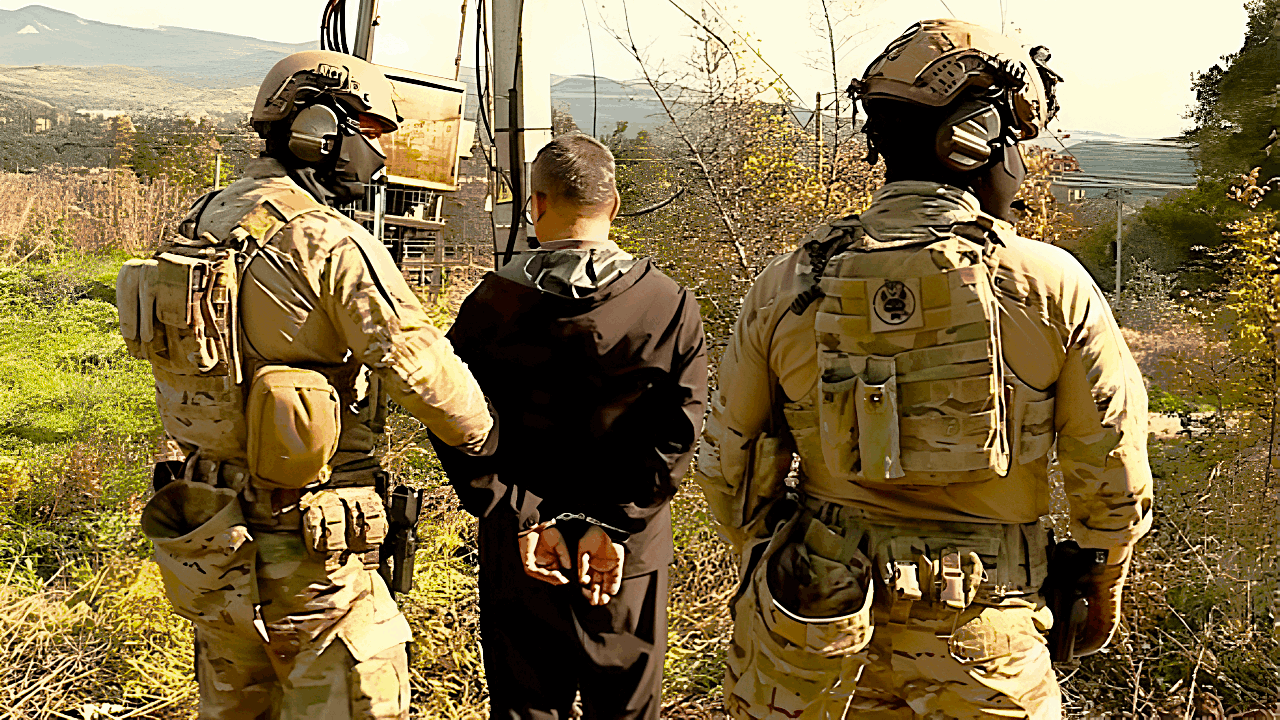
Georgian authorities have arrested three Chinese nationals accused of trying to buy uranium on the black market for $400,000. Officials say the suspects were caught during a sting in Tbilisi, exposing a transnational nuclear smuggling ring with ties stretching to China.
Here’s how the shocking plot unraveled piece by piece.
What Happened?
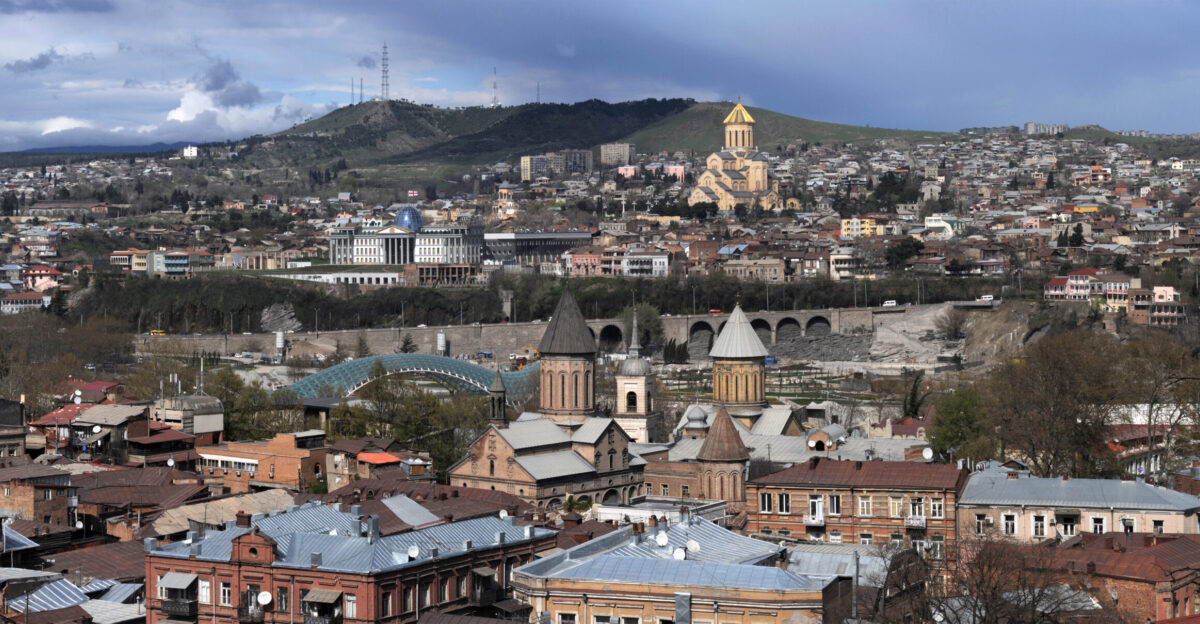
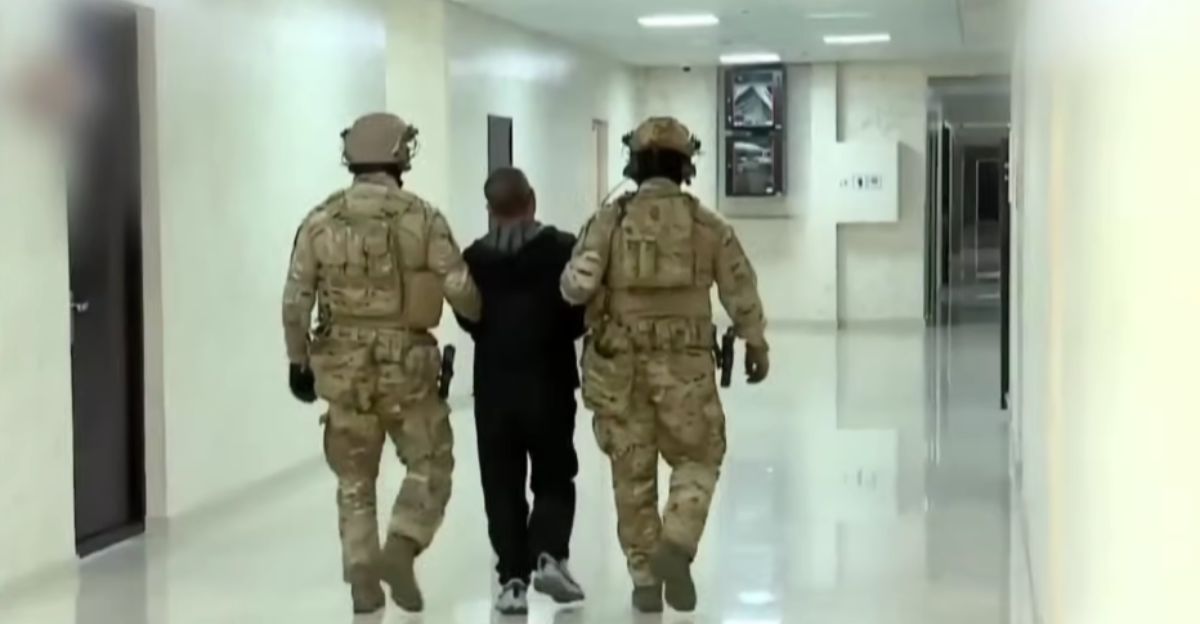
Three Chinese citizens were arrested in Tbilisi, Georgia’s capital, on October 25. Authorities say they were negotiating the purchase of two kilograms of uranium when the sting unfolded. The deal, valued at $400,000, was stopped before any handoff occurred.
But this wasn’t Georgia’s first uranium case—just its most alarming in years.
Who Was Involved?
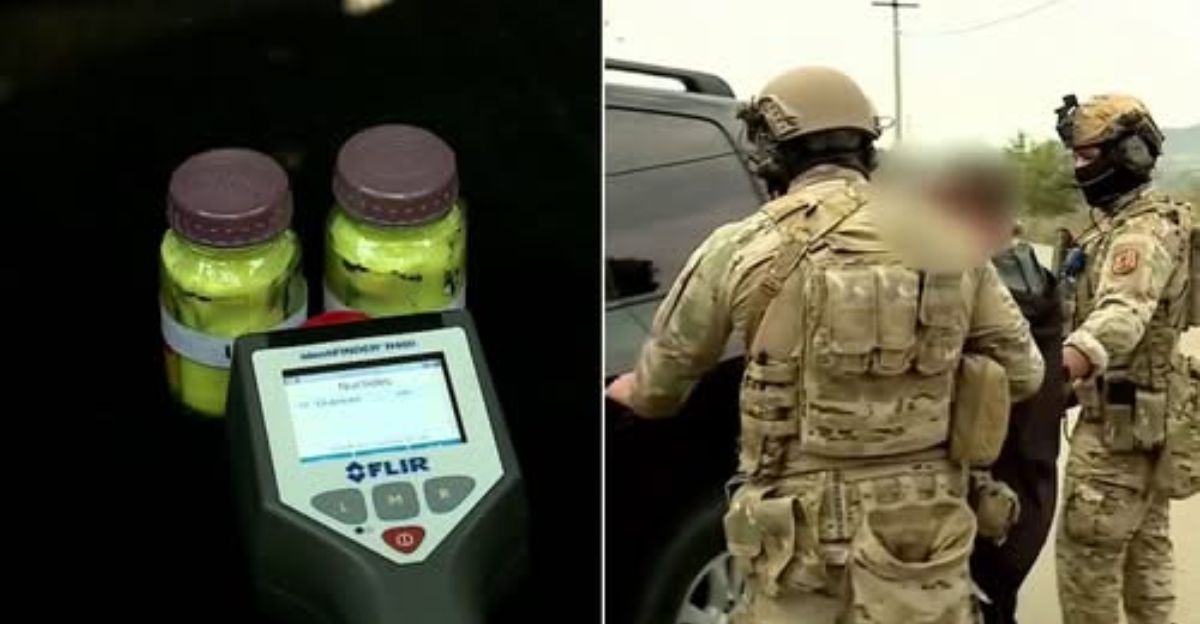
Officials confirmed the suspects were two men and one woman, one of whom was living in Georgia illegally after overstaying a visa. Their names remain sealed due to the ongoing investigation.
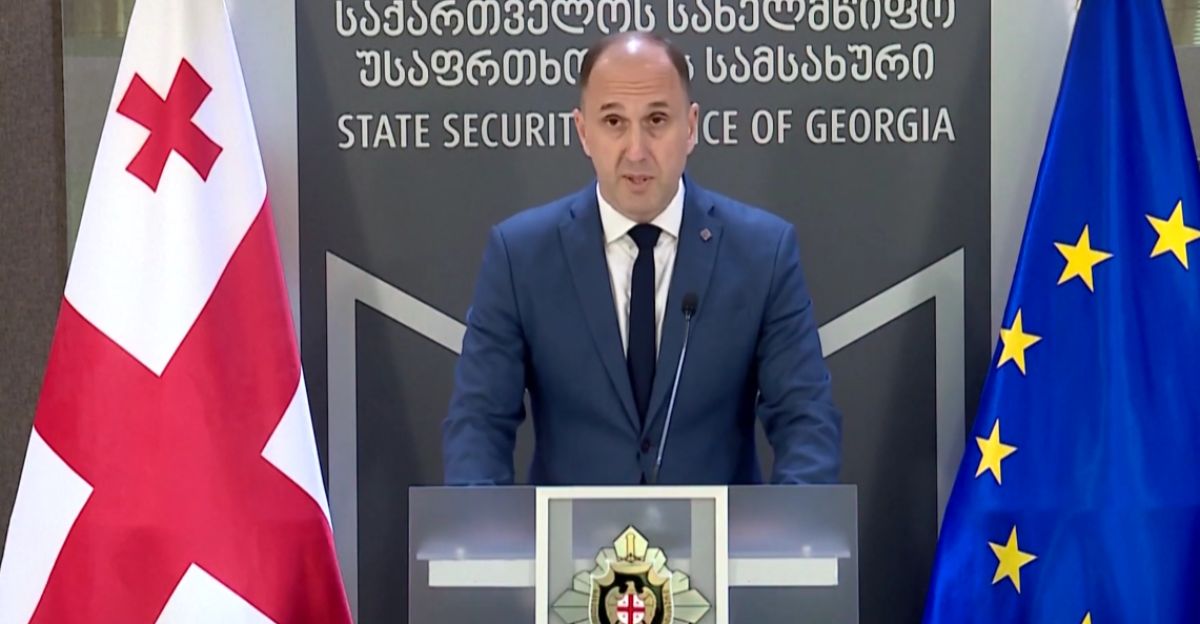
First Deputy Head Lasha Maghradze from Georgia’s State Security Service announced the arrests at a Saturday press briefing.
Where It Happened

The arrests took place along a roadside in Tbilisi, captured on State Security Service video. Officers also searched apartments in both Tbilisi and Batumi, uncovering more evidence.
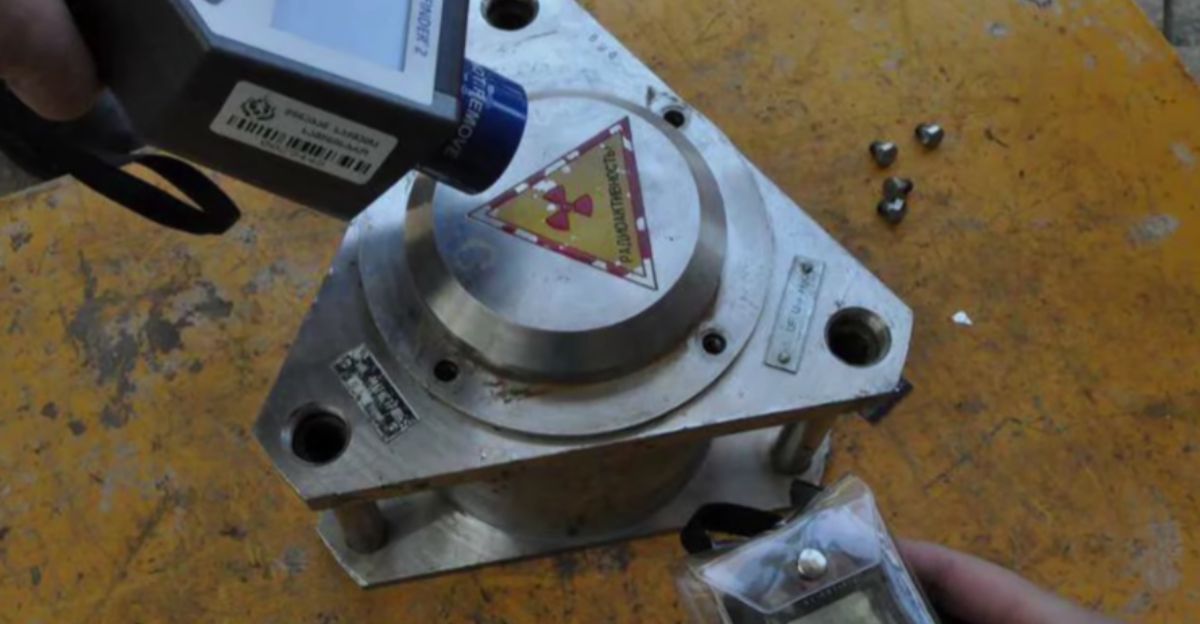
Authorities say the uranium was found in a car trunk, stored inside two small glass jars.
What Investigators Found
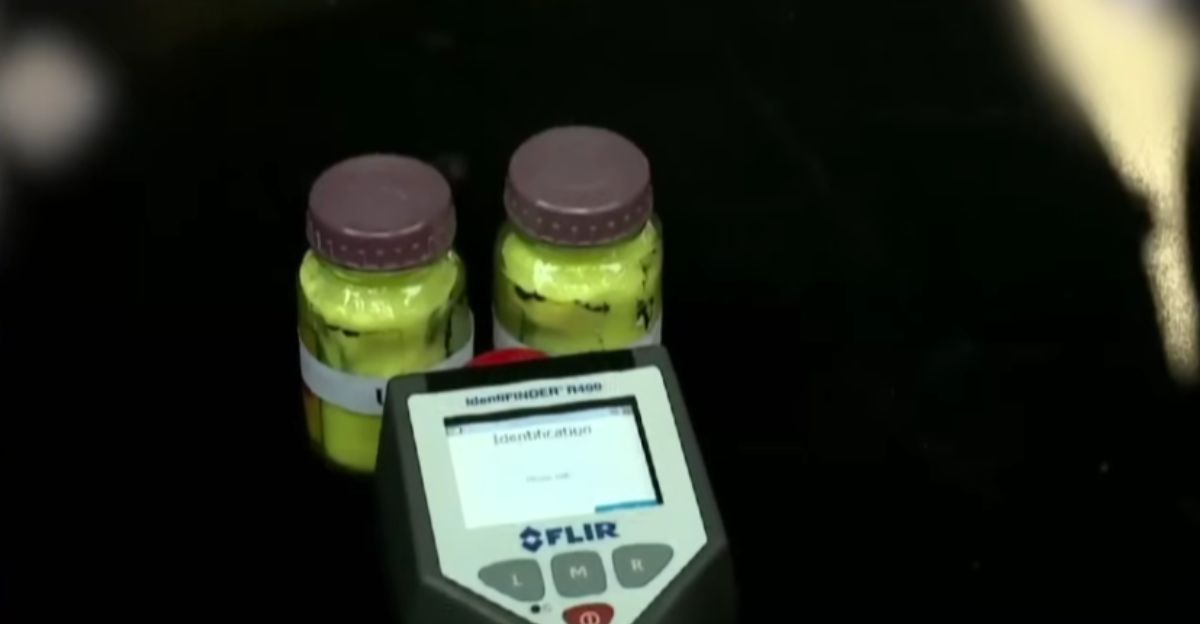
Tests using dosimeter equipment confirmed the yellowish substance inside the jars was uranium. Georgian authorities believe the suspects planned to move the material through Russia to China.
The plan revealed how old Soviet smuggling routes continue to attract criminal activity in the region.
How The Operation Worked

According to investigators, one suspect entered Georgia to recruit local contacts and search for uranium. The rest of the network operated remotely from China, coordinating the purchase and arranging payment.
They were arrested mid-negotiation—before the uranium could leave Georgian territory.
Why It Matters
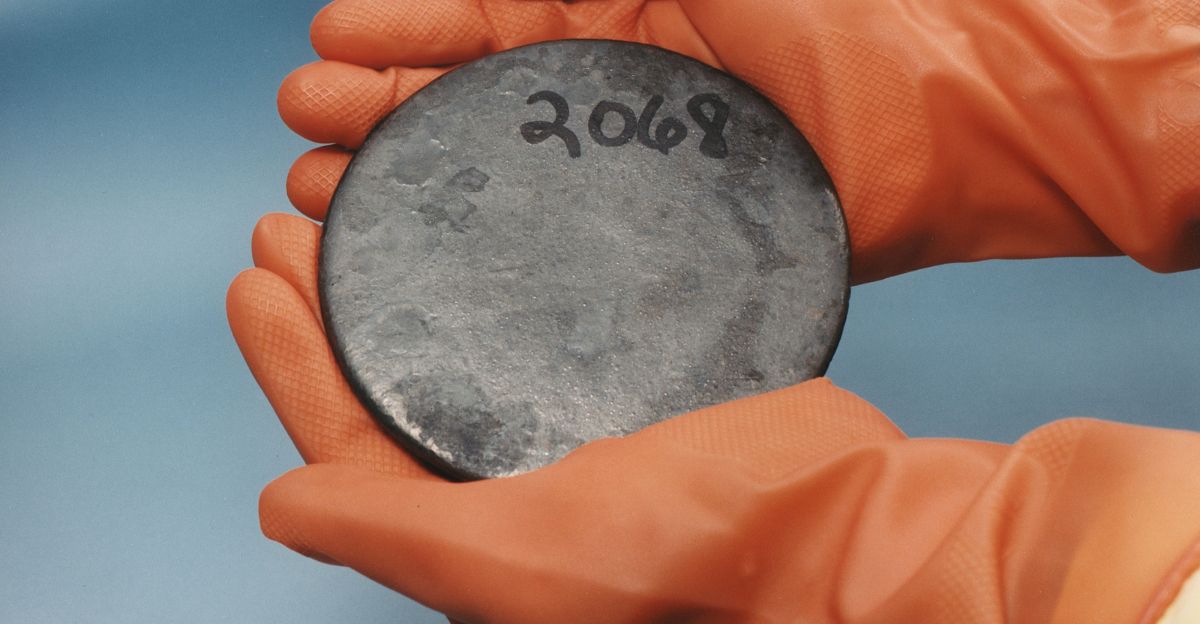
Authorities warn that even small amounts of uranium can be used to make dirty bombs. The seized material wasn’t weapons-grade but could still pose a serious radiological threat if mishandled.
The case highlights how criminal networks exploit weak borders and old Soviet-era nuclear stockpiles.
The Price Behind The Deal
The suspects were willing to pay $400,000 for 4.4 pounds of uranium—roughly $90,000 per pound. In comparison, legitimate market prices this month range between $78 and $83 per pound.
Such extreme markups suggest a thriving underground trade far beyond Georgia’s borders.
A Widening Pattern
This was Georgia’s second major uranium case this year. In July, authorities intercepted $3 million worth of uranium in Batumi. Both incidents point to Georgia’s growing role as a nuclear trafficking corridor.
But the trend dates back decades, with cases recorded as far back as 2003.
A Country With A Nuclear Past
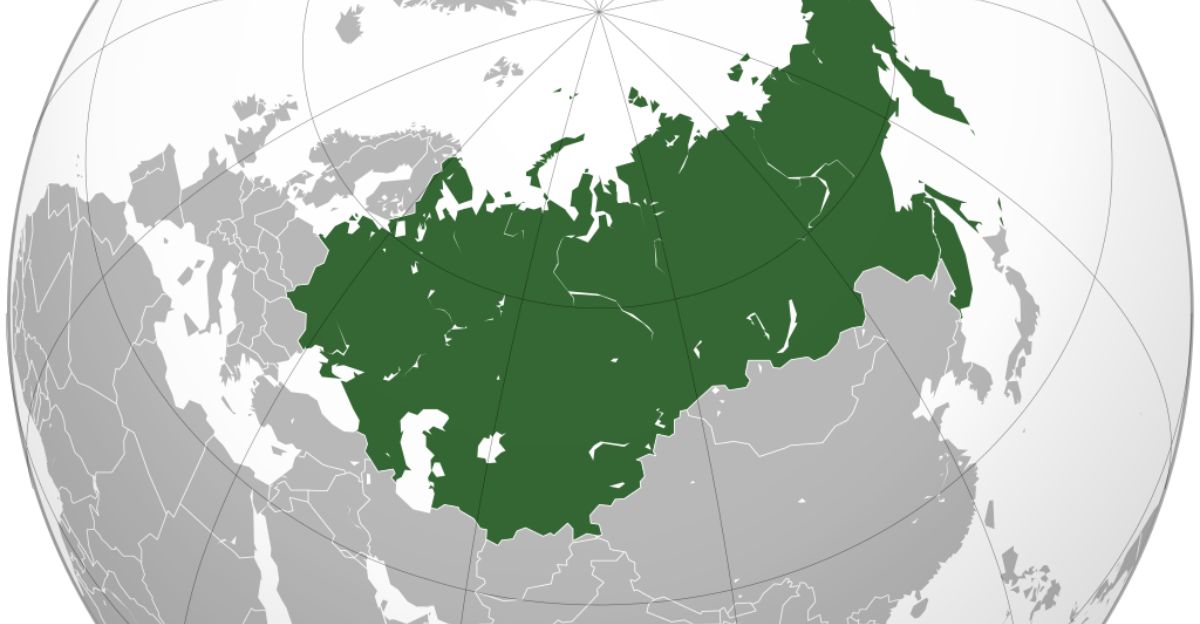
After the Soviet Union’s collapse, Georgia inherited hundreds of contaminated military sites and unaccounted radiothermal generators once used for power. Many remain missing today.
Those unsecured remnants have become a magnet for smugglers and black-market buyers.
China’s Nuclear Ambitions
China’s energy expansion has sharply increased demand for uranium, requiring over 11,000 tonnes annually by 2023—and projected to reach 40,000 tonnes by 2040. To meet that demand, Beijing follows its “Two Markets, Two Resources” policy for supply diversification.
That policy may help explain the smuggling incentive.
The Money Motive

At $400,000 for two kilograms, the illegal trade promised staggering profits. Experts note that such deals offer over 2,000% markups compared to legitimate sales, drawing in well-financed criminal groups.
For China’s part, it underscores how scarcity can fuel dangerous shortcuts.
Why Georgia Is a Target
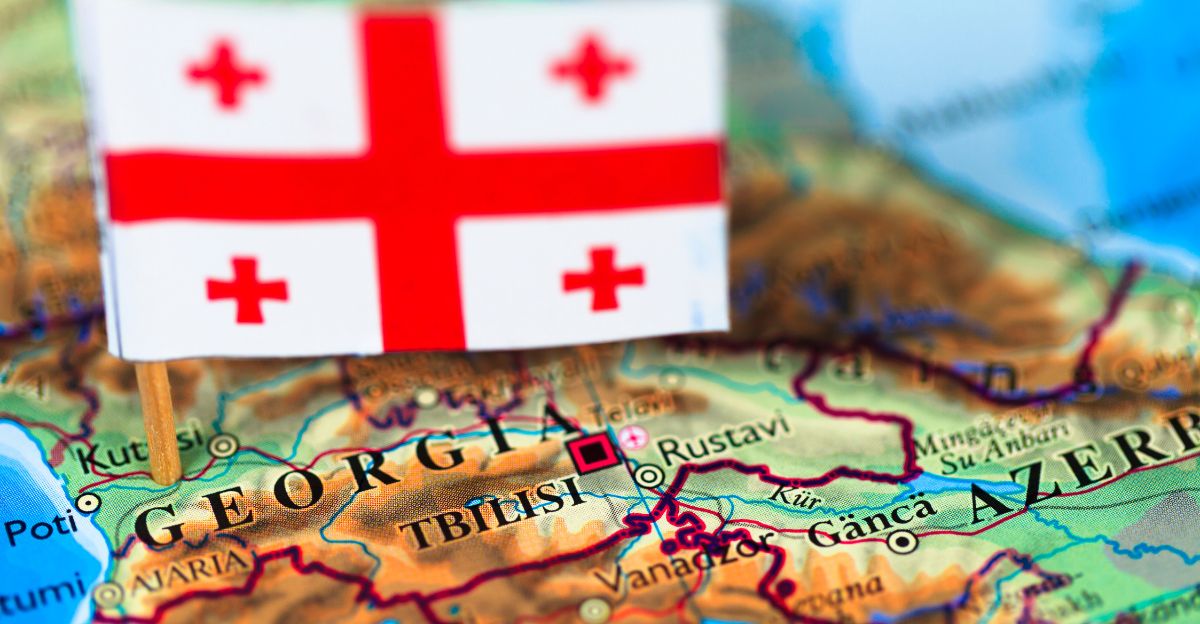
Georgia’s geography makes it a prime route between uranium-producing regions and Asian buyers. Border guards earn as little as $30 to $50 monthly, making corruption an ongoing challenge.
Its porous borders with separatist regions allow traffickers to move undetected through the Black Sea corridor.
Global Repercussions
The International Atomic Energy Agency has been working with Georgia to tighten nuclear controls, with help from the EU’s €60 million Nuclear Security Fund. The UK also contributed £20.8 million to regional threat-reduction projects.
Even so, smuggling cases keep resurfacing—raising questions about global enforcement gaps.
Legal Fallout

The suspects face charges under Article 230 of Georgia’s Criminal Code, which covers illegal handling of radioactive materials. Conviction could mean up to 10 years in prison.
Authorities say the investigation remains active, with more arrests possible both inside Georgia and abroad.
Global Efforts To Stop Nuclear Smuggling
Georgia has partnered with the International Atomic Energy Agency through Integrated Nuclear Security Support Plans from 2009 to 2021. The EU contributed €60 million to the IAEA Nuclear Security Fund, while the UK added £20.8 million to strengthen regional threat reduction and nuclear security measures.
These efforts show how international cooperation attempts to curb nuclear smuggling, though gaps remain. The ongoing incident highlights the challenge of protecting nuclear materials in a complex, post-Cold War landscape.
China Remains Silent
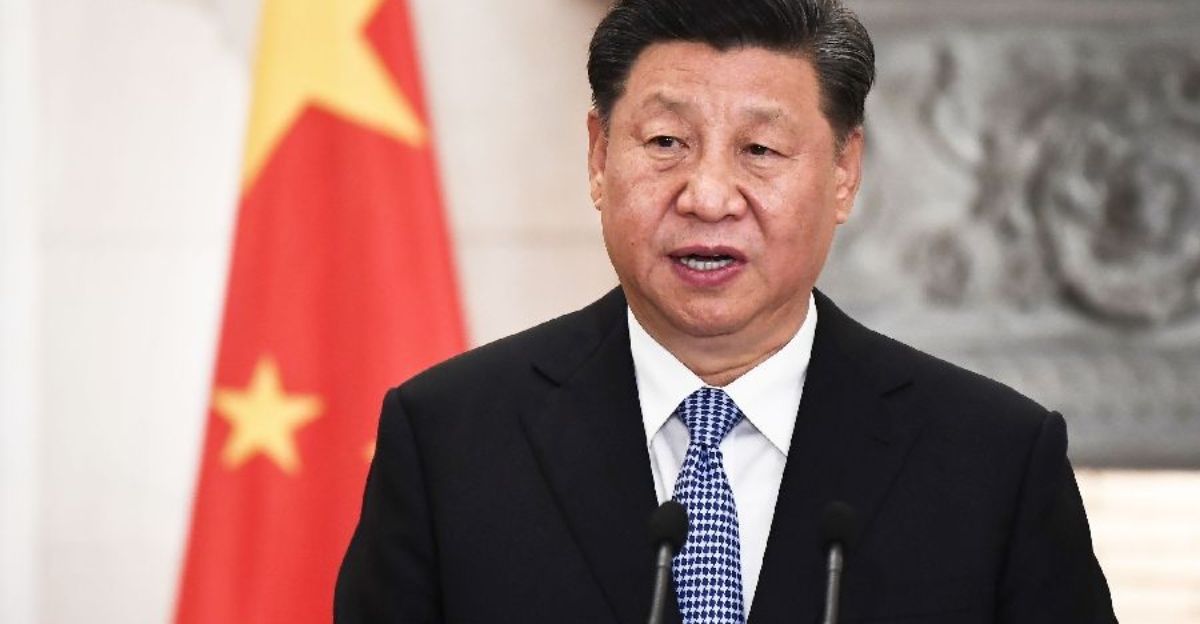
Despite multiple searches, no public statement from Chinese officials, the Ministry of Foreign Affairs, or the embassy in Tbilisi has appeared regarding the October 25 arrests. Normally, consular offices provide emergency support and family contact, but no engagement has been documented as of October 29, 2025.
This silence is unusual and raises questions about China’s diplomatic stance on the arrests.
Russian Silence
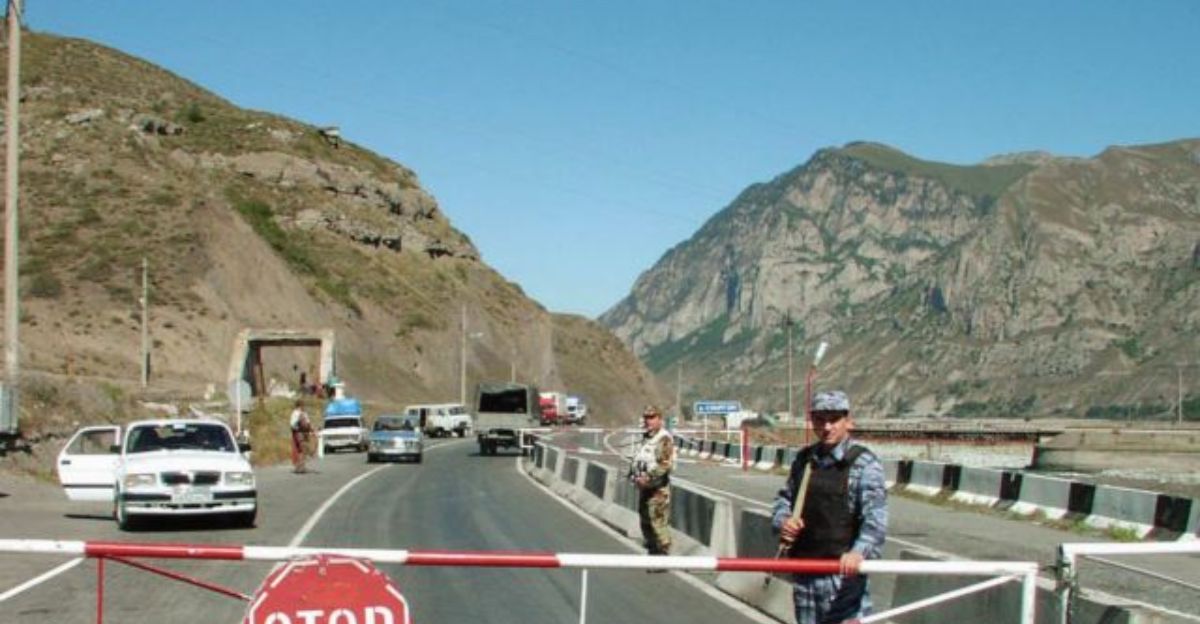
Russian authorities have not publicly commented, despite the smuggling route transiting their territory through the Verkhny Lars checkpoint. Past cases, like 2006-2007, saw Russian officials dismiss evidence as meaningless, showing a longstanding pattern of limited cooperation.
This raises concern over regional enforcement gaps for nuclear smuggling cases.
Limited International Response
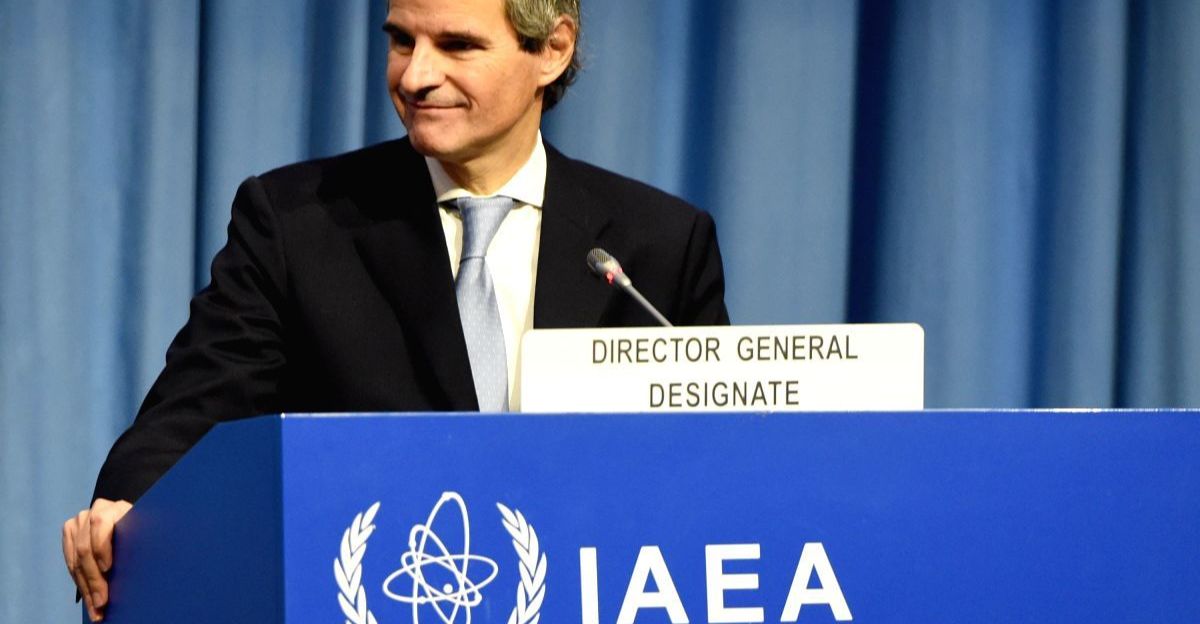
The IAEA has not commented specifically on the October case, though it continues cooperation with Georgia through its Integrated Nuclear Security Support Plan. U.S., EU, and Russia also remain publicly silent, despite funding nuclear security initiatives or being part of the smuggling route.
Why countries refrain from public statements may hint at ongoing confidential investigations or political sensitivities.
What Happens Next
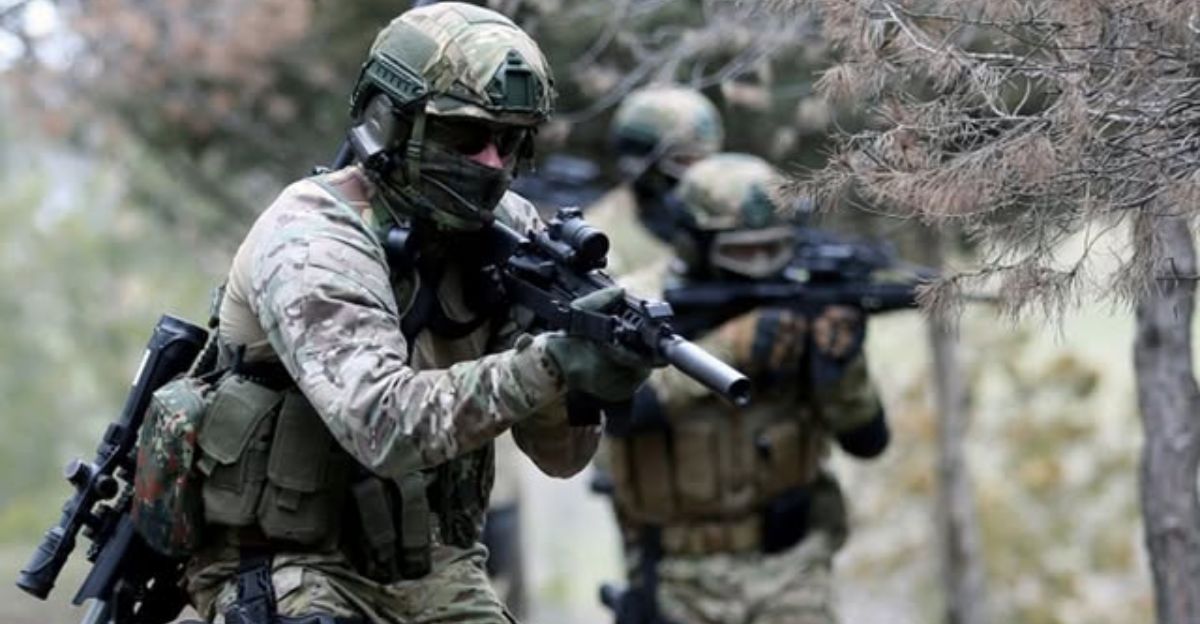
Georgia’s State Security Service is now tracing the network’s full reach, with leads pointing to criminal organizers in China. The IAEA has also been briefed on the case.
But could this just be the beginning of something larger beneath the surface?
The Bigger Picture
This case shows how legitimate energy needs, weak borders, and old Soviet stockpiles intersect to create dangerous opportunities. As uranium demand rises globally, smuggling risks will likely grow too.
For Georgia, the challenge is clear—keep its borders secure before the next deal slips through.