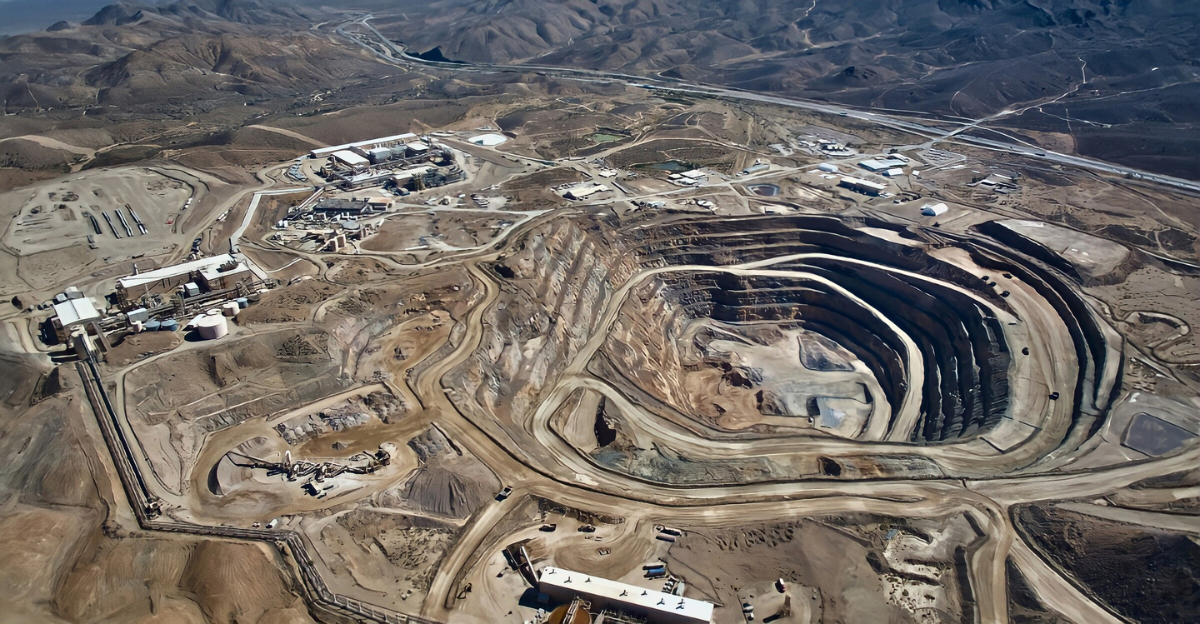
China now mines roughly two-thirds of the world’s rare earths and refines about 90% of them.
This concentration creates a strategic vulnerability: almost every smartphone, EV battery, wind turbine, and fighter jet relies on these elements. Beijing’s April 2025 export curbs on seven key rare earths sent shockwaves through global markets.
By May, total exports of rare-earth magnets had plunged over 70% year-over-year, and U.S. imports of Chinese magnets collapsed by about 93%.
China’s grip on processing gives it unprecedented leverage over advanced industries worldwide.
Strategic Leverage

Just over a decade ago, China first demonstrated this leverage. In September 2010, after a Japanese fishing trawler incident, Beijing appeared to choke off rare-earth exports to Japan – a move Japanese media dubbed the “REE shock”.
Tokyo was caught off guard. The government promptly spent over ¥100 billion ($700m+) on countermeasures – everything from securing Australia’s Mount Weld mine to stocking magnets – even filing a WTO complaint.
These actions underscore that natural resources can become powerful geopolitical tools. (Some economists later questioned whether China intentionally targeted Japan, but the episode forced Tokyo to diversify its supplies.)
American Dominance Lost
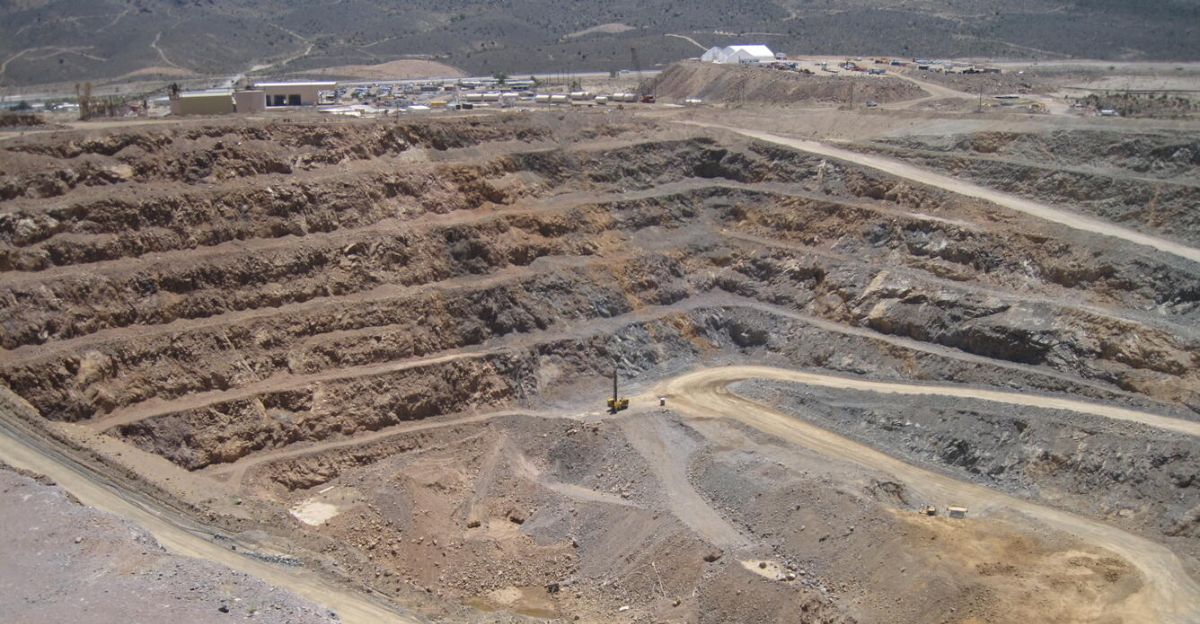
Ironically, the U.S. once led this field. In 1984, the Mountain Pass mine in California met 100% of domestic rare-earth demand and supplied one-third of global exports. But even as late as 1983, Mountain Pass was profitable; the writing was on the wall: China was already ramping up output at breathtaking speed.
Through the 1980s, China’s rare-earth production surged (averaging roughly 40% growth per year).
This flooded the world market with a cheap supply. By 2002, Mountain Pass was forced to shut down under price pressure (and rising environmental costs). From boom to bust, the story shows how subsidy-driven overproduction abroad can hollow out a home industry in just a few decades.
Environmental Costs

A major reason Mountain Pass struggled was its environmental footprint. In the 1990s, the mine’s 15-mile acid pipeline ruptured repeatedly, spraying toxic slurry across the desert. A 1997 L.A. Times investigation found about 300,000 gallons of waste had seeped into federal lands – including critical habitat for endangered tortoises.
Tests detected elevated levels of radioactive uranium, lead and thorium in the soil around spill sites.
Public outrage over these accidents and mounting clean-up bills helped drive the mine’s 2002 closure.
But China would take a different path: it tolerated lax pollution controls to push costs even lower, exporting much of the health and environmental price to places like California.
The 1978 Catalyst
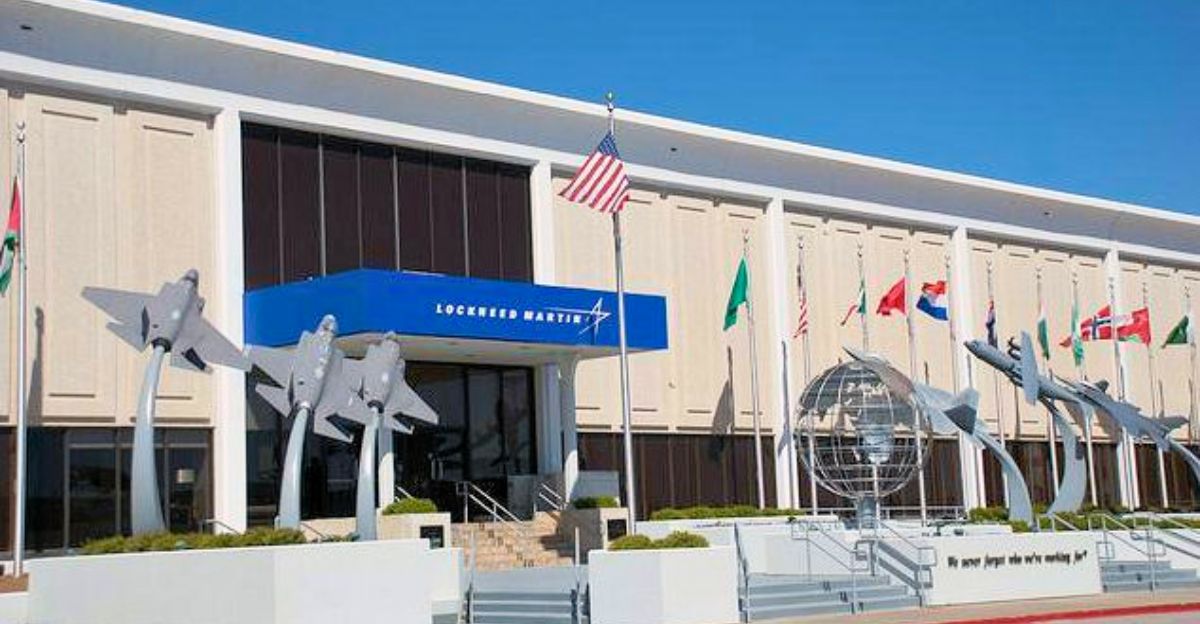
Here’s where it gets interesting. In 1978, a small Chinese delegation toured Lockheed Martin and McDonnell Douglas aerospace plants in the U.S. – ostensibly sharing technical knowledge.
No one at the time realized this visit would pay off decades later. The engineers returned home and applied what they’d seen to their own industries.
Within ten years, China’s nascent rare-earth sector would leverage those lessons (and enormous ore deposits) to reshape global supply chains.
That trip – a routine technology exchange on the surface – helped ignite China’s later innovations.
Innovation Revolution
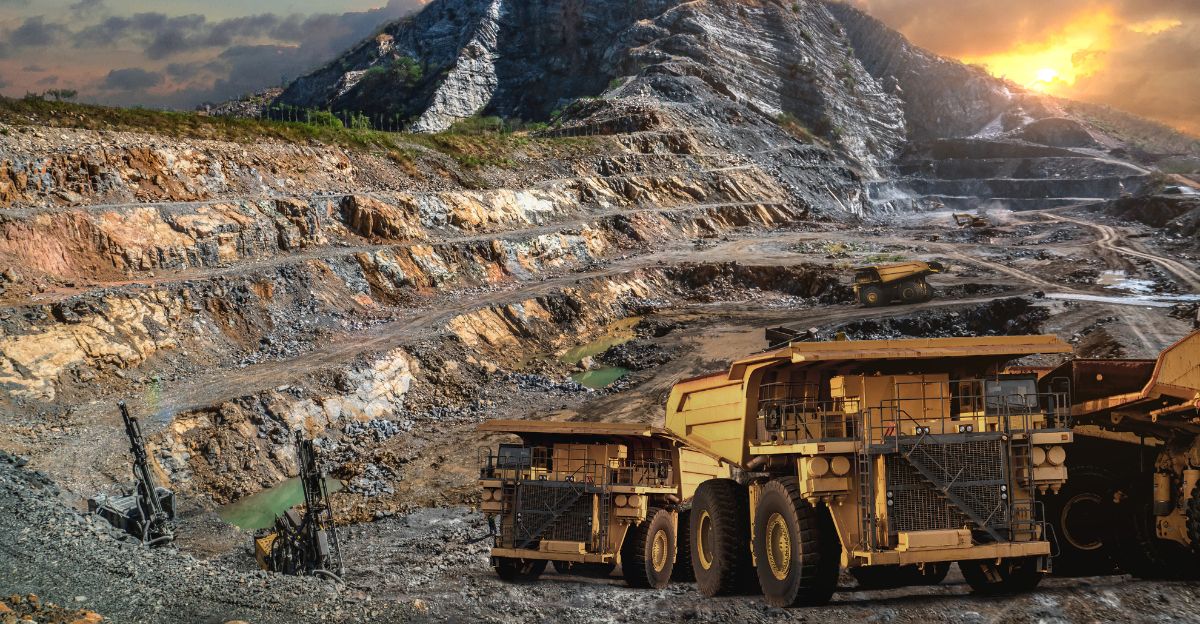
China’s researchers then got to work driving costs even lower. They pioneered the use of plastic-lined tanks and cheap hydrochloric acid in leaching facilities, instead of expensive stainless steel vessels and specialized reagents.
In a country where environmental enforcement was weak, this “one-way” design cut capital costs dramatically.
Combined with state subsidies and scale, the effect was brutal: Chinese producers could undercut all rivals on price.
Within a decade, Western refineries found they simply could not compete, reinforcing China’s emerging rare-earth stranglehold.
Human Impact
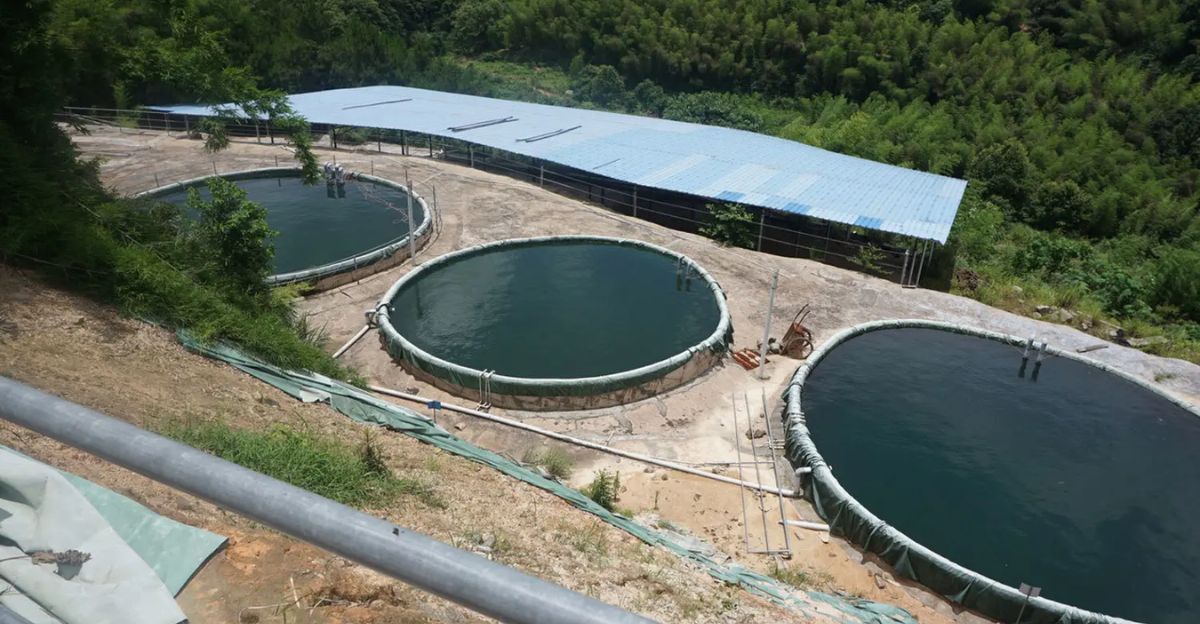
The price of cheap rare earths was paid by local people. In southern Jiangxi province and other mining areas, villagers have endured water and soil pollution for years. “We have made huge sacrifices to extract the resources they need,” says Xu Cheng, director of the Longnan Rare Earths Bureau, where vast pits and waste ponds dot the landscape.
Experts estimate clean-up costs above $5.5 billion for one region alone – and full recovery could take up to a century.
As one affected farmer lamented: “We ordinary people don’t have the answers… Farmers like us, we’re the vulnerable ones… we were born at a disadvantage. It’s pretty tragic.”.
China’s national strategy relied on visible local pain that was mostly invisible to end-users abroad.
Western Retreat
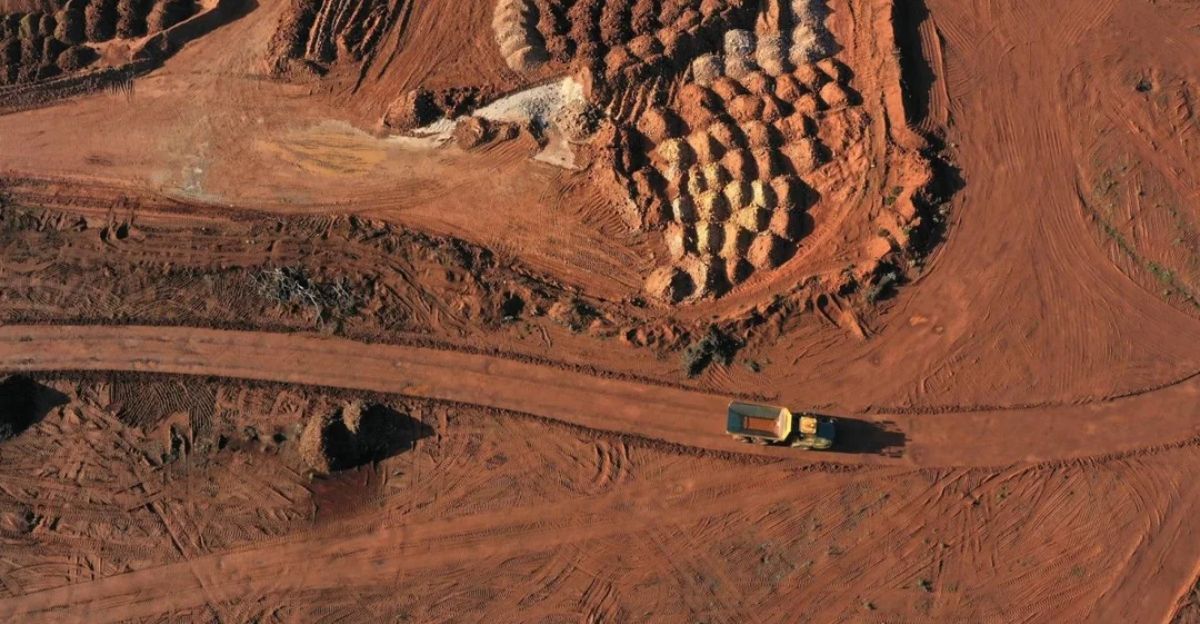
China’s aggressive pricing soon squeezed Western operations to the breaking point. Throughout the 1980s and 1990s, rare-earth mines and refineries in Australia, Europe and North America began closing one by one.
The classic example is Mountain Pass. Reopened in 2017 by MP Materials, it had been shuttered in 2002. Its owner, Molycorp, later poured $1.5 billion into a restart – only to go bankrupt in 2015.
Today, virtually all processing in the West has been mothballed. The U.S. is forced to import raw ores and depend on foreign refiners (mostly Chinese), even when it mines its own deposits.
The era of independent Western rare-earth production had come to an end.
Processing Monopoly
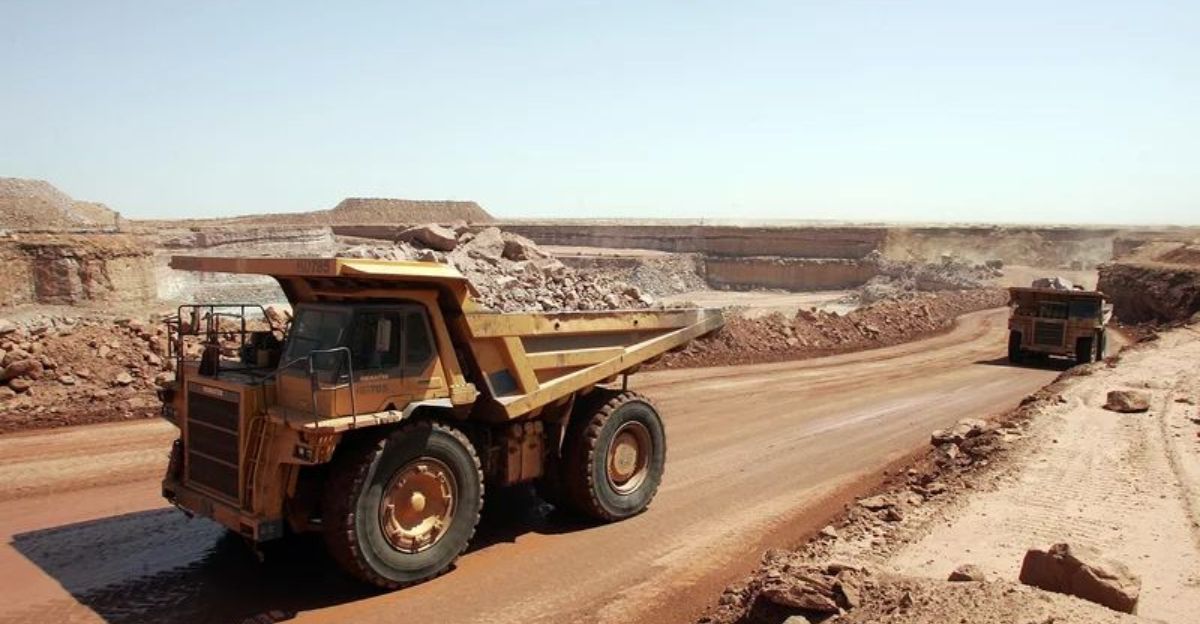
It’s not enough to mine rare earths – they must be painstakingly separated and processed into alloys and magnets. Here, China has an even tighter grip. Around 90% of the world’s REE refining capacity sits in Chinese hands.
Even resource-rich countries find themselves bottlenecked. For example, Brazil has significant rare-earth reserves, but practically all its concentrate is sent to China for refining.
China has built a single, integrated supply chain from mine to magnet that very few countries can replicate today. This processing monopoly is the Achilles’ heel of global rare-earth security.
Export Weapon
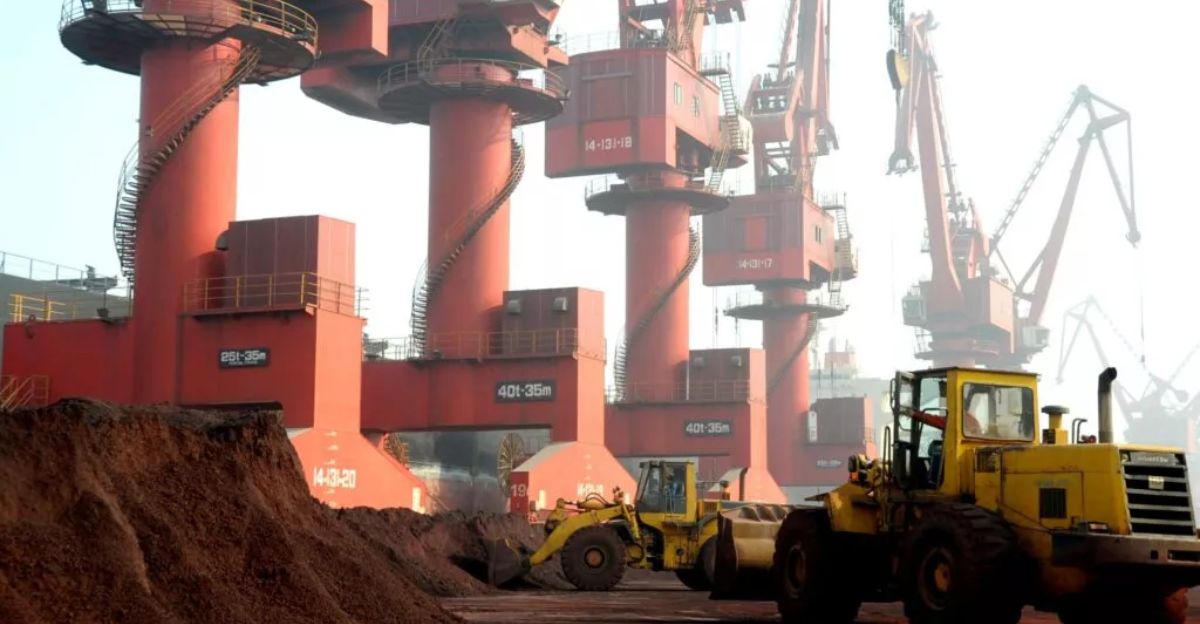
By the late 2000s, China began wielding this chokehold deliberately. Beijing introduced annual export quotas in 2006 and, in 2010, abruptly slashed them by roughly 40%.
That move caught importers off guard and sent prices skyrocketing. During the 2010 Senkaku/Diaoyu dispute with Japan, Beijing allegedly enforced an unofficial embargo on Japanese customers (China denied it).
Nonetheless, Chinese media quoted a Commerce Ministry researcher saying “reducing or restricting resource exports to Japan would be a useful measure” in a dispute.
The episode underscored a new reality: China could selectively strangle critical supplies without firing a shot.
Industry Consolidation
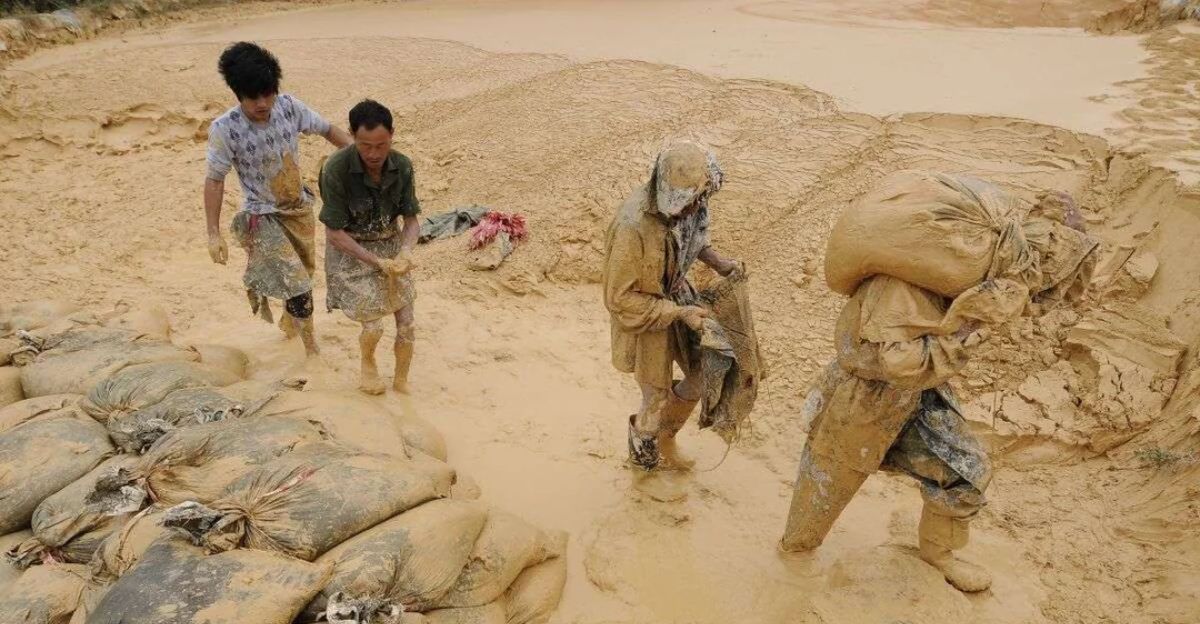
Meanwhile, Beijing moved to cement its control behind the scenes. Starting around 2011, authorities closed down thousands of small, illegal mines and refineries in Jiangxi, Inner Mongolia and elsewhere.
This purge was part of a grand plan: by 2016, China had folded the industry into six giant state-owned enterprises, each managing quotas and quality control. A former environment official notes that these firms now “control rare earth mining, processing, and exporting” nationwide.
The result: an official, centrally licensed supply chain with little room for independent actors.
Market Control
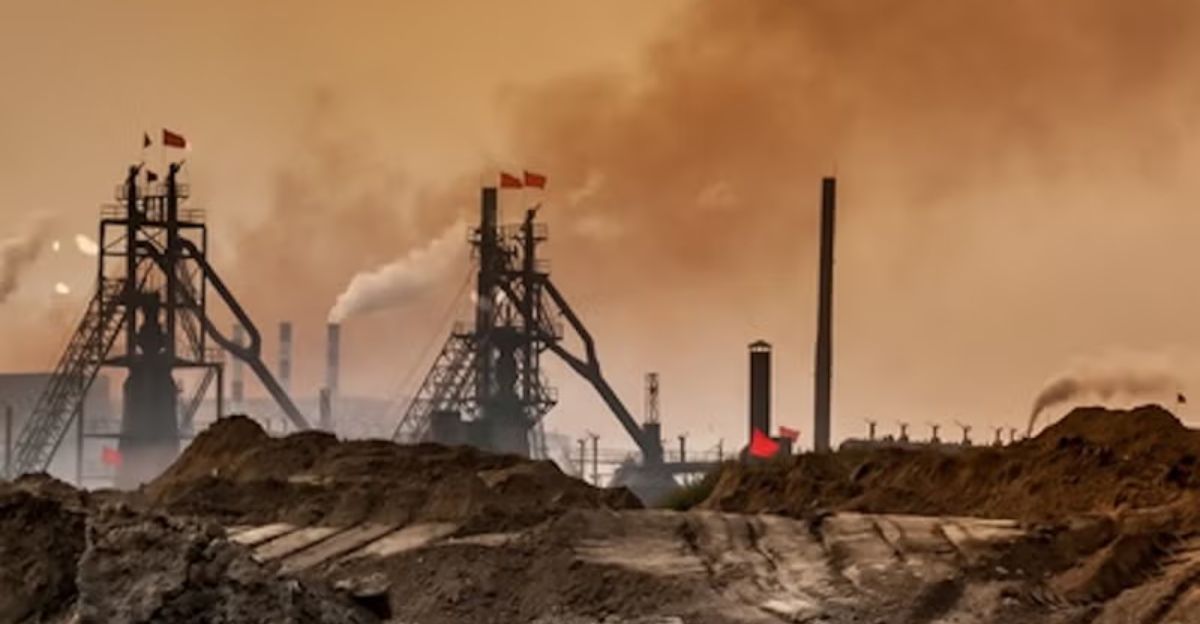
China’s rare-earth strategy stretches back even further. In 1975, the State Council formed the first national Rare-Earth Development and Application leading group, signaling direct top-level oversight of the sector.
Policy-makers directed massive support to Inner Mongolia’s Baotou area – home to the giant Bayan Obo mine – establishing it as the nation’s production and R&D hub.
By 1992, Baotou hosted China’s first high-tech rare-earth industrial park, integrating mines, separation plants and electronics workshops in one zone. Over decades, these measures built an end-to-end Chinese supply chain, from mountain to magnet, unmatched by any other country.
Revival Attempts
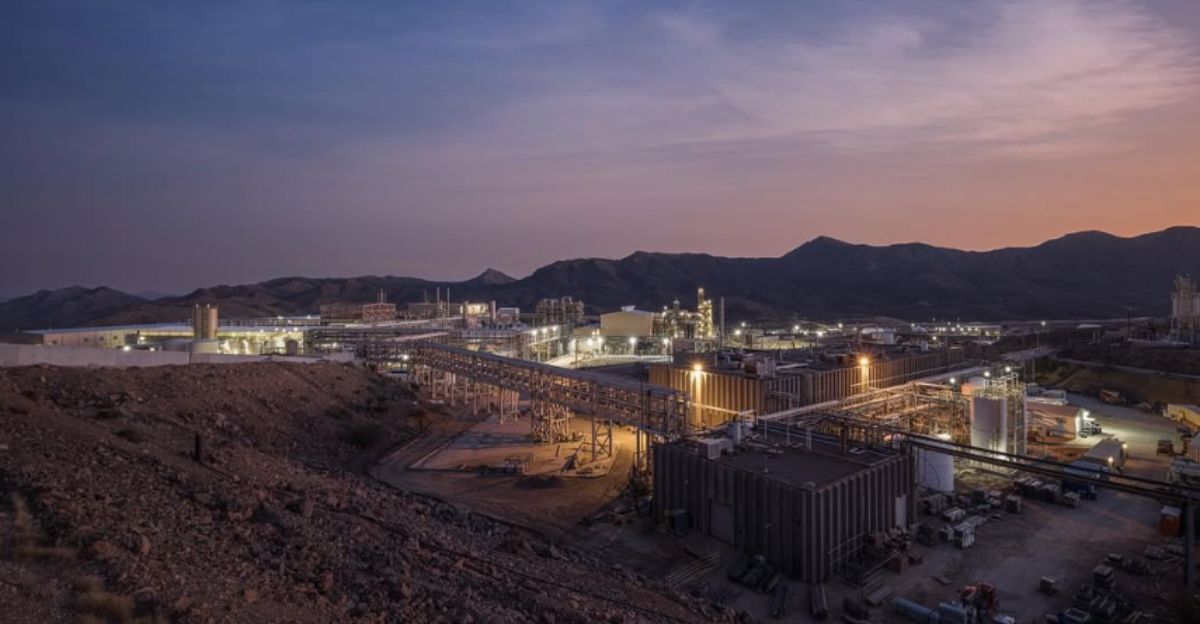
Reacting to this imbalance, U.S. and allied governments have tried to rebuild domestic capacity – with limited success. In 2017, MP Materials reopened the Mountain Pass mine with Pentagon backing, making it the only active U.S. rare-earth producer.
Today, MP still ships most of its concentrate overseas for refining. In 2025, the U.S. took a bold step: the Pentagon bought a $400 million stake in MP Materials to fund a new magnet factory and expanded processing.
MP’s CEO James Litinsky emphasized this was not a nationalization: “We remain a thriving public company… but we still control our company and destiny,” he told CNBC.
This public-private partnership is a start – but analysts warn that a few projects won’t snap the decades-long Chinese lead.
Expert Warning
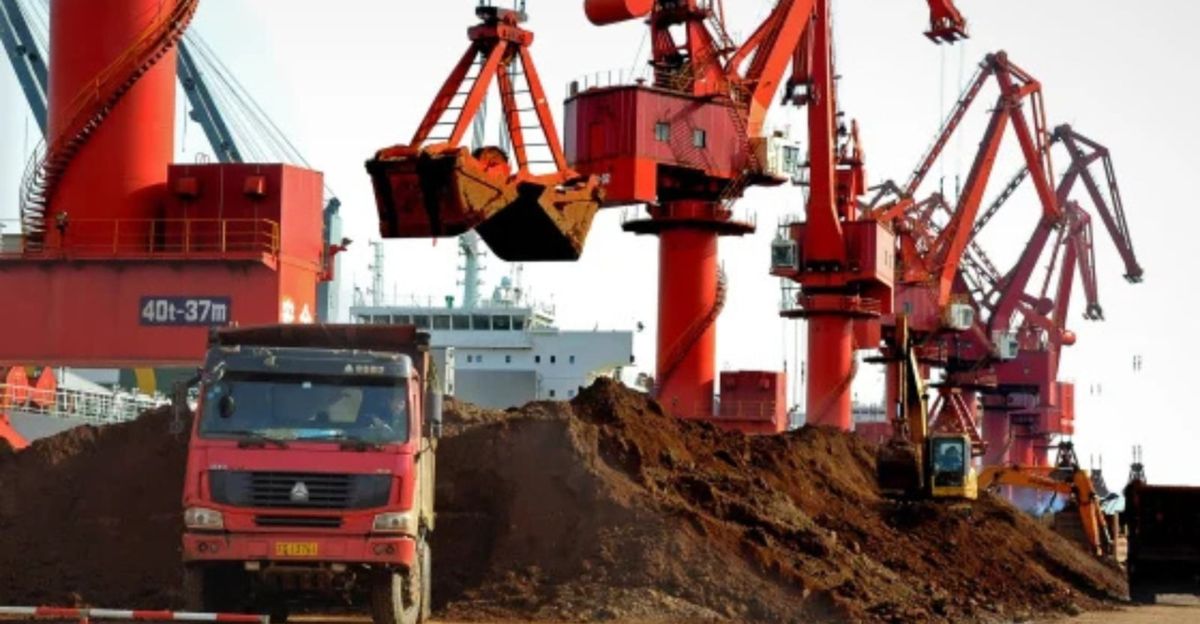
Experts caution that simply reopening mines isn’t enough. China still “controls the rare-earth supply chain without direct confrontation,” a 2025 analysis noted, leveraging its technical know-how, resource base and low costs to maintain dominance.
Companies around the world are scrambling. For example, after April’s controls, Ford’s finance chief warned that China’s restrictions only “put stress on a system that’s highly organized… It continues to be an issue”.
Observers say any true independence will demand huge new investments – in metal separation plants, workforce training, and alternative technologies – well beyond anything seen to date.
Future Vulnerability
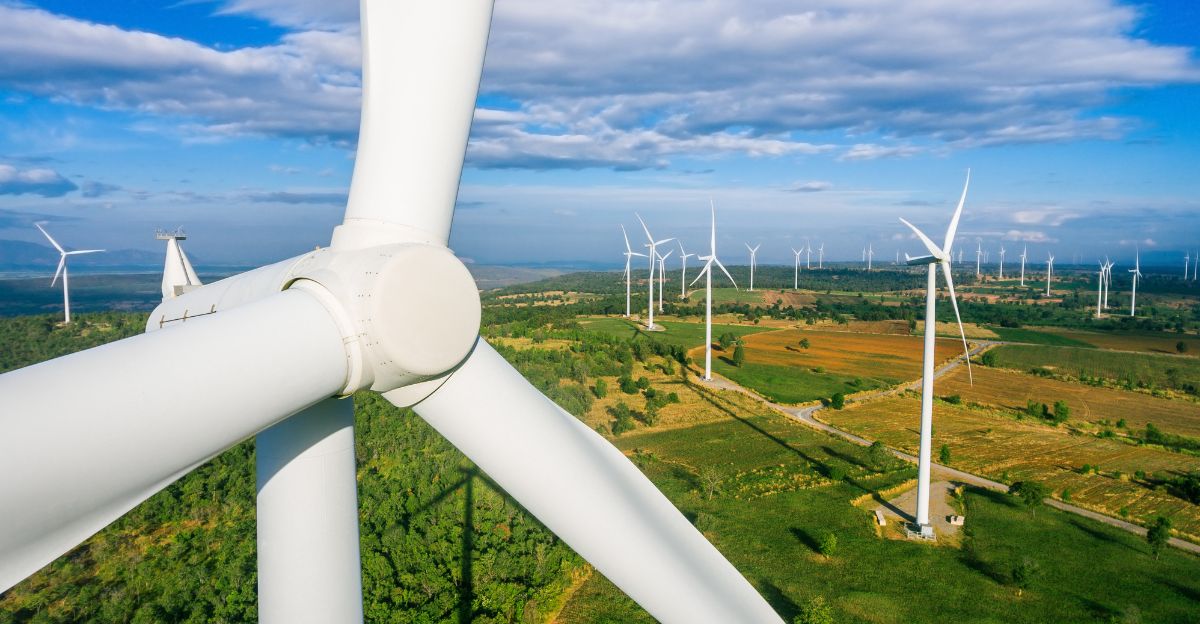
The stakes are only getting higher. Clean-energy forecasts suggest demand for rare earths could jump 3–7× by 2040 (vs. 2020), driven by EV motors, wind turbines, and 5G electronics. Governments have taken notice.
Japan, Europe and the U.S. now openly prioritize supply security over short-term costs. As EU industrial chief Stephane Sejourne put it, past export curbs “only increase our will to diversify” away from China.
Allies have launched new partnerships (a Japan–EU critical minerals forum, Pentagon-MP alliance, etc.) and stockpiling programs. But even these efforts come years after China’s head start. As a CSIS study warns, looming shortages are still likely unless massive processing capacity is rebuilt.
Geopolitical Tensions
Beijing’s leverage reemerged in April 2025. In retaliation for U.S. tariffs, China’s Commerce Ministry imposed licensing requirements on seven medium/heavy rare earths (samarium, gadolinium, terbium, dysprosium, lutetium, scandium, yttrium).
Though not a total ban, the new rules stalled exports – especially of high-grade magnet materials. Within weeks, Chinese magnet shipments had crashed. In May 2025, total magnet exports fell ~74% year-on-year and exports to the U.S. slumped over 93%.
Western manufacturers are acutely feeling the pinch: as Ford CFO Sherry House warned, China’s controls simply “put stress on a system that’s highly organized with parts ordered many weeks in advance… It continues to be an issue”.
Allied Response

The 2025 squeeze has galvanized new action. Japan – burned by the 2010 shock – has aggressively diversified its sources, slashing China’s market share in its supply from 82% (in 2010) to about 54% by 2015.
Now Tokyo and Washington are cooperating on rare earths: in July 2025, Japan and the EU agreed to jointly develop critical-mineral supply chains under a new “two-plus-two” economic dialogue.
The U.S. Pentagon has similarly inked multi-billion-dollar deals (e.g. making MP Materials its largest shareholder).
Even as these programs ramp up, officials stress the urgency. EU commissioner Sejourne bluntly stated, “We must reduce our dependencies on… countries like China… The export bans increase our will to diversify,” insisting that Europe and its allies shift investment towards independent projects.
Environmental Reckoning
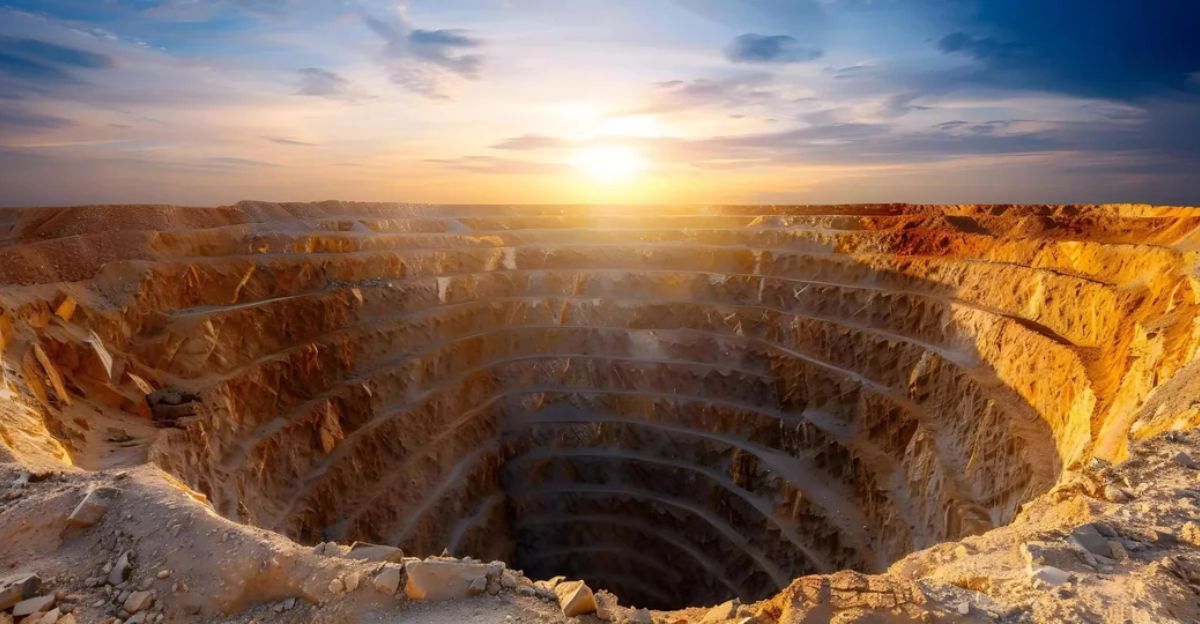
China’s rare-earth footprint remains enormous, and is beginning to change under pressure. Industry figures admit that extracting ion-adsorption ores is shockingly wasteful – one study found that one ton of these ores generates about 2,000 tons of toxic tailings.
Recognizing the damage, Beijing adopted stricter rules after 2016. New regulations have forced remaining operators to upgrade technology and move into centralized parks with wastewater treatment plants.
Gone (at least on paper) are the open-air pits of the past. Environmentalists hope this trend continues. As Ma Jun of the NGO Institute of Public and Environmental Affairs puts it, “we hope that the environmental damage can stop and that these external [pollution] costs could be internalized” by producers.
Innovation Race
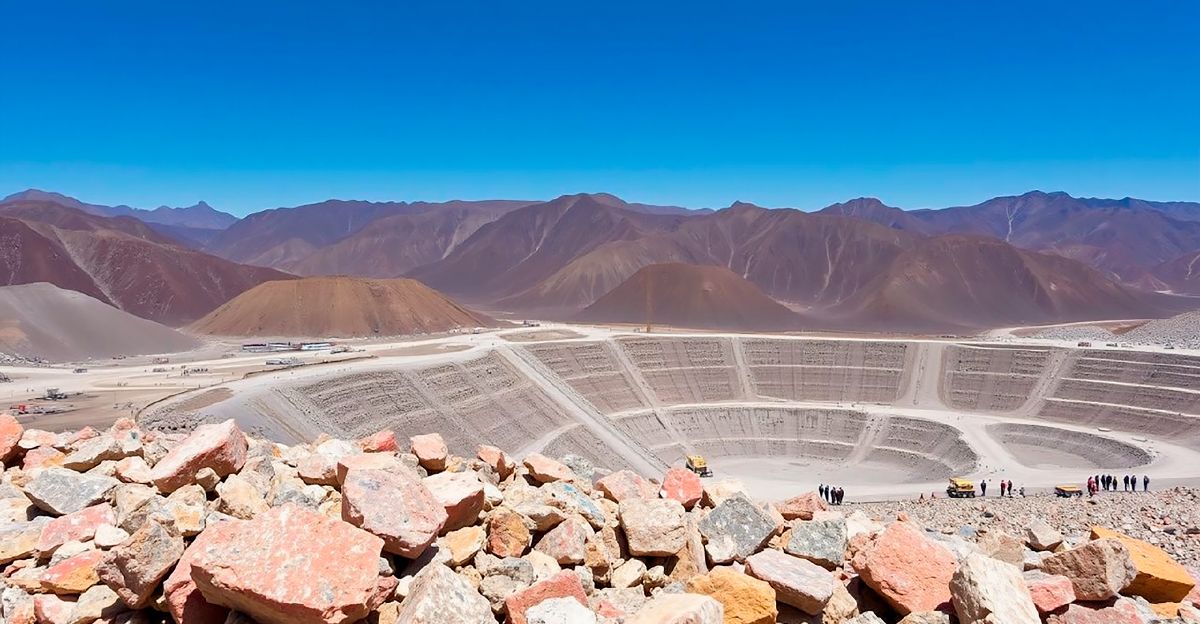
At the same time, researchers worldwide are racing to cut rare-earth waste and reliance. Chinese teams are testing bio-leaching methods using bacteria and plant enzymes to replace harsh acids.
A notable breakthrough came in early 2025: scientists at the Chinese Academy of Sciences demonstrated an electric-field extraction technique that achieved a ~95% recovery rate of target REEs.
This method shortened processing time by ~70% and – crucially – cut ammonia and sulfate emissions by roughly 95% relative to conventional processes.
While still experimental, such innovations hint at how the industry might shrink its toxic legacy in the years ahead.
New Reality
The rare-earth saga underscores a simple lesson: small decisions today can tilt tomorrow’s power balance. As Deng Xiaoping once quipped, “The Middle East has oil; China has rare earths”.
China’s current dominance is the product of a decades-long strategy: aggressive R&D, steady investment and long-term planning.
Its rare-earth empire shows the payoff of that vision. Looking forward, today’s technology transfers and industrial policies carry similar weight: whether in AI chips, batteries or other “critical” sectors, nation-states are planting seeds that could yield huge geopolitical influence down the road.