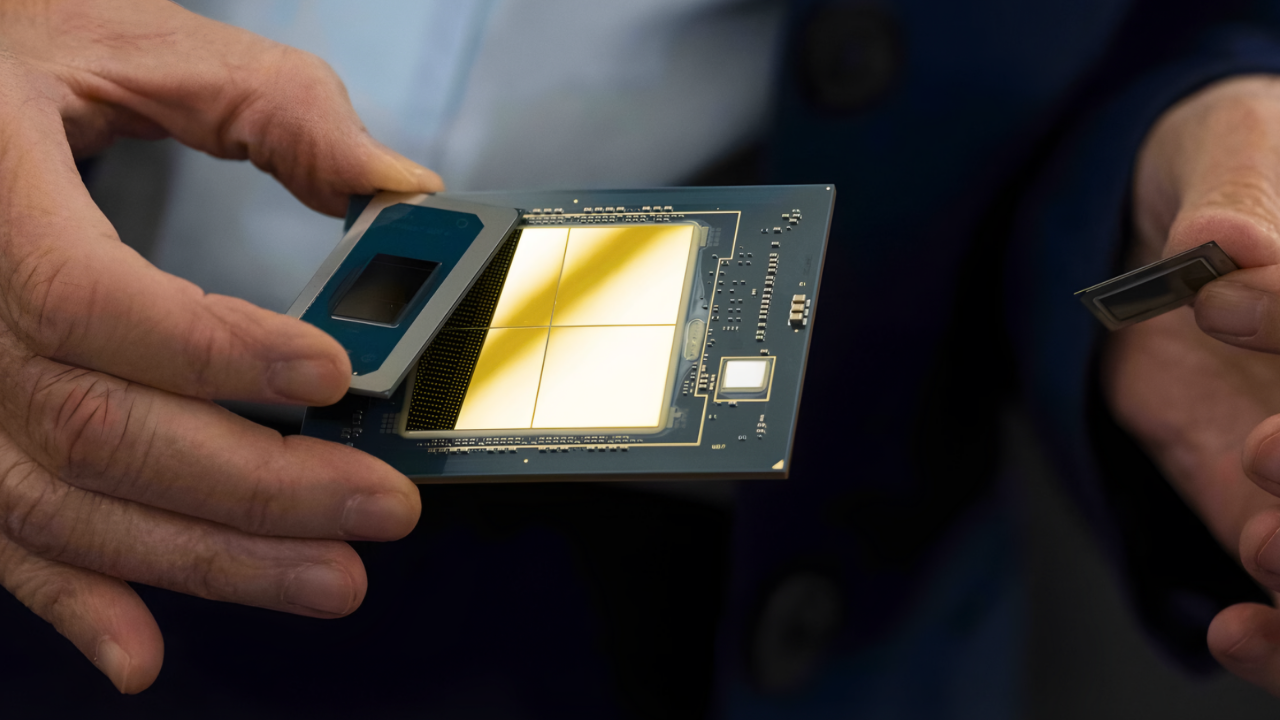
A striking headline grabbed attention: “China’s Chip Ambitions Shattered After US Scientists Develop 16K Times Faster Quantum Silicon.”
The claim sparked debate. But the real story is more complex. The research breakthrough is genuine, but claims of national dominance require careful verification.
This story involves labs, global competition, and quantum computing. The truth? More nuanced than the headline—and more interesting too.
Global Chip Race
Advanced semiconductors are in high demand worldwide, resulting in intense global competition. China, the US, and Europe each invest billions to build their own chip industries.
Quantum computing represents the next frontier, offering huge leaps in speed and power. Every breakthrough makes headlines and fuels national ambitions, market hopes, and security concerns.
Behind each advance lies collaboration mixed with intense rivalry.
China’s Aspirations

China has spent over a decade building chip expertise as a key economic goal. The “Made in China 2025” strategy aims for semiconductor independence.
China leads globally in quantum computing patents and invests heavily in massive research programs. Yet bottlenecks persist in advanced manufacturing and the development of new materials.
Each setback—or foreign breakthrough—sparks debate about China’s rapid tech push.
The American Context
In the US, tech giants, startups, and agencies view chip supremacy as vital to national strength and security.
The CHIPS Act became law on August 9, 2022, investing $52.7 billion in U.S. chip production and research.
America now races to lead quantum computing and protect its supply chain. Yet not every breakthrough belongs to the US.
The Breakthrough
In November 2025, scientists announced a record result: a thin germanium layer on silicon achieved hole mobility of 7.15 million cm²V⁻¹s⁻¹.
That’s about 15,900 times faster than regular silicon at freezing temperatures—a huge leap for quantum and regular electronics.
This breakthrough could lead to faster, more efficient computers.
Correction: UK-Canadian Leadership

Headlines claim US scientists made this discovery, but they didn’t.
The lead team worked at the University of Warwick in the UK, working with Canada’s National Research Council. Dr. Maksym Myronov from the University of Warwick led the study.
Canadians Alex Bogan and Sergei Studenikin contributed key expertise and resources. No American university or researcher led this paper. Getting facts right matters.
Quantum Hardware Revolution
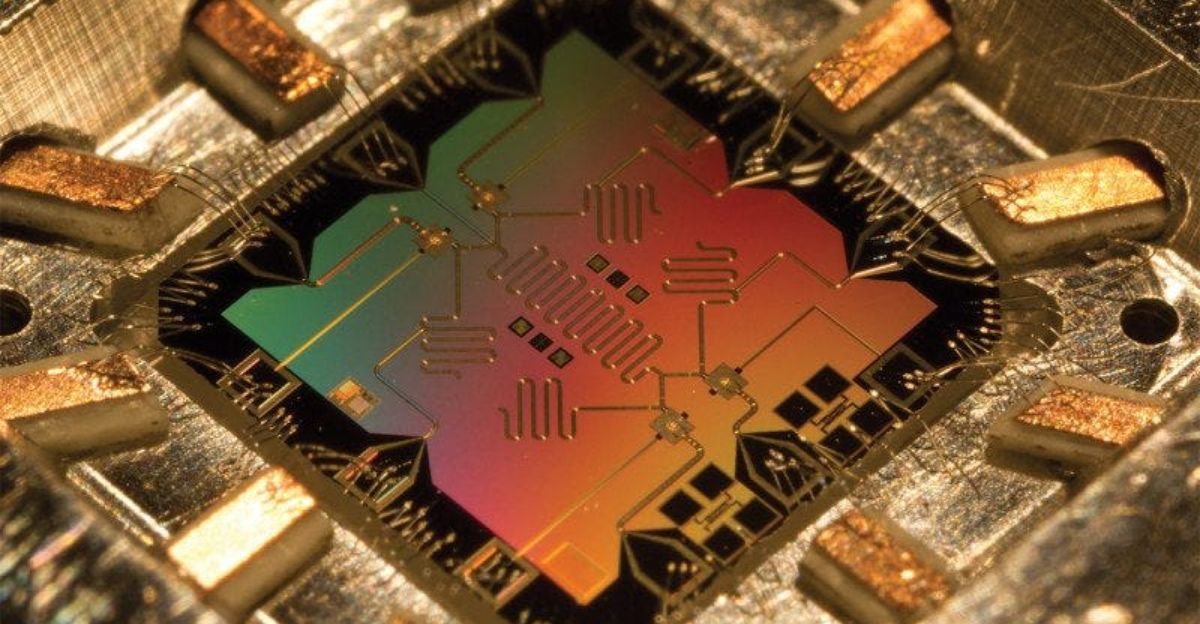
What does this mean in real terms? High-mobility materials enable quantum information to move with minimal energy loss.
This helps create stronger quantum bits (qubits) and better low-temperature devices.
This could accelerate quantum computers that might outperform conventional supercomputers at specific tasks.
Because standard chip factories can use this tech, it reaches markets faster.
How It Works
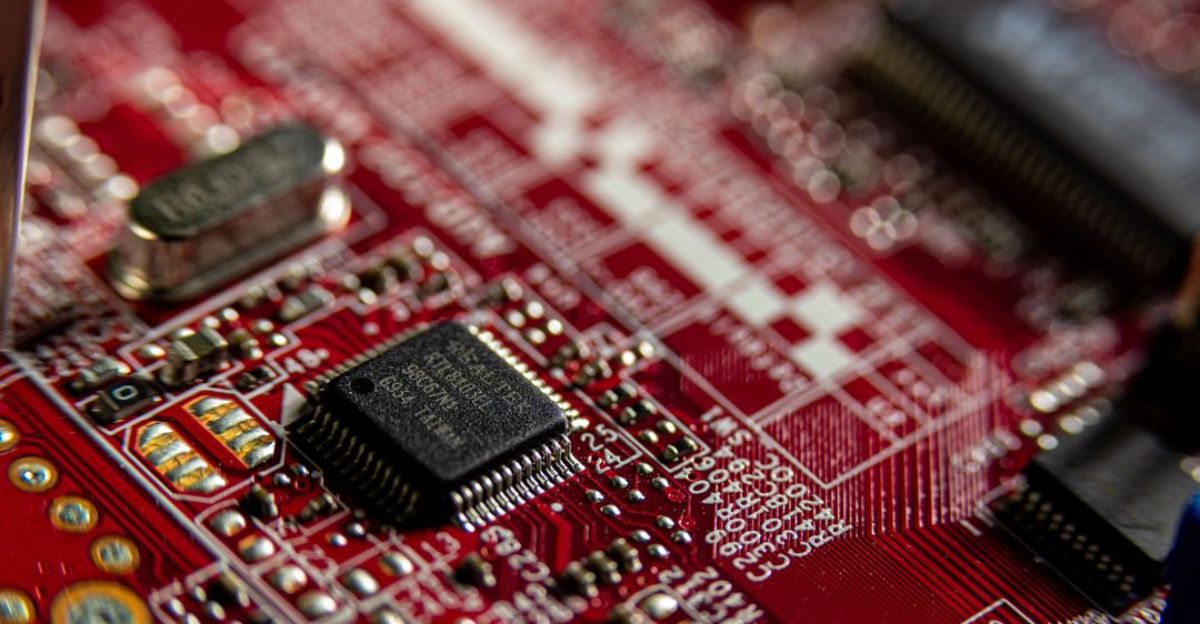
The key involves strained germanium grown on a silicon base. Straining the crystal grid and using advanced growth methods significantly enhances the speed at which charges move.
Regular silicon limits efficiency, while this new material offers nearly 16,000 times better performance.
Germanium-on-silicon structures are compatible with standard factory equipment, which is critical for scaling up production.
Measuring Success
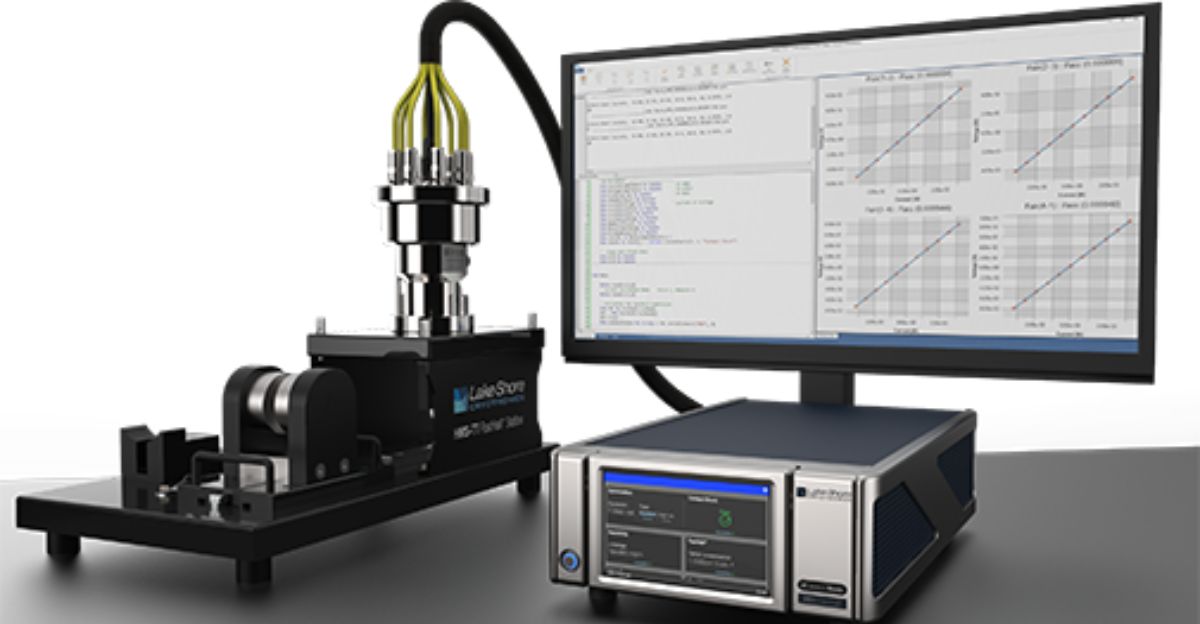
Scientists used specially designed “Hall-bar” test devices at very low temperatures to check their results.
They measured carrier mobility above seven million cm²V⁻¹s⁻¹ with a carrier density of 1.7 × 10¹¹ cm⁻².
These numbers set a new record for group-IV semiconductors and demonstrate that the material is suitable for quantum systems. Independent labs confirmed the finding.
More Than Just Speed

High mobility matters beyond just going faster. It means less heat, better energy use, and fewer errors in quantum logic gates.
This cuts cooling needs and allows simpler device designs.
These gains could save millions at data centers and research labs worldwide—key as quantum computing becomes a commercial reality.
National Reactions
Early news coverage praised Western “supremacy” in quantum tech. Some stories overstated the origin of the discovery and its implications for global power.
UK, Canadian, and world outlets then set the record straight about who led the work.
This illustrates how national competition influences science reporting—even when results emerge from collaborative efforts, not a single country alone.
China’s Real Status
Headlines claim China’s quantum ambitions are “shattered,” but they’re not. China’s quantum programs remain strong.
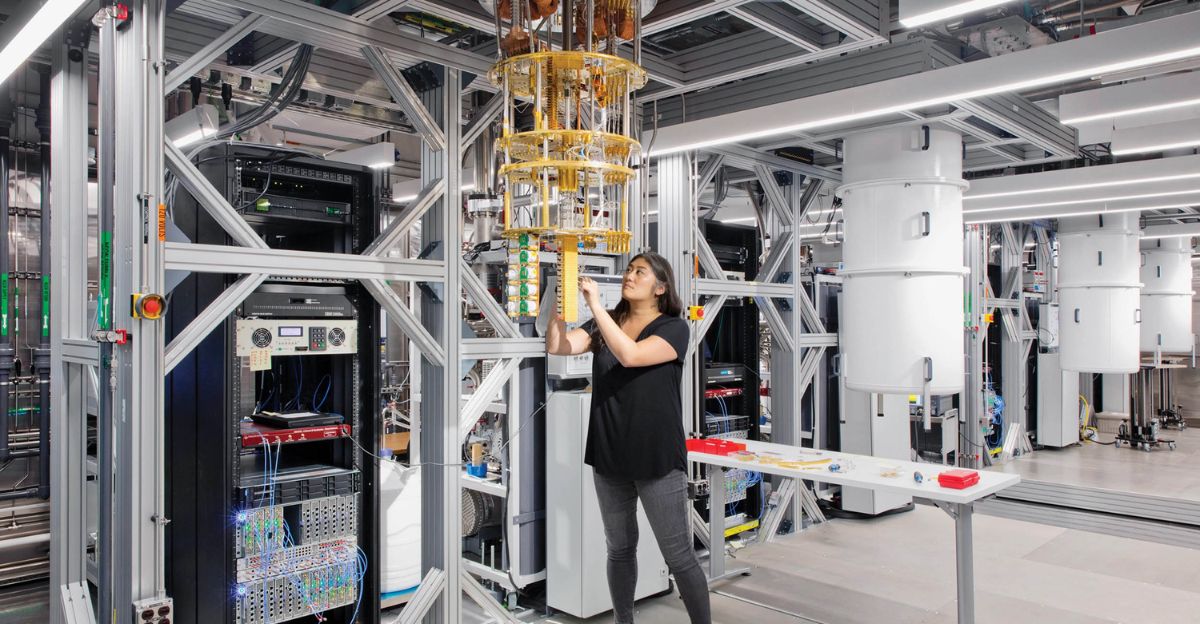
Just weeks before the Warwick result, Chinese labs opened a commercial 105-qubit quantum computer in October 2025.
China’s “Tianyan” quantum platform now serves users in over 60 countries with 37 million visits. Challenges exist, but no proof shows ambitions are “shattered.”
Economic Implications

Experts predict that the quantum hardware market could reach $10–50 billion by 2030.
Since the Warwick technology works with standard factories, it can be brought to market quickly if engineers resolve the remaining issues.
This could spark investment waves across government, private, and university labs worldwide. The UK government also pledged £670 million for quantum computing through its Industrial Strategy.
Who Owns the Lead?

Measuring quantum tech leadership is tricky. While Western labs set new records, China’s public and private sectors are spending heavily and filing numerous quantum patents.
Some experts argue that the tech “arms race” hype overstates the level of competition.
Real progress often happens through global teamwork and healthy competition among all players.
What Comes Next?
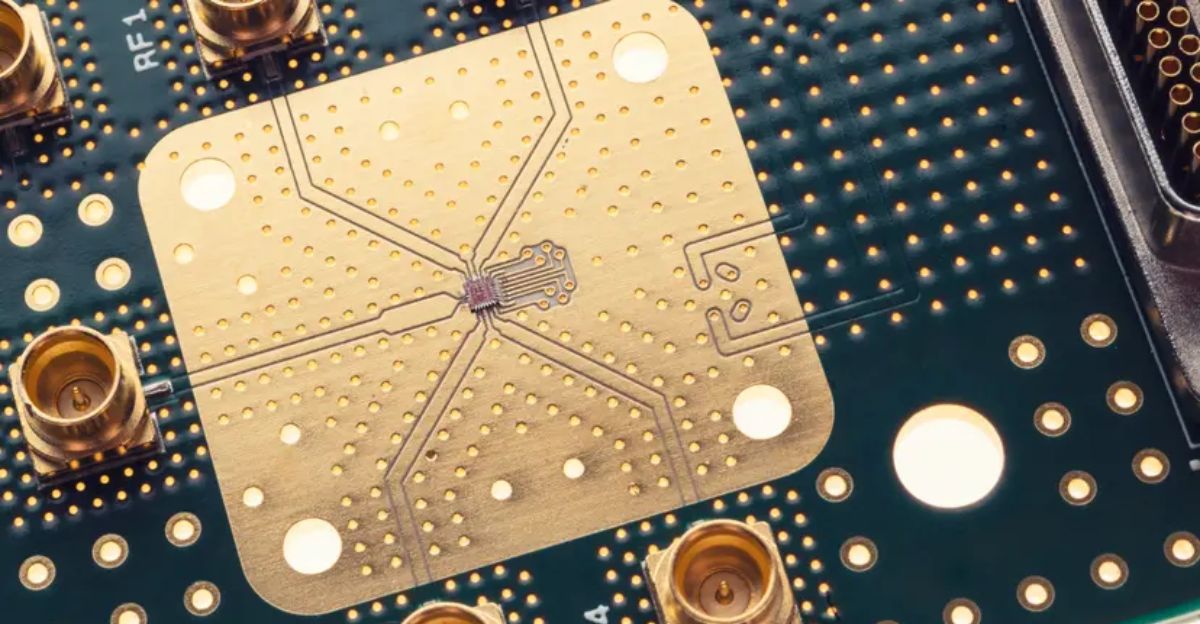
The Warwick team plans to enhance its material and collaborate with global partners to develop quantum devices.
Chinese, European, and North American labs are racing to make qubits more stable and reduce errors.
The next breakthrough could come from any country—or likely from several working together. Competition and teamwork drive progress simultaneously.
Parliamentary Oversight

Lawmakers worldwide now prioritize quantum R&D policy. In October 2025, Universal Quantum CEO Dr. Sebastian Weidt addressed the Parliament’s Science, Innovation, and Technology Committee, presenting a five-step plan for UK quantum leadership.
Chair Dame Chi Onwurah pledged to closely monitor the government’s work on quantum.
US House lawmakers held hearings in June 2025 called “Preparing for the Quantum Age: When Cryptography Breaks.”
Market Waves

Progress in one sector ripples outward: superconductor companies, AI chip startups, and graphene researchers closely watch group-IV news.
Major chipmakers study how this new platform could impact their timelines. Growing investment in ultra-cold electronics, memory, and AI accelerators mirrors this breakthrough.
The UK set up quantum computing testbeds at the National Quantum Computing Centre in 2025.
Public Discourse

The story trended on X and Weibo, with false claims of “US victory” or “China’s chip failure.”
Researchers and journalists quickly posted corrections to explain the UK and Canadian leadership.
Social media analysis showed rapid fixes—but false claims spread faster first.
Readers need reliable sources and official statements to navigate complex tech stories.
Historical Precedent: International Collaboration
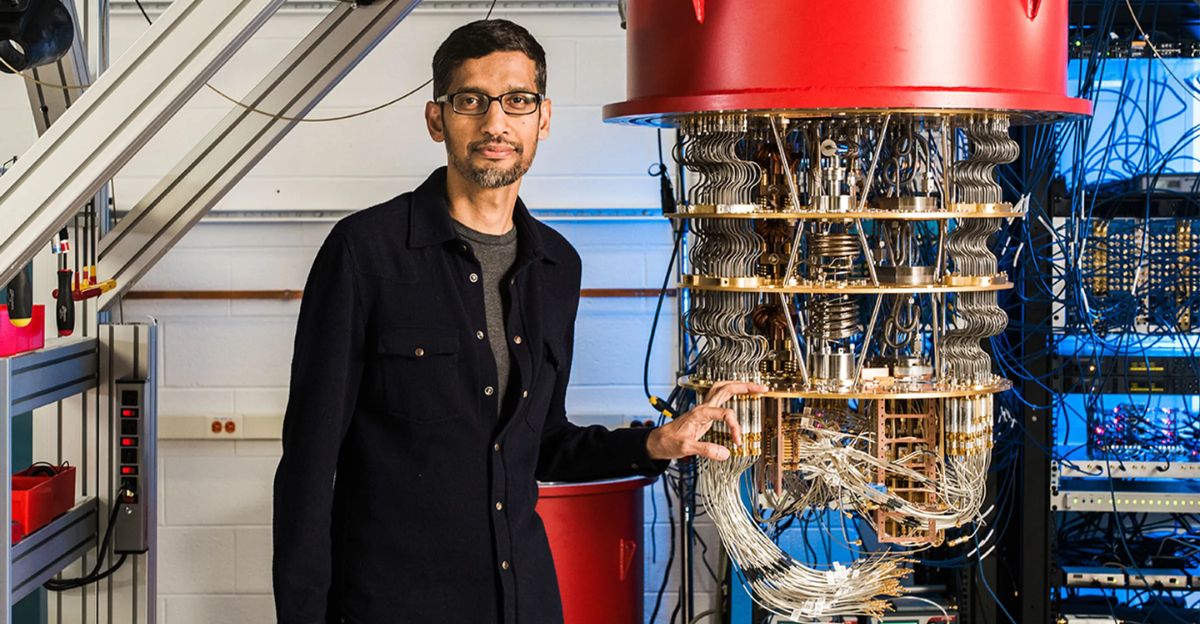
Major tech breakthroughs—from ARPANET to Google’s 2019 quantum success—came from international teams.
The 1945 Bretton Woods agreement and postwar science cooperation established frameworks that are still in use today.
Quantum research benefits from open sharing, researchers moving freely between countries, and the use of shared tools. Winner-take-all stories often hide this teamwork reality.
Clear Takeaway

The University of Warwick’s quantum semiconductor breakthrough, in collaboration with Canada’s National Research Council, demonstrates real scientific progress with significant market potential.
The real story involves steady global competition, teamwork, and slow innovation.
“Shattered ambitions” sell headlines, but facts show the quantum race continues—and success now demands cross-border collaboration.
Sources:
Materials Today
The White House / CNBC
University of Warwick
National Research Council of Canada
The Quantum Insider / China Daily
UK Government