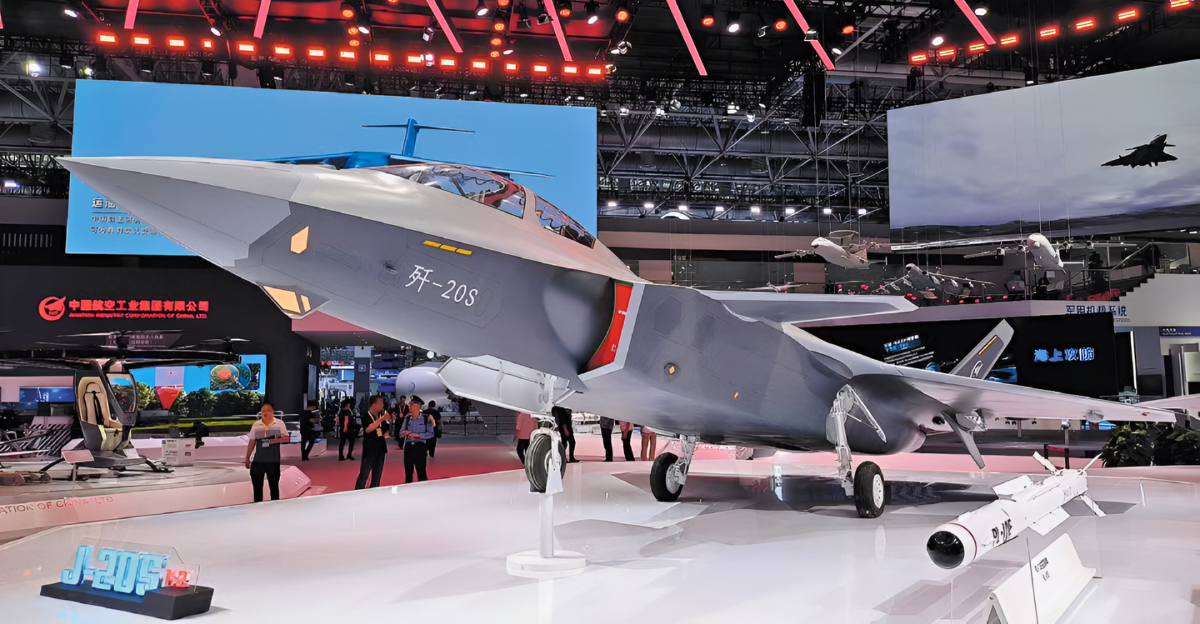
Over the weekend, Beijing residents got an unusual surprise. Videos and photos of Victory Day parade rehearsals showed massive columns of PLA troops and hardware rolling through the capital.
Satellite footage and eyewitness clips reveal brand-new weaponry – drones, hypersonic missiles, laser-equipped vehicles and unmanned subs – moving past Tiananmen under tight security.
Defense analysts note this was no minor drill: roughly 40,000 soldiers took part in these full-scale runs.
The sheer scale and modern gear on display immediately sparked international attention, suggesting China plans a record-setting military show on Sept.3.
Stakes Rising
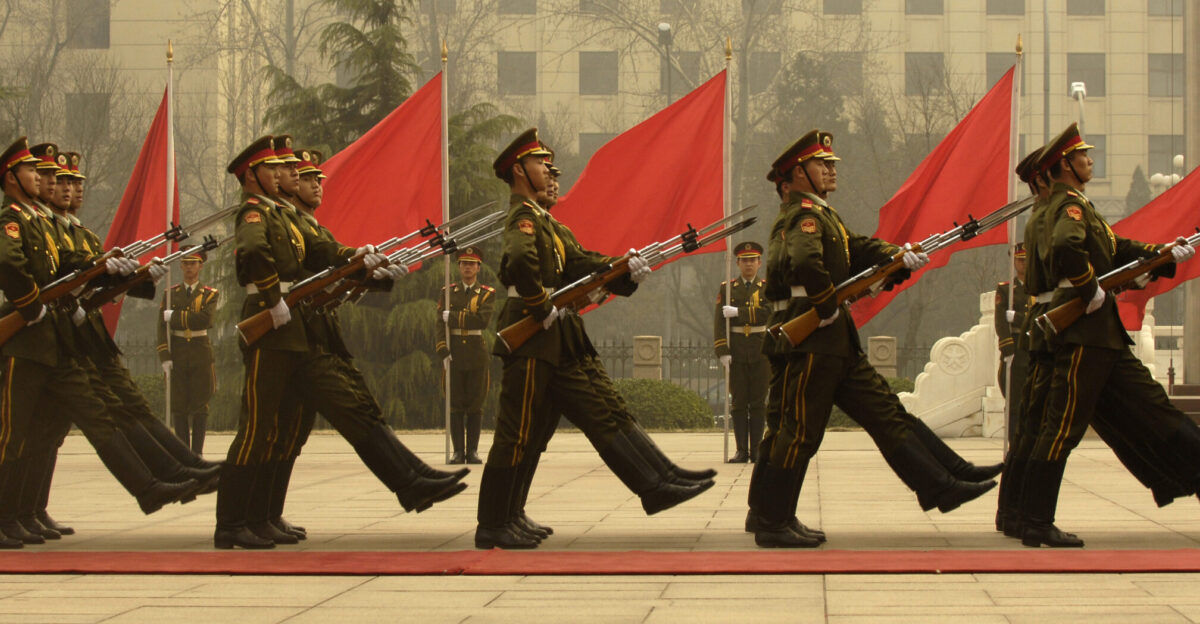
China’s military has been on a tear under Xi Jinping. Over the last decade, Beijing’s defense budget has climbed nearly 75%, from about $131 billion in 2013 to roughly $224 billion by 2023.
Its navy is now the world’s largest by hull count (≈370 ships/subs today, projected ~435 by 2030).
New J-20 stealth fighters, DF-17 hypersonic missiles and other high-end systems have entered service alongside traditional tanks and artillery. In short, the PLA is rapidly closing the technology gap with the U.S.
For regional powers, this growing arsenal – designed for networked, high-speed warfare – is now a direct strategic concern.
Historical Context
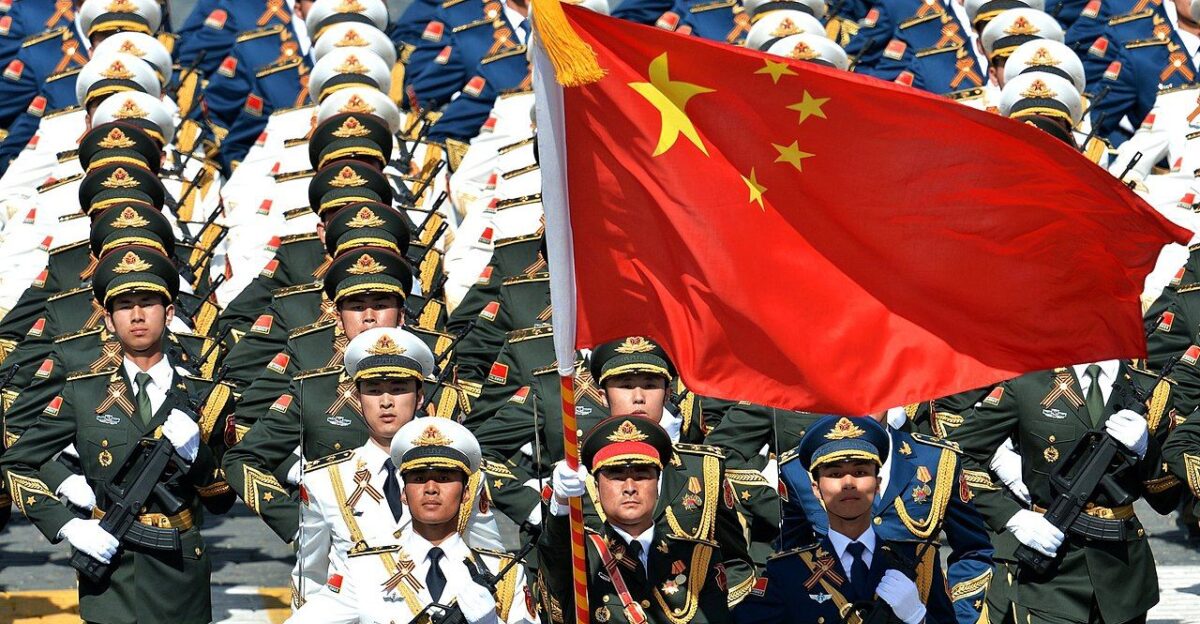
The Sept. 3 parade isn’t just about hardware – it’s also about history and prestige. It will mark the 80th anniversary of Japan’s WWII surrender. Since 2014, Beijing has used these “Victory Day” events to present its own narrative of the war and China’s role.
The last one in 2015 was massive: over 12,000 Chinese troops (plus foreign contingents from Russia, Belarus, Cambodia etc.) marched through Tiananmen Square alongside 500+ tanks, missile launchers and aircraft.
That show was meant to remind observers of China’s rise from the ashes of war.
The 2025 parade is expected to eclipse even that grand display – signaling to the world that China not only remembers history, but believes its military has become mighty enough to shape the future.
Mounting Pressures
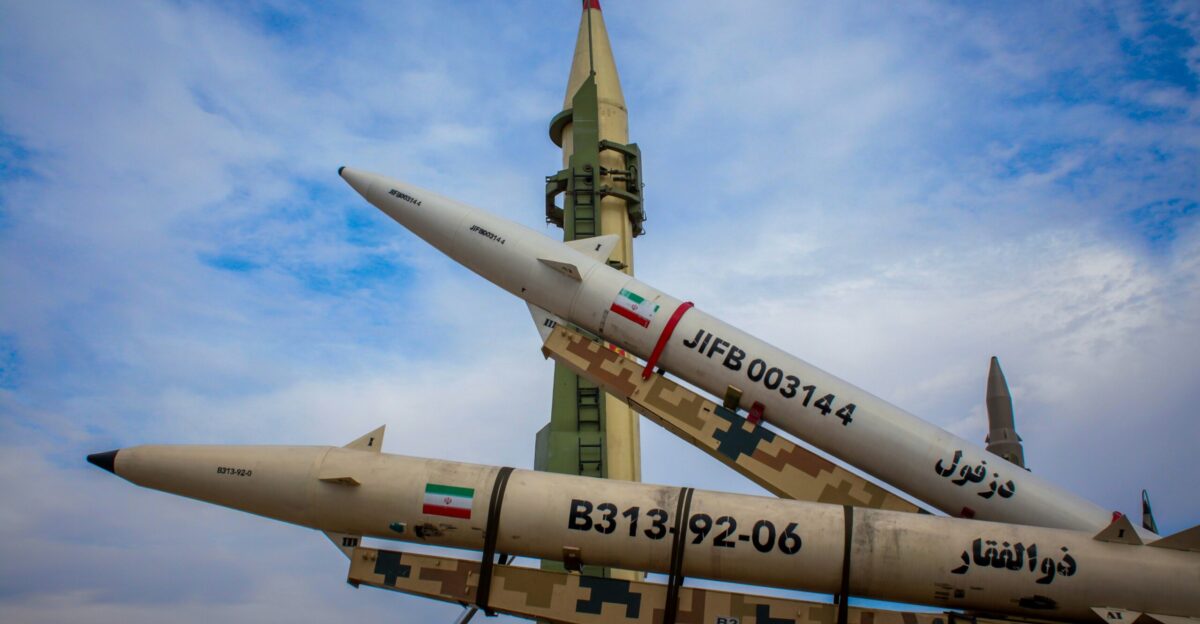
Meanwhile, regional tensions are rising. Japan has been beefing up its defenses in response to China’s assertiveness. Tokyo has agreed to purchase 400 U.S.-built Tomahawk cruise missiles – giving Japan an unprecedented “counterstrike” reach – and is refitting ships to carry them.
In early 2025 the U.S. also announced a major upgrade of its forces in Japan: US Forces Japan is being transformed into a warfighting headquarters, with more staff and combat authority to coordinate closely with Japan’s new Joint Operations Command.
Both allies have staged increasingly realistic drills: for example, one recent U.S.–Japan’s exercise simulated the “recapture” of an island (though officials insist it wasn’t aimed at any particular country).
Beijing’s neighbors are hedging for a possible conflict in the East China Sea.
China Unveils the FH-97
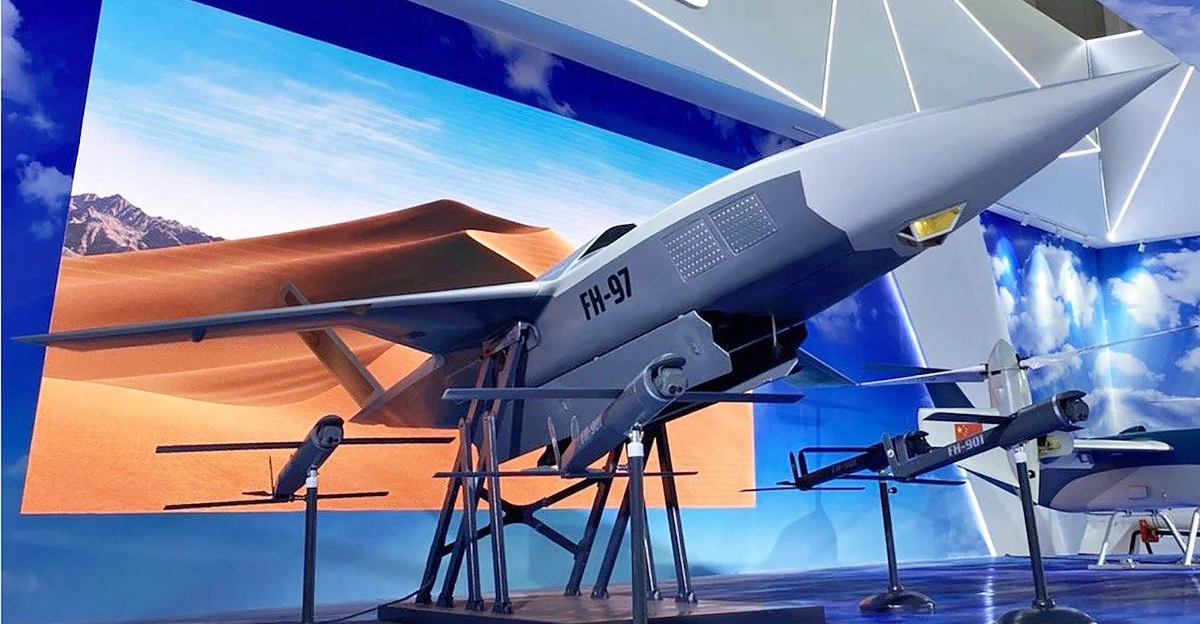
Here’s where it gets interesting. On September 3 China officially introduced its new FH-97 stealth drone as part of the parade.
Long-rumored and now seen in action, the FH-97 is a single-engine uncrewed combat aircraft – a so-called “loyal wingman” that flies alongside manned fighters. Footage from the rehearsal (where it was covered on a truck) confirms the design.
According to the South China Morning Post, if China fields the FH-97 it would be the world’s first combat-ready loyal wingman stealth drone.
In parade commentary Beijing touted it as a force multiplier, effectively an “armed bodyguard” that shields human pilots and strikes at long range. (It remains to be seen if it flies fully autonomous combat missions or requires a human in the loop.)
Regional Impact
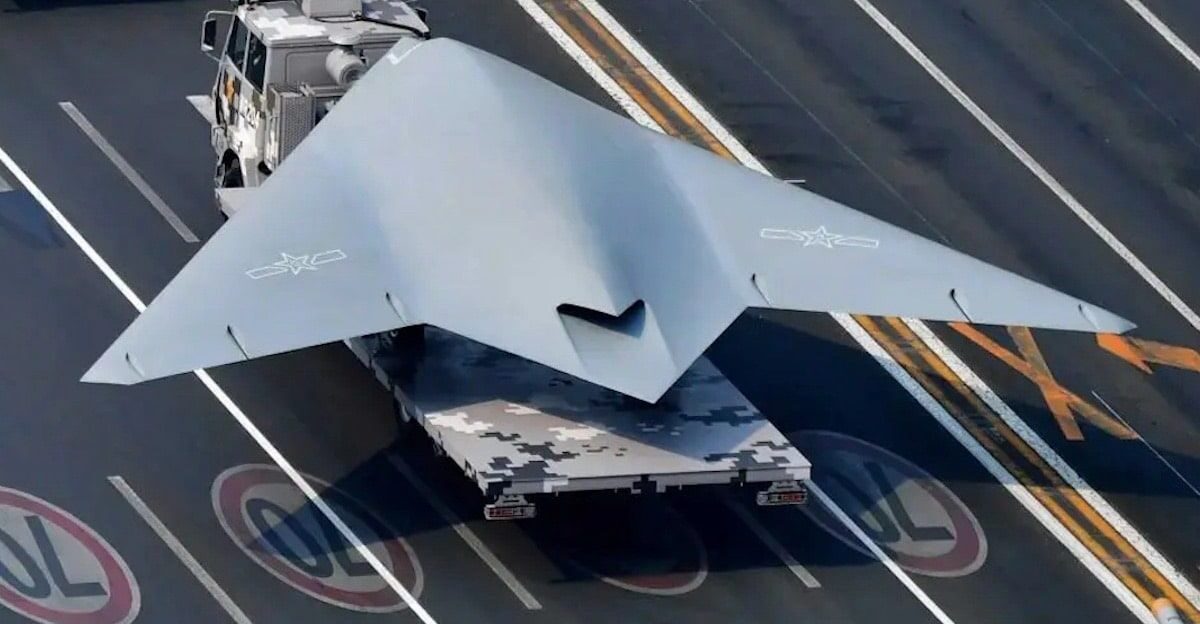
The debut of such collaborative drones instantly raises the bar for military balance in Asia. By extending China’s reach over contested waters, these systems force neighbors to adjust.
Analysts note that satellite and street-level images clearly show at least five different loyal-wingman drone designs in the parade, plus the GJ-11 “Sharp Sword” flying-wing UCAV.
Each can act as a scout, jammer, weapons platform or decoy. Taiwan, Japan and the Philippines – all parties to Beijing’s maritime disputes – now must factor these long-loitering, AI-capable aircraft into their defense plans.
“Our fishing boats may soon encounter drones as much as ships,” says one veteran Taiwanese coast guard officer. In Tokyo, strategists are rethinking island defenses, knowing that Chinese drones could loiter over the Senkakus or Ryukyus Islands well before any Chinese jets arrive.
Human Stories

On the ground, Chinese officials themselves have been trumpeting the change. Major General Wu Zeke, deputy director of the parade command, announced confidently that the new weapons will “fully demonstrate our military’s robust ability to adapt to technological advancements… and win future wars”.
Deng Shuai, the FH-97’s chief designer, described the drone in layman’s terms as acting “like an armed bodyguard” for manned jets.
Deng explained it “acts as both a sensor and an ammunition depot, as well as an intelligent assistant for pilots”. In other words,
Chinese crewed fighters can send FH-97s into harm’s way first, using their built-in AI to scout threats or drop ordnance – keeping human pilots safer. These on-the-record comments from insiders underscore China’s narrative: this tech makes the PLA smarter and more lethal, protecting soldiers and civilians alike.
Competitor Response
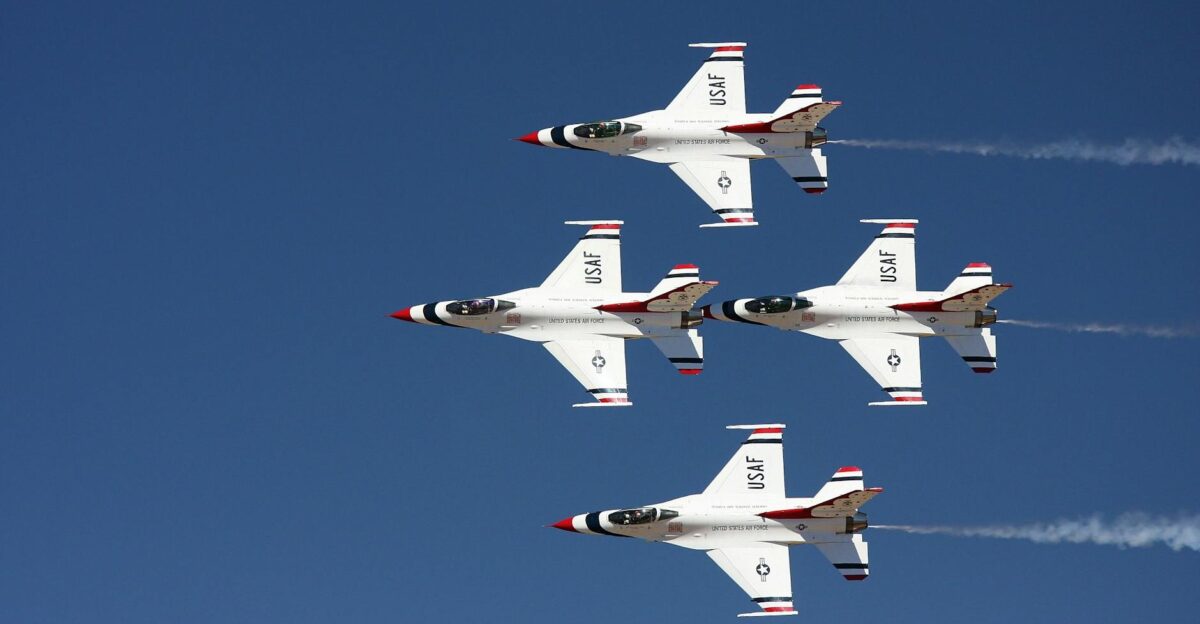
Overseas, the parade’s headlines are spurring action. The U.S. Air Force has already been racing its own “loyal wingman” programs. Between 2025–29, the USAF plans to spend about $8.9 billion for similar CCA development. Kratos (maker of the XQ-58A Valkyrie) and Boeing (in Australia) have each built prototypes.
In fact, Australia’s MQ-28 Ghost Bat – a close equivalent – has already logged more than 100 flight hours in testing.
The message from Western defense firms: China may have shown the drone first, but America and its allies are trying not to fall behind.
Engineers from Kratos, Boeing and Northrop have publicly noted that manned-unmanned teaming is the future, and China’s reveal just validated that. U.S. military planners say the loyal wingman concept is now essential to fight any peer adversary – meaning the Pentagon will speed up its own version of the FH-97.
Macro Warfare Evolution
Experts say this marks a doctrinal shift in air warfare. Traditionally, human pilots operated each aircraft in a kill chain. Now, with loyal wingmen, pilots will increasingly command missions instead of carrying out every task personally.
The new drones can perform reconnaissance, electronic attack and even offensive strikes on their own.
They extend the sensor and shooter range of the human squadron while drawing less attention – a classic force multiplier. As one analyst puts it, China’s move “signals rapid advances…potentially reshaping air combat doctrine”.
Air commanders will no longer simply dogfight; they’ll orchestrate a network of manned jets and unmanned teammates. This may sound like science fiction, but recent tests (even by the USAF) show the concept is already practical.
Beyond One Drone
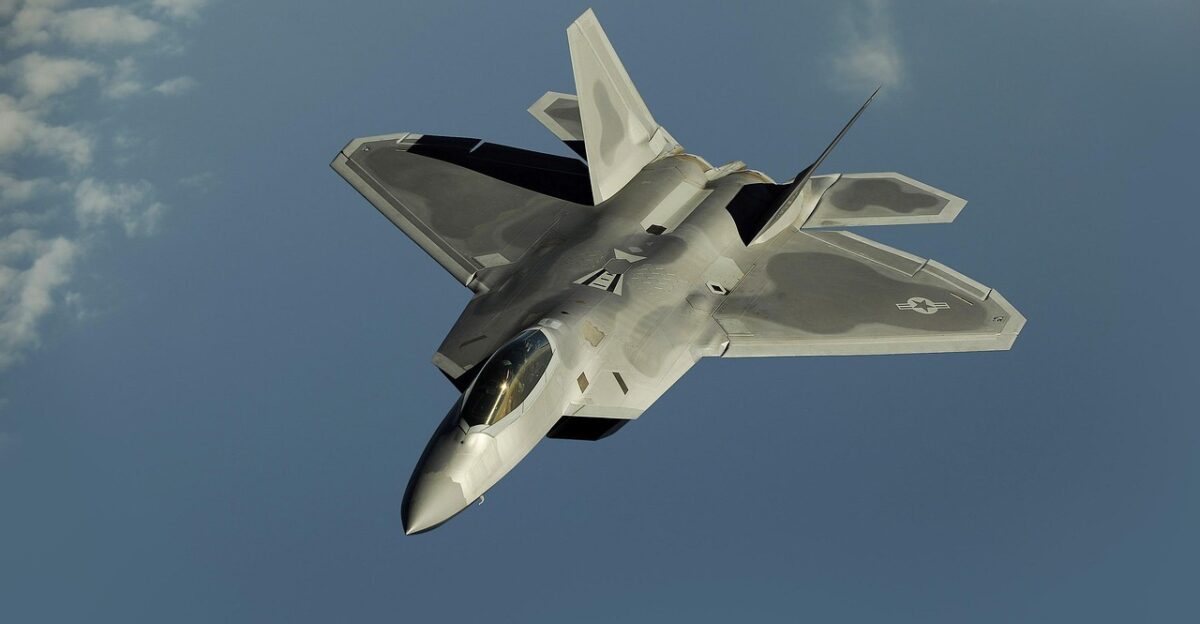
The parade had one more twist. Detailed analysis of the imagery shows the FH-97 was just one of several new drones. In fact, observers counted at least five distinct collaborative-combat aircraft on display, ranging from small airframe designs to larger tailless models.
All of them appeared to be carried on trucks alongside tanks and missiles. Crucially, the Chinese press confirmed these were not mock-ups: “all of the hardware to be displayed has been domestically developed…and has been in active service,” said a senior PLA officer.
China isn’t showing off one experimental toy – it’s unveiling a whole family of committed weapon systems.
The logistical implication is huge: parallel R&D tracks mean Beijing is betting on mass-production of autonomous drones, not just paper exercises.
Internal Tensions

None of this progress came without pain. The Pentagon’s latest China report highlights that in late 2023, Beijing purged at least 15 high-ranking military officers and defense executives on corruption charges. Those removed included top rocket forces leaders and even the former defense minister.
Such anti-graft campaigns have disrupted PLA programs. Pentagon analysts warn the shake-ups “may have disrupted the PLA’s progress toward its 2027 modernization goals”.
On the street, some soldiers grumbled about missing colleagues and delayed promotions.
Yet Chinese state media cast the purges as necessary cleansing by Xi. In practice, the party is tightening control: rooting out corruption and loyalty doubts even as it unleashes new technologies.
Leadership Consolidation
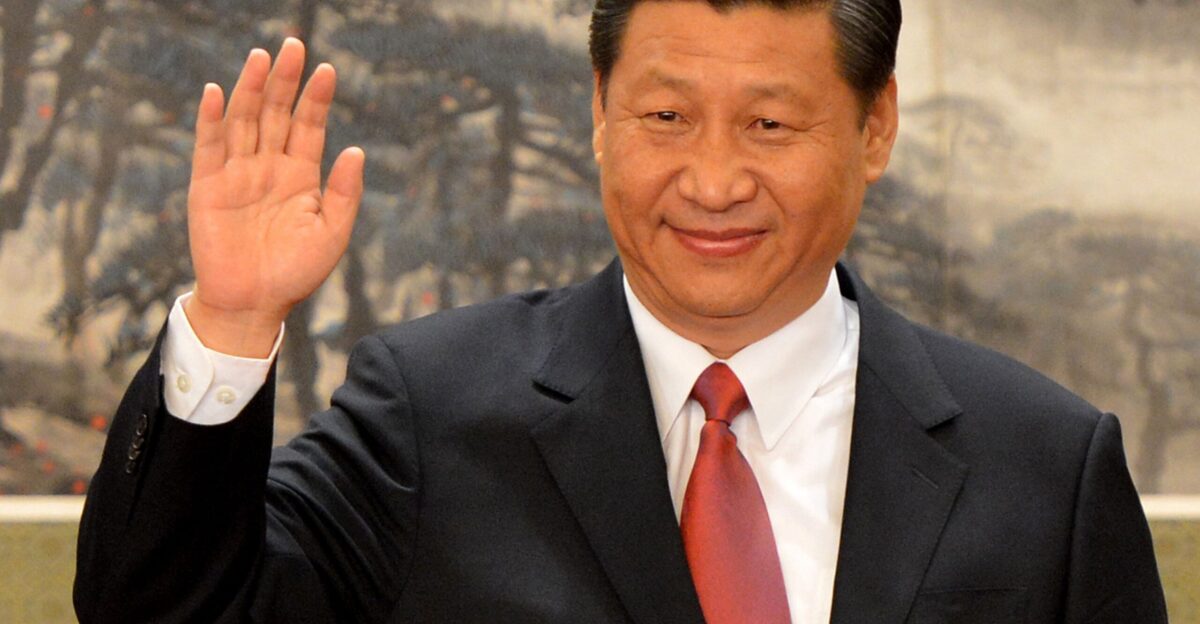
Xi Jinping has personally reorganized the command structure to ensure these new systems work smoothly. In April 2024 he dissolved the Strategic Support Force and created a new Information Support Force tasked with network and electronic warfare.
Importantly, Xi placed this new cyber/space force (and three other support arms) directly under his own authority.
This is the PLA’s biggest overhaul in years, and it mirrors reforms to make the U.S. military more “joint” and information-driven.
Analysts say Xi’s goal is clear: improve China’s information dominance and joint operations ability, so that drones, satellites and hackers are integrated with missiles and jets under one unified chain of command.
Recovery Strategy
Behind the scenes, China is throwing every resource at catching up. The government’s military–civil fusion policies now require private tech companies and local universities to support weapons programs.
Factories that once built smartphones are now also building jet engines and torpedoes. Local governments have been ordered to dedicate land and funding to dual-use research.
Xi Jinping even instructed provincial leaders to “draw civilian science and industry into our military projects” – especially in areas like unmanned vehicles, undersea warfare and cyber defense.
This means cash incentives for AI labs, robotics startups and submarine-builders to align with PLA needs. The hope is to compensate for any R&D delays by tapping the huge Chinese tech base.
Expert Outlook

Defense analysts remain split on just what China’s parade proves. Some see it as a genuine force multiplier and warn that it effectively puts China a generation ahead in autonomous tactics.
Others caution that parading “show-off” hardware doesn’t guarantee operational reliability. Prototypes can look flashy, but still need years of software testing and training.
As one Western expert notes, “public displays are often as much about signaling and morale as about readiness.”
For now, even critics agree on one point: whether FH-97 and its cousins are fully ready or not, they force competitors to treat China’s AI-driven vision seriously. That uncertainty keeps everyone on high alert.
Looking Forward

If China’s claims hold up, its lead in “manned-unmanned teaming” could reshape global competition. Air & Space analysts have observed that “whoever wins the battle of human-AI teaming will dominate the next war.”
China’s unveiling of a combat-ready loyal wingman suggests it thinks it has an edge. Other countries – Japan, India, Australia and NATO members – now face pressure to catch up or risk obsolescence.
A new drone arms race seems likely, as each side races to field stealthy autonomous attackers.
The strategic balance in Asia may hinge on this: will the U.S. and allies close the gap quickly enough to deter Beijing, or has China scored a decisive tech breakthrough?
Political Implications
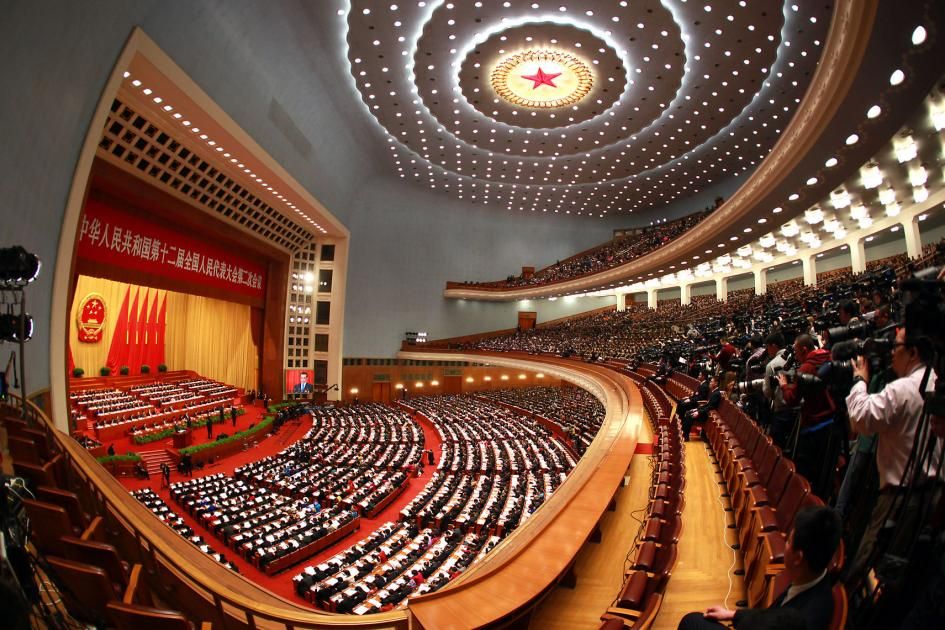
This grand military parade was as much a political message as a commemoration. Xi Jinping used the event to signal strength to both domestic and foreign audiences.
High on the reviewing stand was Vladimir Putin, underscoring deepening China–Russia ties amid shared friction with the West.
By celebrating WWII history so prominently, Beijing reinforced its narrative of victory over fascism. At the same time, it showed neighbors – from Tokyo to Washington – that China’s modern military might is growing fast.
Many experts see this dual purpose clearly: marrying patriotic remembrance with a thinly-veiled display of firepower.
International Ripples

Not everyone in the global community came to Beijing. Dozens of foreign leaders (especially from Europe and Japan) again skipped this parade out of concern over China’s message. Japan officially sent no delegation, reflecting its unresolved wartime grievances.
Taiwan’s leaders also demurred, highlighting China’s current military intimidation.
In diplomatic terms, the parade thus underscored divisions: China portrayed itself as a war-winning great power, but some neighbors viewed it as tone-deaf saber-rattling.
Last time (2015), even Japanese PM Abe declined to attend, and the 2025 event only reinforced that pattern of strained ties and mutual suspicion in the region.
Military-Industrial Complex

None of this would be possible without China’s vast defense industry. Pentagon analysts note the PLAN’s shipyards are working at full tilt. Today, the Chinese navy has about 370 surface ships and submarines – already the world’s largest fleet – and it has the industrial capacity to rapidly crank out dozens more.
As one U.S. report bluntly states, China “is capable of producing a wide range of naval combatants…making it nearly self-sufficient for all shipbuilding needs”.
The same is true for missiles, tanks and jets: China’s manufacturers can produce virtually any weapon in the PLA inventory in quantity.
This surge capacity contrasts sharply with U.S. manufacturers, who are currently struggling to build enough subs, aircraft and munitions. In effect, Beijing’s parade showcased not only new hardware but the factory power behind it.
Cultural Shift
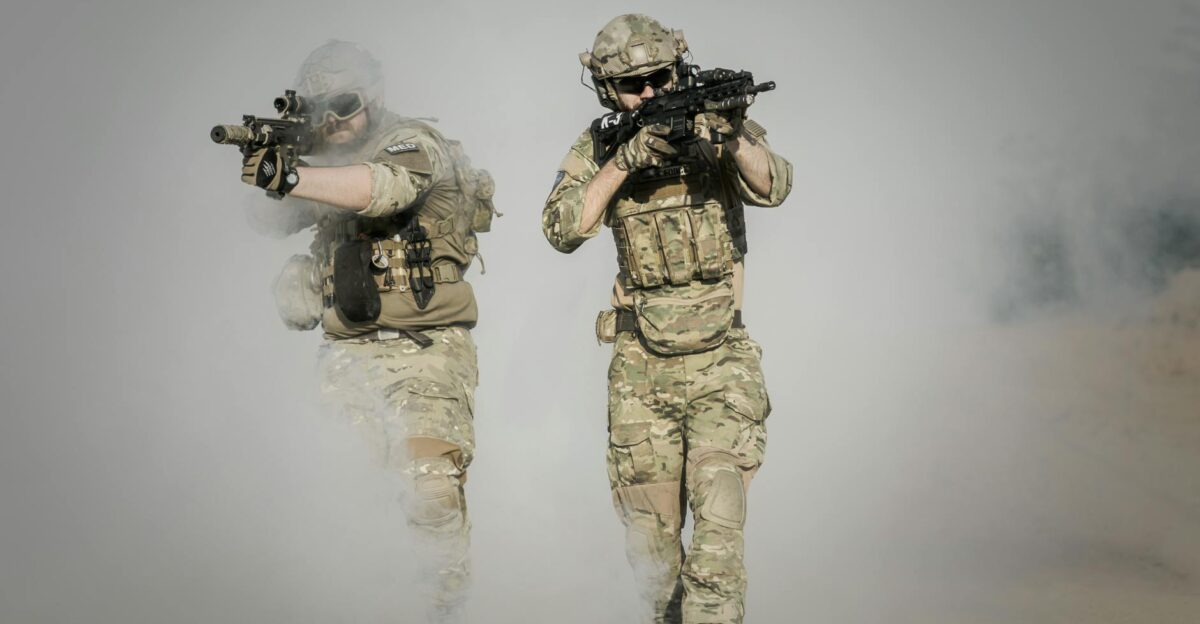
Beyond the technology, China’s drone parade symbolizes a broader cultural shift in warfare. A new generation of Chinese military thinkers embraces AI and automation as an unquestioned good. State media hailed the FH-97 as evidence China is mastering “intelligentized warfare.”
This reflects a shift from Mao-era mass armies to a tech-dependent force.
It also raises thorny questions. Civil society and international analysts are asking: What happens when machines control more of the kill chain?
Other nations will now revisit their own ethics and doctrines on autonomous weapons. China’s march suggests it’s betting that the future’s balance of power will favor whoever best marries human decision-making with machine speed.
Broader Reflection
In the end, China’s parade was a snapshot of where modern military competition is headed. The era of pure human-versus-human dogfights is fading; war increasingly looks like a chess match between humans and intelligent machines.
China’s “loyal wingman” technology – combining AI, stealth and robotics – may tip that balance.
As one U.S. Air Force officer put it before, “the side that connects humans and machines most effectively wins.” Beijing has signaled it wants to be that side.
Now every major power faces the challenge: how to keep pace with this new paradigm. In the near future, war might be decided not just by tanks and pilots, but by algorithms and microseconds.