December 14, 2025, iRobot, maker of the iconic Roomba, filed for Chapter 11 bankruptcy. The same company that revolutionized home cleaning with over 50 million units sold worldwide faced a massive collapse.
In just four years, iRobot’s stock plummeted 96%. The world watched as a company that defined a generation of smart appliances faced its worst nightmare.
A Sharp Decline
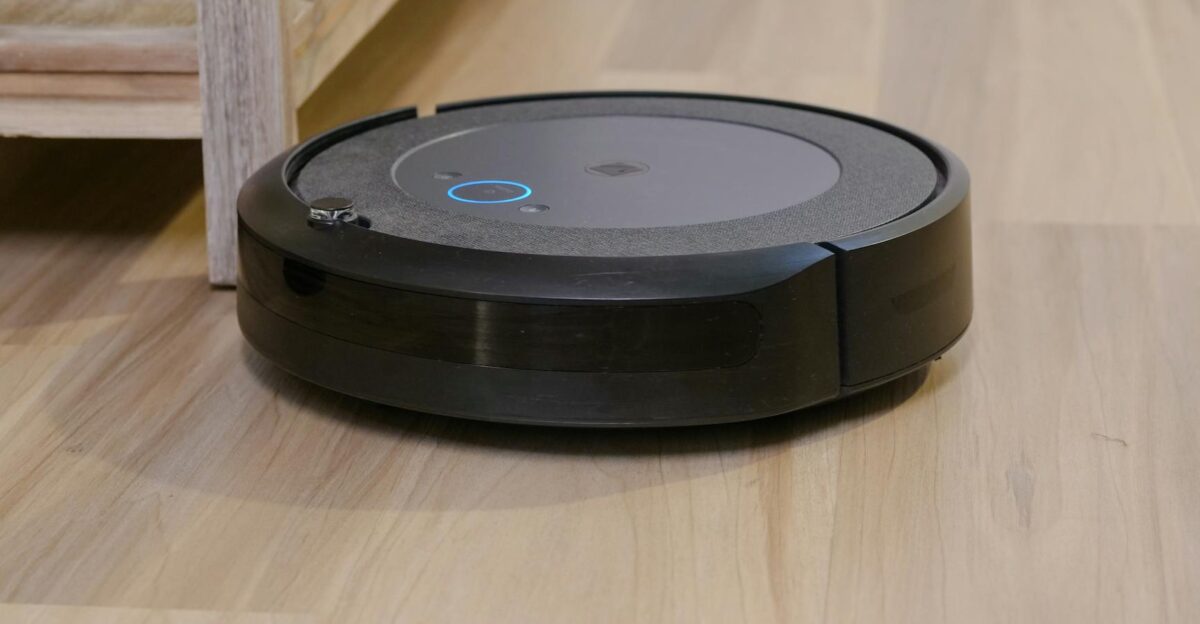
iRobot’s valuation crashed from $3.56 billion in 2021 to a mere $140 million by December 2025. In just days after the bankruptcy announcement, the stock price dropped from $4.32 to $0.97.
Shareholders saw their investments vanish overnight. The company’s fall wasn’t just about market dynamics—it was a series of miscalculations and global pressures.
Amazon’s Big Bet
In 2022, Amazon saw the potential in iRobot and attempted to buy the company for $1.7 billion. The deal was poised to integrate Roomba into Amazon’s smart home ecosystem, bringing it under Alexa’s control.
Yet, iRobot accumulated $200 million in debt during the review period, betting the farm on the deal’s closure.
The EU’s Antitrust Blockade
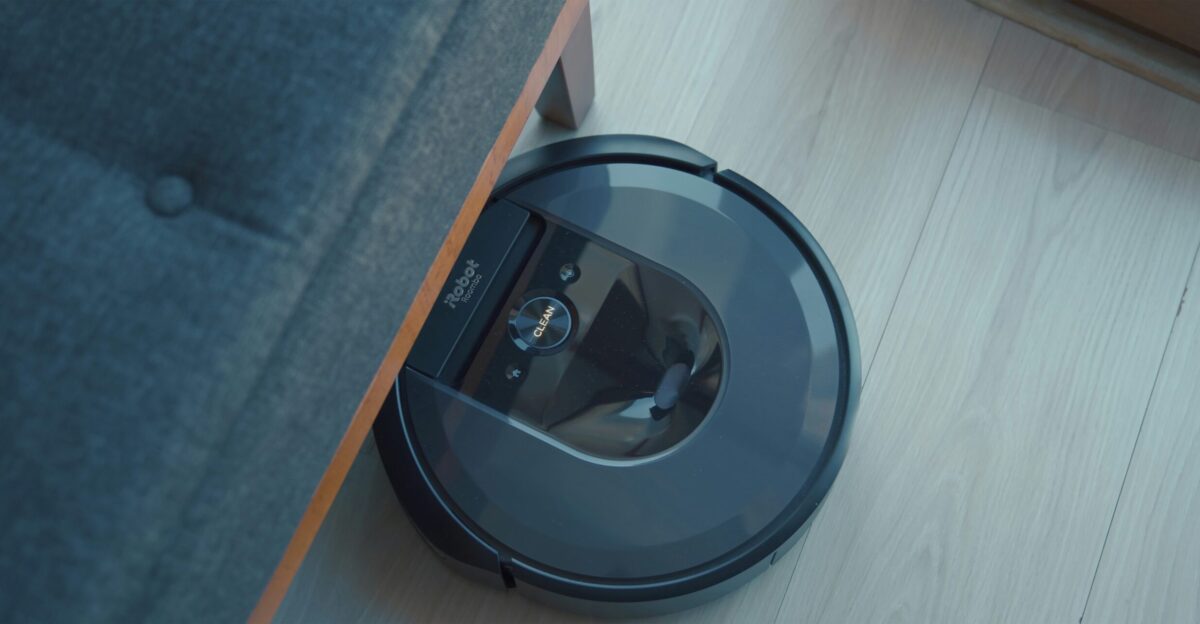
In late 2023, the European Union blocked Amazon’s purchase of iRobot over competition concerns. With no capital infusion and mounting debt, iRobot found itself stranded.
Competitors, especially from China, flooded the market with cheaper robot vacuums, further pressuring iRobot. The combination of failed acquisition and intense competition left the company on the edge.
The Tariff Disaster
iRobot’s final blow came in the form of Trump-era tariffs. In 2025, a 46% tariff on Vietnamese imports, where iRobot manufactures its vacuums, pushed costs up by $23 million.
Chinese brands like Ecovacs, with lower labor costs and support from China’s robotics industry policies, priced products significantly lower with comparable performance. The Deebot N30 OMNI, for example, offered many of the same advanced features as Roomba’s flagship models at 40-50% lower pricing. The tariffs made iRobot’s entire business model unviable.
Massachusetts Faces Heartbreak
iRobot’s bankruptcy shook Bedford, Massachusetts, where the company had been a cornerstone of the local economy. Hundreds of employees faced uncertainty as layoffs loomed.
The broader New England robotics sector, once inspired by iRobot’s innovation, now faced a deep wound. The company’s closure was more than a corporate failure; it was a local tragedy.
A Founder’s Regret
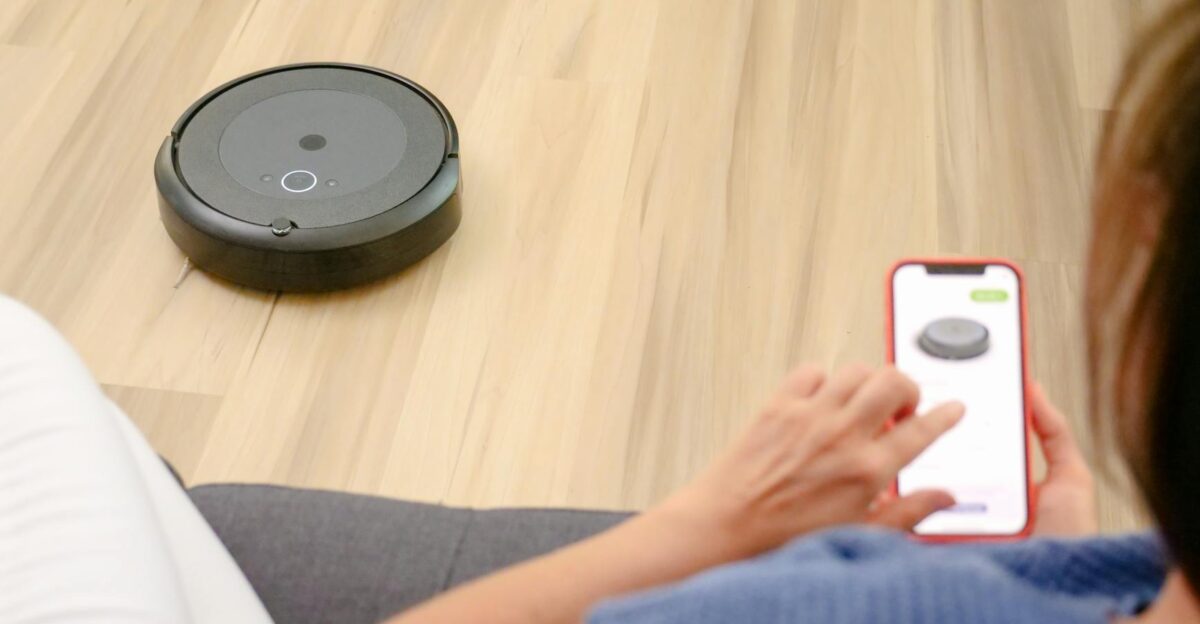
Colin Angle, iRobot’s co-founder, called the bankruptcy a “tragedy for consumers, the robotics industry, and America’s innovation economy.” He pinpointed the uncertainty over tariffs as a major issue.
Suppliers demanded upfront payments, retailers scaled back orders, and the company was strangled by rising competition.
The Fall to Chinese Ownership
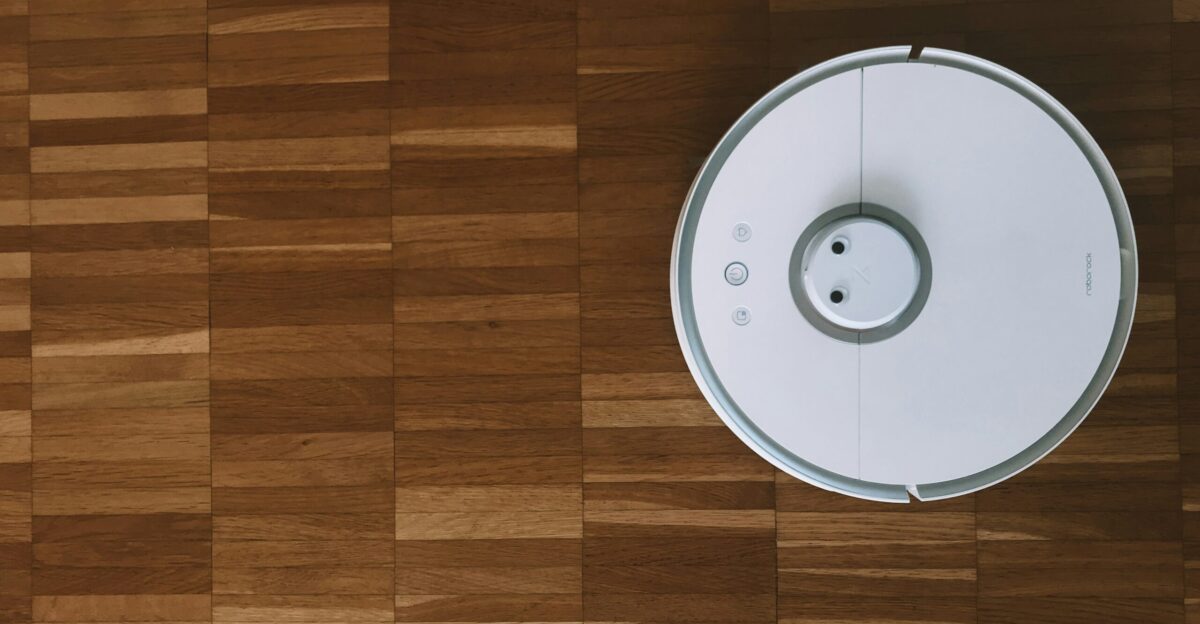
In a pre-packaged bankruptcy, Shenzhen Picea Robotics, iRobot’s largest creditor and contract manufacturer, took control of the company. Picea converted its debt into equity, acquiring 100% of the company.
iRobot’s legacy now belongs to a Chinese company. This shift marks the beginning of a new chapter for the Roomba, with significant risks ahead—stabilizing operations, managing tariffs, and competing in a crowded market.
The Restructuring Process
The Chapter 11 restructuring will likely conclude by February 2026, but the process will be swift. iRobot is currently under court protection, continuing operations and fulfilling warranty claims.
The court must approve the restructuring plan, but with creditors favoring equity recovery, approval seems imminent. The transition will be fast.
Picea’s Strategic Plan
Picea’s immediate focus will be maintaining Roomba production while pursuing cost-reduction strategies. The company might look to relocate manufacturing to countries with more favorable tariffs, like Mexico, to avoid the high costs of U.S. imports.
However, the same supply chain issues that hurt iRobot will still impact Picea.
Will Your Roomba Still Work?
Roomba owners need not panic—for now. Picea has pledged to honor warranties and continue software updates.
However, questions remain about long-term support and future models. As ownership shifts to a Chinese company, will Roomba maintain its place in U.S. homes, or will consumers abandon the brand in favor of domestic alternatives?
The Cost of Tariffs
The collapse of iRobot highlights the risks of tariff policies that aim to protect U.S. manufacturing. While tariffs were meant to boost domestic production, in iRobot’s case, they backfired, pushing an American icon into foreign hands.
The 46% tariff on imports from Vietnam dealt a devastating blow to the company’s already fragile business model.
Geopolitical Consequences
The sale of iRobot to a Chinese company amid ongoing U.S.-China trade tensions raises troubling questions about the future of American innovation.
With Picea now owning iRobot’s R&D capabilities, intellectual property, and consumer data, U.S. policy may have inadvertently opened the door for China to acquire key technologies.
The Robotics Industry Reassesses
iRobot’s bankruptcy has sent shockwaves through the robotics industry. Companies now have to factor in tariff risks and geopolitical tensions when making strategic decisions.
Could the robotics sector see a shift in how companies approach international markets and supply chains? The iRobot debacle is a cautionary tale for the entire industry.
A Changing Landscape
iRobot’s decline isn’t just a tale of one company’s fall. It’s a reflection of larger shifts in global trade, competition, and innovation.
As American brands continue to face mounting challenges from foreign competitors and tariff policies, the future of U.S.-based tech companies is uncertain. What’s next for American tech?
Sources:
Manufacturing Dive – “Roomba maker files for Chapter 11 bankruptcy, seeks strategic transaction with Picea” (December 15, 2025)
CNBC – “Former iRobot CEO calls Roomba maker’s bankruptcy ‘a tragedy'” (December 15, 2025)
Fortune – “Roomba bites the dust: iRobot files for bankruptcy” (December 15, 2025)
The Verge – “Who is Picea Robotics, Roomba’s new owner?” (December 15, 2025)
BBC – “Roomba vacuum cleaner firm iRobot files for bankruptcy” (December 15, 2025)