In mid-2025, European ports saw a record influx of Chinese goods. Factories in China, squeezed by stiff U.S. tariffs, are redirecting output to Europe.
The European Central Bank warns that under escalating trade tensions, euro-area imports from China could jump 7–10% — the biggest surge since the 2018 trade war.
That earlier conflict saw about 2–3% of Chinese exports rerouted to Europe.
Economists note this pattern could repeat on a larger scale now, effectively reshaping trade flows. They caution that while consumers may enjoy cheaper imports, European producers will face new competition.
Record Deficit
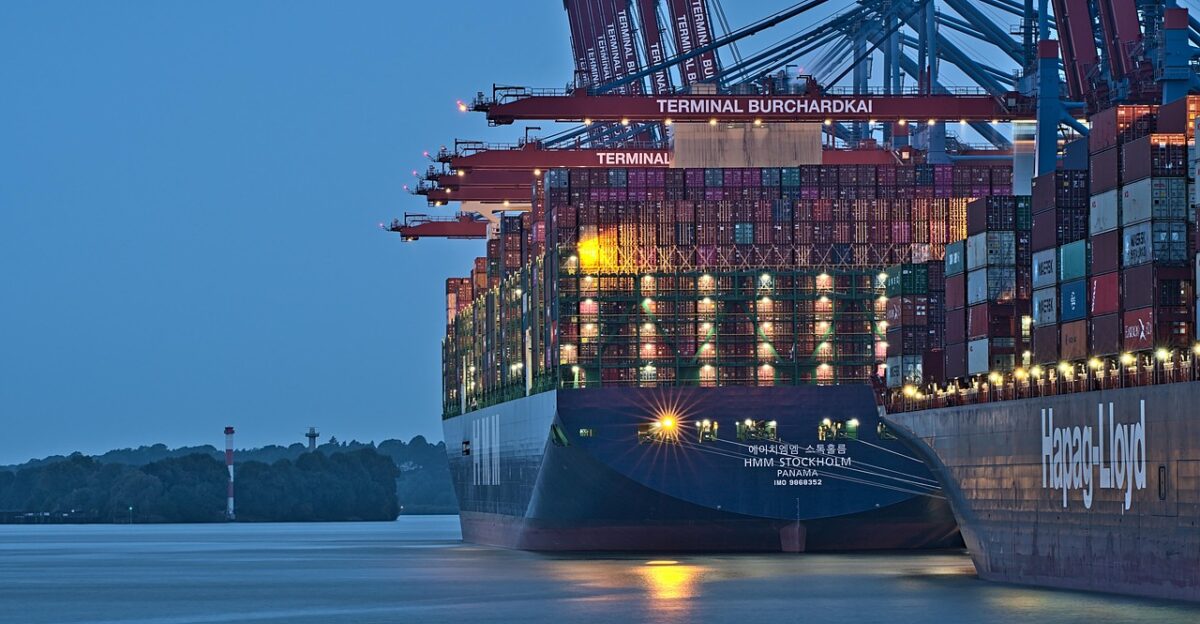
This import boom has blown Europe’s trade figures off the charts. In 2024, the EU’s goods deficit with China hit an unprecedented €305.8 billion, surpassing the €297 billion shortfall of 2023 and lingering just below the €397.3 billion peak of 2022.
Brussels is alarmed. EU officials warn the imbalance has reached a “clear inflection point,” demanding swift rebalancing measures.
In plain terms, Europe is buying far more from China than it sells there, and diplomats now say correcting this asymmetry is a top priority.
Historical Context
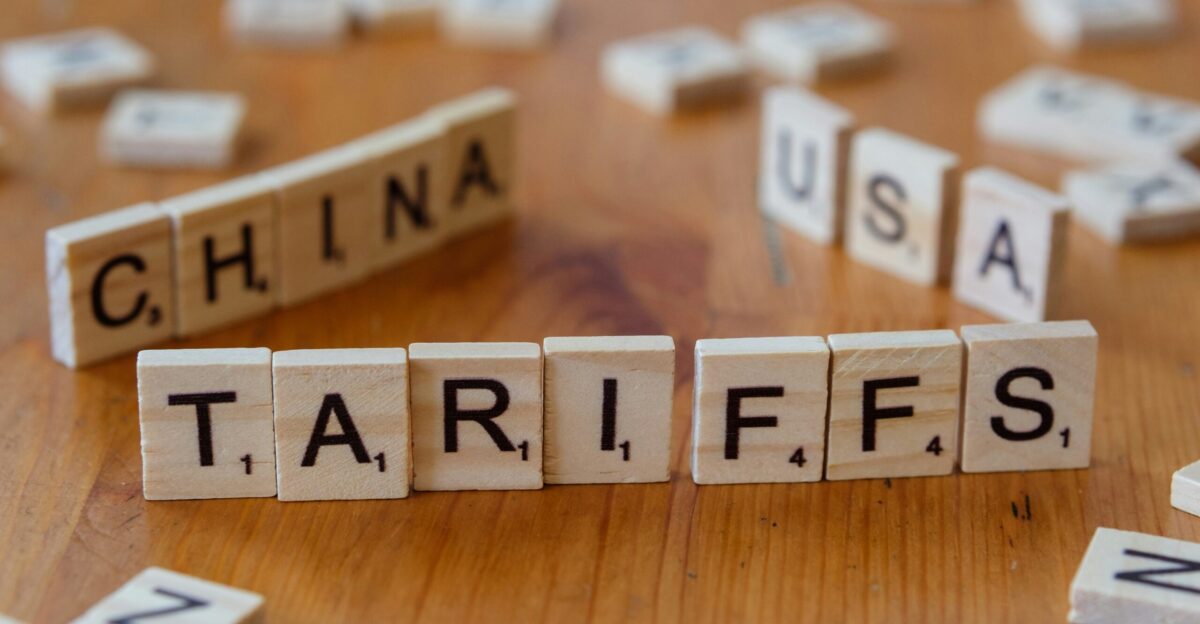
Looking back, these developments echo past trade wars. The 2022 surge in Europe’s deficit built on an earlier lesson: in 2018–19, U.S. tariffs on Chinese goods sent about 2–3% of China’s exports to Europe.
At that time, Beijing’s factories deftly found buyers in the EU when the American market closed.
Today, with tariffs higher than ever on both sides, analysts see history repeating — this time on a grander scale.
If Chinese exporters again divert goods, Europe could shoulder a much larger share of China’s output, just as Americans felt the pinch of cheaper Asian goods before.
Mounting Pressure
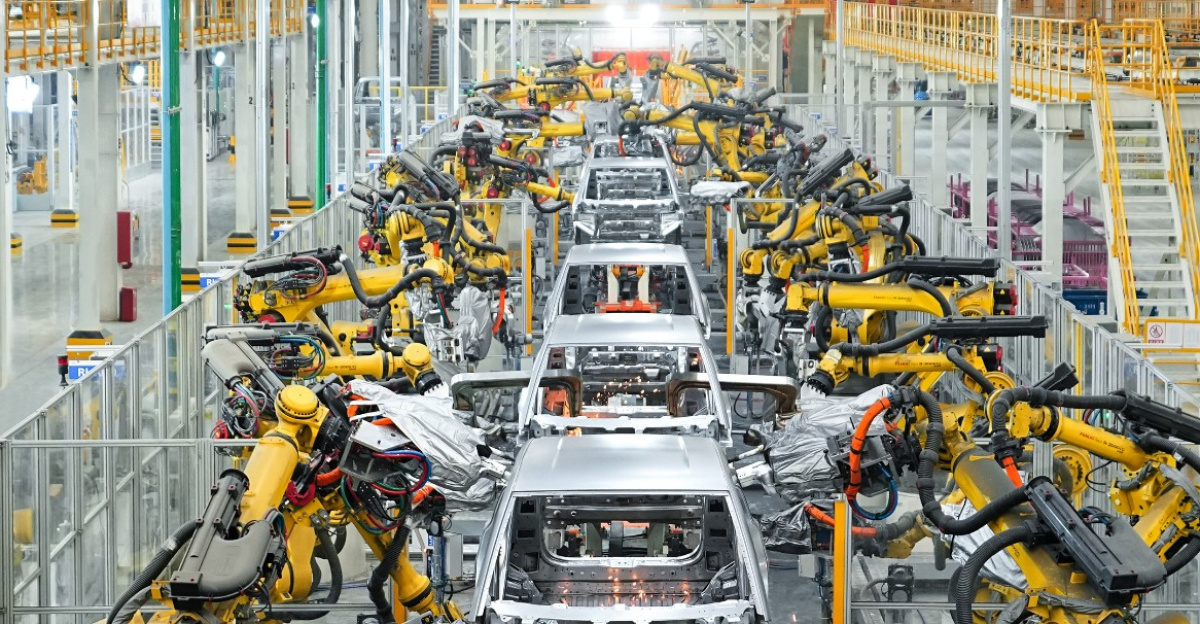
In Europe’s factories, the impact is tangible. Now that Chinese goods are everywhere, key sectors are squeezed by sudden overcapacity.
Chinese-made electrical machinery, telecom equipment and auto parts flood markets at low prices.
One study finds roughly three-quarters of items imported by major eurozone economies involve at least one Chinese supplier – a network of links that lets Chinese firms undercut local producers quickly.
The weak yuan (about 10% cheaper than last year) further drives down import costs.
European industry groups report shrinking margins and fear serious damage to their industrial base if the trend continues.
Dumping Epidemic
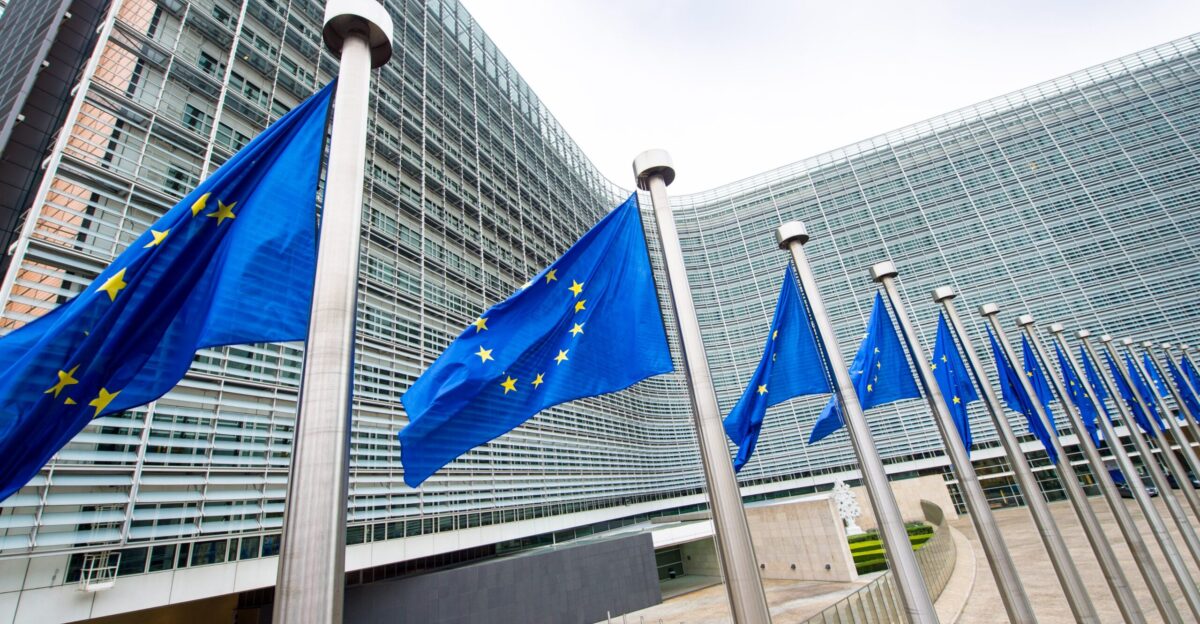
Amid the deluge, Brussels has struck back against unfair pricing. In May 2025, the European Commission imposed anti-dumping duties of 13–62% on Chinese tinplate imports.
These tariffs shield a €2.7 billion market that employs about 5,000 EU workers. Investigators found Chinese mills were selling tinplate below cost, harming European producers.
Unions and companies cheered the move: as one trade union leader warned, “Unfair competition is destroying EU manufacturing jobs”.
The tariffs are intended to level the playing field, even as China threatens its own retaliatory probes. The tinplate case shows Europe is now willing to use trade defenses aggressively to protect the domestic industry.
Sector Impact
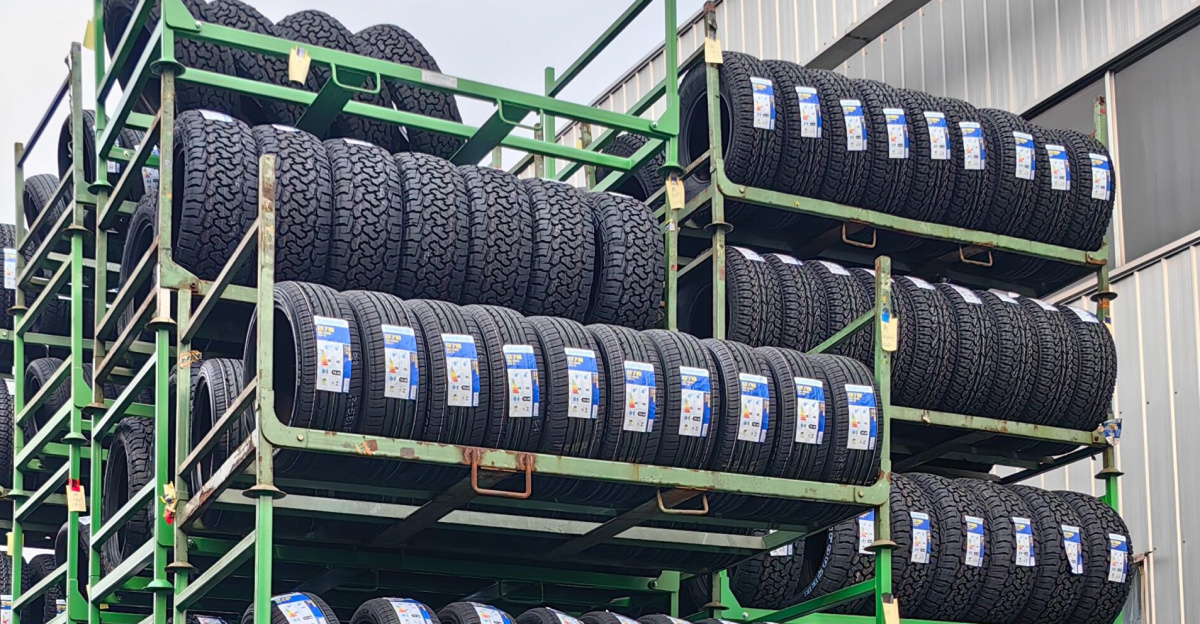
The pressure is especially acute in metals, tyres, and clean tech. European steelmakers already grapple with low-priced Chinese steel.
Now tire manufacturers are in the crosshairs: the EU opened an anti-dumping investigation into Chinese car and truck tyres covering an €18 billion market.
In the auto sector, Brussels has also hit Chinese electric vehicles with extra duties – up to 45.3% on top of the standard 10% tariff.
These measures specifically target heavily subsidized Chinese EVs and aim to offset below-cost pricing. In short, from batteries to brake discs, European firms face a wave of Chinese imports backed by state support.
Business Voices
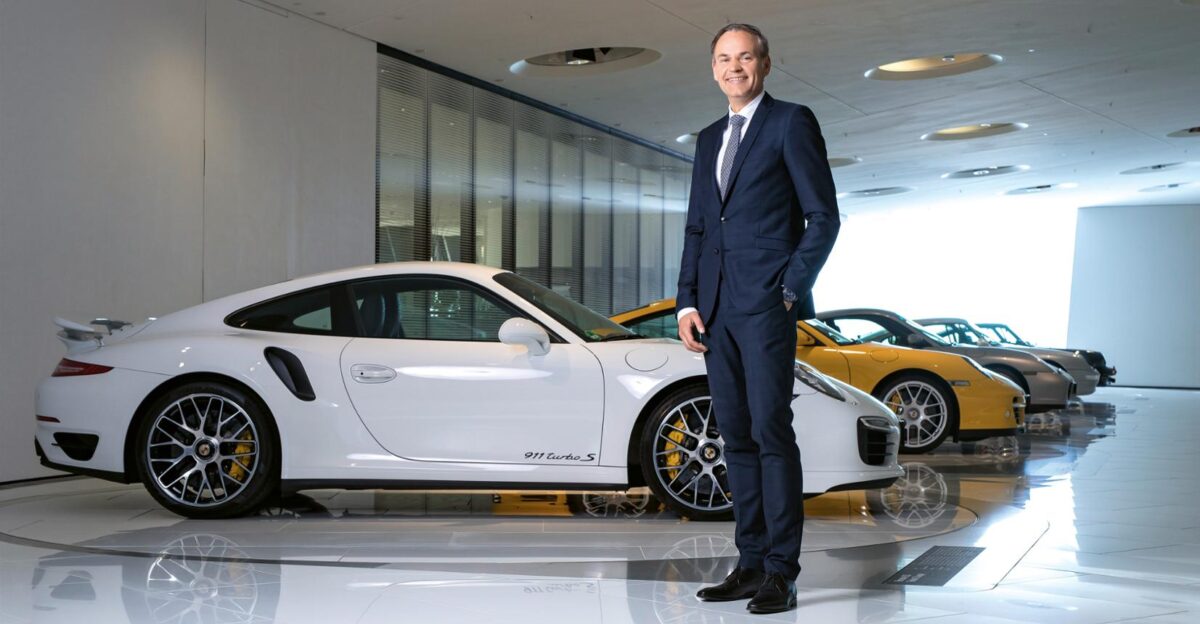
Europe’s exporters are sounding the alarm. “Our market in China has literally collapsed,” Porsche CEO Oliver Blume told shareholders in May.
His words reflect a broader exodus of confidence: many European firms report slumping sales and are pulling back investment in China. Even those still selling goods there face mounting headaches – from delayed approvals to suddenly restrictive policies.
This chorus of frustration has built public pressure back in Europe.
Companies now often portray a narrative of China becoming a hostile environment, which feeds into policymakers’ tougher stance. On the street, some executives admit they are now debating whether to diversify into other markets.
Regulatory Response

Brussels is responding with a rapid-fire regulatory push. It formed an ‘import surveillance’ task force to spot sudden surges of cheap goods.
Every day, customs data is scanned, and when anomalies appear, anti-dumping or anti-subsidy cases are fast-tracked.
In one notable first, the Commission even launched a countervailing duty investigation into Chinese EVs entirely on its own initiative, without waiting for an EU industry complaint.
This unusual step – normally reserved for only very clear cases – shows how urgent Brussels now considers the situation. Put simply, trade enforcement in Europe has gone from occasional policing to a standing campaign.
Macro Trends

Analysts say this tug-of-war fits a larger shift in global trade.
The world is fragmenting into competing blocs rather than an integrated market. Beijing’s export model – driven by massive state subsidies and chronic overcapacity – clashes with Europe’s rules-based approach.
In July 2025, a Council on Foreign Relations report noted Europe’s impatience with “heavy state subsidies” and glut capacity in China, which threaten fair competition.
In other words, this battle reflects a global rebalancing: many countries are now demanding reciprocity and security, rather than assuming open markets.
What happens between Brussels and Beijing is one piece of that pattern.
Inflation Surprise
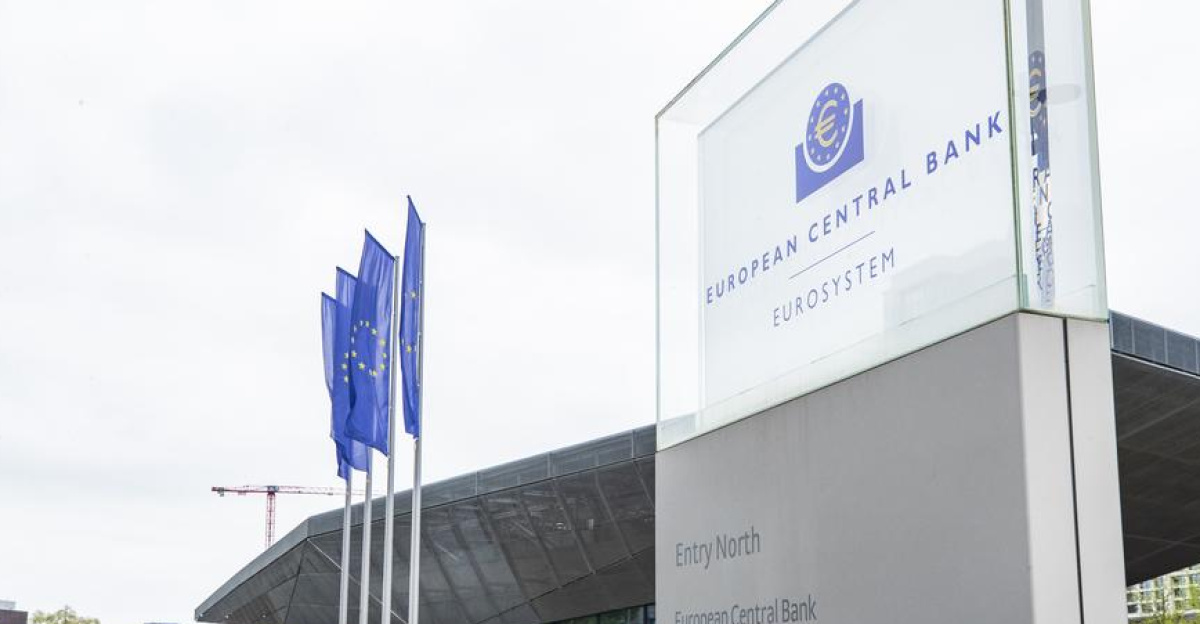
Paradoxically, the result of all these cheap imports might be to lower prices for European consumers.
ECB researchers estimate that if trade tensions divert Chinese exports into Europe, the extra supply and lower import costs could shave as much as 0.15 percentage points off eurozone inflation by 2026.
This unexpected deflationary effect could force the ECB to delay rate hikes or even cut rates, despite widespread expectations of tightening.
In everyday terms, shoppers may find items like electronics, clothing and appliances a bit cheaper. But economists caution that this kind of “protectionist disinflation” is a mixed blessing.
Industry Frustration

On the ground, manufacturers see a contradiction. They demand protection from unfair imports yet worry about unintended side effects.
Heavy industry associations have lobbied for more duties, saying Chinese competitors use subsidies to dump cheap steel, tyres and batteries on EU markets.
At the same time, those industries rely on affordable Chinese components (like certain EV batteries and solar panels) to meet EU climate goals.
Analysts warn that clamping down on Chinese clean tech could “hinder, rather than aid” Europe’s green transition.
Leadership Changes
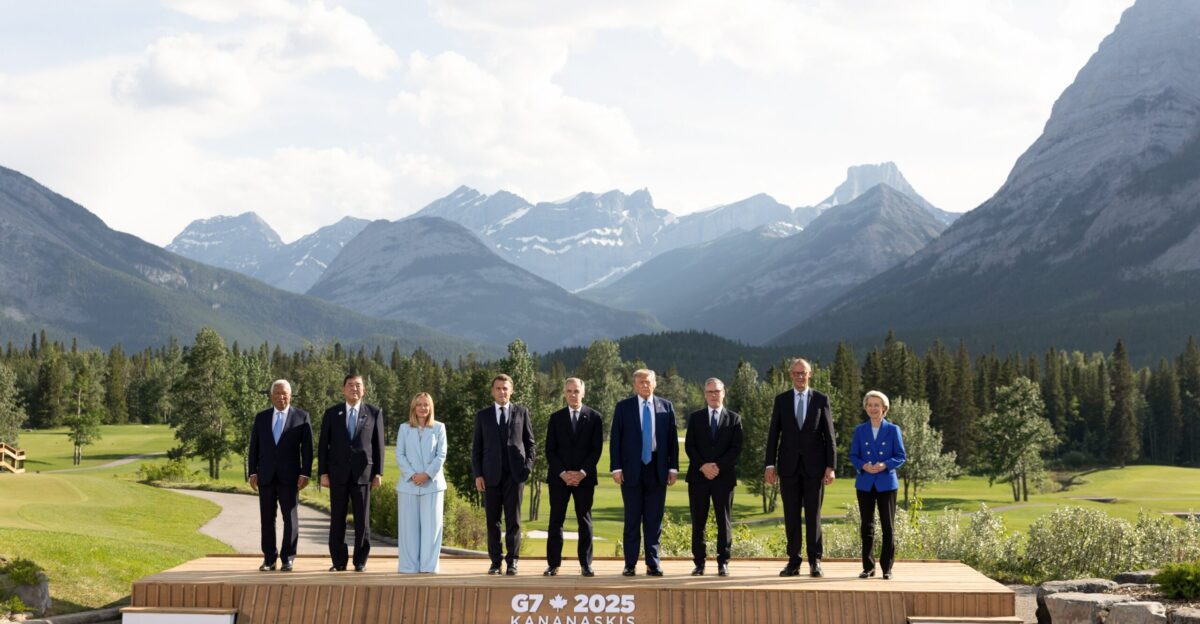
European leaders have noticed the shift in tone. Commission President Ursula von der Leyen has adopted a much tougher public stance.
At a G7 summit, she accused Beijing of a “pattern of dominance, dependency, and blackmail” in its global economic tactics.
This blunt language marks a break from earlier, more conciliatory rhetoric.
The EU now more openly brands China a strategic rival, not just an economic partner. Von der Leyen’s words – echoing concerns over subsidies and coercion – make clear that Europe’s leadership is signaling a long-term hard line toward unfair trade practices.
Strategic Pivot
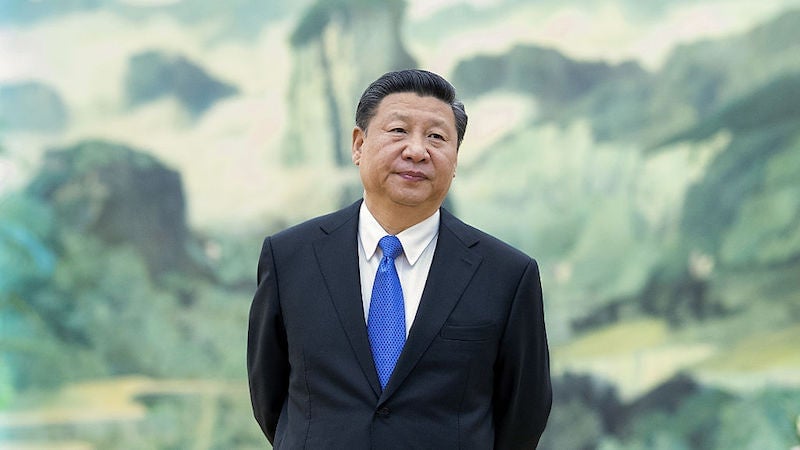
In diplomatic channels, the shift is clear. The EU shelved its annual High-Level Economic and Trade Dialogue with China, citing a lack of progress on core issues.
Instead, Brussels is exploring new fixes. In April 2025, it announced talks on binding minimum prices for Chinese-made EVs sold in Europe.
Under this plan, Chinese exporters would have to sell cars at or above a set price floor.
German industry welcomed the idea: the VDA auto lobby urged that any solution should focus on reducing trade obstacles and distortions, rather than building new barriers.
Europe is seeking enforceable commitments from China to correct market imbalances without imposing tariffs.
Expert Skepticism
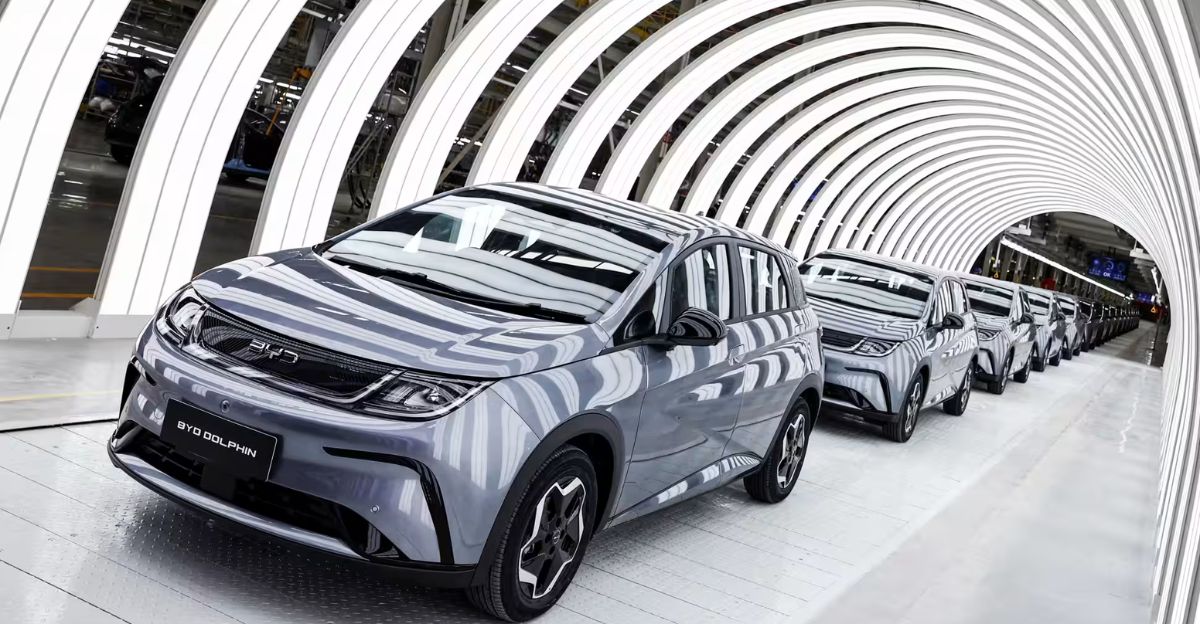
Yet many analysts doubt these measures will stem the tide. Even after a 45% tariff, Chinese EV makers could still net roughly 8% profit per vehicle – higher than what they earn in China.
In plain terms, Chinese firms could absorb the duty and keep pricing low while still profitable.
Some companies are already preparing workarounds: Chinese automakers and battery producers have begun setting up assembly plants in Europe (for example, in Hungary) to circumvent the tariffs.
Critics warn that unless European producers massively scale up, domestic EV firms could struggle to survive this onslaught.
Future Questions

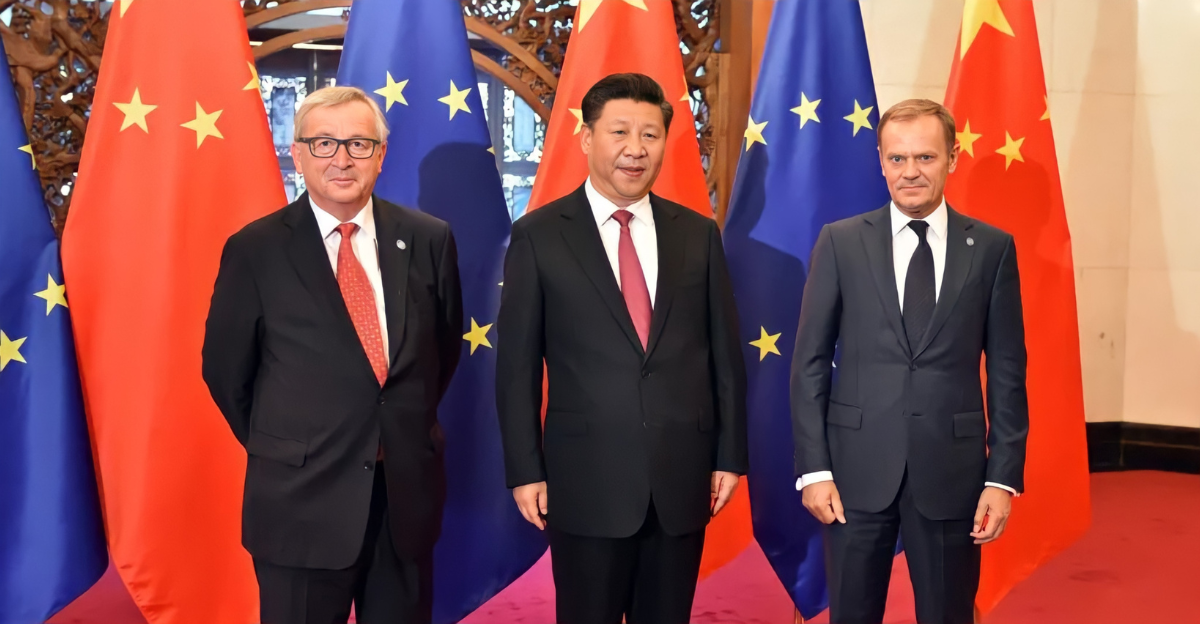
Beyond economics, a broader dilemma looms: Europe’s future openness to China depends on Beijing’s stance toward Russia’s war. Von der Leyen put it bluntly at the EU-China summit: “How China continues to interact with Putin’s war will be a determining factor for our relations going forward”cfr.org.
EU diplomats have urged China to sever links to Russia’s military industry, noting Chinese companies still supply parts for Russian drones.
Many EU leaders now warn that without Chinese help in pushing for peace in Ukraine, any easing of trade tensions will be off the table.
How Beijing handles the war is a make-or-break issue for Europe.
Political Implications
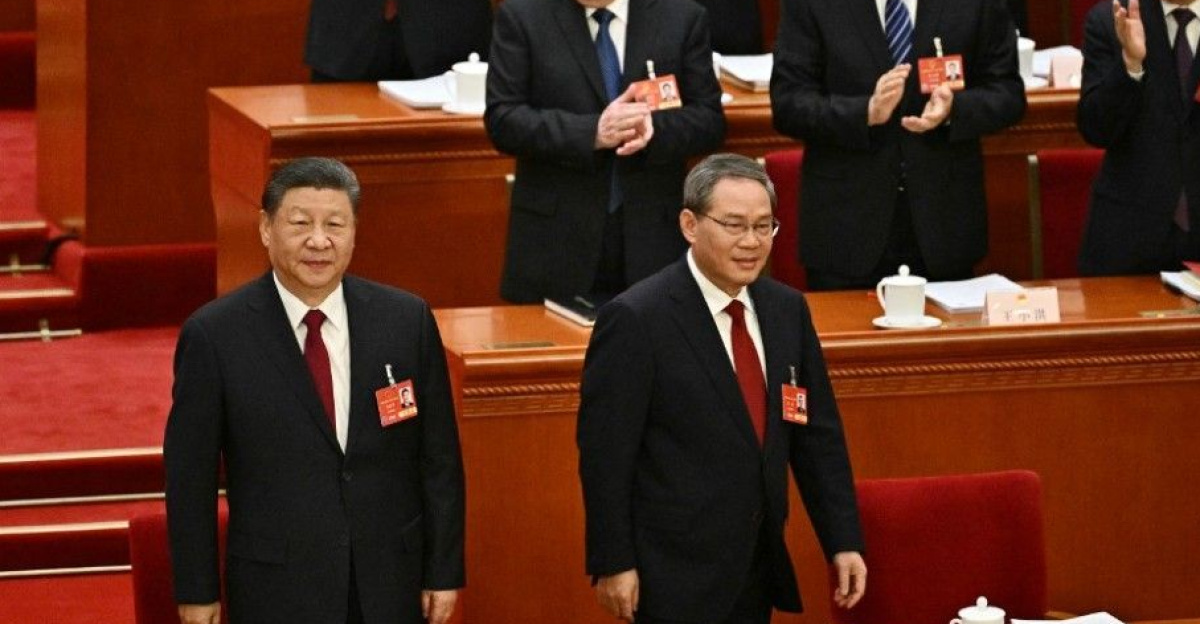
The clash now reverberates through European politics. Policymakers confront a hard choice: preserve economic ties or stand up for Ukraine.
China’s refusal to ostracize Moscow – and evidence that Chinese firms provide components for Russian weapons – forces EU leaders to weigh values alongside trade interests.
The EU’s sanctions explicitly demand that Beijing “immediately cease all material support that sustains Russia’s military industrial complex”.
At home, this has become a rallying cry: opposition parties exploit tough rhetoric on China, promising workers they will impose even stricter trade protections. How the EU balances security and economy will be a defining political debate in the coming years.
Global Ripples

This is not an EU-only drama. Around the globe, similar splits are emerging. The United States continues to keep high duties on Chinese goods, and even developing economies like Brazil and Turkey have raised new barriers to shield their industries.
These moves suggest a retreat from the integration of the 2000s: trade is coalescing into regional blocs.
Many analysts now talk of “trusted” supply chains – aligning with allies – rather than one global market.
China is diversifying toward Asia and Africa, while others are focusing on domestic resilience. Europe’s dispute with China is one piece of this wider turn toward trade self-reliance.
Legal Framework
Under the hood, these actions play out within WTO rules. The EU’s anti-dumping probes follow World Trade Organization law, meaning Beijing’s options for direct retaliation are limited to legal challenges. I
China has responded with tit-for-tat investigations of its own.
After the EU imposed EV tariffs last year, China opened anti-dumping probes into European exports like cognac brandy, dairy and pork.
These measures legally target strategic EU products, signaling Beijing’s displeasure without outright sanctions. The sparring remains inside the global trade rulebook, but at its edges: each side scans the fine print for leverage.
Cultural Shift
The controversy has shifted Europe’s view of China itself. Think tanks note that Europeans now see Beijing more as a rival than a partner.
Surveys show growing skepticism: many citizens believe freer trade should come with protections for local workers and industries.
This mood is filtering into elections. Across the continent, candidates who campaign on tougher stances toward China have gained support – pledging new trade safeguards and investment screening.
From France’s factories to Germany’s Mittelstand, the China debate has become a potent political issue, influencing voters who worry about jobs and sovereignty.
New Reality
Ultimately, the Chinese “dumping epidemic” may mark a structural shift. Policy experts warn that Europe and other powers are moving from efficiency-driven free trade toward security-focused economic nationalism.
One commentator notes a global trend toward “trusted” trade networks that increasingly exclude China.
Europe’s response will define its future. If it decides to boost domestic industry and diversify suppliers, it may preserve its competitiveness and autonomy.
If Europe stays fully open without reciprocal commitments, it risks further dependence on Chinese factories for key products. In the end, these policy choices will determine whether Europe remains an innovation leader or becomes a dependent consumer market.