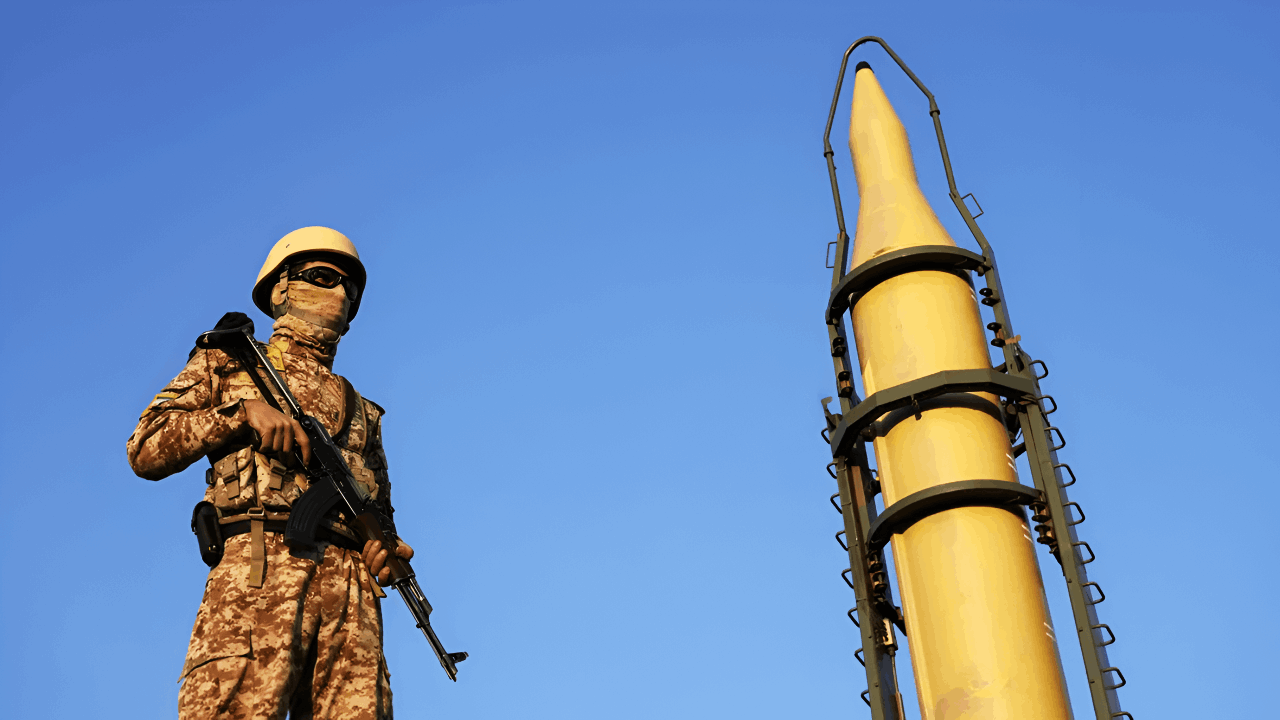
Iran’s efforts to replenish its ballistic missile arsenal have intensified, with critical support from China, according to European intelligence sources. Between late September and mid-October , shipments totaling roughly 2,000 tons of sodium perchlorate—a key ingredient for solid-fuel missiles—arrived at Bandar Abbas port.
This follows the depletion of Iran’s stockpiles during the 12-day conflict with Israel in June, when Tehran fired more than 550 missiles. Jeffrey Lewis, director of the East Asia Nonproliferation Program at the Middlebury Institute, said, “Two thousand tons of sodium perchlorate could produce around 500 missiles, which is substantial.”
Here’s what’s happening in Iran’s missile rebuild.
Race to Rearm After Conflict
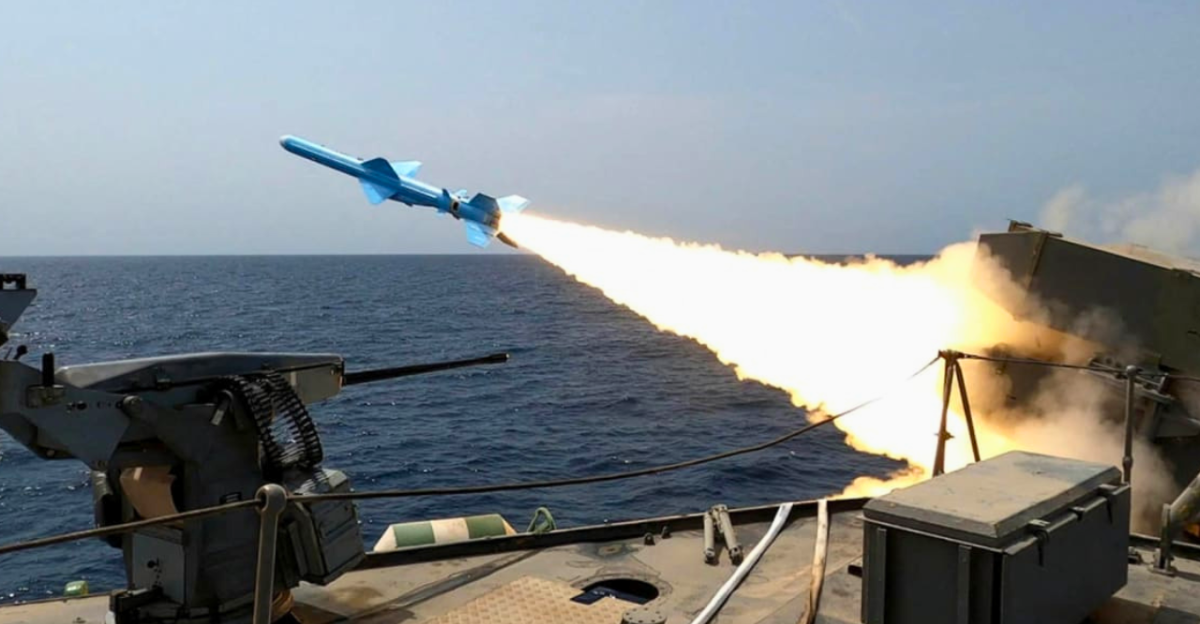
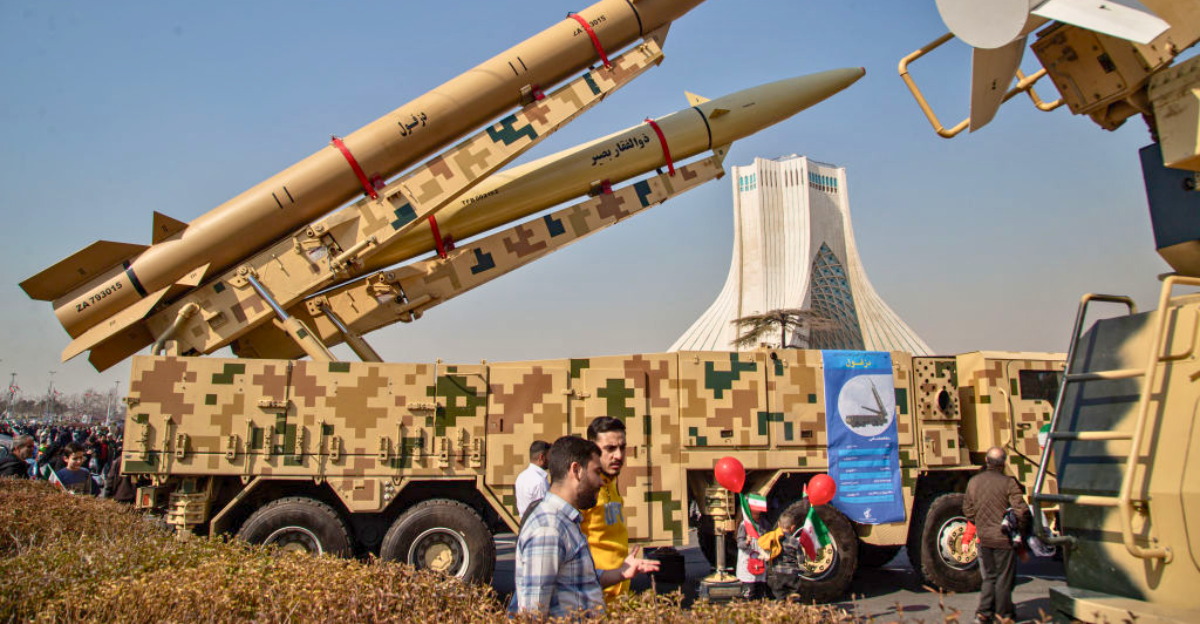
The September-October shipments represent a determined push to restore capabilities lost in June. Experts estimate Iran began the conflict with 1,500 to 2,000 medium-range missiles, but Israeli strikes destroyed about half of its launchers and targeted key production facilities. Iran’s missile program faced severe degradation, creating an urgent need for replenishment.
Jeffrey Lewis explained, “Iran needs much more sodium perchlorate now to replace the missiles expended in the war and to increase production.” Before the conflict, Iran aimed to manufacture roughly 200 missiles per month. Now, the country must replace both those destroyed by Israel and those used during the fighting, underscoring the strategic urgency driving these recent shipments.
Sanctions-Evading Shipments
Western intelligence tracked four Iranian-flagged vessels—MV Basht, MV Barzin, MV Artavand, and MV Elyana—traveling from Chinese ports to Bandar Abbas. All are operated by the Islamic Republic of Iran Shipping Lines (IRISL) and are under U.S. sanctions for their role in Iran’s weapons procurement network.
MV Basht departed Zhuhai, China, on September 15, arriving at Bandar Abbas on September 29, just days after UN “snapback” sanctions were reinstated. Satellite imagery confirmed MV Barzin’s October 1 departure from Gaolan Port. Some ships disabled tracking systems to obscure movements, highlighting Iran’s ability to continue procurement despite renewed sanctions from the E3 nations—Britain, France, and Germany.
The April Tragedy and Ongoing Risks
Earlier shipments ended in disaster. In late March, MV Golbon and MV Jairan transported around 1,000 tons of sodium perchlorate from Shanghai to Bandar Abbas. On April 26, a massive explosion at the Shahid Rajaei container park killed at least 70 people and injured over 1,000. Authorities attributed the blast to improper chemical storage, destroying the entire shipment and intensifying the need for replacement materials.
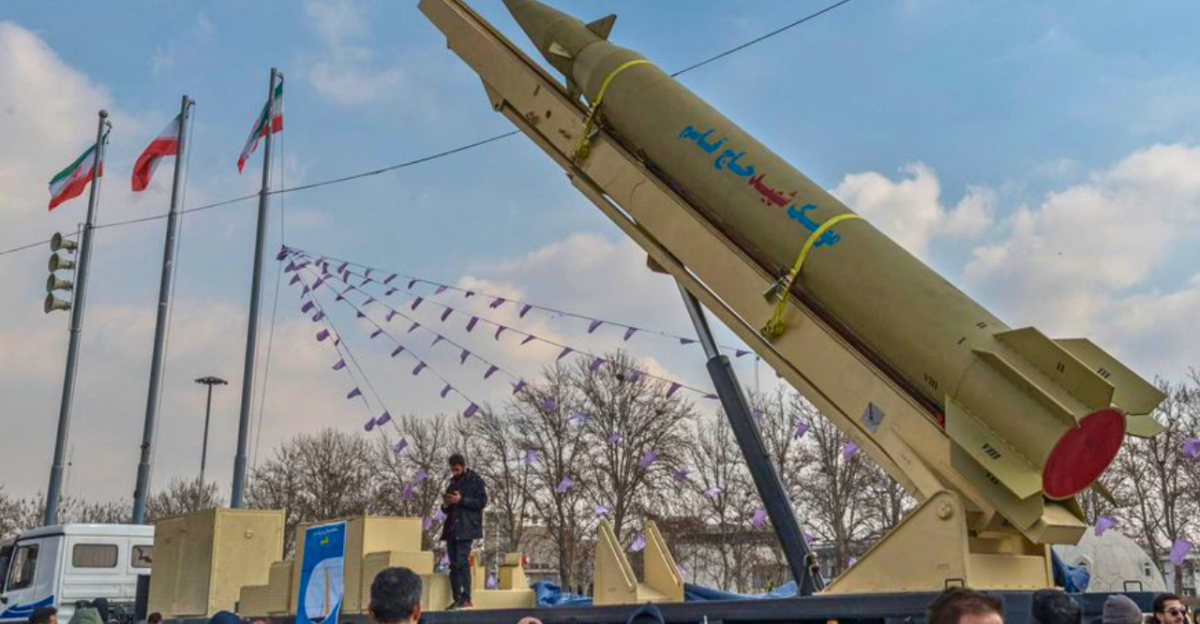
Sodium perchlorate is hazardous, producing toxic fumes and explosive risks, yet it remains essential for missile propellant. Approximately 70 percent of the solid fuel in Iran’s medium-range missiles—including Kheibar Shekan and Haj Qassem systems—relies on this chemical, making its steady supply critical for Tehran’s ongoing missile production.
China’s Strategic Role
China has emerged as Iran’s main supplier of sodium perchlorate, a relationship spanning decades. Lewis noted, “This is just the latest shipment in a decades-old pattern.” A Chinese Foreign Ministry spokesperson maintained that Beijing “consistently implements export controls on dual-use goods” and criticized snapback sanctions as “unconstructive.”
Beijing and Moscow have publicly rejected the legitimacy of the sanctions. A joint letter to the UN Security Council on October 18 condemned the measure as illegal. Even after earlier attempts to delay sanctions failed, China’s actions suggest it does not view itself as bound by the reinstated restrictions, reinforcing Iran’s access to critical missile materials despite international pressure.
Suppliers and Procurement Networks
Iran relies on an opaque network of Chinese chemical manufacturers and logistics firms. After the April explosion, the U.S. Treasury sanctioned six Chinese and six Iranian entities linked to the Islamic Revolutionary Guard Corps’ missile program. Despite sanctions, intelligence indicates procurement continues through front companies.
European sources report most activity centers in Dalian, northeastern China, but recent shipments have originated from Guangdong, reflecting Iran’s efforts to diversify suppliers and minimize exposure. The IRGC’s Self-Sufficiency Jihad Organization has maintained a resilient procurement system, enabling Tehran to rebuild its depleted missile stockpiles while evading international interdiction.
Strategic and Diplomatic Implications
The shipments serve multiple purposes: replenishing missiles used in the June war, addressing gaps exposed in Iranian air defense, and potentially supplying Russia for the Ukraine conflict. Regional powers, including Israel and Saudi Arabia, have increased investments in air defense, signaling heightened security concerns.
The UN snapback sanctions and legal ambiguities around sodium perchlorate have so far failed to disrupt Iran’s supply chain. Experts warn that as Iranian vessels continue shuttling between Chinese ports and Bandar Abbas, opportunities for diplomatic intervention are narrowing.
How the international community responds will influence both Iran’s military capabilities and the effectiveness of multilateral nonproliferation efforts against determined states with strong economic partners.