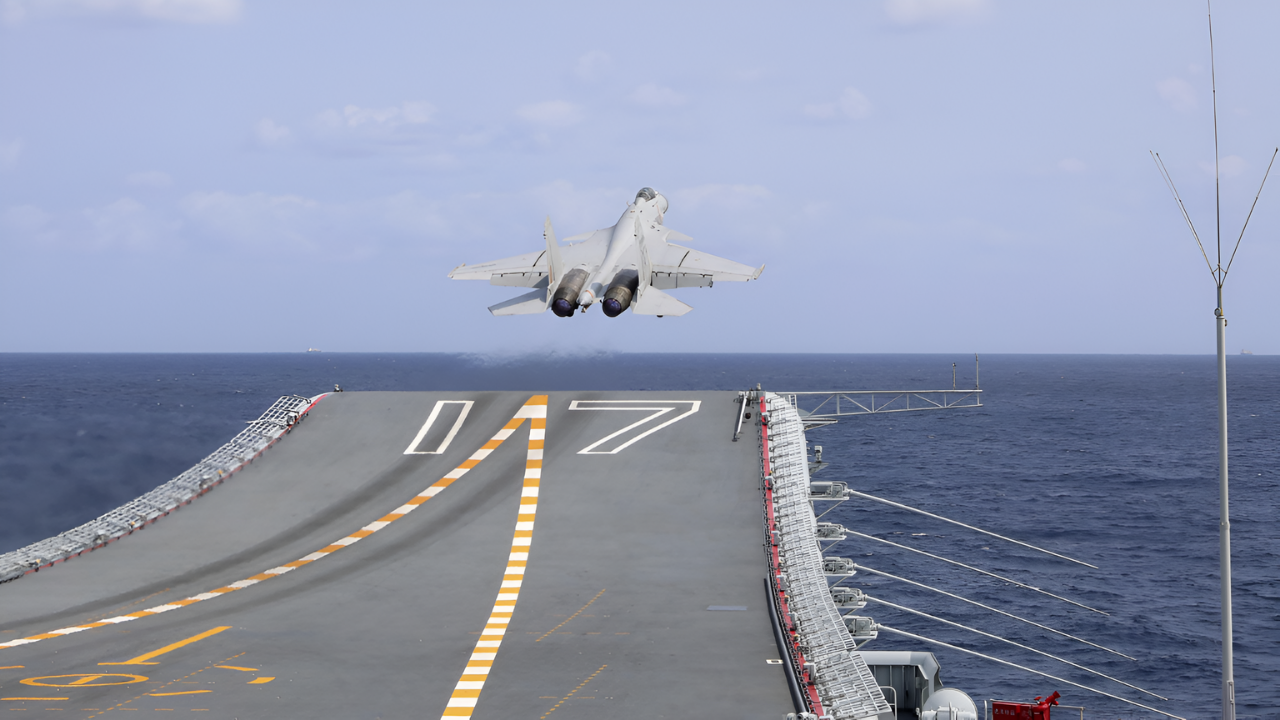
The South China Sea, a vast expanse covering 1.38 million square miles, has become the epicenter of a high-stakes standoff between China and a coalition led by the United States. In November 2025, coordinated naval operations by the US, the Philippines, and Japan drew sharp warnings from Beijing, which denounced these maneuvers as provocative intrusions into waters it claims as sovereign territory. Despite a 2016 international tribunal ruling that rejected China’s sweeping maritime claims, the region remains a flashpoint, with both sides asserting their positions through military displays and diplomatic rhetoric.
Strategic Waters and Disputed Claims
The South China Sea is among the world’s most critical maritime corridors, facilitating roughly $3.4 trillion in annual global trade. Beneath its surface lie an estimated 11 billion barrels of oil and substantial natural gas reserves, along with rare-earth minerals vital for advanced technology and clean energy transitions. China’s claim to nearly the entire sea is based on the “nine-dash line,” a boundary extending approximately 2,000 kilometers from its mainland and encompassing more than half the sea. However, the Permanent Court of Arbitration in The Hague ruled in 2016 that these claims have no legal or historical basis under international law. Despite this, China has continued to assert control, building military outposts on disputed islands and expanding its naval presence.
Allied Naval Operations and Carrier Deployments
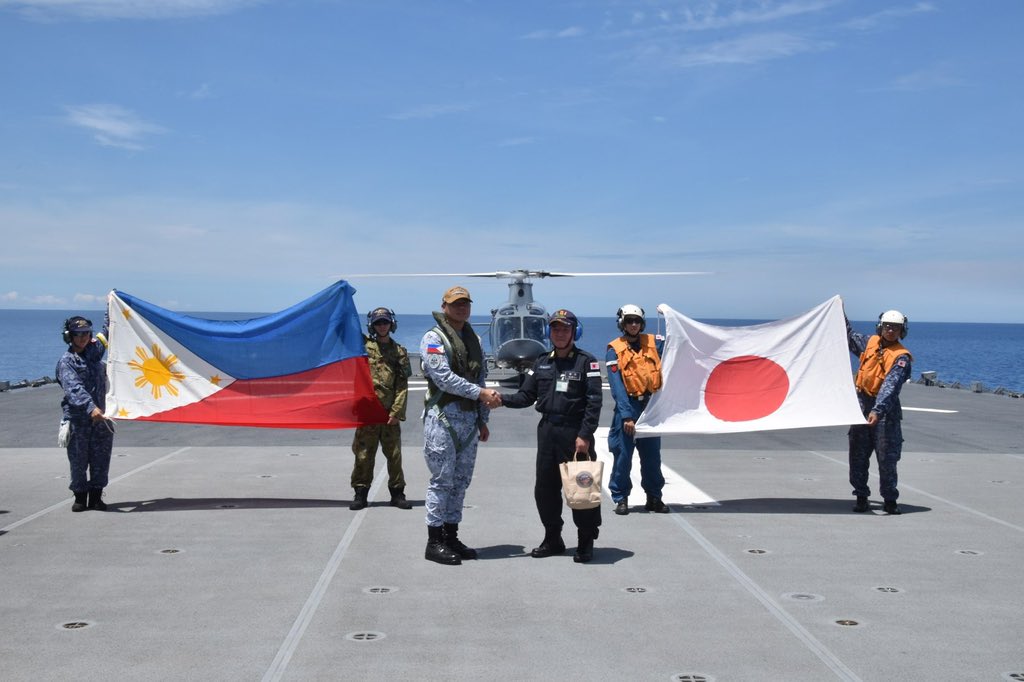
On November 14, 2025, the United States, the Philippines, and Japan launched their trilateral Multilateral Maritime Cooperative Activity within the Philippines’ exclusive economic zone, known locally as the West Philippine Sea. The operation featured the USS Nimitz Carrier Strike Group, marking the first time a US aircraft carrier had operated near the contested Scarborough Shoal since early 2025. The Nimitz’s deployment, its last before retirement after over fifty years of service, was a clear signal of US support for the Philippines amid rising tensions with China.
Shortly after, the USS George Washington, the US Navy’s only forward-deployed carrier based in Japan, entered the South China Sea during its regional patrol. Satellite imagery showed the carrier strike group operating west of Palawan, near areas where the Nimitz had recently conducted salvage operations. These deployments underscored the US commitment to regional stability and freedom of navigation, principles Washington argues are threatened by China’s expansive claims.
Escalating Rhetoric and Military Maneuvers
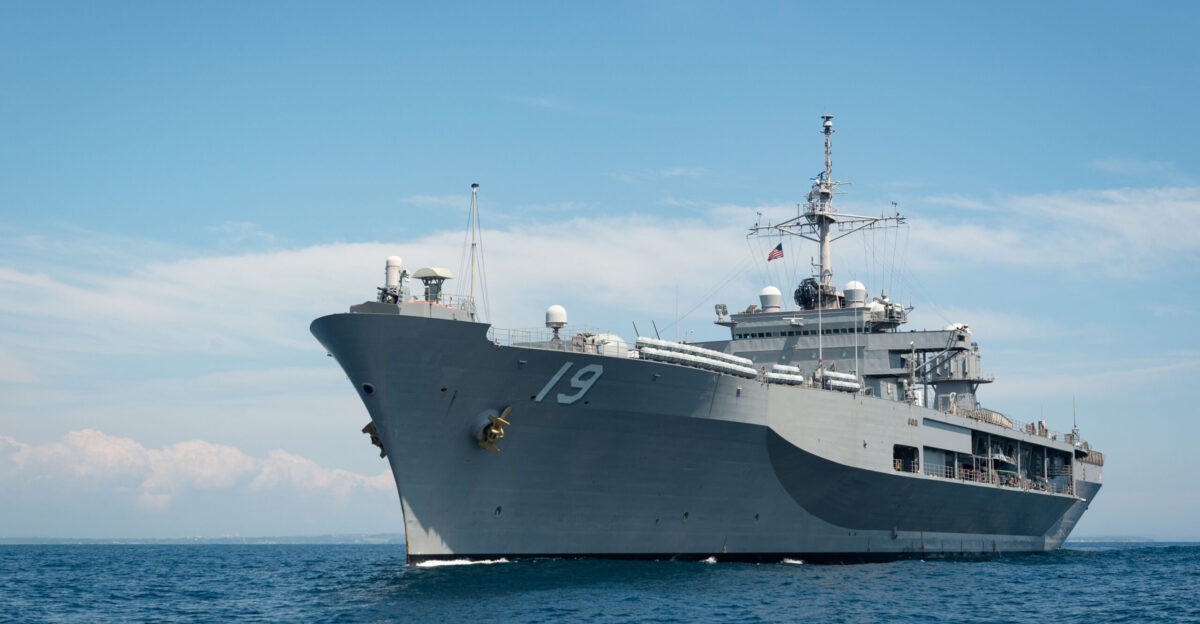
China responded to the trilateral exercises with stern warnings. The People’s Liberation Army (PLA) Southern Theater Command announced it would maintain a high state of alert and “resolutely defend” China’s territorial sovereignty. PLA spokesperson Tian Junli accused the Philippines of colluding with external forces and warned Manila to cease actions that could heighten tensions. In a show of force, China dispatched bomber formations for routine patrols over the disputed waters.
The Chinese Foreign Ministry echoed these concerns, blaming the US for destabilizing the region through frequent military deployments. In contrast, US officials argued that China’s “sweeping territorial and maritime claims” and “increasingly coercive actions” undermine regional security and violate commitments to peaceful dispute resolution.
Complicating matters, the US Navy was engaged in a high-stakes recovery mission after an F/A-18 Super Hornet and an MH-60 Seahawk helicopter from the USS Nimitz crashed in contested waters on October 26, 2025. The urgency of the salvage operation was heightened by fears that China might attempt to access sensitive US military technology from the wreckage.
Deepening Alliances and Regional Power Shifts
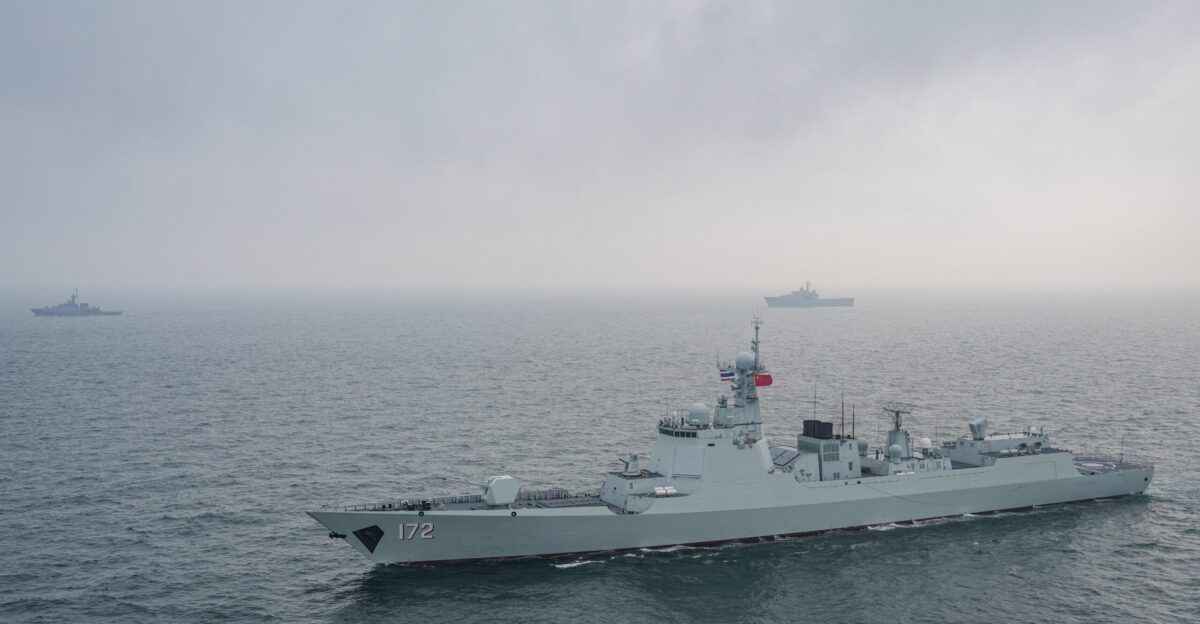
The November operations followed an April 2024 trilateral summit where the US, the Philippines, and Japan pledged deeper maritime cooperation and reaffirmed their commitment to safeguarding peace and security in the Indo-Pacific. In October 2025, the creation of Task Force-Philippines was announced, aiming to bolster deterrence and enable rapid responses to Chinese activities in disputed waters. This new task force represents a significant escalation in US-Philippine military coordination, with officials emphasizing readiness to protect mutual interests.
Meanwhile, China has accelerated its island militarization strategy, transforming reefs and outcrops into fortified military outposts equipped with advanced surveillance and weapons systems. The People’s Liberation Army Navy, now the world’s largest by ship count, recently commissioned its third aircraft carrier, the CNS Fujian, on November 5, 2025. Earlier in 2025, China deployed two carriers—the Liaoning and Shandong—simultaneously to the Western Pacific in June, demonstrating its growing ability to project power across the region.
Navigating an Uncertain Future
The United States maintains that its operations defend freedom of navigation and international commerce, while China views these actions as violations of its sovereignty. This fundamental disagreement, rooted in competing interpretations of international law, continues to fuel tensions. Despite heated rhetoric, both sides have kept communication channels open, holding a second round of maritime security talks in Hawaii in November 2025. While these discussions aim to manage risks and prevent miscalculations, the deployment of multiple carrier strike groups and the deepening of trilateral alliances suggest that the South China Sea will remain a focal point of strategic rivalry well into 2026 and beyond.