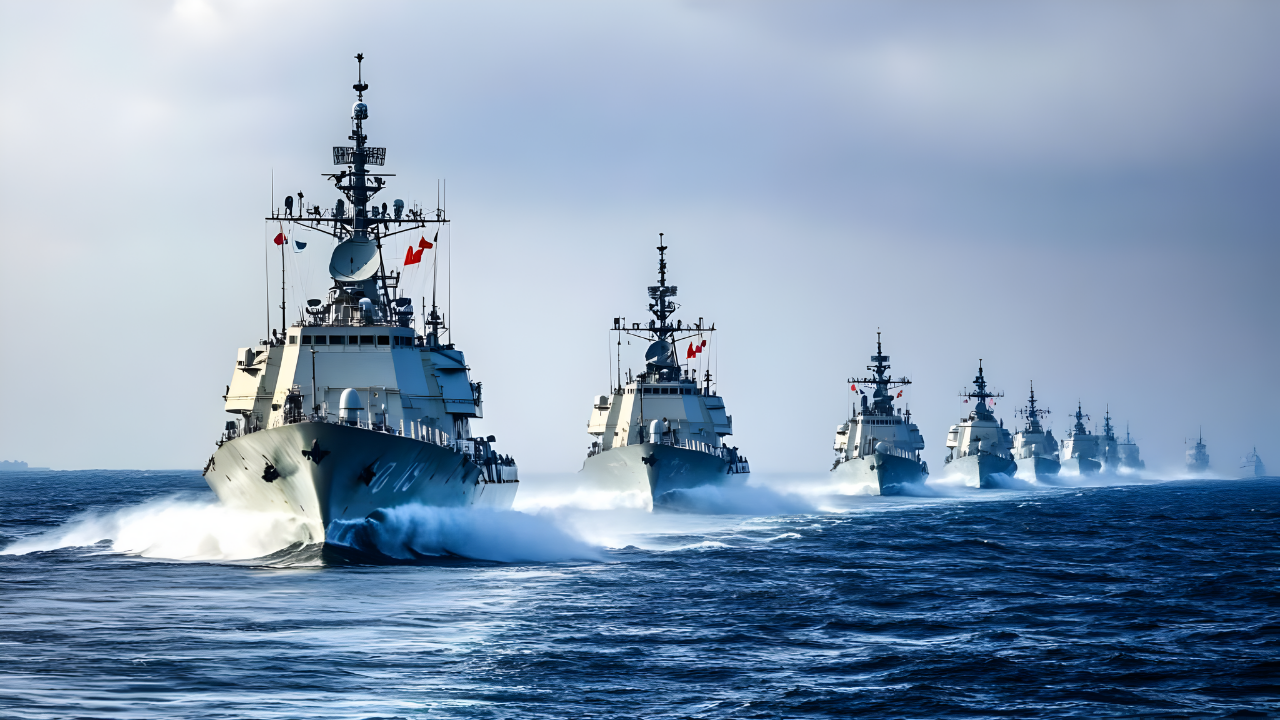
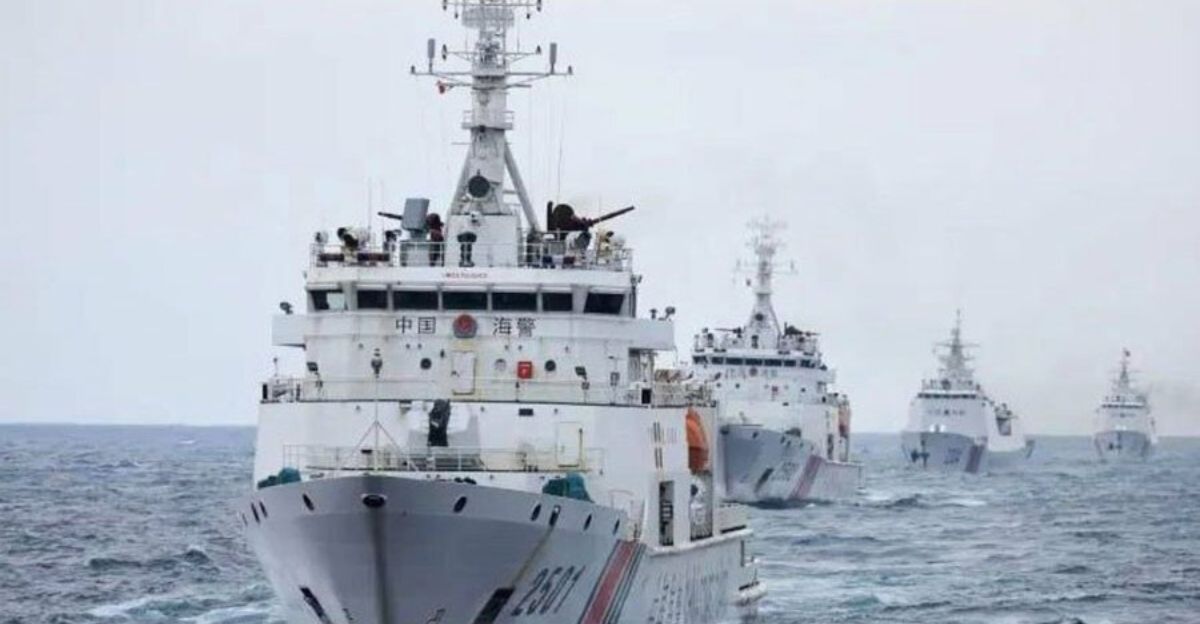
This deployment is much bigger than usual. At its height, more than 100 ships were out at once. By December 4, over 90 were still at seaway more than normal daily numbers. Watchers say this long-lasting presence points to a planned effort, not just a quick drill.
Taiwan’s top security official, Tsai Ming-yen, urged his team to watch China’s actions closely and expect changes. He said they must prepare for anything. Experts in the area note that Chinese military moves often ramp up late in the year. They predict tougher drills soon.
Pressure Across Four Key Areas
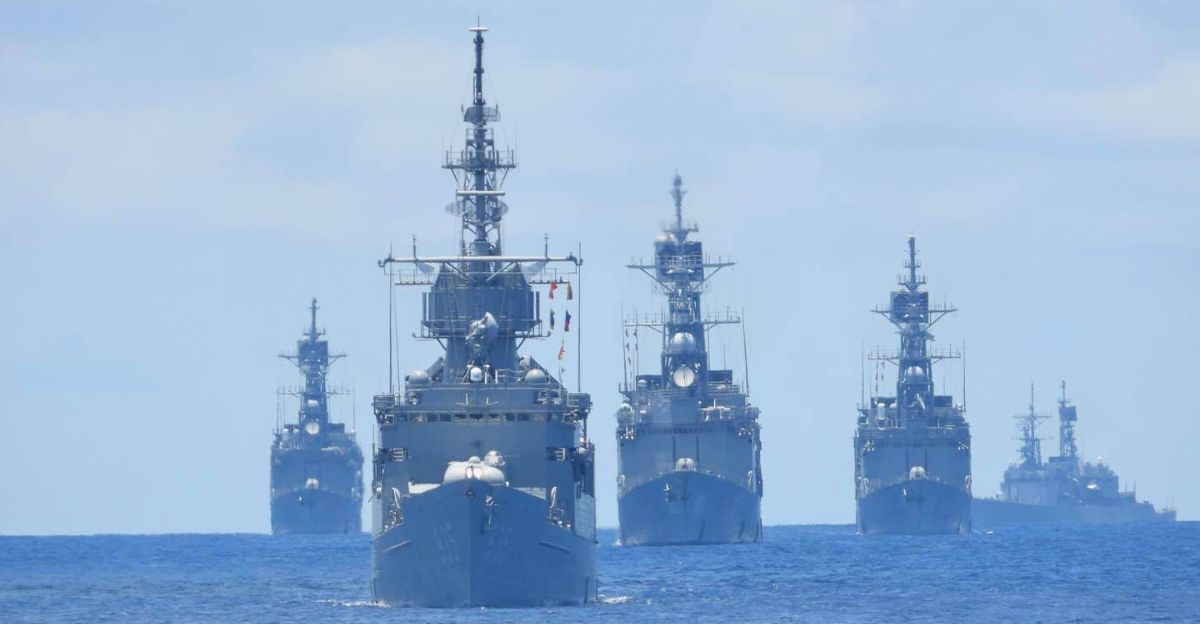
China’s navy and coast guard ships appeared in four spots at the same time: the Yellow Sea, East China Sea, South China Sea, and western Pacific. That’s a huge area, unlike past exercises that stuck to one or two nearby seas.
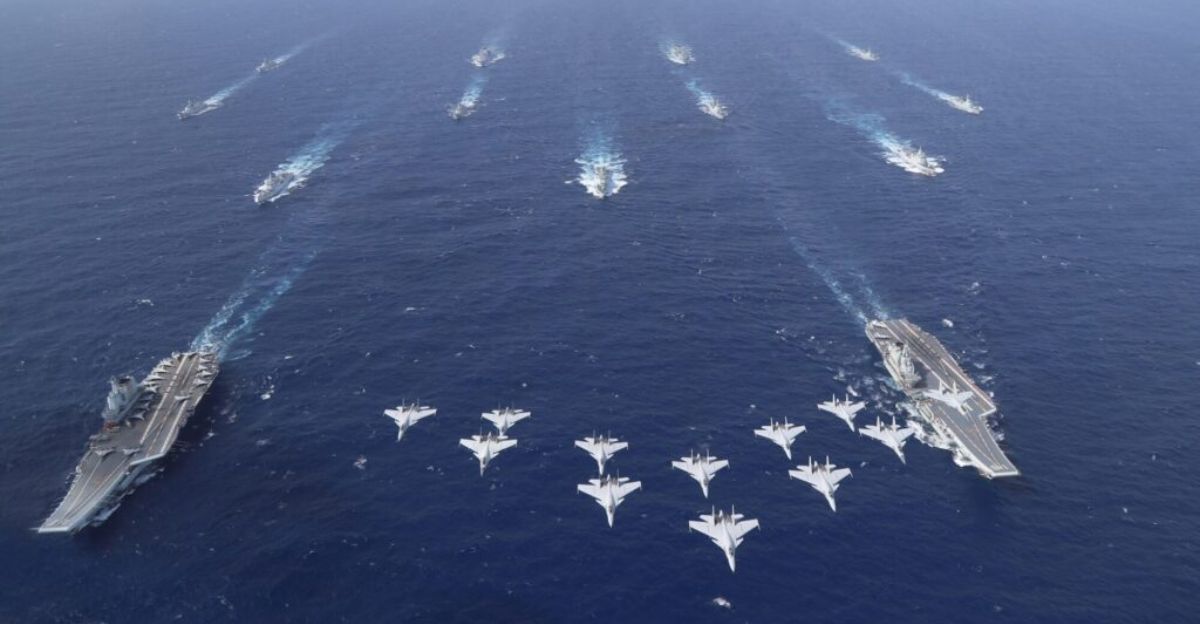
Analysts think this setup lets China practice controlling ships over long distances. It also shows they can guard or block major shipping paths and push on multiple fronts. Japan’s forces say China is building power to reach farther into seas and skies.
In action, advanced warships like destroyers and frigates sailed deep into the Pacific. Armed coast guard ships stayed near disputed zones and other countries’ shores. Some groups practiced fake attacks and blockades, training for forceful situations beyond just showing up.
Tensions Spark the Ship Surge
This big move came after some heated political events. On November 14, China called in Japan’s ambassador. That followed Japan’s Prime Minister Fumio Kishida saying his country might fight back if China attacked Taiwan. Soon after, Taiwan announced about $40 billion extra for defense over eight years.
Leaders and experts see China’s ship push as a warning. It protests closer ties between Japan, Taiwan, and others on Taiwan issues. Taiwan views it as part of ongoing pressure from China, including frequent plane and drone flights into their space.
Japan deals with more Chinese activity near the Senkaku Islands, which it controls but China claims too. Japan has stepped up its patrols, worked closer with the U.S., and considers new defenses. A Taiwan fight would hit Japan’s land and sea paths right away.
Busy Waters Raise Accident Risks
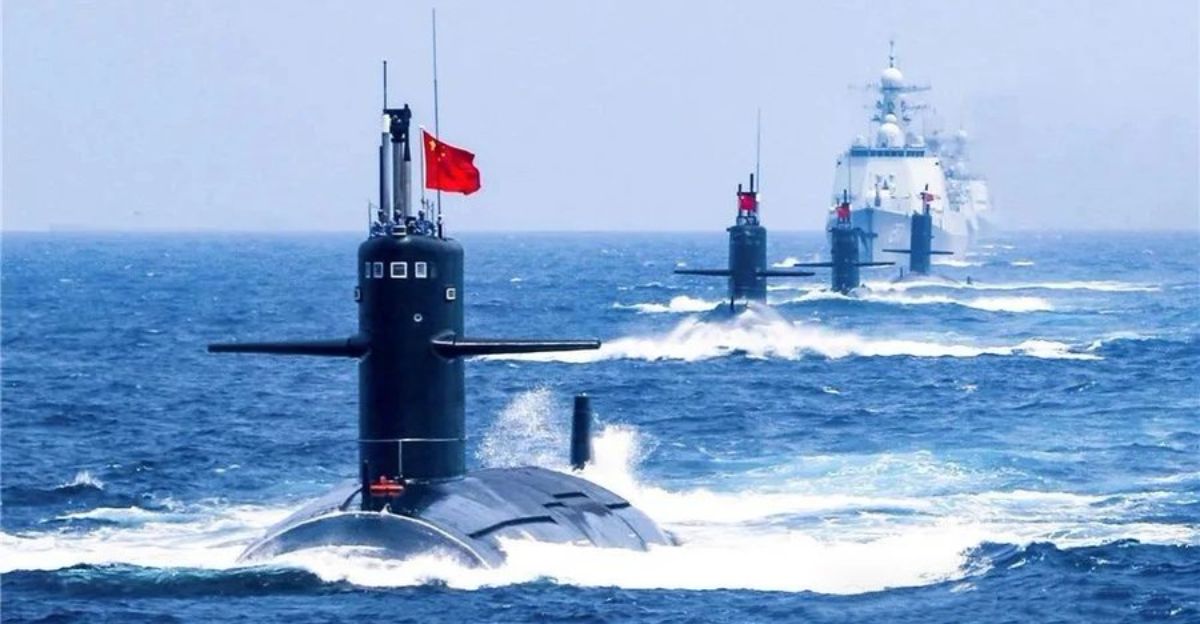
These ships sail through the world’s busiest trade routes. The South China Sea handles $3.4 trillion in goods yearly. Japan, the Philippines, and others track both merchant ships and military ones closely.
Millions live nearby, on Japan’s Ryukyu Islands, Taiwan’s outer islands, and northern Philippines. Locals now spot more armed Chinese ships than in years. Fishermen and cargo crews change paths and go farther out to dodge warship groups.
Planners warn of higher clash risks with cargo ships, fishing boats, and other militaries so close. The U.S. and allies sent more ships, planes, and subs to monitor near Guam, Japan, and the Philippine Sea. Constant watching wears out crews and money, raising odds of a mistake sparking bigger trouble.
Silent Strategy Builds New Habits
China stayed quiet, no notices or explanations despite the huge scale. Big drills usually get announced ahead to cut risks. This matches their no-talk approach in a near-100-ship event in December 2024. Experts say it’s on purpose: to make big, unannounced fleets feel normal.
China also strengthens disputed spots with tech. New photos show extra radars, electronic gear, and spy tools on man-made islands like Fiery Cross Reef and Mischief Reef in the South China Sea. A U.S. report calls this key to blocking outsiders from those waters.
No end date in sight. Over 90 ships lingered into early December. Some think China tests how long they can keep this up without a crisis. Others see practice for blockades or fights near Taiwan or elsewhere.
Sources
China massing military ships across region in show of maritime force – Reuters
China’s Naval Push in East Asia Alarms Taiwan and Japan – China Global South
China deploys over 100 ships across East Asian waters – The Cradle
China Unleashes Largest Maritime Show of Force in East Asia – Defence Security Asia