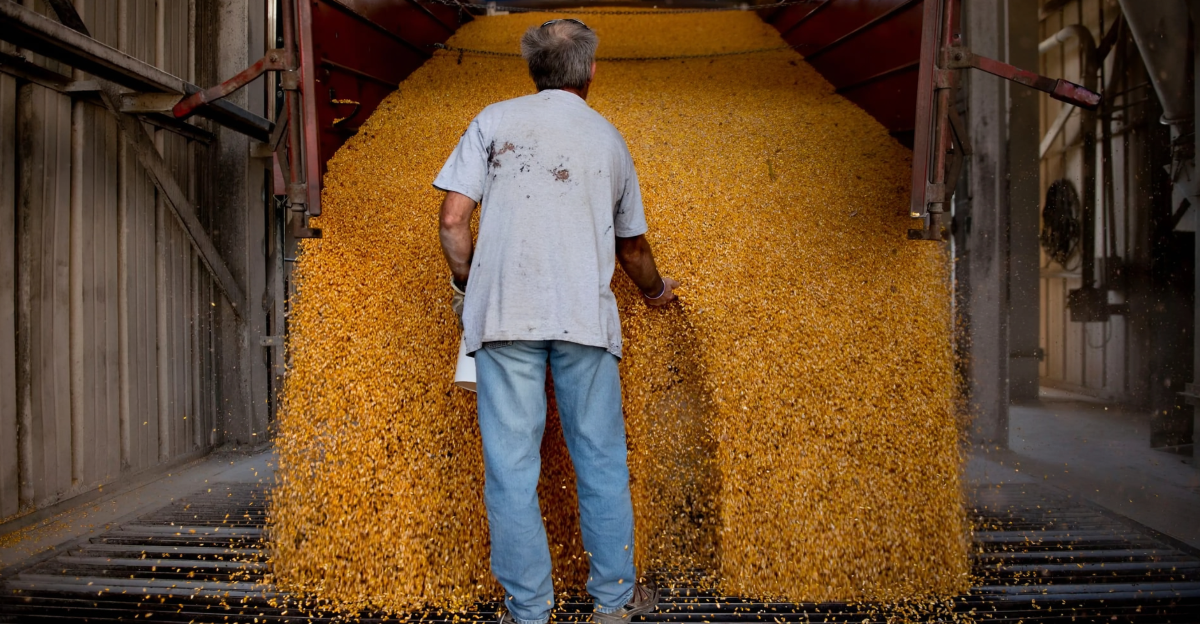
Soybean prices have plummeted to around $10.25 per bushel, according to Trading Economics data, leaving North Dakota farmers staring at losses that could reach $400,000 per operation. The dramatic decline comes as harvest season arrives without a single Chinese buyer in sight, with the world’s largest soybean importer effectively shutting the door on American producers following February’s trade war escalation.
Storage Nightmare Unfolds Across Farms
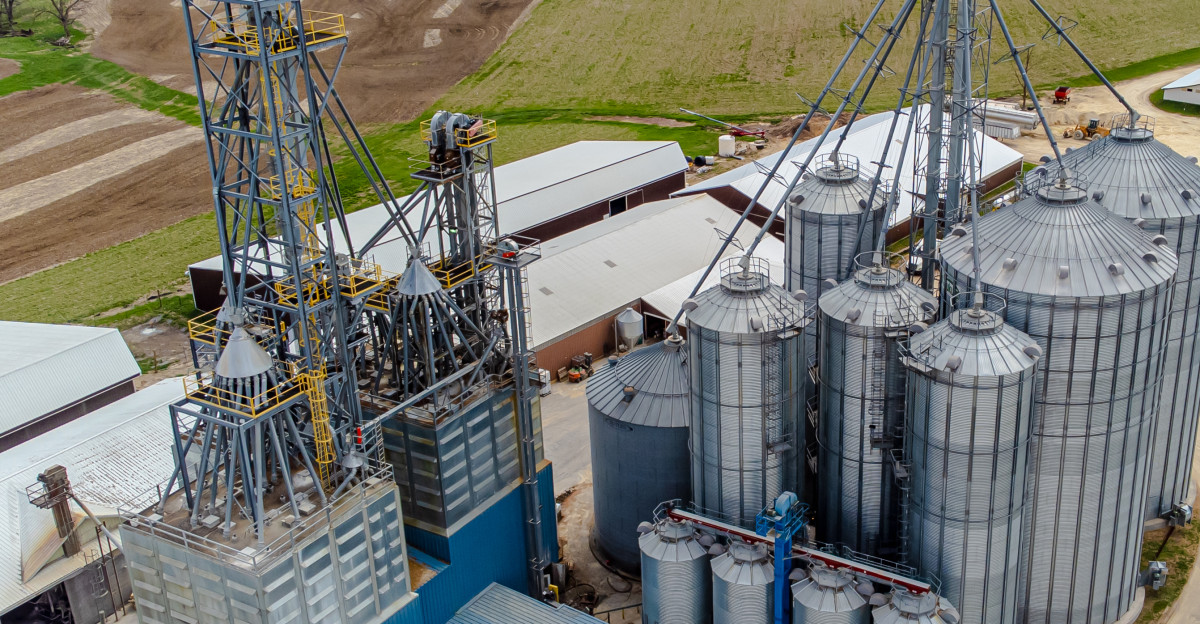
According to CNN, grain elevators from Iowa to Ohio are pushing capacity limits as this year’s bumper soybean harvest floods storage facilities. Farm Progress notes that some producers wait hours in truck lines to unload crops, while others scramble to build temporary storage solutions for beans that would typically be exported immediately to Chinese processors.
The Foundation That Cracked
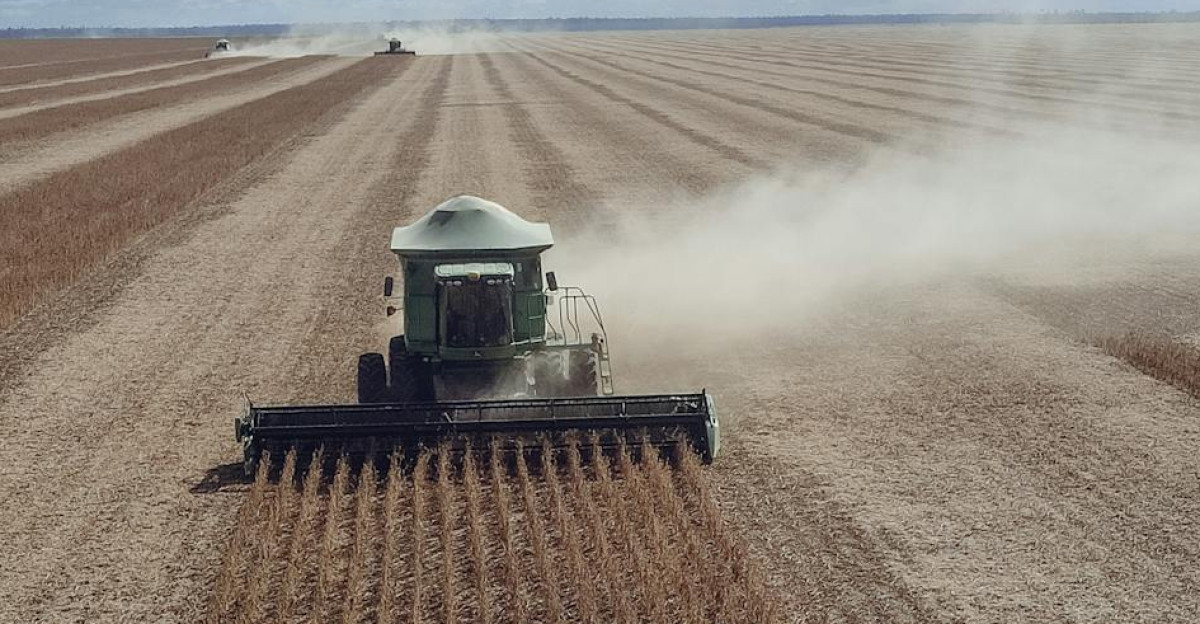
The American Soybean Association confirms that China has dominated global soybean trade for over a decade, typically purchasing 61% of all internationally traded soybeans. This relationship was worth $25 billion in 2024 alone, with American farmers historically sending nearly half their soybean production to feed China’s massive livestock industry before the current crisis erupted.
When Trade Talks Became Trade War
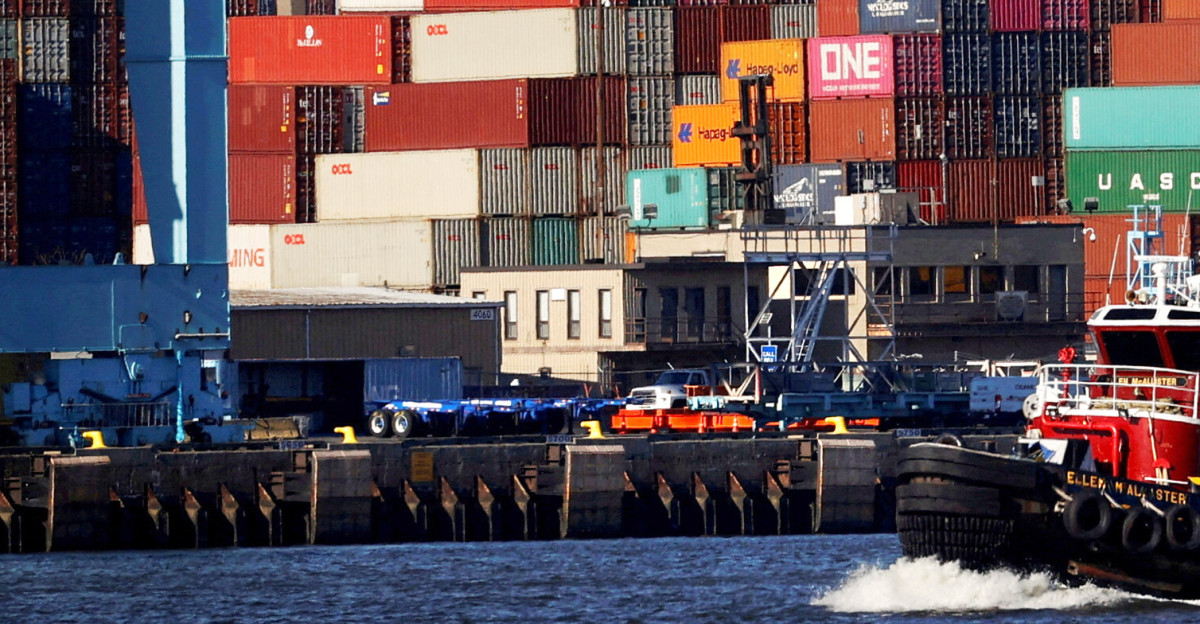
Baker McKenzie reports that February 2025 marked the beginning of the latest US-China conflict when President Trump imposed baseline tariffs on Chinese goods. China responded with sweeping retaliatory measures that ultimately created a combined 34% duty rate on US soybeans, making Brazilian alternatives significantly more attractive to Chinese buyers virtually overnight.
The Moment Everything Stopped
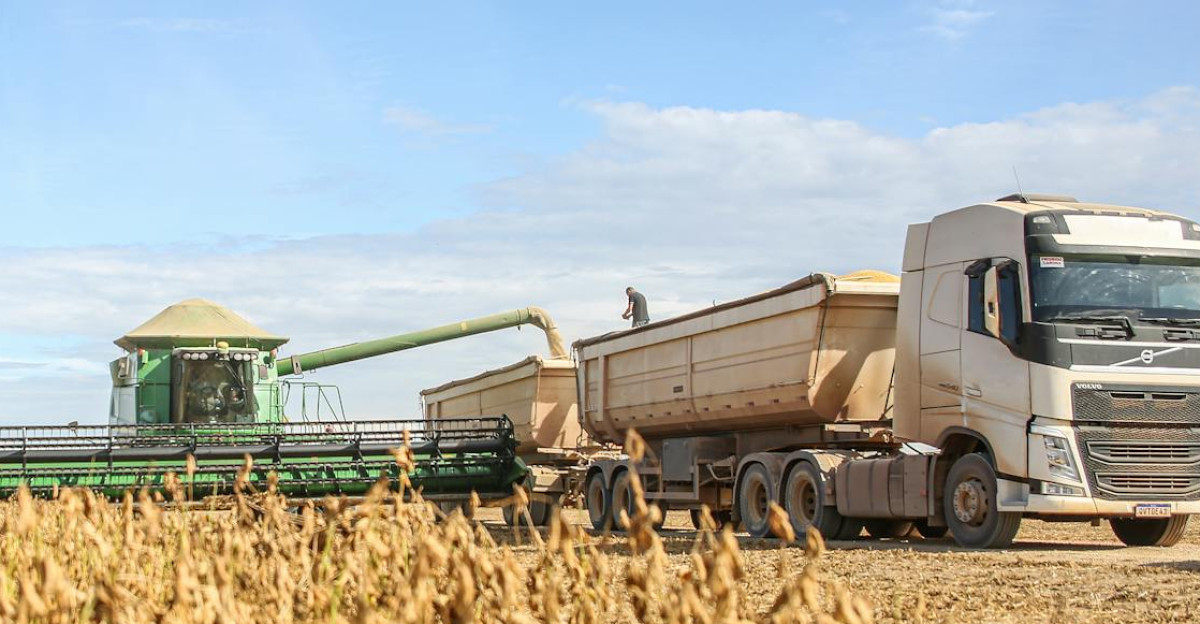
In August, the American Soybean Association delivered devastating news that China has placed zero new-crop orders for US soybeans for the 2025/26 marketing year. This unprecedented situation breaks decades of established trading patterns, with industry experts noting that typically one-third of annual Chinese purchases would be contracted by now, representing millions of tons of crops that remain completely unsold.
North Dakota Feels the Crushing Blow
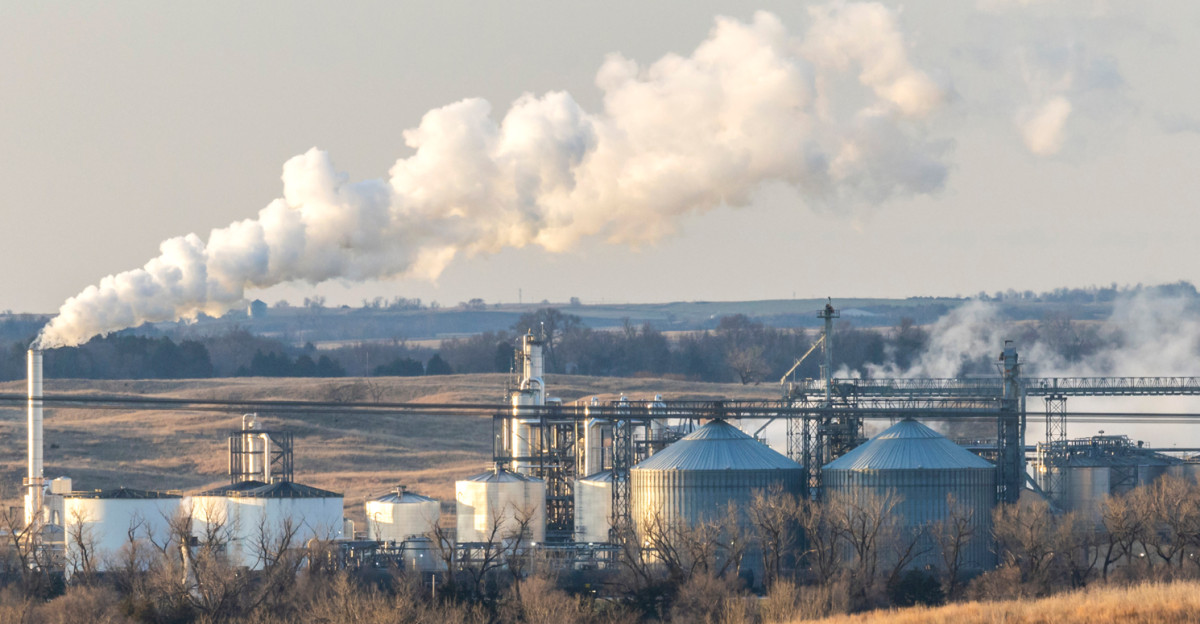
The New York Times reveals that North Dakota faces catastrophic losses after previously exporting over 70% of its soybeans to China. The Gackle family’s 2,300-acre operation projects a staggering $400,000 loss in 2025 alone, while similar financial devastation spreads across Iowa, Minnesota, Indiana, and Illinois—states that collectively produce nearly half of America’s soybeans.
Farmers Speak Out in Desperation
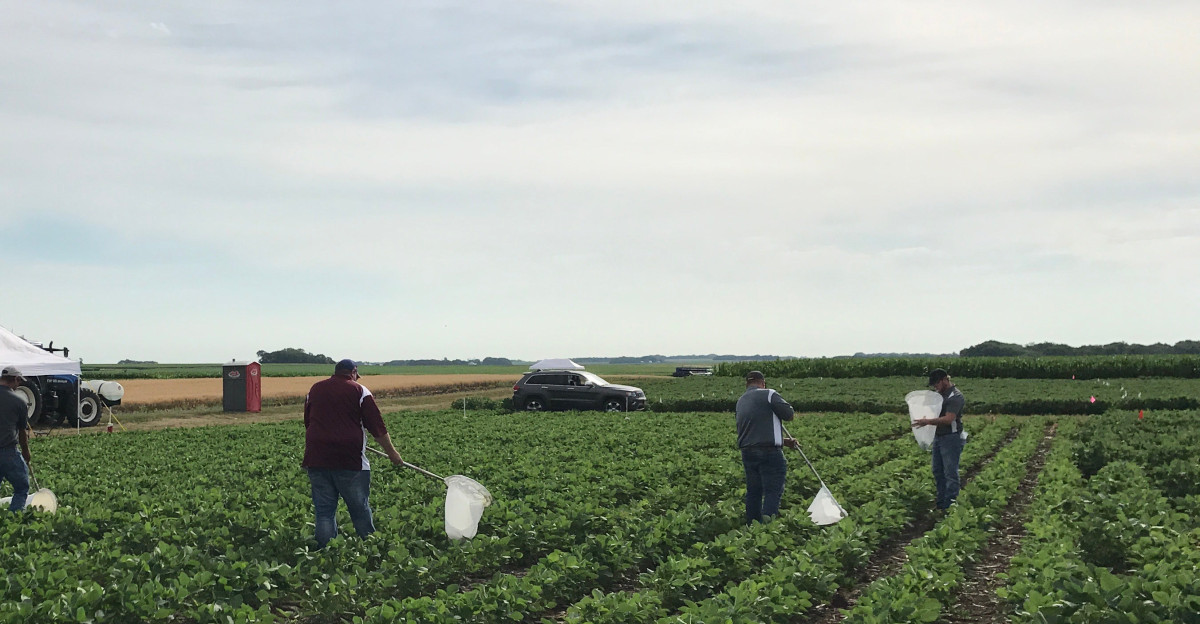
“There’s no replacement for China,” farmer Kevin Karel told the New York Times, capturing the desperation across rural America. Caleb Ragland, president of the American Soybean Association, warns that farmers are “standing at a trade and financial precipice” as they face producing crops at a loss while struggling to secure basic operating loans for next season.
The Ripple Effect Spreads Beyond Farms
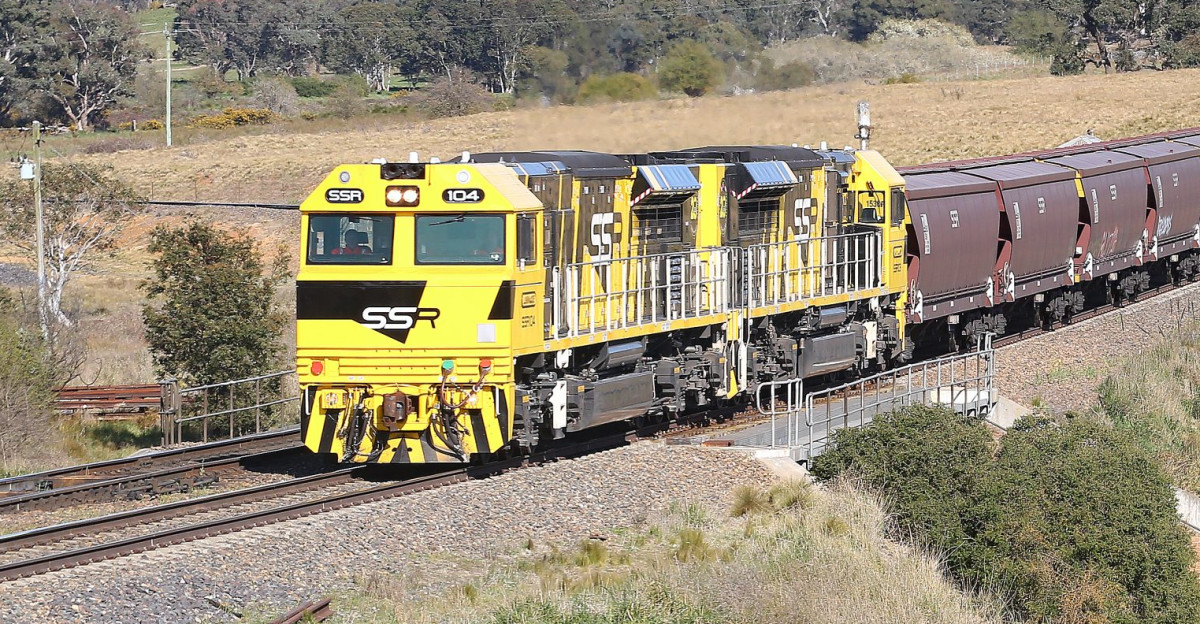
Brownfield Ag News confirms that the crisis extends beyond individual farming operations to transportation networks and rural lenders. Grain storage capacity across central Plains states is approaching 130% of normal levels, forcing companies to invest in costly temporary storage solutions while freight rail operators and Mississippi River port facilities face dramatically reduced shipping volumes.
Brazil Seizes America’s Market Share

Brazil has capitalized ruthlessly on the US-China trade dispute, capturing 65% of Chinese soybean imports in the first half of 2025, Fast Markets data shows. The South American giant has secured massive purchase agreements extending through 2026, while Argentina and Uruguay are also expanding their Chinese market share, fundamentally reshaping global agricultural trade patterns.
Seven Million Bushels With Nowhere to Go
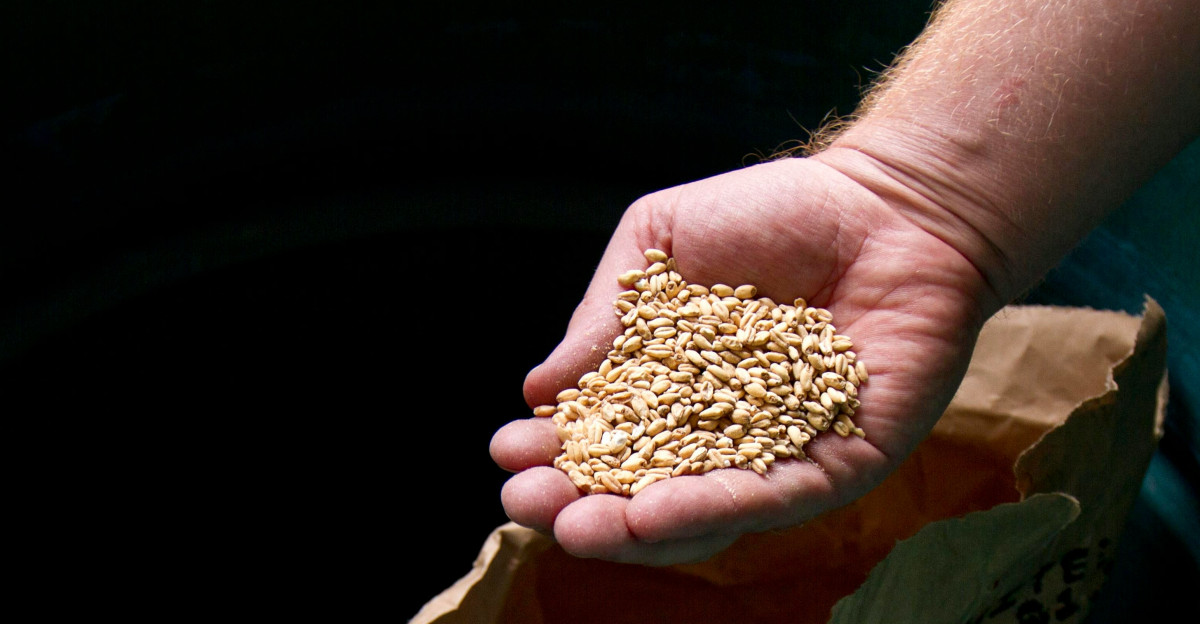
The New York Times confirms that construction of temporary storage for some 7 million bushels is underway across the Midwest. Farmers are converting machinery sheds, renting neighbors’ bins, and using football field-length plastic bags to store crops. This makeshift storage threatens grain quality while adding significant costs to already financially stressed farming operations.
Rural America’s Financial Breaking Point

The Arkansas Farm Bureau reports that farm bankruptcies have surged 55% in 2025, with Chapter 12 filings reaching 259 cases by March. This already exceeds all of 2024’s total, putting the year on track to become one of the worst for agricultural failures in over a decade as rural lenders report increasing loan defaults from farmers who’ve exhausted their credit lines.
Political Stakes Rise With Each Passing Day

Democratic sources reveal that Treasury Secretary Scott Bessent faces mounting scrutiny as he leads trade negotiations while personally owning thousands of acres of North Dakota farmland worth up to $25 million. His financial interests in soybean production create potential conflicts as farmers demand immediate policy intervention to prevent widespread agricultural bankruptcies and rural economic collapse.
Industry Fights Back With Urgent Appeals

The American Soybean Association has launched an aggressive lobbying campaign, sending direct letters to President Trump requesting the immediate removal of Chinese tariffs. Industry leaders warn that without resolution by mid-October, when half the crop enters the supply chain, the crisis could trigger a cascade of farm foreclosures reminiscent of the devastating 1980s agricultural depression.
Experts Question Quick Fix Solutions

Agricultural economists express deep skepticism about rapid solutions, noting that even successful trade negotiations could take months to restore standard purchasing patterns. Commodity analysts point to weakening soybean futures trading near $10.25 per bushel as evidence that markets expect prolonged disruption, while crush margins remain under severe pressure from oversupply concerns.
The Clock Ticks Toward Harvest Disaster
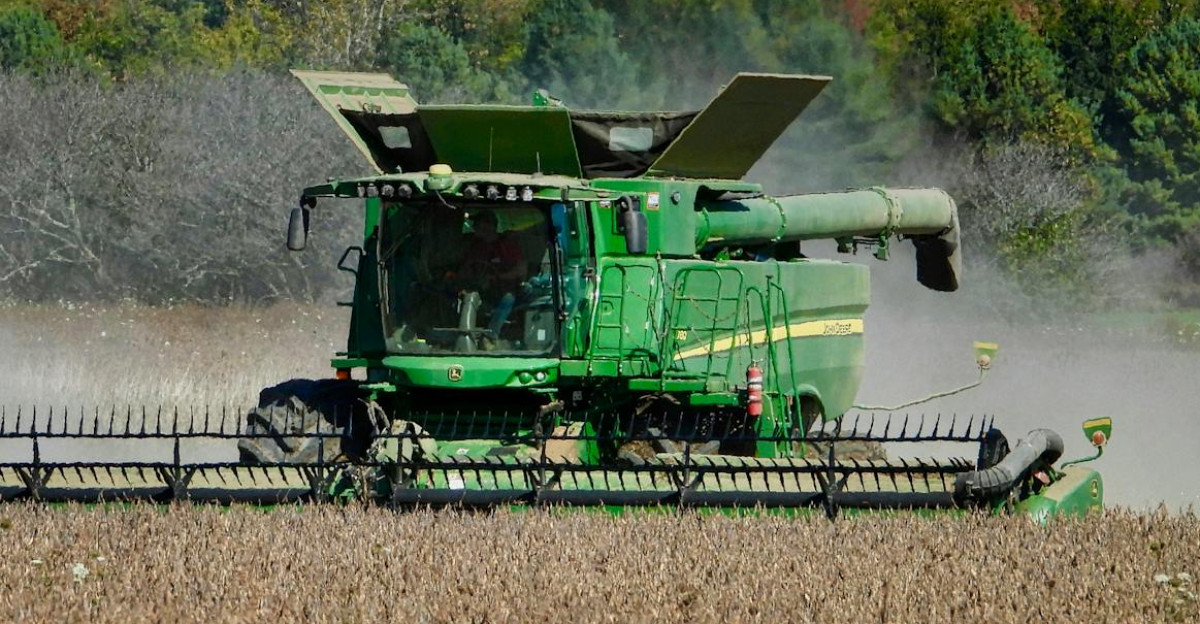
President Trump and Chinese President Xi Jinping are expected to meet at the APEC summit in South Korea in late October, potentially offering the final chance for harvest-season relief. However, with Chinese importers already securing massive South American supplies through early 2026, Trading Economics suggests any agreement may come too late to prevent significant American farm failures.
Washington Scrambles for Political Solutions

CNN reports that the soybean crisis has reignited heated debates over agricultural subsidies. Congress faces intense pressure to authorize emergency aid packages similar to the $16 billion farmer relief program from Trump’s first-term trade wars. Rural Republican legislators are caught between supporting free trade principles and protecting their agricultural constituencies from immediate economic devastation.
Global Trade Patterns Shift Permanently

Fast Markets analysis shows that China’s pivot to South American suppliers has strengthened Brazil’s agricultural dominance and created lasting trade relationships that could persist even after US-China relations normalize. This shift demonstrates how trade wars can permanently alter global supply chains, with American farmers potentially losing market share that took decades to develop and establish.
Quality Concerns Mount With Makeshift Storage
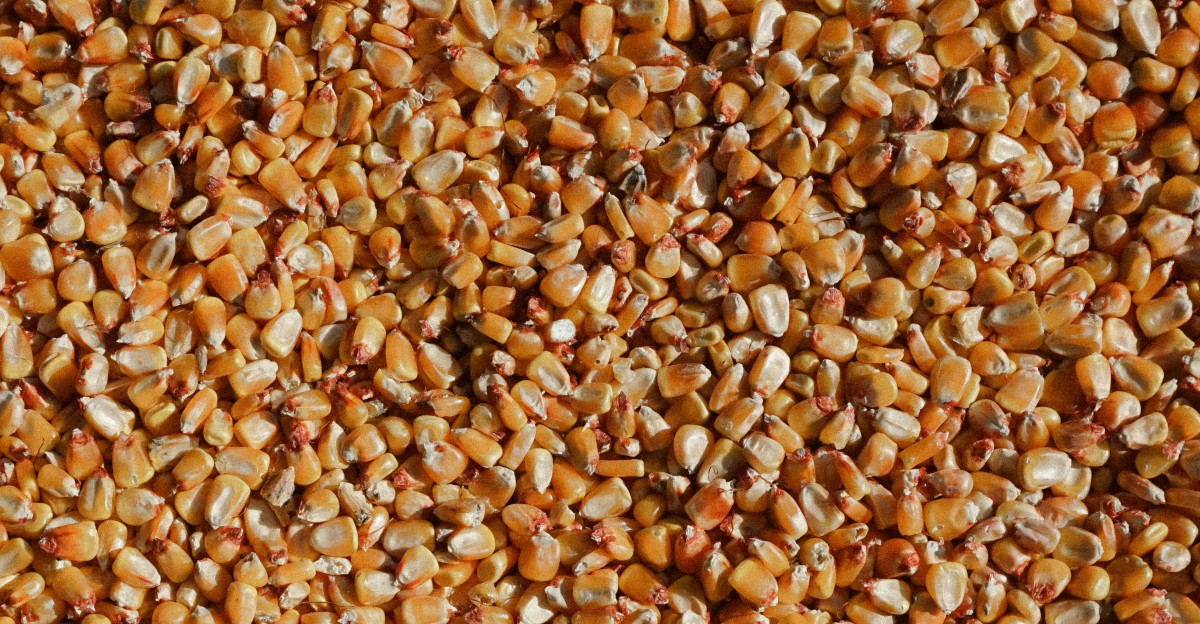
The storage crisis raises serious concerns about grain quality and waste, as temporary outdoor storage exposes soybeans to weather damage and pest contamination. Agricultural extension services report increased emergency calls about proper grain management techniques. At the same time, some crops stored in suboptimal conditions may become suitable only for lower-value animal feed applications, further reducing farmer income.
Rural Communities Brace for Long-Term Impact

The crisis threatens to accelerate rural communities’ decades-long decline, as younger farmers consider abandoning agriculture altogether while older operators face potential bankruptcy. Rural sociologists note that agricultural stress historically correlates with higher rates of mental health challenges, family dissolution, and community economic deterioration across America’s agricultural heartland.
What This Crisis Really Means for America

The soybean crisis reflects more profound questions about America’s role in global agriculture and the vulnerability of rural economies to international trade policies. As harvest season unfolds with storage facilities overflowing and export markets closed, the situation illustrates how quickly agricultural prosperity can transform into rural economic catastrophe when established trade relationships collapse overnight.