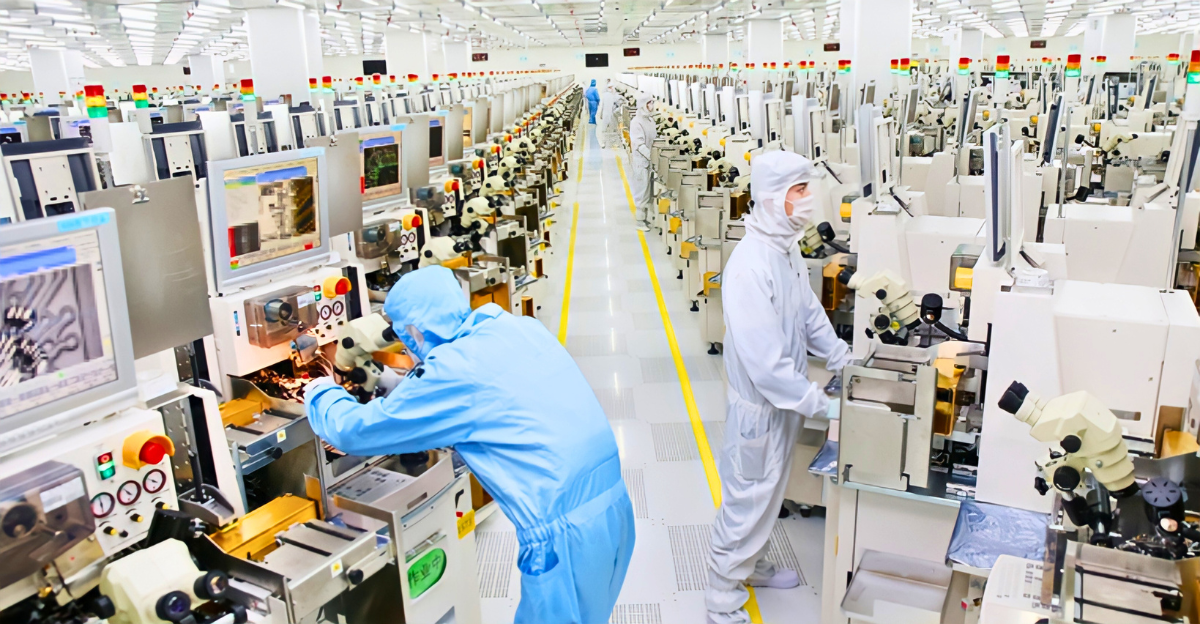
A significant turning point in the history of technology has been reached with China’s recent ban on all Nvidia AI chips. Beijing’s confidence in domestic alternatives, such as Huawei’s AI chip clusters, was demonstrated when the Cyberspace Administration of China ordered major tech companies, such as ByteDance and Alibaba, to stop purchasing Nvidia’s cutting-edge AI chips.
This action raises concerns in the United States, where Nvidia chips are essential for AI development, and upends the $846 billion global AI chip market. 90% of the production of advanced chips is still concentrated in Taiwan, despite US efforts, including a $6.6 billion investment in Taiwan Semiconductor Manufacturing Company’s (TSMC) Arizona facility.
The U.S.-China Chip Trade’s Historical Background
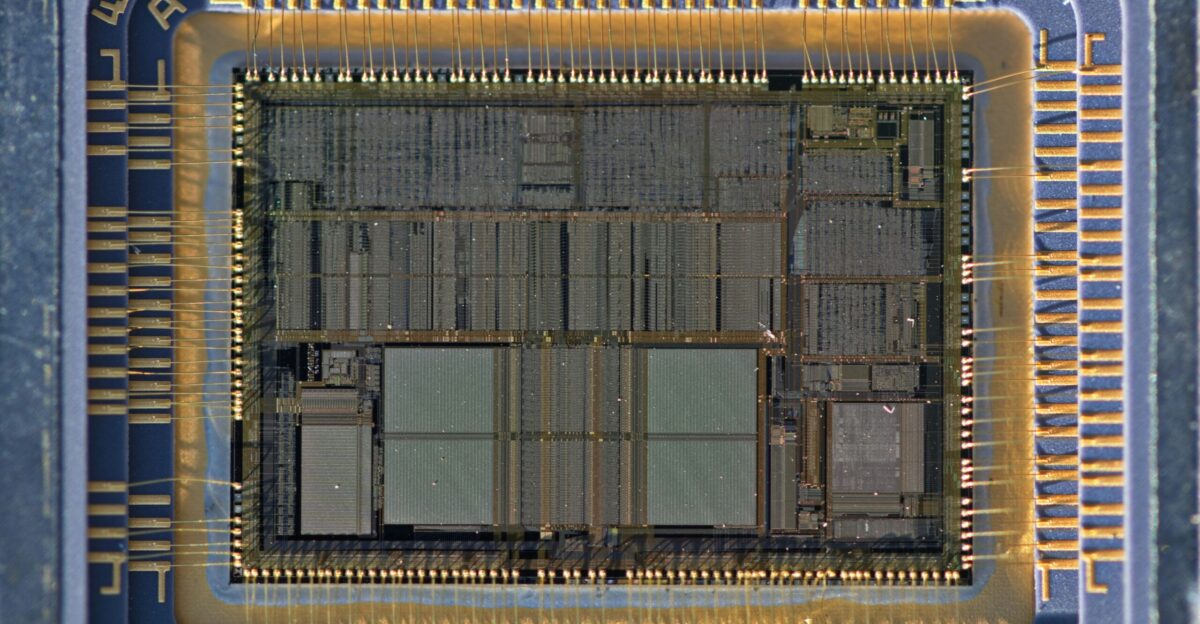
Since 2018, the U.S.-China semiconductor dispute has intensified. To preserve technological superiority and national security, the United States implemented export restrictions that limit the sale of sophisticated chipmaking machinery and chips to China.
Both the Biden and Trump administrations increased restrictions, limiting Nvidia chip export licenses and imposing stringent entity lists. China pursued technological self-reliance and kept accumulating semiconductor equipment in spite of these measures. After years of investment, Beijing’s confidence in its domestic chip design capabilities is exemplified by the recent ban on Nvidia chips, which represents a strategic shift from reliance to rejection.
Taiwan’s Contribution to Semiconductor Production
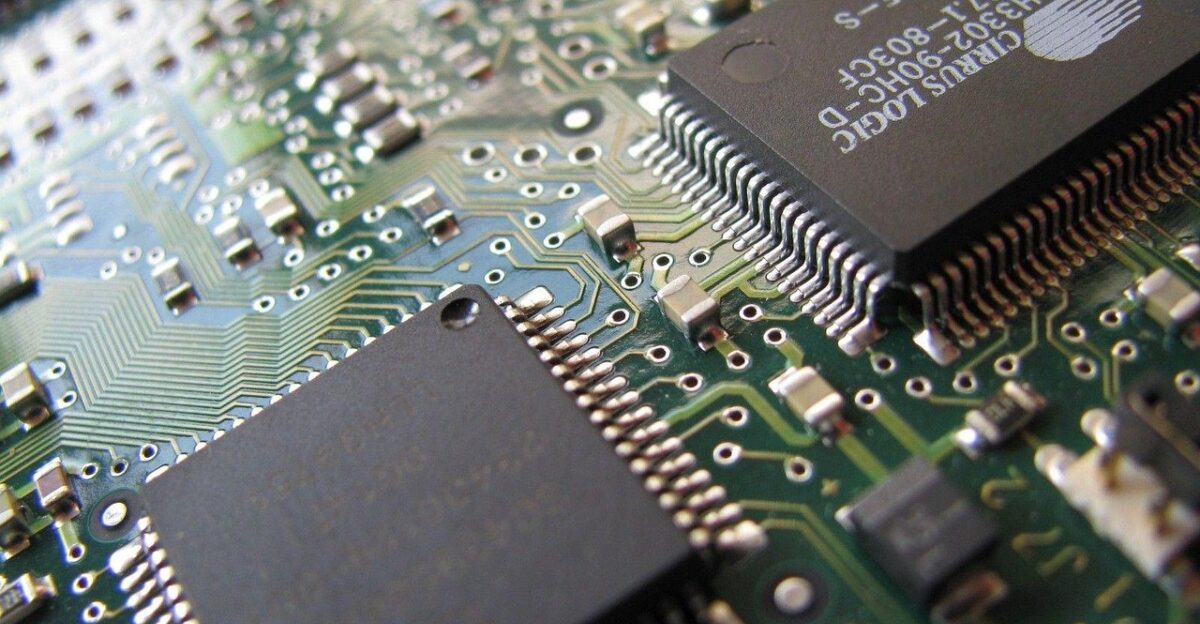
Taiwan produces roughly 90% of the most sophisticated chips in the world, making it a dominant player in the production of cutting-edge semiconductors. The largest contract chip manufacturer, TSMC, is in charge of producing cutting-edge 2-nanometer chips.
Although the United States recently spent $6.6 billion to support TSMC’s operations in Arizona, global AI supply chains are at significant risk due to Taiwan’s geopolitical vulnerability. Any political or military upheaval in Taiwan could seriously impair the supply of these vital AI chips, which are needed for both military and commercial applications globally.
The Rise of Huawei as a Leading Domestic AI Chip Manufacturer
China has taken a significant technological step toward AI independence with Huawei’s introduction of the Atlas “SuperPoDs,” AI chip clusters made up of thousands of domestic chips.
These systems compete with or outperform similar Nvidia systems in terms of size and processing power, with the potential to integrate over a million chips by 2027. Huawei’s ambitious chip roadmap supports the justification for the Nvidia chip ban by attempting to lessen China’s dependency on American technology and move its AI ecosystem onto silicon made in the country.
Implications for the US Economy and Strategy
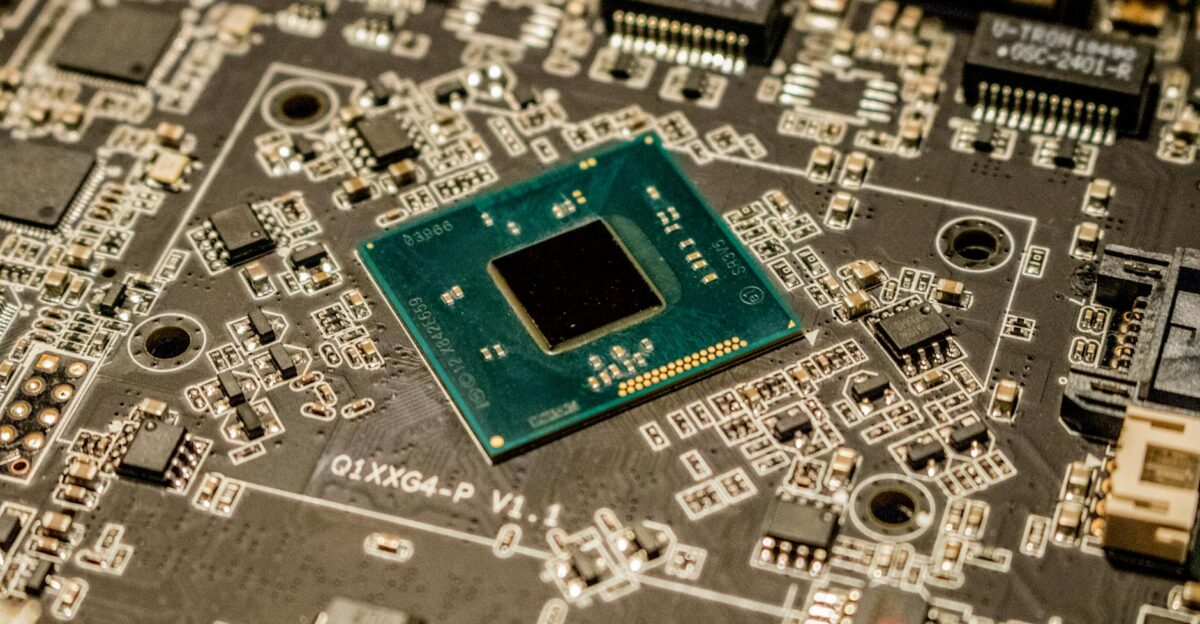
Washington’s understanding of the strategic significance of semiconductor manufacturing is demonstrated by the $6.6 billion US investment in TSMC’s Arizona factory. These factories create the cutting-edge chips that underpin critical infrastructure, sophisticated military systems, and the majority of AI applications in the United States.
The United States is highly vulnerable in the absence of an independent Taiwan and diverse supply chains. The United States’ efforts could be accelerated by China’s ban on Nvidia chips, but it also highlights the precarious reliance on a single geographic area for chipmaking.
Supply Chain Risks and Difficulties
The US risk exposure is increased by the concentration of chip production in Taiwan and China’s ban. Chip exports could be abruptly stopped by supply chain disruptions, whether due to political, military, or natural causes, given China’s ambitions and geopolitical tensions, including Taiwan’s complicated status.
The US AI industry is vulnerable to unexpected shocks due to the absence of alternative high-end factories outside of Taiwan, which could impede innovation and economic competitiveness.
National Security and Technological Sovereignty

Technology sovereignty is also demonstrated by China’s ban on Nvidia chips. It seeks to lessen dependency on technology from other countries, especially the United States, which is viewed as a geopolitical rival.
Since cutting-edge chips are essential to contemporary defense technologies, the United States’ leadership in semiconductors is not only economically significant but also essential to national security. Therefore, the Nvidia ban calls into question American technological dominance and necessitates tactical adjustments.
Evolution of the AI Ecosystem and Competitive Factors

China’s domestic ecosystem is developing quickly, but the United States is still at the forefront of chip design and AI innovation. AI model training has historically been dominated by Nvidia’s state-of-the-art GPU designs, but Huawei’s massive, modular chip clusters raise the possibility of new rivals.
China’s capacity to manufacture exclusive AI infrastructure chips may reduce the US market share in AI hardware, tipping the competitive scales with significant strategic and economic ramifications.
The Opposition: Dangers of US Export Regulations

Some analysts contend that by requiring domestic innovation, US export restrictions and controls may unintentionally hasten China’s chip development. Restrictions on U.S.-made chips are the driving force behind Beijing’s push for independence.
According to this contrarian viewpoint, strict prohibitions may have the opposite effect, encouraging China to develop more powerful and autonomous AI capabilities that may eventually surpass American advancements.
The Market Size for AI Chips and Nvidia’s Position

The market for AI chips is estimated to be worth $846 billion worldwide, and Nvidia is the market leader, accounting for the great majority of sales of high-performance AI GPUs.
Nvidia’s market dominance and revenue streams from the second-largest computing market in the world are targeted by China’s ban, which targets this crucial intersection. This deviates from Nvidia’s growth trajectory and indicates China’s intention to change the dynamics of the global semiconductor market.
Growth of the Domestic AI Chip Market in China

After American chips were banned, China’s domestic AI chip production and sales skyrocketed. The government’s emphasis on chip development, supported by significant industrial policy and capital investment, aims to create a domestic ecosystem that will speed up the adoption of AI.
Since the announcement of the Nvidia ban, Chinese chip stocks have increased by 45%, demonstrating market confidence in domestic alternatives to American imports.
The Function of Geopolitical Strategy and Policy
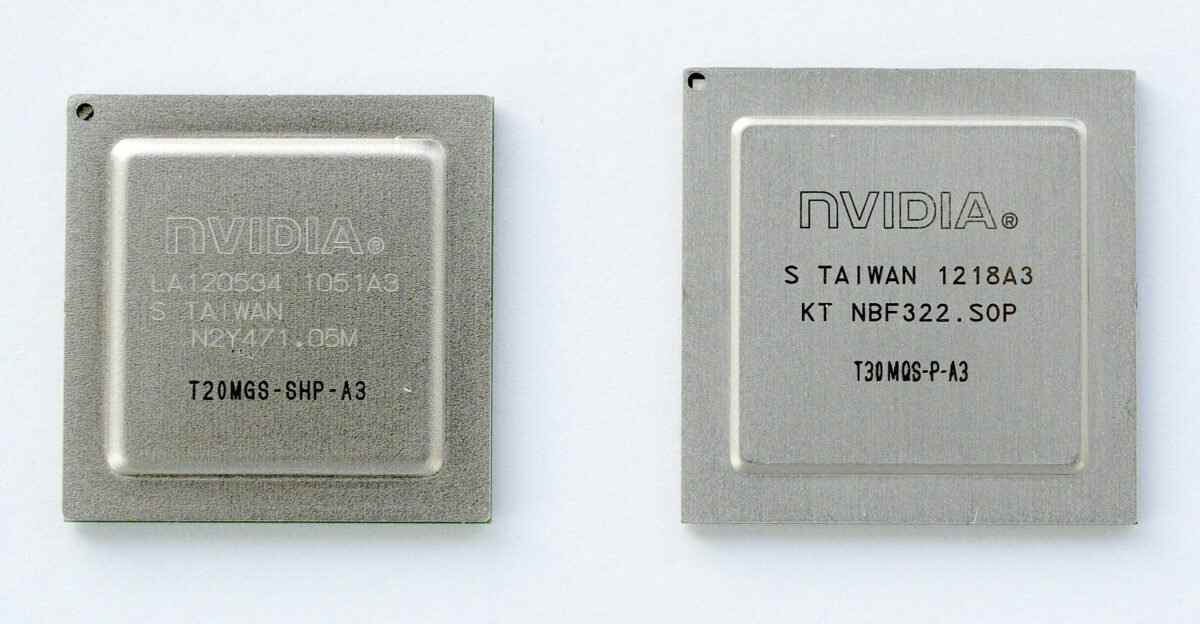
The ban on Nvidia chips is closely related to more general tech decoupling measures between the United States and China. Beijing responds with procurement bans to Nvidia’s payment of revenue shares on sales to China, which is mandated by US export restrictions and licensing models.
This tactic is consistent with nationalistic technological strategies that view chips as tools of geopolitical power, influencing international trade flows and alliances in the technology sector.
Training Capacity of AI Models and Upcoming Trends

In order to achieve next-generation AI models that significantly surpass present capabilities, Huawei intends to scale AI clusters with up to one million chips.
This might make it possible for China to overtake the United States as the leader in AI, especially in the trillion-parameter model space. A massive computing infrastructure is needed for AI model training, and supply and chip architecture control are essential. Thus, native ecosystems are posing an unprecedented threat to China’s Silicon Valley rivals.
Real-World Repercussions: Business Reactions

Leading American tech companies that depend on Nvidia chips are uncertain. As seen by ByteDance canceling orders for Nvidia chips, the ban interferes with ongoing contracts and testing. Following the announcement of the ban, Nvidia’s stock price dropped as a result of the adverse reaction on Wall Street.
This creates instability and compels businesses to reconsider their approaches to software optimization and hardware sourcing for AI workloads.
Localization and Diversification Initiatives for the Supply Chain
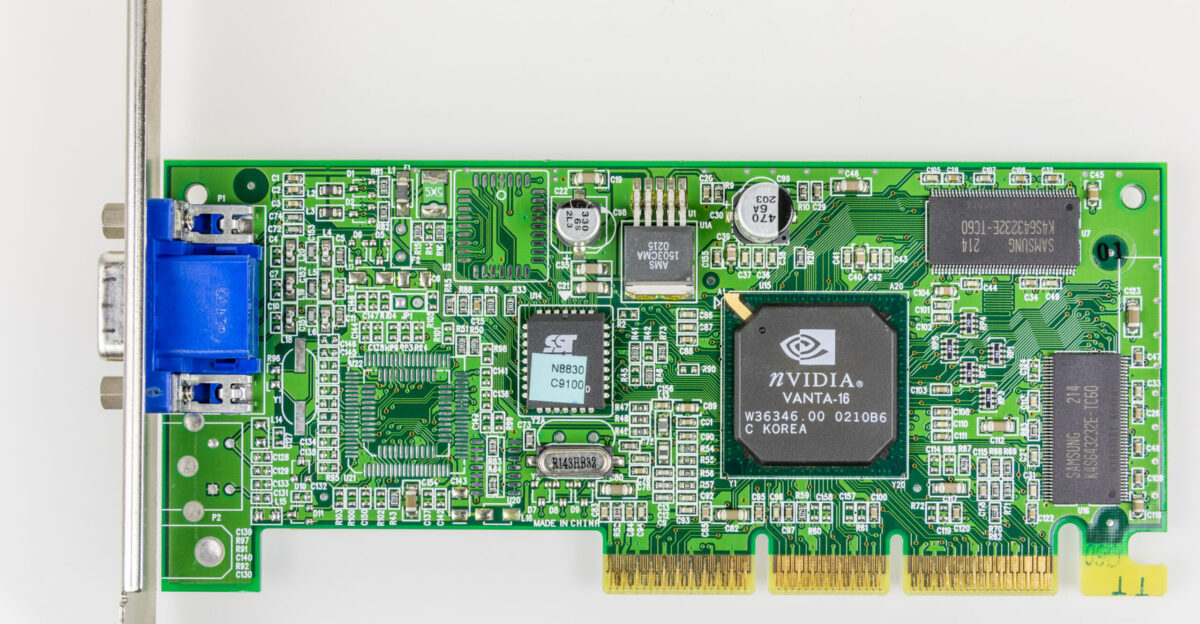
China and the United States both speed up fab construction and diversification in response to supply risks for chips. The goal of TSMC’s Arizona expansion is to lessen reliance on Taiwan.
In order to guarantee chip self-sufficiency, China simultaneously constructs domestic factories and ecosystem components. But fab construction takes a long time, and it’s still challenging to match Taiwan’s technological advantage.
The Effect on International AI Research
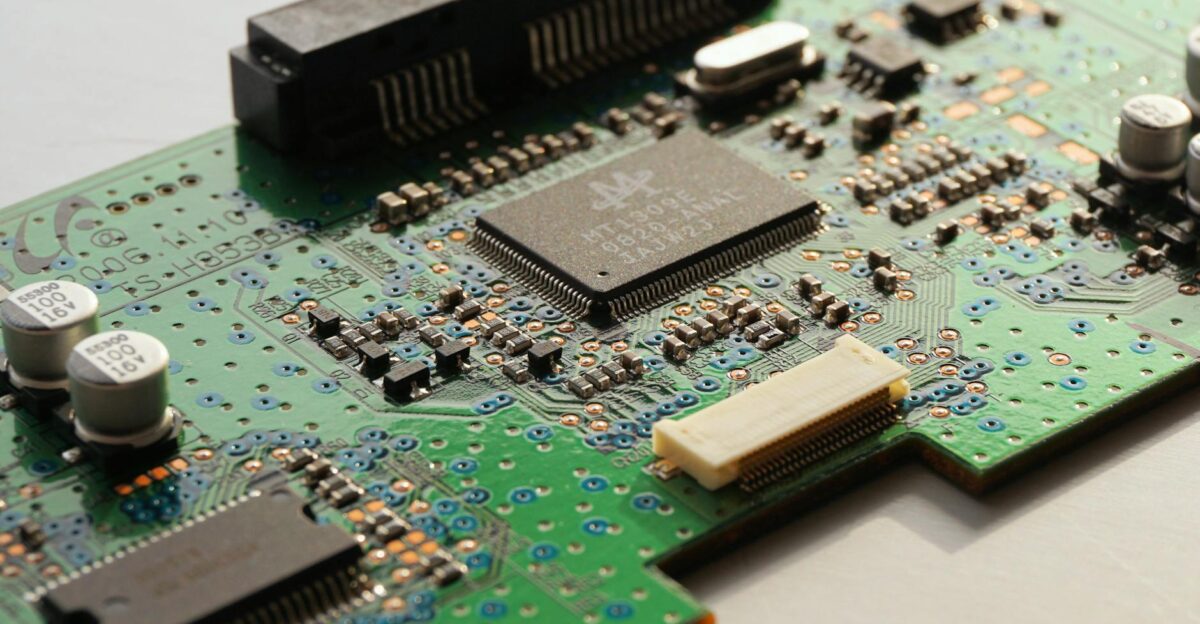
The global AI landscape could become divided into techno-blocs as a result of the Nvidia chip ban. Less interoperability and a slower rate of innovation diffusion could result from disparate chip architectures, standards, and supply chains.
While China’s autonomous ability fosters separate but parallel AI ecosystems, US dominance runs the risk of eroding. This disarray may hinder international collaboration and increase the expense of developing AI.
Extreme Scenario: Disruption in Taiwan

The development of AI in the United States may face disastrous setbacks if a natural disaster or conflict disrupts Taiwan’s semiconductor production. The world’s supply of AI hardware may stop if only a small number of factories, like TSMC’s Arizona facility, remain operational. This would affect sectors ranging from defense systems to driverless cars. This worst-case scenario emphasizes how urgently international coordination and supply chain resilience are needed.
Lessons in Psychology and Strategy
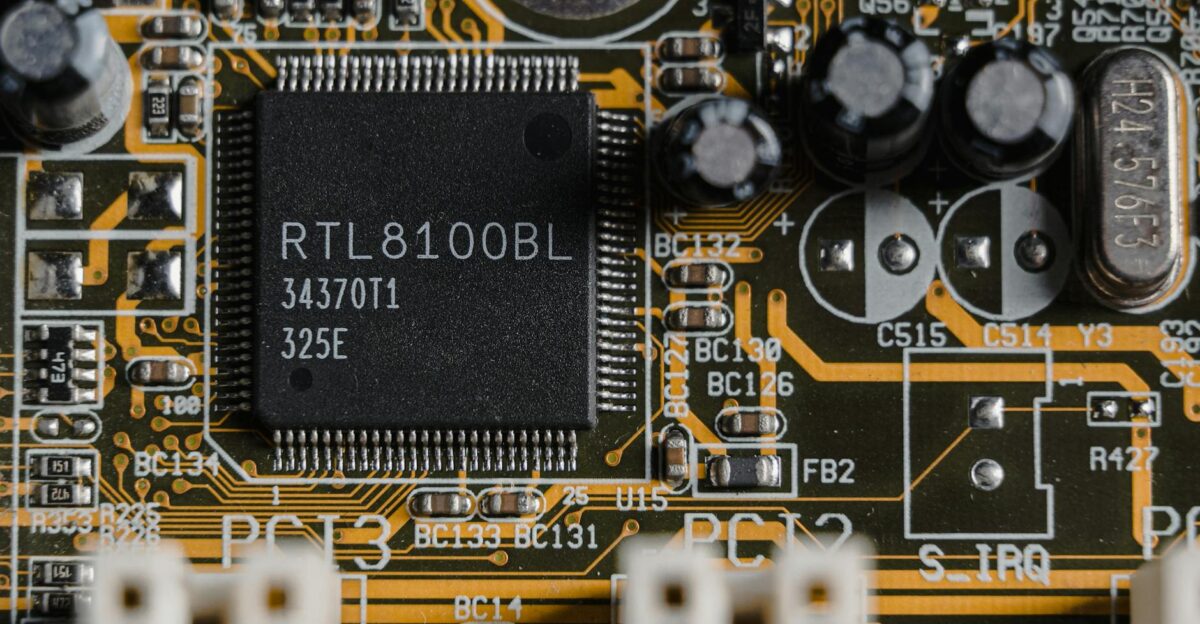
Important lessons about national psychological resilience and technological dependence can be learned from the chip war. China’s swift technological nationalism and the United States’ underestimation of Taiwan’s strategic importance are prime examples of strategic foresight errors.
It proves that supply chain management and policy flexibility are just as crucial to technological dominance as creative ability.
The Vulnerability Model of “One Tiny Country”
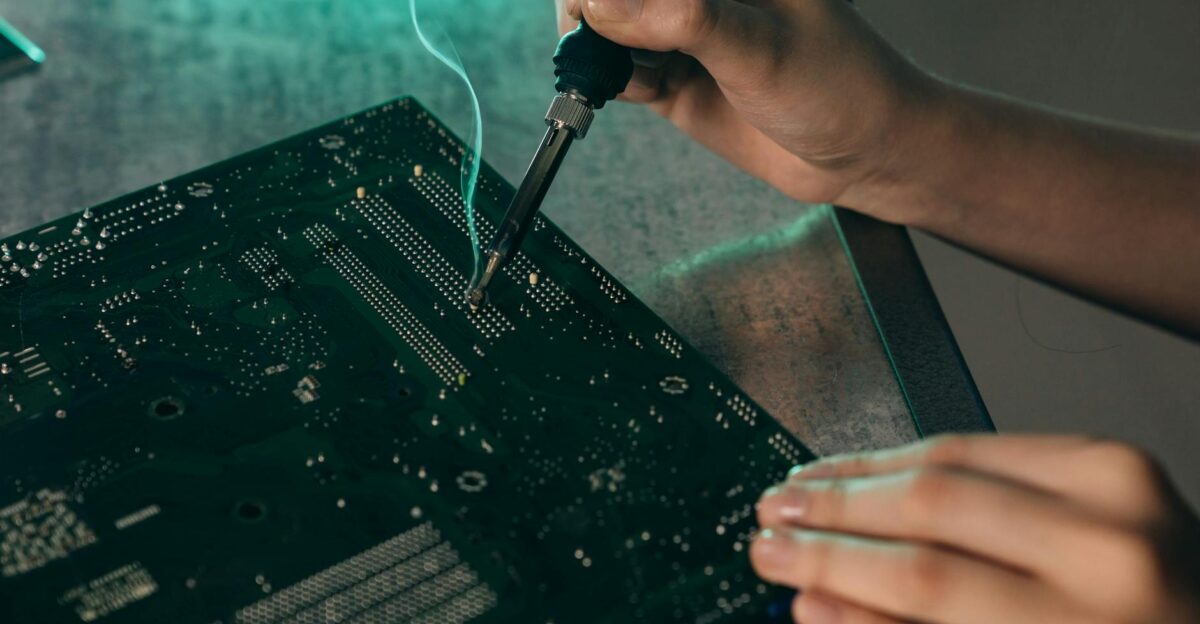
The “One Tiny Country”, Taiwan, which focuses on vital chip manufacturing, is essential to the survival of American AI.
This vulnerability model highlights the urgent need for geographic diversification, domestic manufacturing, and diplomatic safeguards to secure AI’s future by explaining how a small, geopolitically sensitive island can disproportionately influence global AI technology dominance.
Conclusion

The explosive combination of technology, geopolitics, and economics influencing AI’s future is highlighted by China’s ban on Nvidia AI chips. Because it depends on a precarious supply chain based in Taiwan and is threatened by China’s technological nationalism, the United States faces existential threats to its dominance in AI.
While acknowledging that this chip war will shape the boundaries of global power for decades, Washington must actively diversify supply chains, increase domestic production, and practice nuanced diplomacy if it hopes to maintain its leadership in AI.