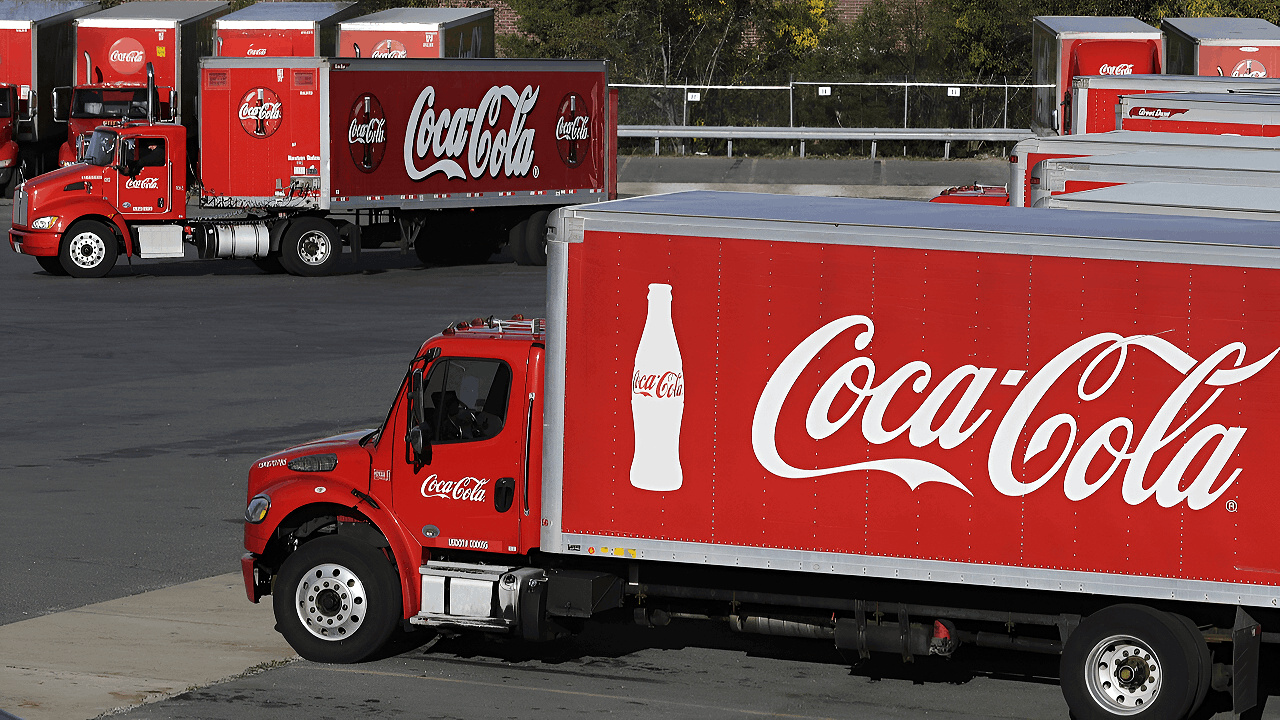
In early October 2025, Coca-Cola faced a significant safety challenge in Texas. The company initiated a recall of several popular sodas after routine quality checks revealed possible metal contamination in select cans.
The recall affected over 4,000 units—representing more than 70,000 individual cans—of Coca-Cola, Coca-Cola Zero Sugar, and Sprite. Distribution was limited to specific regions in Texas, including McAllen, San Antonio, and the Rio Grande Valley.
The swift response by Coca-Cola Southwest Beverages, in coordination with federal authorities, underscored the company’s commitment to consumer safety and transparency.
Tracing the Contamination
The issue came to light when Coca-Cola Southwest Beverages’ quality control teams detected irregularities during standard inspections. Following established protocols, the company voluntarily reported the findings to the U.S. Food and Drug Administration (FDA), which classified the incident as a Class II recall. This classification indicates that the affected products could cause temporary or medically reversible health effects, though serious harm is unlikely.
FDA officials confirmed the presence of trace metal particles in some cans. Retailers removed products from store shelves by October 10. No injuries were reported, but the agency urged consumers in the affected areas to check the batch codes on their products and return any recalled items for a refund.
Industry experts attribute the contamination to equipment wear. High-volume bottling operations can sometimes generate metal fragments due to friction from machinery, a known risk in large-scale beverage production. The FDA recommended enhanced preventive maintenance and further inspections to minimize future incidents.
Coordinated Response and Consumer Guidance
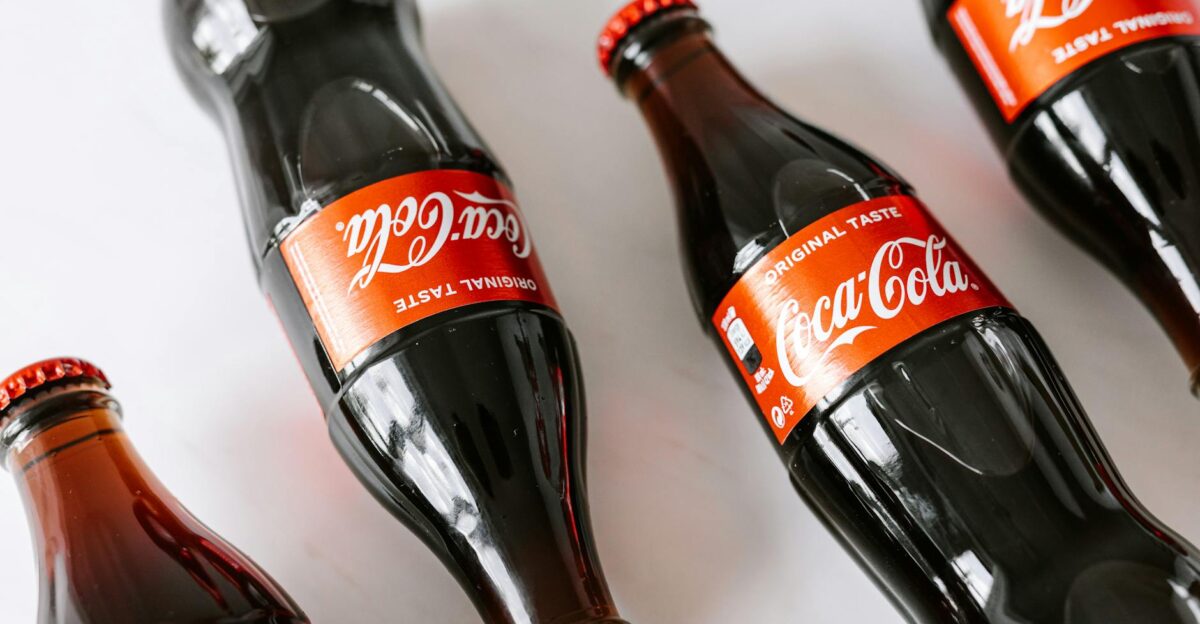
Retailers across Texas responded rapidly, using batch codes provided by Coca-Cola to identify and remove affected products. The recall’s geographic scope was contained, and most stores restocked within a week, limiting disruption for consumers and businesses alike. The FDA emphasized that the risk to consumers was minimal, but advised anyone with recalled cans to avoid consumption and seek a refund.
Global Standards and Industry Comparisons
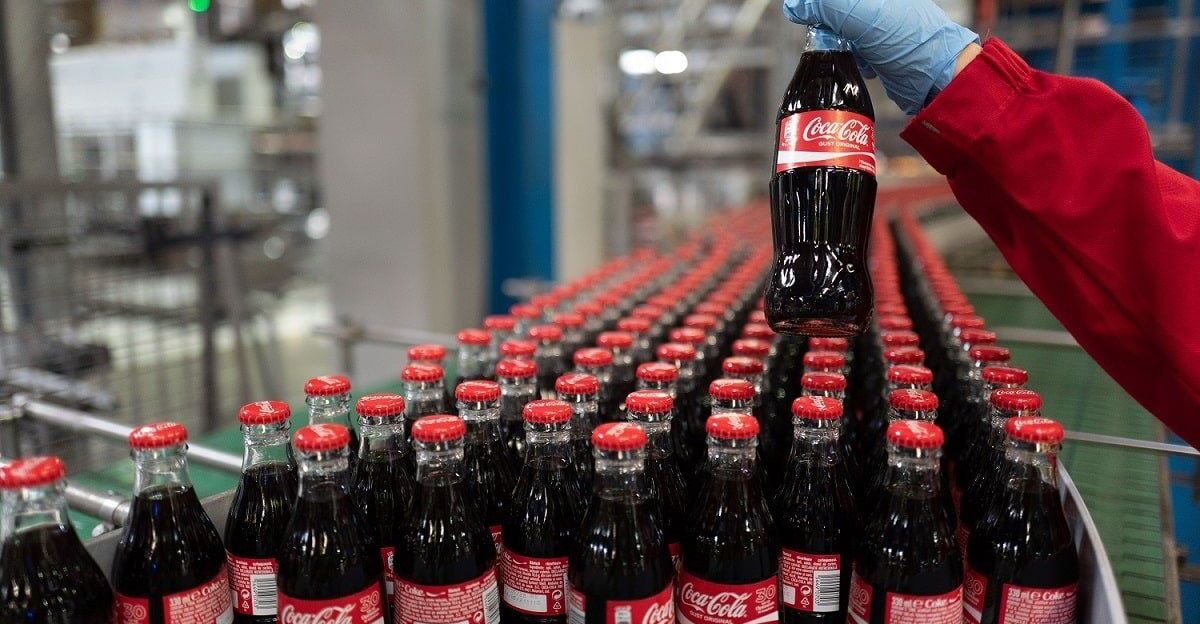
Coca-Cola Southwest Beverages, operated by Arca Continental, adheres to strict ISO food safety standards. Following the recall, the company implemented additional machinery inspections and quality audits at its Texas facilities. Analysts noted that the company’s rapid action helped contain the issue and protect its reputation.
Globally, food and beverage recalls are not uncommon. In October 2025, PepsiCo issued a Class II recall for mislabeled Lipton Green Tea Citrus bottles in ten states, including Texas. The bottles were incorrectly labeled as diet but contained 25 grams of sugar. This posed a risk to people with diabetes. Such incidents highlight the importance of robust quality management systems and transparent communication in maintaining consumer trust.
Economic Impact
Financial analysts predict that the recall will have a negligible long-term impact on Coca-Cola’s bottom line, given the limited number of cans and the company’s dominant market position. According to Brand Finance reports, Coca-Cola remains the world’s most valuable non-alcoholic beverage brand, with an AAA+ rating for brand strength.
Looking Ahead: Safety, Innovation, and Trust
Coinciding with the recall, Coca-Cola launched a new line of cane sugar-sweetened sodas in select U.S. markets in October 2025. This reflects a broader shift toward traditional flavors and domestic ingredients. While the timing of the recall and product launch was purely coincidental, it drew public attention to the company’s dual focus on safety and innovation.
Coca-Cola’s handling of the Texas recall demonstrates the critical role of quality control and transparent communication in the food and beverage industry. As consumer expectations for safety and authenticity continue to rise, the company’s proactive measures and ongoing product innovation position it to maintain leadership and trust in a competitive global market.