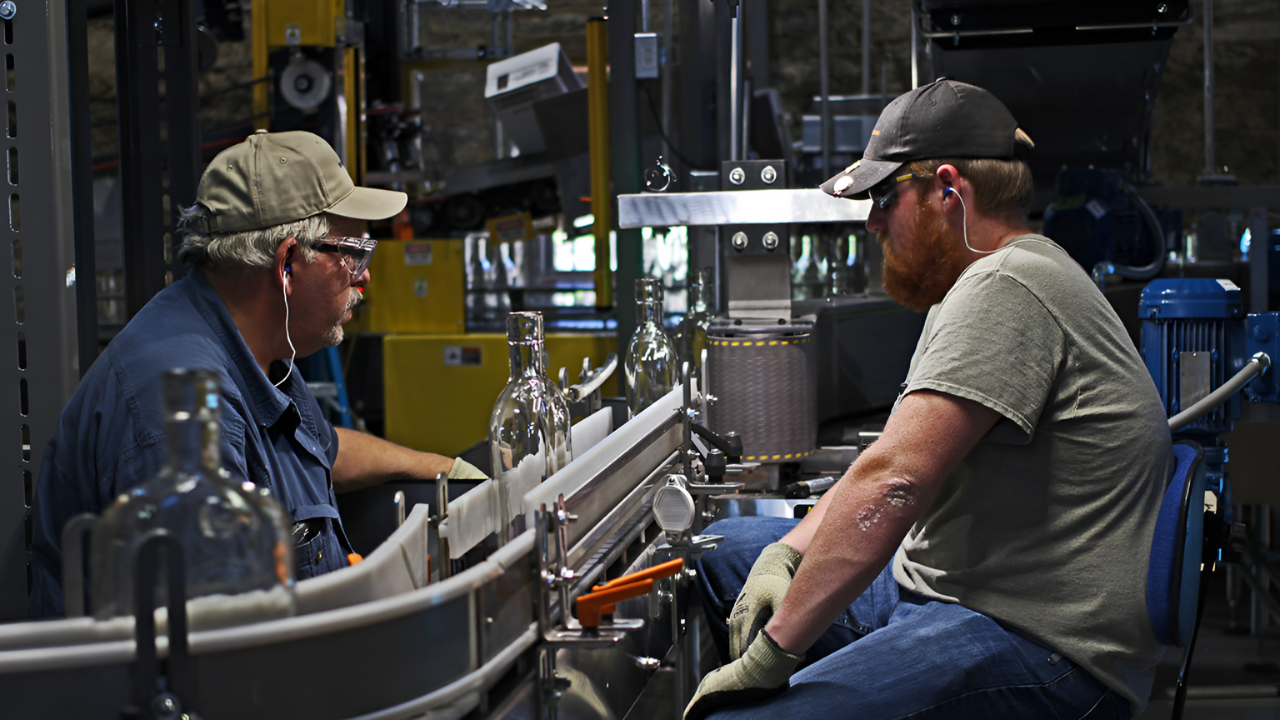
Minnesota’s craft beer industry is collapsing fast. Eight breweries shut down in 2025 alone—an unprecedented crisis for an industry that thrived for two decades.
Rising costs, strict regulations, and an oversaturated market have eroded profits. A beloved Chaska taproom with hilltop views and German ales just closed.
This closure matters not because of its size, but because it warns us about Minnesota’s future as a brewery state.
The Numbers Tell a Story

Minnesota’s brewery boom exploded, then crashed hard. In 2012, Minnesota had just 39 breweries.
By May 2025, the number had reached 260. For the first time in 20 years, brewery closures outnumbered new openings in 2024. In 2025, the trend worsened. Foremost, Chanhassen, and Dangerous Man all closed.
Five more followed by autumn. Ingredient costs jumped 20–50% since 2018. Labor costs climbed. Small breweries faced crushing regulatory burdens.
Chaska’s Brewing Legacy

Chaska once thrived as a hub for breweries. In the 1880s, nine breweries operated in the area, thanks to the presence of German immigrants and the availability of clean water.
Bernard Leivermann’s brewery anchored the town’s economy for decades until Prohibition shut it down in 1920. For 100 years, no breweries existed in Chaska.
When Aaron and Ashley Schram opened their brewery in the spring of 2019, they deliberately reconnected with that heritage, reviving German beer traditions that the community had forgotten.
The Perfect Location, Rising Pressures

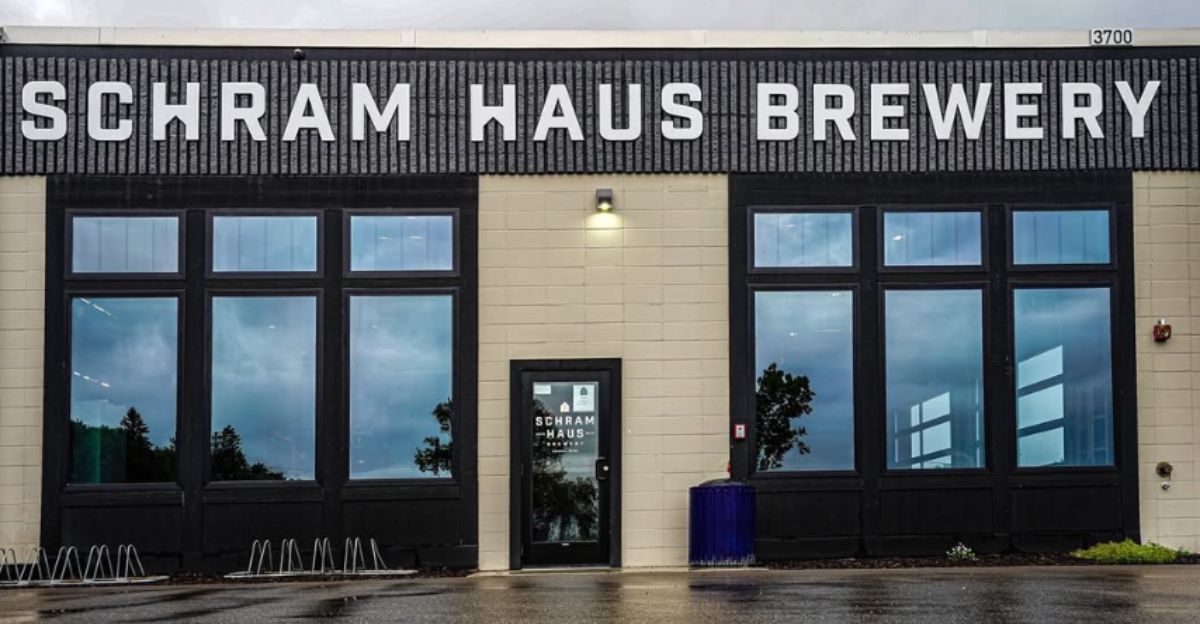
The 3-acre hilltop at 3700 Chaska Blvd seemed perfect. Beautiful views, ample parking, and an event-ready taproom made it a destination.
The Schrams built a brewery known for German ales, GoatFest, Oktoberfest, and storytelling. But hidden costs appeared fast. Their large property meant higher taxes, expensive rent, and serious upkeep bills.
Regulations crushed them harder: event limits shrank Oktoberfest from 1,200 to 300 people. Licensing rules blocked wine sales in the taproom. Every rule squeezed profits tighter.
Seven Years Ends in December
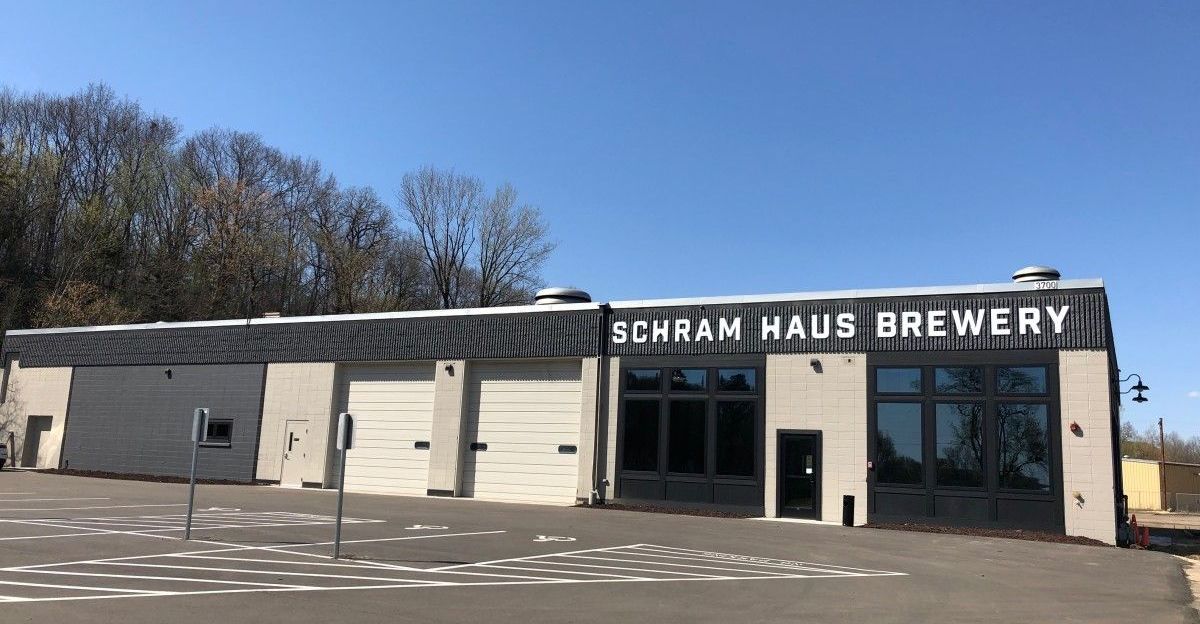
Schram Haus Brewery—Chaska’s only operating brewery—announced in late November 2025 that it will close by December 31.
Nearly seven years after spring 2019, Aaron and Ashley Schram decided to shut the taproom and brewing facility. Their November 27 announcement stated: “This decision did not come easily but was necessary.
The overall cost of operating a brewery here has become unsustainable.” They committed to continuing Schram Haus beer production at their sister winery in Waconia, preserving the brand.
Chaska Without Craft Beer
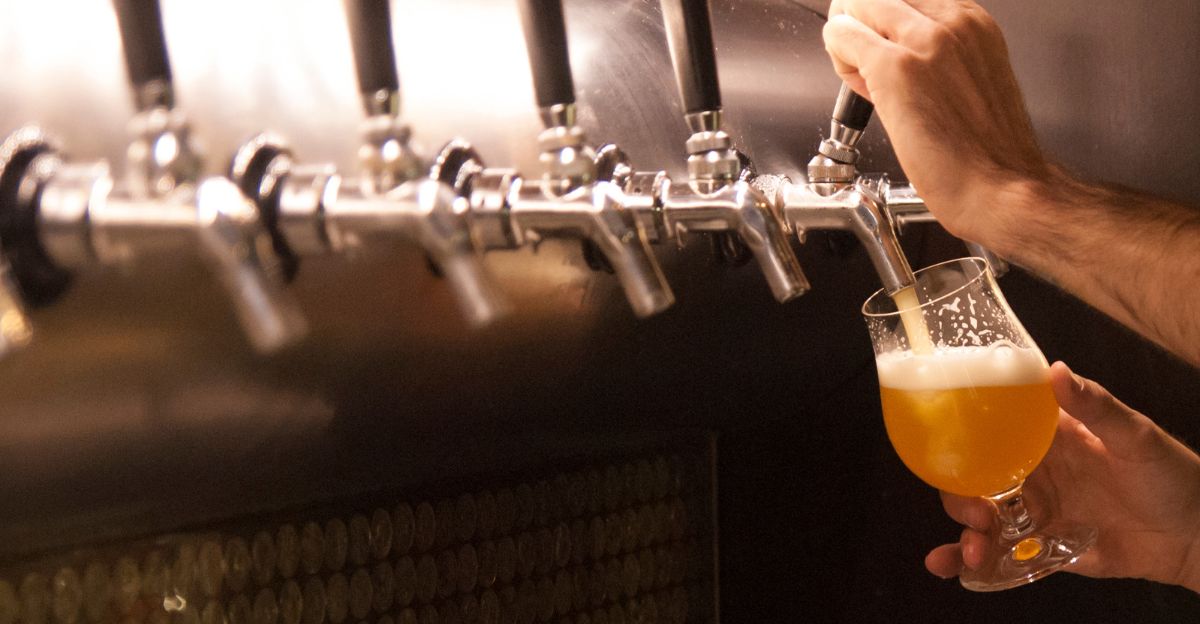
The closure erases Chaska’s only remaining brewery—a loss that goes beyond financial considerations. For six years, locals gathered there for trivia, live music, comedy, and board games.
The taproom filled a gap in a town that lacked a brewpub for over 100 years. Tourism officials said the brewery drew visitors from Minneapolis, which in turn boosted nearby restaurants and shops.
Residents mourned the loss of their “third place”—neither home nor work. Seasonal events like GoatFest and Oktoberfest celebrations come to an end. For a town of 27,000, the loss is deeply felt.
Jobs and Livelihoods
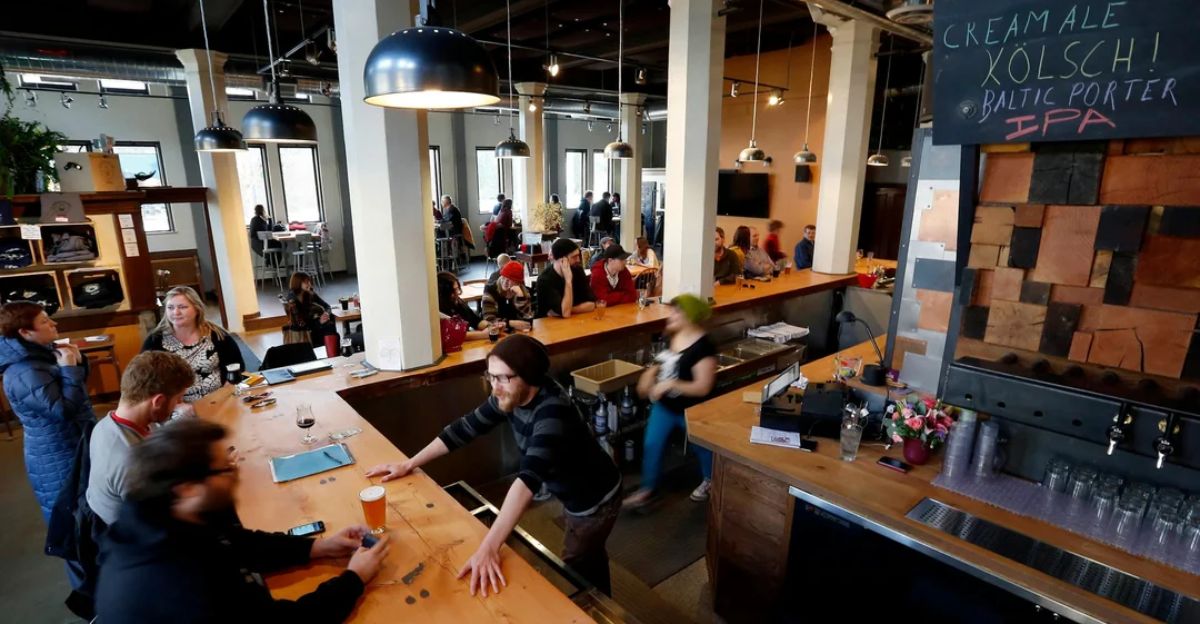
The brewery closure resulted in the loss of jobs for staff, including beertenders, brewers, kitchen workers, and event coordinators.
The brewery’s employment page showed active hiring for beertenders as late as mid-2025, suggesting a solid workforce. Small taprooms typically employ between 8 and 15 people.
Brewery jobs paid well, offered benefits, and attracted younger workers entering the hospitality industry. Chaska residents suddenly faced job searches and lost income during the holidays.
Across Minnesota, the 2025 brewery closures resulted in the displacement of dozens of workers. Similar stories unfolded in Blaine, Minneapolis, and nearby towns.
The Systemic Problem

Ashley Schram exposed a problem bigger than one brewery: Minnesota’s complex liquor licensing crushes small producers. Her licensing rules blocked wine sales in the taproom, despite owning a sister winery.
State regulations limited event sizes and increased compliance costs that large breweries could easily handle. Think tanks like Mercatus Center confirm this: federal, state, and local rules create huge barriers for small breweries.
Excise taxes, labeling rules, and distribution mandates crush margins for 5,000-barrel operations like Schram Haus. Ashley stated plainly: “The burden is disproportionately heavy for very small producers.”
2025 as Inflection Point

The 2025 brewery closures signal the end of an era. From 2010 to 2019, craft brewing experienced explosive growth—nearly 250 breweries opened in Minnesota.
The industry symbolized millennial entrepreneurship and small-business success. By late 2024, closures outnumbered new openings for the first time in 20 years—a red flag. In 2025, the trend accelerated. Ingredient costs rose 20–50%; can prices spiked; grain costs climbed.
Labor costs increased. Big breweries, domestic brands, and imports competed fiercely. Consumer spending dropped after the pandemic. Schram Haus’s closure typifies a statewide correction.
Disappearing Heritage

Schram Haus’s closure destroys more than a business—it kills a cultural mission. The Schramms didn’t just chase profit; they resurrected history.
German brewing traditions, 1880s brewery legacies like Bernard Leivermann’s, and Chaska’s agricultural roots shaped their model. They grew regional grains, shared land connection stories, and celebrated Oktoberfest, honoring their immigrant heritage.
The Grain Collaborative praised Schram Haus as a “heritage brewing” model. With the closure, that educational work ends in Chaska. The real blow: small businesses that preserve cultural identity disappear, while larger, purely commercial rivals survive. Heritage becomes a luxury nobody can afford.
A Partial Reprieve

Not all hope fades. The Schram’s sister operation—Schram Vineyards in Waconia—saved their brand.
While the Chaska taproom closes permanently, beer production continues on a smaller scale at Schram Vineyards (8785 Airport Road). The winery recently expanded into a new building, creating space for beer alongside wine.
This move offers both a lifeline and a retreat: Chaska’s unsustainable costs forced consolidation, but the sister winery let the brand survive. Loyal customers will still find Schram Haus beer in Waconia, although the iconic Chaska taproom experience has vanished.
This compromise demonstrates how small producers adapt to the harsh economic conditions of 2025.
Refusing the Pivot Entirely
Aaron and Ashley Schram stand apart from other closing breweries through their honest acknowledgment: this decision was painful but necessary. Other owners attempt buyouts, franchising, or aggressive pivots that often fail.
The Schrams accepted that Chaska’s economics had become impossible. Their statement—”This decision did not come easily, but it is necessary”—reflects hard realism. They didn’t trick themselves into false hopes of cost-cutting, they didn’t blame employees or cut wages.
They recognized regulatory and financial pressures and chose clean closure over slow death. This maturity marks the most honest narrative from 2025’s brewery crisis.
Sustainability Questions

Consolidating to Waconia offers hope but raises doubts. Production will shrink—meaning lower output, simpler products, and reduced costs.
The Waconia facility, though newly expanded, primarily operates as a winery; adapting it for beer production at Chaska’s scale requires capital and expertise. Can smaller brewing volumes survive?
History shows mixed results. Many breweries attempting similar moves struggled to rebuild their customer base or reach profitable scales. Without a dedicated taproom, the Schramms lose high-margin direct sales.
They depend on retail partners and Waconia’s wine customers. Industry observers doubt that this model will succeed in the long term. Schram Haus beer may vanish within 12–24 months, joining dozens of defunct Twin Cities brands.
Expert Skepticism Grows

Veteran brewery owners and industry analysts predict dark times ahead. Previn Solberg, owner of nearby Invictus Brewing (also closing in December), said plainly: “The cost of just about everything is 20% to 50% more expensive than when we first opened.”
Cost increases, combined with flat or falling craft beer spending, create an impossible situation. Craft beer sales have plateaued. Young people buy fewer traditional beers. Hard seltzers, cannabis beverages, and cheap domestic brands steal market share.
Rent, property taxes, labor, and utilities inflate relentlessly. Small breweries operate on 3–8% profit margins; a 20% cost increase can kill them overnight. Experts predict that more closures will occur through 2026, before a new, smaller equilibrium emerges.
What’s Next for Chaska’s Heritage?

As 2025 comes to a close, Schram Haus dims its lights permanently. A haunting question remains: Who preserves Chaska’s brewing heritage? For over 100 years—from the 1880s through Prohibition—no breweries existed in Chaska. The Schramms’ 2019 arrival felt like a cultural homecoming, reconnecting to German immigrant traditions.
Yet that connection lasted only six years. Chaska now returns to brewery-less emptiness, losing its gathering place and its link to 19th-century identity. Can another entrepreneur try? Economics suggest no: if a well-resourced couple with a sister winery failed, what chance do smaller, underfunded startups have?
The closure hints at a future where heritage and identity become unaffordable. Chaska’s question becomes America’s: Do we still value businesses that remind us who we are?
Sources:
Star Tribune, December 1, 2025
Grain Collaborative, June 19, 2024
Scott County History, August 10, 2020
CBS Minnesota, November 20, 2025
Mashed, October 2, 2025
Y105fm, December 1, 2025