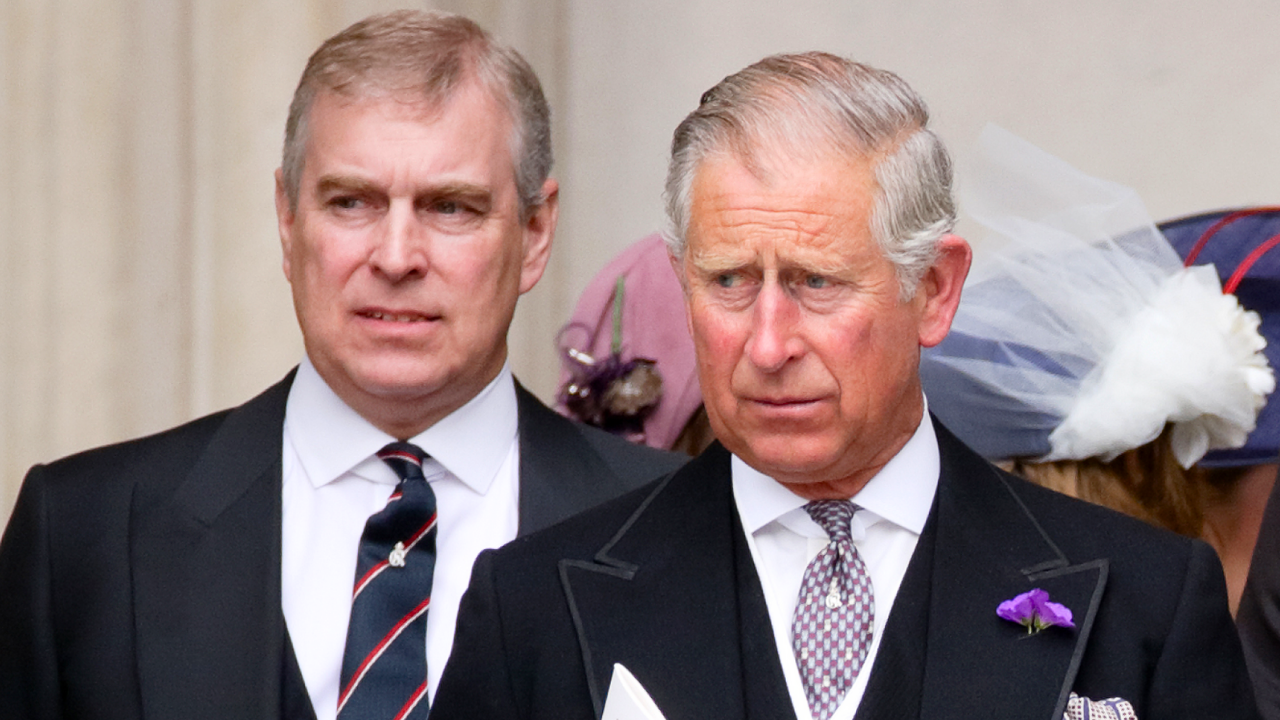
On October 30, King Charles III executed what seemed like a decisive blow: he formally stripped his disgraced brother Prince Andrew of nearly every royal title and ordered him to vacate the palatial 30-room Royal Lodge. The public cheered. The press celebrated. Yet beneath this triumph lies a constitutional paradox that should alarm every royal observer.
Despite losing his prince title, his Duke of York honors, and his £250K ($327K ) annual royal income, Andrew retains one untouchable prize: his position as 8th in line to the British throne. The King’s hands are constitutionally tied. Succession cannot be altered unilaterally—it requires an act of Parliament and consent from all 15 Commonwealth realms. As constitutional experts would soon explain, the system designed to prevent tyranny now protects the disgraced.
What Happened On October 30?
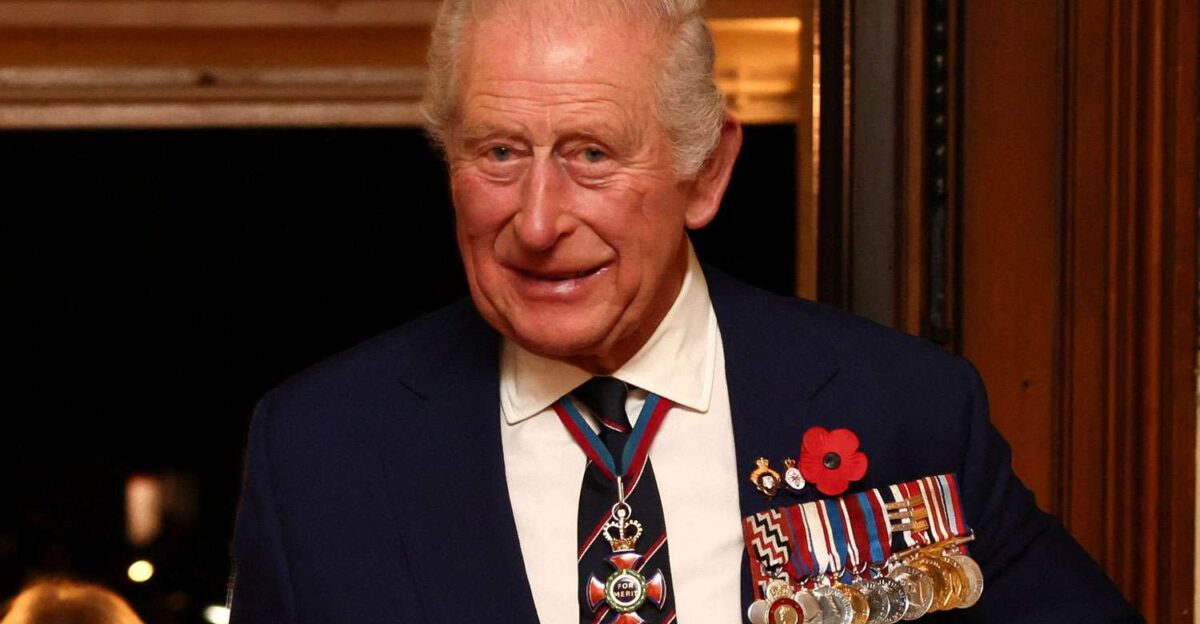
King Charles didn’t merely suggest Andrew step aside. Buckingham Palace issued an official statement on October 30: “His Majesty has today initiated a formal process to remove the Style, Titles and Honours of Prince Andrew,” according to the palace’s formal announcement. Andrew lost the titles of Prince, Duke of York, Earl of Inverness, and Baron Killyleagh, as well as the style “His Royal Highness.”
Two months later, on December 1, the King escalated further, revoking Andrew’s membership in the Order of the Garter—the nation’s most prestigious chivalric order—and his title of Knight Grand Cross. However, one title remains stubbornly protected by government, not royal, authority: Vice-Admiral in the Royal Navy. The mechanisms of royal power are more fragmented than the public realizes.
Andrew Lost Everything Except Succession

Andrew Mountbatten-Windsor holds a net worth of £3.7 million ($4.8 million USD). His only reliable income is £20,000 ($26,000 USD) annual Navy pension. Previously, he earned £250,000 ($327K USD) as a working royal. Ordered to leave Royal Lodge, which he renovated for £7.5 million, he lost titles, honors, income, and housing. Yet he remains 8th in line to the British crown. This shows succession operates on a different constitutional plane than royal dignity or income.
Constitutional Loophole Protects Andrew

Royal prerogative stops at titles and honors. Succession rights are on a separate legal foundation. Hilary Fordwich explained on December 9: “The existing legal framework of hereditary succession—as a blood descendant of Queen Elizabeth II—must be altered by Parliament and all Commonwealth realms.” Monarchs cannot erase relatives from succession unilaterally. Removing Andrew would require a statutory change, not a prerogative declaration. This centuries-old safeguard designed to prevent tyranny now shields the scandalous.
Why Royal Income Still Matters

Andrew’s £250,000 annual salary covered public duties, office costs, and appearances. Losing it erases his last claim to legitimacy. His £3.7 million net worth provides a cushion, but without responsibilities, he is a royal without purpose. Charles severed his previous thread of functionality, yet succession remains unaffected. Even a useless or impoverished royal retains lineal rights, at least until Parliament acts. This highlights the separation of royal functionality from hereditary succession.
Royal Lodge Becomes A Financial Trap
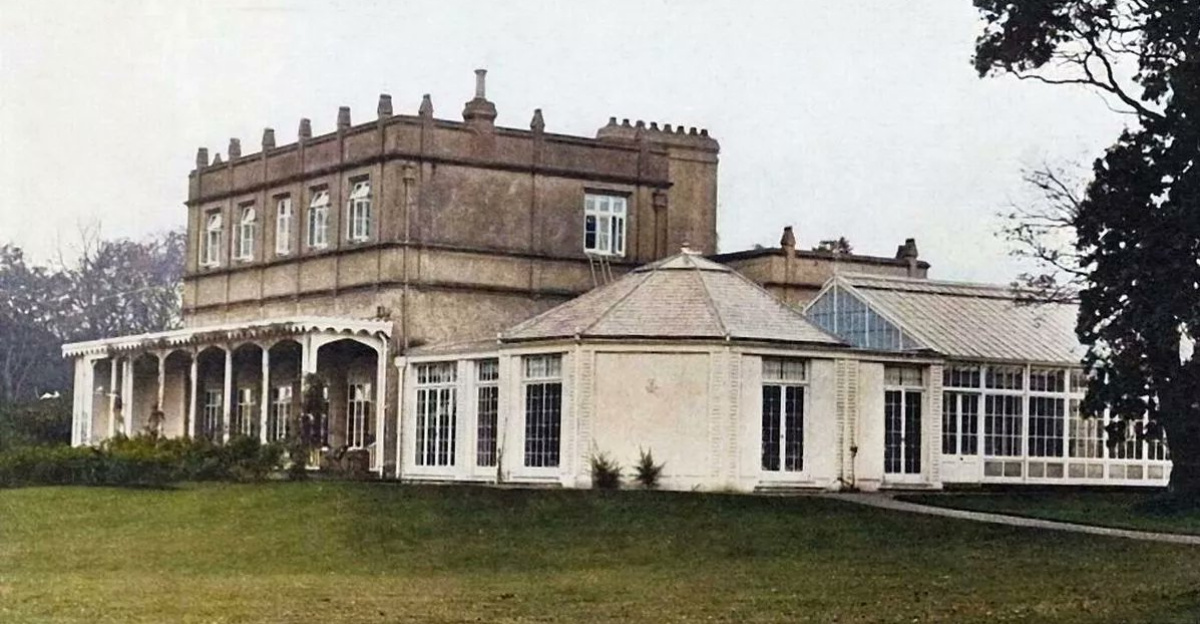
Royal Lodge is financially trapping Andrew. He holds a 75-year lease from 2003, paying £1 million plus £7.5 million in renovations, with a nominal rent of £1 per annum. Obligations for repairs and landscaping create costs that nullify early-surrender compensation. Leaving early could yield £558,000 plus £185,865 annually until 2028, but repairs would eliminate this entirely. He is financially trapped in a property he no longer wants, reflecting his broader trapped constitutional position.
Parliament Refuses To Remove Andrew

Parliament refuses to act. “Parliament has already signaled that it has no plans to legislate Andrew out of the succession,” said Fox News on December 9. Precedent exists: Prince Michael of Kent was removed in 1978 and restored in 2013. Mechanisms exist, will does not. Public and royal frustration is noted, but Parliamentary silence persists. Andrew’s position remains constitutionally protected, despite credible sexual misconduct allegations. His lineal rights are sacrosanct unless Parliament acts.
15 Realms Control Succession Changes
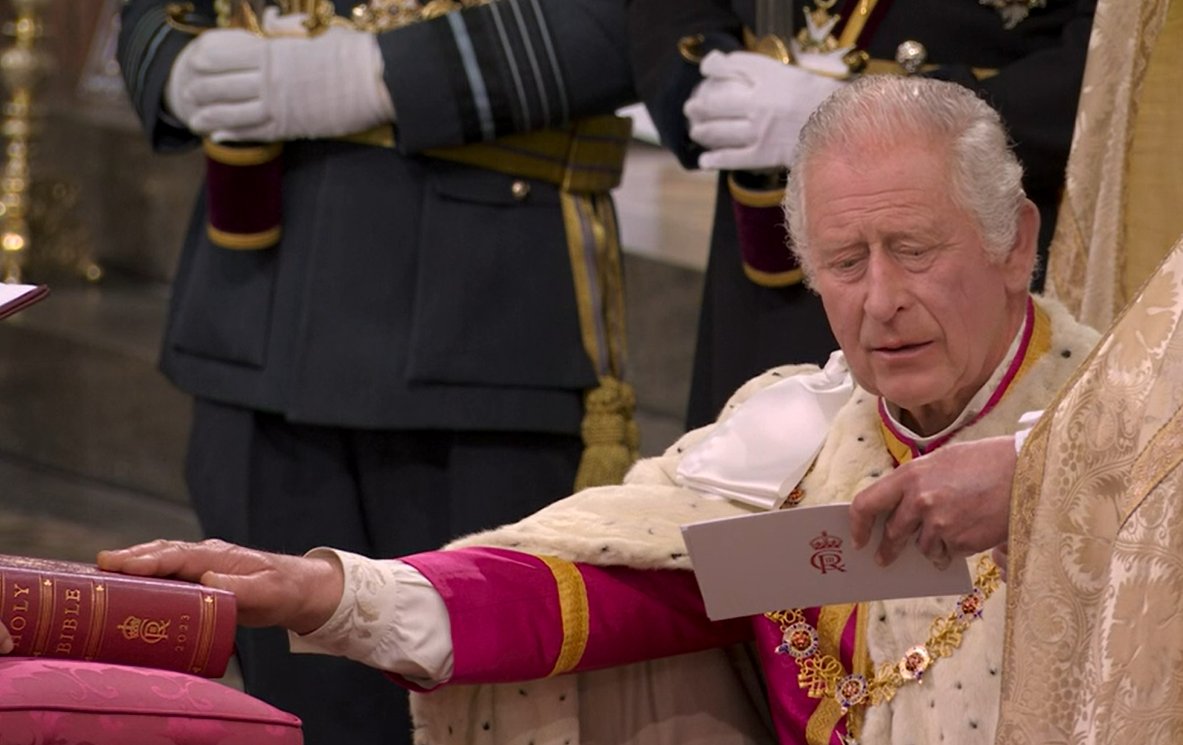
Even if Parliament acted, succession removal requires consent from all 15 Commonwealth realms recognizing King Charles. The Perth Agreement of 2011 mandates simultaneous legislative changes. Coordinating 16 legislatures is diplomatically complex, explaining Parliament’s reluctance. Andrew’s succession status is a Commonwealth issue, not solely British. No single jurisdiction can unilaterally remove him, even if all voted unanimously. This global coordination burden safeguards his position.
Andrew’s Daughters Keep Their Titles

Andrew’s daughters retain titles. “Princess Beatrice, 37, and Princess Eugenie, 35, will retain their royal titles,” said People Magazine on October 30. Beatrice is 9th in line, Eugenie 12th. Both daughters maintain professional roles, and their children inherit succession rights automatically. The King cannot strip granddaughters’ titles, creating a constitutional asymmetry: Andrew’s lineage is protected while he is humiliated. His daughters benefit while he faces maximum demotion.
Sarah Ferguson Faces Unexpected Fallout

Sarah Ferguson, Andrew’s ex-wife, lost the courtesy title Duchess of York on October 30 and vacated Royal Lodge. “Sarah Ferguson has decided to remove the title of Duchess of York from her social media accounts,” reported USA Today on October 21. She lost identity tied to Andrew’s position and faced reputational consequences, with 7 charities dropping her in 2025 after past controversies. The fallout shows Andrew’s demotion has collateral effects on family and public perception.
Hidden Costs On The King
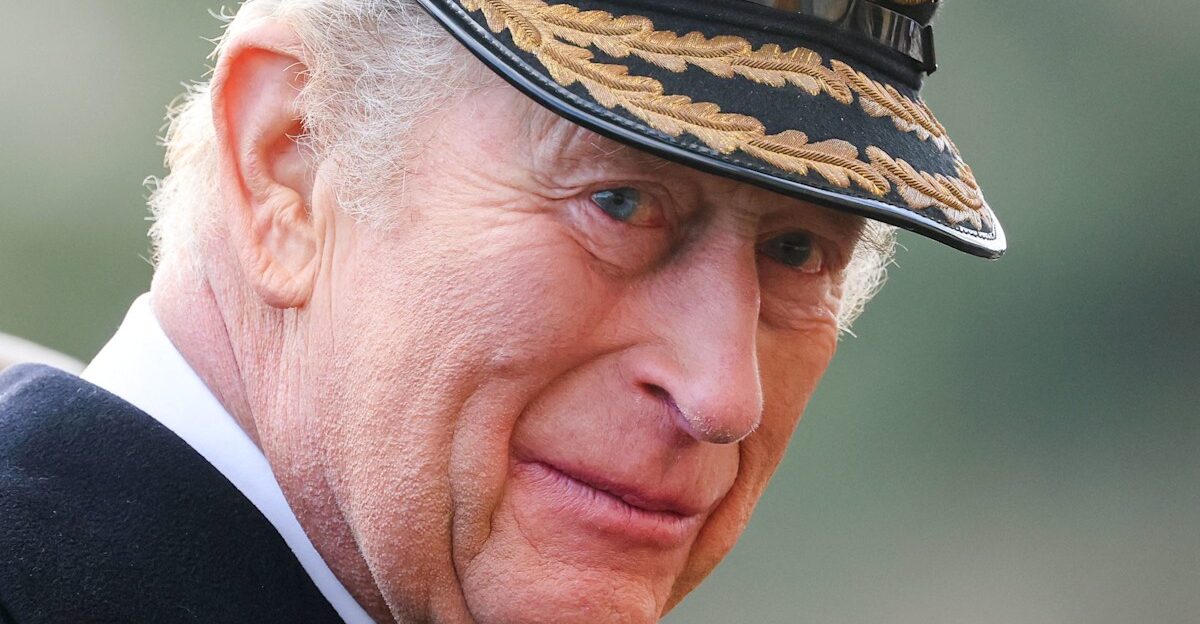
Charles finances Andrew’s relocation. “It is believed that the disgraced royal will relocate to an undisclosed property, with the move privately financed by Charles,” reported CNN on November 1. Andrew’s £20,000 pension cannot sustain his household staff, which costs over £ 150,000 annually. His £3.7 million net worth could last 24-25 years. King Charles, 77 and undergoing cancer treatment, subsidizes his brother indefinitely, taking a financial and personal burden alongside managing royal duties and national responsibilities.
From Royal Lodge To Rural Life
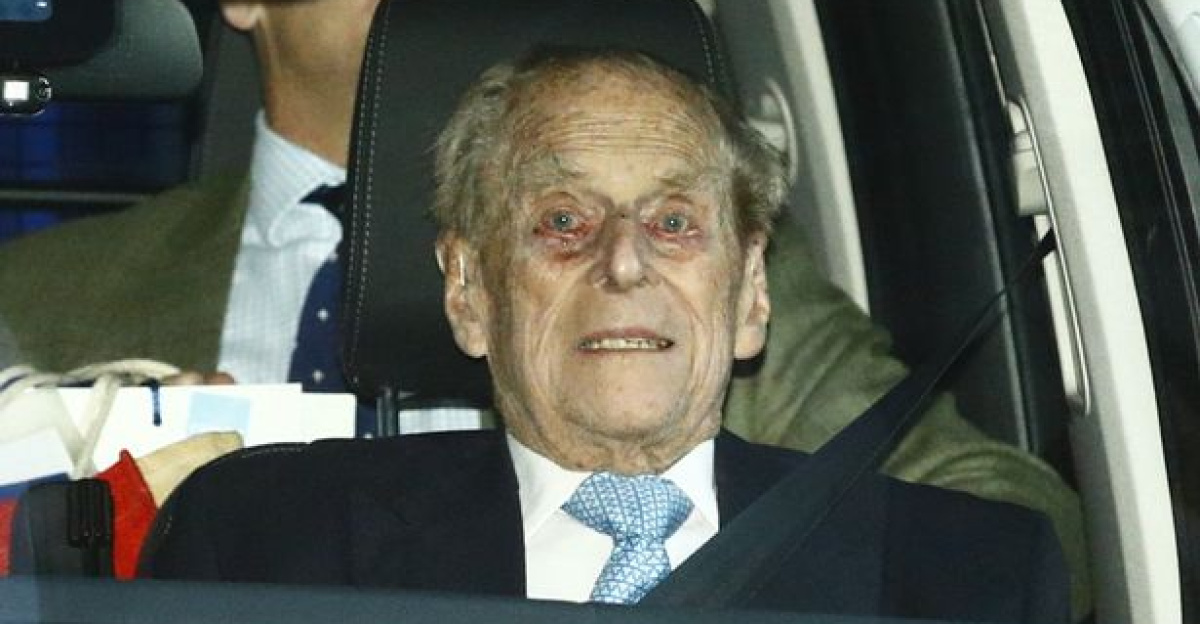
Andrew’s new home is delayed until the new year. Options include Marsh Farm or Wood Farm on the Sandringham estate, 100 miles north of London. Marsh Farm is modest and aging; Wood Farm was Prince Philip’s retirement property. The move represents a fall from grace, leaving him under Charles’s shadow but far from Windsor’s prestige. The transition illustrates a psychological downgrade as stark as the stripping of titles, signaling the tangible impact of his demotion.
Virginia Giuffre’s Death Shifts Context

Virginia Giuffre, Andrew’s primary accuser, died by suicide on April 25 at 41. She alleged Epstein trafficked her to Andrew “three times when she was age 17.” Her February 2022 settlement cost Andrew “£12 million,” with no admission of liability. Her death removes the primary accuser from public proceedings, yet her posthumous memoir in October 2025 renewed scrutiny just before Andrew’s demotion. This tragic context may have influenced Charles’ timing.
Epstein Files Release Reveals Limits

Congress mandated the Epstein file release by December. The Justice Department unveiled hundreds of thousands of documents, but 119 pages were fully redacted. Chuck Schumer noted this violates transparency. Contact info for multiple individuals, including celebrities, was withheld. The incomplete release limits legal mechanisms to remove Andrew from succession. Without new criminal evidence, only Parliament can act, and it has signaled it won’t. Andrew’s position remains constitutionally shielded despite widespread scrutiny.
Edward VIII’s Abdication Provides Precedent
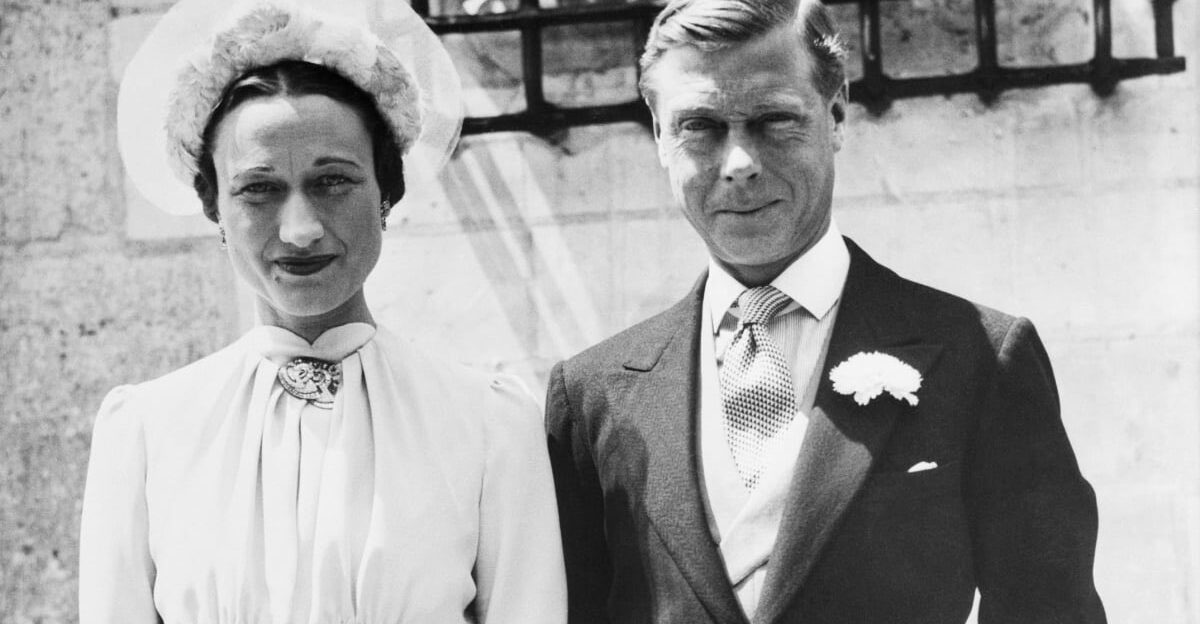
Edward VIII abdicated in 1936 to marry a divorced American, voluntarily surrendering the crown and succession rights. Andrew, in contrast, submits to demotion while retaining succession. This contrast highlights the paradox: Edward chose a dignified exit, while Andrew chose humiliation, yet retains constitutional protection. Historical precedent shows a voluntary solution existed, but Andrew refuses it. His case underscores the tension between personal disgrace and hereditary rights.
Royal Prerogative Versus Law Explained
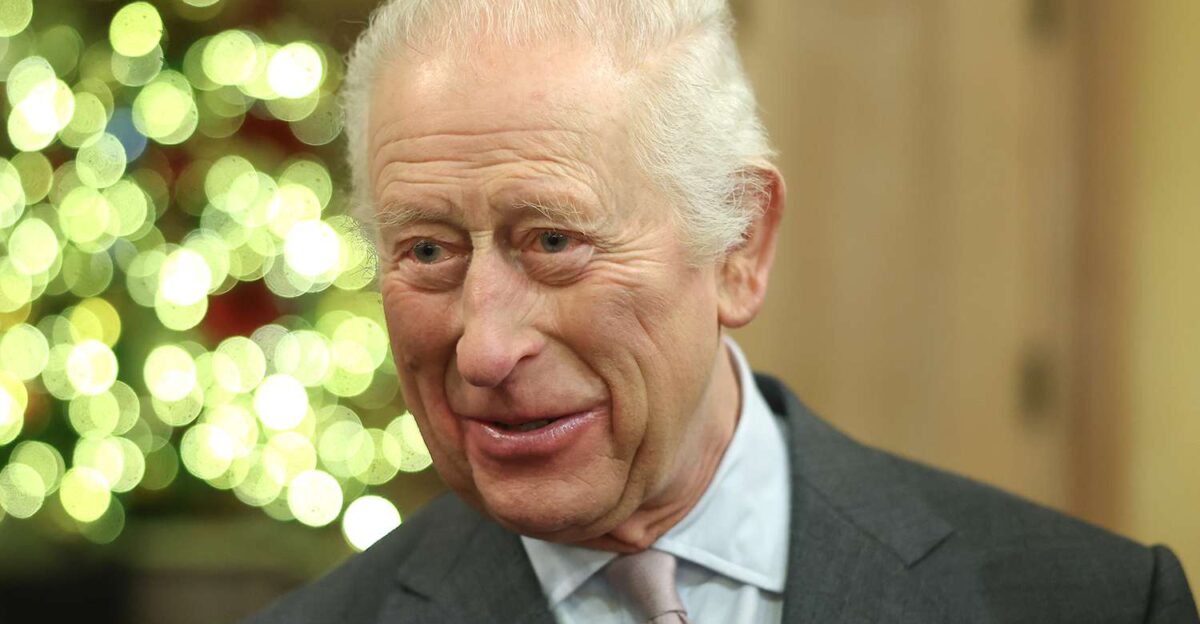
King Charles revoked titles using royal prerogative, which is unilateral and immediate. “The title of prince or princess may be removed by either legislation or by the exercise of the prerogative,” stated the Institute for Government on October 30. Titles fall under prerogative; succession is statutorily protected. Prerogative cannot alter hereditary rights. This explains why Charles succeeded with dignity and income but failed to remove Andrew from the line of succession, preserving centuries-old legal protections.
Why The Monarchy Protects Relatives
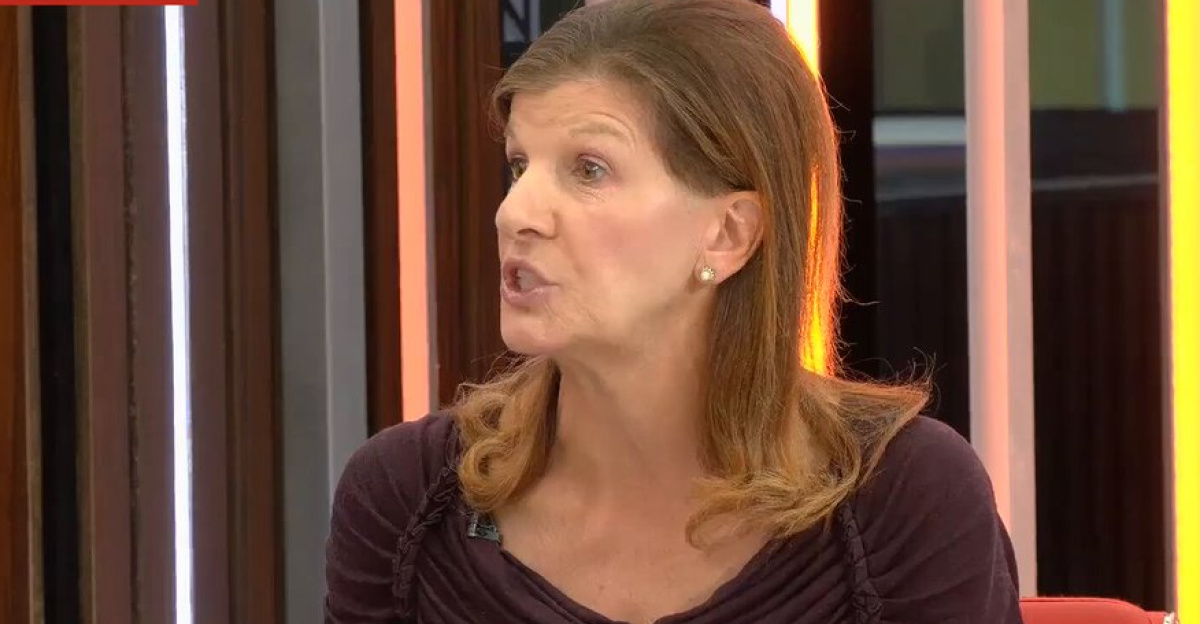
Safeguards exist to prevent arbitrary removal. “Historically, this has always been viewed as a rather sensible safeguard, ensuring constitutional stability,” said Hilary Fordwich to Fox News on December 9. The Act of Settlement (1700) and later laws prevent unilateral succession changes. This protects heirs from monarchs’ whims and prevents dynastic violence. Andrew’s position benefits from centuries of legal design intended to limit monarchical tyranny. His humiliation is the cost of preserving constitutional order.
Charles Balances Health With Burden
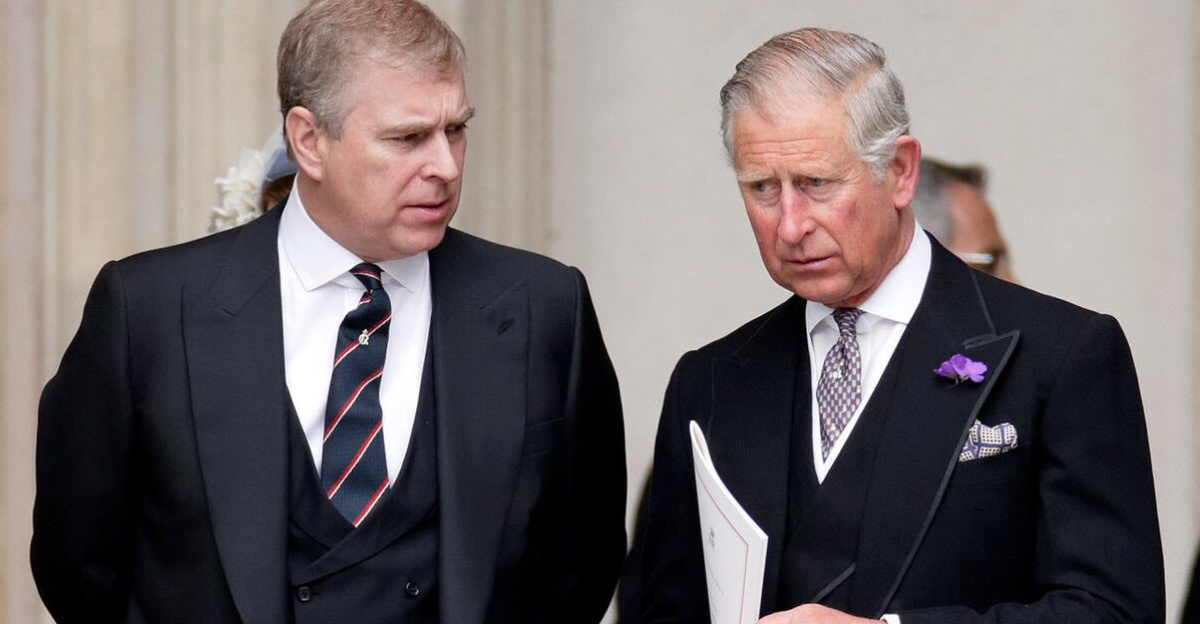
Andrew’s demotion coincided with Charles’ cancer treatment. “This milestone represents both a personal blessing and a testament to the incredible progress made in cancer treatment,” said the BBC on December 12. Charles, 77, manages Andrew’s exile, provides financial support, attends to national duties, and fulfills family obligations. With annual earnings of $25 million and $750 million fortune, he bears stress compounded by health and age, making Andrew’s exile both a logistical and emotional challenge for the monarch.
Constitutional Paradox Remains Unresolved
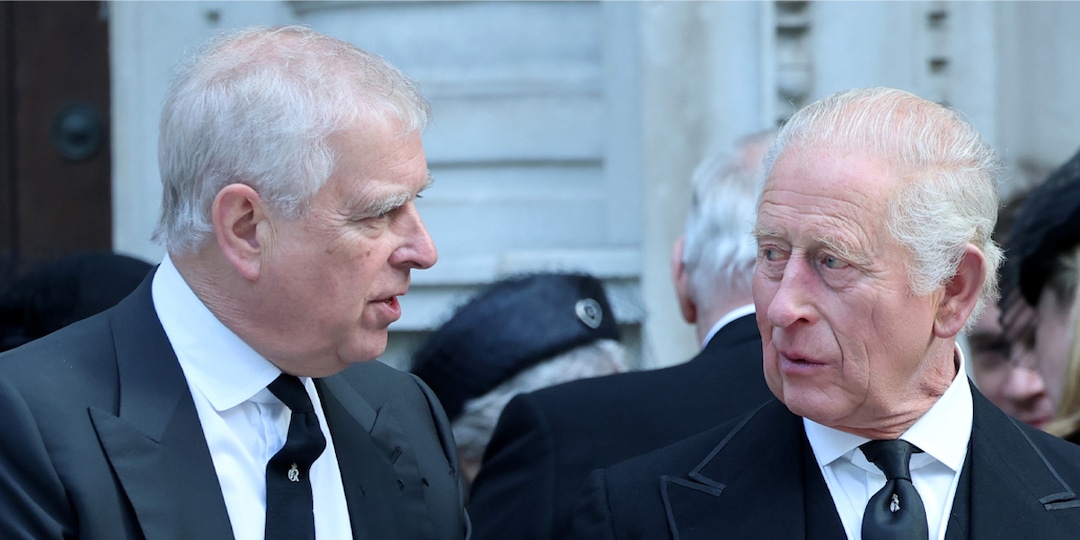
Six weeks after October 30, Andrew remains 8th in line despite maximum title stripping. Parliament has signaled no action, and 15 Commonwealth realms hold veto power. Charles used all prerogative powers, but succession is legally protected. Andrew has lost income, titles, and housing, yet his constitutional position persists. Centuries-old safeguards designed to prevent tyranny now protect him. The paradox highlights the limits of monarchical authority, showing dignity can be stripped but bloodline rights endure.
Sources:
“The deal that means Andrew can still afford to live in Royal Lodge,” BBC News, October 21, 2025
“Ex-Prince Andrew remains in line of succession despite…”, Fox News, December 9, 2025
“Inside Prince Andrew’s net worth as he gives up use of…”, Hello! Magazine, October 16, 2025
“This is how much the British Royal family earns,” Economic Times, August 24, 2024
“Virginia Giuffre, Prince Andrew and Jeffrey Epstein,” BBC News, April 25, 2025
“Prince Andrew: Where does he get his money from?”, BBC News, February 15, 2022