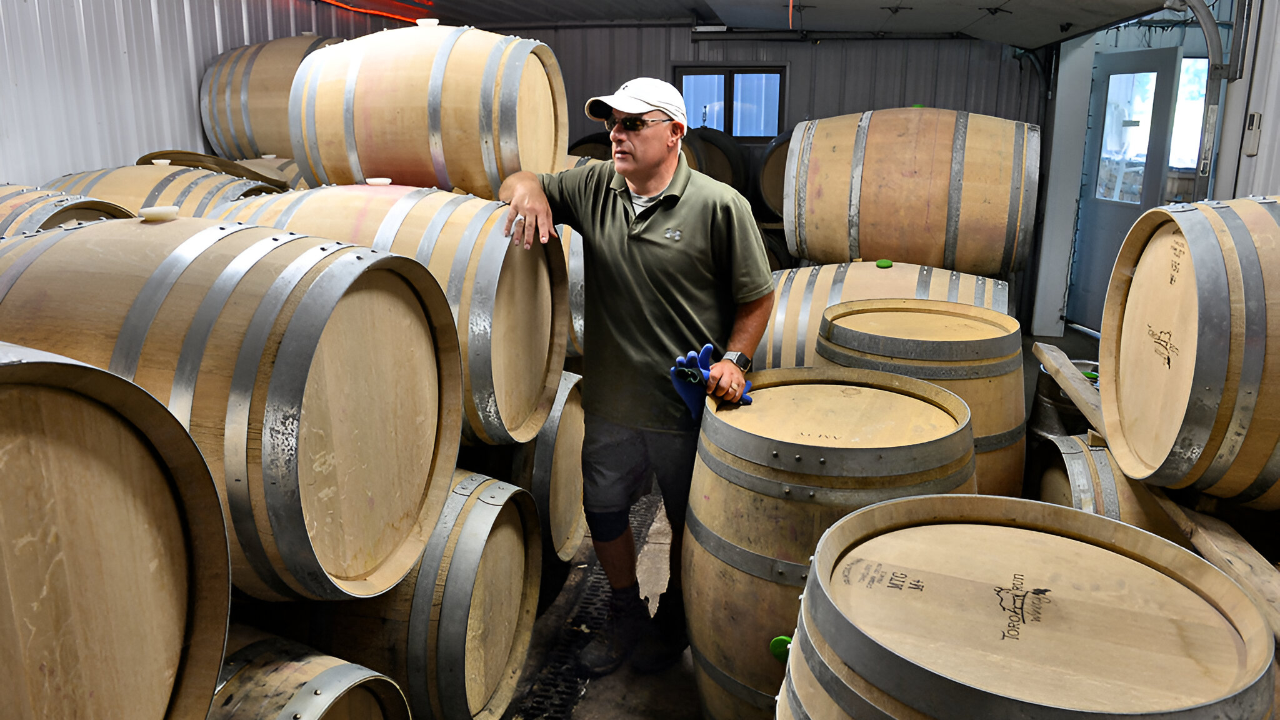
Staggemeyer Stave, a major supplier of barrel staves for the U.S. wine and whiskey industries, filed for Chapter 11 bankruptcy protection on October 17, 2025.
This marks a turning point for American distilleries and wineries, as disruptions to barrel supplies may influence production nationwide.
According to The Spirits Business, the filing follows creditor action and escalating debt that shook the sector’s foundation.
Why Bankruptcy Happened

The bankruptcy process began after Decorah Bank & Trust Company filed a Chapter 7 petition on October 3, 2025, alleging nearly $4 million in unpaid loans.
Economic pressures, falling spirits sales, and shifting consumer behaviors have made business more complicated for producers and suppliers.
Staggemeyer’s financial woes reflect the industry’s broader difficulties. According to Vinetur, high interest rates and reduced consumer spending had a negative impact on the results.
Consumer Costs on the Rise
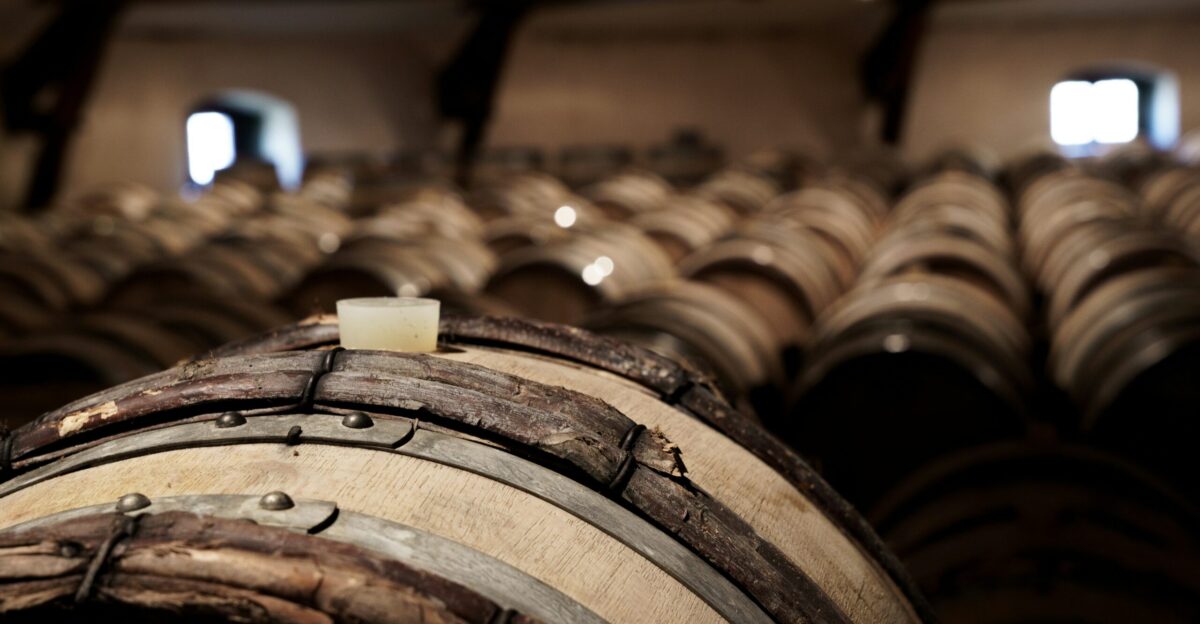
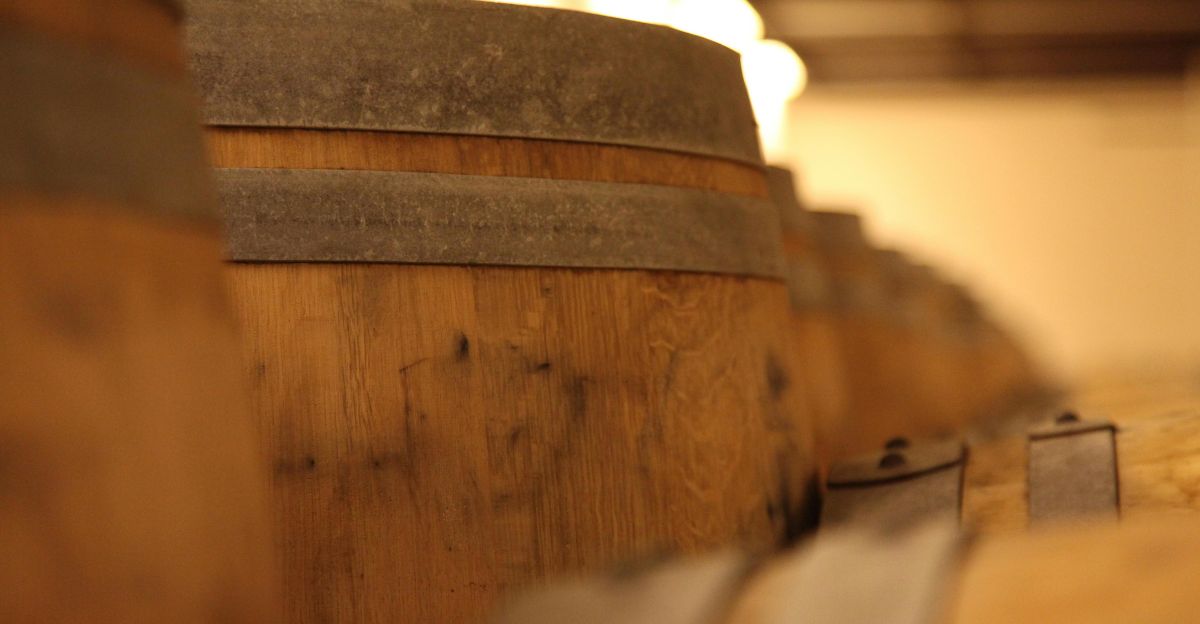
With barrel production in jeopardy, consumers may soon face higher prices for wine and whiskey. White oak barrels, supplied by Staggemeyer, are essential for aging, and shortages could force distilleries and wineries to raise retail prices.
Some brands expect tighter inventories at liquor stores, particularly during the holiday season, which puts more pressure on household budgets. Analysts predict potential price increases of 5–10% for premium bottles.
Business Response and Reshuffling
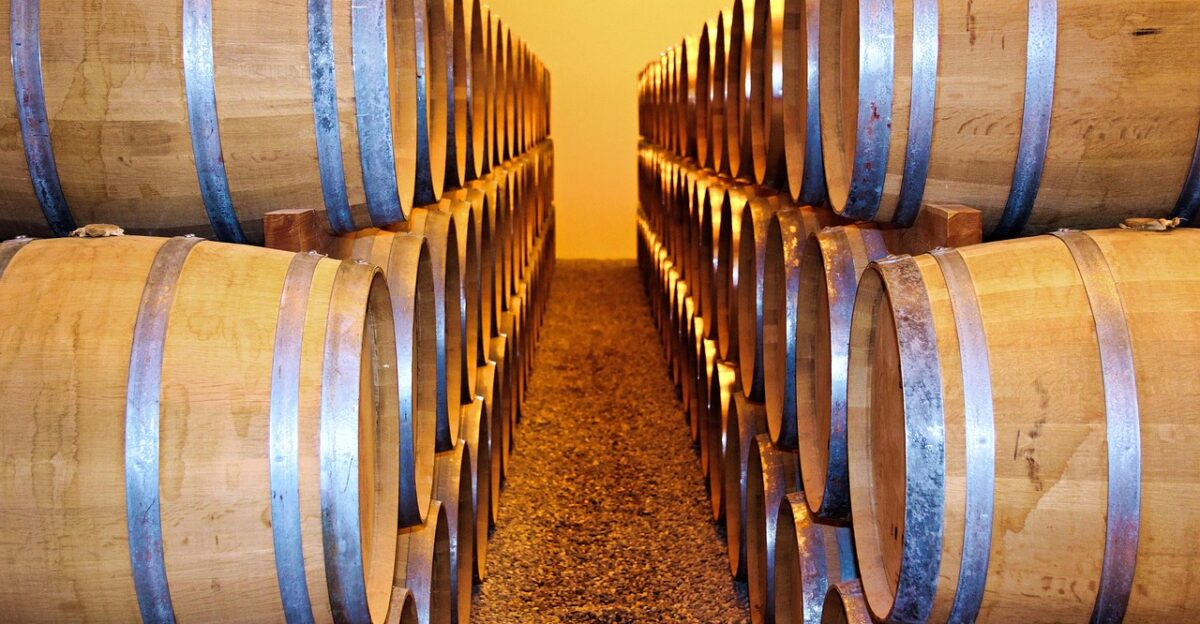
Businesses relying on Staggemeyer’s barrels are actively seeking alternative suppliers across the U.S. Other cooperages, such as the Independent Stave Company in Kentucky, have already reported heightened demand and new contracts.
Earlier in 2025, Brown-Forman divested its own barrel operations to focus on sourcing flexibility. Companies are reorganizing their procurement processes to anticipate shortages and delays in key markets.
New Markets Seize Opportunity
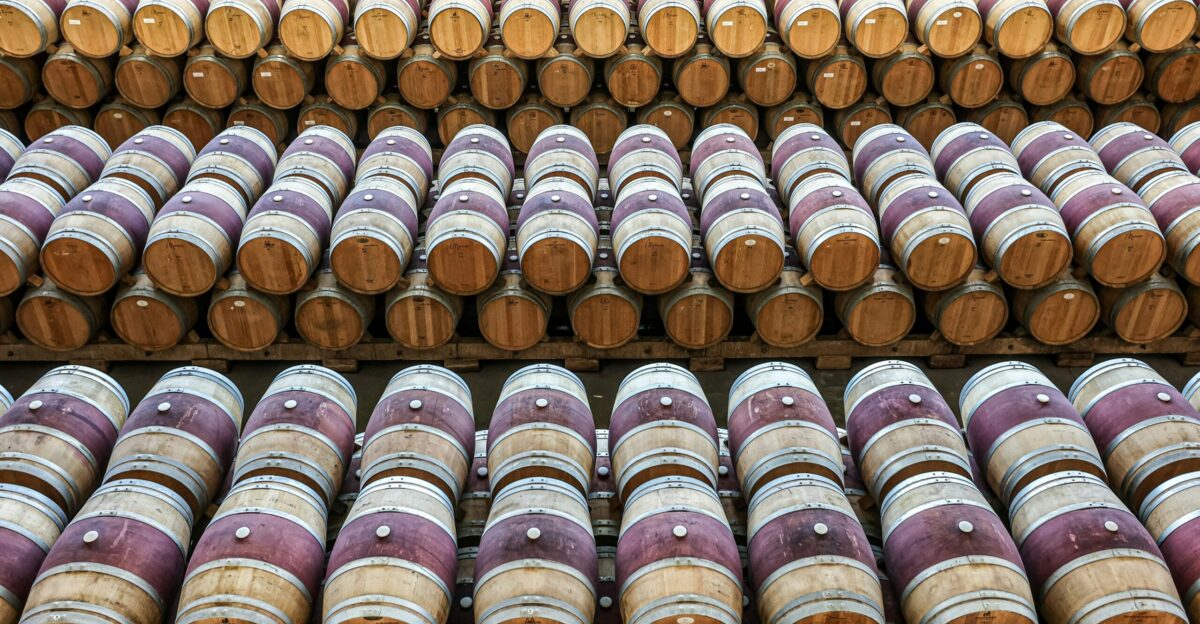
As demand surges, barrel-makers in other states scramble for contracts, with Missouri and California firms expanding operations.
These suppliers benefit from increased market share, absorbing customers from Staggemeyer and leveraging upgraded facilities.
Global Trade Impact
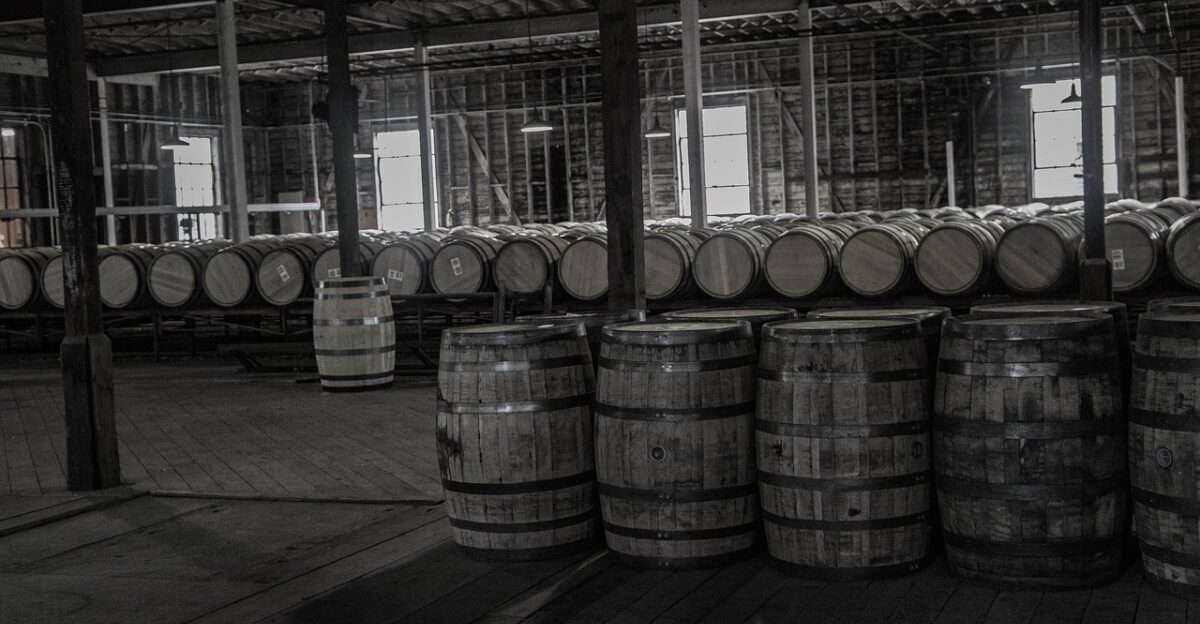
The disruption extends to international markets, as U.S. barrels are preferred exports for European and Canadian distillers.
Trade experts warn that costs and lead times for American barrels are likely to rise, encouraging overseas producers to seek alternatives.
Ongoing tariff disputes compound the challenge, possibly reducing U.S. spirit exports in 2026. European importers and trade groups are closely monitoring the situation for further fallout.
Workers Face Layoffs
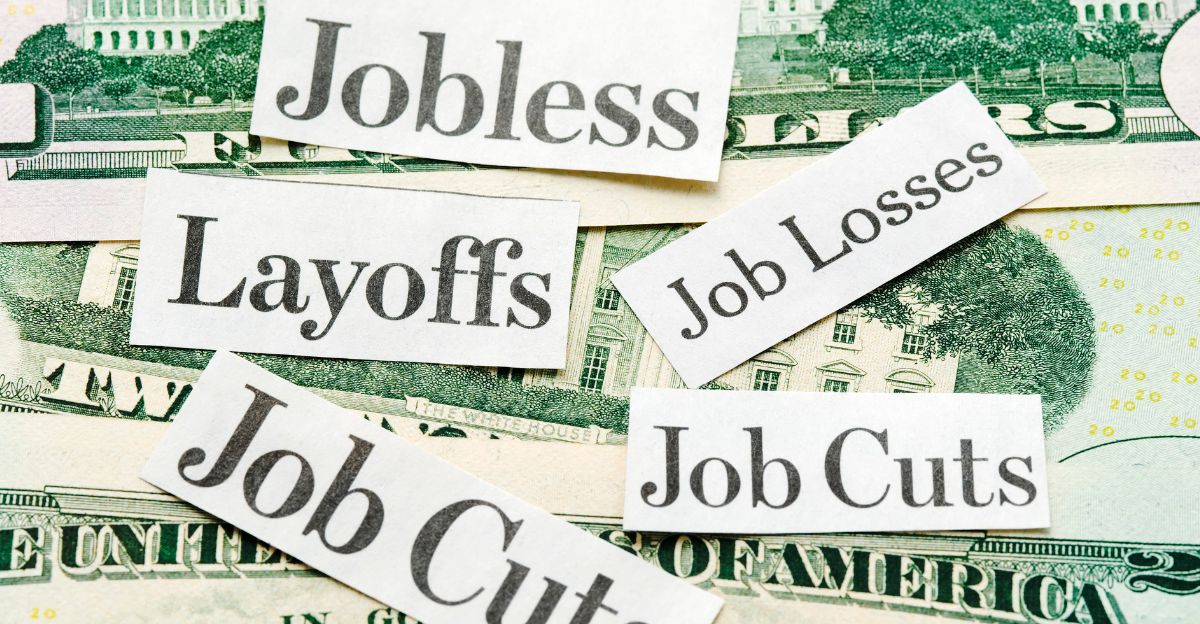
Layoffs affect approximately 400 workers in regions dependent on barrel and spirits production, particularly in Minnesota and California. Staggemeyer and affiliated operations have supported dozens of families for decades.
The bankruptcy, combined with sector-wide downturns, leaves many facing uncertain futures. State officials confirm retraining programs are under review to help displaced workers reintegrate into local economies.
Barrel Shortages Shake Alcohol Producers
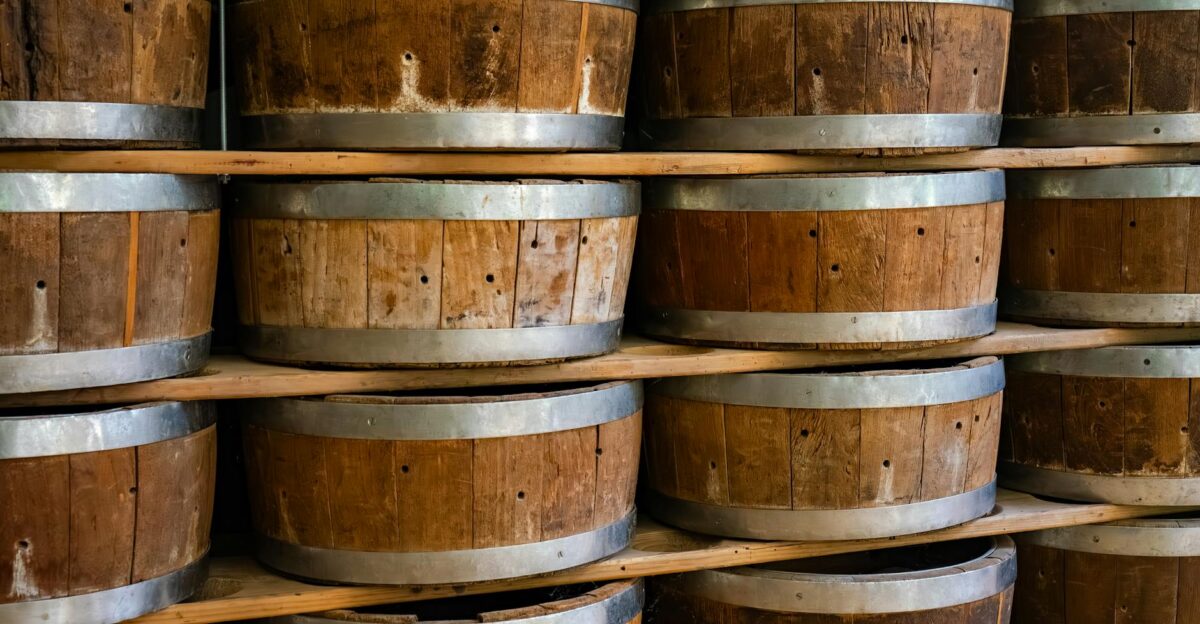
Barrel shortages following Staggemeyer Stave’s bankruptcy threaten production schedules at many distilleries and wineries across the U.S.
Producers dependent on white oak staves face increased costs and delays, forcing some to scale back on aging, limit batch releases, or seek alternative sources of supply.
The company’s assets and liabilities are estimated to be between $1 million and $10 million, with 50 to 99 creditors potentially impacted. These disruptions add to mounting economic pressure in the sector.
Economic Headwinds and Inflation
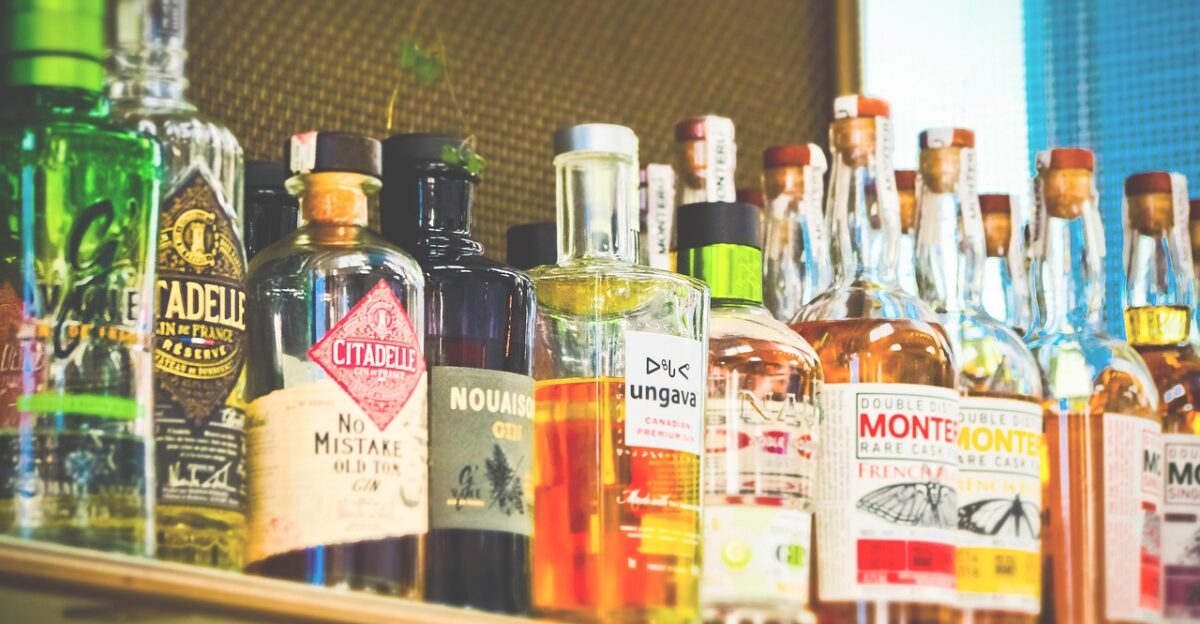
Recent spirits industry data shows a 1.1% drop in sales to $37.2 billion in 2024, marking a shift after two decades of steady growth. The Distilled Spirits Council cites slower consumer demand, especially among younger adults.
Rising barrel prices and disrupted supply chains further increase costs in bars, restaurants, and retail outlets, contributing to the inflationary pressures visible this year.
Retailers Adapt Their Approach
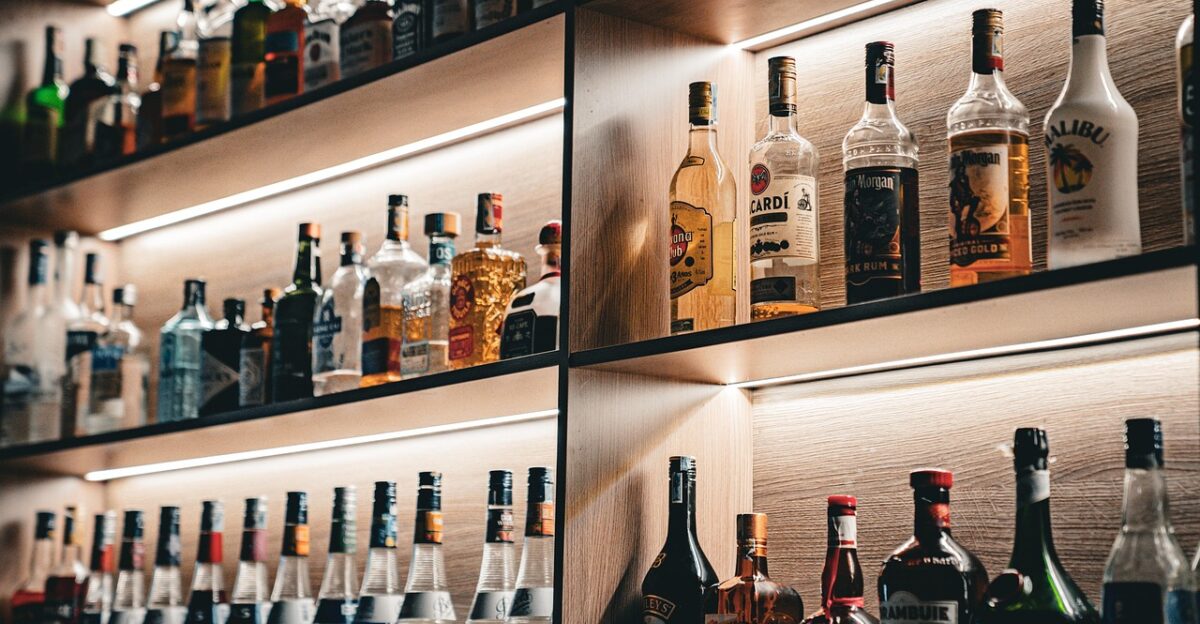
Retailers across the United States are responding to recent barrel shortages by increasing orders of boxed and canned wine, which do not rely on traditional aging processes.
Liquor stores have reported higher demand for value-oriented brands as consumers seek alternatives amid rising prices.
Many stores are actively managing stock allocations to ensure the availability of popular items amid ongoing supply disruptions. These changes are a direct reaction to challenges in the wine and spirits sector.
Hospitality Industry Shifts
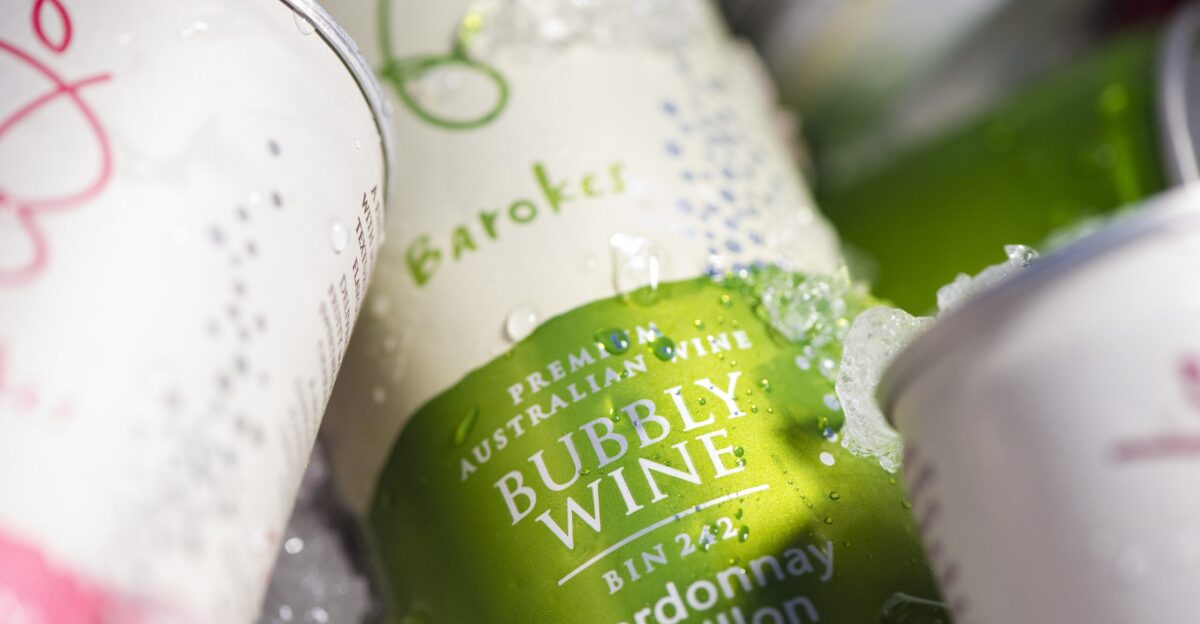
Bars and restaurants would have to adjust by substituting high-priced imported spirits with regional alternatives. Menus would be reshaped to reflect stock shortages and price increases as establishments work to contain costs.
Some local venues are reporting a shift toward promoting craft cocktails made with local ingredients, which is aiding sales and reducing their reliance on imported aged spirits in their offerings.
Supply Chain Ripple Effects
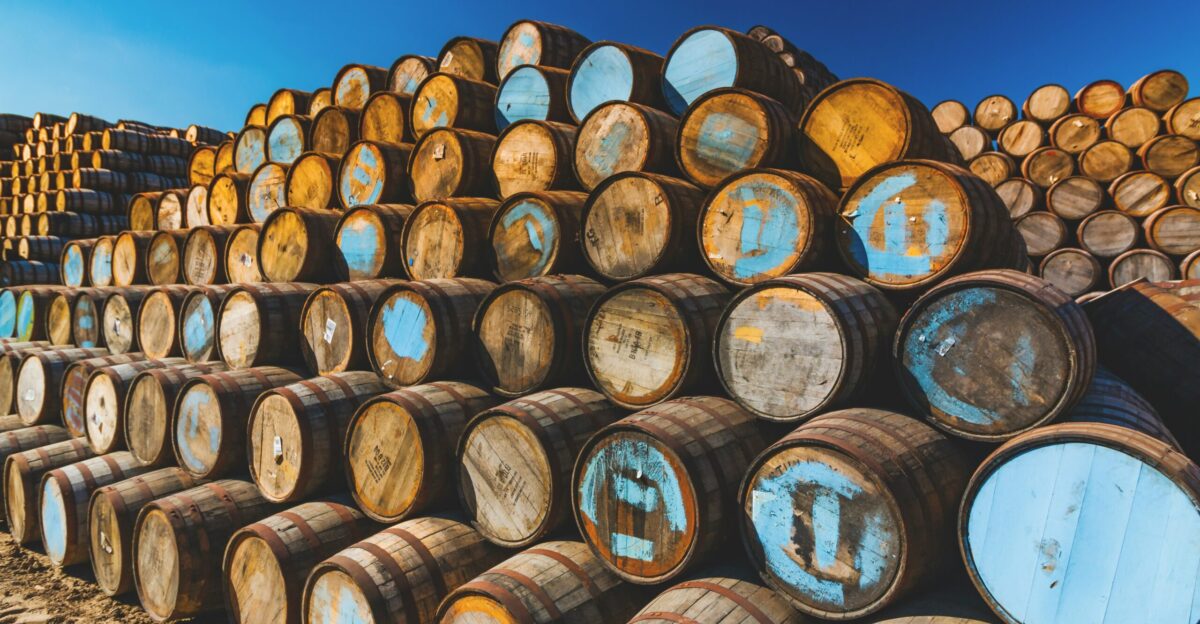
Shutdowns and slowdowns at barrel suppliers disrupt related businesses, including cork, glass, and packaging manufacturers.
Fertilizer producers and agricultural suppliers also report delays and declining demand as fewer barrels mean fewer shipments from vineyards and distilleries.
Worldwide Consumer Impact
International consumers are already experiencing increased prices for American wine and whiskey due to supply chain disruptions following the bankruptcy of Staggemeyer Stave.
European retailers have raised prices in response to lower stock levels, and distilleries abroad are reporting difficulties in sourcing American barrel staves for traditional aging processes.
These documented impacts are contributing to changes in product offerings and shifts in trade patterns in the global beverage market.
Lifestyle Adjustments

Americans, particularly those under 35, are drinking less, with health consciousness and higher prices contributing to changing habits.
Non-alcoholic and wellness drinks are gaining momentum across demographics. Meanwhile, older adults show steady or increased consumption, offsetting declines in younger cohorts. These shifts influence production strategies and brand positioning for major suppliers.
Cultural and Environmental Debate
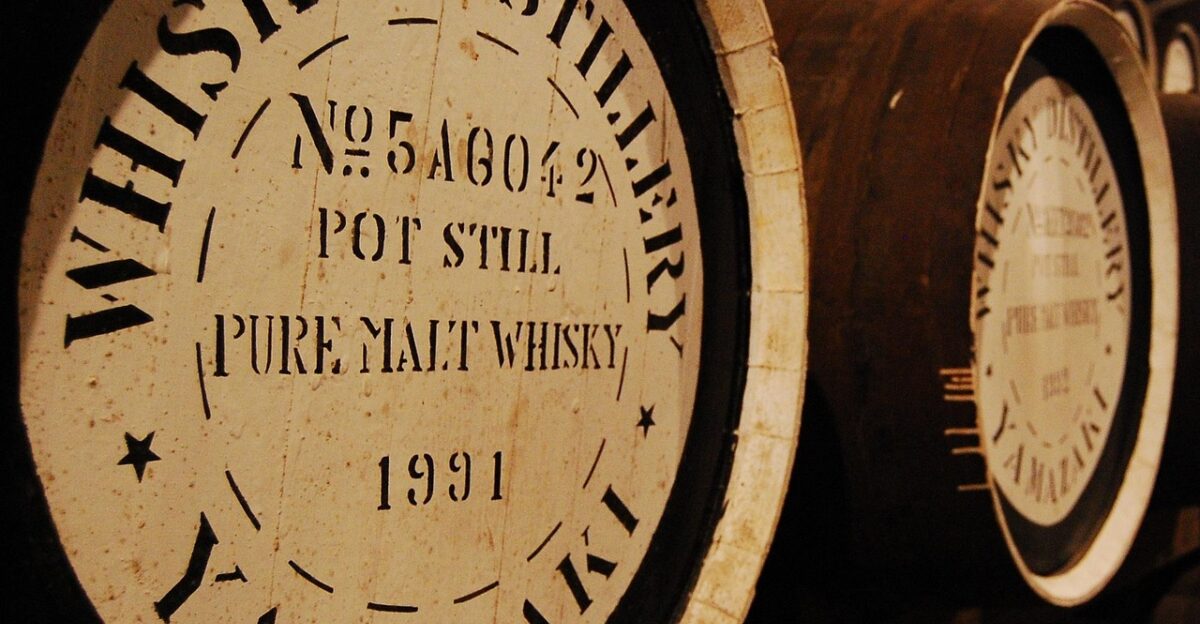
Environmental advocates call for sustainable barrel production and recycling to mitigate supply shocks. In industry forums, traditional coopering techniques are discussed as ways to preserve heritage while addressing shortages.
Manufacturers explore alternative materials and cross-industry partnerships to meet consumer demand for authenticity and sustainable sourcing, sparking new debates.
Unforeseen Winners and Losers
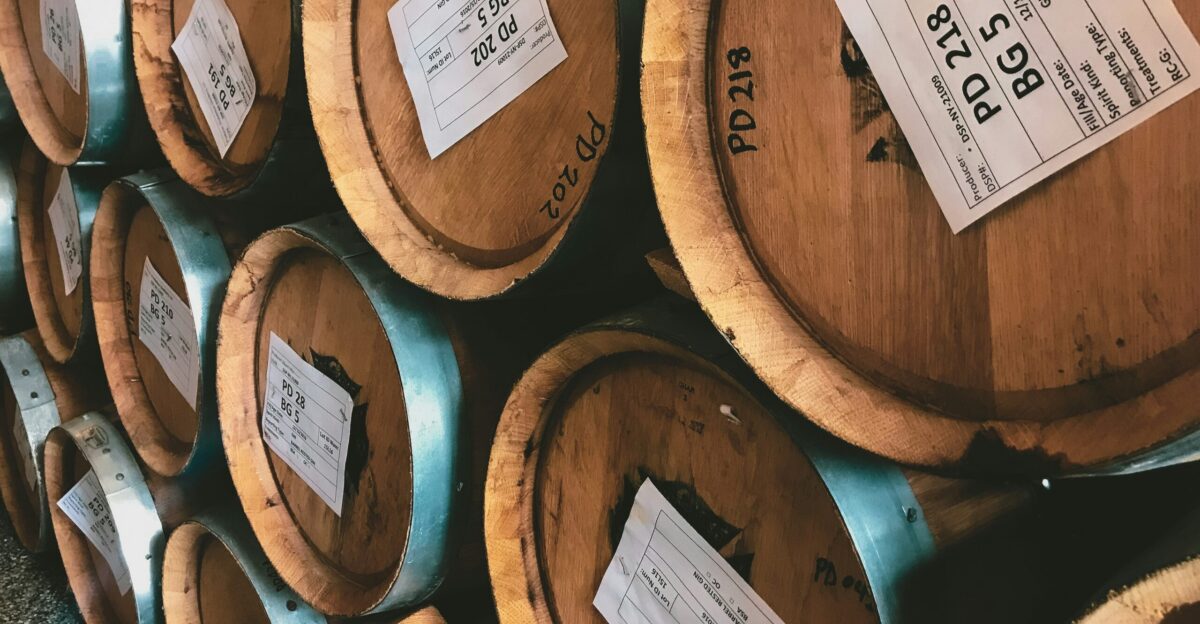
Smaller wineries and agile distillers quickly pivot to new suppliers or alternative barrels, gaining new customers and adapting rapidly.
Large legacy brands with deep ties to Staggemeyer may lose market share due to higher costs and slower supply chains.
Market Speculation Heats Up
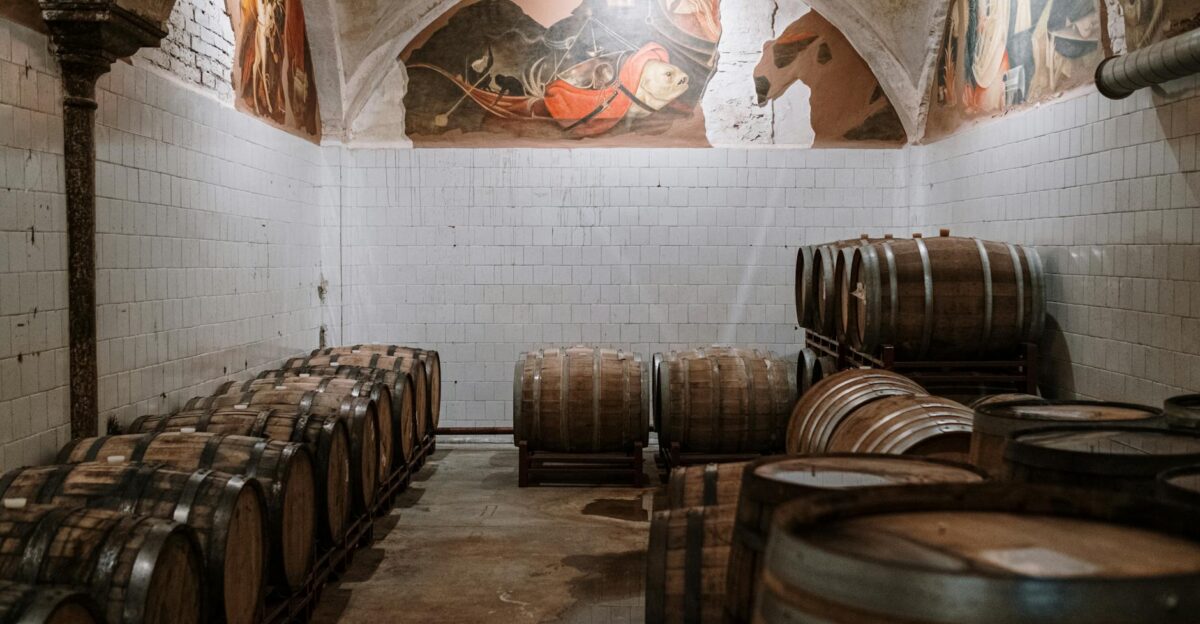
Investors closely track stocks of barrels, wine, and spirits, with market volatility often tied to supply disruptions. Some shift investments to companies with diversified material sourcing and adaptive production.
Analysts expect further consolidation in the barrel manufacturing industry, as financial pressures force mergers and acquisitions among smaller competitors seeking stability and growth.
Consumer Advice in Turbulent Times

Industry reports confirm that during times of barrel shortages and supply chain disruptions, consumers often benefit from exploring local and regional wine and whiskey brands, which tend to maintain more reliable inventory.
Retailers and trade analysts also suggest monitoring for seasonal promotions and considering boxed or canned products, which do not depend on traditional barrel aging. These common strategies help households adapt to shifting prices and product availability.
What Lies Ahead?
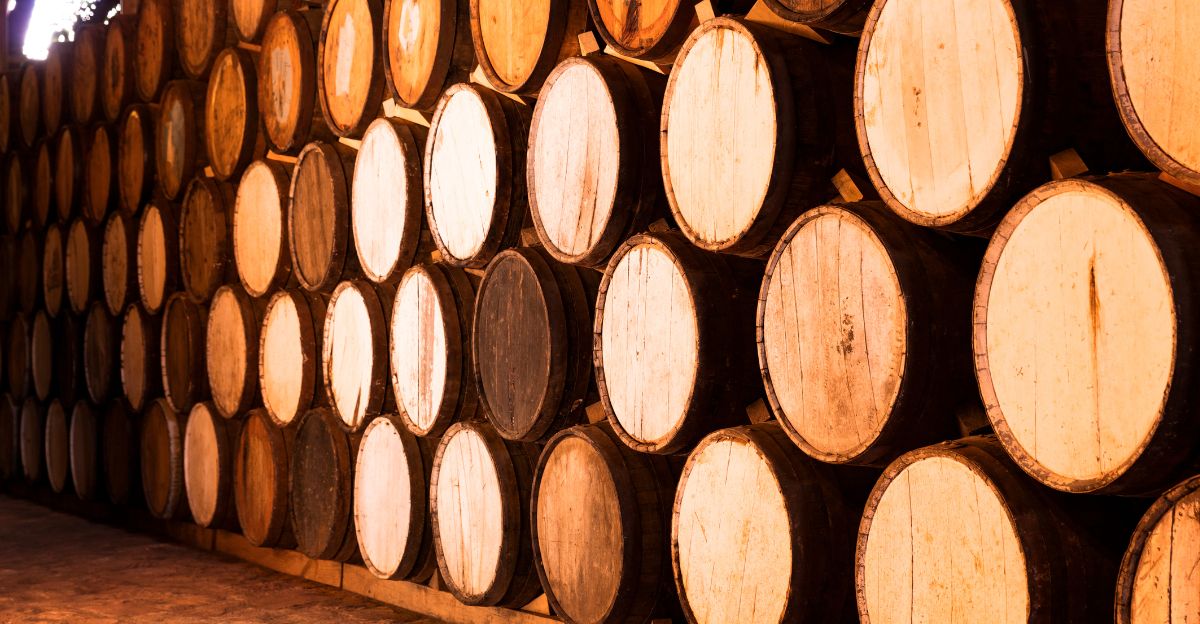
Industry analysts report that new technologies and methods in barrel aging—such as hybrid barrels, precision monitoring, and alternative materials—are being adopted across the wine and spirits sector to help producers manage supply shortages and maintain product quality.
Companies are investing in sustainability initiatives, innovative production strategies, and efficient supply chain management to address ongoing disruptions. These changes reflect the evolving landscape as producers adapt to recent market challenges.
Navigating Change
The bankruptcy of Staggemeyer Stave reveals vulnerabilities in the interconnected world of wine and whiskey production.
American and international markets are facing significant adjustments as producers, workers, and retailers navigate the changes.
Industry leaders will need innovative solutions to maintain stability and respond to evolving consumer demands, thereby shaping the future direction of the sector.