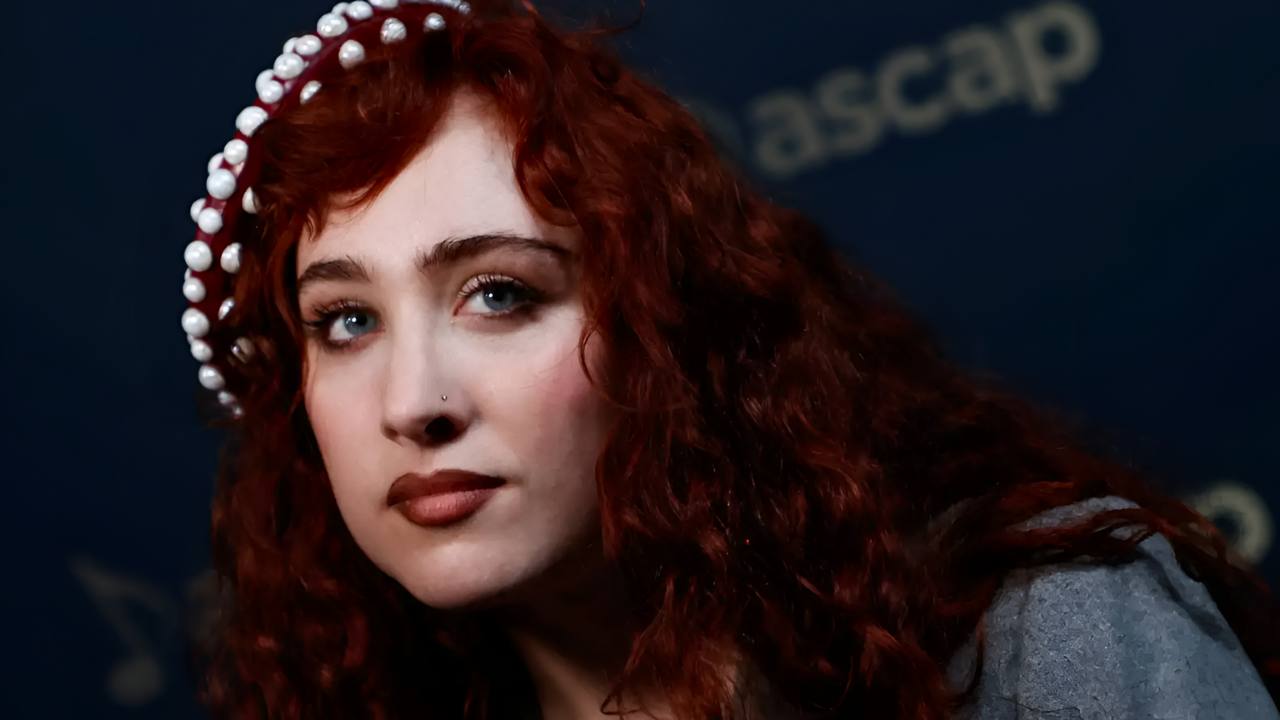
Grammy-winning artist Chappell Roan sparked an online firestorm when she posted a tribute to French cinema icon Brigitte Bardot upon news of her death at age 91 on December 28, only to delete it hours later amid revelations of the actress’s long history of hate speech convictions.
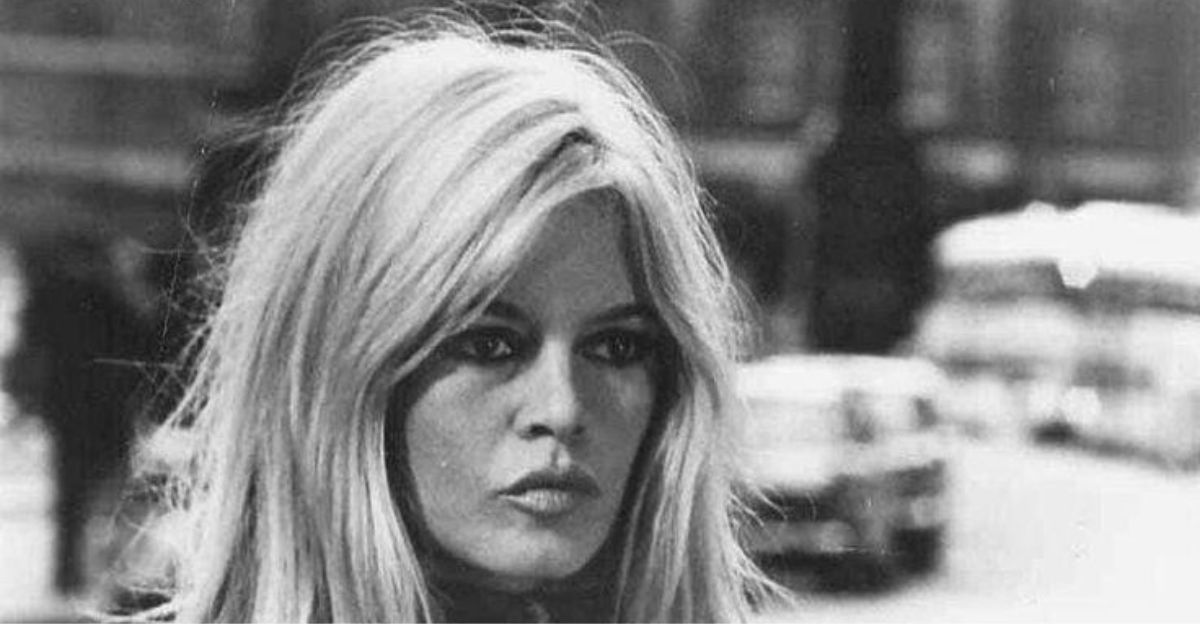
Roan’s initial Instagram Story featured a black-and-white photo of Bardot with the caption: “Rest in peace Ms. Bardot. She was my inspiration for red wine supernova.” The reference tied to her 2023 hit “Red Wine Supernova,” whose opening lyric—”She was a playboy, Brigitte Bardot”—had drawn millions of streams from fans associating Bardot with 1960s liberated femininity and bold style.
The post vanished by Monday morning, replaced by a candid text update: “I did not know all that insane stuff Ms. Bardot stood for. I do not condone this. Very disappointing to learn.” Fans flooded her messages with details of Bardot’s record, turning a quick homage into a rapid lesson in historical context.
The Spark in the Lyrics
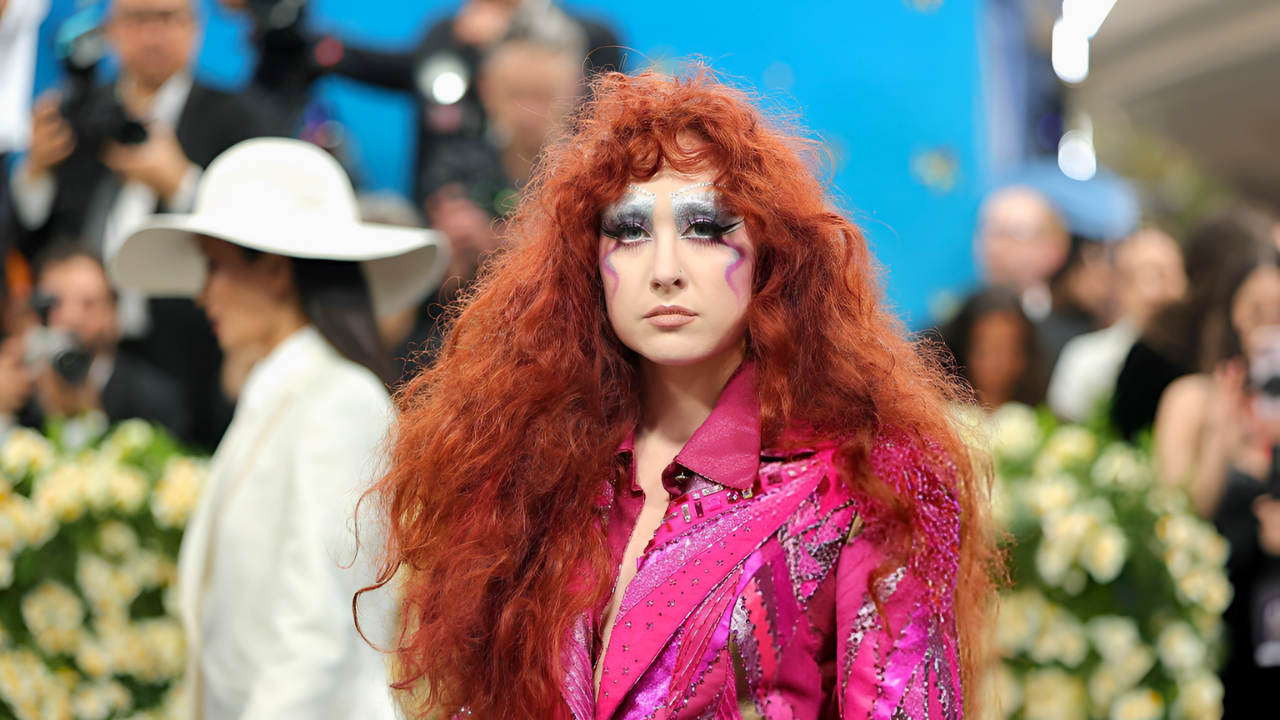
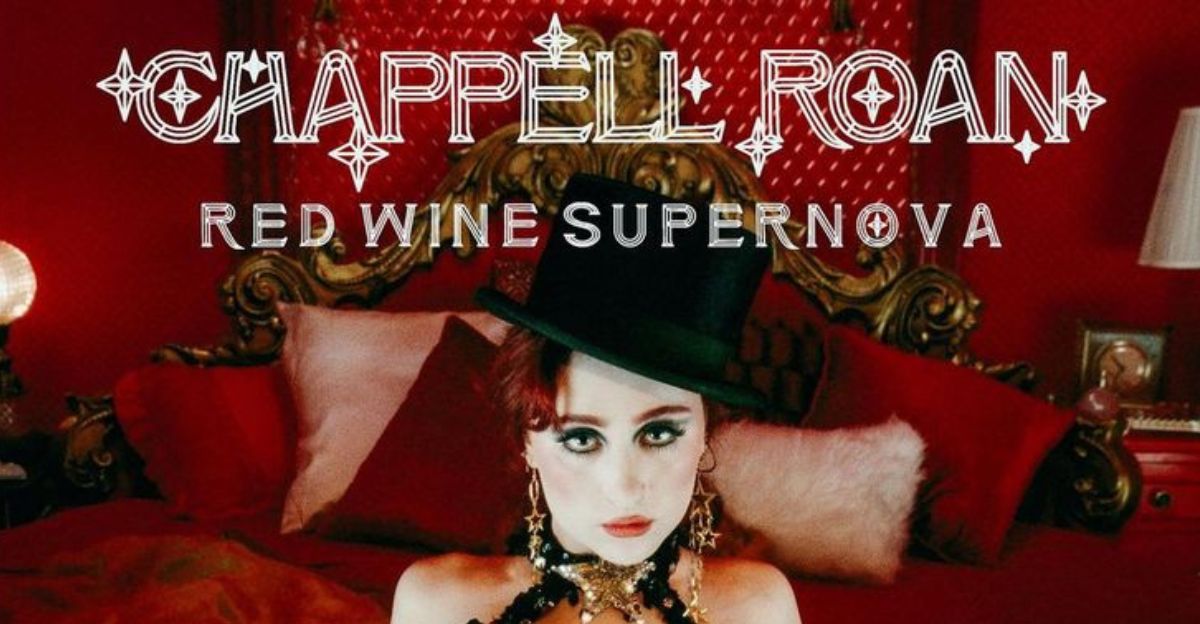
Roan’s song lyric celebrated Bardot’s Playboy-era image from films like 1956’s And God Created Woman, which defined her as a symbol of sensual rebellion. For many younger listeners, especially in her LGBTQ+-heavy fanbase, Bardot embodied vintage glamour—big hair, winged eyeliner, and carefree allure—stripped of any deeper baggage. The track’s success, including Grammy nods, amplified the line to global playlists without scrutiny.
Yet the tribute collided with Bardot’s post-acting life. After retiring from screens in 1973, she shifted to animal rights activism laced with inflammatory views, earning six convictions for inciting racial hatred in French courts. Fines totaled tens of thousands of euros for statements targeting Muslims, immigrants, and other minorities.
Bardot’s Legal Reckoning
Court records detail repeated offenses over decades. In 2008, a Paris judge fined her 15,000 euros for a letter to Interior Minister Nicolas Sarkozy claiming Muslims were “destroying our country and imposing their acts.” Prosecutors highlighted the rhetoric’s severity, ruling it exceeded free speech boundaries despite her repeated court appearances.
Her writings extended the pattern. In her 2003 book A Scream in the Silence, Bardot labeled some gay men “fairground freaks” who “jiggle their bottoms” and complain about “ghastly heteros,” even equating them to pedophiles—a direct clash with Roan’s queer-affirming album The Rise and Fall of a Midwest Princess.
Bardot also dismissed the 2018 #MeToo movement as “hypocritical, ridiculous, and uninteresting,” suggesting actresses who spoke out had flirted for roles. Politically, she backed France’s far-right National Rally (formerly National Front), praising leader Marine Le Pen as “the Joan of Arc of the 21st century.” Her husband, Bernard d’Ormale, advised the party, cementing her as a nationalist figurehead.
The Generational Blind Spot
Young artists like Roan often draw from curated visuals—Pinterest boards of retro icons—unaware of full biographies. Bardot’s early fame masked her later extremism, which railed against immigration, miscegenation, and multiculturalism. Social media users voiced shock: one X post noted streaming the song 500 times without knowing Bardot’s convictions.
Roan’s raw retraction stood out for its speed and honesty, avoiding polished PR spin. Industry observers praised it for preserving her authentic image, built on inclusivity and transparency, potentially averting lasting harm.
As the recorded lyric persists on platforms, speculation swirls about live shows. Precedents like Lizzo and Beyoncé altering lines suggest Roan may skip or change it on tour. The episode exposes gaps in label vetting—how a major release overlooked Bardot’s record despite cultural sensitivity demands.
This clash revives the “separate art from artist” tension. Bardot’s cinematic breakthroughs endure, but her convictions complicate uncritical praise. French leaders like President Macron noted her film legacy in condolences, yet global discourse fixated on her divisiveness.
Roan’s swift pivot underscores evolving accountability in pop culture. In a connected era, historical figures face instant scrutiny via translations and threads, closing gaps once shielded by time or language. Artists now risk “Bardot effects”—retro nods backfiring into teachable moments. The incident signals tighter research for inspirations, ensuring aesthetics don’t unwittingly endorse intolerance, with broader implications for how celebrities navigate layered legacies.
Sources:
Chappell Roan Doesn’t ‘Condone’ Brigitte Bardot’s Views After Paying Tribute on Instagram — People
Brigitte Bardot’s Controversial Legacy: Far-Right Ties and Political Divides — France in English
Brigitte Bardot’s 30 Years of Sympathy for the Far Right — Le Monde
French film icon Brigitte Bardot slams #MeToo as ‘hypocritical’ — France 24
Brigitte Bardot Slams #MeToo Movement As ‘Hypocritical and Ridiculous’ — Variety