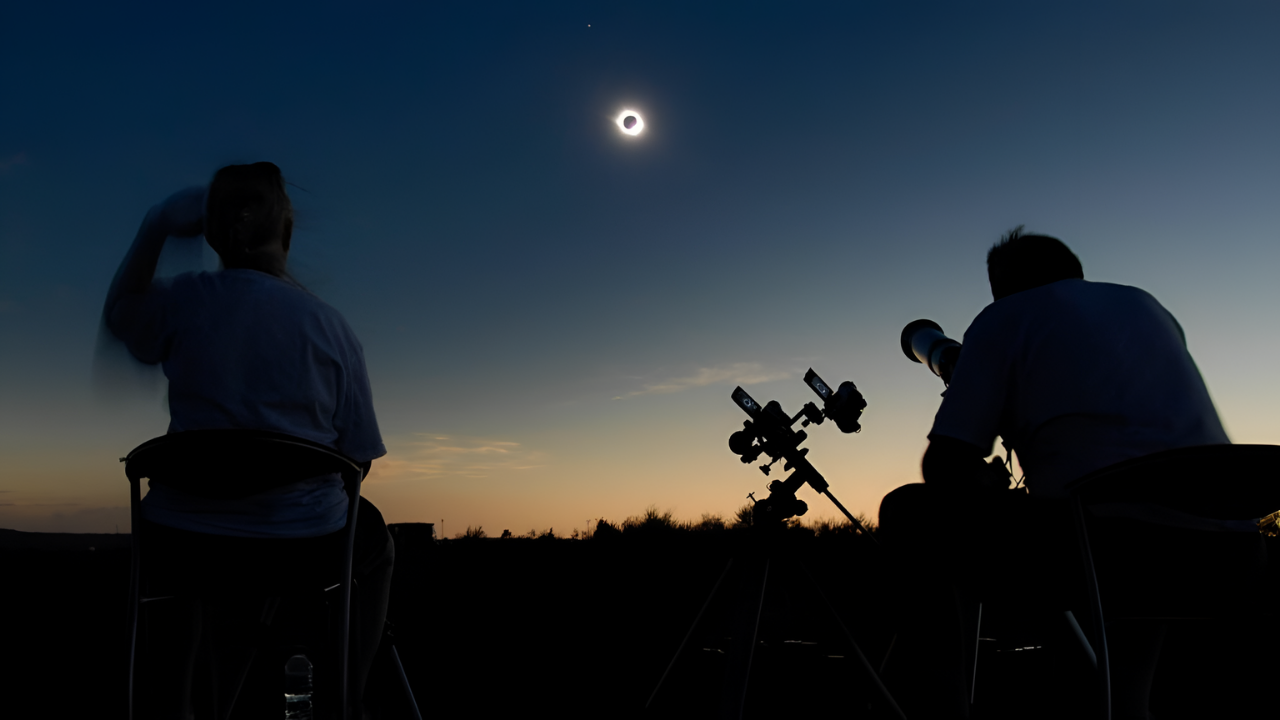
July 22, 2028. Around 2 PM in Sydney, streetlights flicker on. Birds stop singing. The sky darkens to twilight blue. For 3 minutes and 44 seconds, the Sun vanishes.
It’s not a forecast or a theory. Astronomers confirmed it. The second-longest total solar eclipse of the 21st century approaches, and millions will experience something almost nobody alive today has witnessed.
Next One Won’t Come For 830 Years
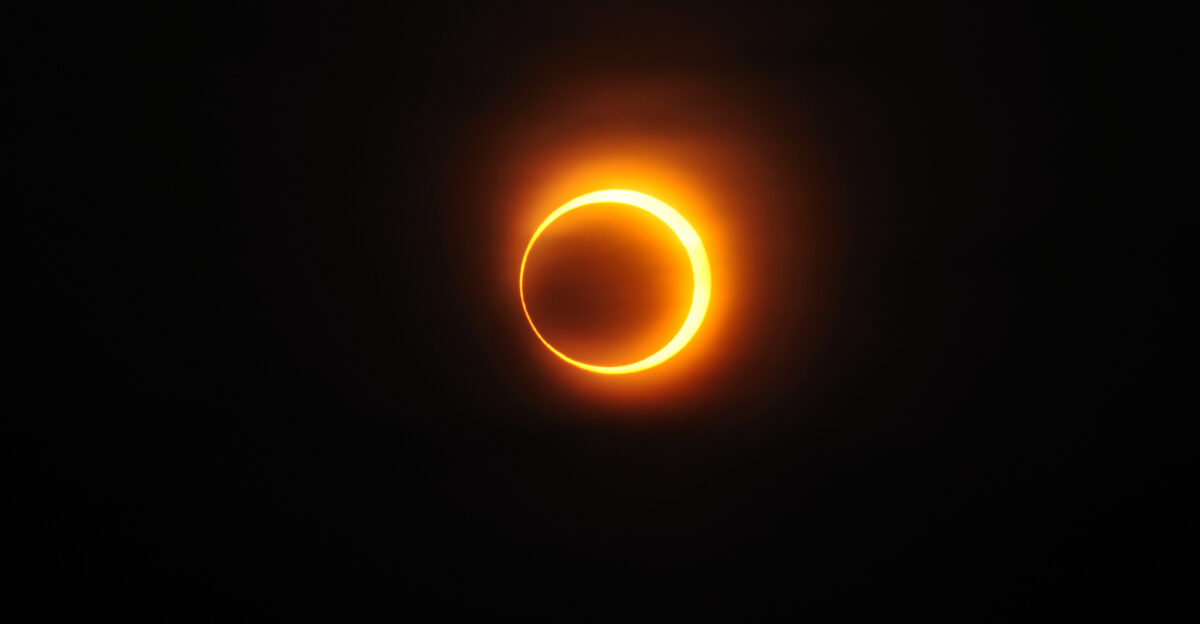
No living Sydney resident has seen what’s coming. The last total eclipse over the city was March 26, 1857—171 years ago. After July 2028, the next won’t arrive until 2858, eight centuries hence. Your descendants won’t see it.
This is a once-in-a-civilization opportunity, not a once-in-a-lifetime one. The rarity transforms July 22 from an astronomy date into something approaching destiny. Millions understand the stakes.
Totality At The Exact Same Second
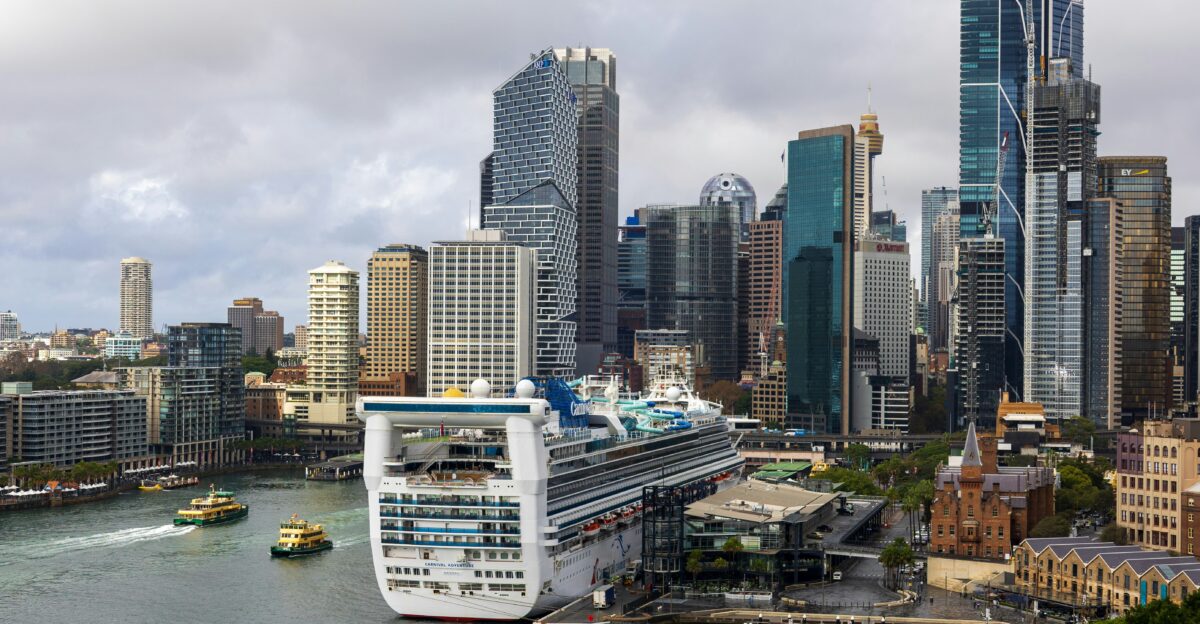
Between 5.3 and 6.3 million people live in Sydney’s metropolitan area. Add rural populations across Western Australia, the Northern Territory, Queensland, and New Zealand: 8 to 10 million people positioned for complete darkness at noon.
Most total eclipses pass over empty oceans or wilderness. This happens over a world-class city. When totality hits, entire metropolitan populations stand together, eyes upward, sharing a cosmic moment rare enough to reshape how people think about their place in the universe.
The Moon’s Invisible Dance
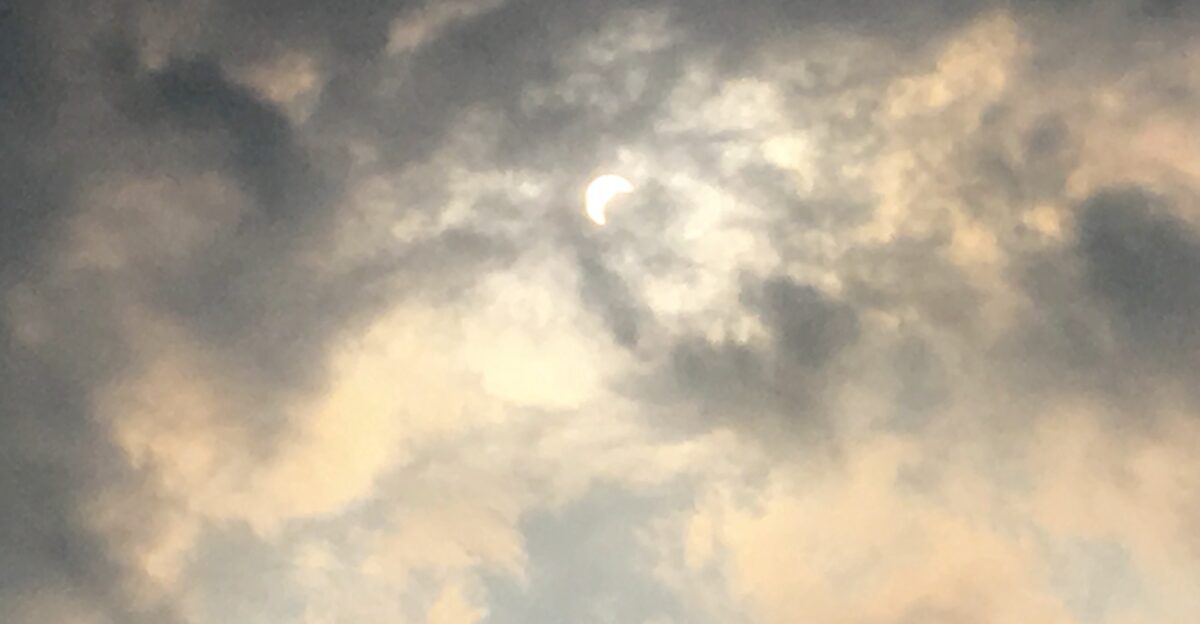
Orbits aren’t circles. The Moon traces an ellipse around Earth, sometimes coming closer, sometimes farther away. On July 23, 2028, the Moon reaches perigee—its closest approach—just 356,400 kilometers away. But the eclipse happens on July 22, one day before maximum proximity.
This timing means the Moon appears slightly larger against the Sun’s disk. That small size difference is everything. Without a perigee near this date, Sydney would see only a partial eclipse, never total darkness. Celestial mechanics created this window.
Moving Faster Than A Jet Aircraft
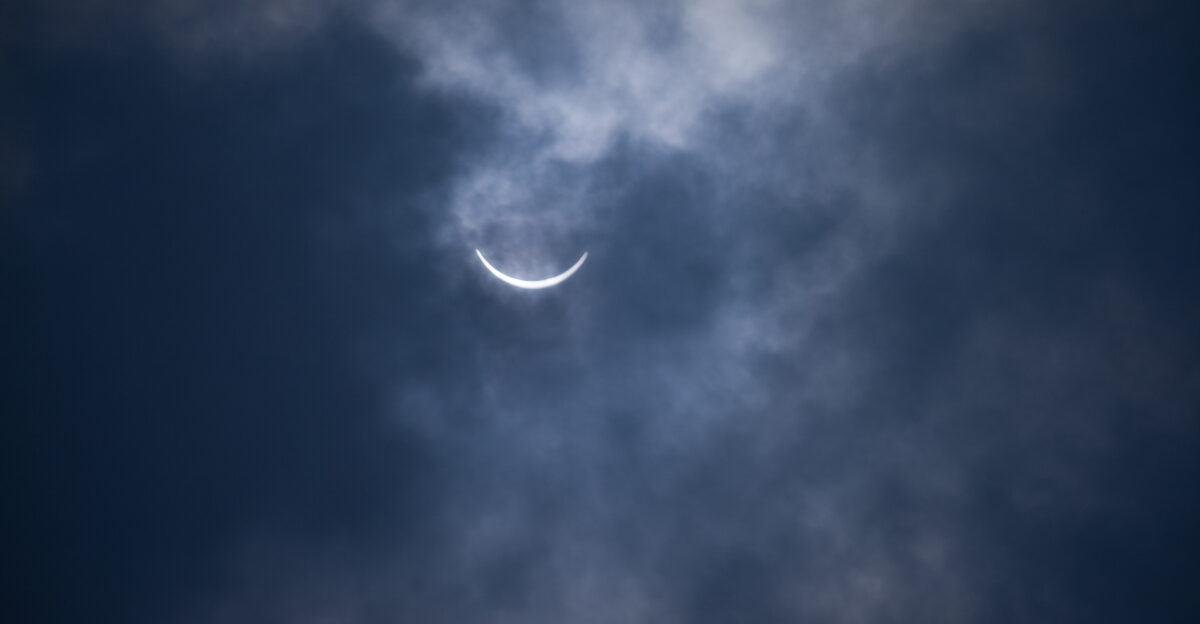
The Moon’s shadow doesn’t drift casually across Earth. In Western Australia, it races eastward at approximately 2,150 kilometers per hour. By the time it reaches Sydney, speed nearly doubles to 4,900 kilometers per hour—faster than most commercial jets.
The shadow arrives and departs in a blink. Those 3 to 5 minutes of darkness won’t feel like a leisurely pause but rather an intense, passing moment.
The Eclipse Path
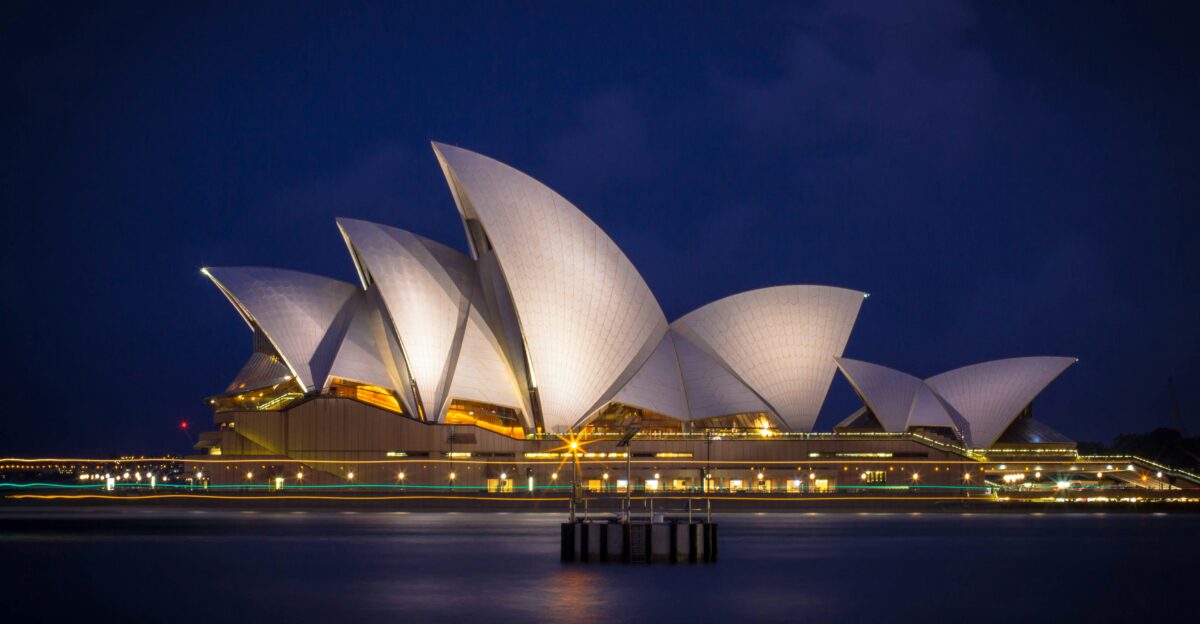
The shadow corridor doesn’t circle around the city. It cuts straight through. The Sydney Opera House will fall into darkness. The Harbour Bridge’s iron archway will become a silhouette. Bondi Beach and Coogee will be enveloped in unearthly twilight. Most total eclipses cross empty ocean or uninhabited land. This eclipse will darken Earth’s most photographed landmarks at maximum totality. Imagine the Sydney Opera House lit only by the Sun’s corona—a 360-degree sunset ringing the horizon—for 3 minutes and 44 seconds.
Only One Eclipse This Century Will Be Longer
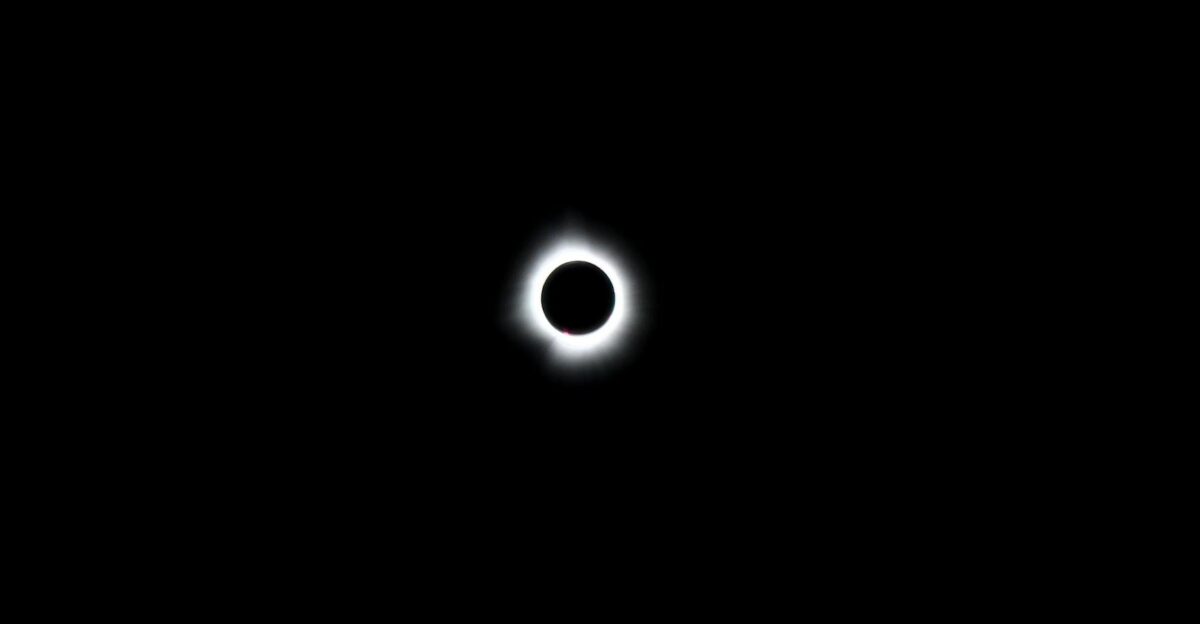
On August 2, 2027, in Egypt and North Africa, the solar eclipse reaches 6 minutes and 23 seconds of totality. That’s the longest. July 22, 2028, peaks at 5 minutes and 10 seconds in the Kimberley region. It’s second place, but second in a century means exceptional.
Most total solar eclipses last only 2 to 3 minutes. The 2028 eclipse more than doubles that. In the Kimberley’s remote northwestern territory, the Moon will block the Sun for over 5 minutes—enough to see corona details.
The Kimberley Offers What Sydney Doesn’t
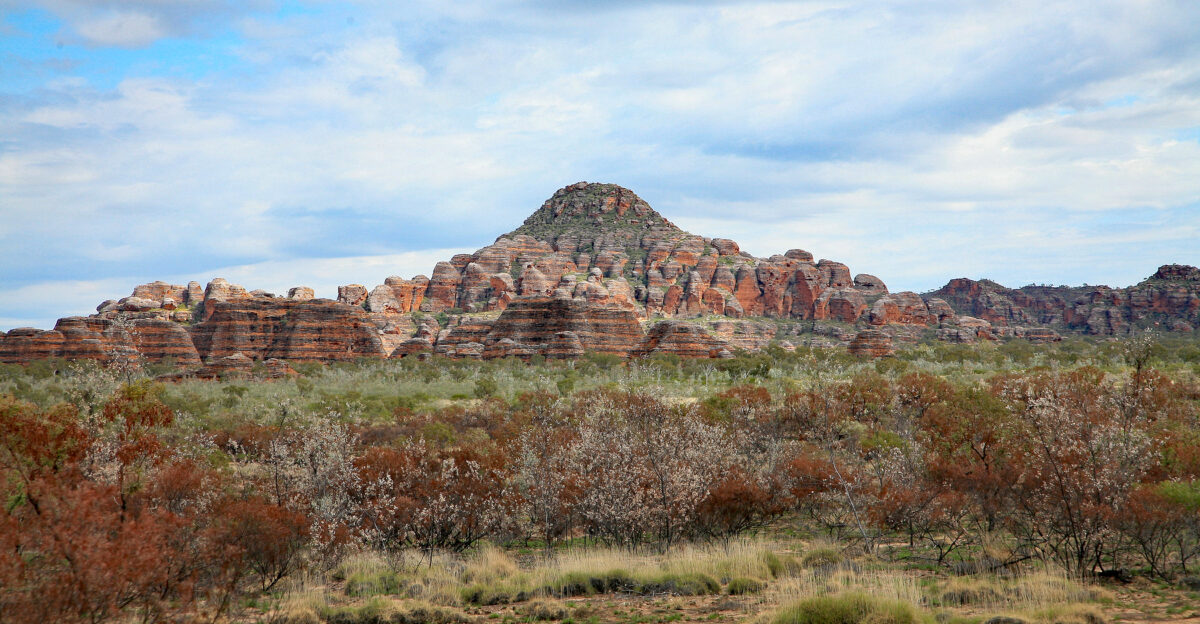
Sydney’s totality reaches 3 minutes and 44 seconds. The Kimberley reaches 5 minutes and 10 seconds. The difference matters significantly. More time means a greater chance to see the corona’s delicate strands, to photograph without rushing, and to let the moment sink in deeper.
Additionally, Western Australia’s dry winter season brings better weather prospects. Historical cloud cover data suggests clearer skies in the Kimberley than on Sydney’s coast.
Twilight At Noon, Stars In Daylight
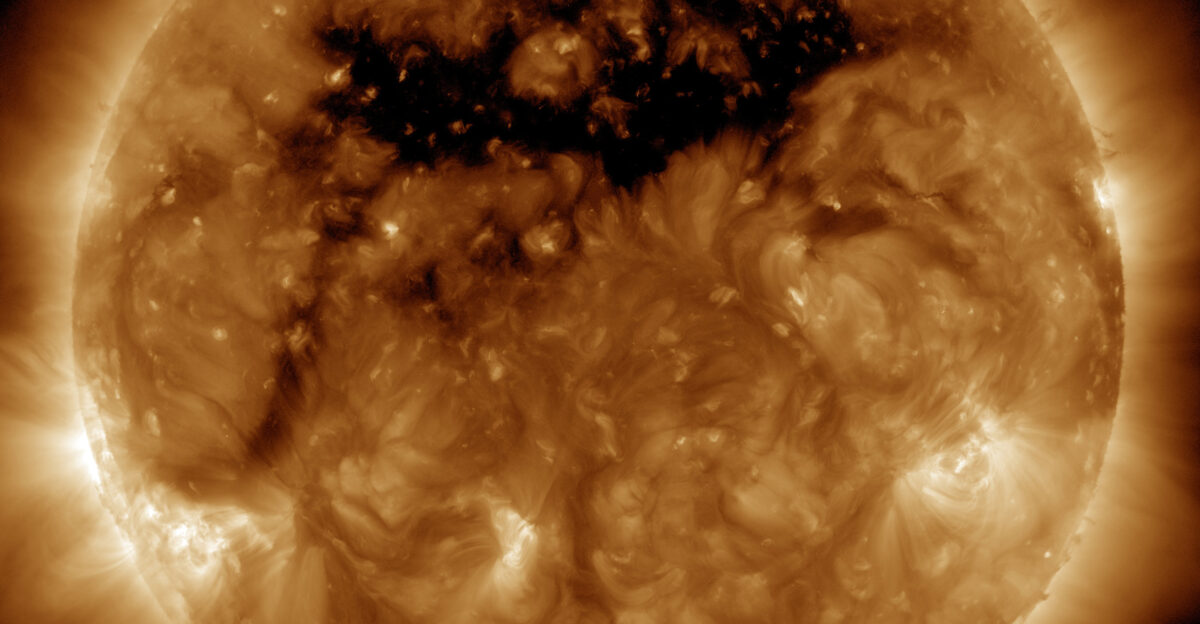
When totality arrives, reality shifts. The Sun’s outer atmosphere—the corona—becomes visible for the first time, a wispy white crown normally invisible against the Sun’s brightness. Stars and planets appear in the daytime sky. Venus often becomes prominent, a bright point in manufactured twilight. Light quality changes entirely.
Colors seem to drain from the world (an optical illusion from sudden dimming), and shadows sharpen unnaturally. A 360-degree sunset rings the horizon where the Moon’s shadow hasn’t reached.
Summer Will Feel Like Winter For Minutes

Totality brings sudden cold. Temperatures typically drop between 5 and 15 degrees Fahrenheit during darkness, depending on humidity and cloud cover. Unlike a sunset’s gradual cooling, this temperature change is abrupt—as if a switch flipped.
The air itself grows noticeably colder, affecting humidity and wind patterns. For viewers standing in the path during Sydney’s winter afternoon, that sudden chill will be real and immediate, perhaps startling. Then, as the Sun emerges, warmth returns just as rapidly.
Birds Think It’s Dawn
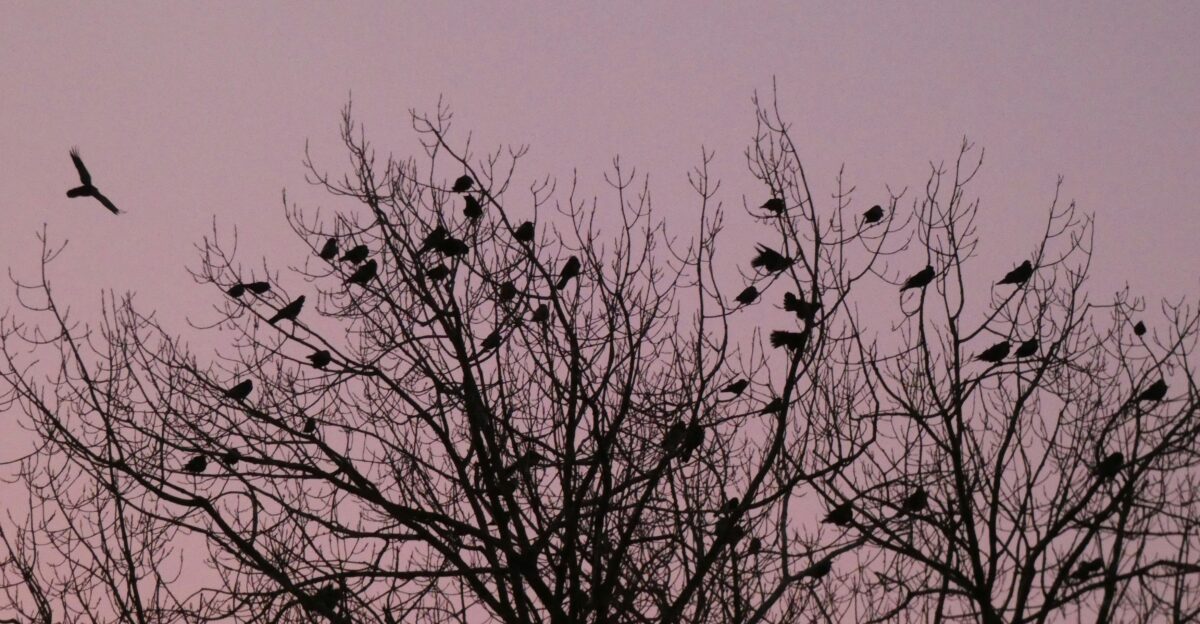
Birds react visibly to totality. Research from the 2024 total eclipse found that 29 bird species began singing as if dawn had arrived, even though totality lasted minutes. Half of the wild bird species changed their biological rhythms entirely.
The species with elaborate morning songs proved most sensitive—their dawn chorus triggers reactivated at midday darkness. Notably, birds only showed reactions at locations experiencing more than 99 percent solar obscuration. Partial eclipses, even at 98 percent coverage, triggered nothing.
The World’s Infrastructure Will Think Night Has Fallen
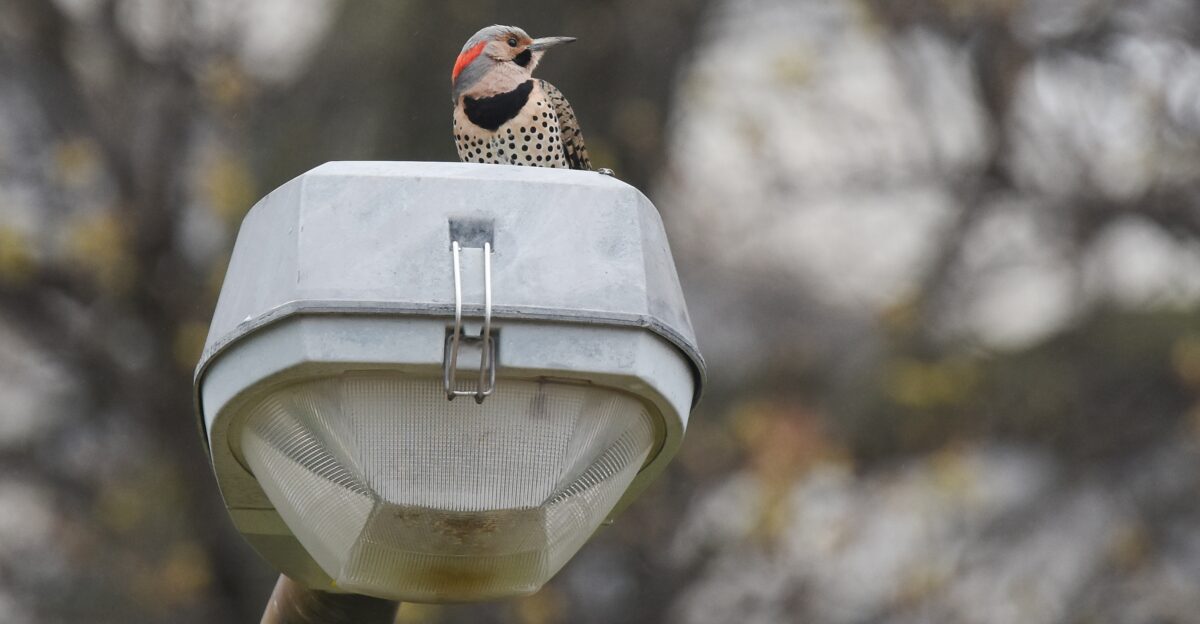
When totality hits, automated systems respond. Streetlights flicker on, responding to sudden darkness as if evening has arrived at 2 PM. Sensors throughout Sydney’s infrastructure register the temperature drop and light decrease, triggering responses associated with sunset.
Some animal behavior is hardwired; some technology is programmed. Both will malfunction during totality, and both will momentarily lose their orientation to normal day-night cycles.
Wrong Glasses = Permanent Blindness
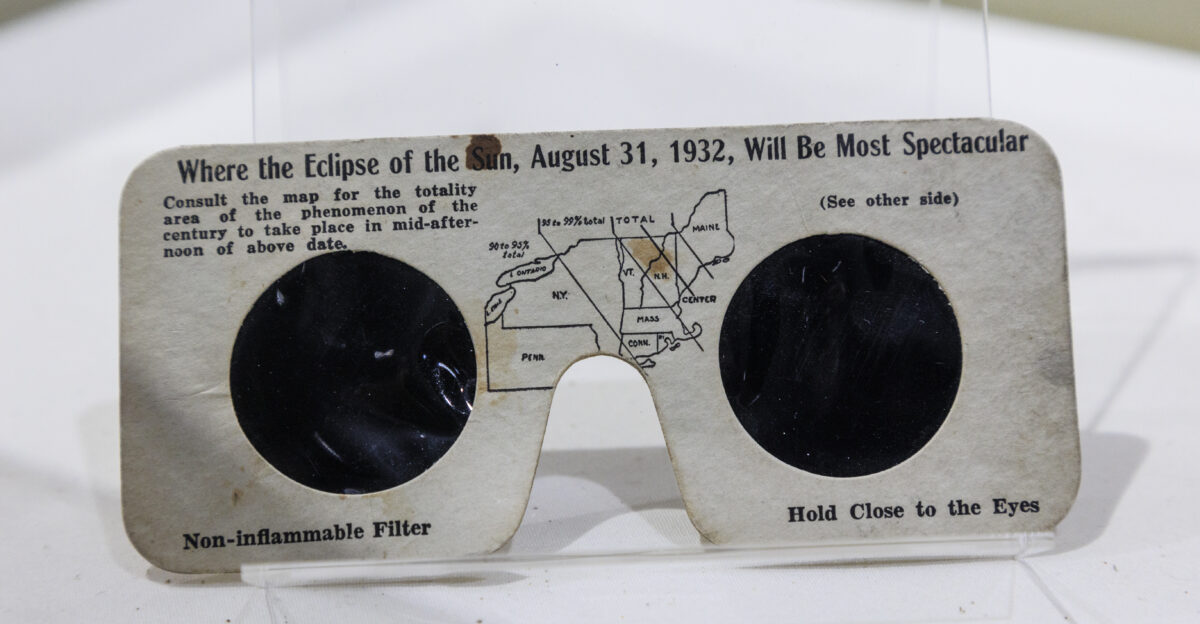
Eclipse safety is non-negotiable. The international standard ISO 12312-2 specifies the exact optical properties required for safe viewing. Certified eclipse glasses block 99.997 percent of visible light.
During partial phases, when the Moon hasn’t completely covered the Sun, protection is essential—always, without exception. Counterfeit or uncertified glasses offer nothing but false security.
Small Towns Overrun
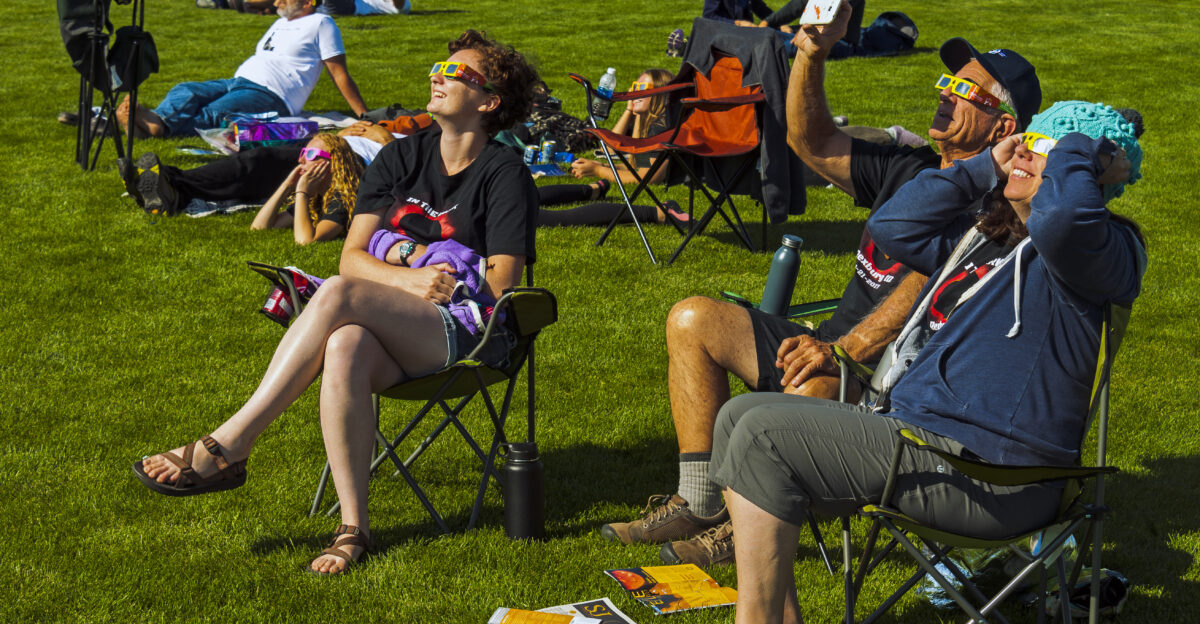
The 2017 total eclipse across America provided a cautionary case study. Small towns in the path were overrun. Roads became parking lots. Gas stations ran out of fuel. Temporary toilets became precious commodities. Emergency services faced surges that tripled hospital traffic.
The 2028 eclipse will test Australian infrastructure far more severely because Sydney’s massive metropolitan population, combined with international eclipse tourism, will concentrate demand unlike anything previously experienced.
Hotels Are Selling Out
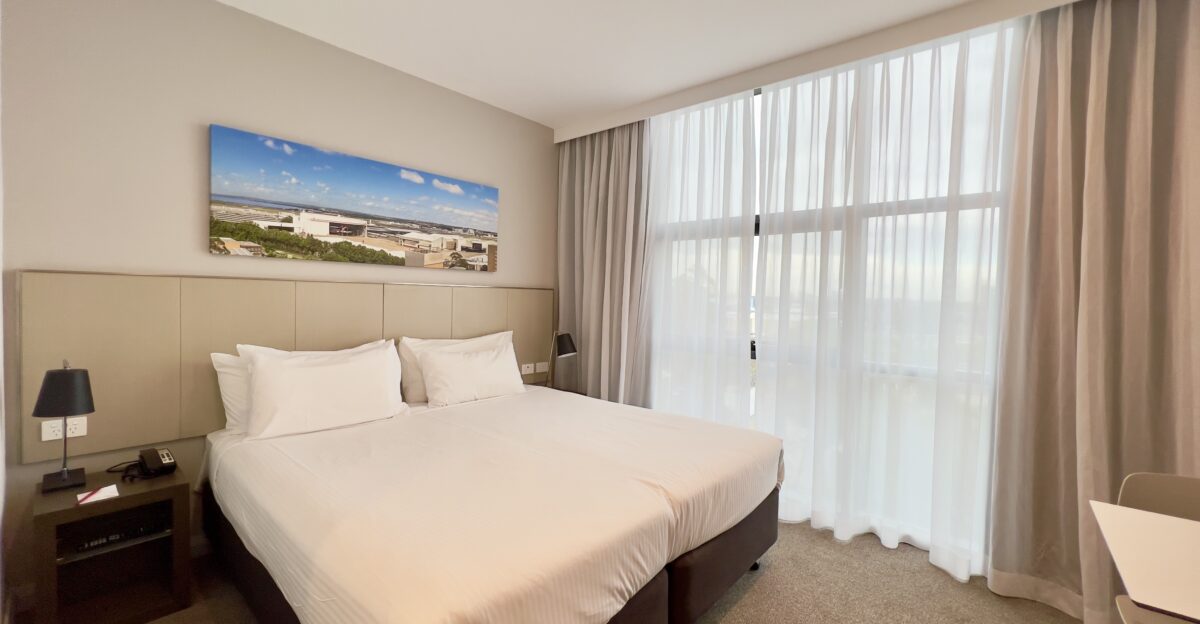
Tour companies specializing in eclipse travel have reported strong advance bookings, which began in late 2025. Unlike typical vacation planning, eclipse-driven travel follows a different rhythm. People motivated by specific astronomical events book 12 to 24 months in advance, sometimes even earlier.
Hotels along the path are releasing availability in 2026, and early reports suggest a rapid booking surge.
A 60-Year Drought Ends
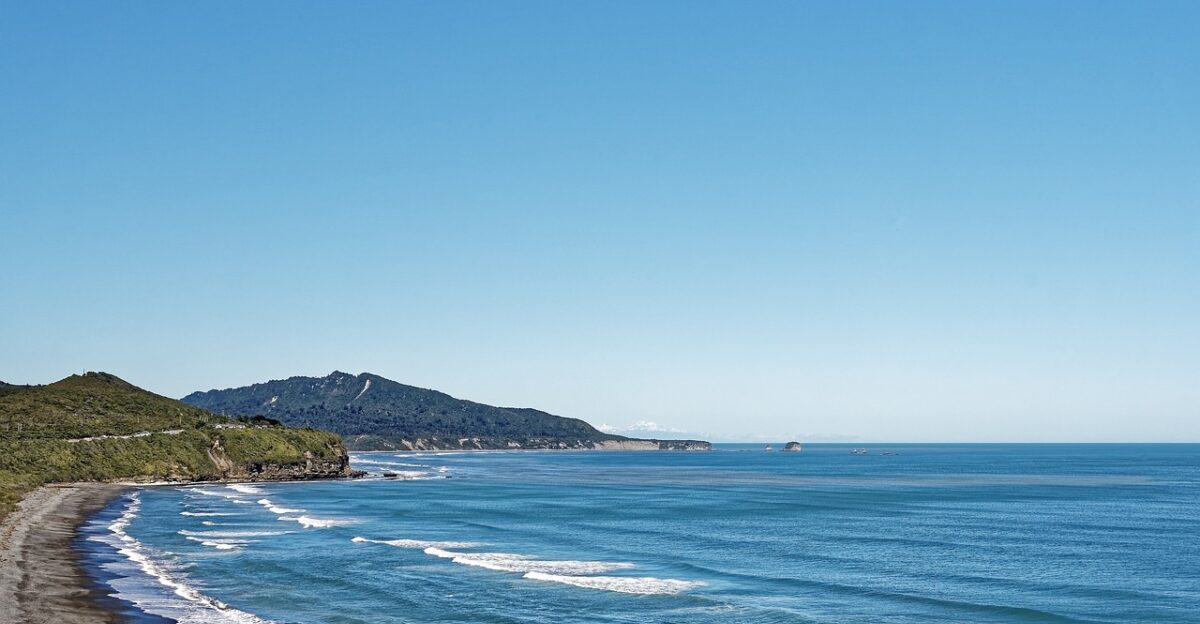
The eclipse’s path continues across the Tasman Sea to New Zealand’s South Island, where totality will be visible from Queenstown and Dunedin. This eclipse marks New Zealand’s first total solar eclipse since May 23, 1965—more than 60 years of waiting.
The South Island lies along the path’s southern boundary, so the total duration is shorter than that of Australia, with the centerline lasting just under 3 minutes.
Rational People Become Emotional
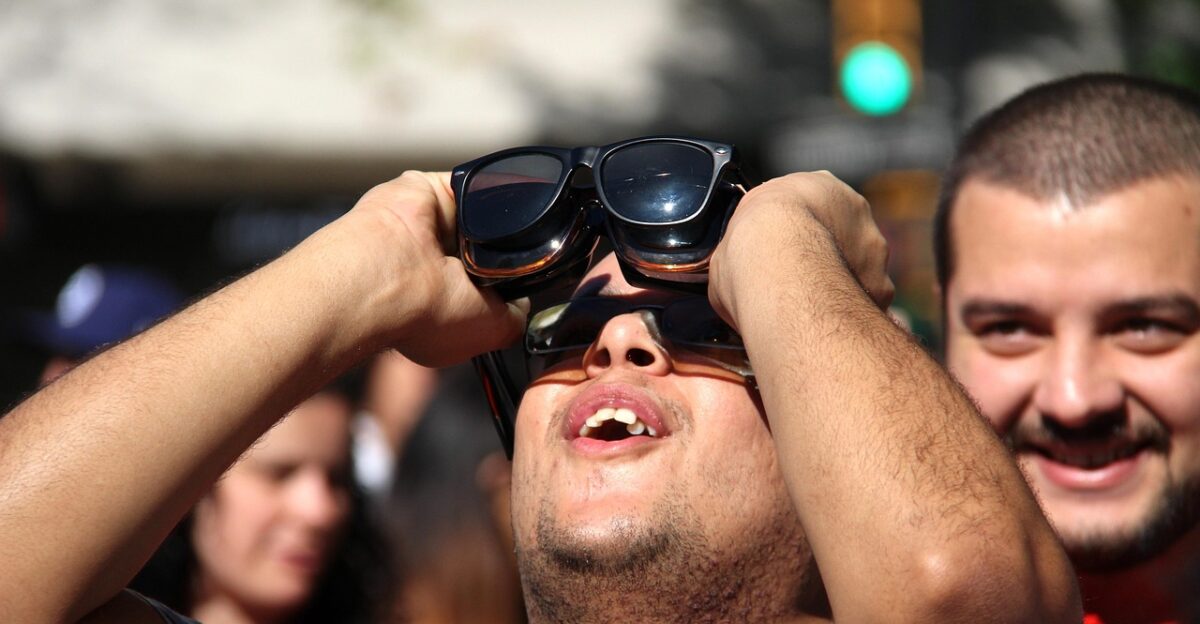
Total solar eclipses transform rational observers into emotional witnesses. Veteran astronomers who’ve calculated trajectories and studied corona physics for decades report being speechless when totality arrives. The experience transcends the intellectual understanding that drives eclipse science.
Researchers describe a sudden awareness—the realization that Earth orbits within a vast mechanism of celestial mechanics that has been operating unchanged for billions of years. Humans are insignificant within that scale, yet profound.
Fewer Than 2.5 Years Remain
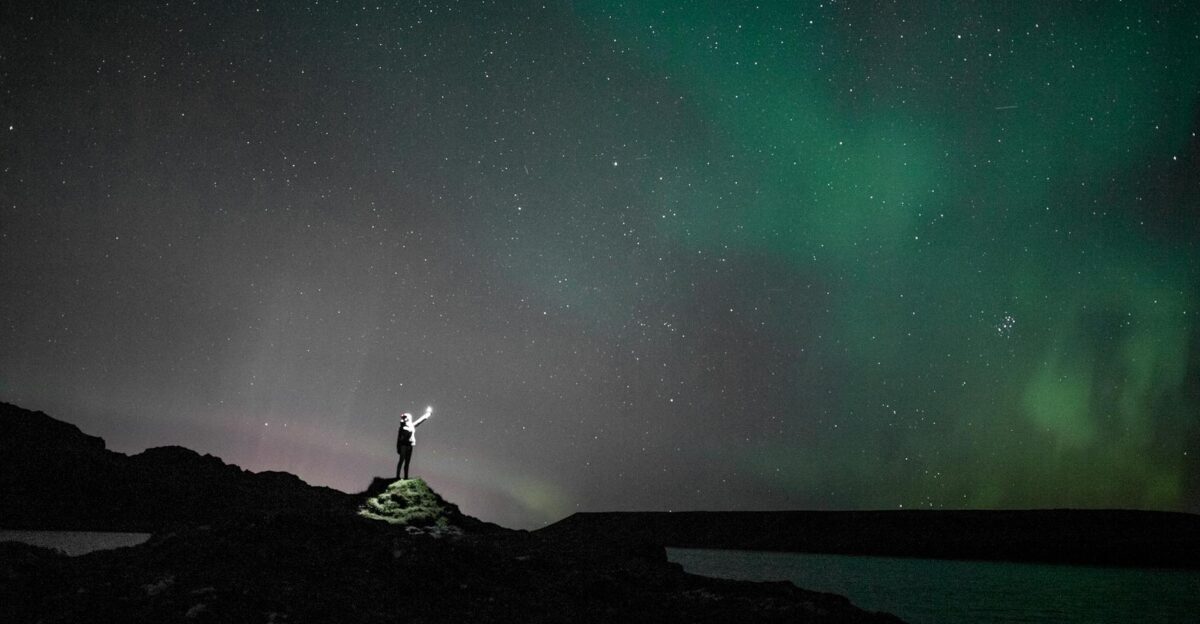
The 2028 eclipse is no longer a distant future event. From January 2026, only 2.5 years separate the present moment from July 22, 2028. Accommodation booking deadlines are quietly approaching. The practical advice from eclipse professionals is unambiguous: book accommodations and secure travel plans at least 18 to 24 months in advance.
For Sydney and regional Australia, that means booking must accelerate immediately. The 2026 Iceland eclipse provides precedent: tours sold out within months.
Why Ancients Feared The Sky
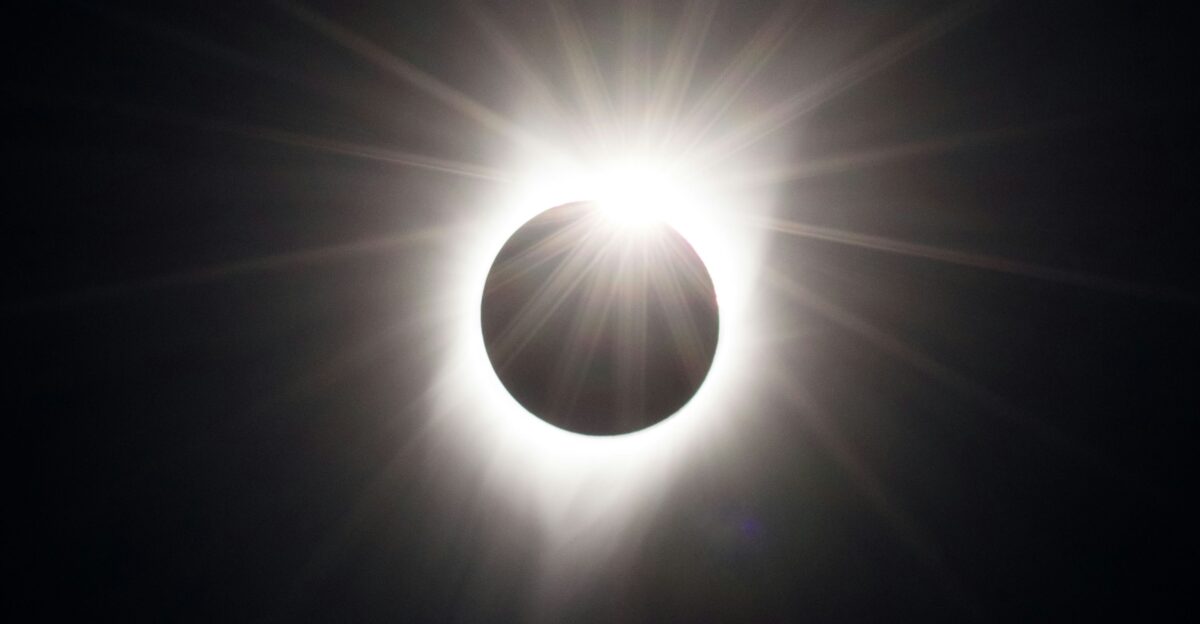
For most of human history, a total solar eclipse was terrifying—a cosmic punishment, an omen, a rupture in the natural order. Ancient peoples lacked frameworks to understand why the Sun disappeared at noon.
Modern humans understand the science completely. Yet when totality arrives, and the sky darkens, that ancient fear momentarily returns. The knowledge that the Moon is simply passing between Earth and Sun does nothing to calm the primal response.
The Countdown Has Begun
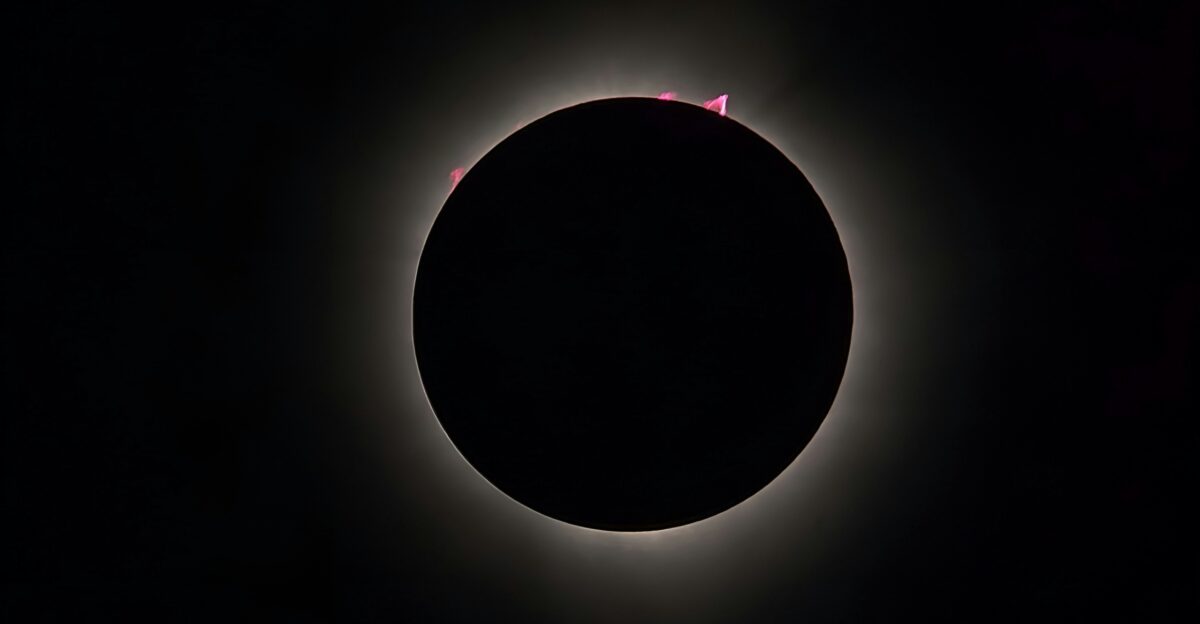
The eclipse will occur exactly on its calculated date, indifferent to human schedules, deadlines, or competing obligations. The Moon doesn’t check calendars or adjust its orbit for holidays, weddings, or work commitments.
On July 22, 2028, a shadow will race across the Southern Hemisphere. Day will turn to night for minutes across two nations. Millions will look up and experience profound cosmic insignificance—the realization that Earth is a small world orbiting within a vast celestial mechanism.
Sources
NASA Eclipse Website – Total Solar Eclipse of July 22, 2028
Australian Astronomical Society – Eclipse Path Data and Duration Specifications
Space.com – Solar Eclipse Temperature Drop and Phenomena Documentation
Science Journal and Nature – Bird Behavior During Total Solar Eclipses (2024-2025 Research)
American Astronomical Society – ISO 12312-2 Eclipse Glasses Safety Standards
Astronomical Society of Australia – Sydney Eclipse Visibility and Totality Duration Analysis