CBS News entered a period of upheaval after announcing a major leadership overhaul in December 2024. The network said Tony Dokoupil would assume the anchor chair of CBS Evening News in January 2026 as part of a broader editorial reset.
The announcement immediately triggered internal pushback, with multiple staff departures reported. At stake is one of broadcast journalism’s longest-running programs and an estimated hundreds of millions of dollars tied to its advertising ecosystem.
A Network Framing the Crisis as a Trust Problem

Network leadership framed the changes as a response to declining public trust in media institutions. Executives argued that restoring credibility required a clear philosophical reset rather than incremental change.
The overhaul was presented as part of a long-term strategy to reposition CBS News amid shifting audience expectations, corporate restructuring, and a rapidly fragmenting media environment where trust is increasingly viewed as a competitive asset.
Viewers React to the Anchor Decision
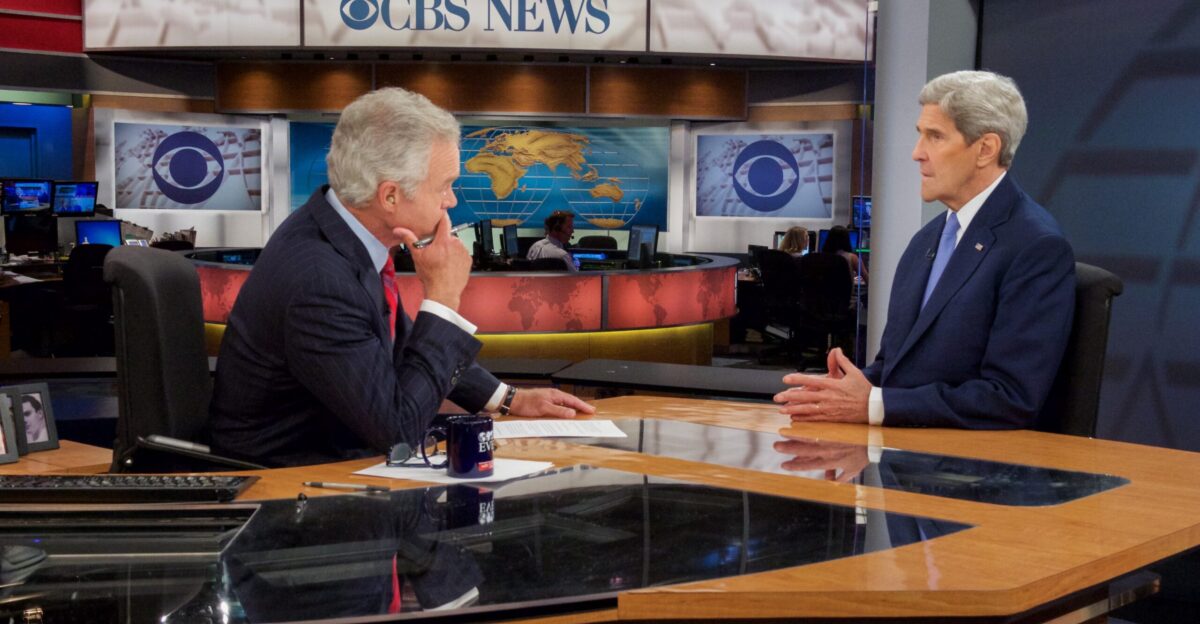
The CBS Evening News has averaged several million nightly viewers in recent years, trailing its two main competitors. News of Dokoupil’s future appointment sparked debate among viewers accustomed to more traditional anchor successions.
Some longtime audience members expressed uncertainty about the direction of the broadcast, while critics warned that further erosion of loyalty could accelerate ratings pressure during an already delicate transition period.
Resignations Signal Deeper Editorial Anxiety
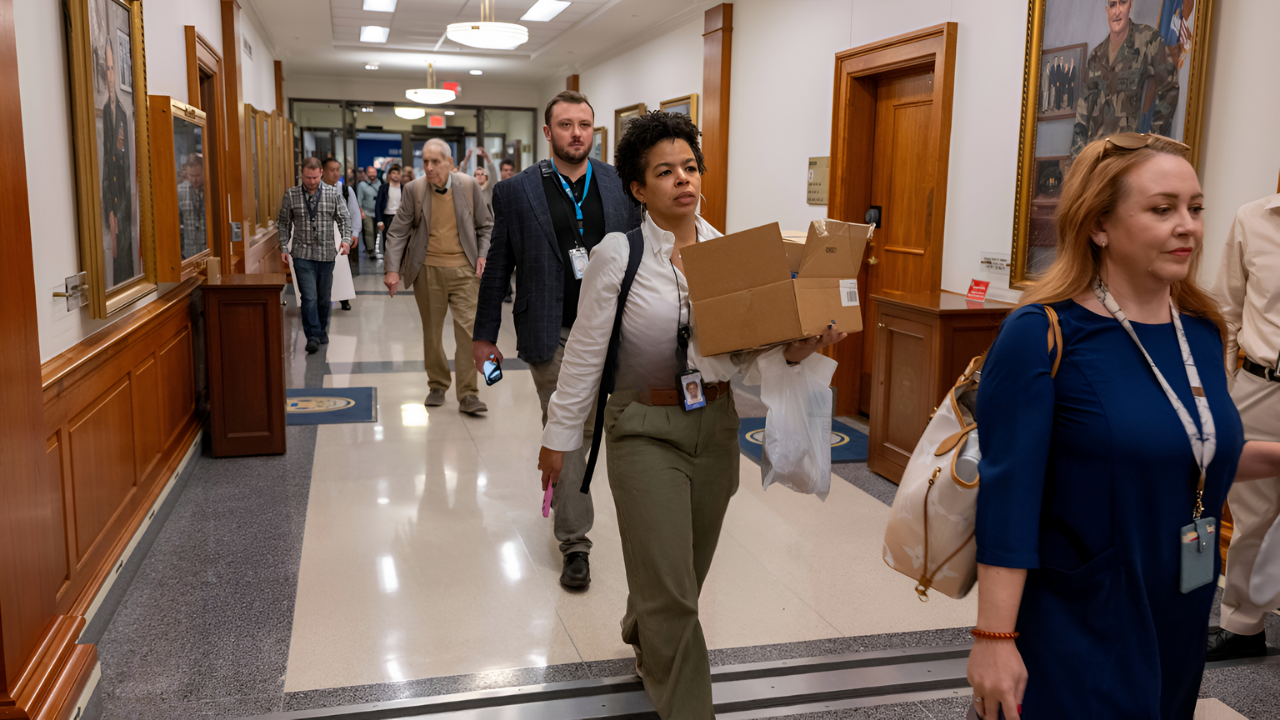
Staff departures following the announcement underscored unease inside the newsroom. While no official tally was released, the exits were described internally as more than routine turnover.
Concerns reportedly centered on editorial independence, newsroom culture, and whether the new leadership structure would fundamentally alter how stories are framed, sourced, and prioritized within CBS’s flagship news division.
Corporate Restructuring Adds Pressure
The newsroom turmoil unfolded against the backdrop of broader corporate restructuring at Paramount Global, including cost controls, potential layoffs, and a pending merger with Skydance.
These moves heightened anxiety among employees, who viewed the editorial shake-up as intertwined with financial pressures. For many inside CBS News, the leadership changes symbolized not just a creative pivot, but a business-driven recalibration.
Advertising Revenue Looms Large

Evening network newscasts remain lucrative despite declining linear TV audiences. Industry estimates place annual advertising revenue for a major evening broadcast in the $200–$400 million range. Any sustained ratings decline could materially affect CBS’s revenue base.
Advertisers, already cautious amid economic uncertainty, closely monitor audience stability, making leadership credibility a direct financial concern rather than a purely editorial one.
New Hires, New Direction

Alongside the anchor announcement, CBS News recruited high-profile talent from rival networks, signaling a deliberate reset.
Leadership positioned these hires as proof of renewed ambition. Internally, however, some staff questioned whether the influx of outside voices reflected confidence or instability, especially as experienced producers and journalists chose to exit rather than adapt to the evolving editorial framework.
Political Scrutiny Enters the Picture

The changes at CBS unfolded amid heightened political scrutiny of major news organizations. Regulatory inquiries, public criticism from lawmakers, and demands for transparency around editorial decisions placed additional strain on the network.
For CBS News, navigating political pressure while restructuring leadership amplified perceptions that the newsroom was entering a more contested and visible phase of its history.
Rivals Poised to Benefit
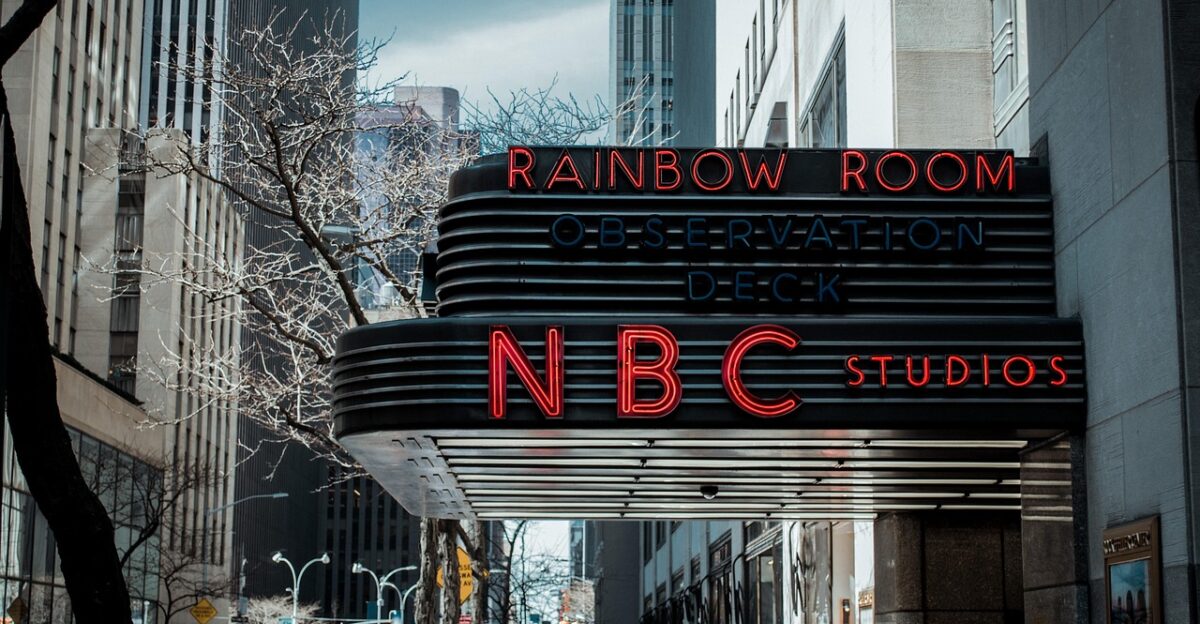
Competitors including ABC and NBC quietly benefited from CBS’s internal disruption. Stable leadership and consistent branding helped rival evening newscasts reinforce audience loyalty during the transition.
Meanwhile, emerging cable and digital-first networks sought to capitalize by recruiting talent and positioning themselves as alternatives for viewers unsettled by changes at legacy broadcasters.
Cultural Clash Inside the Newsroom

At the heart of the controversy lay a cultural divide over journalism’s role. Supporters of the overhaul argued that legacy media must confront skepticism head-on and evolve.
Critics countered that reframing “trust” risked blurring the line between credibility and ideology. This unresolved tension fueled internal debates and shaped decisions by staff weighing whether to stay or leave.
A 60-Year Institution at a Crossroads

For more than six decades, CBS Evening News has been a defining fixture of American broadcast journalism.
The current transition represents one of the most consequential moments in its history. Employees described the shift as generational, with long-standing norms being challenged in favor of a more explicitly values-driven editorial vision.
Audience Habits Continue to Shift
The turmoil comes as viewers steadily migrate away from appointment television. Streaming, social platforms, and podcasts increasingly shape how Americans consume news.
CBS leadership has acknowledged these trends, but critics warn that alienating core viewers during a leadership transition could accelerate audience fragmentation rather than slow it.
Winners and Losers Emerge Early

Corporate partners and competitors may ultimately gain from CBS’s disruption. New leadership figures receive heightened visibility, while rival networks benefit from stability.
Inside CBS, however, uncertainty persists, with morale tested and institutional knowledge walking out the door as resignations accumulate.
Market Watchers Remain Cautious

Investors and advertisers continue to monitor CBS closely as merger discussions, cost controls, and editorial changes converge.
Market reactions suggest cautious optimism tempered by risk. For advertisers, the key question remains whether the network can maintain audience trust long enough to justify premium ad placements during the transition.
The Countdown to January 2026

Tony Dokoupil’s planned debut in January 2026 now serves as a countdown clock for CBS News. The coming months will determine whether leadership can stabilize the newsroom, reassure viewers, and protect revenue.
What unfolds may not only reshape CBS, but also signal how far legacy media is willing to go to redefine trust in a fractured news landscape.
Sources:
- Bari Weiss’s overhaul: Layoffs (~5% workforce in Oct/Nov 2025), hires like Matt Gutman (ex-ABC, chief correspondent Jan 2026), and newsroom backlash.
- Merger: Paramount-Skydance $8.4B deal closed post-FCC approval July 2025 under Trump appointee Carr.
- MSN, Dec 2024: Aggregates early reports on Weiss’s December 2024 appointment post-leadership overhaul, initial tensions, and Paramount-Skydance merger context (announced 2024, FCC-approved July 2025).