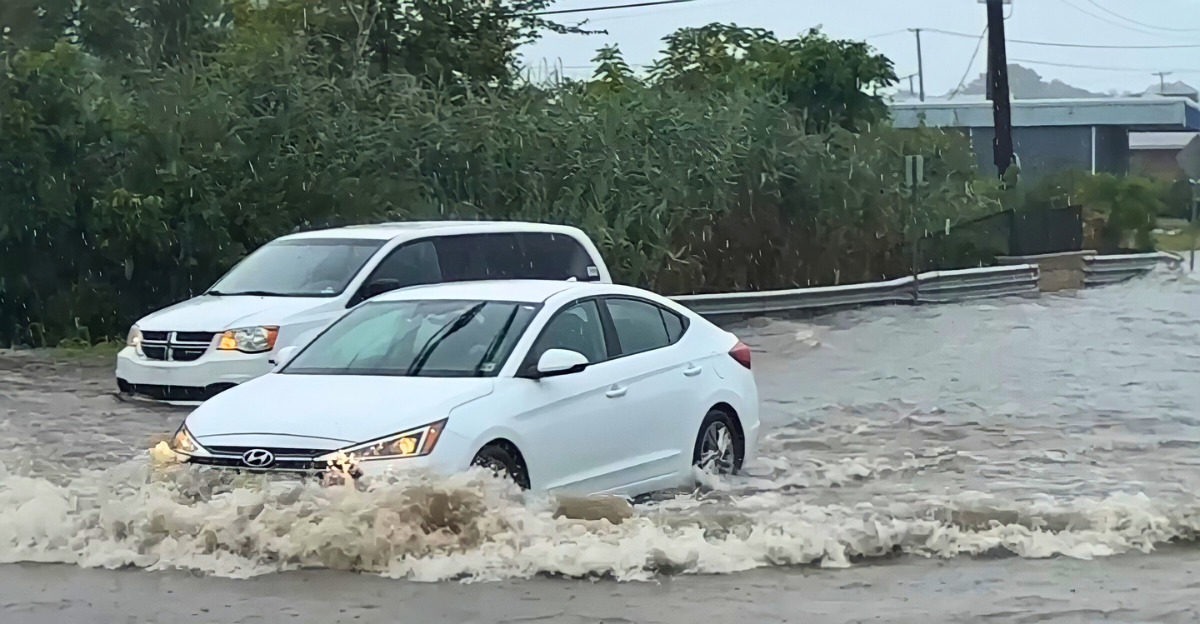
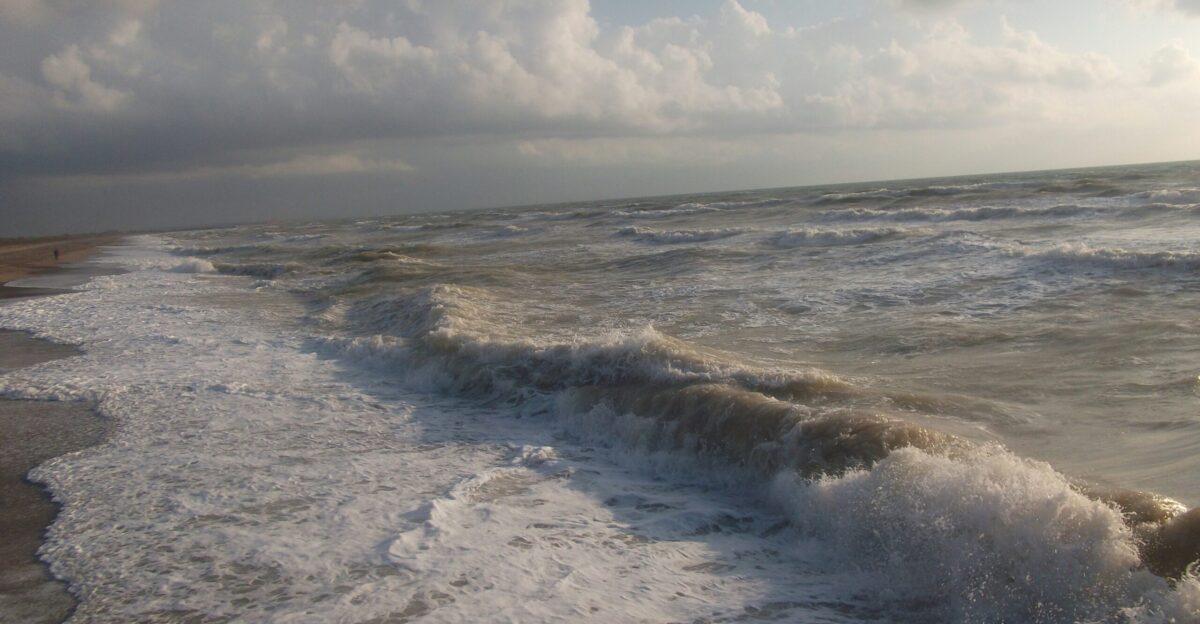
A storm is forming in the Atlantic, producing large waves along U.S. beaches. Meteorologists warn of hazardous surf from North Carolina to New England.
Swimmers and surfers should remain alert as conditions are set to worsen, and officials are monitoring the situation closely.
Escalating Threats
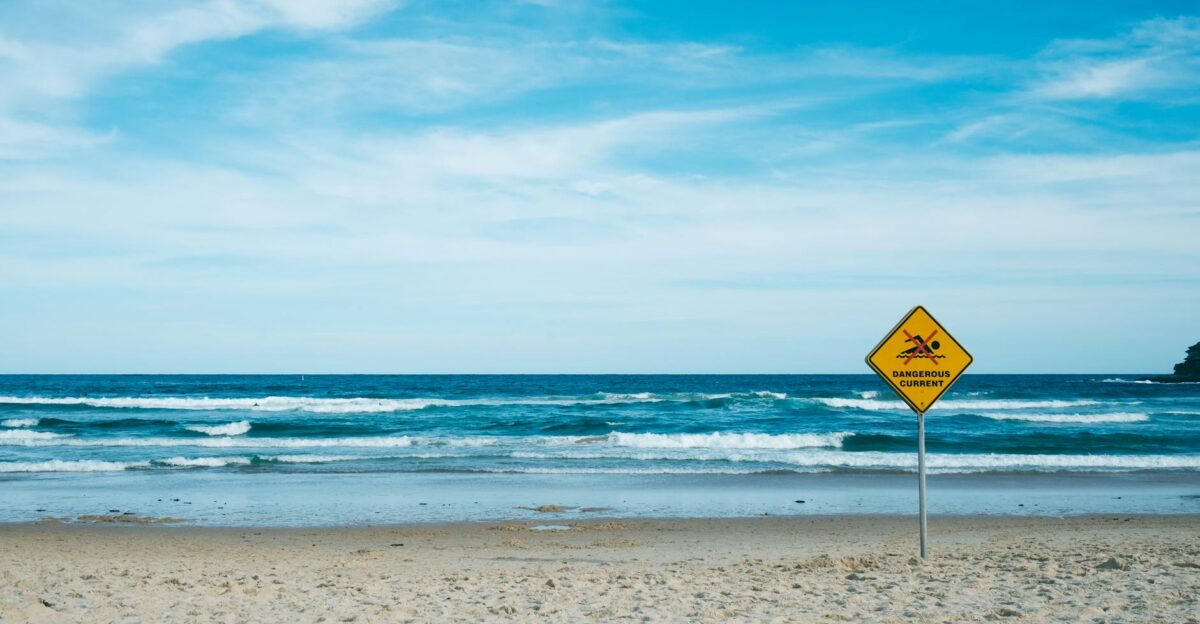
Coastal authorities are warning of heightened dangers due to stronger rip currents.
The National Weather Service has issued alerts for “life-threatening surf and rip current conditions” along the East Coast from North Carolina to New England. The situation is expected to worsen as the offshore storm intensifies.
Hurricane Season Context
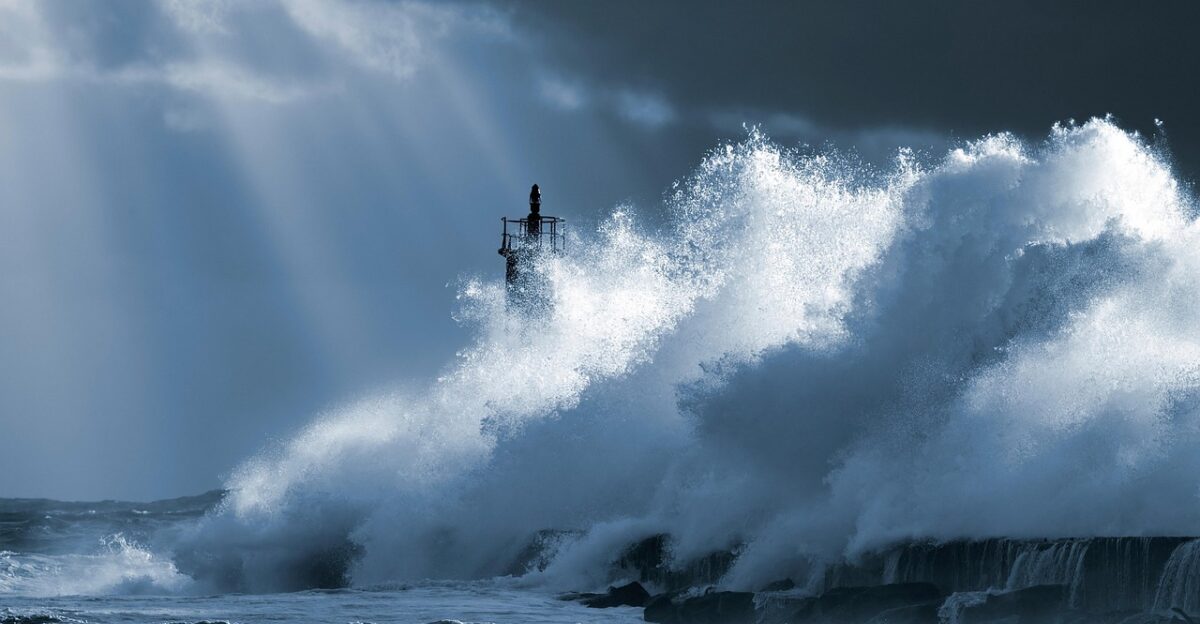
The 2025 Atlantic hurricane season has been relatively calm so far, with seven named storms: Andrea, Barry, Chantal, Dexter, Erin, Fernand, and Gabrielle. Only two of these have strengthened into hurricanes—Erin at Category 5 and Gabrielle at Category 4.
Recently, meteorologists have noted an uptick in activity, with several systems under watch as the season approaches its peak, heightening concerns for coastal communities.
Mounting Meteorological Pressure
Forecasters are currently observing a complex situation in the Atlantic Ocean, which has been characterized as “an utter mess” due to multiple tropical waves competing for attention.
The National Hurricane Center is monitoring two additional systems, designated as Invest 93L and 94L, both of which show potential for development. This crowded atmospheric environment adds a layer of complexity to predictions and heightens uncertainty for the U.S. East Coast.
Major Hurricane Gabrielle Confirmed
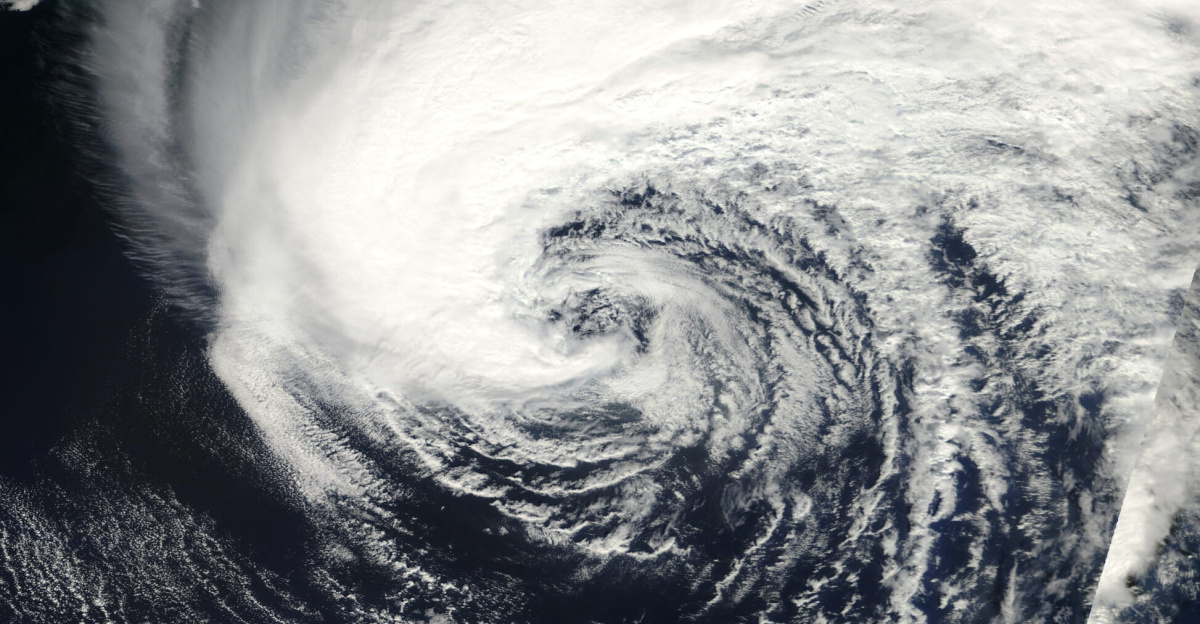
On September 22, 2025, Hurricane Gabrielle intensified to a Category 4 storm, with sustained winds of 140 mph.
The National Hurricane Center confirmed this at 9:00 AM AST in Special Advisory Number 22, warning of hazardous surf and rip currents along the U.S. East Coast. Gabrielle is the seventh named storm and second hurricane of the 2025 Atlantic season, with its effects being felt widely despite the core remaining offshore.
East Coast Impact
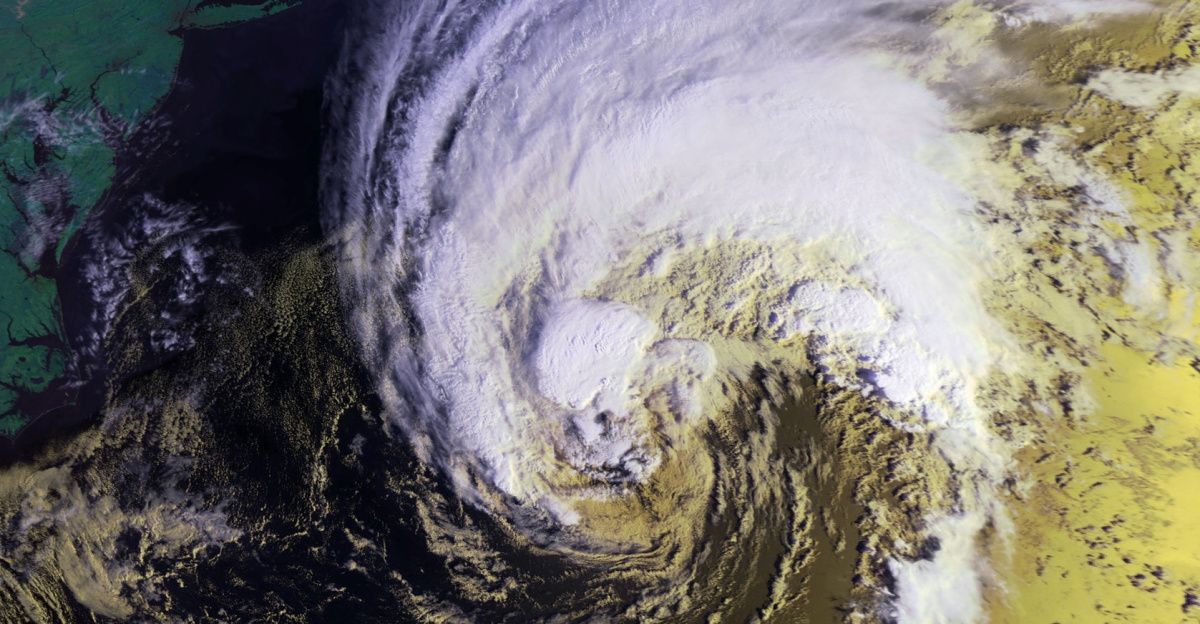
Swells from Hurricane Gabrielle are affecting beaches from North Carolina northward. The National Weather Service warns of hazardous swimming conditions, urging residents to stay out of the water.
According to NHC Advisory 27A issued at 2:00 PM AST on September 23, “These swells are expected to produce life-threatening surf and rip current conditions” along the entire U.S. East Coast. Lifeguards have posted red flags, and local authorities are on alert for emergencies.
Swimmers at Risk
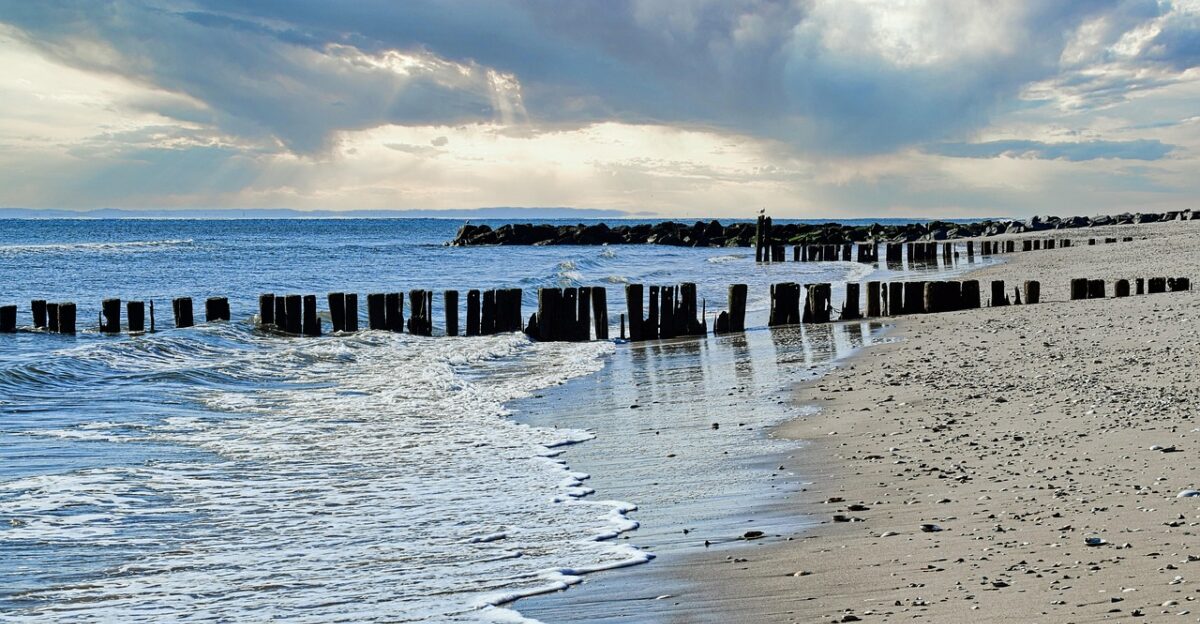
Emergency responders have rescued swimmers caught in rip currents this week, including documented rescues near Rockaway Beach on September 15. Florida Today stated, “Weather officials warn even strong swimmers to stay out of the ocean, saying entering the surf is ‘strongly discouraged'”
The warnings are clear, but some beachgoers continue to underestimate the danger, putting lives at risk.
Regulatory Response
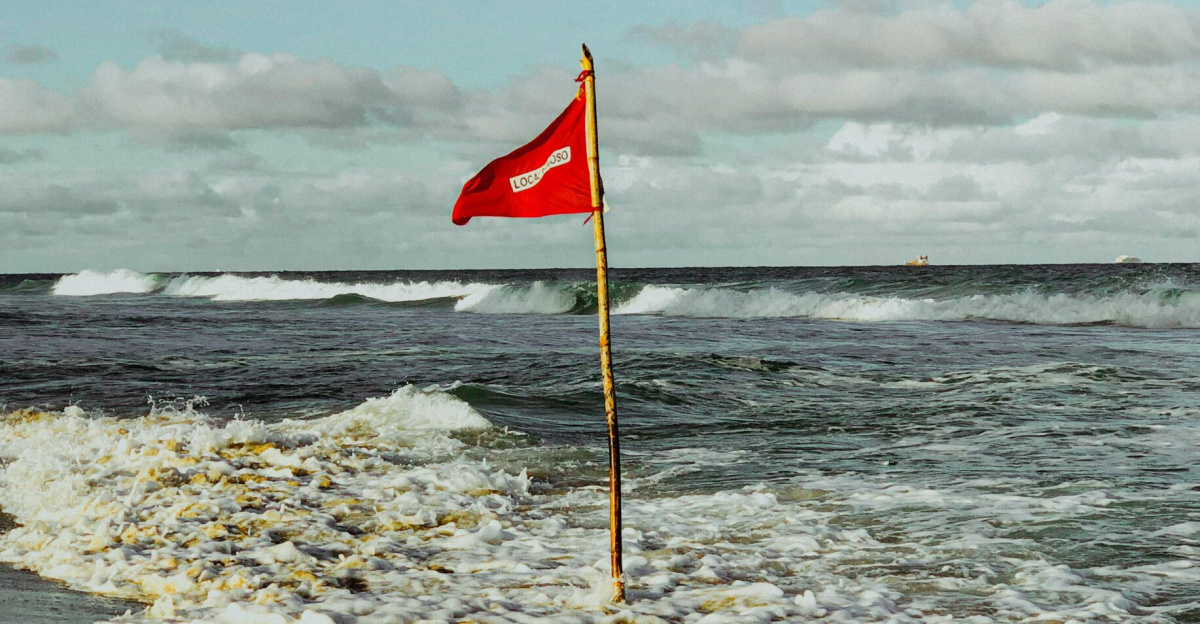
Coastal towns have issued public safety advisories, and the National Weather Service is posting “HIGH RIP CURRENT RISK” warnings for New Jersey and Delaware beaches through Wednesday.
The National Hurricane Center updates advisories every six hours, with local governments coordinating with federal agencies to ensure public safety. Despite a swift response, challenges remain as conditions change.
Hurricane Patterns
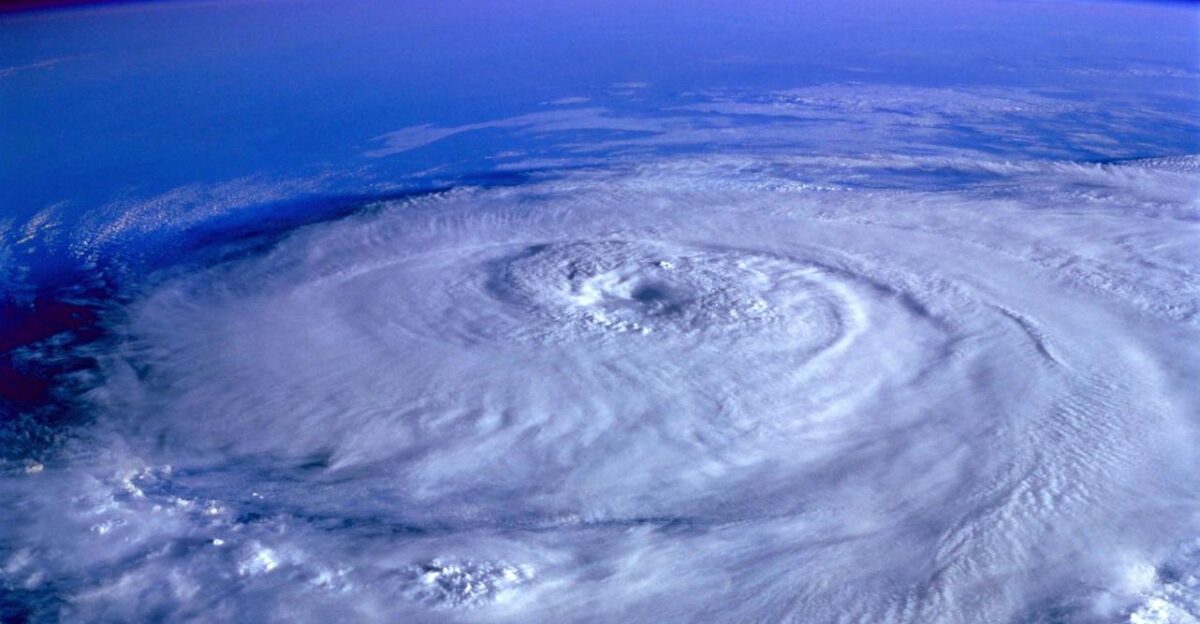
Experts highlight that Gabrielle is the season’s second hurricane, and it and Erin have become major hurricanes, which is unusual.
According to Dr. Phil Klotzbach, hurricane specialist at Colorado State University, “the last instance of the first two hurricanes in a season achieving major status was in 2011 with Irene and Katia.” Meteorologists attribute rapid intensification to changes in atmospheric patterns and warmer ocean temperatures.
Surfers Drawn In
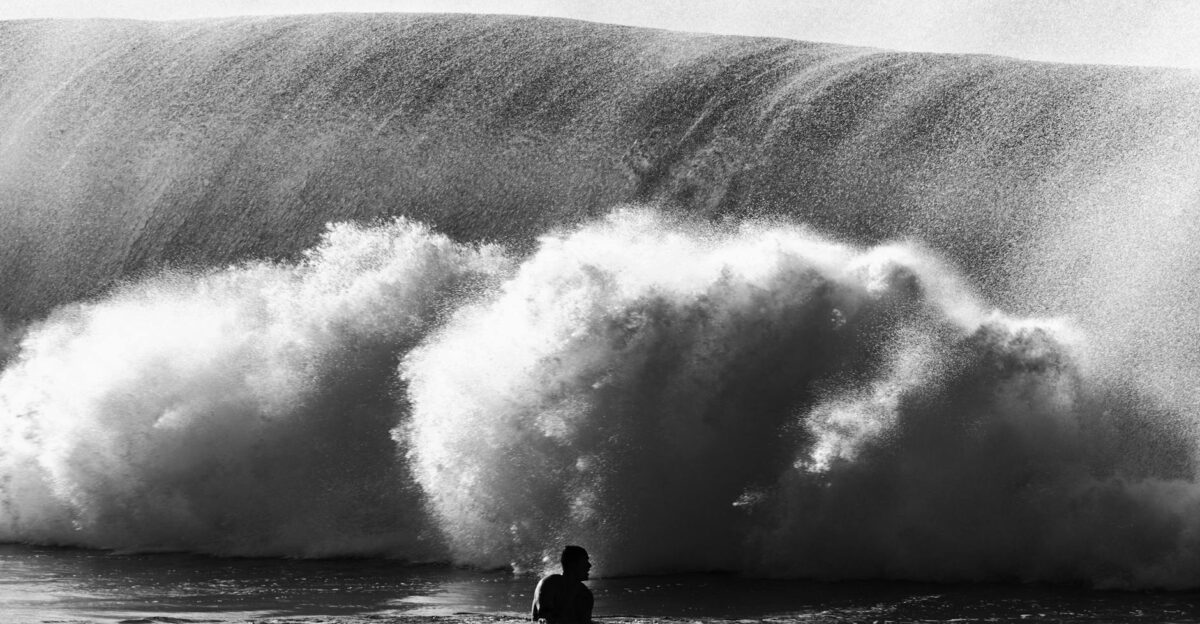
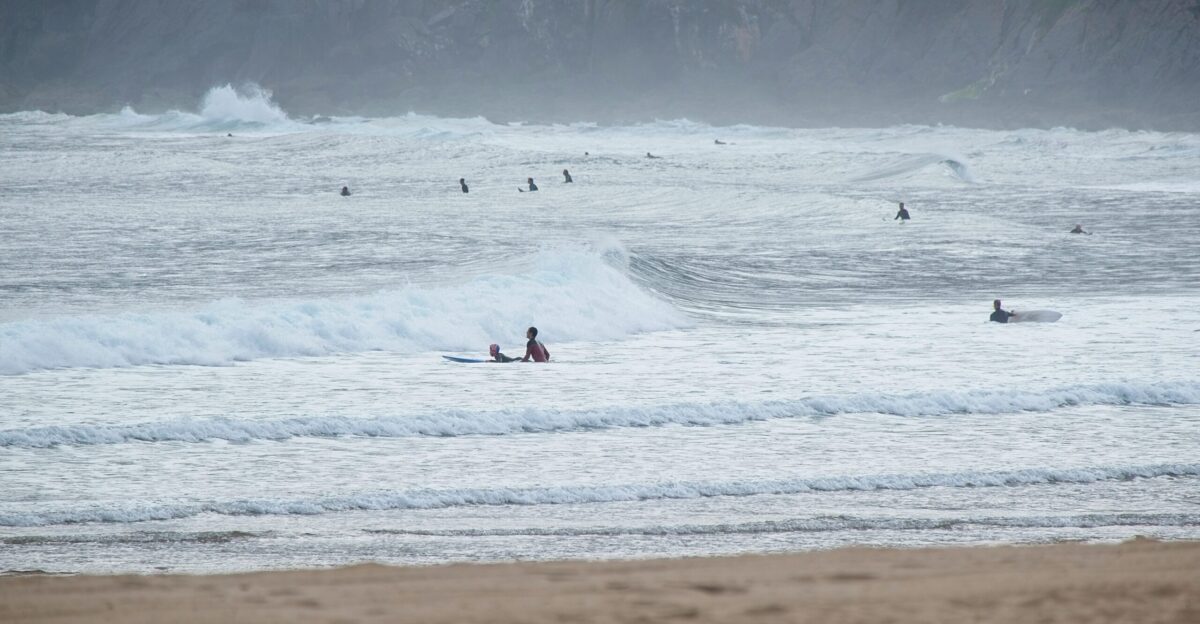
Despite warnings, some surfers are riding the large swells from Hurricane Gabrielle.
Weather Channel meteorologists note that these enticing waves can be unpredictable and quickly turn dangerous. Surfers must understand the significant risks involved.
Frustration Among Stakeholders
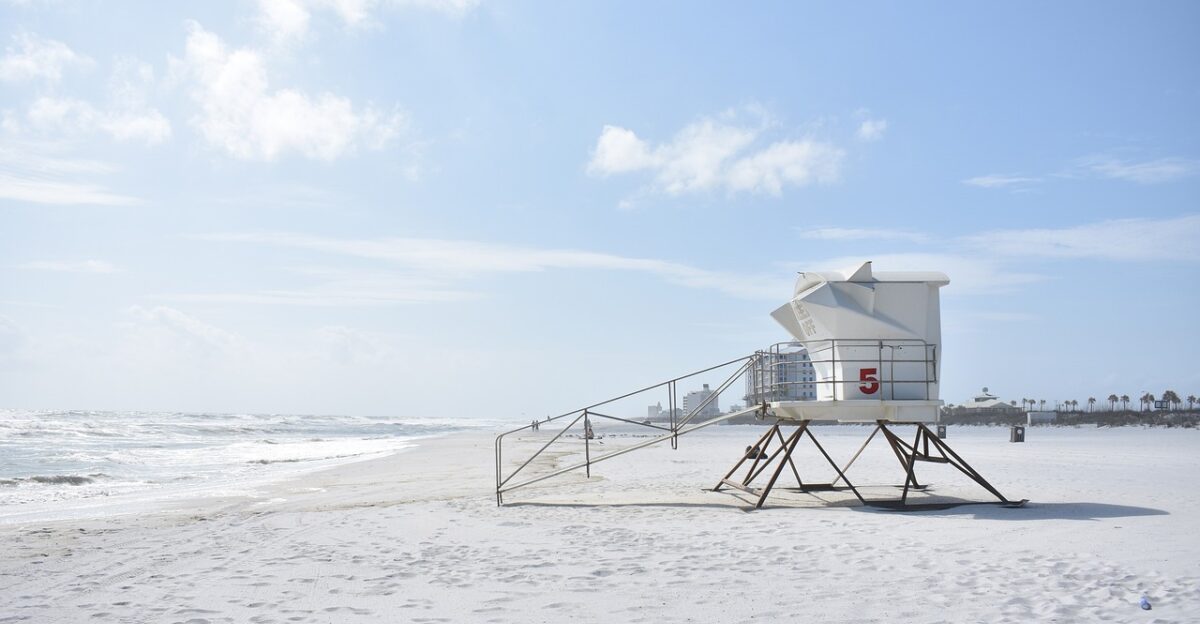
Local businesses reliant on beach tourism express frustration as closures and warnings drive away visitors. Lifeguards and emergency personnel are stretched thin, responding to repeated calls for assistance.
The tension between safety and economic concerns is palpable along the coast, particularly as the season approaches the end of the traditional tourist period.
Leadership in Crisis
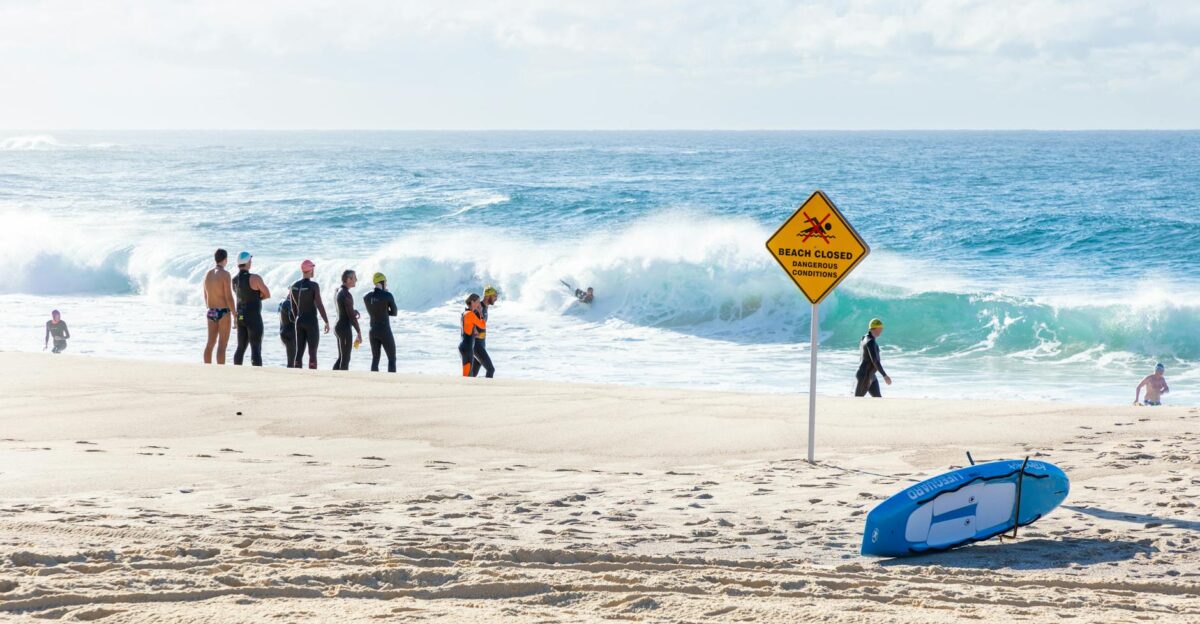
Municipal leaders are stepping up, holding press conferences and issuing clear directives. Coordination with the National Hurricane Center ensures that messaging remains consistent across jurisdictions.
Some towns have appointed emergency managers to oversee response efforts and streamline communication with residents during this active period.
Recovery Planning
Communities are preparing for post-storm recovery even as the threat continues. Plans include beach restoration, public education campaigns on rip current safety, and support for affected businesses.
Officials emphasize the importance of resilience and learning from each event to improve future responses, particularly given the late surge in activity this season.
Expert Outlook
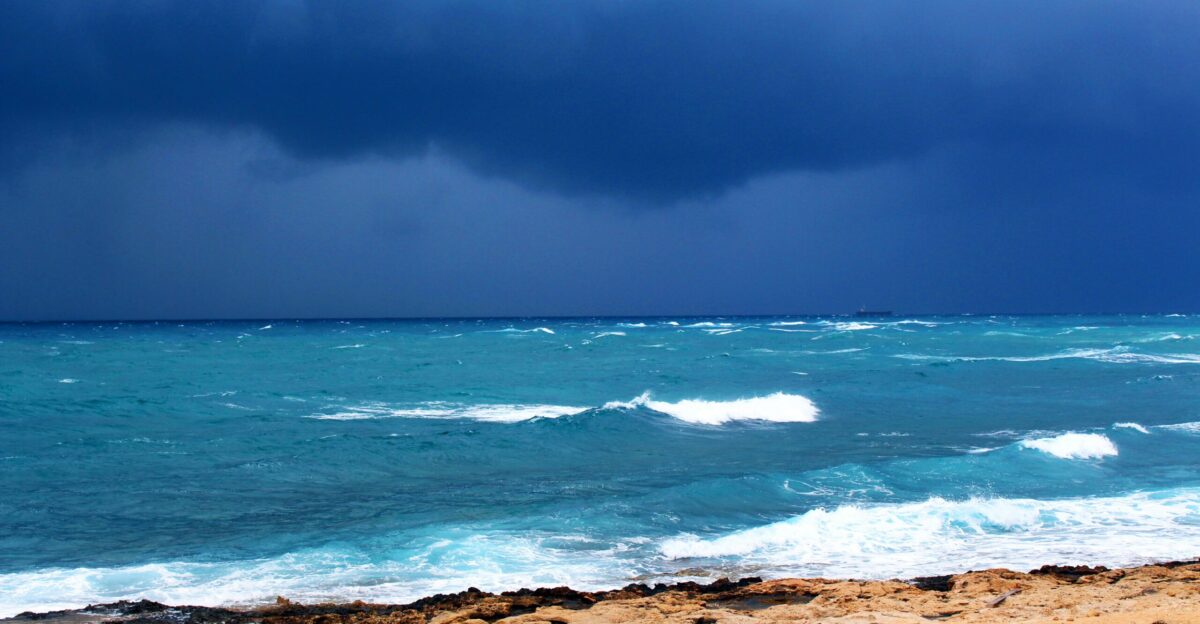
Meteorologists remain cautious, noting that Gabrielle’s path keeps it offshore but its impacts are far-reaching. “The entire pattern warrants close observation for the East Coast over the coming week,” said Houston-based meteorologist Matt Lanza in his Substack, “The Eyewall.”
With the season producing two major hurricanes out of only two total hurricanes, forecast uncertainty remains high due to multiple interacting systems in the Atlantic basin.
Looking Ahead
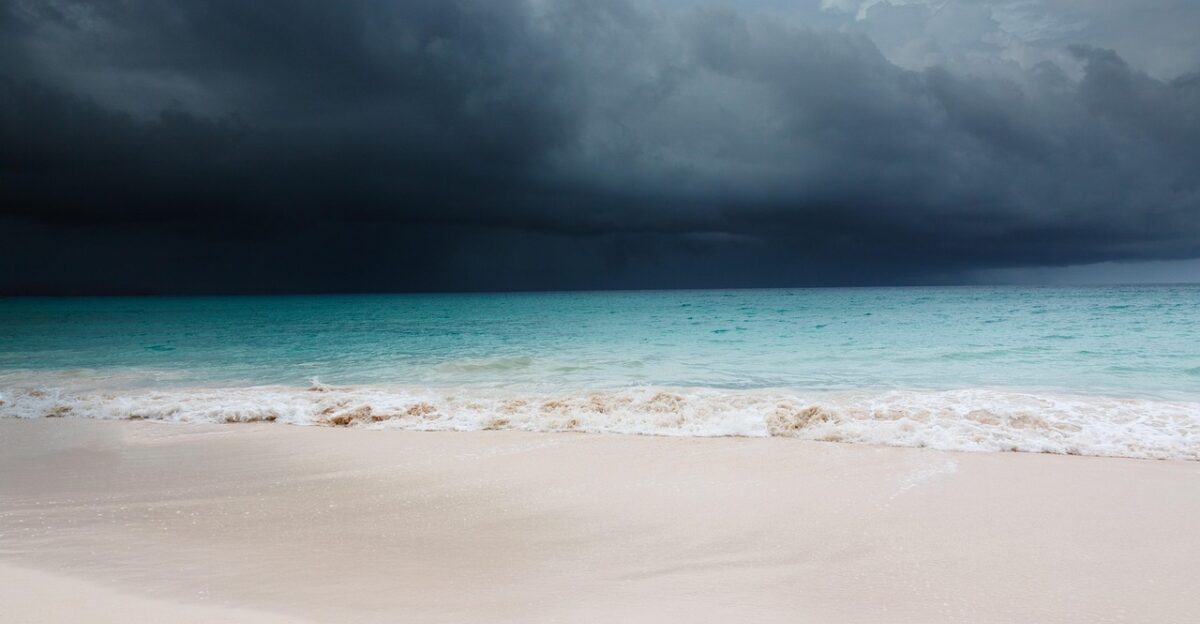
With Gabrielle moving northeast, attention shifts to two new tropical waves in the Atlantic (Invest 93L and 94L). Both have significant development potential, with the next storm names being Humberto and Imelda.
Their trajectories could bring further hazards to the U.S. coast. Residents are urged to stay informed as the situation evolves during this active phase of the season.
Policy Implications
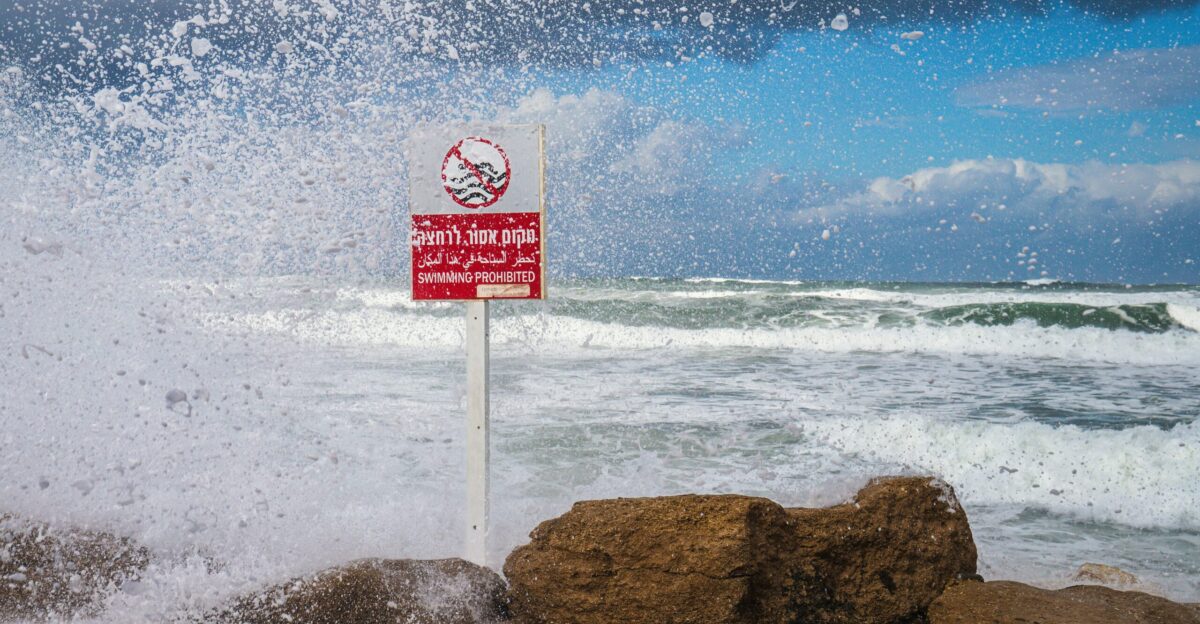
The recurring threat of dangerous surf and rip currents prompts calls for improved coastal safety policies.
Some officials advocate for stricter enforcement of beach closures and enhanced public warning systems to reduce preventable drownings during hurricane season, particularly as climate change may contribute to more intense storms.
International Ripple Effects
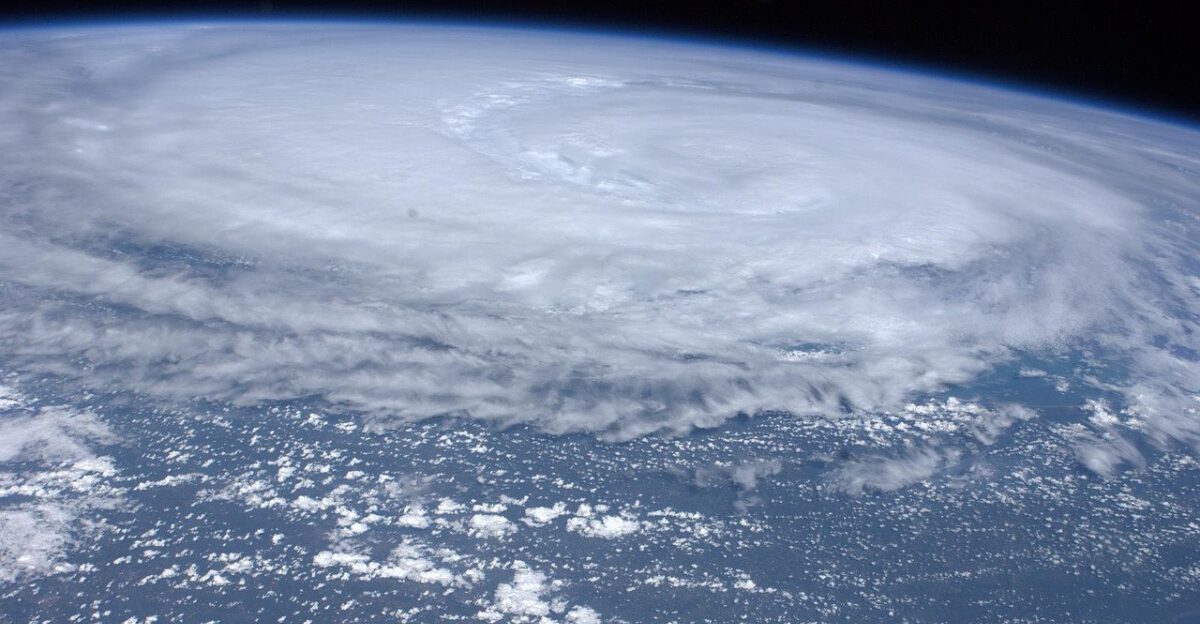
Gabrielle’s influence extends beyond the U.S., with Bermuda experiencing rough surf and gusty winds as the storm passed nearby.
The Azores are also under a hurricane watch, with strong winds expected later in the week. The storm’s reach demonstrates how major hurricanes can have trans-Atlantic impacts.
Environmental Concerns
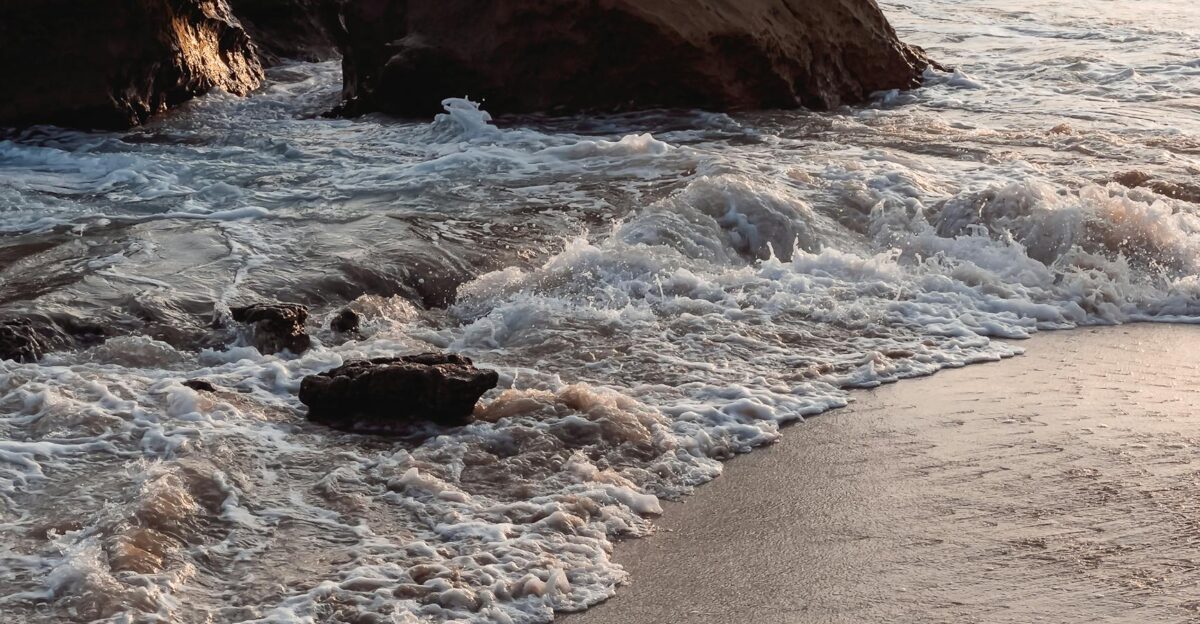
Repeated storm-driven erosion is damaging East Coast beaches. Environmental groups warn that intensified hurricanes and frequent high surf events threaten fragile coastal ecosystems, accelerating habitat loss and complicating long-term conservation efforts.
Both major hurricanes this season have contributed to these ongoing challenges.
Cultural Shifts
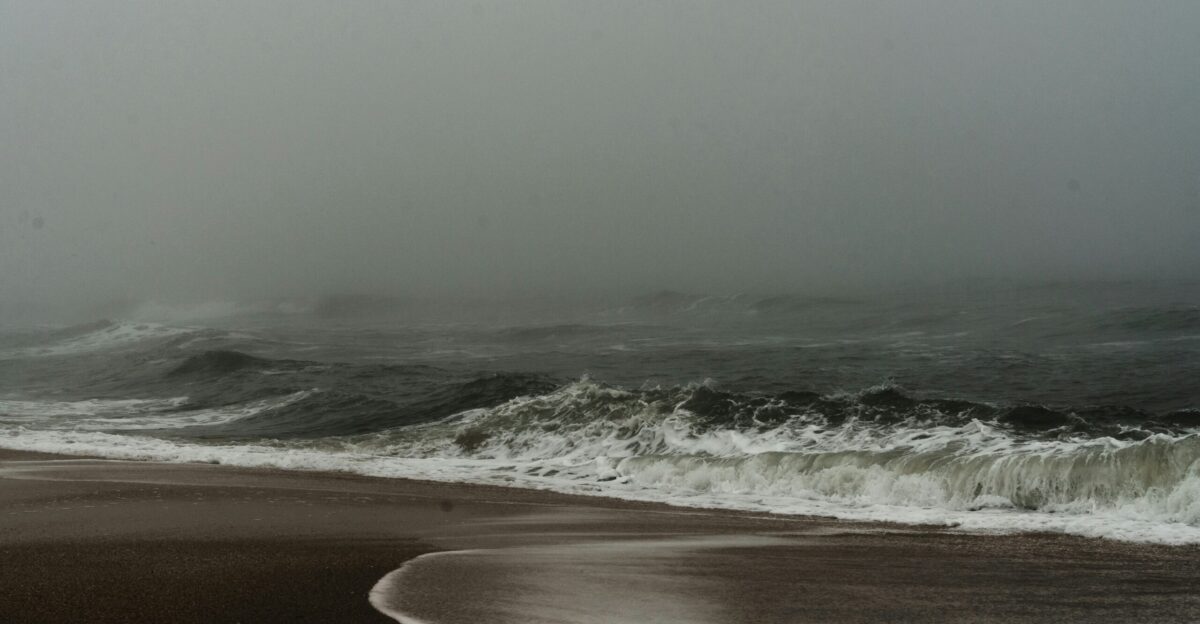
Public attitudes toward hurricane risk are evolving. Increased awareness of rip current dangers prompts more people to heed warnings, but some still underestimate the threat.
Education campaigns aim to shift cultural norms around beach safety during storm events, particularly as powerful hurricanes like Erin and Gabrielle can generate dangerous conditions even when remaining offshore.
Why It Matters Now
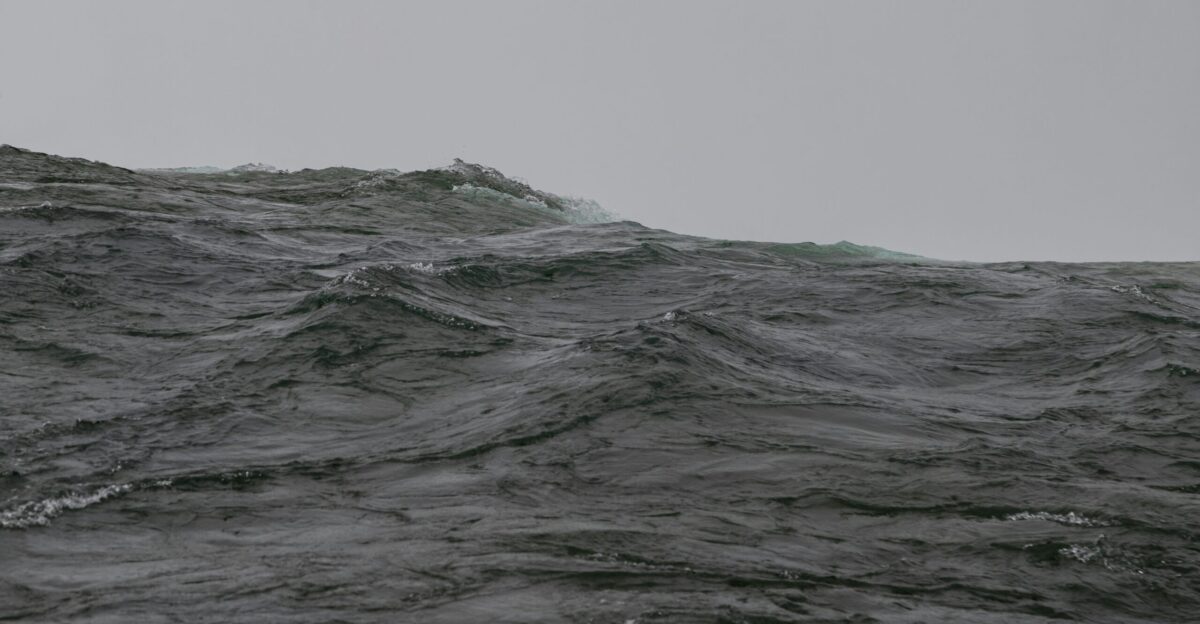
Hurricane Gabrielle’s impact is a stark reminder of the ongoing risks posed by powerful storms—even when they remain offshore. As climate patterns shift and both hurricanes this season reach major status, vigilance and preparedness are more important than ever for coastal communities.
The 2025 season demonstrates that intensity can compensate for frequency in terms of impact.