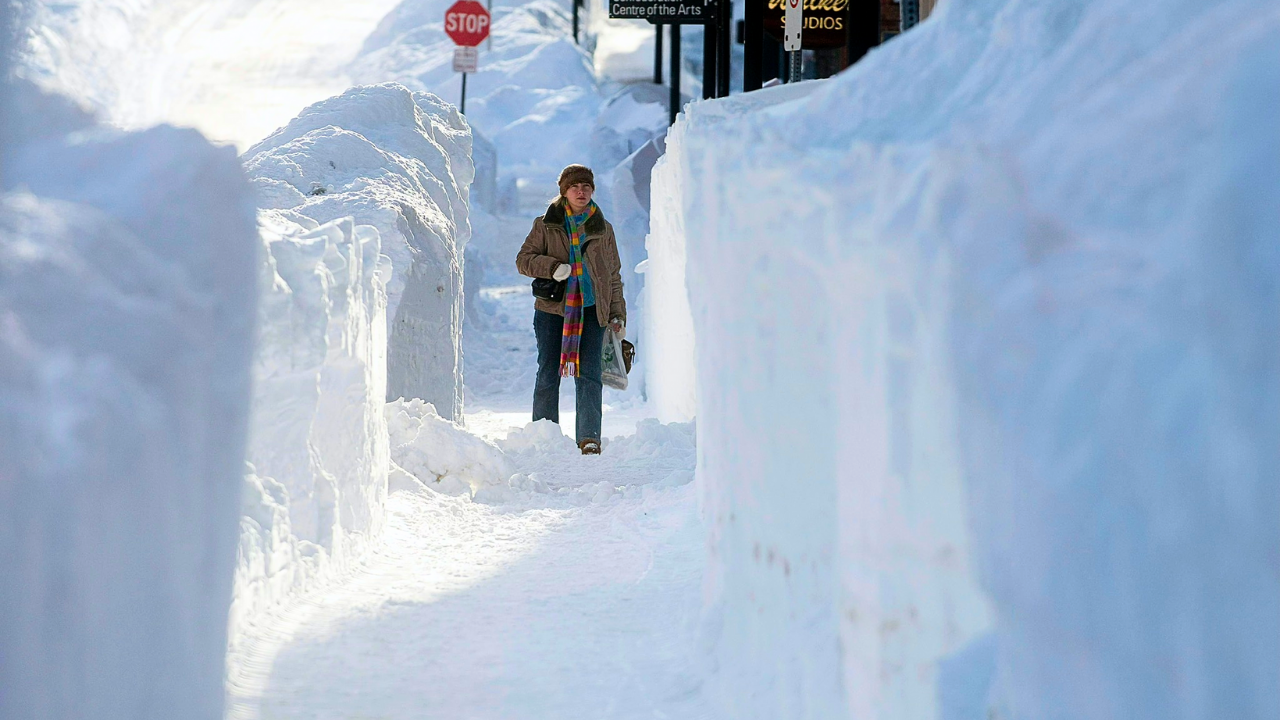
A powerful winter storm is poised to blanket more than 35 states from Texas to the Carolinas this weekend, threatening to paralyze major southern cities with dangerous ice accumulation. Meteorologists warn that the collision of Arctic air and warm Gulf moisture could lay down as much as an inch of glaze, crippling power networks and freezing key transportation corridors. Dallas, Atlanta, and Charlotte are among the metropolitan areas bracing for widespread outages and frozen roads as emergency declarations ripple across the region.
The Science Behind the Freeze
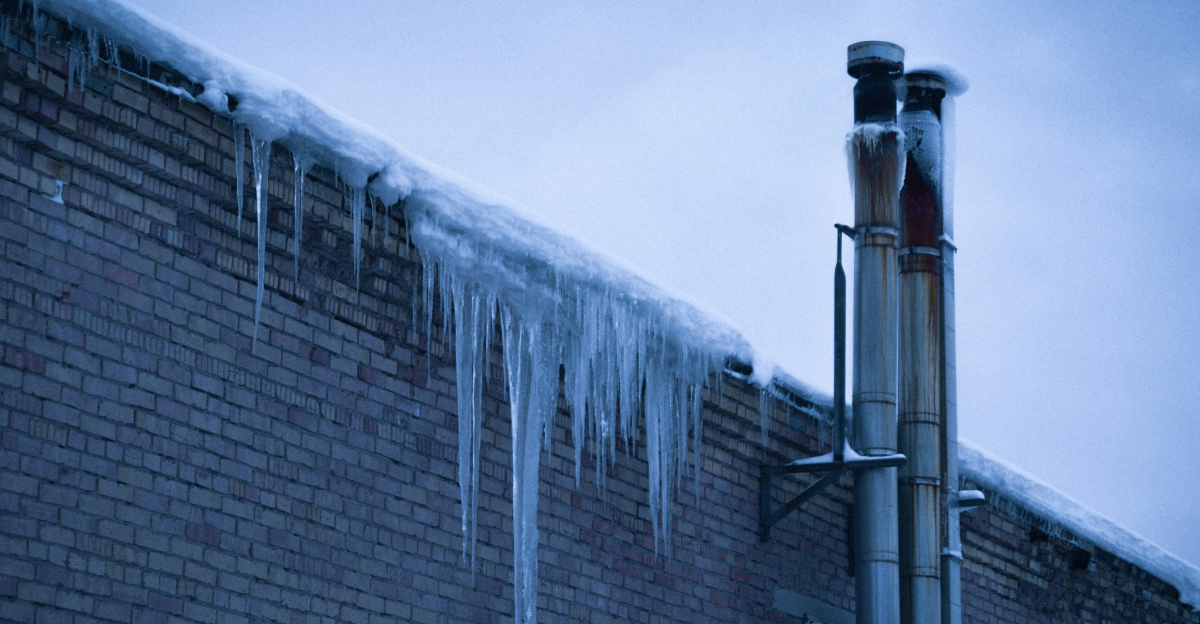
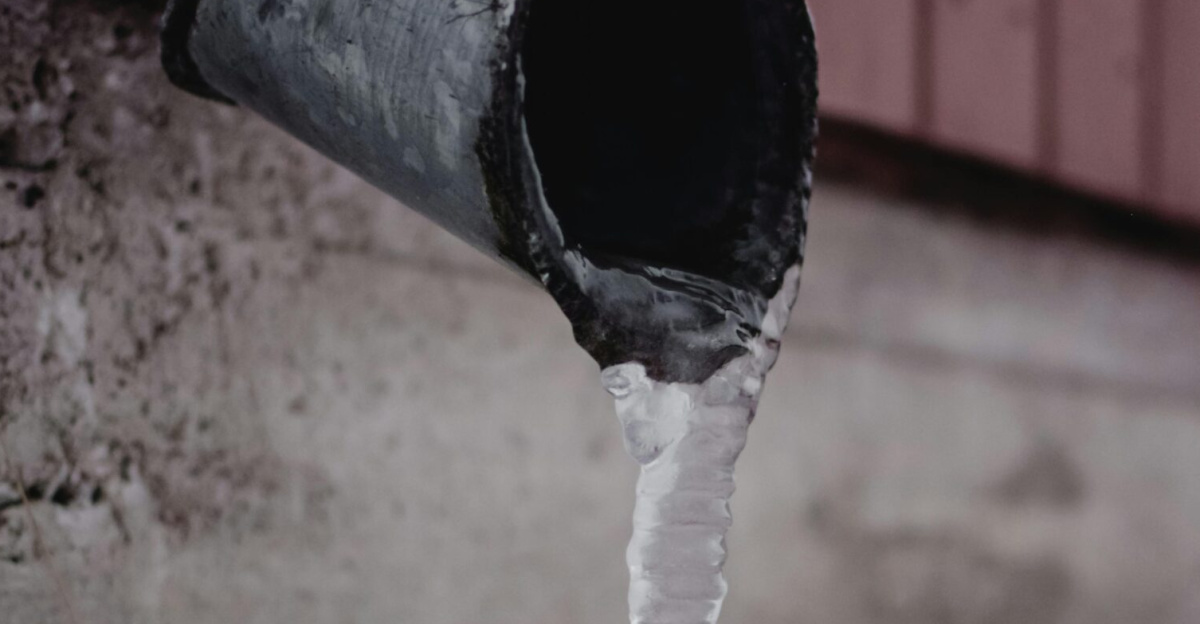
Forecasters call this system extraordinary even for midwinter. The storm’s danger lies not in heavy snow but in layers of freezing rain that form when warm air aloft passes over a subfreezing surface. The resulting ice clings to everything it touches—coating trees, bridges, and power lines with destructive weight. In regions unaccustomed to such events, the lack of equipment to remove ice intensifies the threat. A half-inch coating, experts say, can bring down entire sections of the electrical grid, leaving hundreds of thousands without power or heat.
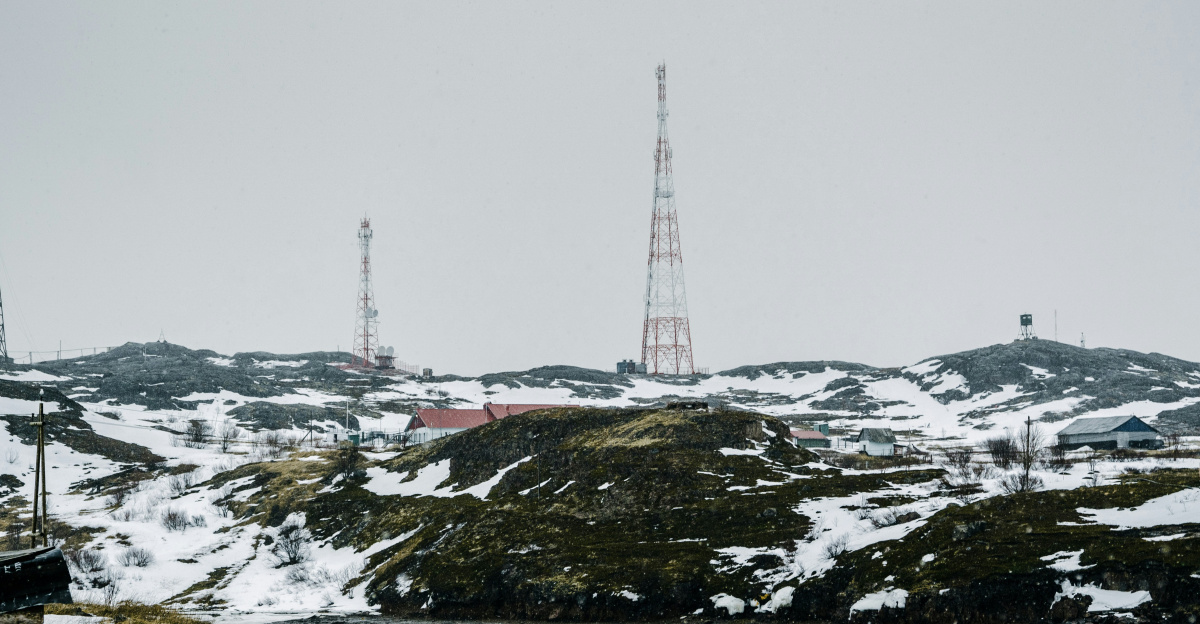
Meteorologists stress that freezing rain is far more hazardous than snow because it solidifies instantly on contact, turning roads into sheets of glass. Southern states, with limited deicing capacity, face conditions that can shut down travel for days and stretch emergency services beyond capacity.
Power and Infrastructure Under Strain
Utility companies across Texas, Arkansas, and the Carolinas are mobilizing response crews ahead of the storm, rerouting workers from neighboring regions and suspending routine maintenance to concentrate on repairs. Keith Avery, CEO of Newberry Electric Cooperative, warned that even modest accumulation could devastate infrastructure and prolong outages for days or longer. With temperatures expected to linger below freezing, restoring power may prove slow and dangerous.
Officials urge residents to prepare for extended blackouts by stocking food, water, and blankets, with particular attention to elderly or medically vulnerable neighbors. Frozen pipes and shortages of heating fuel could compound the crisis. Meteorologists advise insulating homes, charging devices, and keeping generators safely ventilated to prevent carbon monoxide poisoning during outages.
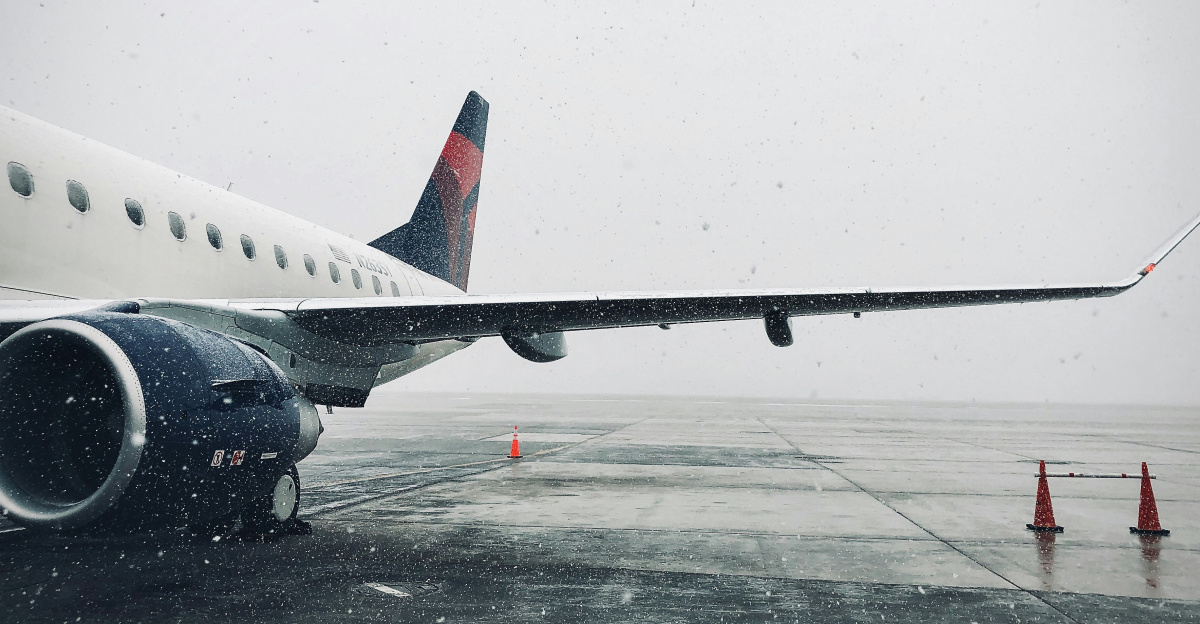
Transportation networks are also expected to falter. More than 4,000 flights have already been canceled nationwide, centered on Dallas–Fort Worth, Atlanta Hartsfield–Jackson, and Charlotte Douglas airports. Runways coated with ice prevent crews from deicing aircraft or maintaining safe operations, forcing airlines to suspend service until conditions improve. On the ground, major highways like Interstates 20 and 40 could remain impassable, cutting off supply routes for days and delaying the delivery of groceries, fuel, and medical supplies.
States Declare Emergencies
Governors across the South have issued emergency declarations in advance of the storm to expedite access to resources and activate the National Guard. These measures enable faster distribution of generators, food, and shelter materials as conditions worsen. In some areas, shelters are being prepared for residents displaced by power loss or impassable roads.
Emergency directors caution that response times for accidents or medical calls may slow dramatically. Ambulances and fire trucks face the same treacherous conditions as other vehicles. Hospitals are preparing for an influx of cold-related cases, including frostbite and hypothermia, as temperatures plunge and heating systems fail.
Economic Fallout and Industry Response
The cascading effects of the storm are already rippling through the economy. Airlines and hotels face lost revenue from delayed travel, while generator suppliers and hardware stores report surging demand for backup power equipment. Major retailers and delivery companies, including Walmart and Amazon, have warned of shipping delays as trucking routes freeze over. Fuel shortages may emerge as tanker deliveries are disrupted, prompting consumers to top up supplies ahead of the storm.
Insurance companies expect a rise in property damage claims from falling trees, burst pipes, and structural collapse. The storm’s timing—just weeks into the new year—adds to a growing financial strain from recent bouts of extreme weather across the country. Economists note that while grocers and hardware stores may see short-term gains, the overall impact on productivity and infrastructure repair could prove costly.
Weathering the Aftermath
As the storm’s reach expands, millions of residents face a test of resilience in a region historically unaccustomed to prolonged ice emergencies. For families, especially those with young children or dependent relatives, school closures and childcare disruptions add further hardship. Remote work and online learning could falter if internet and power infrastructure collapse.
Meteorologists say the system underscores the South’s vulnerability to winter extremes and the growing importance of preparing for a wider range of climate hazards. Once the ice thaws and cleanup begins, experts predict renewed discussion about strengthening the power grid, investing in cold-weather infrastructure, and improving emergency coordination. While recovery may take weeks, the lessons from this storm could reshape how southern states confront future bouts of extreme cold—transforming a crisis into a catalyst for greater resilience.
Sources:
“Potentially catastrophic winter storm now threatens over 35 states, prompts Winter Storm Watches for millions.” Fox Weather, 19 Jan 2026.
“Major snow, ice storm to affect more than 150 million people in southern, eastern US.” AccuWeather, 21 Jan 2026.
“This Is Not an Average Winter Storm, Weather Experts Warn.” The New York Times, 22 Jan 2026.
“Massive winter storm expected to dump snow and ice across US South.” BBC News, 21 Jan 2026.