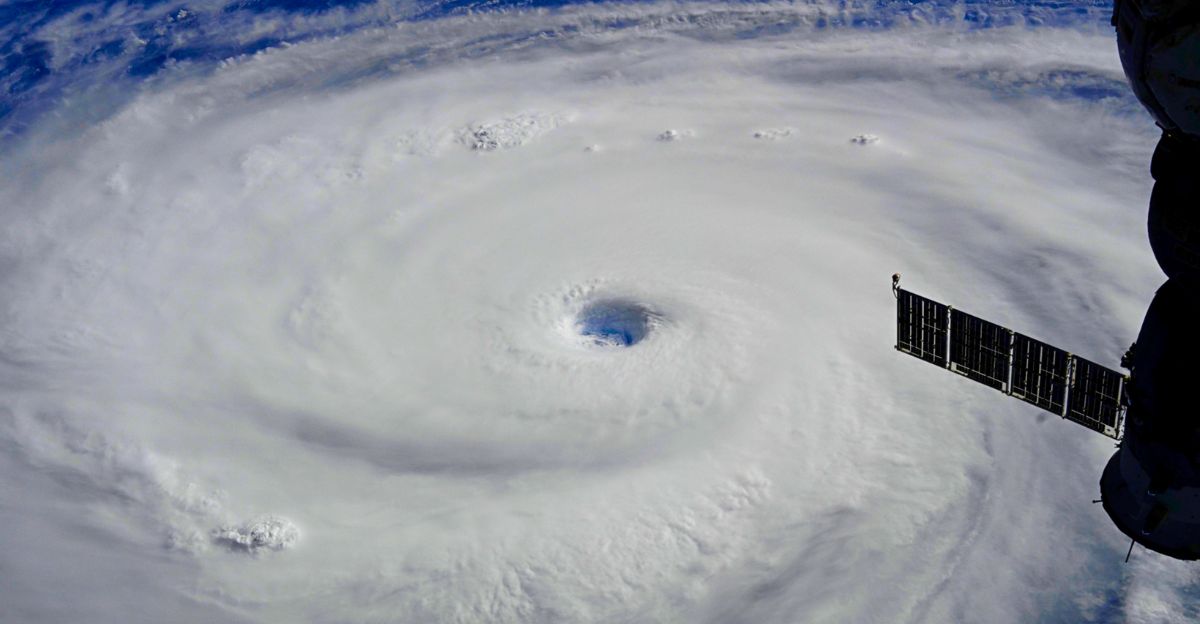
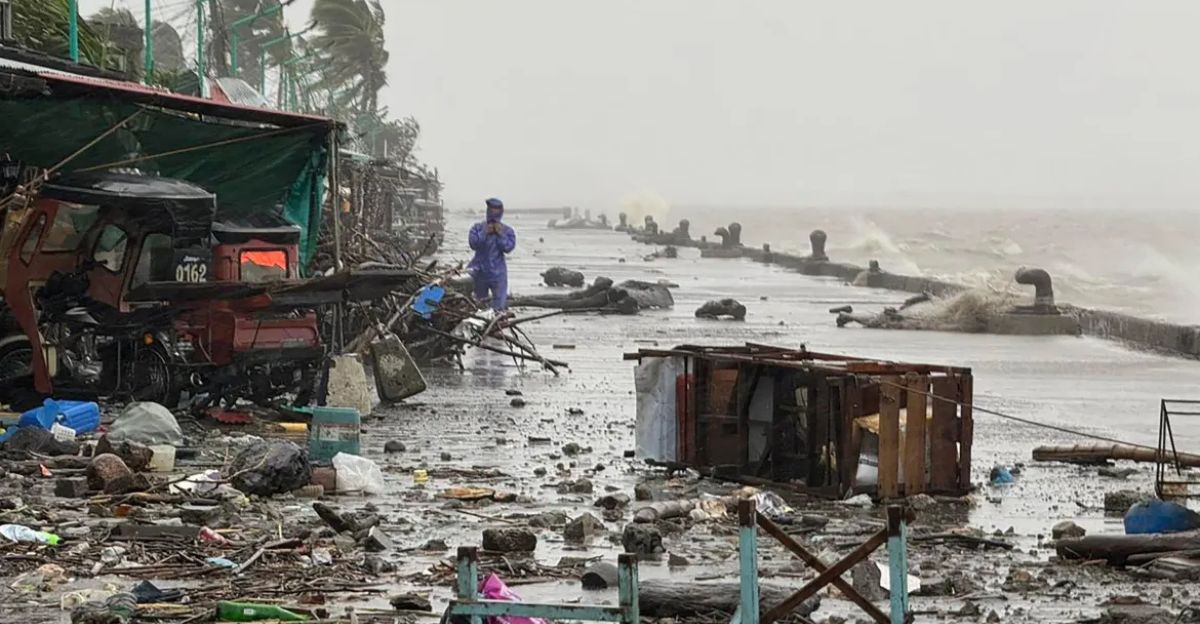
Super Typhoon Ragasa, locally called Nando, smashed into Panuitan Island in the Babuyan group with massive winds up to 177 mph. Officials quickly confirmed it as a Category 5 storm, the strongest possible rating. For many, the world went dark, and the sound of the wind was compared to “a roaring jet engine.”
The storm knocked down roads, power lines, and even strong buildings, leaving residents in shock. Across the Babuyan Islands, locals looked outside after the storm passed and found their towns almost unrecognizable.
Escaping in Time
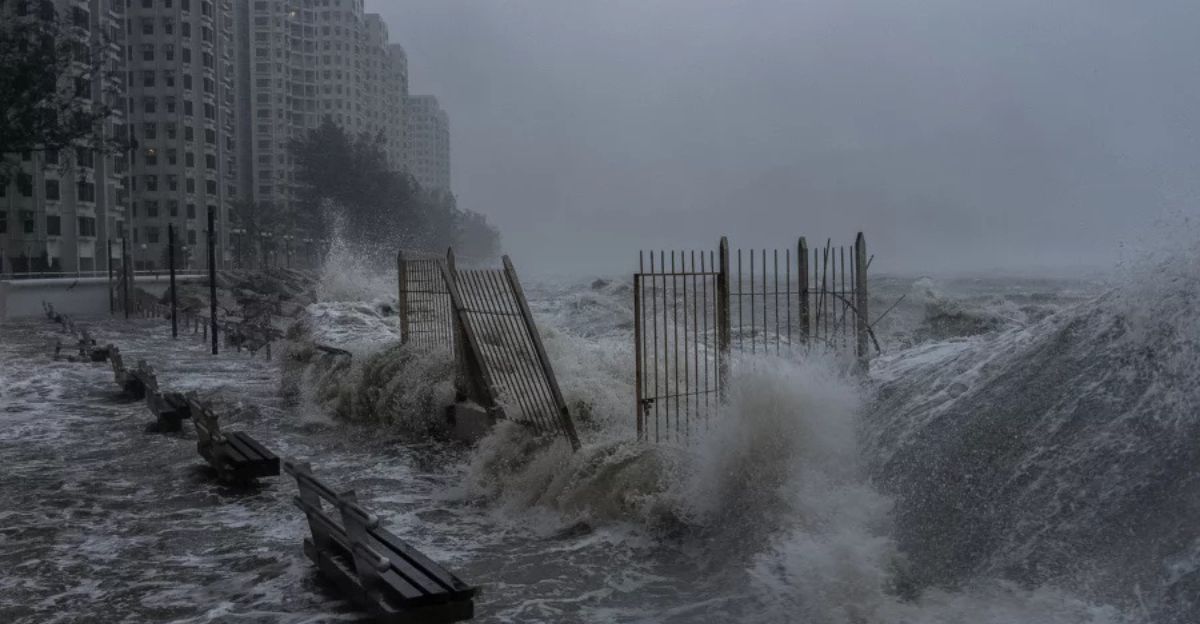
As Ragasa barrelled closer, thousands of people were told to leave their homes on the Babuyan Islands. Local officials in Calayan opened emergency shelters even before the storm hit so they would be ready for anything. Volunteers and government workers worked nonstop, helping families move away from the most dangerous areas like low-lying coastlines and flood-prone fields.
For many, this was the first time leaving their houses behind. “Lives are at stake. Preemptive evacuation is no longer an option. It is an obligation of the government and a responsibility of communities,” stressed Interior Secretary Jonvic Remulla.
Cities on Pause
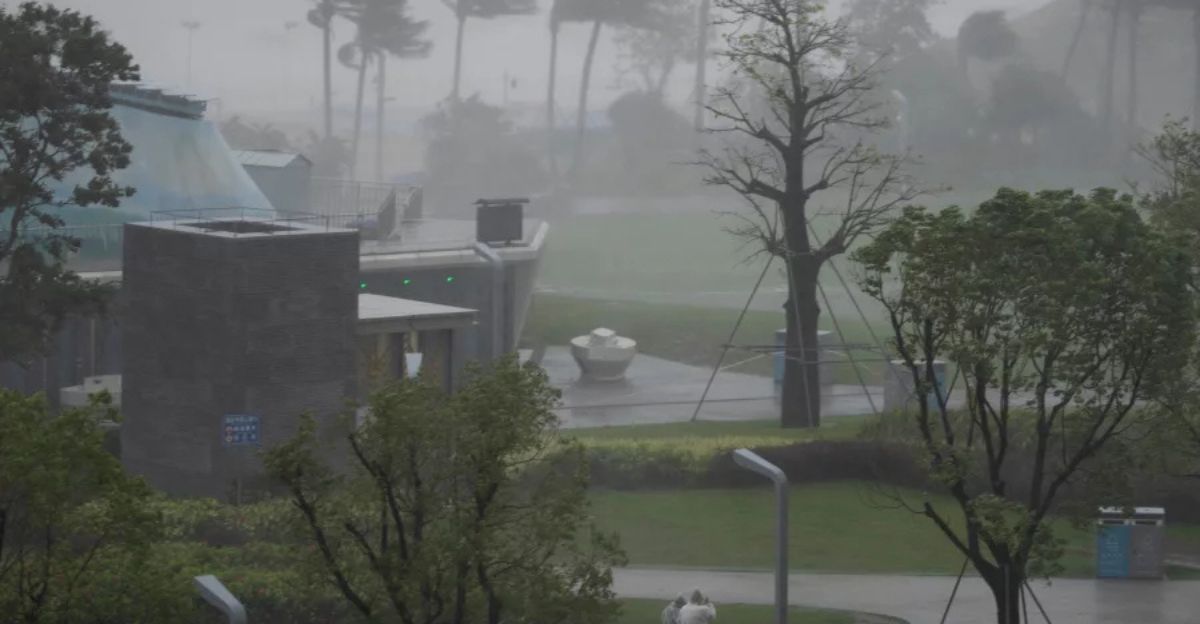
As the typhoon approached, schools and government offices shut down across Manila, northern Luzon, and coastal towns. Officials quickly advised people to stay indoors and avoid places that could suddenly flood. Airports canceled flights, leaving travelers waiting for news, while hotels filled up with guests seeking a safer place to stay.
The whole region felt the impact, and public spaces became empty as everyone waited for the storm to pass. During this time, families prepared for power cuts, storing water and food, and checking up on elderly relatives.
Water Rises, Hills Fall
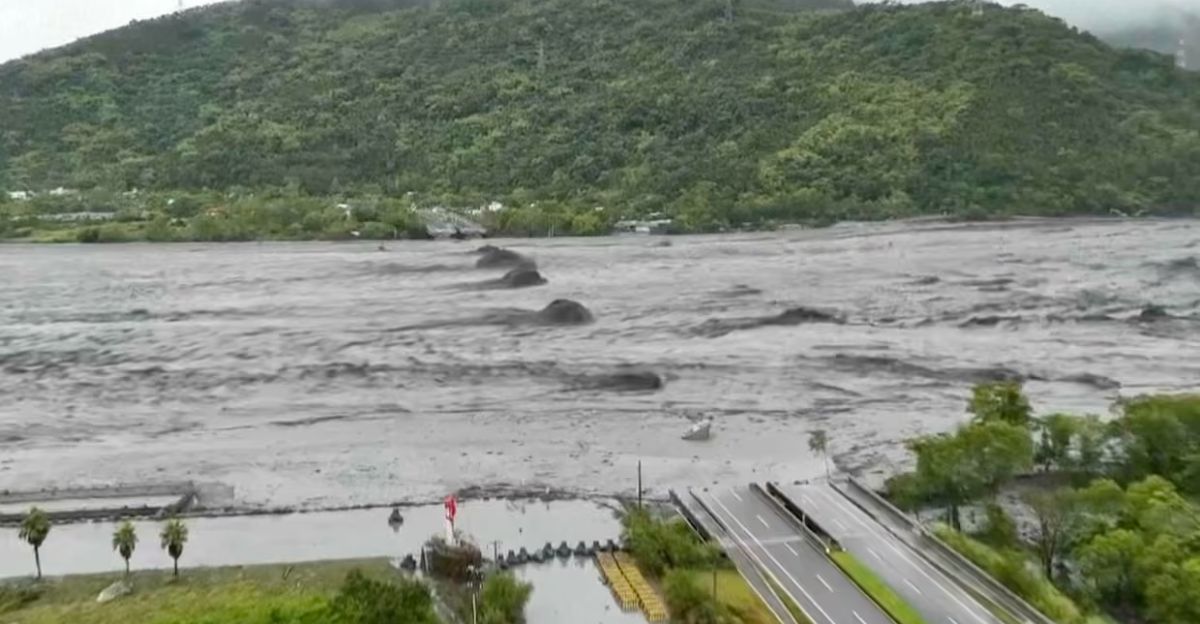
Government agencies warned that Ragasa could push huge waves in coastal areas like Cagayan and Ilocos. Torrential rain not only brought floods but also triggered landslides, blocking roads and putting hillside communities at risk. Emergency crews were deployed even before the main storm hit so that they could respond quickly to any disaster.
Rescue teams brought in special equipment to reach isolated villages prone to mudslides, and some residents were advised to climb to higher ground immediately.
Breaking Records
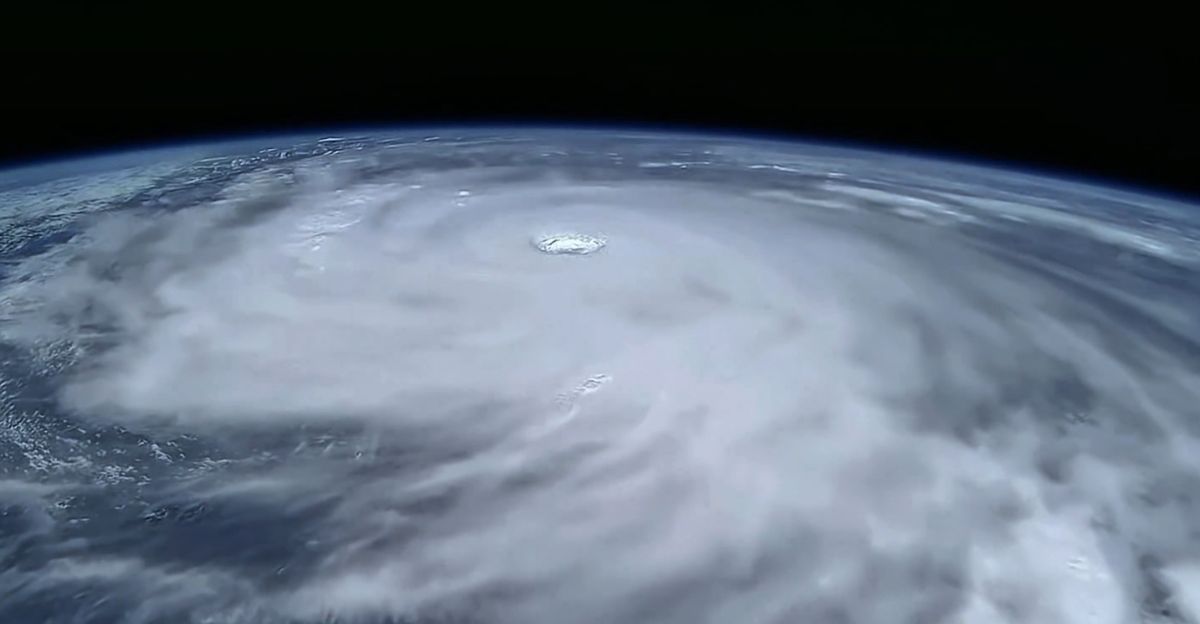
Weather experts confirmed Ragasa as 2025’s most powerful storm anywhere on earth. This typhoon caused the evacuation of almost two million people in China, with thousands more forced from homes in the Philippines and Taiwan. The ferocity of the wind and rain was called “remarkable and brutal” by seasoned meteorologists.
Emergency agencies implemented historic evacuation plans, moving people through buses, boats, and even planes. One weather scientist from the China Meteorological Agency said, “No one living in the region will forget the name Ragasa.”
Island Communities Hit Hard
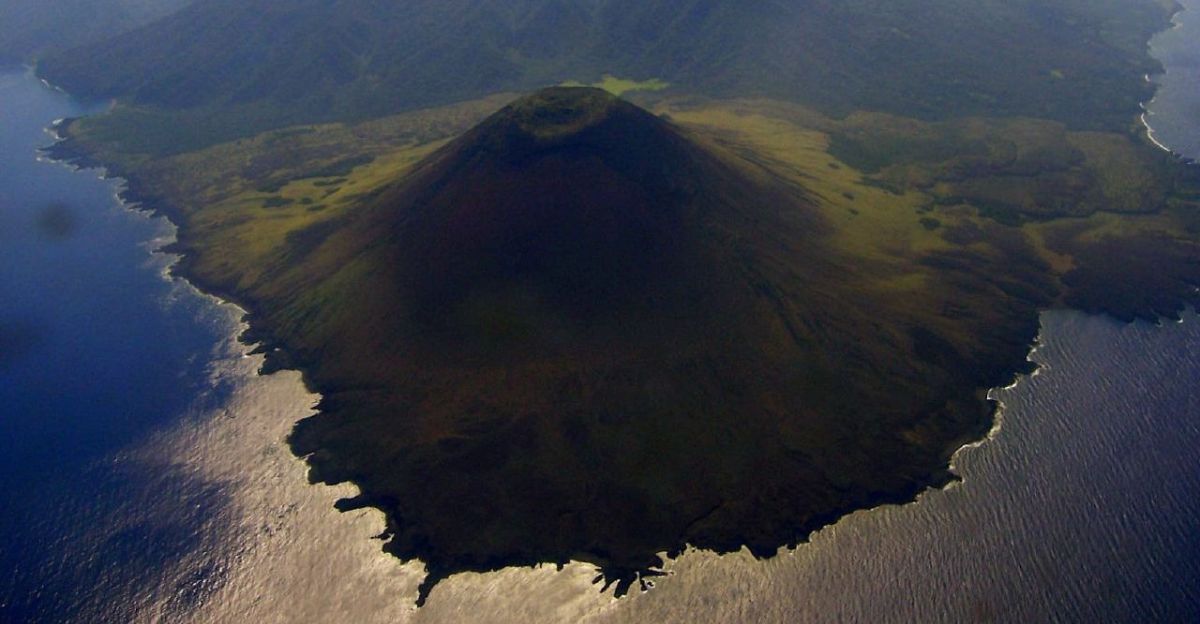
The Babuyan Islands and neighboring Panuitan were devastated. The roofs of many evacuation centers were ripped off, coconut plantations were flattened, and more than 42,000 people in northern Luzon lost their homes or had to move into basic, temporary shelters.
People lined up for food and water, and emergency workers did their best, but some supplies quickly ran out.
Northern Luzon in Crisis

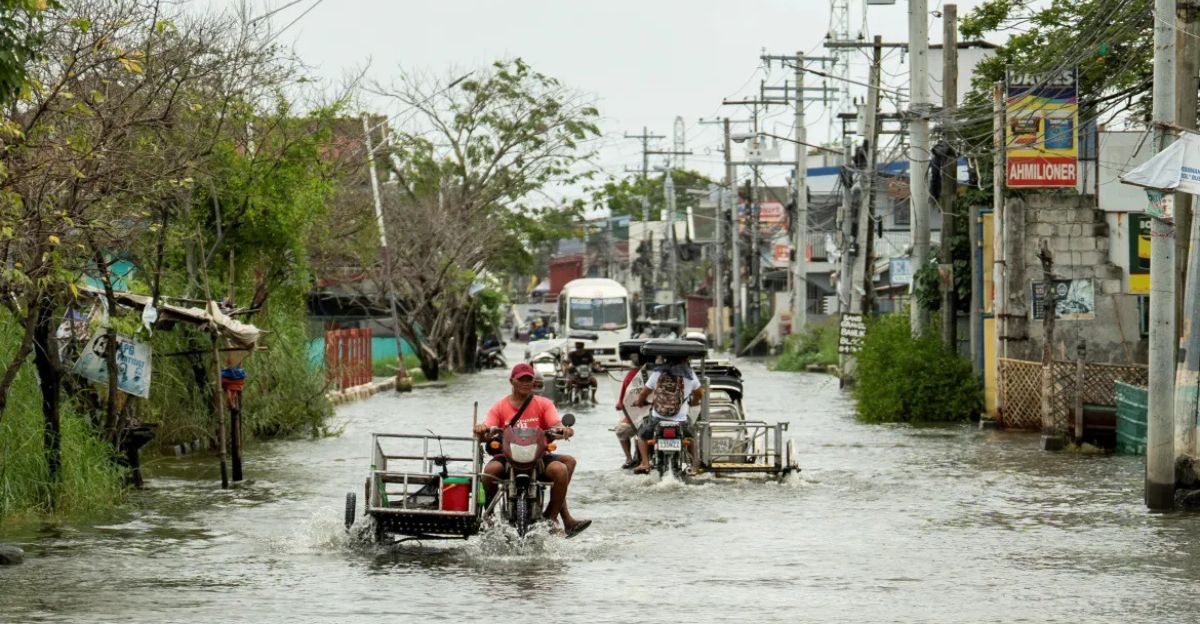
Northern Luzon provinces faced serious flooding, leaving nearly 750,000 homes in the dark as power lines fell and energy stations were damaged. Food became scarce, particularly in Ilocos Norte. Hundreds of houses were swept away, and dozens of bridges were rendered impassable.
Declaring a state of calamity meant emergency and national relief efforts could move in quickly. “We haven’t seen a disaster this widespread since 2018,” said a regional disaster official.
Hong Kong on Lockdown
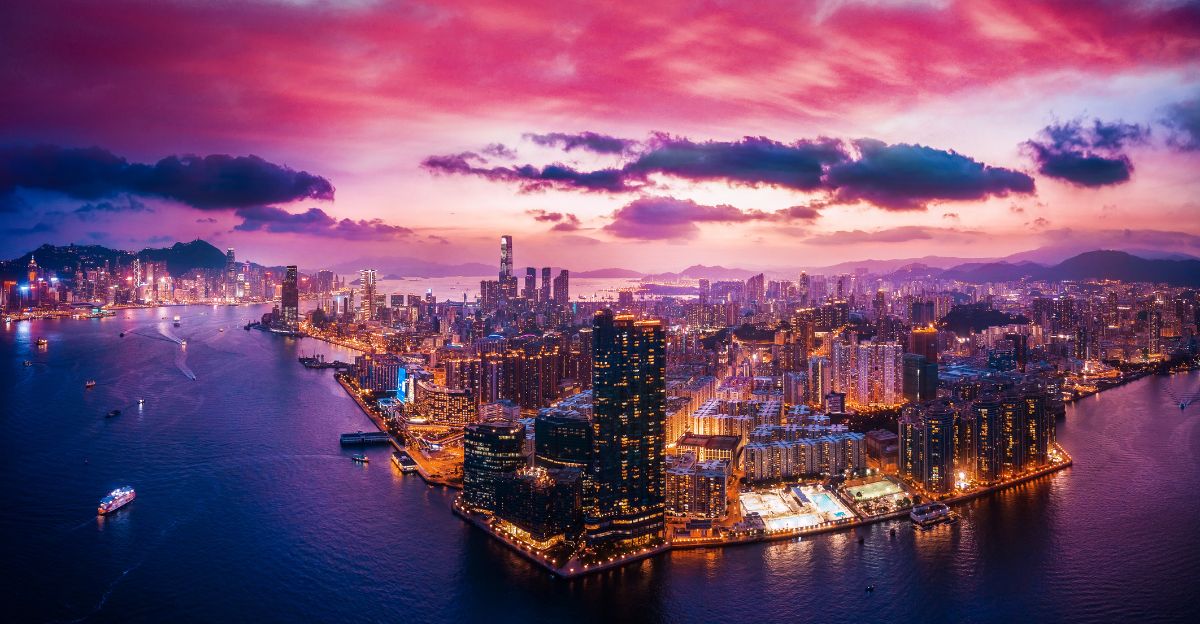
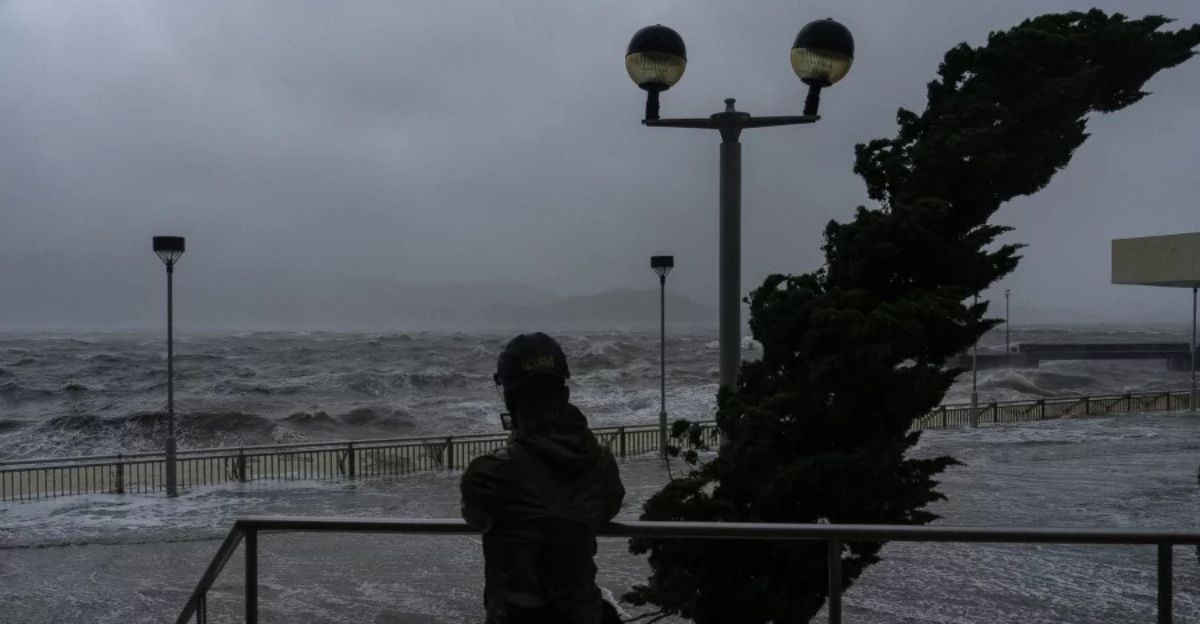
In Hong Kong, authorities issued the highest level of warning and shut down the city. All public transport was halted, more than 600 flights were canceled, and businesses closed their doors. People shared dramatic videos of wind and waves on social media. Some showed the ocean pouring onto city streets, even flooding hotels.
The Hong Kong Observatory warned, “Rapid deterioration is possible; please stay indoors and keep safe. ” Officials monitored damage across the city, reporting overturned cars, fallen trees, and broken glass in high-rise buildings.
Southern China Responds
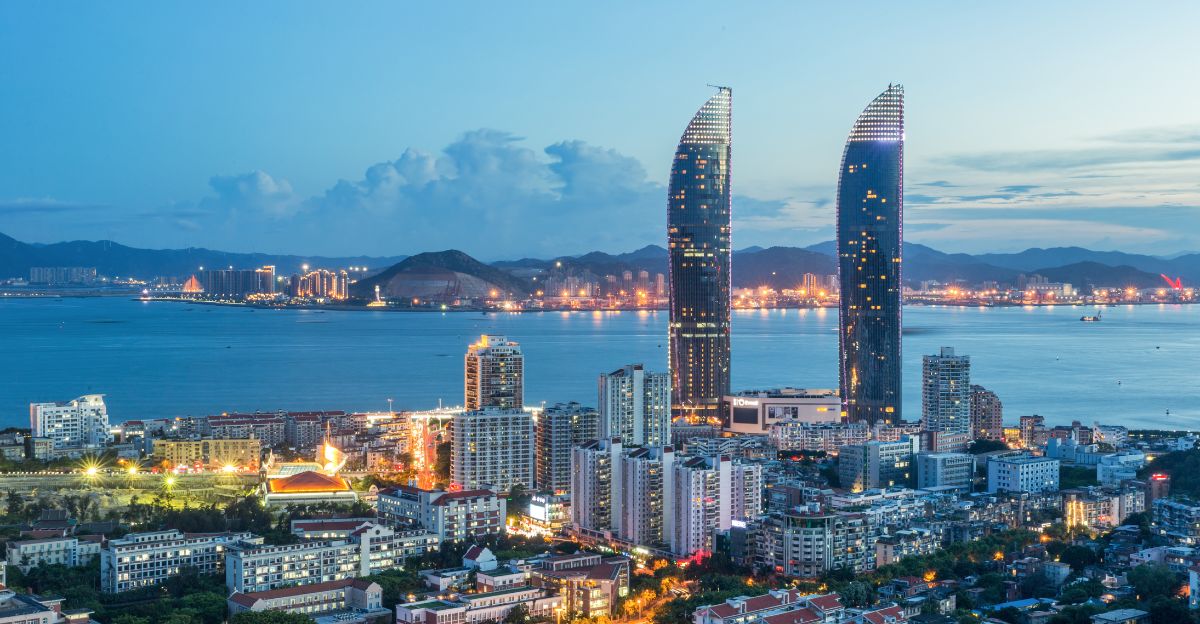
In China’s Guangdong Province, over 770,000 people moved into temporary shelters. Emergency teams stood ready along coasts at greatest risk from huge waves and wind. In big cities such as Shenzhen and Guangzhou, businesses stopped work early, and key technology centers closed for safety.
As Ragasa approached, Chinese authorities issued their highest “red” storm warning for the region, predicting storm surges of up to 2.8 meters. “Protecting our citizens is the first priority,” a Guangdong government spokesperson stated.
Macau Grinds to a Halt

Macau, famous for its casinos and bustling tourism, had to close almost everything as Ragasa rolled in. Heavy rain threatened the city’s busy waterfront neighborhoods, and the decision was made quickly to shut casinos and halt most tourist activities. In nearby Shenzhen, the airport led one of the world’s largest air evacuations, moving 400,000 people away before the storm hit.
In Macau’s usually never-sleeping gaming center, even the famous Cotai Strip was quiet. Everyone waited, indoors and anxious. “We have never had to close on this scale before, but safety is more important than money,” explained one casino manager.
Taiwan Faces Floods
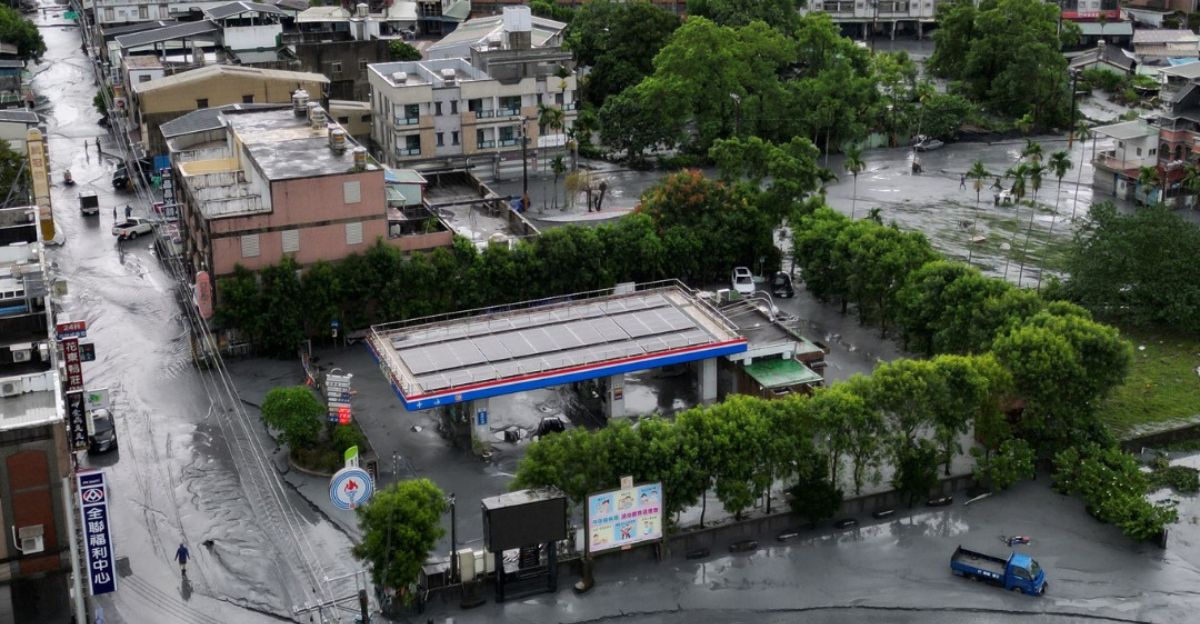
Taiwan suffered from deadly flooding as Ragasa passed by, causing a natural dam to suddenly collapse and release over 60 million gallons of water into Guangfu township. Rescue teams scrambled while authorities reported 17 deaths and more people missing after bridges and roads were destroyed.
“We did our best with updates, but this storm moved faster and brought more rain than expected,” Taiwan’s disaster agency admitted. The sound of helicopters and rescue sirens filled the air as teams searched for missing residents and helped evacuate those left stranded by washed-out roads.
Race to the Rescue
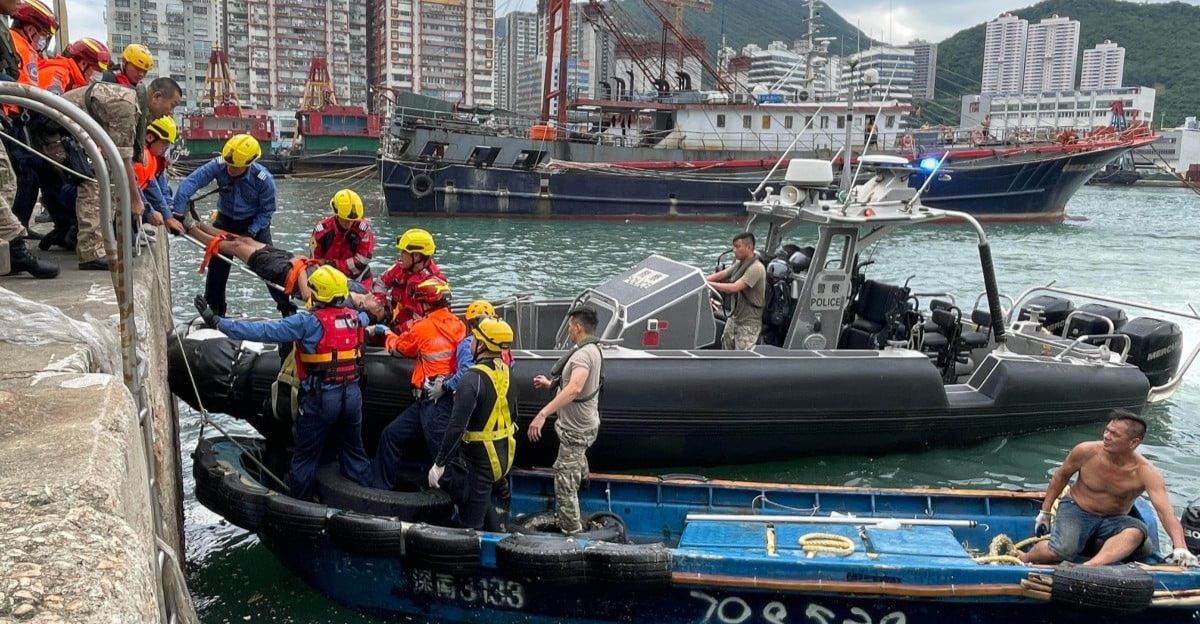
From the Philippines to China, emergency crews worked day and night to reach people stuck by rising water or blocked roads. In Babuyan, Luzon, and the Guangdong coast, helicopters lifted residents off rooftops while soldiers and police cleared landslides to open roads. Hospitals reported more injuries from flying debris and falling trees, with some facilities running on backup generators after power went out.
“We had to move quickly, or people could have been trapped for days,” said one medical officer. Neighboring communities sent in food and blankets, while local teachers and volunteers helped keep children calm in crowded shelters.
Lights Out, Water Scarce
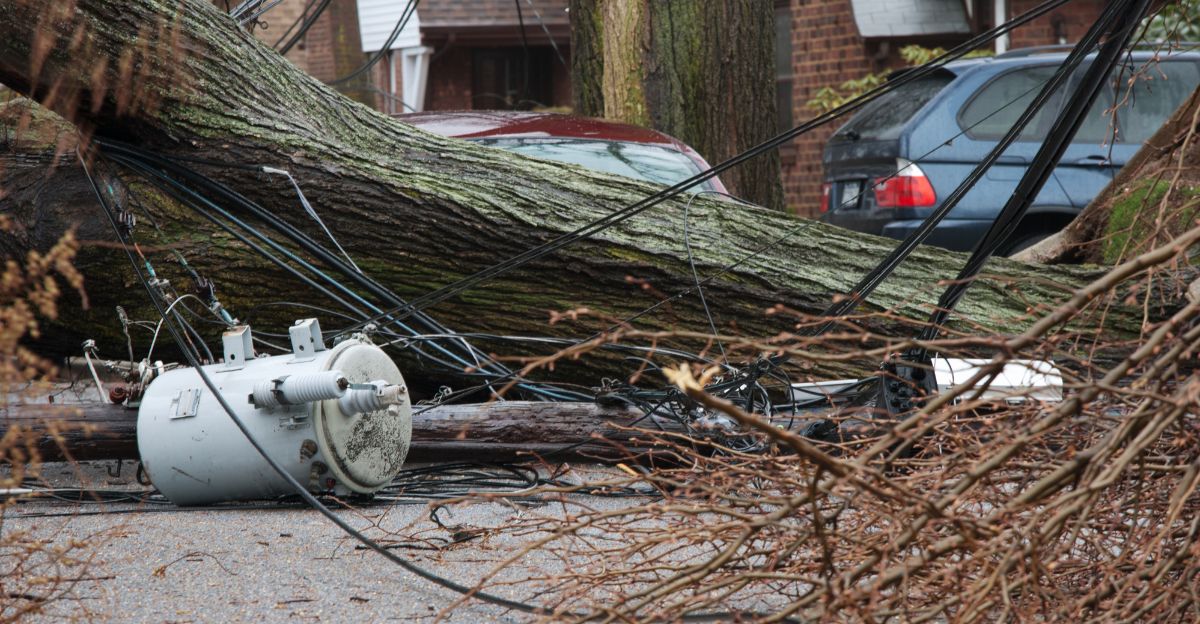
Nearly 750,000 homes in Luzon went without electricity for two days after Ragasa knocked down three major power lines. In Cagayan Province, running water stopped for thousands; with dams in danger of overflowing, authorities opened spillways, which added to the flood risk.
Volunteers fanned out to distribute bottled water, food, and emergency supplies, especially in rural areas, but it was slow work. Cleaning up debris and restoring basic services took much longer than usual.
Difficult Roads Ahead
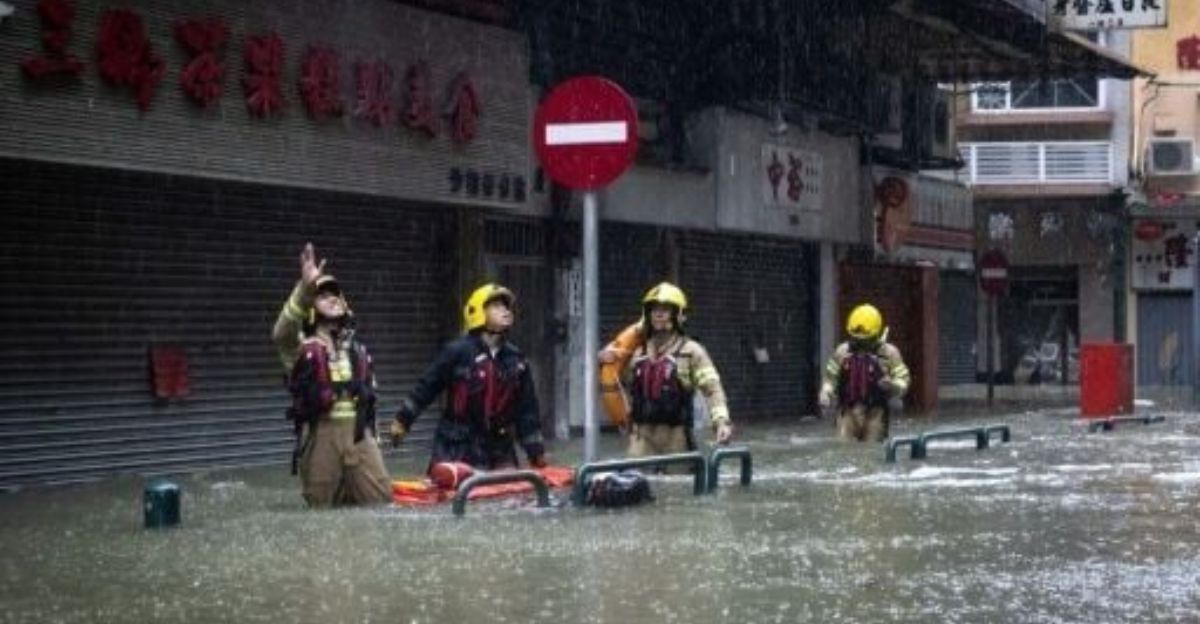
With major roads underwater or blocked by landslides, moving people and goods became extremely difficult across northern Luzon. More than 40 flights were stopped, and some roads in remote areas were completely cut off. Food supply chains were interrupted, and some communities worried about possible shortages and rising prices for vegetables and rice.
“Our main concern is getting food and clean water to communities quickly,” stated a logistics manager in Manila. Local farmers faced uncertain harvests, leading to worries about the supply of key crops in the coming months.
New Threats Linger
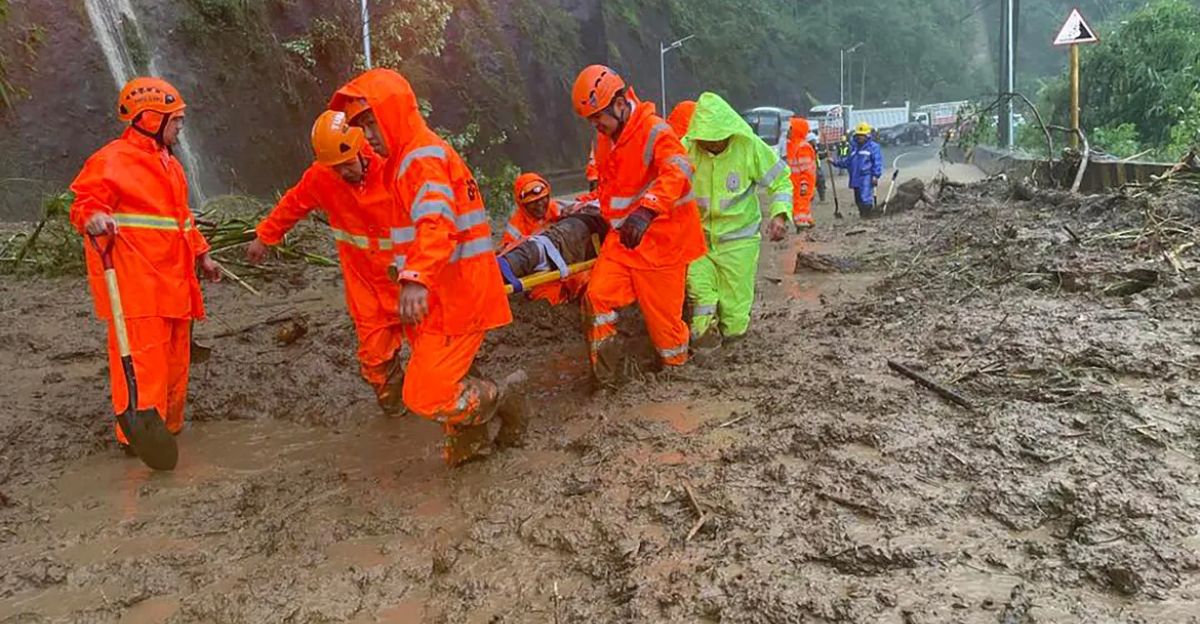
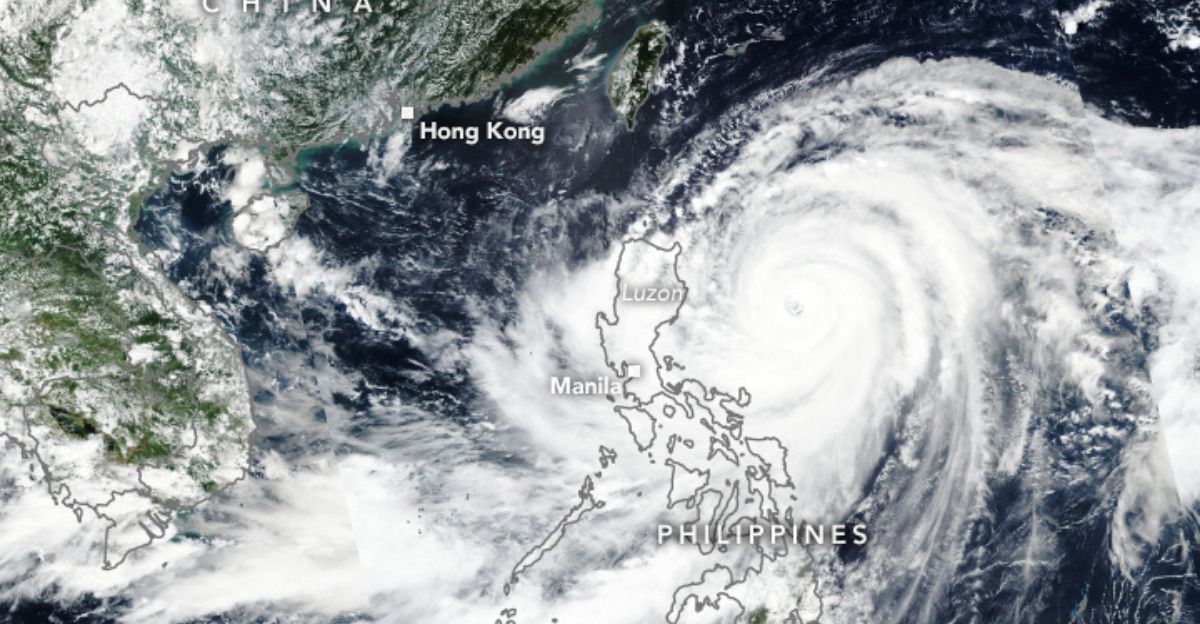
Meteorologists warned that Ragasa’s damage isn’t over. With so much debris, loose soil, and leftover rain, the risk of more floods and landslides remains high in mountain towns and river valleys. Weather agencies issued ongoing warnings as new low-pressure systems appeared along the coast, meaning more storms could be on the way. “The coming week is still very uncertain for millions across East Asia,” the NASA Earth Observatory explained.
As residents began to clean up and repair homes, many stayed vigilant. Some schools delayed reopening, and local governments monitored rainfall hourly. Staying alert and ready was the new normal for everyone in Ragasa’s path.
Calls for Better Protection
After Ragasa, leaders in Hong Kong and Guangdong called urgent meetings to review how cities should better prepare for intense storms in the future. Scientists launched studies into improving coastal defenses and updating building codes to make structures more storm-proof.
“Our current infrastructure cannot withstand back-to-back record storms,” environmental planner Dr. Luo Mei stressed during a televised hearing. This typhoon demonstrated that even the most modern cities can be vulnerable when faced with extreme weather.
Businesses Count the Cost
The storm hit not only homes and streets but also big industries. Insurance and construction firms faced billions in claims as businesses tallied storm losses. For the shipping, air travel, and tourism industries, weeks of disruption meant lost revenue and canceled plans.
Many factories saw damage to buildings and equipment, and shipping ports in the region reduced activity dramatically during the typhoon. The ripple effects could last for months, and rebuilding will require both public and private investment.
The Social Media Effect

With people stuck at home or in shelters, social media became a major tool for sharing updates and checking on loved ones. While many posts helped spread reliable information, others shared rumors and fake news.
Public agencies moved fast to clarify numbers and correct false reports. “Please check official pages before sharing, lives depend on accurate information,” pleaded the Hong Kong emergency management office.
Looking Back, Moving Forward
Ragasa is already being compared to previous historic storms, like Typhoon Mangkhut in 2018 and Hato in 2017, which battered the same regions. Experts say early warning systems have improved greatly, saving more lives this time.
Local governments are reviewing which areas failed and what actions worked best. In public meetings, people called on officials to invest in better flood control, more resilient housing, and clearer communication.
The Biggest Lesson
This storm, with its record winds and massive evacuations, will shape how the region prepares for disasters in the future. “Tomorrow’s safety depends on the lessons embraced today,” weather anchor Luo An told CNN as recovery began.
For those living in affected regions, repairing homes and rebuilding communities will take time, but many agree that working together makes recovery possible.