According to the National Hurricane Center, Hurricane Humberto roared ashore at peak strength on September 27, 2025, with sustained winds of 160 mph. The storm intensified so quickly that it stunned forecasters, becoming the strongest system of the season.
For many coastal residents, the shift from routine tracking to life-threatening conditions came almost overnight, setting the stage for a devastating landfall.
Outer Banks Take Direct Hit
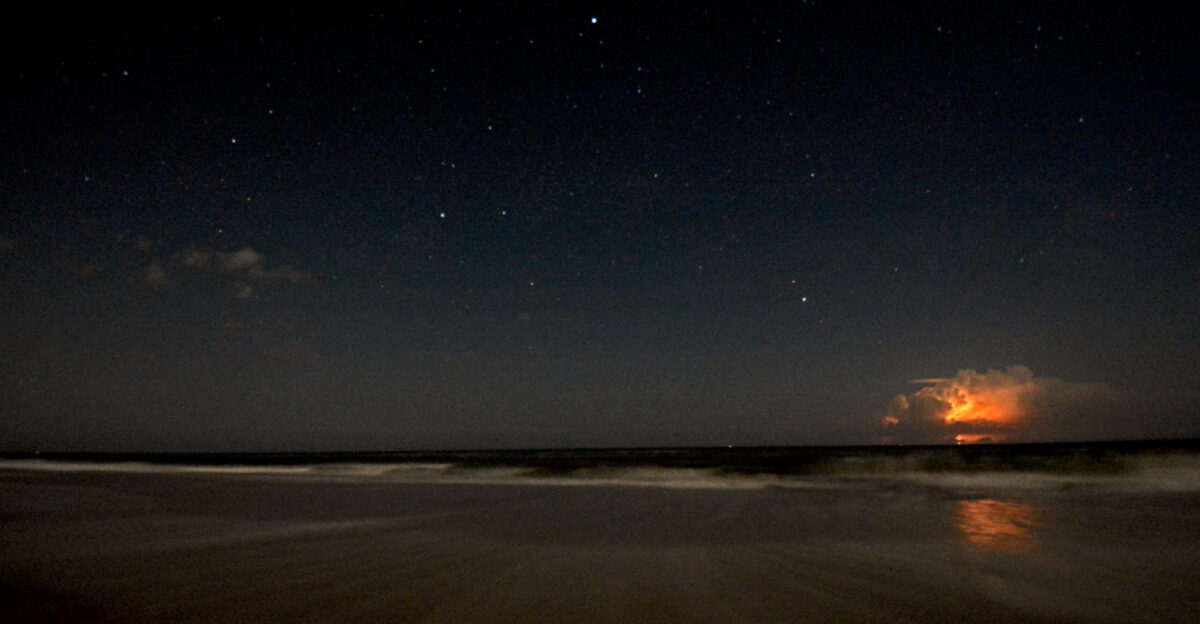
Humberto’s enormous swells, colliding with remnants of Tropical Storm Imelda, pummeled North Carolina’s Outer Banks with destructive force. Local officials reported waves carving away protective dunes and flooding low-lying roads.
“We’ve seen dangerous water levels before, but this was different,” Dare County emergency staff said, noting the combined storms amplified damage beyond what communities had braced for.
Five Houses Gone in 45 Minutes
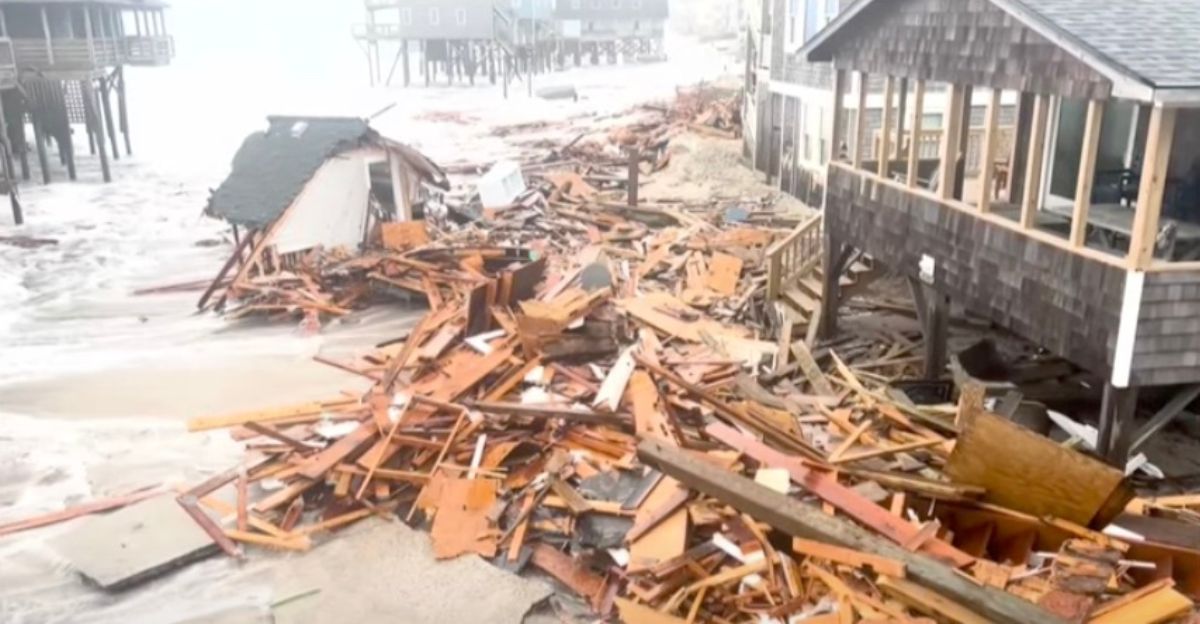
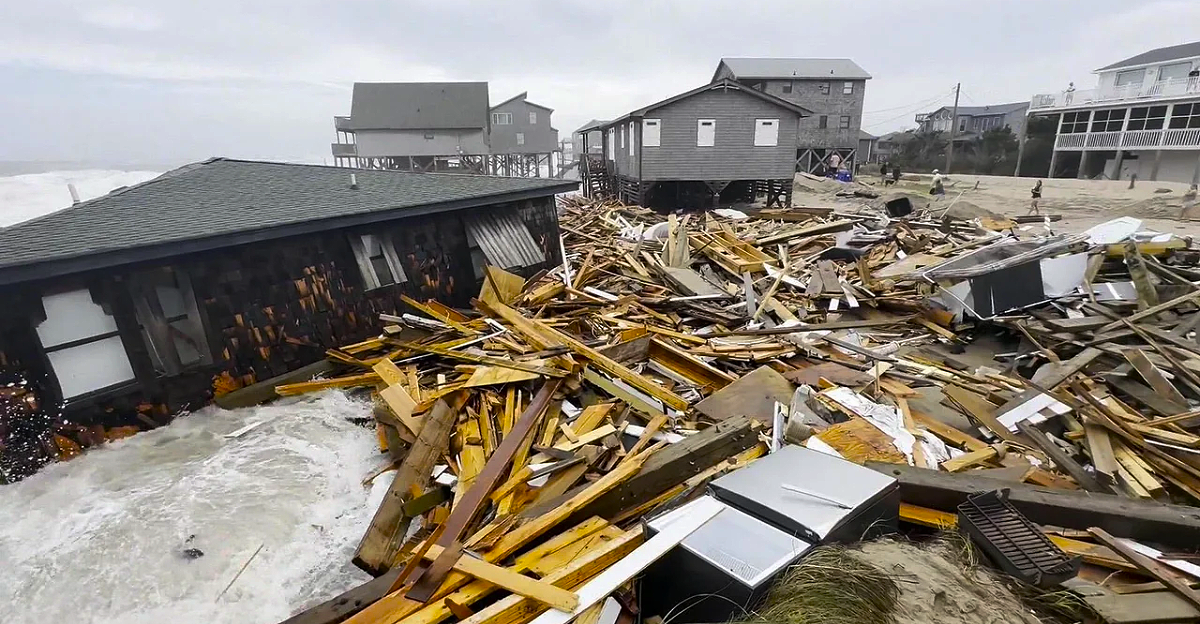
According to the National Park Service, on September 30, in less than 45 minutes, five oceanfront houses in Buxton, North Carolina, collapsed into the sea. Eyewitnesses described watching porches tilt, foundations buckle, and walls fold before waves carried entire structures away.
“It was like dominoes,” one resident told WRAL News, shocked at how quickly the homes disappeared.
States Sound the Alarm

North Carolina Governor Josh Stein and South Carolina Governor Henry McMaster declared states of emergency on September 30, impacting more than 16 million residents. Both leaders cited rising coastal hazards and stressed the need for swift federal coordination.
“This storm has shown just how vulnerable our coast is,” Cooper said, urging residents to stay clear of affected areas.
East Coast Under Federal Warnings
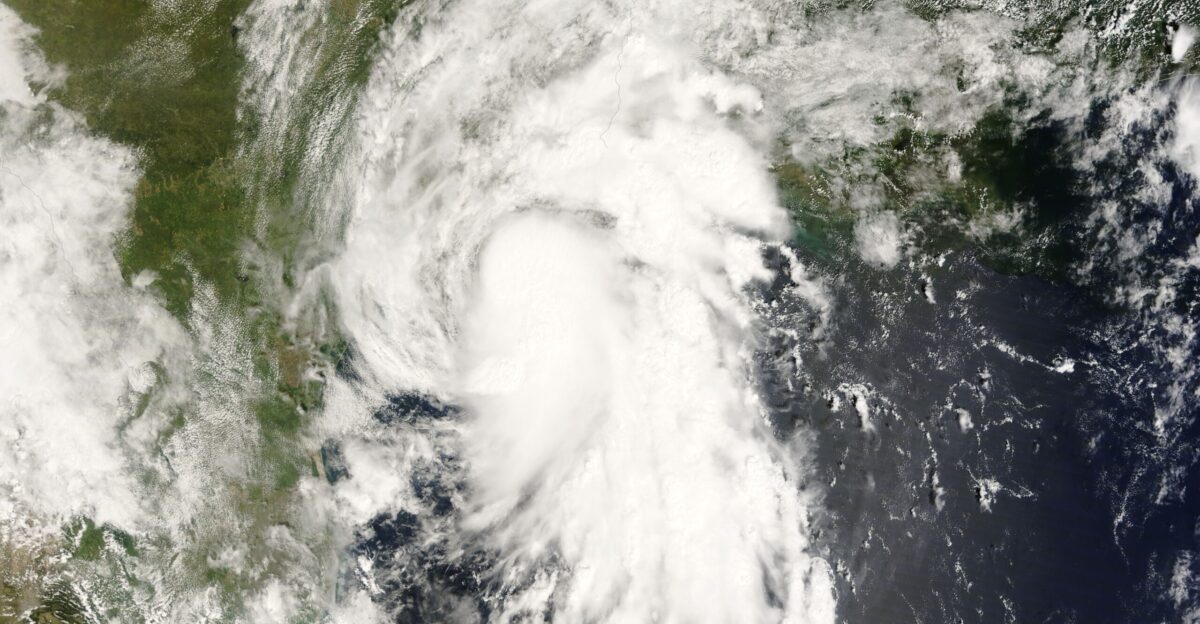
As Humberto churned offshore, the National Weather Service extended coastal hazard advisories along the entire Eastern Seaboard. Officials warned of “catastrophic erosion and dangerous surf” stretching from Florida to New Jersey.
Emergency management teams emphasized that even communities outside the direct path faced days of destructive waves, particularly on barrier islands already weakened by prior storms.
Beaches Shut Down After Collapses
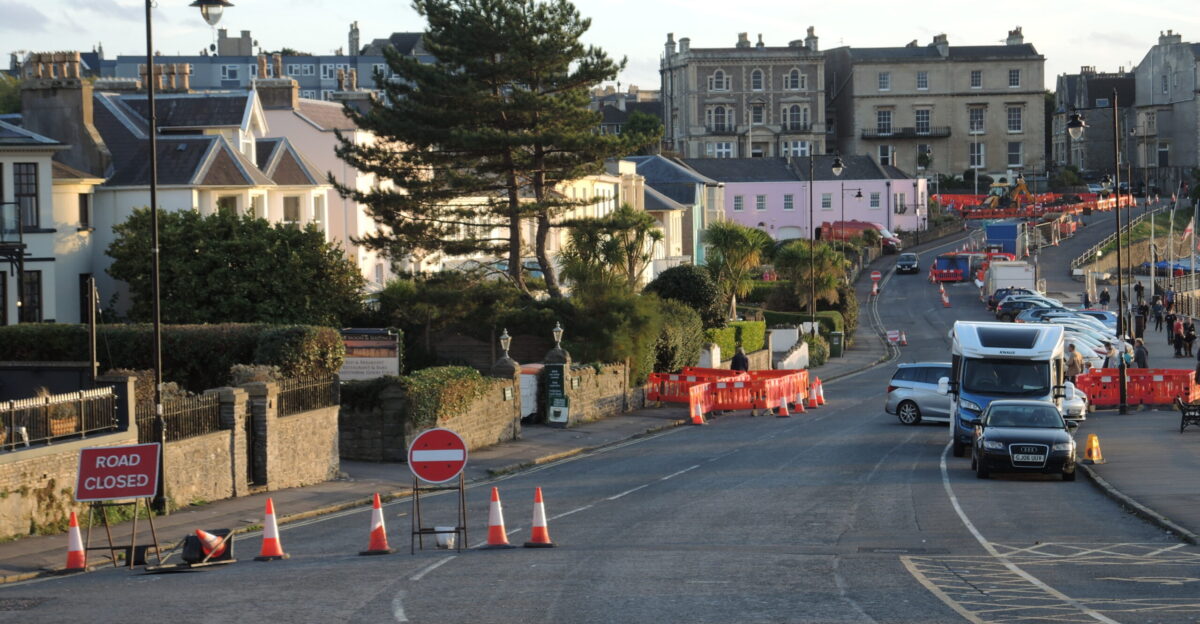
Following the house collapse, the National Park Service shut down popular shoreline access points from northern Buxton through ramp 43. “Further collapses are possible,” officials said in a public advisory, reinforcing that unstable shorelines posed serious risks.
For locals, closed beaches during early fall highlight not just seasonal disruption, but the long-term fragility of the Outer Banks coastline.
Erosion Leaves Homes Defenseless
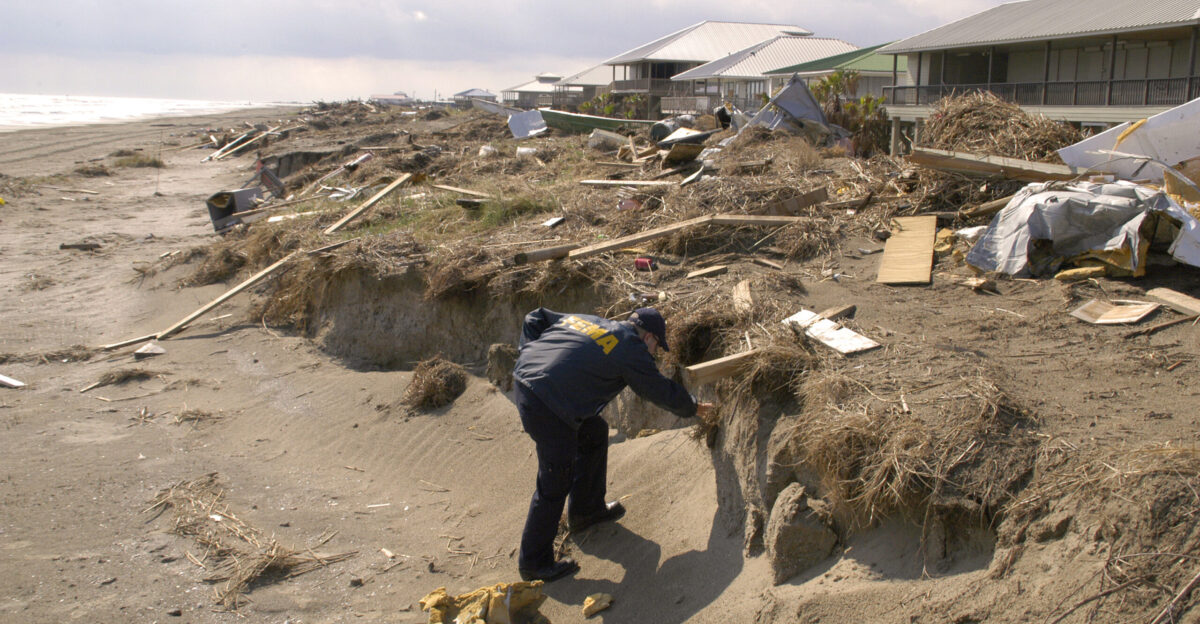
Severe coastal erosion has plagued the Outer Banks for decades, with Humberto’s swells exposing structural vulnerabilities that were already mounting. According to National Park Service data, 17 homes have been lost to the sea since 2020.
Experts warn that the pace of erosion is outstripping traditional beach nourishment efforts, leaving entire neighborhoods teetering on unstable ground.
Life-Threatening Surf Still Ahead
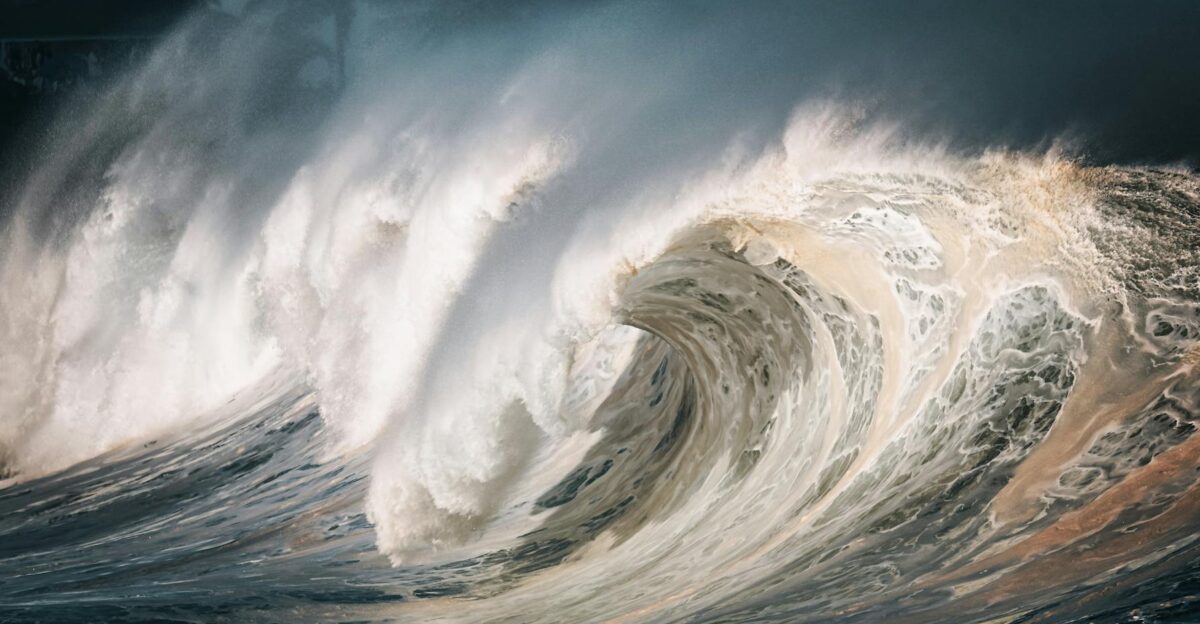
The National Weather Service forecast warned of life-threatening rip currents and massive waves across the Carolinas and mid-Atlantic through the following week.
Meteorologist Maria Torres said the swells would “remain large and dangerous well after Humberto moves offshore.” Coastal authorities urged residents not to mistake clearer skies for safety, as ocean conditions remained unpredictable and deadly.
Waves Tear Down Homes in Real Time
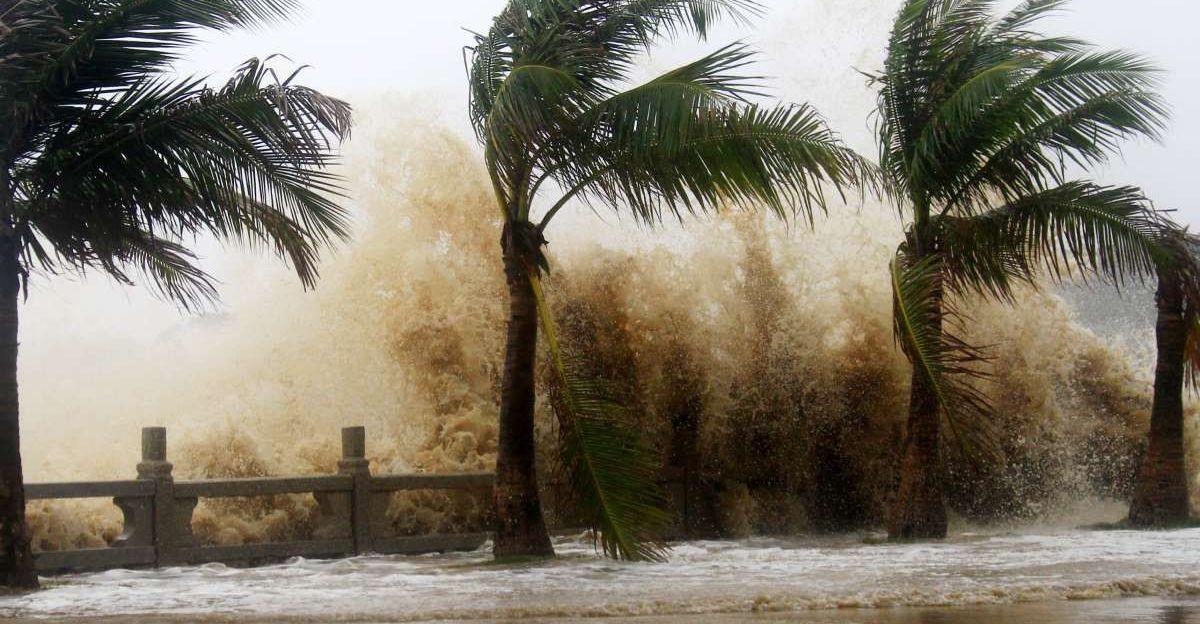
Residents described a deafening roar as waves stripped sand beneath fragile homes, leaving them suspended before crumbling into the surf. “The house next to mine just dropped,” one homeowner told The Virginian-Pilot.
Authorities quickly cordoned off the area to keep onlookers safe, but video of the collapses spread widely online, highlighting the storm’s raw force.
Rescue Crews Wait on Edge
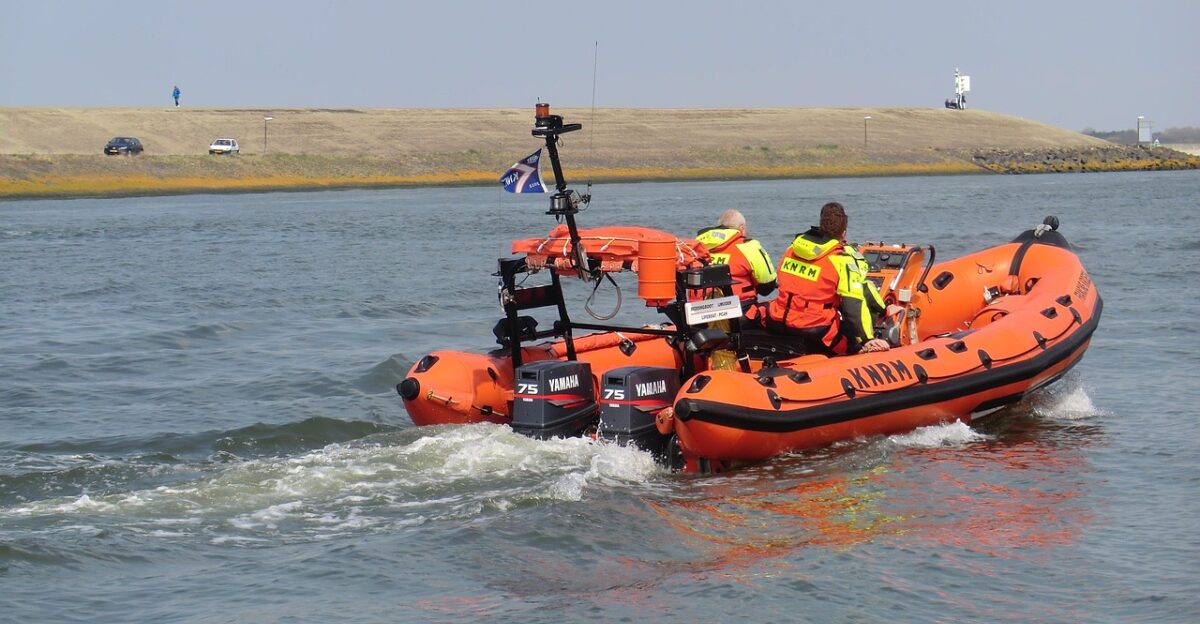
Local emergency crews and Coast Guard units staged nearby remained prepared for swift rescue operations. Fortunately, no injuries were reported, but officials emphasized the risk of debris, unstable structures, and collapsing dunes.
“We’re ready if conditions change,” Dare County emergency services confirmed, reminding residents that recovery work often carries its own hazards after a major storm.
Governor’s Warning Hits Home

Governor Josh Stein warned residents not to underestimate Humberto’s aftermath. “We cannot ignore the reality of these collapses,” he said during a press briefing. His office reiterated that staying off closed beaches and heeding federal advisories was the best way to prevent further tragedy.
For many residents, the governor’s message echoed the fear and fatigue of repeated storms.
Outer Banks’ Costly Toll Since 2020
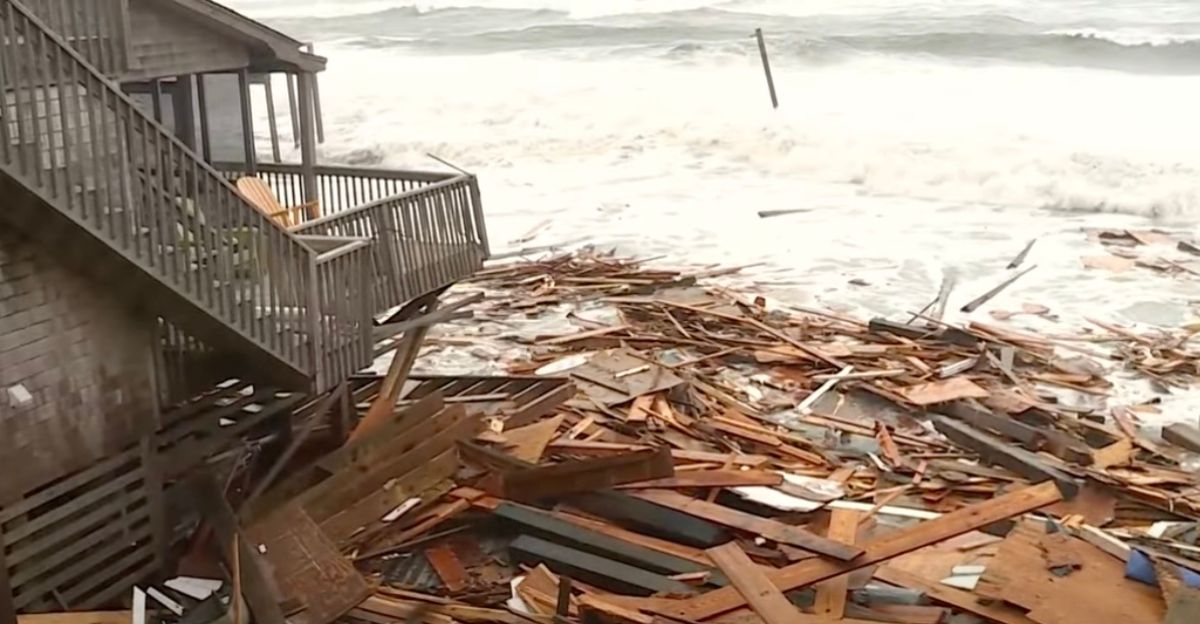
Since 2020, the Outer Banks have seen more than a dozen homes collapse into the Atlantic, making Buxton one of the hardest-hit communities.
Despite ongoing dune restoration and sand replenishment projects, the National Park Service has documented repeated losses. Each collapse highlights the tension between fragile shorelines and the desire to preserve treasured waterfront communities.
Rapid Intensification Stuns Experts
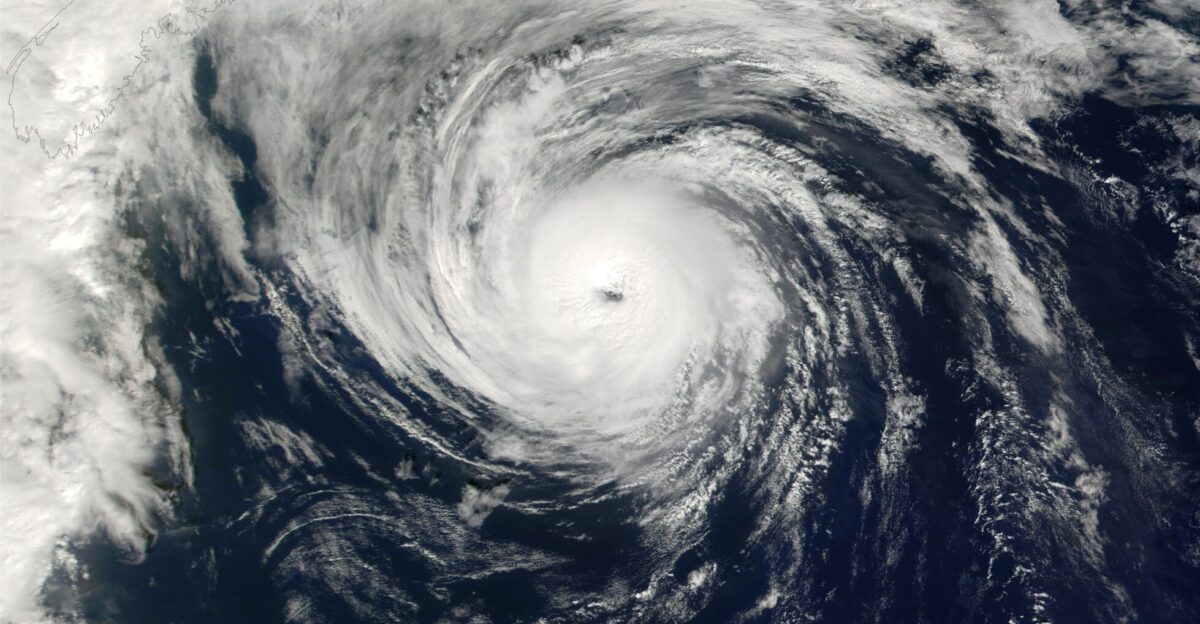
Humberto’s leap from Category 3 to Category 5 in less than 24 hours caught meteorologists off guard. “This was extraordinary and concerning,” said National Hurricane Center senior specialist John Cangialosi.
The rapid intensification reflects broader challenges in forecasting as warming ocean waters fuel stronger storms. For scientists, Humberto highlighted the urgency of refining prediction tools.
Weak Foundations No Match for Storm
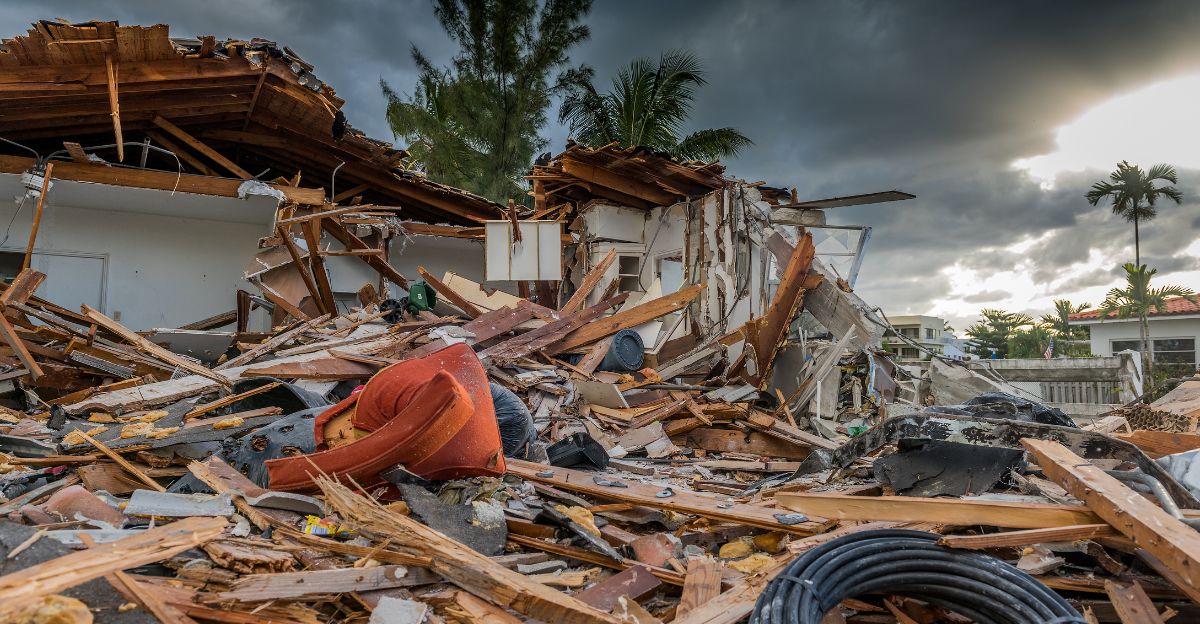
Experts say many of Buxton’s damaged houses were built on older foundations that were never designed to withstand such force. As erosion ate away at the protective dune system, unreinforced pilings gave way.
Coastal engineers argue that similar collapses are inevitable without stronger building codes and stricter development limits, particularly as Atlantic storms grow more frequent and intense.
Families Wait in the Dark
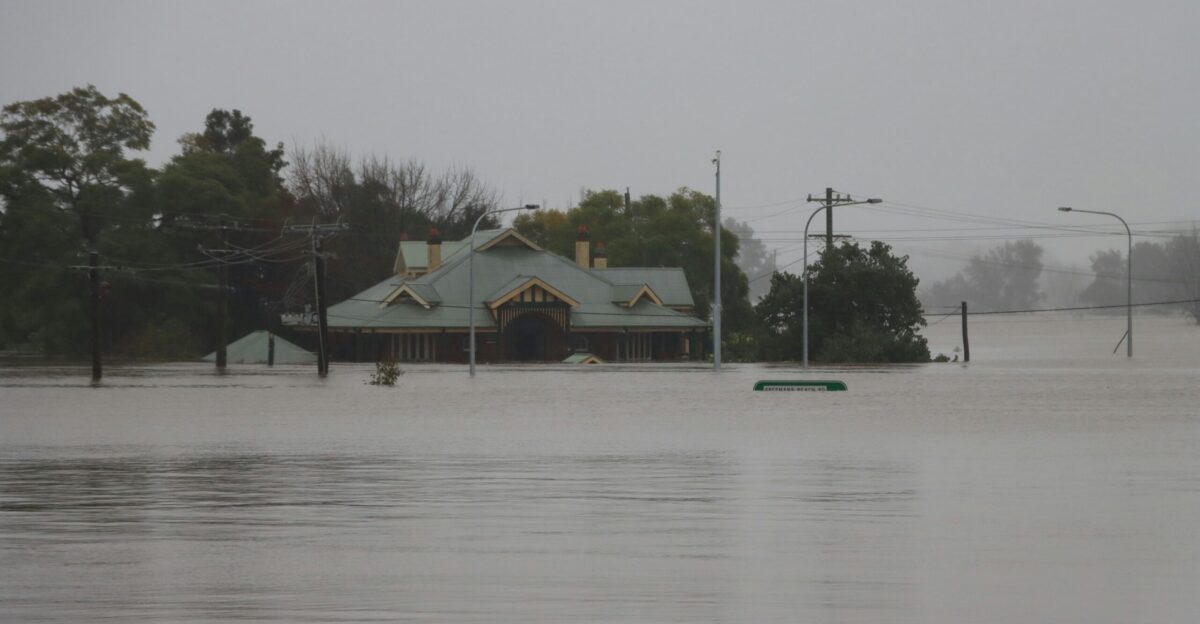
Mandatory evacuations left many homeowners anxiously checking damage reports from afar. Power outages and flooded roadways cut off access to neighborhoods, making it difficult for residents to gauge whether their homes survived.
“We don’t even know if we have anything to come back to,” one family told NBC News, reflecting the lingering anxiety that follows major storms.
Tourism Towns Brace for Fallout

Tourism-dependent communities along the Outer Banks and South Carolina coast now face mounting repair costs and lost revenue. Local businesses fear cancellations during peak fall weekends will worsen financial pressures.
Insurance officials have already signaled significant claims, and state recovery funds may fall short. The economic ripple effect threatens towns that are still recovering from earlier hurricane seasons.
National Guard Brings Relief
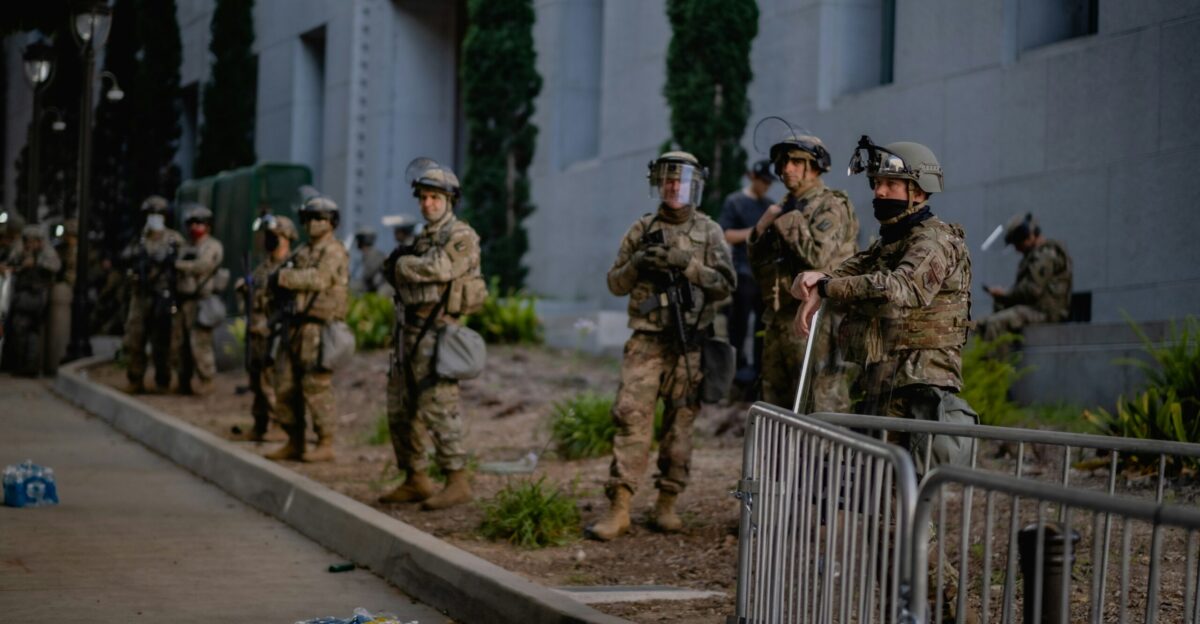
Both states deployed National Guard units to support evacuations, manage traffic, and clear storm debris. Crews worked to reopen blocked highways and stabilize flooded areas.
“We’re here as long as it takes,” a North Carolina Guard spokesperson told The News & Observer. Their presence offered reassurance to residents navigating yet another cycle of recovery and loss.
Park Service Issues Stark Warning
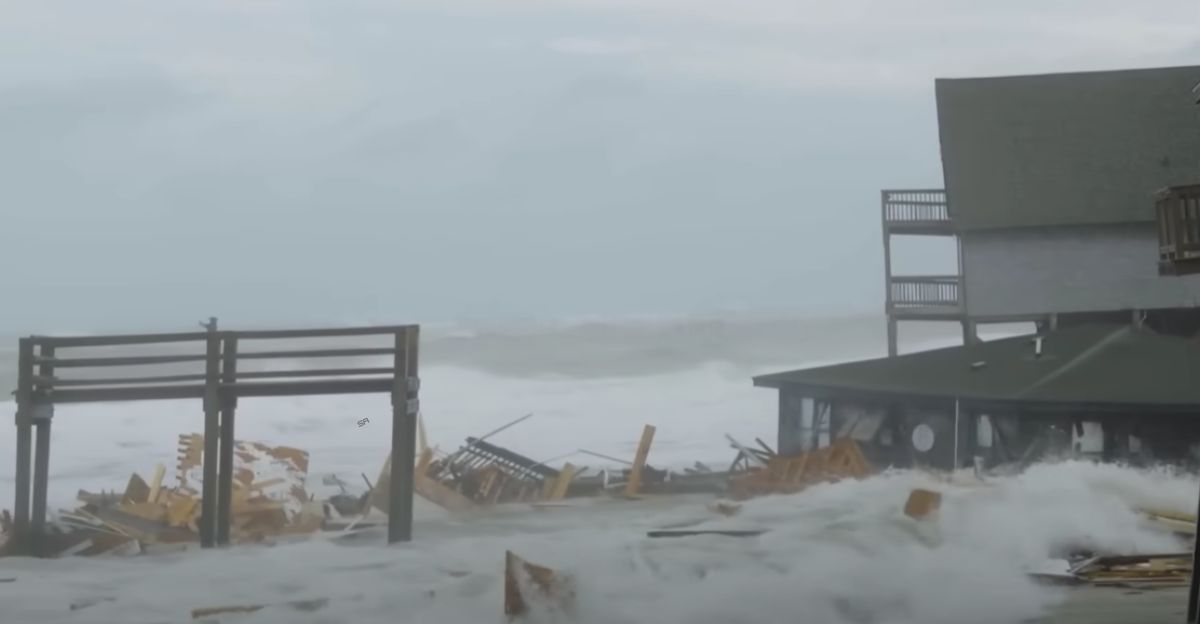
“These collapses are a stark reminder that further erosion and property losses are a real risk,” the National Park Service said in an October 1 statement. Officials extended beach closures and warned that unstable dunes remain a hazard even under calmer conditions.
For longtime residents, the alert echoed years of warnings that Humberto has now made undeniable.
East Coast Braces for Ripple Effect
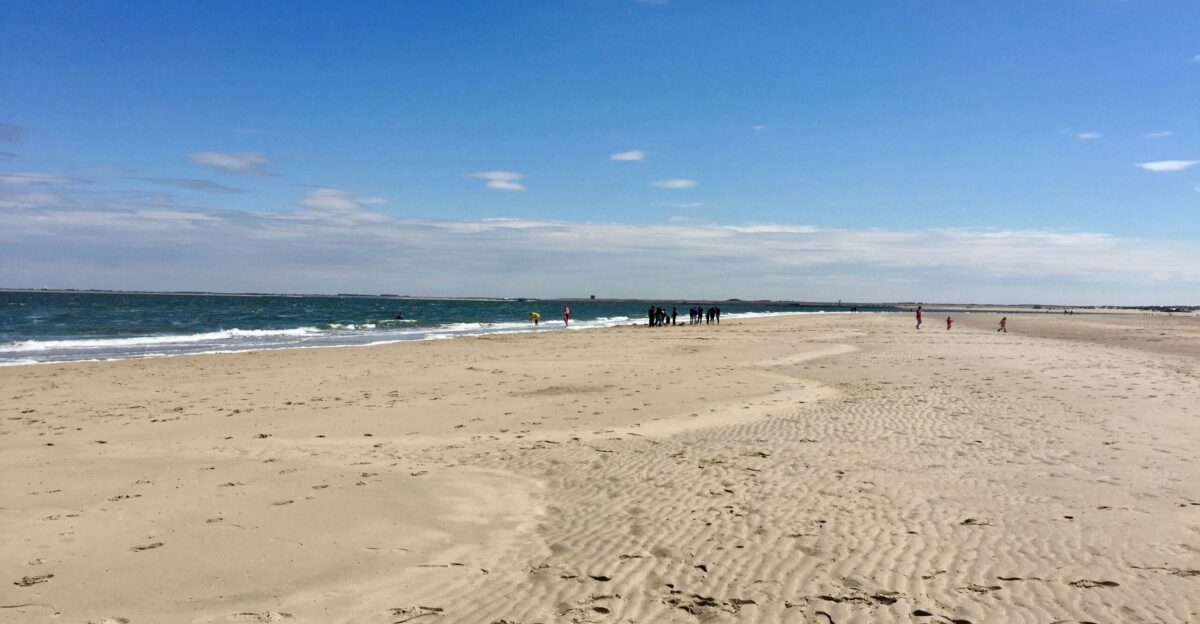
Even as Humberto shifted offshore, its massive swells rolled northward, threatening beaches from Virginia to New York. Federal disaster teams monitored conditions closely, with FEMA pre-positioning supplies in case of expanded impact.
For communities still haunted by past hurricanes, the sight of another churning Atlantic giant reinforced how quickly one region’s disaster can ripple into another’s.
Damage Surveys Underway
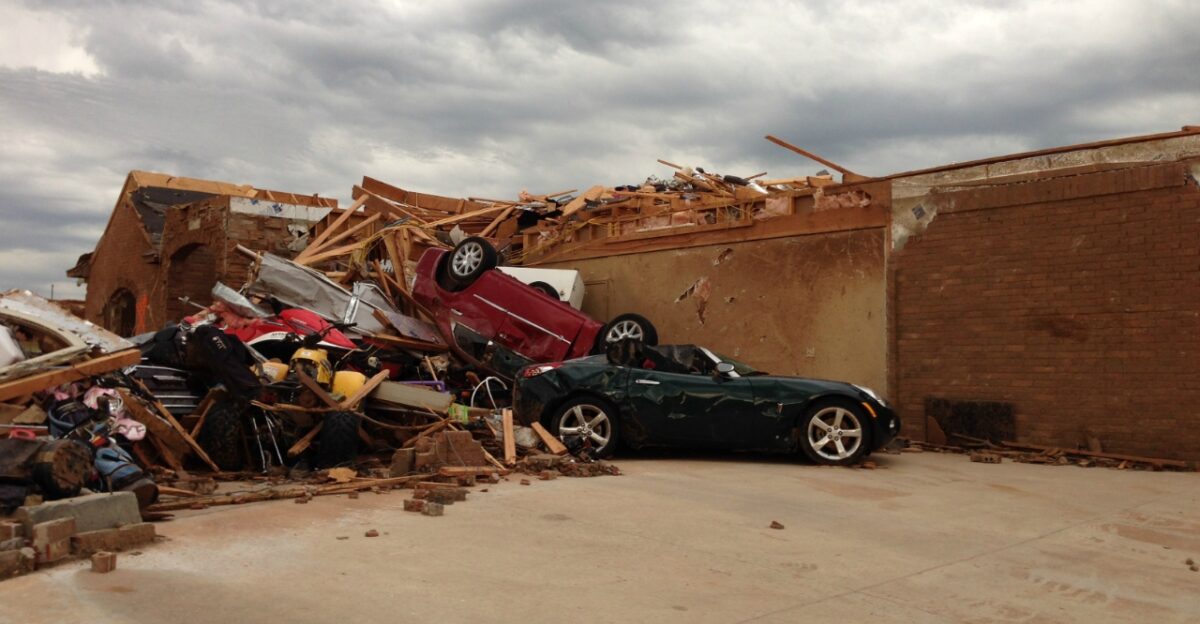
With Humberto moving further into the Atlantic, emergency crews began surveying the full scope of destruction in Buxton and surrounding areas. Damage assessments will guide requests for federal disaster assistance and insurance payouts.
Officials caution the process will take weeks, leaving families in limbo as they await confirmation of what can be salvaged and what has been lost.
Storm Spurs Talk of Coastal Future
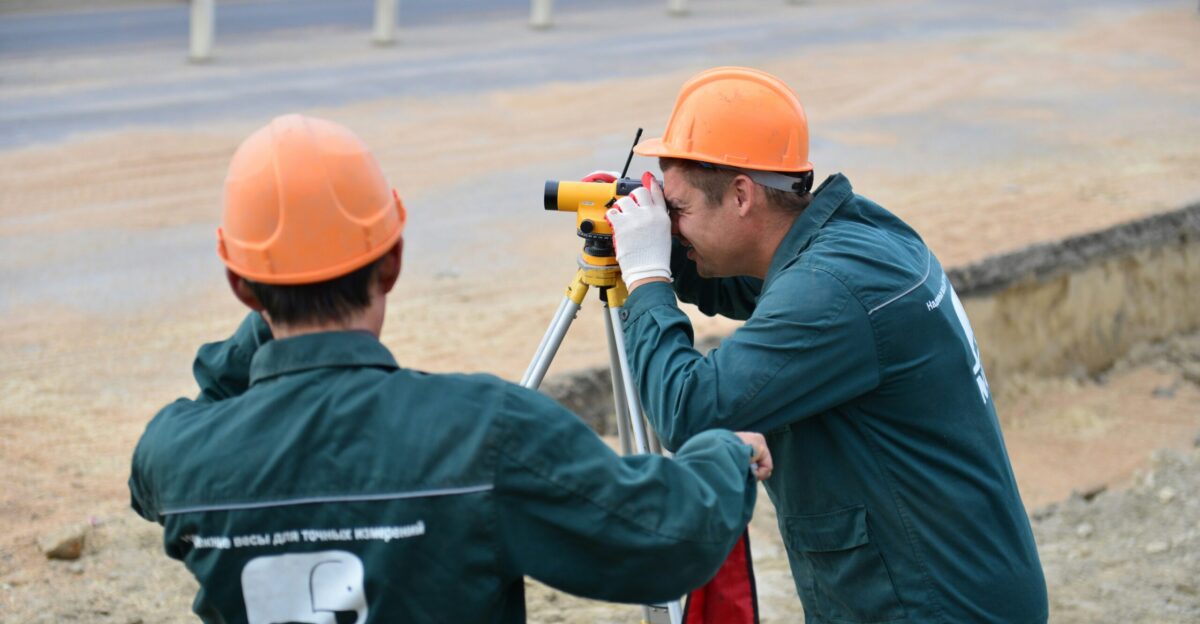
Coastal experts and policymakers urge stronger shoreline management and stricter building codes in hurricane-prone regions. “Extreme weather is the new normal,” one University of North Carolina researcher told local media, noting Humberto’s damage highlights the cost of delay.
For many, the storm’s aftermath signals not just recovery—but a reckoning over how to adapt to a changing coastline.