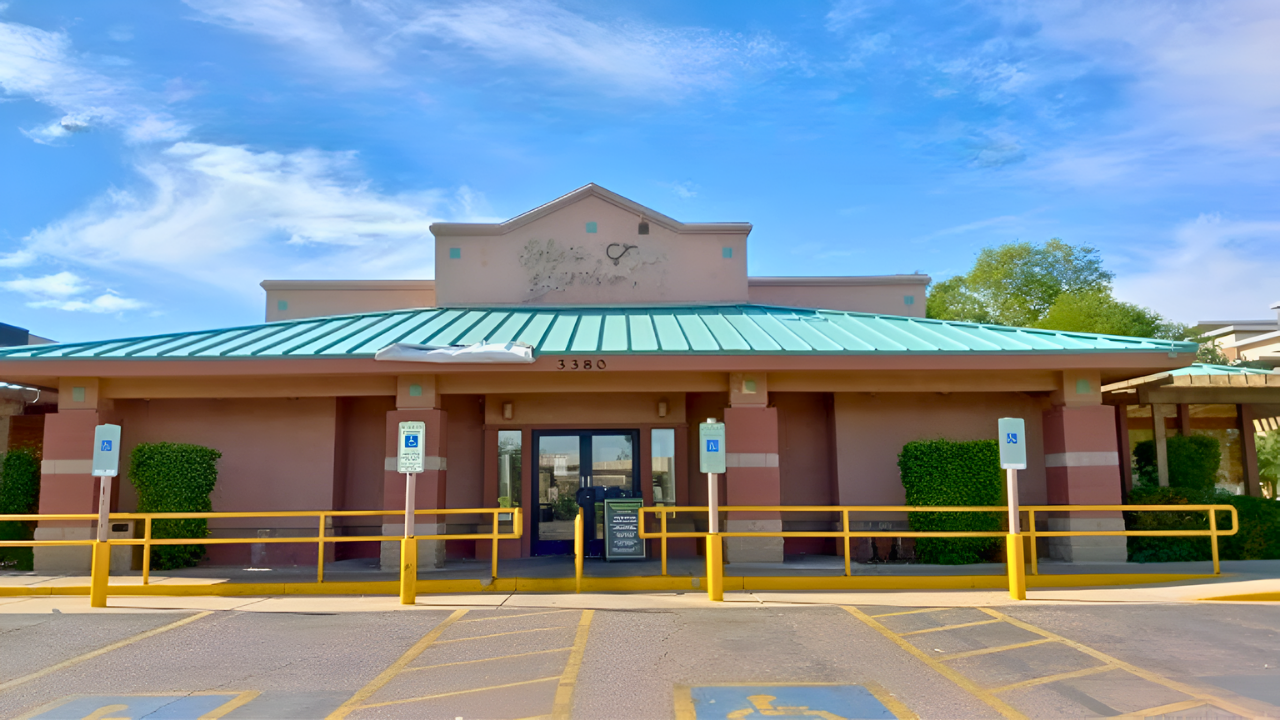
The once-vibrant restaurant now sits in silence, its lights off and tables deserted. A handwritten note on the door reads: “Permanently closed.” For loyal patrons, this marks the sudden end of an era. No press release. No corporate statement. Just an abrupt departure.
Once a nationwide presence with 93 locations, this beloved brand has now dwindled to just a fraction of its former size. What caused such a rapid and unexpected downfall? The story behind this dramatic change may surprise you.
A Decline Years in the Making
The chain’s downfall didn’t happen overnight. After filing for bankruptcy protection in 2017, the brand began shedding locations at an alarming rate, closing over 77 of its restaurants.
Once spanning the country, the brand now operates in only a few states, a drastic decline for what was once a major player in the casual dining scene. What went wrong for this once-thriving empire?
Communities Left Behind
In Pennsylvania, the Harrisburg location, a fixture for 20 years, closed in November 2025. A simple sign, “Thank you for 20 great years,” was the only farewell left behind. This closure marked the end of the brand’s presence in the state.
Similar scenes have played out across other states, including California, Ohio, and Texas, leaving communities without their beloved dining destination.
The Rise of a Household Name
At its peak, this restaurant chain was a household name. Founded in 1988, it quickly became synonymous with family-friendly Italian dining.
With over 230 locations at its height, the brand catered to a wide range of customers, offering a warm, inviting atmosphere with signature rosemary bread and paper-covered tables. But what caused this once-thriving chain to lose its place at the table? The answer isn’t as simple as it seems.
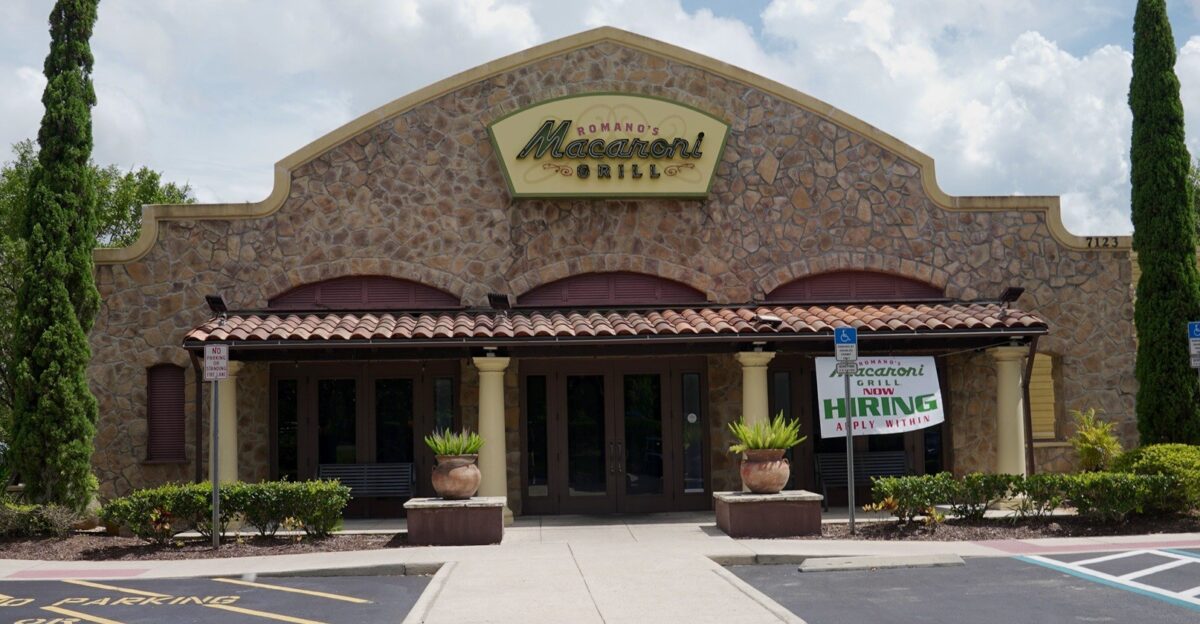
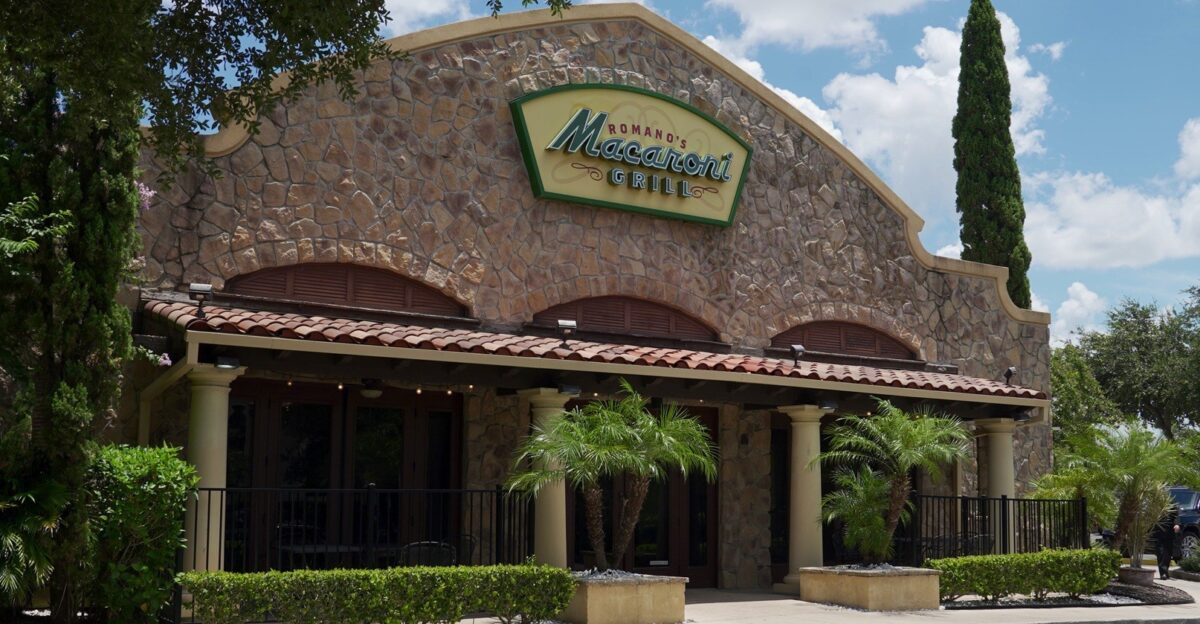
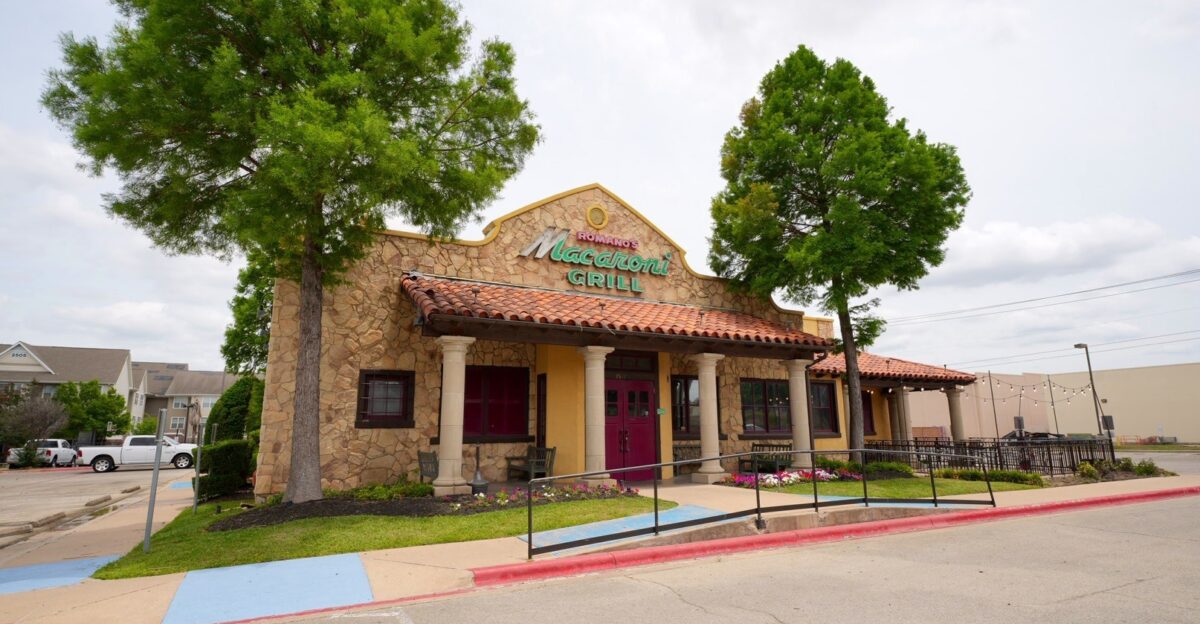
Romano’s Macaroni Grill
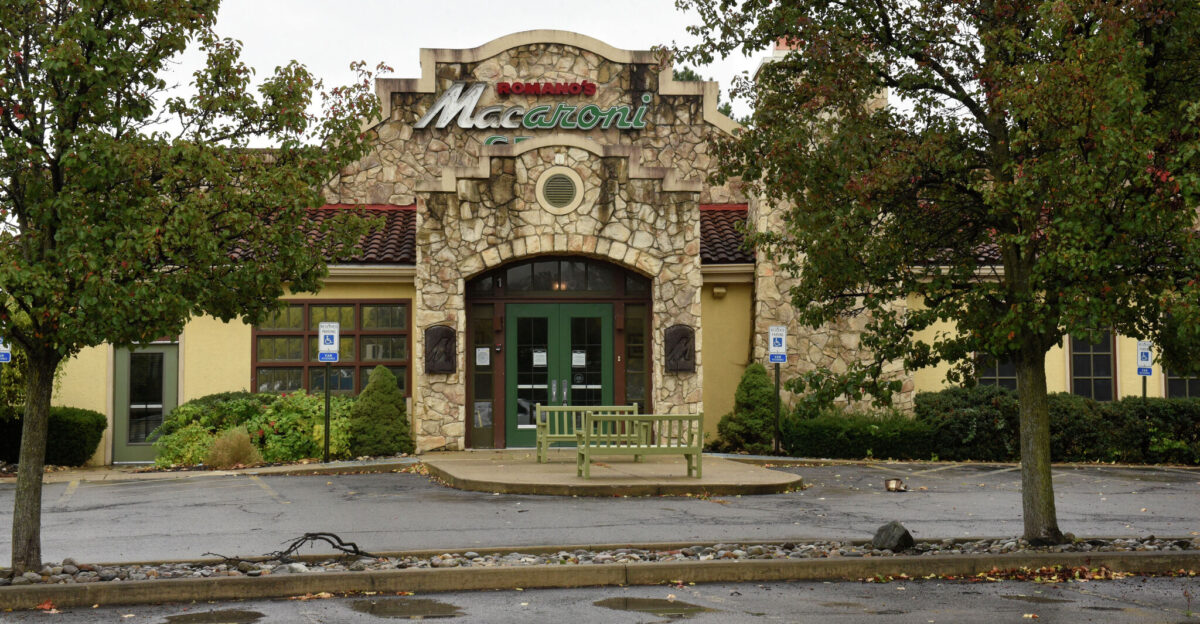
Romano’s Macaroni Grill—the chain that once rivaled Olive Garden—is now struggling to survive. At its peak, it operated 93 locations across 25 states.
Today, only 16 remain, and even those are at risk. Despite efforts to revamp the brand, the company has failed to regain its former glory, closing its doors across the country. What went wrong after the bankruptcy filing?
Bankruptcy: A Bitter Reality
In 2017, Romano’s Macaroni Grill filed for Chapter 11 bankruptcy, citing $23 million in secured debt. This was the culmination of years of financial strain.
Consumers were moving away from the sit-down dining model in favor of quicker, cheaper alternatives. The company attempted to recover through bankruptcy, but the challenges continued, and the closures didn’t stop.
A Long-Standing Decline
Romano’s Macaroni Grill’s troubles began long before its bankruptcy filing. In 2013, Ignite Restaurant Group purchased the chain for $55 million.
By 2015, it was sold to RedRock Partners for a mere $8 million. In just two years, the brand’s value had plummeted by 85%. Locations shrank, and consumer interest waned, setting the stage for the inevitable downfall.
From 230 to 17: The Shrinking Footprint
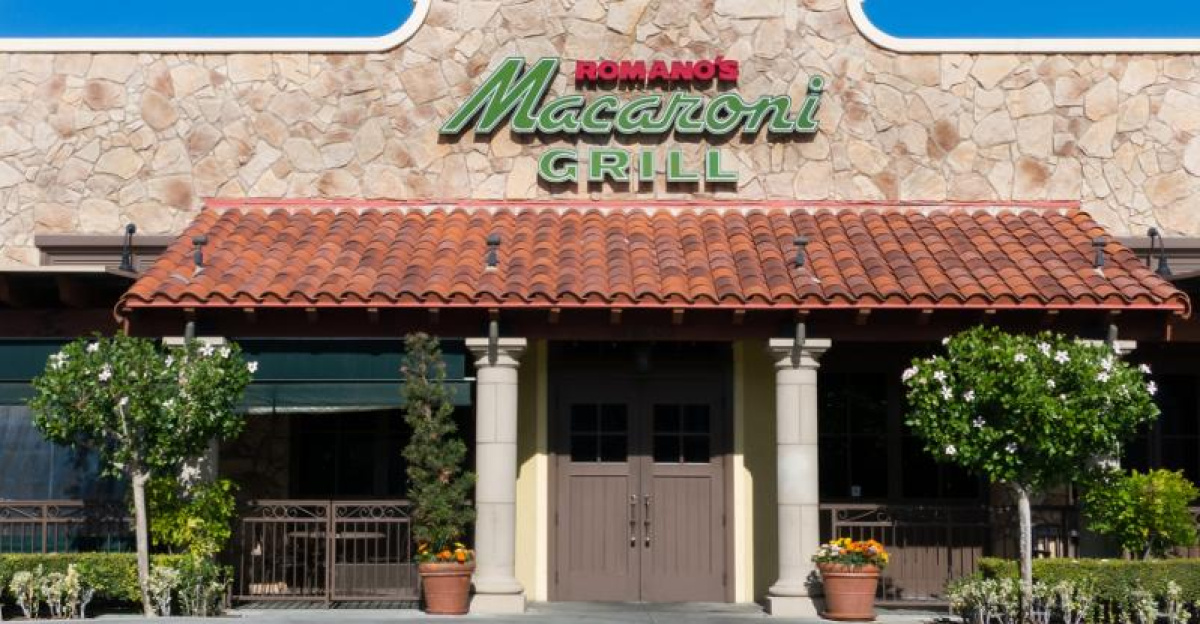
The decline in Romano’s Macaroni Grill’s store count is staggering. From over 230 locations, the brand shrank to just 93 locations by 2017.
Now, fewer than 20 locations remain open. This 90% reduction in the chain’s footprint signals not only operational failure but a broader shift in consumer preferences that the brand could not adapt to.
The Casual Dining Crisis
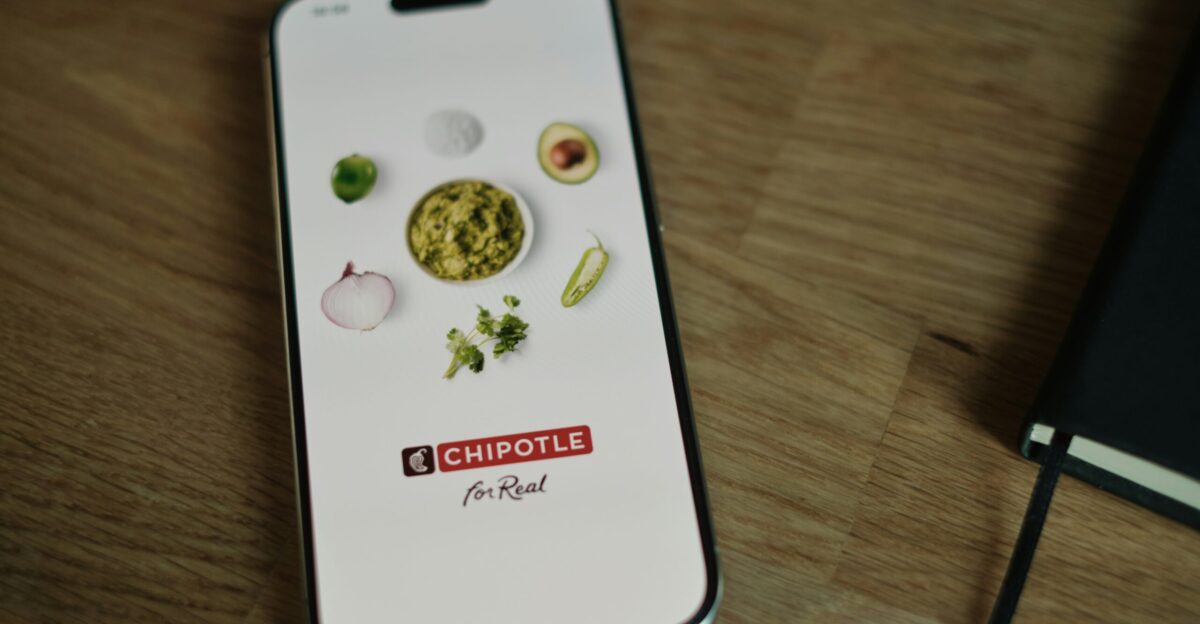
The rise of fast-casual dining options like Chipotle and Panera Bread has devastated traditional sit-down restaurants like Romano’s.
Consumers, especially Millennials and Gen Z, are gravitating toward quicker, more affordable dining experiences. Fast-casual chains offer higher-quality ingredients, faster service, and lower prices. Romano’s—and many other casual dining brands—could not compete with this shift.
The Depth of the Decline
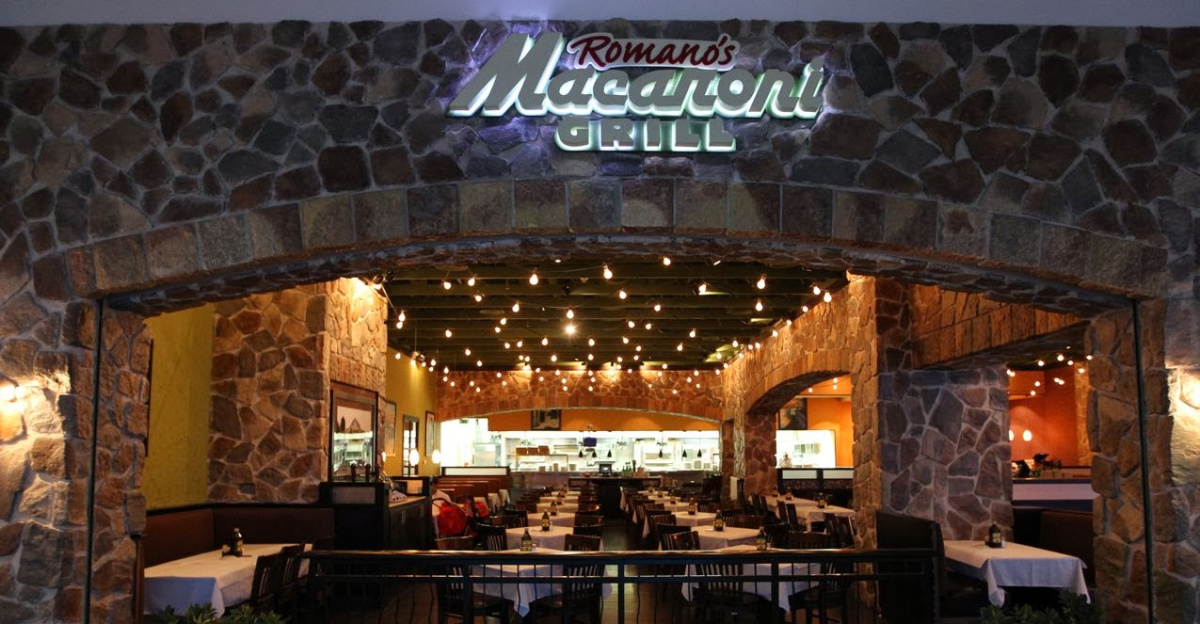
Romano’s Macaroni Grill has experienced one of the steepest declines in U.S. restaurant history. Since its 2017 bankruptcy filing, the brand has lost 77 locations, a reduction of 83% in its store footprint.
Even after emerging from bankruptcy, it has continued to lose locations at an alarming rate, with 22 closures in just two years under new ownership.
Human Impact: Jobs Lost
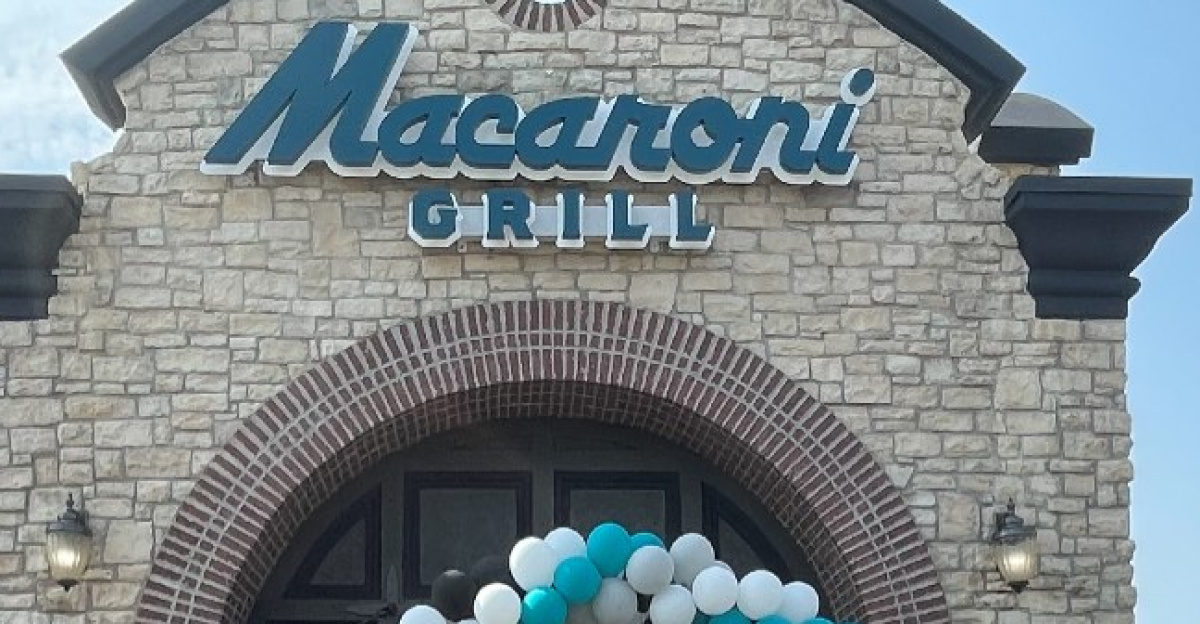
The chain’s collapse has had a devastating impact on its workforce. When it filed for bankruptcy in 2017, Romano’s employed over 4,500 people.
With 77 closures since then, between 1,155 and 1,925 jobs have been lost. Many employees were blindsided by the sudden closures, showing up for work one day only to find the doors locked with no prior warning.
Leaving the Founding City Behind
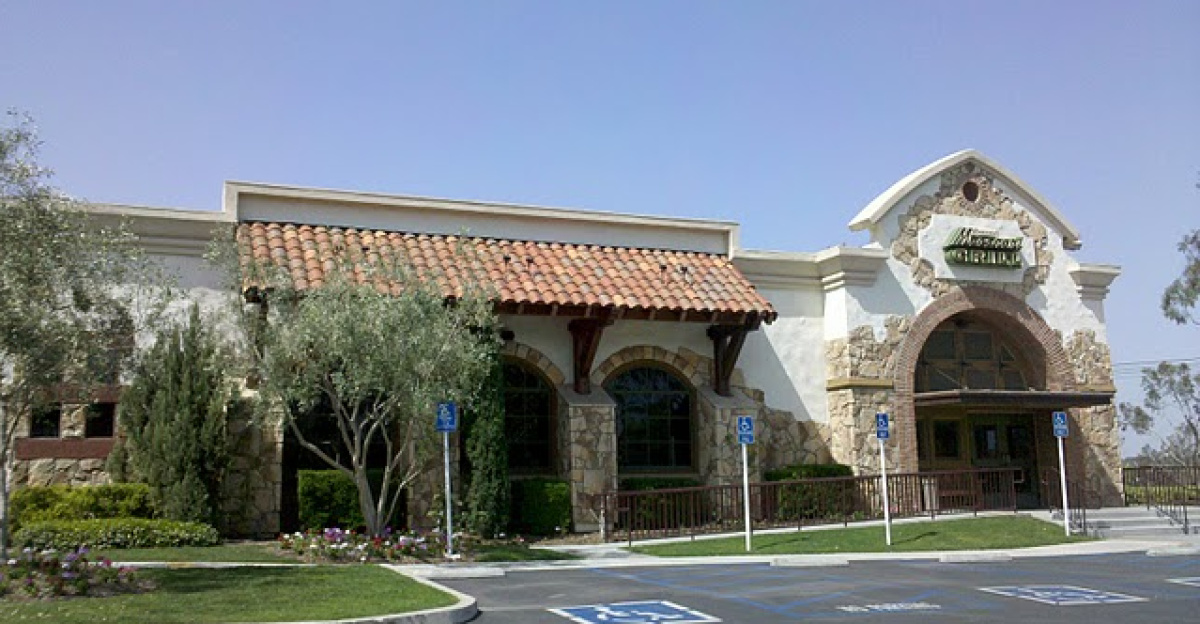
In a symbolic blow, the last Romano’s Macaroni Grill location in San Antonio—the city where it all began in 1988—closed in May 2025.
The closure marked the end of the brand’s presence in its founding city, with no official announcement or explanation. The company’s website removed the San Antonio location without any fanfare, confirming the loss of its roots.
New Ownership, Same Decline
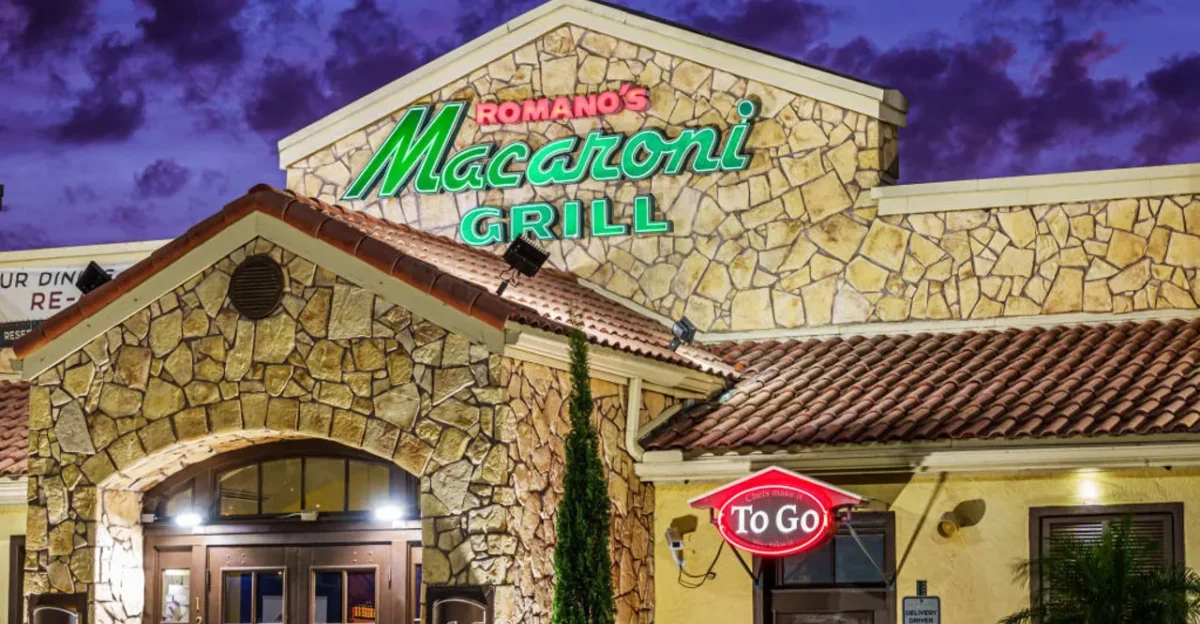
Romano’s Macaroni Grill was sold to RMG Acquisition Company in 2023, with promises of revitalization and a fresh approach. However, two years later, the company has lost nearly 60% of its locations under the new ownership.
Despite new leadership and strategic changes, the brand’s trajectory remains downward, raising questions about whether a turnaround is even possible.
The Casual Dining Apocalypse
Romano’s is not alone in its struggle. Denny’s is closing 150 locations, Red Lobster has filed for bankruptcy and closed over 100 sites, and TGI Friday’s has seen its locations reduced by 68%.
The casual dining sector as a whole is in free fall. With so many established chains closing doors, is this the end of an era for sit-down restaurants?
The Price of Dining Out
The cost of dining out has increased dramatically in recent years. Between 2020 and 2025, menu prices at major chains jumped by nearly 40%. This has led to a drop in consumer traffic, as many people can no longer afford to eat out as frequently.
Meanwhile, fast-casual options remain relatively affordable, drawing customers away from traditional casual dining spots.
Real Estate Woes
The restaurant closures have left behind a trail of vacant real estate. Shopping malls, strip centers, and main streets across America now feature empty storefronts where Romano’s Macaroni Grill once stood.
Competitors, like Jersey Mike’s and Firehouse Subs, are moving in to occupy these spaces, further signaling the end of the casual dining era.
The Olive Garden Comparison
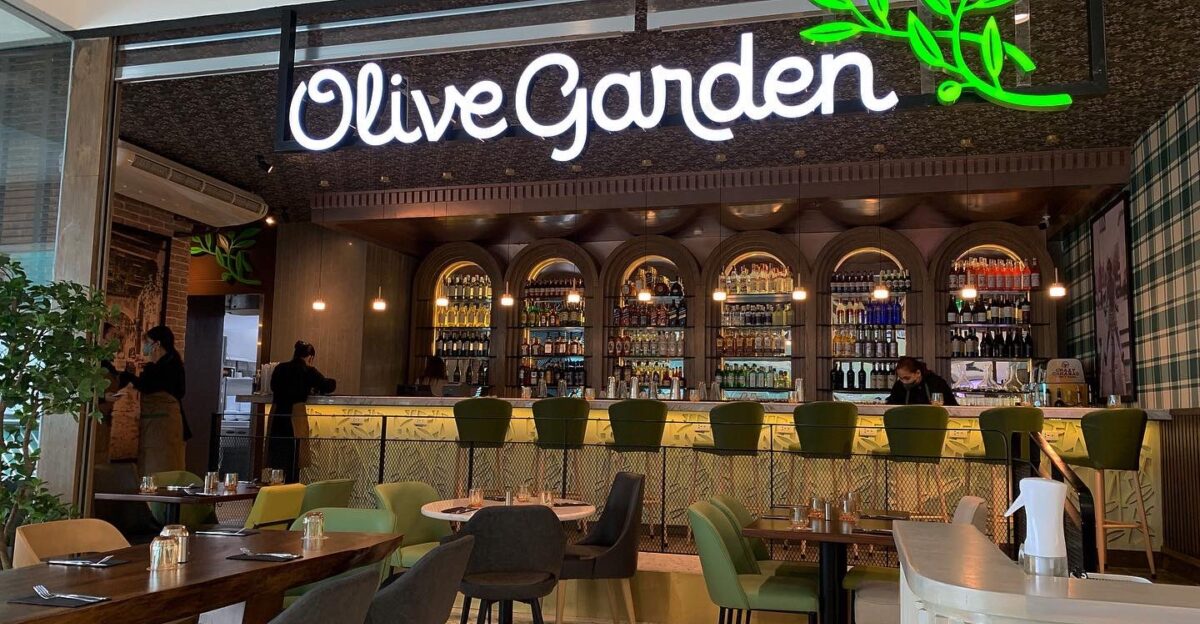
The contrast between Romano’s Macaroni Grill and its rival, Olive Garden, is stark. While Romano’s struggles, Olive Garden continues to thrive, with over 900 locations across the country.
Despite its own challenges, Olive Garden’s expansion plans remain intact, with new openings planned for the next year. Romano’s, on the other hand, is shrinking into irrelevance.
The Rise of Fast-Casual Dining
The future of dining seems to belong to fast-casual restaurants. These establishments offer a premium dining experience without the slow service of traditional sit-down restaurants.
With customizable menu options, faster service, and lower prices, fast-casual dining has become the go-to choice for a younger generation that values convenience and affordability.
Can Romano’s Survive Abroad?
Despite its troubles in the U.S., Romano’s Macaroni Grill still operates five locations in Puerto Rico and has partnerships in Mexico and Germany.
But will international markets embrace this once-popular brand? With Americans turning away from sit-down Italian dining, the future of Romano’s in other countries is uncertain at best.
A Brand’s Decline or a Warning?
Romano’s Macaroni Grill’s decline from 230 locations to just a handful is not just the story of one brand’s failure. It’s a reflection of broader shifts in consumer preferences and dining habits.
As the restaurant industry changes, the rise of fast-casual dining leaves brands like Romano’s struggling to survive. Is this the end of an era, or is it a warning for the entire industry?
Sources:
FSR Magazine, October 2017: Romano’s Macaroni Grill Bankruptcy Filing and Industry Trends Commentary
The Street, November 2025: Romano’s Macaroni Grill Closures, Location Count, and Broader Casual Dining Sector Analysis
USA Today, February 2025: Denny’s Restaurant Closures Nationally and Sector Impact
USA Today, July 2024: Red Lobster Bankruptcy and Over 100 Site Closures Across U.S.