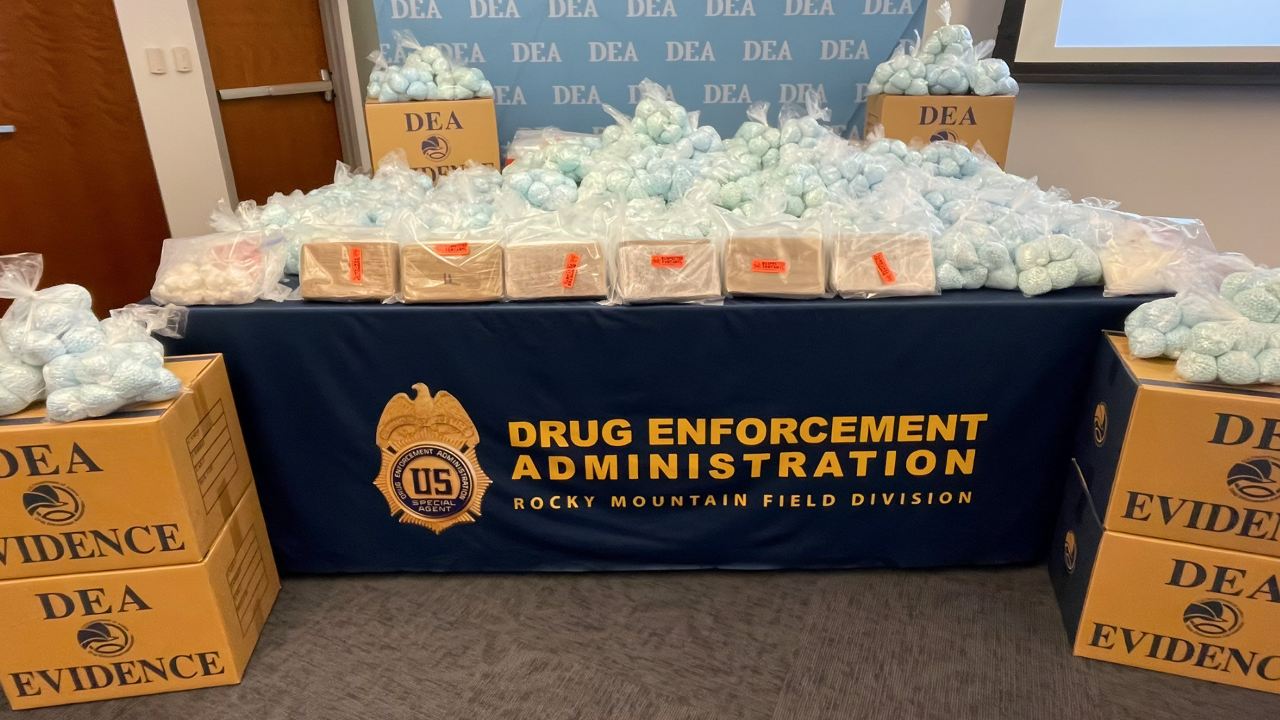
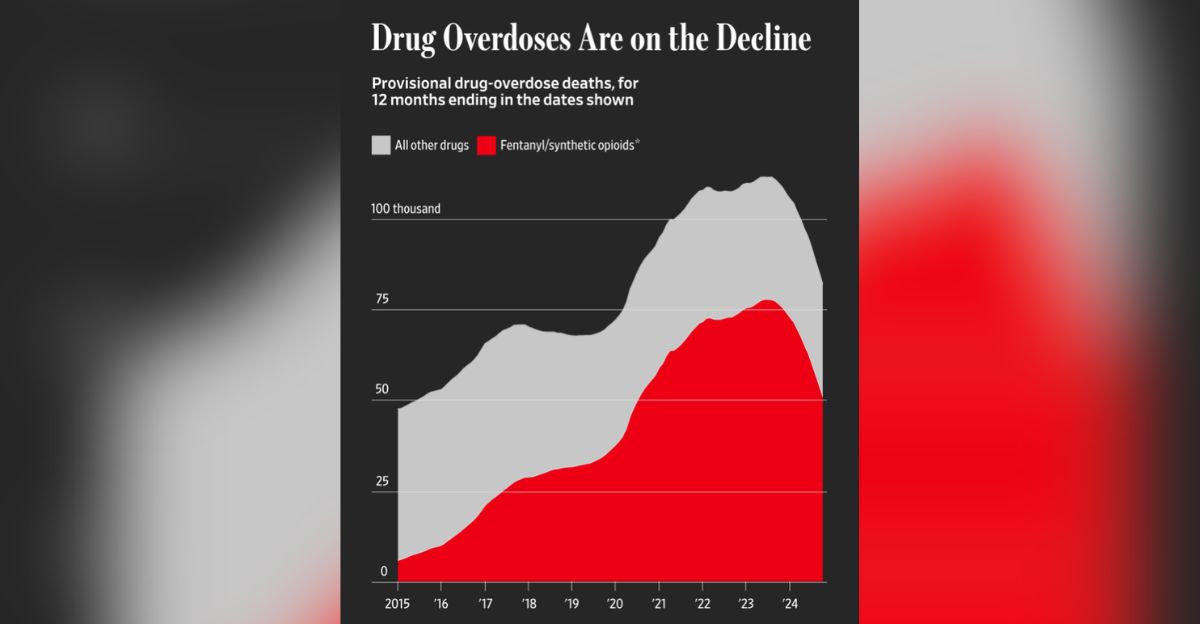
For the first time since 2018, overdose deaths are falling across the United States. From June 2023 to June 2024, approximately 16,000 fewer people died, representing a 14.5% decline that signals a possible turning point in a brutal public health crisis.
The reasons remain disputed, spanning enforcement pressure, naloxone access, treatment expansion, and changing drug markets. Understanding why this happened is crucial because the next phase could save lives or erase the gains made. Let’s look deeper.
What Changed Nationwide
The shift stunned researchers, who were tracking a relentless climb. CDC data released in November 2024 showed that deaths dropped from approximately 111,615 to 93,087 between June 2023 and June 2024. Later full-year figures showed 80,391 deaths in 2024, a 26.9% decline and the lowest since 2019. Something clearly changed, but the reason was not immediately apparent. That uncertainty soon fueled debate.
A First In Six Years
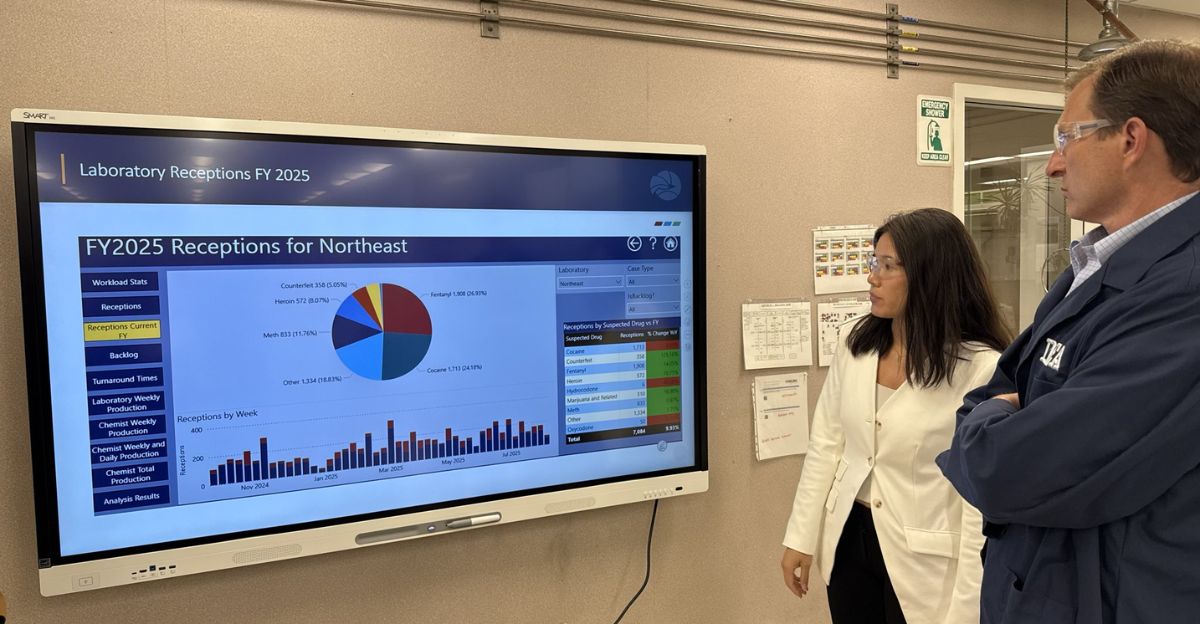
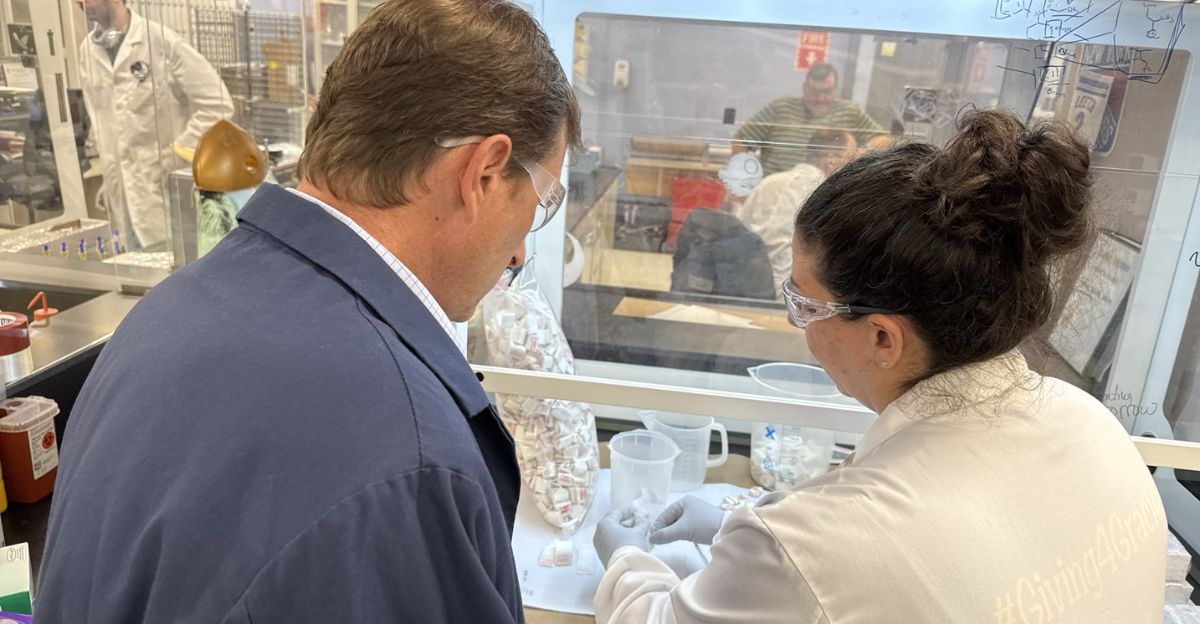
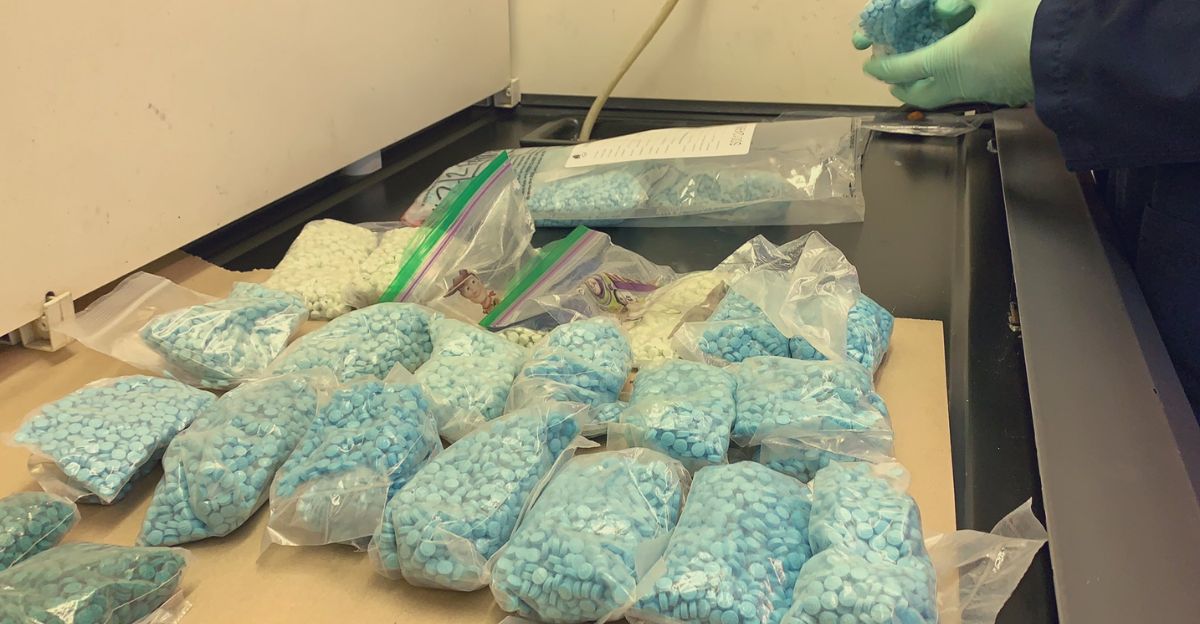
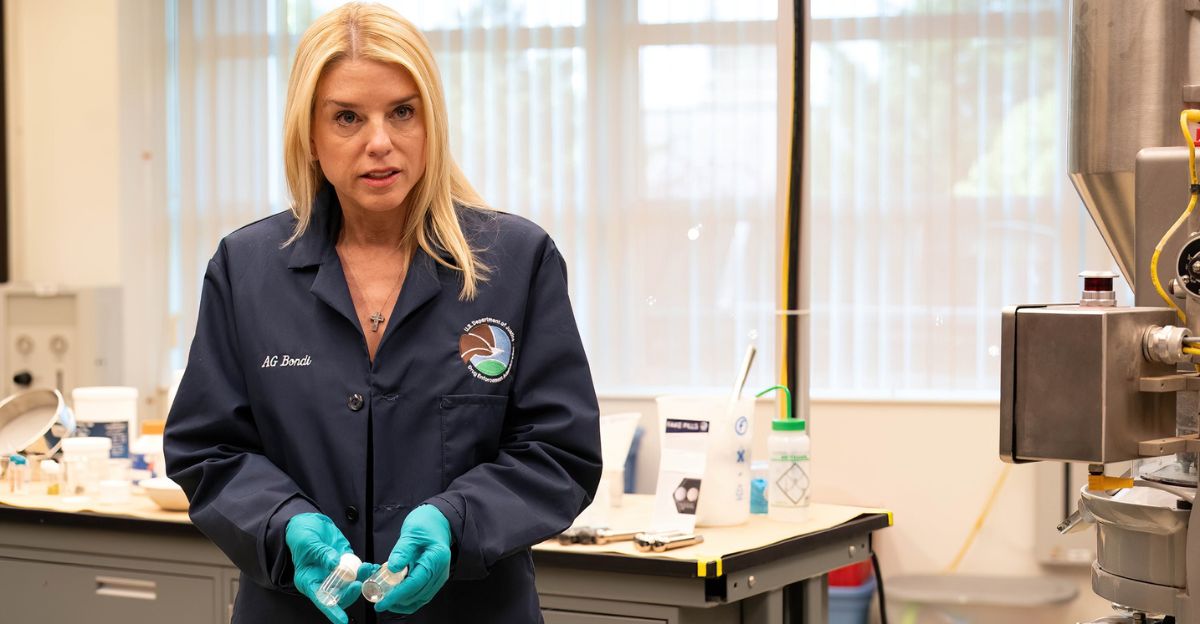
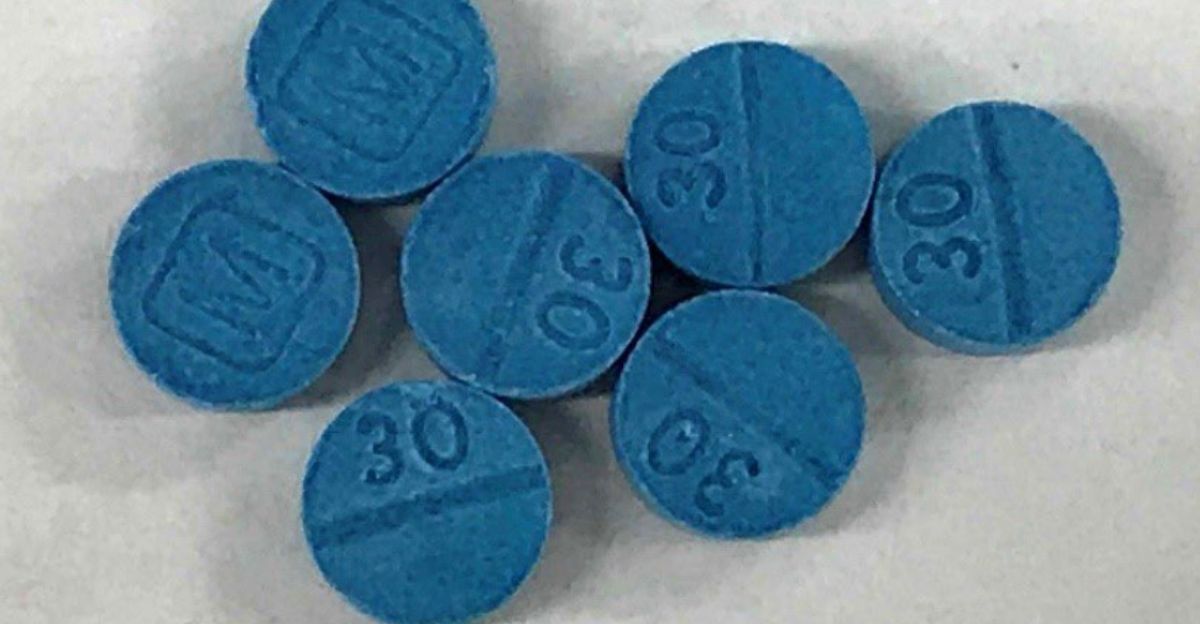
DEA laboratory testing revealed a sharp change in counterfeit fentanyl pills. In 2024, only 5 of 10 pills contained 2 milligrams or more, down from 7 of 10 in 2023 and 6 of 10 in 2022, according to the agency’s November 2024 report. The prevalence of lethal dose fell roughly 30%, suggesting a safer supply, until another detail complicated that conclusion. The omission mattered.
“The Cartels Have Reduced the Amount”

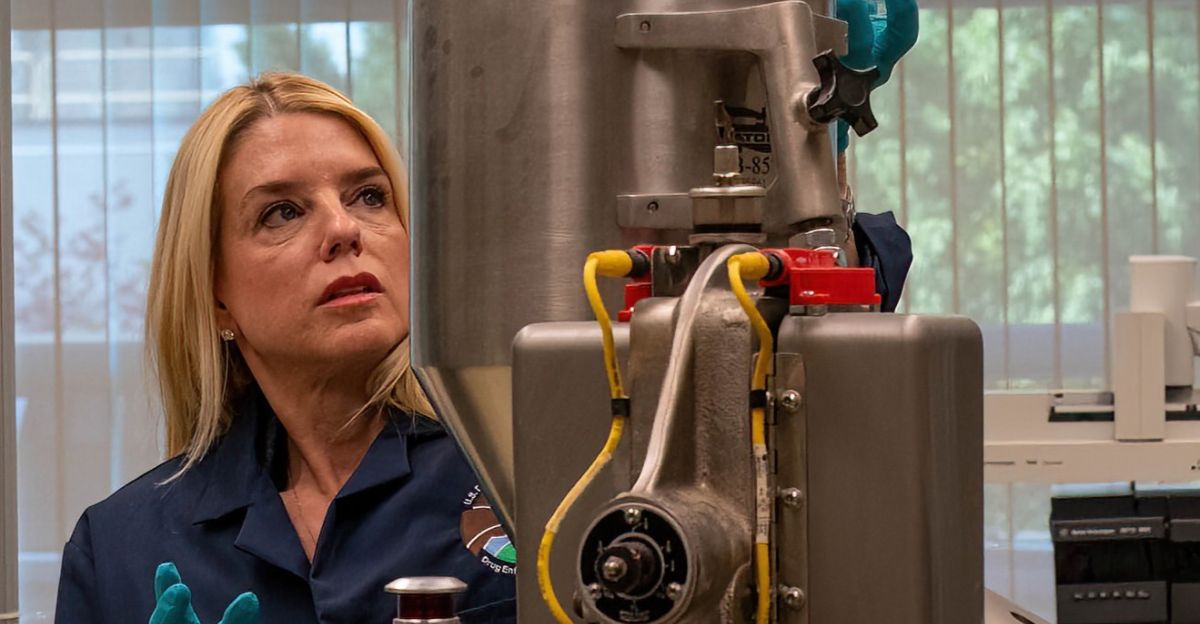
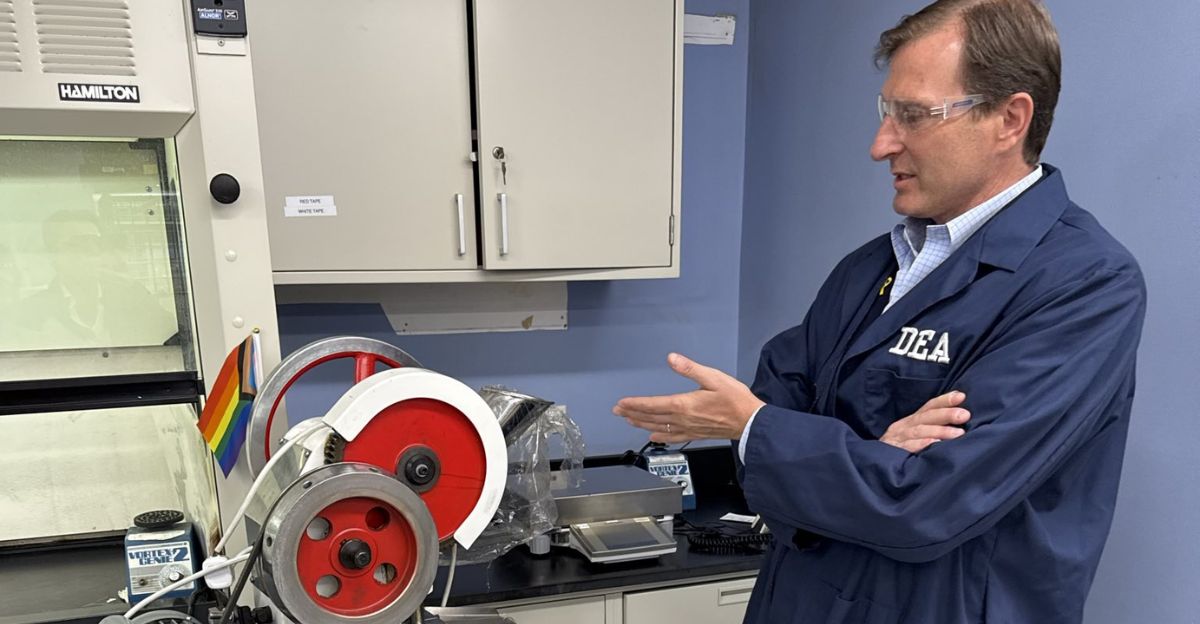
“The cartels have reduced the amount of fentanyl they put into pills because of the pressure we are putting on them,” said Anne Milgram, DEA Administrator. The DEA credited seizures exceeding 60 million pills in 2024 to its One Pill Can Kill campaign. Many researchers questioned whether enforcement alone explained it.
Pills Do Not Tell Everything
The pill data tell only part of the story. Powdered fentanyl dominates illicit markets. “Illicit fentanyl is more frequently encountered and utilized in its powdered form,” said Dr. Alex Krotulski, Director of Toxicology at Center for Forensic Science Research and Education. Without powder testing, experts warned that claims about dilution rested on evidence. That gap reshaped the debate.
Other Drugs Fell Too
Deaths declined across multiple drug categories, complicating a single cause explanation. CDC analysis published in June 2025 showed cocaine deaths falling from August 2023, accelerating in February 2024. Methamphetamine deaths followed one month later. Synthetic opioid deaths dropped 37% year over year. If enforcement weakened only fentanyl, why did unrelated markets shift simultaneously? That pattern suggested a broader force at work.
“I’m Not 100% Convinced”
Academic skepticism grew louder as explanations multiplied. “I’m not 100% convinced this phenomenon lasts another year. We have to expect the unexpected moving forward,” said Dr. Daniel Ciccarone, Justine Miner Professor in Addiction Medicine at the University of California, San Francisco. He described supply shocks making fentanyl less potent, costlier, and harder to find. Uncertainty replaced confidence overnight.
Not One Cause Alone

“Multiple factors contribute to the drop in overdose deaths, including widespread, data-driven distribution of naloxone; better access to evidence-based treatment for substance use disorders; shifts in the illegal drug supply; a resumption of prevention and response after pandemic-related disruptions; and continued investments in prevention and response programs,” stated the CDC, press release, February 24, 2025. That breadth reframed debate nationwide discussion.
Naloxone Reaches More People
When naloxone became over the counter in March 2023, access expanded quickly. California’s Naloxone Distribution Project dispensed over 5.1 million kits since 2018, reversing about 297,000 overdoses through May 2024, according to January 2025 research. Average pharmacy prices fell from $90.93 to $62.67, while California’s CalRx program lowered costs to $24. Those numbers hinted at a powerful impact.
Treatment Access Improves
Medication access also improved after pandemic disruptions eased. Between 2017 and 2023, opioid treatment programs offering buprenorphine rose from 67.0% to 85.1%. Programs providing all 3 medications increased from 33.2% to 45.0%, according to June 2025 JAMA research. Still, only 18% of 2.1 million people with opioid use disorder received treatment annually. Progress remained incomplete.
A Quiet Generational Shift
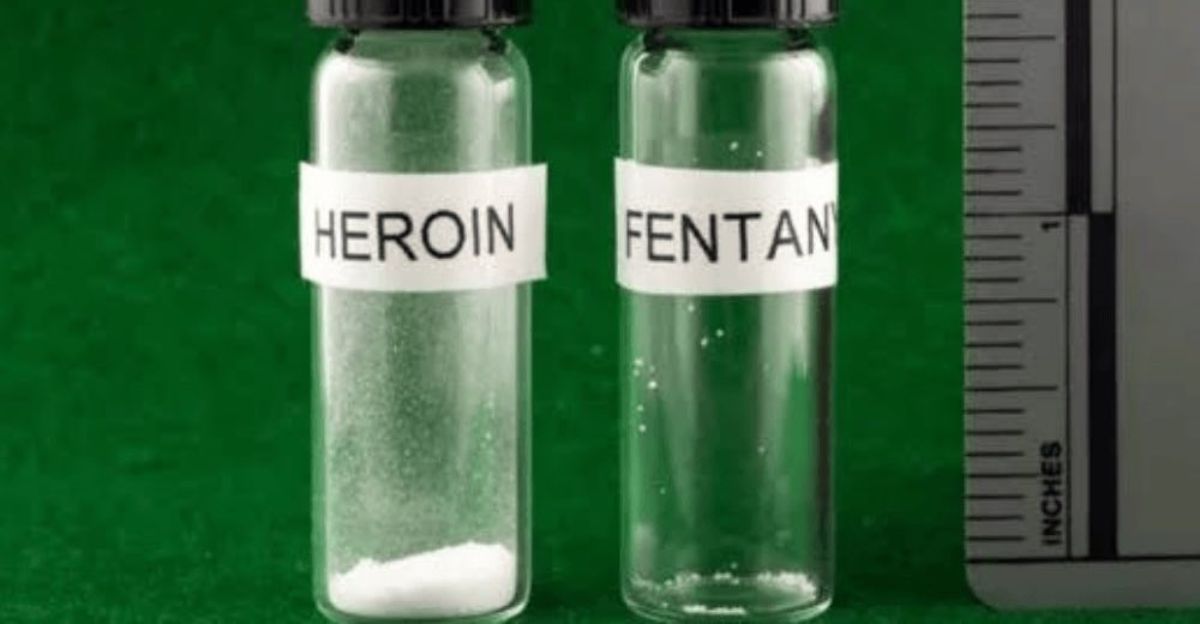
Patterns of drug use are changing beneath the surface. Dr. Ciccarone found that people intentionally seeking fentanyl had an average age of 37-38 years, often with long overdose histories. Younger users are less likely to seek fentanyl after encountering it mixed with heroin, he noted. As older high-risk cohorts age out and younger users avoid potent synthetics, overdose rates may fall naturally. Demographics may matter more than potency.
Changing How Drugs Are Used
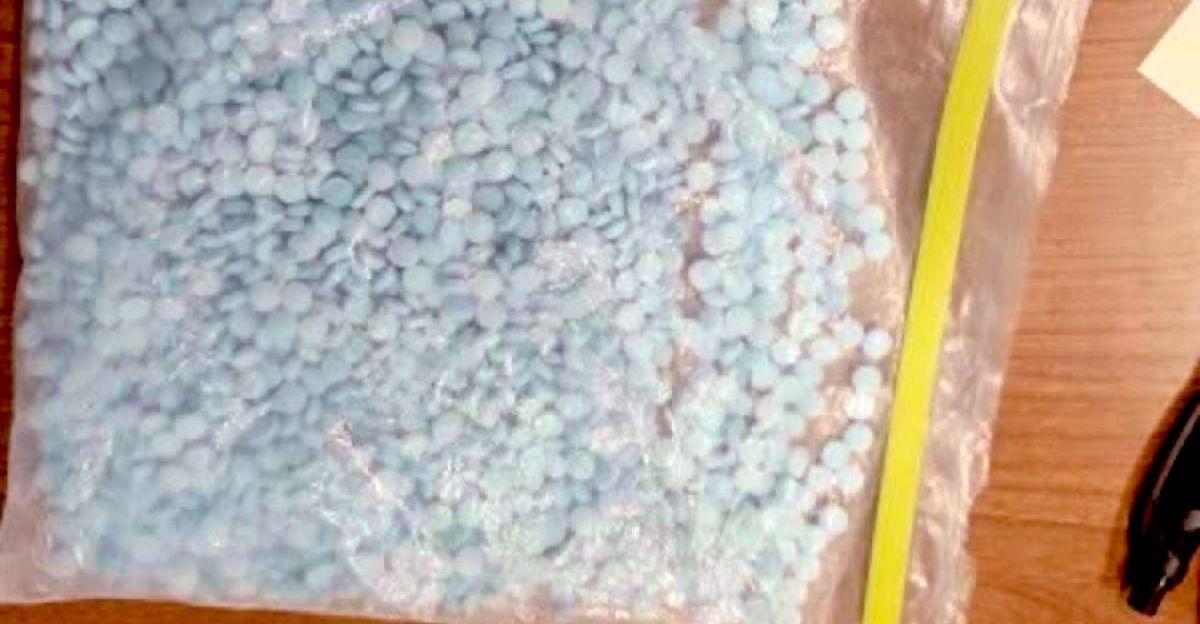
The method of use also affects survival. A May 2024 San Francisco study found people who only smoked fentanyl had 40% lower nonfatal overdose risk than injectors, 19% versus 27%. Smoking also reduced skin and soft tissue infections by 253%. Harm reduction groups promoted safer smoking supplies, encouraging the shift. Even unchanged potency could yield fewer deaths. That insight reframed risk discussions.
Enforcement At Full Scale
Law enforcement activity did not slow during the decline. The DEA seized over 60 million fentanyl pills and nearly 8,000 pounds of powder in 2024, equal to about 380 million lethal doses, agency data showed. In August 2025, a five-day operation arrested 617 people and seized 480 kilograms of powder plus 714,707 pills. Scale was undeniable, impact remained debated.
Economics Raise Questions
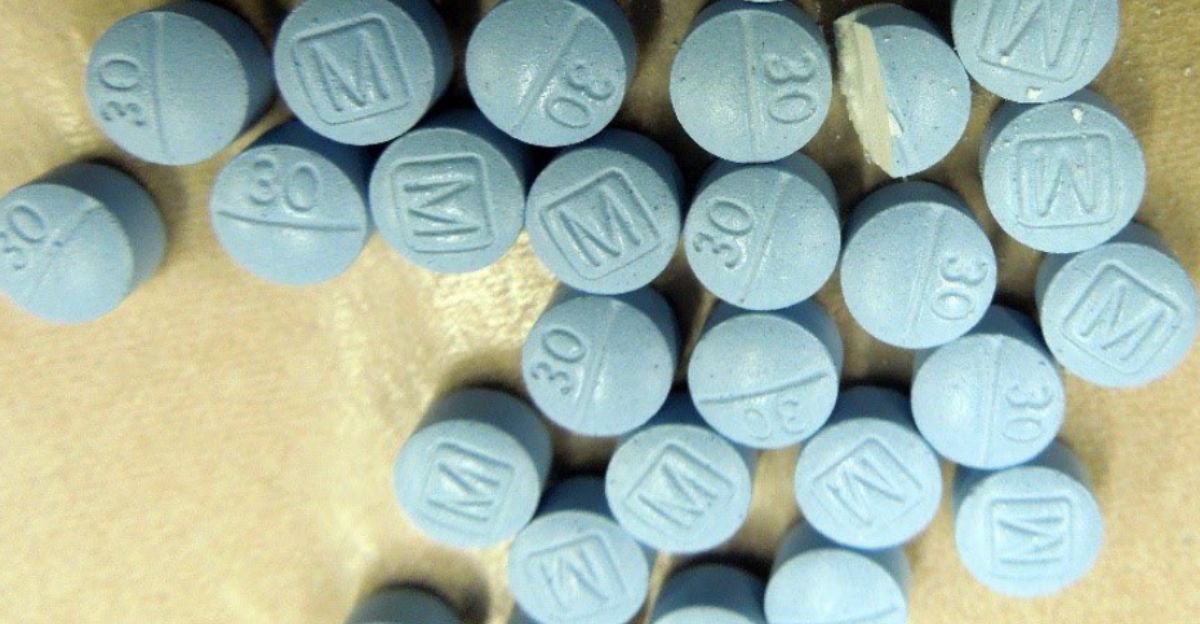
Cartel economics complicate dilution claims. One kilogram of fentanyl yields about $50,000 wholesale. When costs rise, traffickers typically increase the potency per dose to protect profits, rather than dilute the products. Yet potency declined. Analysts suggested either severe supply constraints or a strategy favoring market share over short-term revenue. Whether enforcement forced that choice remains unclear. The paradox kept experts divided.
Disparities Worsen Despite Decline

The overall drop masked widening racial gaps. In Ohio, non-Hispanic Black fentanyl death rates remained nearly double White and Hispanic rates, a January county analysis showed. Michigan reported Black mortality at 57.7 per 100,000 versus Whites at 25.4. Nationally, Black deaths rose 249.3% from 2000 to 2024. Progress for some communities coincided with more profound inequity for others.
Access Depends On Location
Where someone lives still shapes survival. July 2024 research found rural North Carolina pharmacies charged $65.43 to $88.67 for naloxone, compared with $53.58 in urban areas. Independent pharmacies charged 34% more than chains. Medication-assisted treatment is also concentrated in cities, leaving rural areas with gaps. The same tools that drove national declines failed to reach the hardest-hit regions. Geography limited gains.
Where Experts Agree
Despite disagreements, several points united researchers. The decline is real across verified data. Multiple factors work together more effectively than any single explanation. Fentanyl remains deadly even when “weaker,” since tolerance varies widely. Drug markets adapt quickly to pressure. Sustainability is uncertain, echoing Ciccarone’s warning to expect the unexpected. Consensus ended there, leaving policymakers without a single clear playbook.
A Brief Opening Appears
This marks the first sustained decline since 2018, creating a sense of urgency. The drop accelerated after February 2024, suggesting either new interventions or a discrete disruption. Experts warned against celebration. If the cause is a temporary supply shock, markets may rebound. If harm reduction is the driving force, funding must continue. The moment offers opportunity, but only if action follows quickly.
What Comes Next?

Three paths dominate forecasts. Continued investment in naloxone and treatment could lock in progress. A fading supply shock could restore potency and reverse trends. Enforcement-driven dilution could trigger cartel adaptation with unknown effects. Agencies acknowledged uncertainty as markets shift routes and chemistry rapidly. No expert confidently predicted whether the 14.5% decline would hold through another year. The future remains unsettled.
A Window That Can Close
The decline represents real progress, about 16,000 lives spared in one year. Still, roughly 80,000 Americans died from overdoses in 2024. The Sinaloa and Jalisco cartels remain primary fentanyl sources, according to the DEA 2024 National Drug Threat Assessment. Harm reduction, treatment, enforcement, and research all matter. Why the decline happened matters less than ensuring it continues. The window to act is narrow.
Sources:
CDC Reports Nearly 24% Decline in U.S. Drug Overdose Deaths. Centers for Disease Control and Prevention, February 24, 2025.
Less-Potent Fentanyl Pills May Be Playing a Role in Declining Overdose Deaths. CNN Health, November 21, 2024.
DEA’s Third Annual National Family Summit on Fentanyl Highlights Progress. Drug Enforcement Administration, November 15, 2024.
Naloxone Distribution Project: Opioid Harm Reduction Through Expanded Access. California Department of Public Health, January 2025.
Medications for Opioid Use Disorder in U.S. Treatment Programs (2017-2023). JAMA Network Open, June 1, 2025.
Widening Racial Disparities in Opioid-Related Deaths Across U.S. States. Journal of the American Medical Association, January 15, 2025.