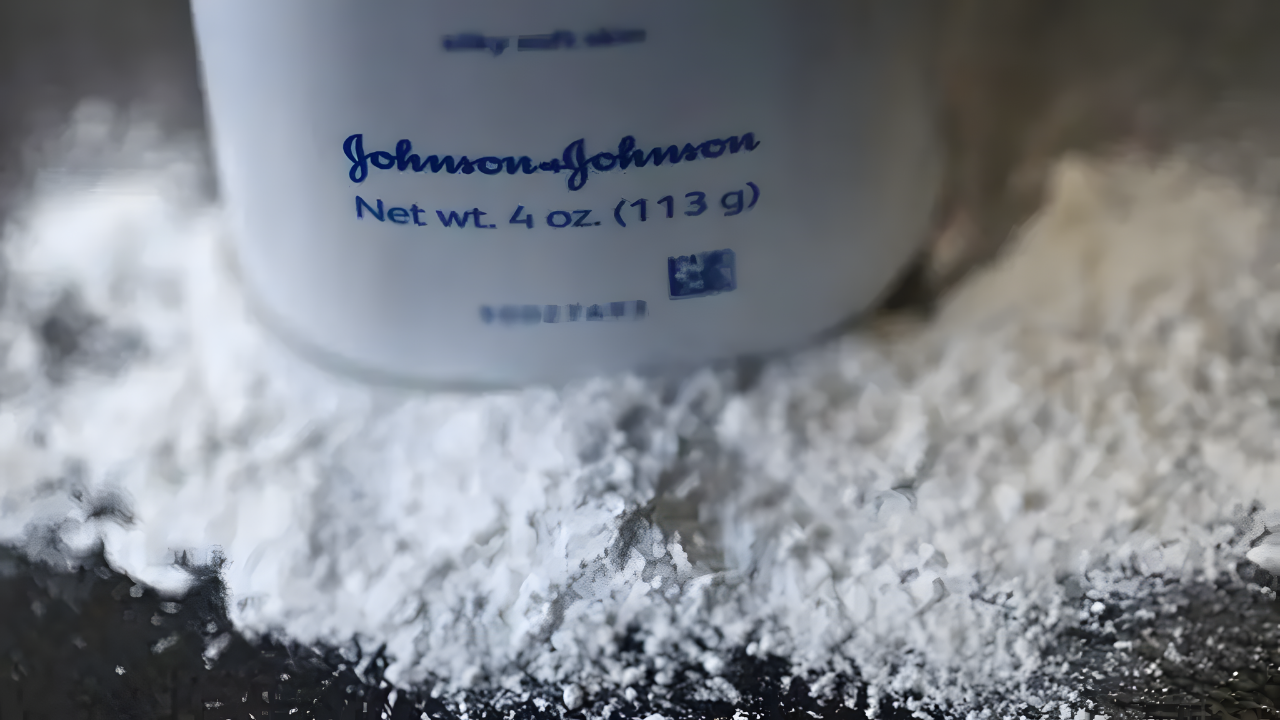
A Los Angeles jury ordered Johnson & Johnson to pay $40 million to two women on December 13, 2025. The women claimed the company’s talc-based powder caused their ovarian cancer. This ruling ends a long run of wins for the company in similar cases.
Key Court Win

The jury gave Monica Kent $18 million. Deborah Schultz and her husband received $22 million together. This decision matters because Johnson & Johnson had won 16 out of 17 past trials on talc and ovarian cancer claims.
Law experts say the verdict may change how future cases go. It puts more pressure on the company’s defenses in court. For the women and others suing, this feels like a big step forward after many losses.
Powder’s Past Use
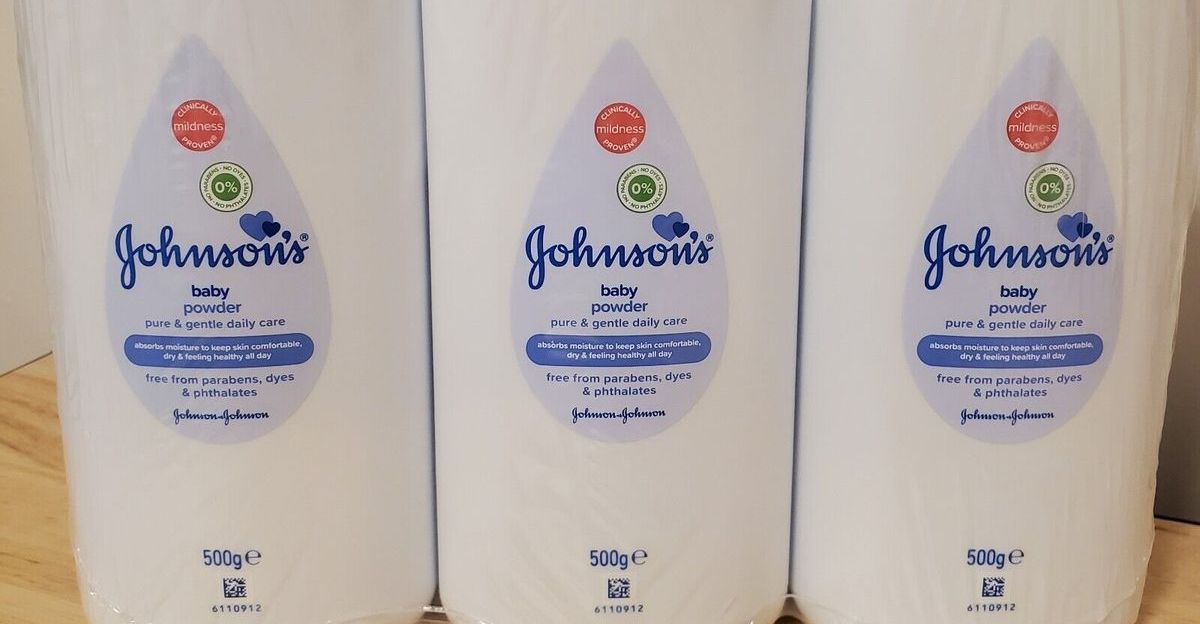
Johnson’s Baby Powder was a common product in homes for years. People liked it for keeping skin dry and smooth. Both Kent and Schultz used J&J talc products for about 50 years before getting sick.
The women say long-term use led to their ovarian cancer. They argue the powder had hidden risks that affected millions of users. Johnson & Johnson says studies show no clear link between its talc and cancer.
Company Changes

Johnson & Johnson stopped selling talc-based baby powder in North America in 2020. The company ended sales worldwide by 2023 and switched to cornstarch instead. This came from growing worries and lawsuits.
Other brands added more talc-free options to their lines. Stores began offering these safer choices more often. Places like hotels, gyms, and spas stopped providing talc powders to cut down on risks.
Wider Legal Fight
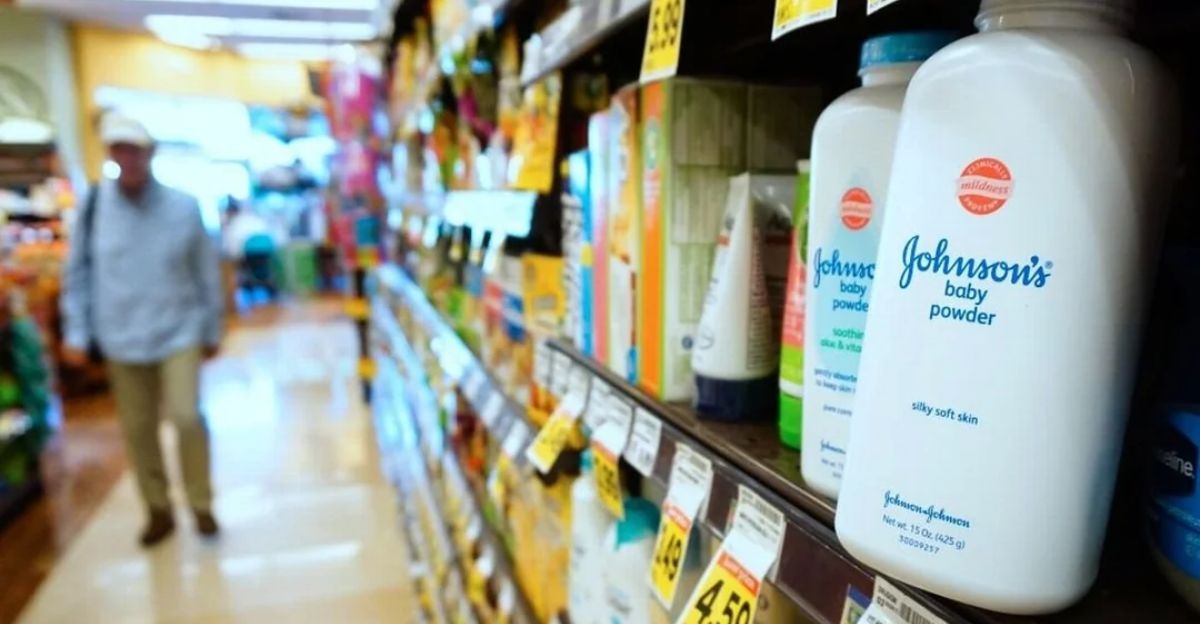
The Los Angeles case affects lawsuits around the world. Over 3,000 claims in the UK say talc caused cancer or mesothelioma. In the US, the number of cases rose from about 38,000 in 2023 to over 67,600 by late 2025.
A Texas judge turned down Johnson & Johnson’s $9 billion bankruptcy plan in April 2025. The judge said the voting process had problems and did not protect victims enough. Now the company must handle cases one by one, with costs that could reach tens of billions.
Old company papers from the 1950s show tests for asbestos in talc, a mineral sometimes found impure in mines. Some documents hint the company knew of risks early on. Doctors tell long-time users to see a specialist for checks and pick proven talc-free items.
Sources:
“Jury says Johnson & Johnson owes $40 million to 2 cancer patients who used talcum powders.” ABC News, 13 Dec 2025.
“Thousands in UK sue Johnson & Johnson over talcum powder cancer claims.” BBC News, 15 Oct 2025.
“J&J shares tumble as judge rejects $10 billion talc settlement.” Reuters, 01 Apr 2025.