Sunlight simulation in the workplace focuses on reproducing the intensity and timing of natural daylight rather than its full solar spectrum.
Most commercial systems emphasize bright, visible light—often up to 10,000 lux—and adjustable color temperatures ranging from warm (≈2,700K) to cool daylight (≈6,500K). Research shows that properly timed bright light supports circadian alignment, alertness, and mood, particularly for indoor or remote workers with limited daylight exposure.
Historical Evolution
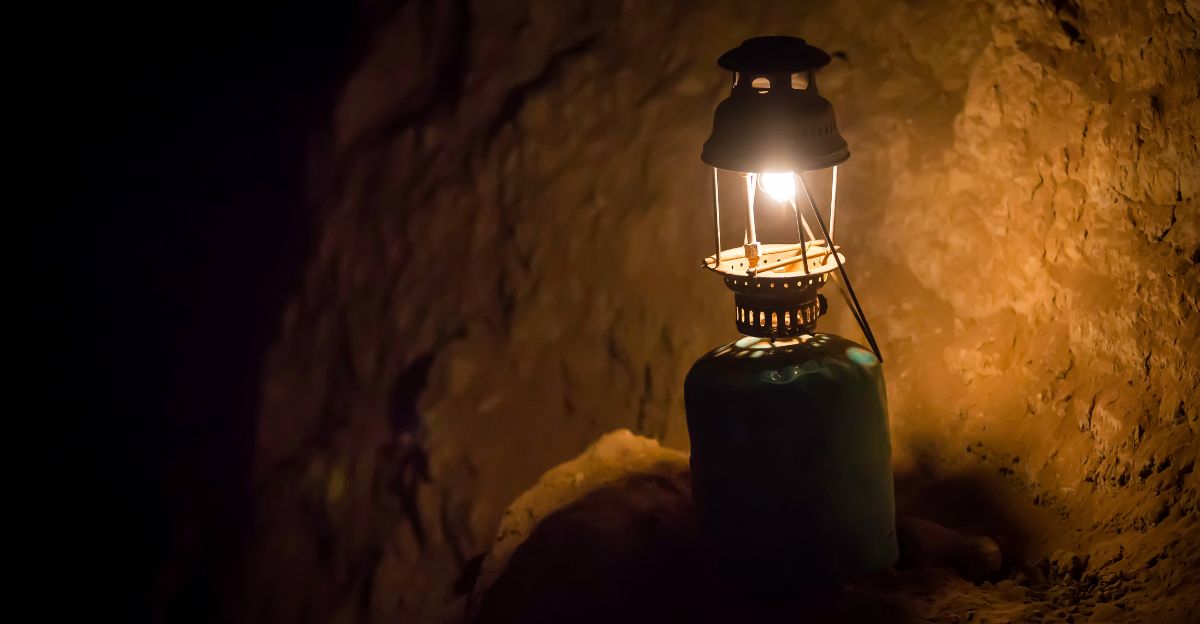
Workplace lighting evolved from dim gas lamps to incandescent bulbs, which offered warm but inefficient illumination. Fluorescent lighting dominated after World War II, prioritizing efficiency over biological effects.
By the late 20th century, chronobiology research revealed that light intensity and timing affect sleep and alertness. The 2010s introduced tunable LEDs, and by 2025, high-CRI, dynamically adjustable systems allow offices to better approximate daylight conditions throughout the workday.
Modern Trends
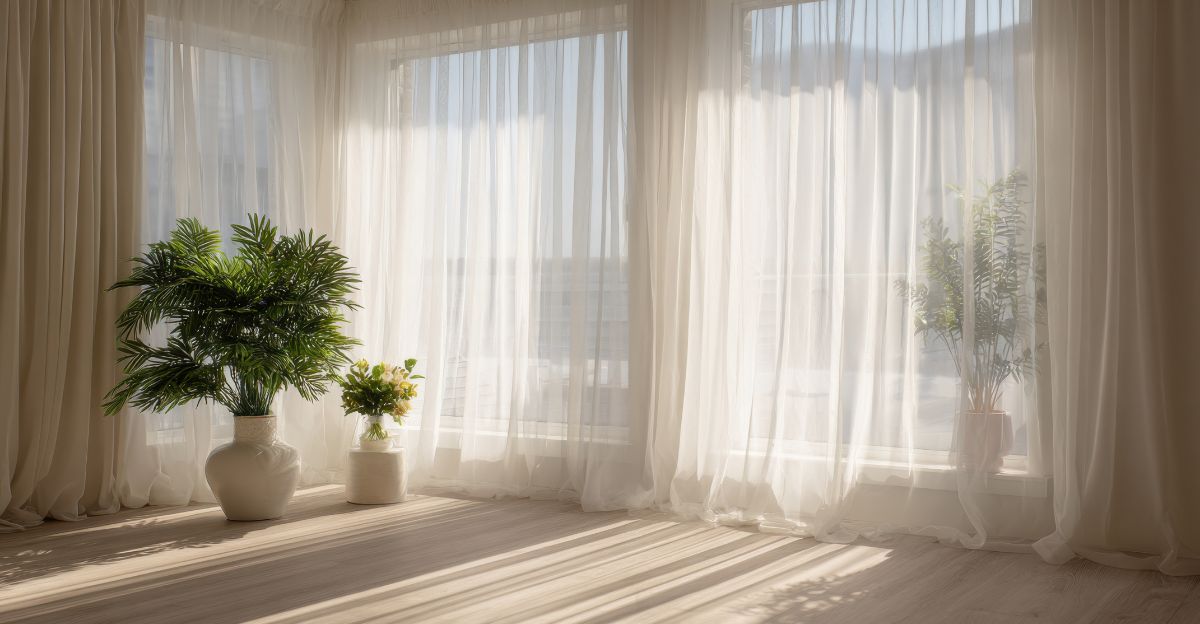
In 2025, workplace lighting increasingly integrates smart controls, sensors, and scheduling algorithms. Systems can shift brightness and color temperature across the day to reflect natural light patterns. Adoption accelerated after the rise of remote work, with employers emphasizing well-being and productivity.
While lighting alone is not a cure-all, studies consistently show that poor lighting negatively affects concentration, fatigue, and perceived work quality, reinforcing demand for improved solutions.
Psychological Impacts

Bright, well-timed light exposure influences neurotransmitter activity associated with alertness and mood regulation.
Clinical research on light therapy—especially for Seasonal Affective Disorder—demonstrates improvements in mood and energy when high-lux light is used in the morning. Office pilots report better perceived focus and satisfaction in well-lit environments. While effects vary individually, consistent lighting quality is a recognized contributor to cognitive performance and workplace comfort.
Health Imperatives
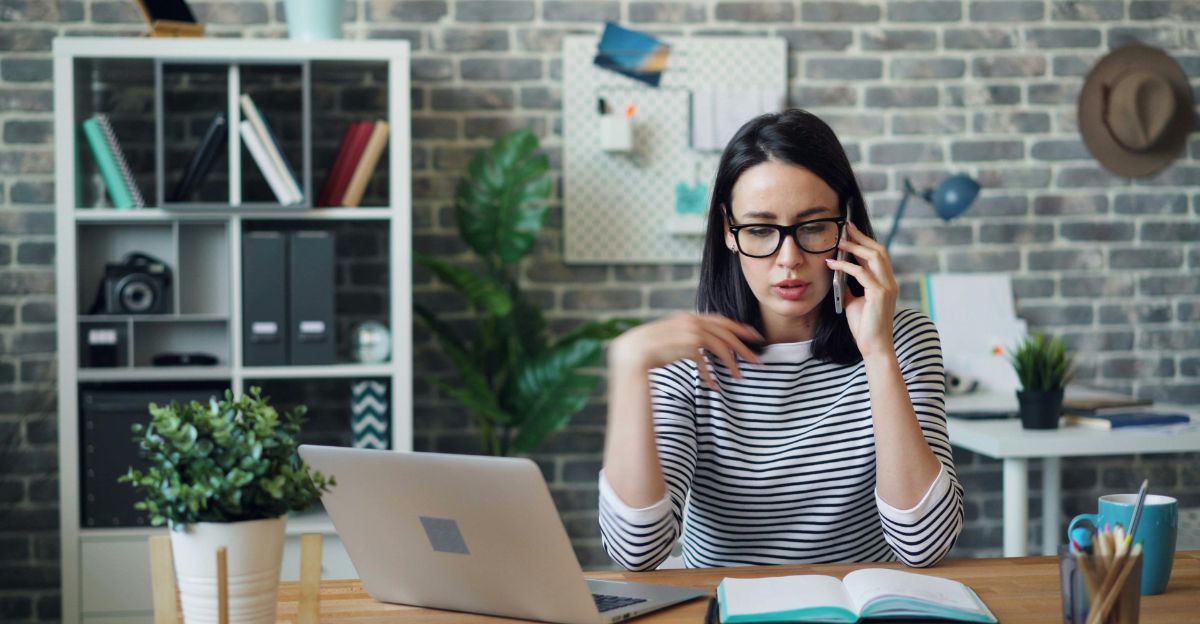
Indoor workers often experience circadian disruption due to insufficient daytime light and excessive evening exposure.
Daylight-mimicking systems help reinforce healthy sleep–wake cycles when used appropriately. Importantly, most workplace light simulators do not emit UVB and do not produce vitamin D—their health benefits stem from visual and circadian pathways, not ultraviolet exposure. Proper lighting is linked to reduced eyestrain and improved daytime alertness.
Productivity Metrics
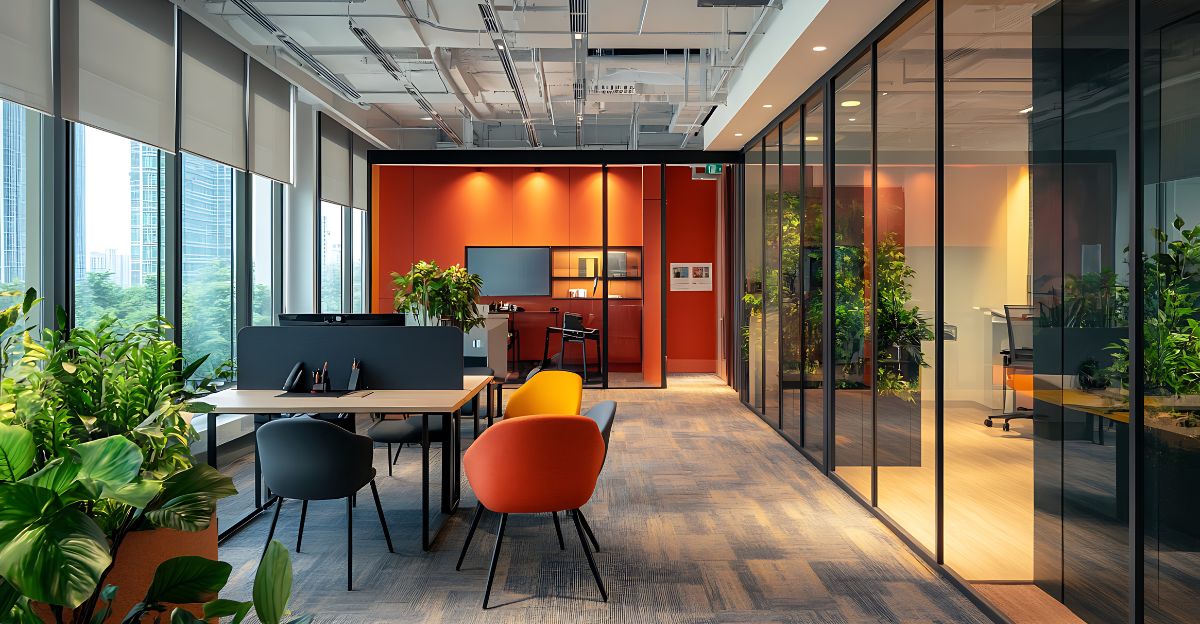
Studies comparing dim offices to bright, evenly lit environments consistently show gains in reaction time, accuracy, and sustained attention.
Dynamic lighting that increases brightness during morning hours and softens later in the day supports focus without overstimulation. While productivity gains are modest rather than dramatic, improved lighting reduces fatigue-related errors and supports consistent performance, particularly in cognitively demanding roles.
Key Challenges
High-quality lighting systems can be costly, with prices ranging from $200 to over $1,000 per unit depending on scale and features.
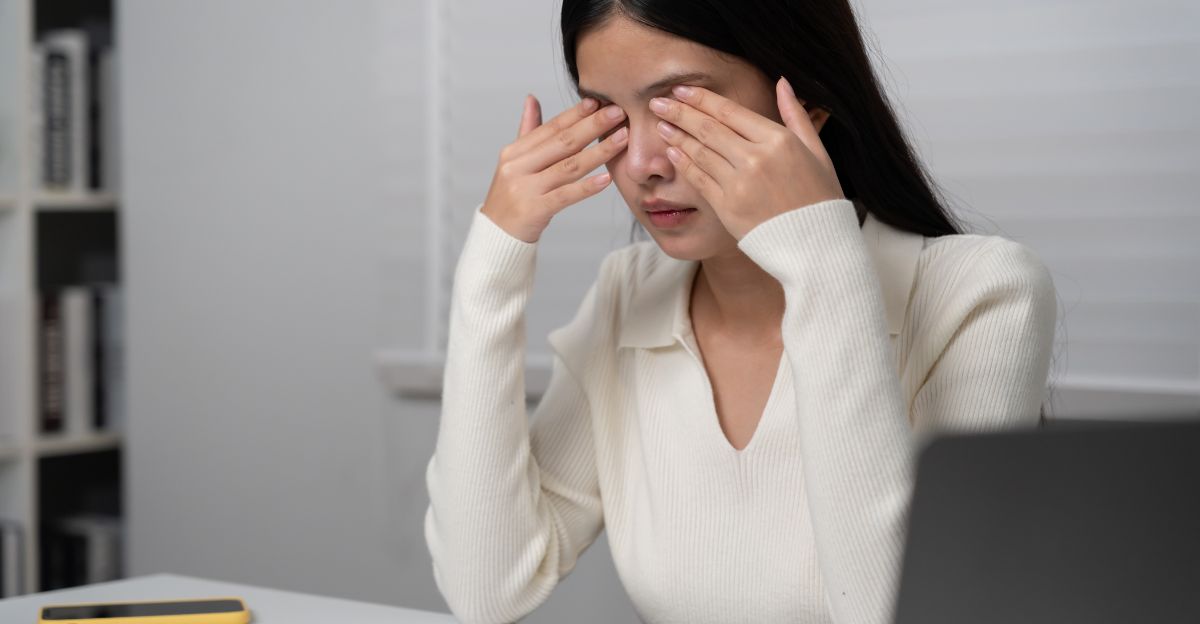
Poorly configured lighting may cause glare or eye discomfort. Integration with existing fixtures and workflows also requires planning. In 2025, improved app controls and preset schedules help reduce misuse, making advanced lighting more accessible to smaller offices and home workspaces.
The Six Gadgets Introduction
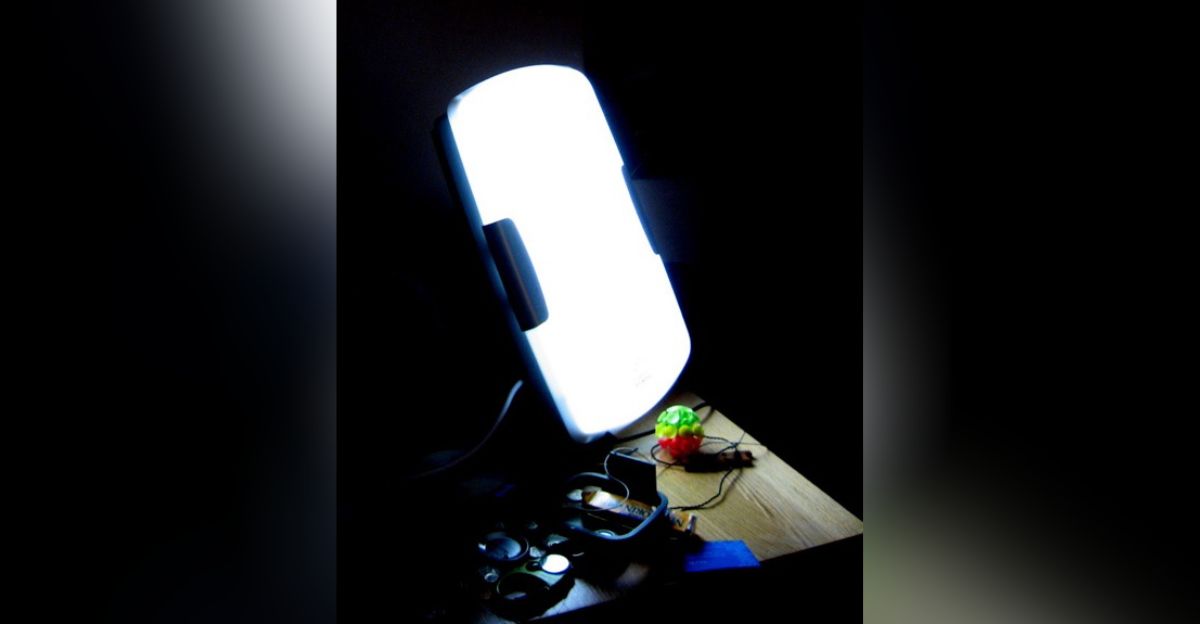
The most effective 2025 sunlight-simulation gadgets share three traits: high brightness, adjustable color temperature, and user control.
Options range from portable personal devices to room-scale systems. While none perfectly replicate the sun, they meaningfully improve indoor lighting quality. The following six gadgets represent widely used, commercially available tools that support workplace well-being when used correctly.
Challenges Overcome
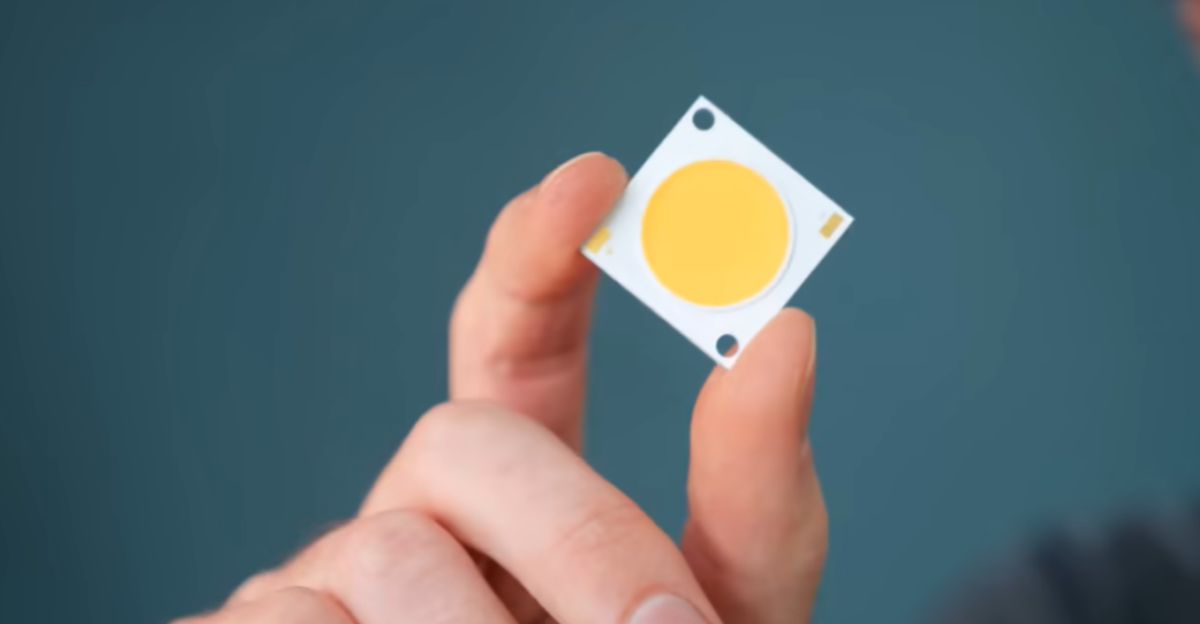
Advances in LED efficiency, diffusion materials, and software controls have addressed earlier problems like flicker, harsh glare, and limited color accuracy. Many systems now meet safety standards for prolonged indoor use.
Pairing lighting upgrades with natural materials and plants—often called biophilic design—has shown additional benefits for stress reduction and perceived comfort in office environments.
Gadget 1 – Verilux HappyLight
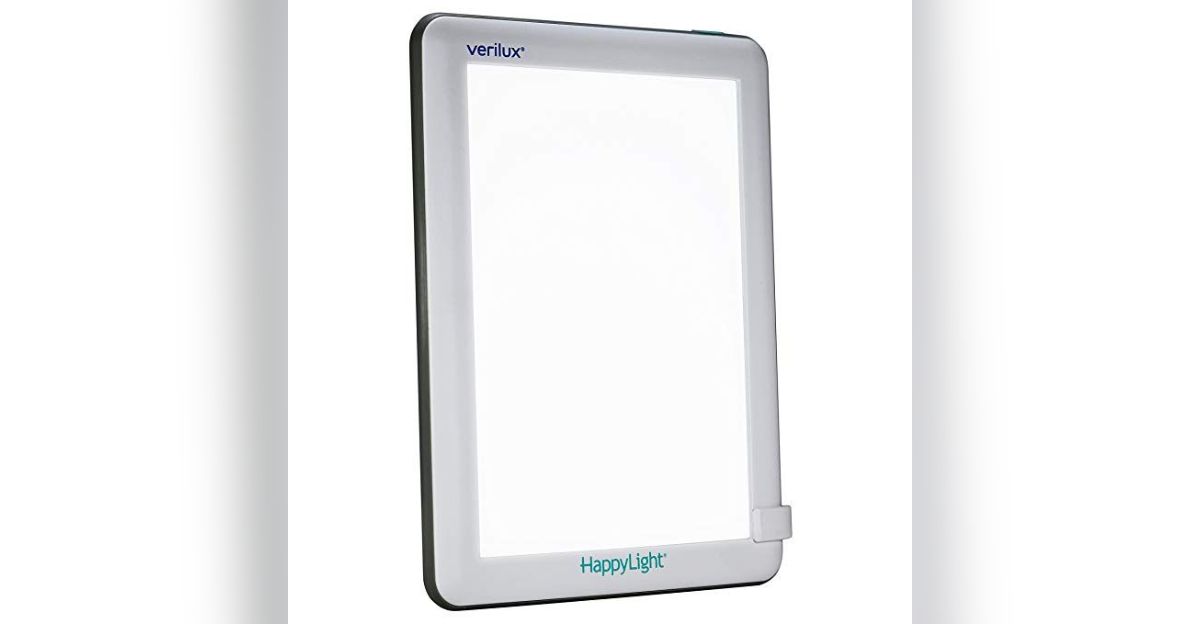
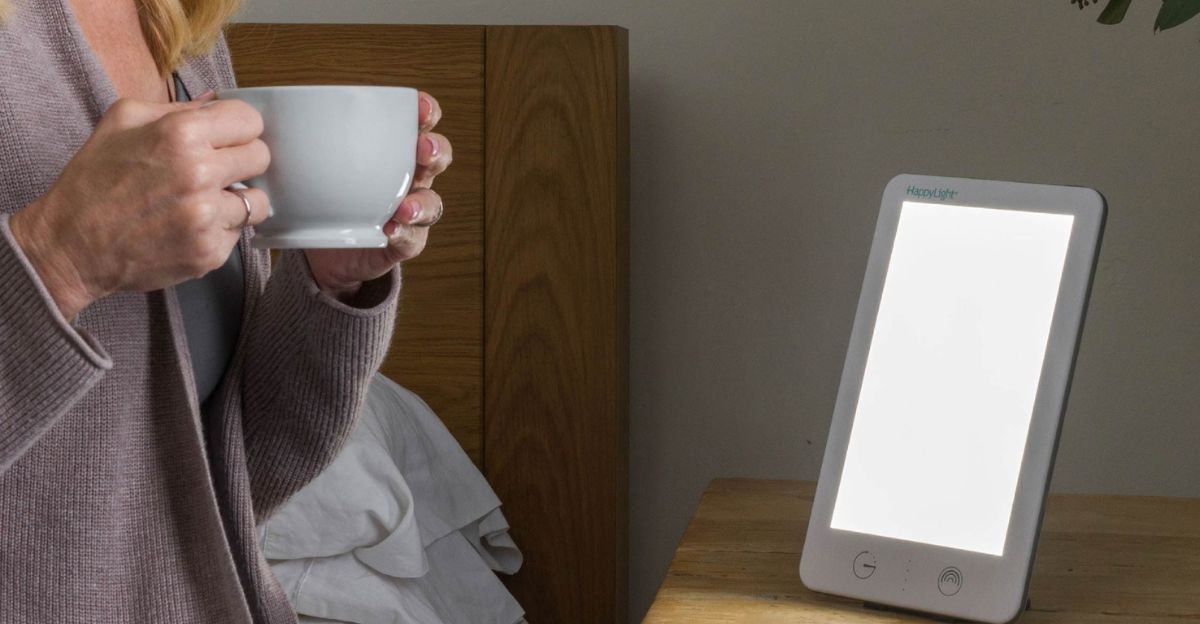
The Verilux HappyLight series delivers 10,000 lux of UV-free white light at close range, designed for mood and alertness support. These devices are commonly used for morning light therapy and desk work.
Lightweight and portable, they are popular for home offices and regions with limited winter daylight. Their benefits are supported by established light-therapy research when used as directed.
Gadget 2 – Philips Hue Gradient
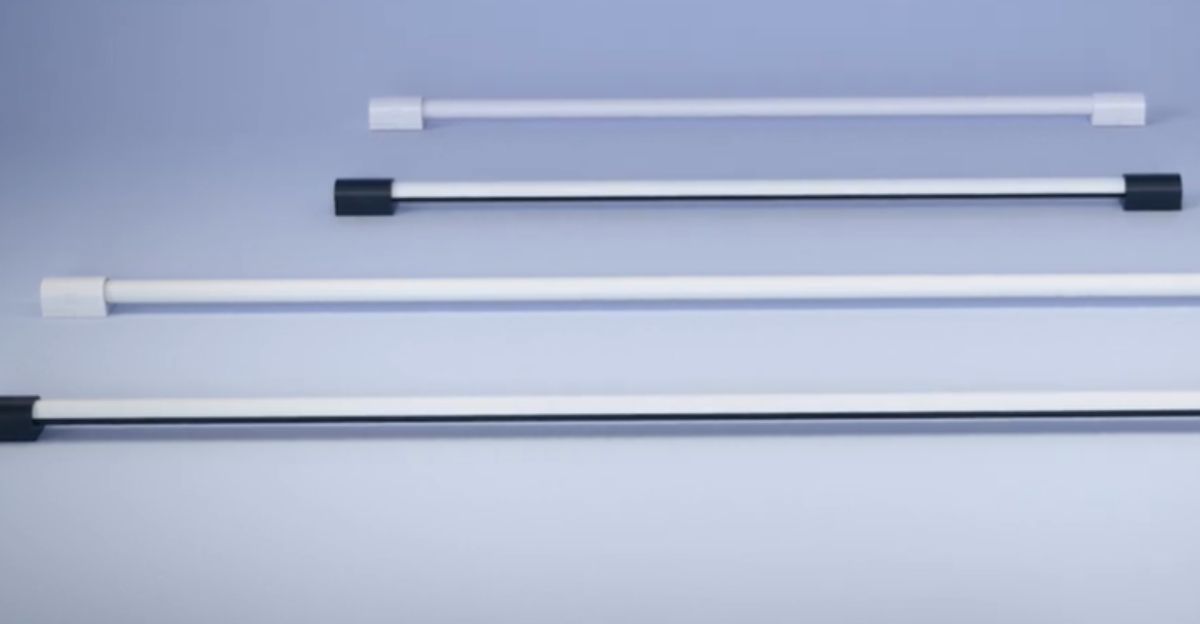
Philips Hue Gradient lighting offers high-quality, tunable LED illumination with strong color consistency and smart scheduling.
Integrated with home and office automation systems, Hue lights can shift from cool daylight tones to warmer evening settings. While not therapeutic devices, they improve ambient lighting quality and reduce visual fatigue when replacing static, poorly balanced overhead lighting.
Gadget 3 – Nanoleaf Elements Panels
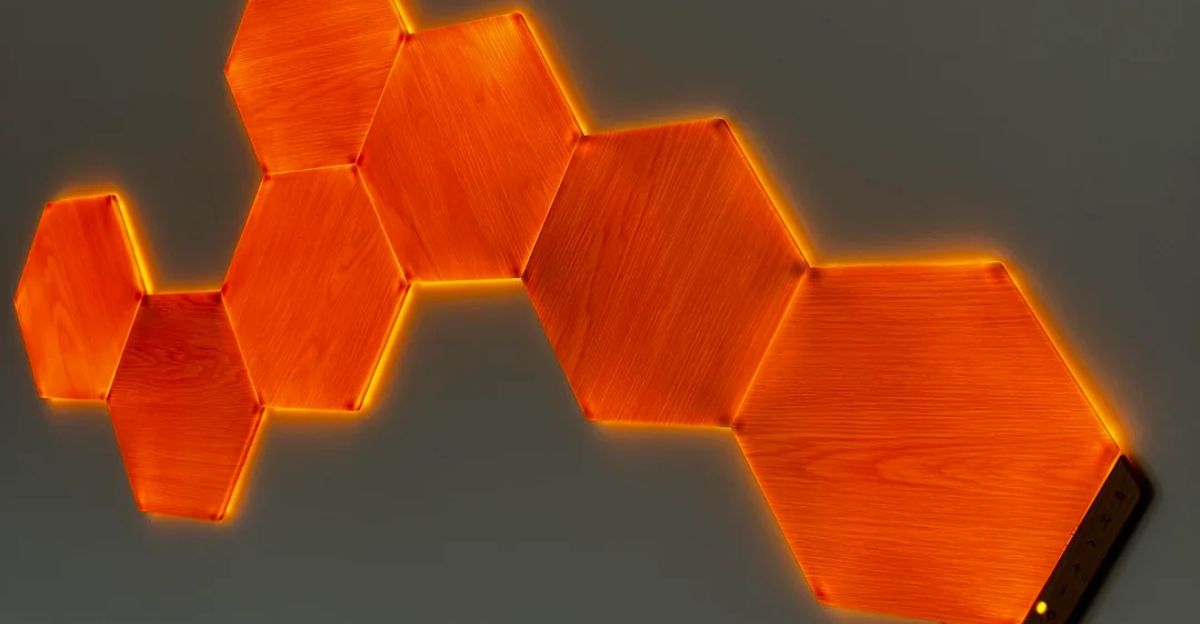
Nanoleaf Elements panels combine decorative wall lighting with adjustable brightness and color temperature.
Designed to diffuse light softly, they enhance visual comfort rather than deliver extreme lux levels. In office settings, they are often used as supplemental lighting to reduce contrast and create a calmer atmosphere. User feedback highlights improved workspace aesthetics and reduced perceived harshness.
Gadget 4 – CoeLux Portable
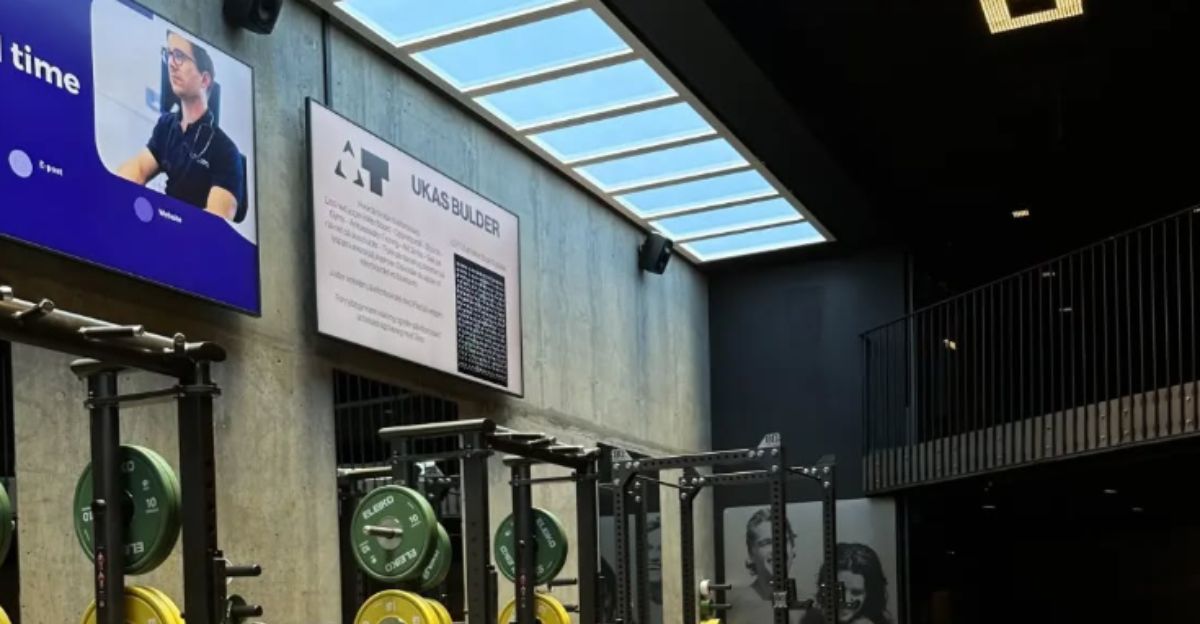
CoeLux systems use advanced optics to create the visual illusion of natural skylight, simulating depth and sky color without emitting UV radiation.
Originally developed for architectural installations, smaller 2025 models are used in windowless environments. Studies and field reports indicate improved mood and spatial perception, particularly in enclosed or underground workplaces.
Gadget 5 – Mito Red Light Panel
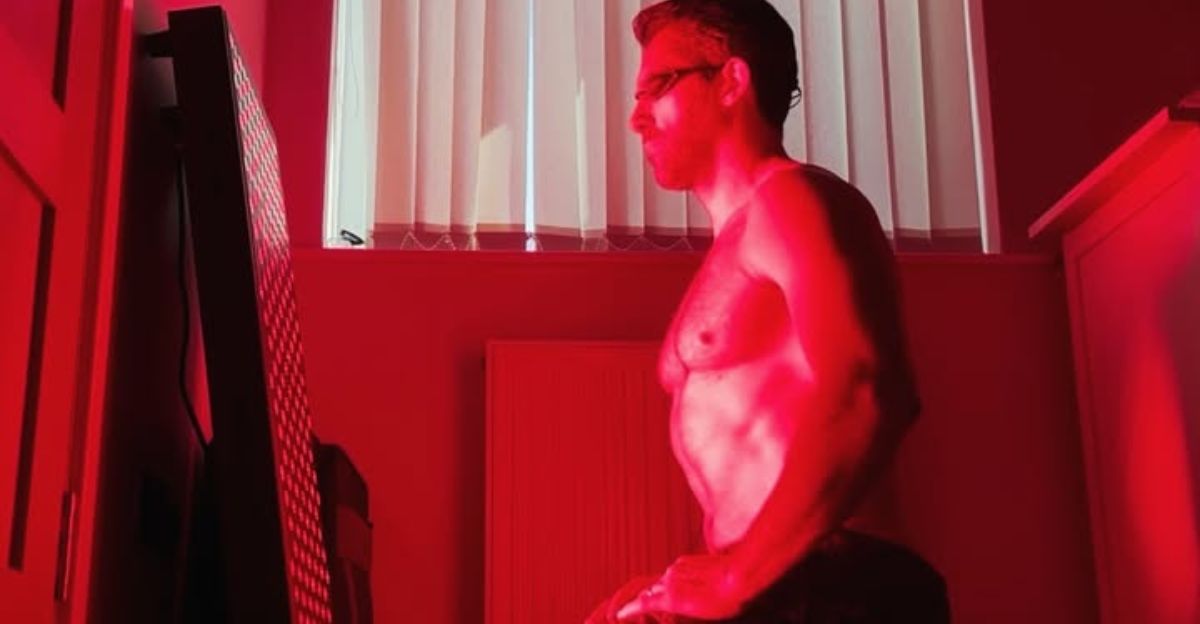
Mito Red Light panels emit red and near-infrared light, commonly used for wellness and recovery rather than circadian stimulation.
These panels are not sunlight simulators in the traditional sense, but some users incorporate them into workplace wellness routines. Evidence supports their use for targeted therapeutic purposes, not general illumination or vitamin D production.
Gadget 6 – Luminette Glasses
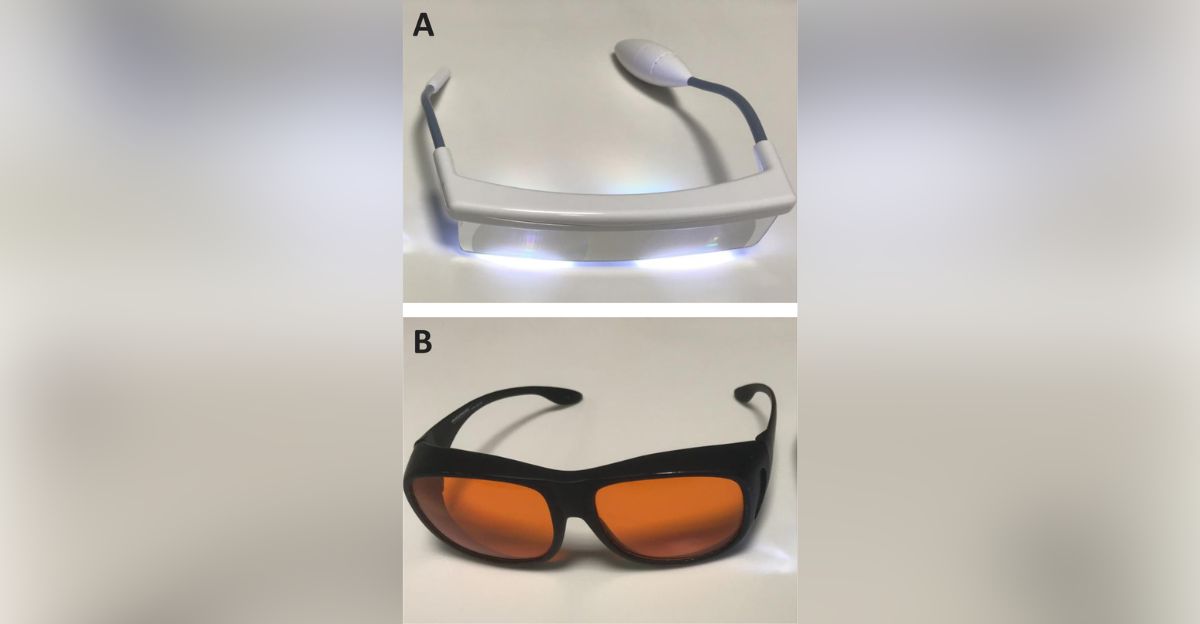
Luminette light-therapy glasses deliver bright, UV-free light to the eyes while allowing users to move freely. Designed primarily for morning use, they help reinforce circadian timing for shift workers and frequent travelers.
Clinical studies support their effectiveness for mood and alertness when used according to guidelines. Their portability makes them suitable for flexible work schedules.
Implementation Data

Organizations adopting improved lighting typically report benefits in employee comfort and perceived productivity rather than dramatic output jumps.
Cost-benefit analyses suggest returns through reduced fatigue and improved retention. Personal devices offer a low-cost entry point, while room-scale systems provide broader environmental improvement when budgets allow.
Case Studies
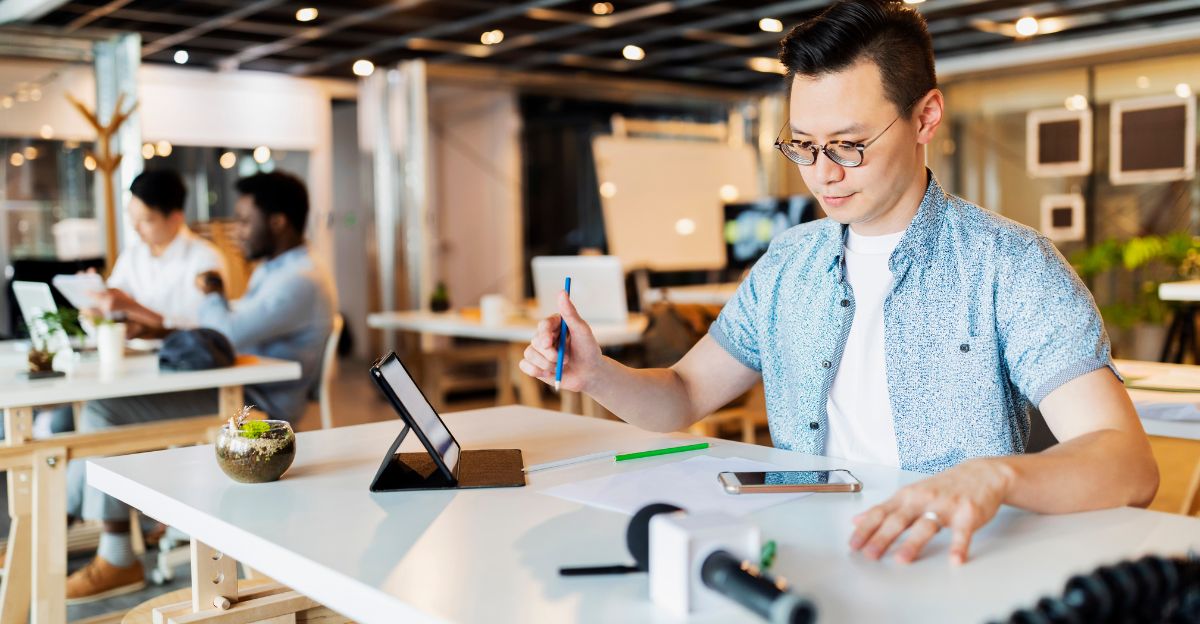
Real-world deployments—from windowless offices to remote research stations—consistently show that better lighting improves mood and alertness.
While outcomes vary, environments with bright, well-timed light outperform poorly lit spaces. These findings align with decades of research on daylight access and human performance.
Second-Order Effects

Beyond individual benefits, improved lighting can enhance collaboration, creativity, and workplace satisfaction.
Employees are more likely to perceive their environment as supportive and modern. Over time, these factors contribute to retention and organizational resilience, especially in knowledge-based industries.
Future Projections
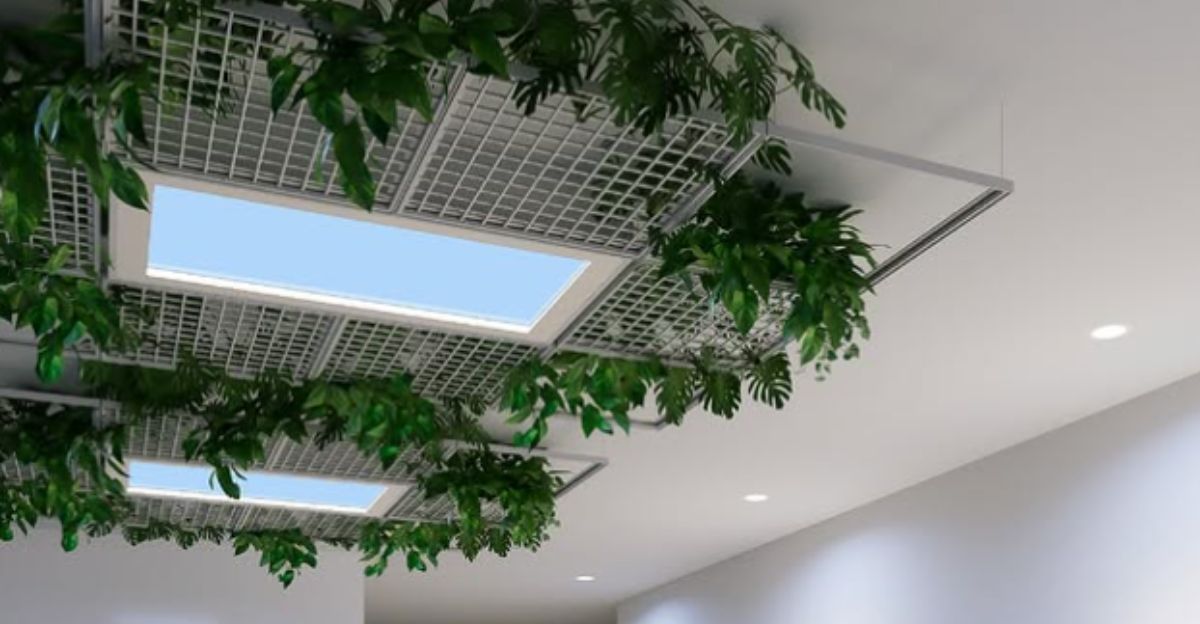
By 2030, sunlight-responsive lighting is expected to become standard in new office design. Advances in personalization, energy efficiency, and integration with health data may further refine light timing.
Rather than replacing natural sunlight, these systems will continue to serve as practical substitutes where daylight access is limited.
Strategic Mandate
While no gadget truly replaces the sun, 2025’s leading light-simulation tools—Verilux, Philips Hue, Nanoleaf, CoeLux, Mito Red, and Luminette—offer meaningful improvements over conventional lighting.
When chosen carefully and used correctly, they support alertness, comfort, and well-being in modern workplaces.
Sources:
- “Study: Natural Light Is the Best Medicine for the Office” from PR Newswire (2018), reporting an 84% drop in eyestrain and headaches in daylit offices.
- Secondary citations in USGBC and other summaries reference Hedge’s work with varying percentages (e.g., 51-63% reductions).
- Boeing 1960s initiatives documented in aviation history publications, reducing errors via natural light.
- Delos metrics on healthcare costs from WELL Building Standard reports. No precise article titles confirmed in results.