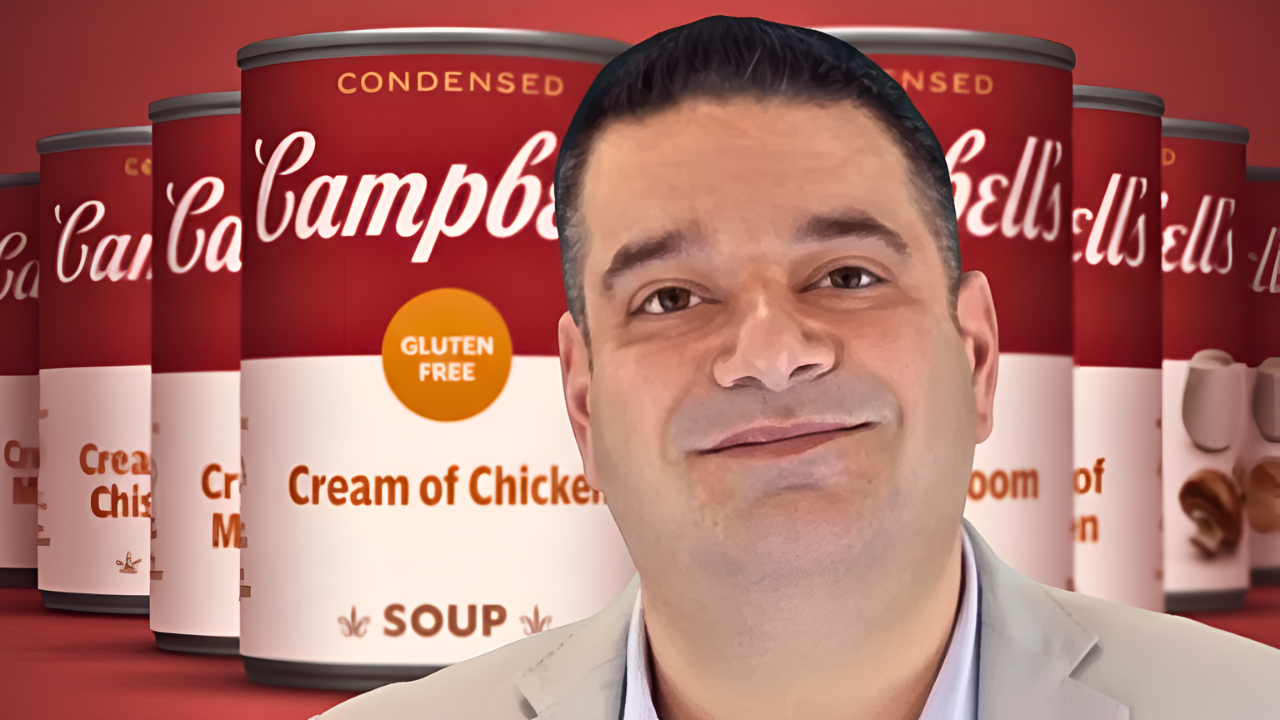
In late November 2025, Campbell Soup Company’s legacy was rocked by a lawsuit following secret recording a year earlier that exposed a shocking conversation between a senior executive and a junior employee. The audio, which captured Martin Bally, VP of Information Technology, disparaging Campbell’s products and making offensive comments about customers and colleagues, sent shockwaves through the company. The recording went viral, triggering a lawsuit, a regulatory investigation, and a public relations disaster.
How did this internal discussion spiral into a full-blown crisis? The company, once a symbol of American comfort food, now found itself facing the unraveling of its reputation, amidst questions of corporate accountability, workplace culture, and executive misconduct.
The Recording Emerges
The now-infamous recording surfaced in late November 2025, provided by Garza to Detroit media outlet WDIV. In the recording, Bally made explicit, derogatory remarks about Campbell’s soup products, describing them as “highly processed food” for “poor people.” He also made racist comments about Indian colleagues. As the audio spread on social media, Campbell stated it first learned of the lawsuit and heard the recording on November 20, 2025, but the scandal quickly intensified.
The company’s weak response only fueled the fire, prompting a firestorm of media coverage. Many believed Campbell’s initial silence was a sign of mishandling the crisis, as critics pointed out that the company’s leadership had failed to act promptly.
Campbell’s Corporate History
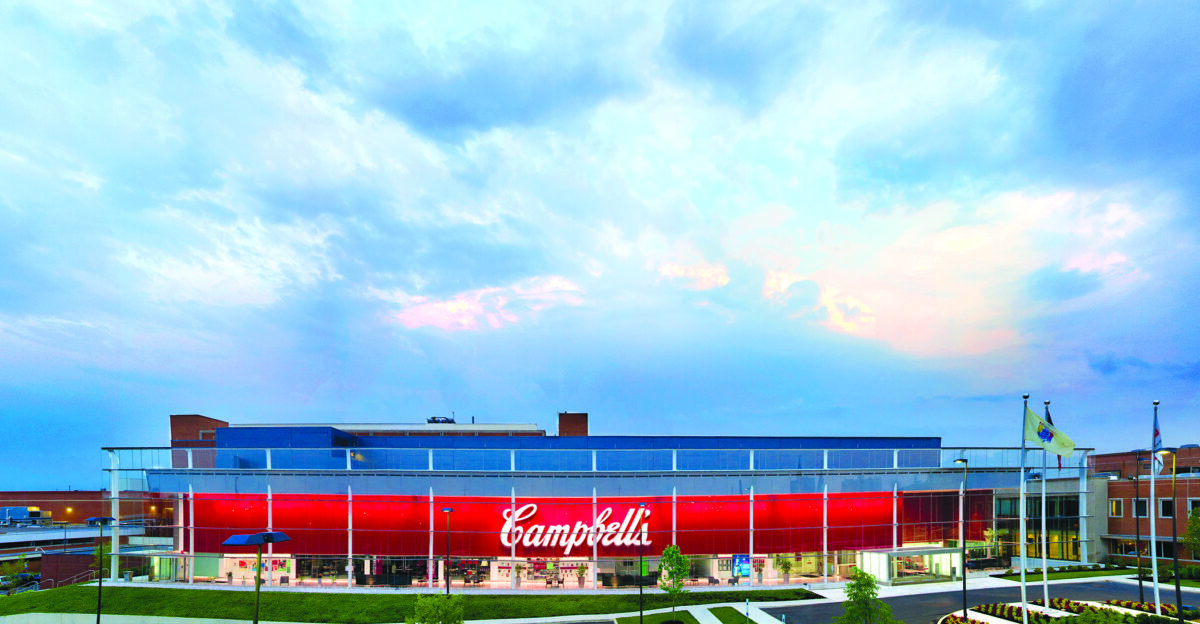
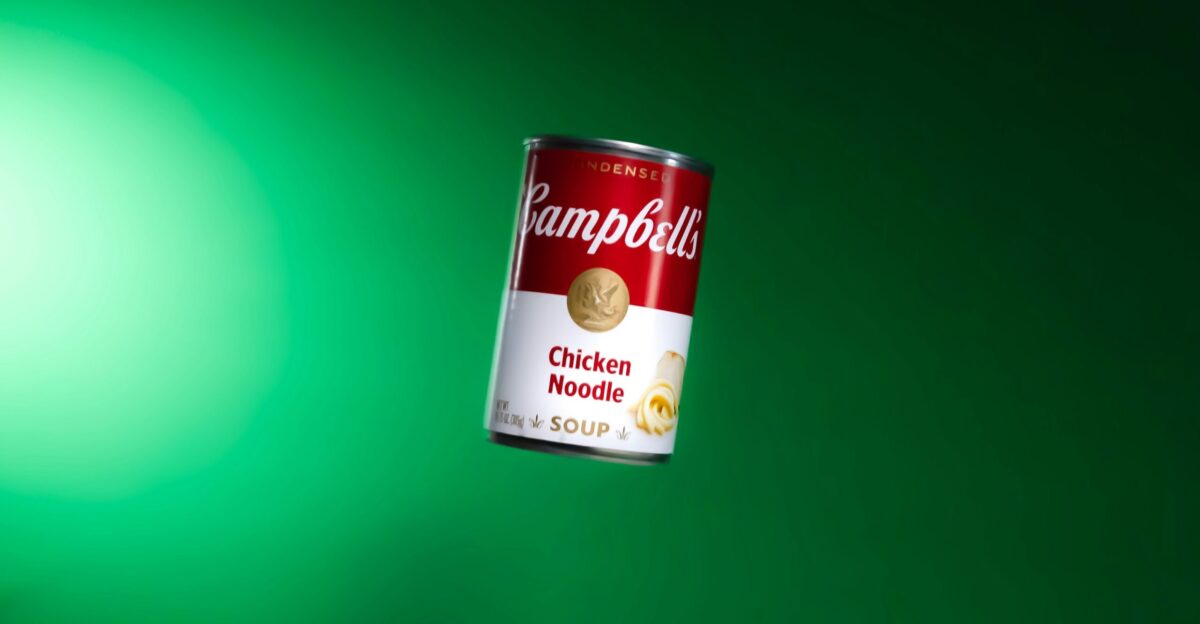
Founded in 1869 and headquartered in Camden, New Jersey, Campbell Soup Company is a household name synonymous with American comfort food. Known for its iconic red-and-white soup cans, Campbell’s has provided affordable meals for generations. With thousands of employees, the company has been a staple of American culture.
But this long-standing reputation was put to the test when its internal culture became a public battleground. As public trust began to erode, Campbell’s leaders were forced to face the growing crisis head-on, with the company’s legacy hanging in the balance.
Rising Workplace Tensions

The rise of whistleblowing and corporate transparency has shifted the dynamics of workplace accountability. Over recent years, major companies have faced public scrutiny due to toxic workplace cultures, discrimination, and harassment. Employees now have the tools to record misconduct, with legal protections in place. Campbell’s, despite its iconic status, wasn’t immune to this new reality.
The company’s failure to address internal complaints would soon spark a nationwide debate on corporate responsibility. As more employees began to speak out, Campbell’s struggled to manage its growing internal challenges, with widespread calls for reform.
VP’s Recorded Tirade
In November 2024, Bally, during a salary discussion with cybersecurity analyst Robert Garza, was recorded launching into a tirade about Campbell’s products and its customers. The audio, lasting over 75 minutes, included offensive remarks about the company’s food, disparaging comments about Indian colleagues, and discussions about bioengineered meat.
Garza, concerned by Bally’s behavior, decided to record the conversation, unknowingly capturing a scandal that would devastate the company. As the recording spread, Garza became a central figure in the crisis, with many questioning his motivations for leaking the conversation.
Geographic & Jurisdictional Impact
The lawsuit, filed in Wayne County Circuit Court in Michigan, added a layer of complexity to the case. Garza, who lived in Michigan, worked remotely for the New Jersey-based Campbell’s. This geographic split between the company’s headquarters and the jurisdiction where the lawsuit was filed raised procedural challenges.
In addition, Florida’s Attorney General launched an investigation into allegations about bioengineered meat in Campbell’s products, complicating the situation further. The multi-jurisdictional nature of the case threatened to drag Campbell’s through lengthy legal battles, with serious consequences for the company’s future.
Garza’s Personal Toll

Robert Garza, who began working at Campbell’s in September 2024, was fired just 20 days after reporting Bally’s behavior. Garza’s termination in January 2025 led to a ten-month period of unemployment. He struggled emotionally, professionally, and financially as he sought another job.
His attorney, Zachary Runyan, argues that Garza was punished for doing the right thing—reporting unethical conduct. Garza now seeks damages for the suffering he endured, hoping to secure a financial remedy for the emotional toll the ordeal has taken on him.
Competitor & Industry Ripple

Campbell’s stock experienced a 3.32% decline following the scandal’s emergence, with the company’s market capitalization reflecting investor concerns about the reputational damage. Many food and beverage companies were already facing scrutiny for their business practices, including ingredient transparency and treatment of employees.
The revelations about Bally’s comments and Campbell’s response highlight systemic issues in corporate governance, HR practices, and whistleblower protection. The incident raises questions about how industry competitors approach executive conduct and whistleblower protection policies.
Regulatory & Legal Escalation
The controversy took on legal and regulatory dimensions when Florida’s Attorney General announced an investigation into the allegations of bioengineered meat in Campbell’s products. With state laws prohibiting such products, this added significant pressure to the company.
While Campbell has denied the allegations, the investigation could lead to fines, product recalls, or mandatory labeling changes. The company now faces legal battles on multiple fronts, with the potential for long-term financial and operational damage depending on the outcome.
HR Failure & Retaliation
A critical aspect of the case emerged: Campbell’s HR department allegedly failed to act on Garza’s initial complaints in January 2025. When Garza reported Bally’s behavior, his manager discouraged further escalation. The company’s HR failure suggests a deep systemic issue.
Garza’s lawsuit alleges that Campbell’s maintained a “racially hostile work environment” and failed to protect him from retaliation after he reported misconduct. The HR failure became a central focus in the case, highlighting the company’s poor handling of employee complaints.
Internal Stakeholder Frustration

Robert Garza expressed frustration with the company’s handling of the incident in interviews with local media outlet WDIV Local 4. Garza stated: “They have a motto: ‘We treat you like family here at Campbell’s – come work for us.’ ‘We treat our employees like family.’ That’s not the case.” He described the company’s response and his termination as “simply terrible.”
The Bally scandal exposed deep divisions within the company, revealing cracks in its corporate values. Employees and observers question whether Campbell’s leadership truly reflects the values it markets to consumers.
Campbell’s Leadership Response
After the recording went public, Campbell issued a formal statement condemning Bally’s remarks. The company emphasized that such comments do not reflect its values and that Bally’s actions were unacceptable. In their statement, Campbell’s spokesperson James F. Regan noted: “The language used does not align with our values or the culture of our organization. We do not accept such language in any situation.”
Bally was not fired until after the recording became public, a delay that critics and Garza’s attorney noted suggested an inadequate sense of urgency. Campbell’s response has been questioned for failing to address the broader issues within the company’s culture and HR processes.
Bally’s Employment Termination

Bally’s employment at Campbell ended on November 25, 2025, following the public release of the recording. Initially placed on administrative leave, Bally was later terminated. However, many observers questioned why Bally was not fired sooner, especially given that Garza reported his misconduct months earlier.
This delay in action raised doubts about the effectiveness of Campbell’s internal processes for handling serious complaints. Critics argue that Campbell’s failure to act swiftly reflects broader issues within the company’s approach to management and accountability.
Expert & Legal Skepticism
Garza’s attorney, Zachary Runyan, has been vocal in his criticism of Campbell’s handling of the situation, particularly regarding the company’s response to Garza’s firing. Runyan argues that while Campbell terminated Bally after public pressure, the company failed to adequately address the retaliation against Garza, who was terminated just 20 days after reporting Bally’s misconduct.
According to Runyan’s lawsuit allegations, simply firing the offending executive does not resolve the deeper issues of whistleblower protection and the maintenance of a racially hostile work environment. Campbell’s response has only intensified the legal and reputational damage, leaving the company exposed to further legal action and potential damages.
Forward-Looking Questions
As the lawsuit continues, many important questions remain. Will Campbell’s implement substantial reforms to prevent future incidents? How will the Florida investigation into bioengineered meat allegations play out? Can the company restore its tarnished reputation and regain consumer trust?
The company’s next steps will determine whether this scandal is a mere blip or the start of a more profound cultural reckoning within Campbell Soup Company. As the crisis unfolds, the company’s leadership will be under increasing pressure to deliver on promises of reform.
Political & Policy Implications
Florida Attorney General James Uthmeier’s investigation into Campbell’s products ties into broader concerns about food labeling and consumer rights. In his statement regarding the investigation, Uthmeier said: “We don’t do the fake, lab grown meat here in Florida. We’ll enforce the law and shut down!”
On a national level, this case has sparked discussion about whistleblower protections and corporate accountability. The case underscores the need for more stringent oversight and clearer regulations around corporate behavior and transparency.
International & Supply-Chain Ripple

Observers anticipate that Campbell’s global operations may face increased scrutiny as the scandal spreads internationally. The company’s international subsidiaries are now at risk of facing similar allegations regarding workplace conduct and product transparency.
The fallout from the scandal could impact Campbell’s standing in global markets, where consumers are increasingly demanding higher corporate standards. The company’s reputation, built over 155 years, is now at risk in key international markets.
Legal Precedent & Damages

Garza’s lawsuit could set a significant legal precedent for corporate liability, particularly regarding retaliation against whistleblowers. The timing of Garza’s firing—20 days after he reported Bally’s conduct to his supervisor—creates a strong temporal connection that employment law cases often rely on to establish retaliation claims. The case may influence how other companies approach whistleblower complaints and HR responses.
Depending on the outcome, Garza could receive damages for emotional distress, back pay, and punitive compensation. The financial and reputational fallout from this case could inspire other companies to reassess their internal procedures for handling such matters.
Cultural & Generational Shift
Many view this scandal as reflecting the shifting corporate culture in America, where younger employees demand greater accountability. With the rise of social media and whistleblower protection laws, employees are increasingly empowered to hold executives accountable.
Campbell’s crisis serves as a cautionary tale for other companies about the changing expectations of transparency and ethical leadership. The incident may accelerate cultural changes across industries, prompting companies to rethink their policies on workplace behavior.
Broader Reflection: What It Signals
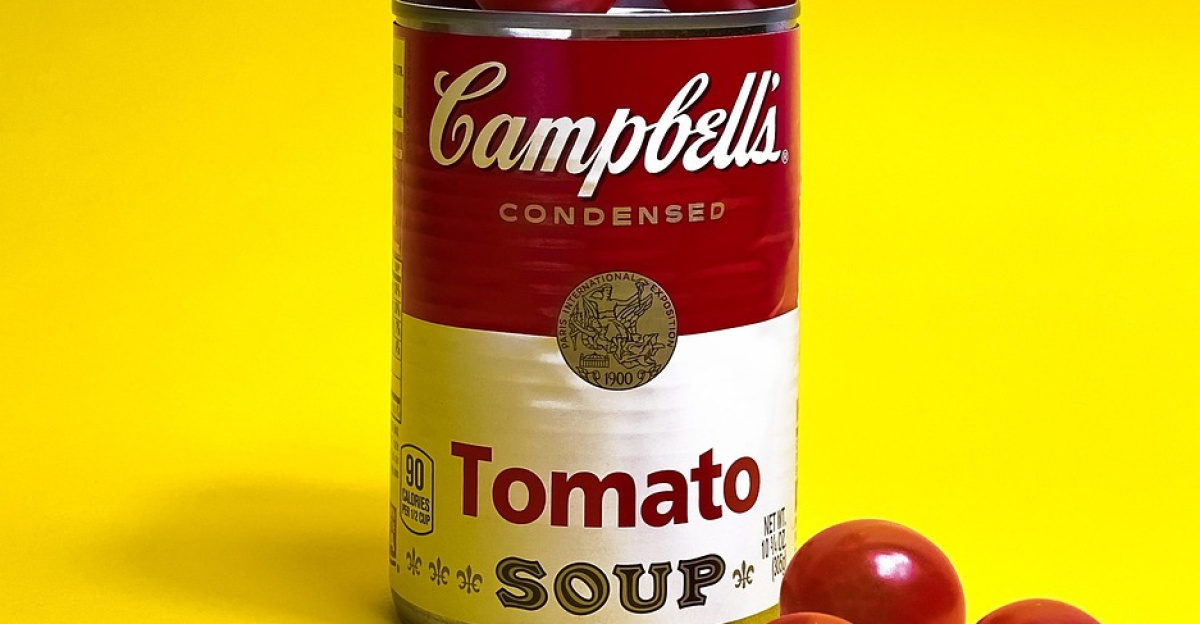
Commentators argue the Campbell Soup scandal marks a pivotal moment in corporate America, where internal misconduct is no longer tolerated or hidden. The company’s once-unquestioned legacy has been tarnished, exposing deep flaws in its corporate culture and executive behavior.
As the company seeks to recover, its future will depend on meaningful reforms and a genuine commitment to corporate integrity. The incident signals a broader shift toward greater corporate accountability in an era of radical transparency.
Sources:
ABC News — Campbell’s defends its soup, calls executive’s alleged remarks on ingredients ‘patently absurd’
CBS News — Campbell Soup executive called its products food for ‘poor people,’ lawsuit claims
Business Insider — Campbell’s Soup exec is out after alleged rant mocking ‘poor’ customers, ‘3D-printed chicken’ goes viral
WDIV Local 4 Detroit — Employee secretly recorded Campbell Soup VP, he says
The Hill — Campbell’s ousts executive over alleged ‘poor people,’ 3D-printed chicken
Newsweek — Campbell soup at risk of being ‘shut down’ in Florida after secret audio