
In a significant shift in federal immigration policy, California’s largest immigration detention center reopened in Kern County. This facility, now operated by CoreCivic, has a staggering capacity of 2,560 beds, making it the largest of its kind in the state. Local advocates and residents have expressed serious concerns about the potential ramifications of the facility’s reopening, emphasizing fears related to community safety and the treatment of detainees.
“We can’t just ignore how this impacts our families and neighborhoods,” said a local activist, highlighting the emotional strain many feel as federal enforcement expands. The center’s reopening marks a new chapter in immigration enforcement in California.
Economic Boost or Community Burden?

The reopening of the California City facility has brought noticeable economic changes to the region, creating approximately 500 jobs. This influx of employment opportunities is projected to generate over $2 million annually in property taxes for California City, which has faced economic hardships for years. Local officials celebrate the growth, but not everyone shares their enthusiasm.
“We need jobs, but not at the cost of our community’s values and the people’s dignity,” a community leader expressed, voicing a concern that economic benefits could overshadow human rights issues. The perspective dichotomy highlights a complex local narrative around the facility’s impact.
Tracing the Facility’s Complex History
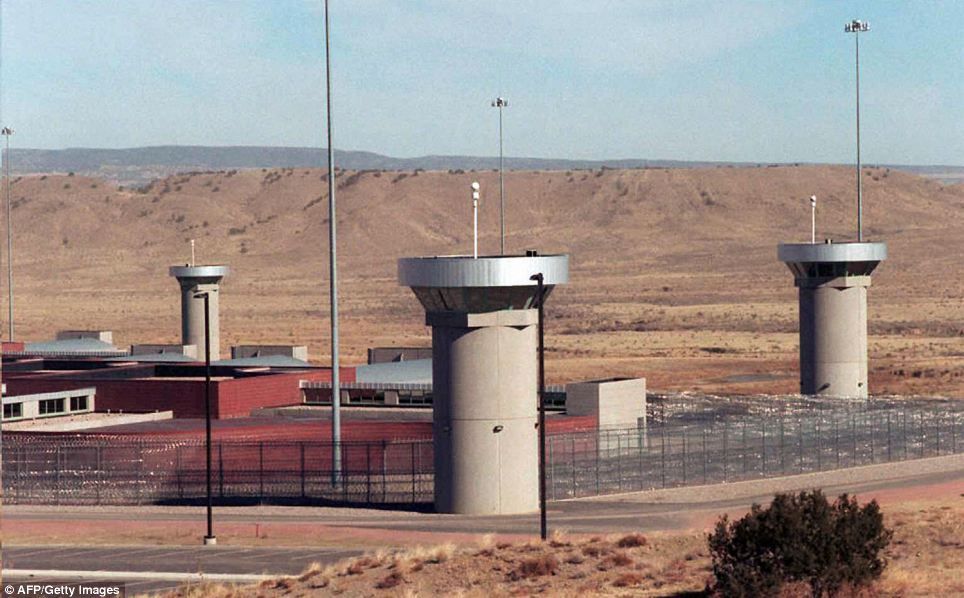
The facility began 1999 as a federal prison, later transitioning into a state prison. Following California’s 2024 ban on private prisons, the site was shuttered until CoreCivic repurposed it for ICE use. This change came after a federal court ruling that weakened state restrictions on private detention centers, reigniting the use of the facility.
“It feels like history is repeating itself,” remarked a former prison guard, reflecting on the facility’s troubled legacy. As it welcomes detainees once more, questions surrounding operational morals and ethics resurface, drawing scrutiny from advocacy groups and the community.
Demand for Detention Expands
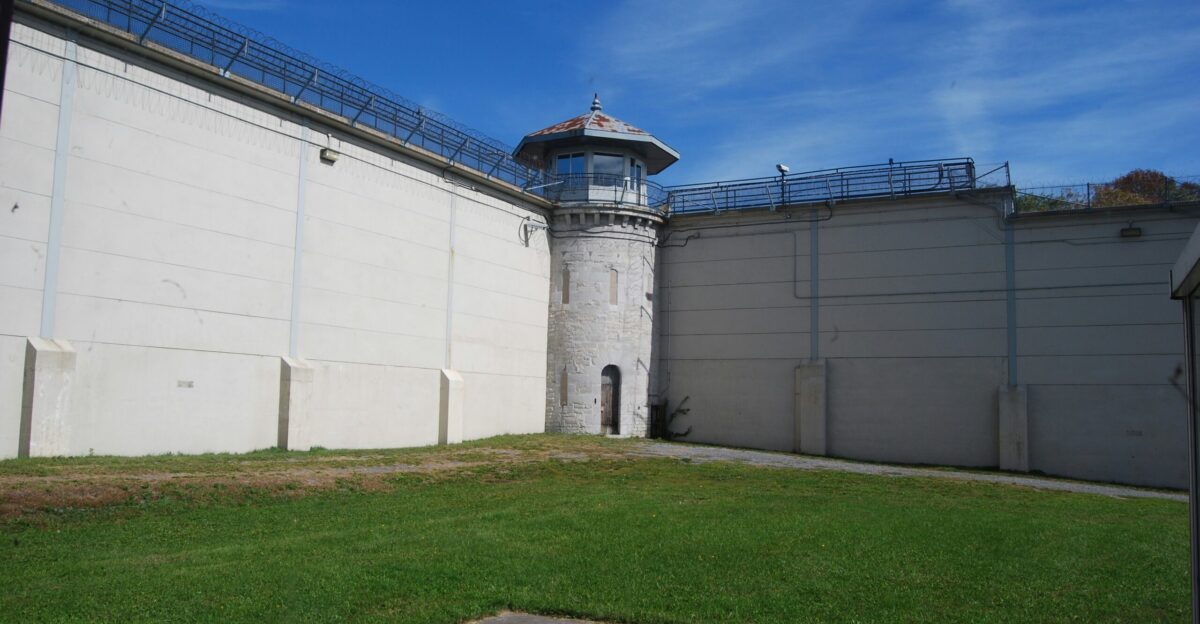
The federal government’s growing need for immigration detention space has led to significant expansions statewide. Contracts with private operators like CoreCivic reveal a trend toward increased reliance on such facilities. California has historically emphasized transparency and accountability, yet federal law SB29 mandates specific public notice, which CoreCivic has seemingly bypassed under federal jurisdiction.
“This decision has broken trust within our community,” a resident lamented, indicating larger concerns about governmental oversight. Tension now pervades the area, as communities grapple with the implications of this federal directive and its cascading effects on local governance and wellbeing.
California City Immigration Processing Center Opens

In September 2025, CoreCivic confirmed the operational status of the California City Immigration Processing Center, officially beginning to receive ICE detainees. With a capacity of 2,560 beds, the facility has become a focal point of federal immigration enforcement within the state.
Many community members watched with trepidation as local law enforcement often found themselves at odds with federal practices. “We worry about the families that could be impacted by this facility,” expressed a concerned mother in the community, as reality sets in regarding the presence of such a facility and the conversations surrounding its complexities and community implications.
Regional Effects of Expansion
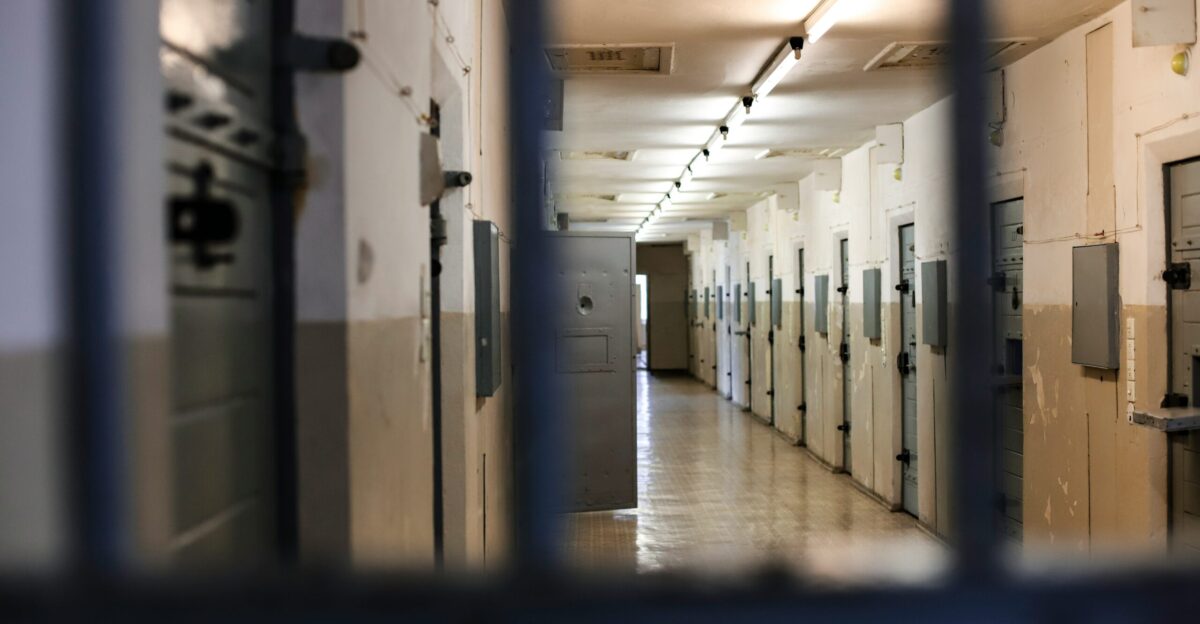
The expansion of the detention center has triggered immediate ripple effects across the Kern County area. Detainee transfers from nearby facilities are shared, and this shift has placed a significant logistical burden on local law enforcement, social services, and advocacy groups.
Many fear an increase in ICE arrests and detentions, watching apprehensively as relations between the community and enforcement agencies become strained. “We’re already stretched thin; this will only complicate matters more,” noted a sheriff’s deputy, reflecting on the mounting pressure local authorities face amidst the growing federal enforcement landscape.
Inside the Facility: Detainees Speak Out
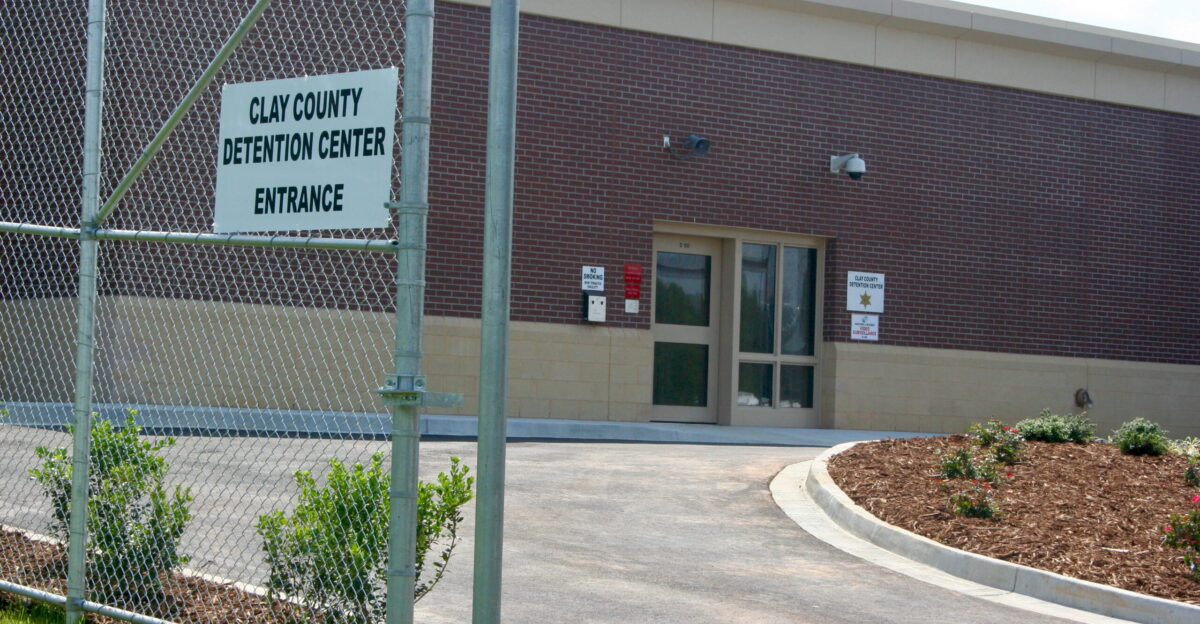
Reports from detainees and their families paint a troubling picture of conditions within the facility. Accounts of inadequate medical care and unsafe living environments have come to light, highlighting the human cost of such detainment.
“They don’t give proper medication, and my father’s open knee injury remains untreated,” shared Monica, a detainee’s daughter, emphasizing the urgency of the issues at hand. These voices highlight the significant challenges individuals face while in custody and provoke a critical examination of how immigration policies affect real lives.
The Competitive Landscape Among Operators
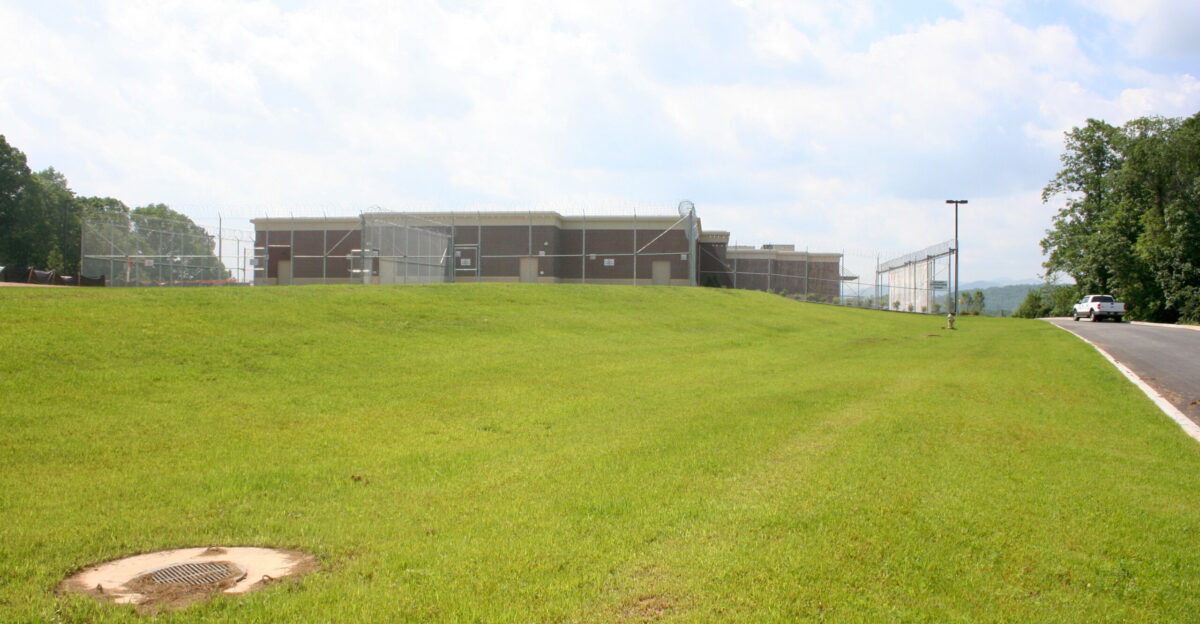
With CoreCivic at the forefront of the California detention industry, its primary competitor, GEO Group, continues to operate several nearby ICE centers. These companies are engaged in an ongoing battle for federal contracts, as the national trend toward privatization of detention centers accelerates.
The high-stakes competition has intensified scrutiny regarding the management and operation of these facilities. “It’s not just about profits; lives are at stake here,” remarked a former employee, emphasizing the moral implications tied to business practices in an environment where revenues often overshadow humanitarian concerns.
The Broader Trend: Privatization of Detention

Privately operated centers, now comprising all six operational immigration detention centers in California, reflect a growing trend emphasizing privatization in federal immigration enforcement. A May report from Attorney General Rob Bonta highlighted ongoing issues related to health care, oversight, and safety standards that persist statewide.
“Privatization has not delivered the promised improvements,” an advocate pointed out, underscoring the gap between expectations and outcomes within these facilities. This alarming reality provokes a deeper discussion about accountability and regulation in the context of private versus public detention operations.
Regulatory Issues: A Permitting Controversy

California’s SB29 law requires a 180-day public notice before the opening of such facilities. However, it has been revealed that CoreCivic circumvented this requirement, leading to widespread criticism from local officials. Concerns surrounding emergency preparedness and compliance with state codes were highlighted in a letter dated July 29, wherein city officials outlined their challenges.
“Transparency has to be a priority when dealing with institutions bearing such high stakes,” stated a city planner, emphasizing the community’s need for assurance and accountability in ongoing local government practices regarding the facility’s existence and operations.
Navigating Community Frustrations

Local leaders, including Mayor Marquette Hawkins, desire transparency and oversight regarding the center’s operations. However, ongoing communication breakdowns between ICE, CoreCivic, and city officials have amplified frustrations amongst residents.
“We want to work together for our community’s wellbeing, but we feel sidelined,” the mayor said, capturing the sentiment of many in the town. Addressing these concerns is crucial in rebuilding trust and dialogue between all stakeholders while managing the complexities of expanding immigration policies and their impacts on local communities.
Corporate Aspirations: CoreCivic’s Strategy

CoreCivic CEO Damon Hininger recently acknowledged an unprecedented demand for detention services in 2025. He outlined a strategy of aggressive expansion to meet federal needs, positioning the company as a key partner in national immigration enforcement efforts.
However, this relentless growth raises questions regarding ethics and the human rights of those detained. “We are at a crossroads where corporate interest often overshadows humane responsibility,” noted a human rights advocate, calling for re-evaluating priorities within the industry to balance operational goals with moral imperatives.
Economic Recovery or Ethical Dilemma?

Local officials eagerly point to the projected $2 million in annual property taxes as a symbol of economic resurgence from the facility. California City planners hope the influx of jobs and tax revenue will support revitalization initiatives. Yet, this perspective is often challenged by community advocates who argue that economic gains should not come at the expense of human dignity.
“Our town deserves better than this,” emphasized a city resident, indicating a community deeply divided over the consequences of prioritizing economic recovery while neglecting the ethical implications intertwined with the detention facility’s existence.
The Doubts of Advocates and Experts

Despite optimistic economic forecasts, many experts and advocates maintain skepticism regarding the promised improvements at the facility. Ongoing issues with mental health care, sanitation, and overall safety standards have been reported, diverging from ICE’s own guidelines.
A California Department of Justice representative succinctly stated, “The gaps between regulations and reality are alarming.” Such concerns compel a critical evaluation of detainee welfare standards and call for advocacy for those housed within the facility, reinforcing the need for systemic changes.
The Community’s Call for Action

As the situation unfolds, grassroots organizations have mobilized, calling for greater accountability from ICE and CoreCivic. “We must not stand idly by; our neighbors deserve to be heard and treated with dignity,” an activist declared during a recent rally.
These voices of the community highlight the urgent need for action and advocacy, urging local officials to rise to the occasion and ensure that justice and compassion prevail over corporate interests. The rallying cry resonates throughout Kern County, reflecting an unwavering commitment to standing up for the rights of affected families.
Future of Immigration in California

The landscape of immigration enforcement in California is evolving, with growing opposition against the privatization of detention centers. Community members and advocates collaborate to inform policymakers about the urgent reform needs. “If we have any hope for the future, we must create a system prioritizing humane treatment,” a local leader shared.
The following steps involve balancing enforcement with compassion and exploring alternatives to detention to protect community integrity while upholding human rights. The journey ahead demands vigilance and solidarity as voices resonate across California in pursuit of justice and dignity.
Engaging the Federal Government

Real change requires engagement at all levels; local leaders are calling on federal representatives to reassess policies surrounding immigration detention. “We need to open a dialogue with our federal counterparts,” one city council member urged. Building relationships with national leaders is viewed as essential for addressing the concerns of residents and advocates.
The hope is to spark discussions that could reshape federal policy-making to more effectively reflect the needs and standards expected by communities dealing with the implications of detention practices.
Peer Perspectives from Across the State

Not just Kern County, but many communities across California are grappling with similar issues related to immigration enforcement facilities. “All shapes of injustice must be acknowledged,” noted an activist from Los Angeles, emphasizing the need for statewide solidarity among communities affected by privatized centers.
These conversations can provide invaluable insights, allowing collective experiences to shape more comprehensive actions and policies to improve the welfare of all immigrants detained across the state.
The Role of Media and Public Awareness

Media coverage and public awareness are critical in shaping perceptions and informing the public about the realities surrounding immigration detention centers. “Information is power; we need to highlight the stories that matter,” a journalist remarked during a recent press conference.
As narratives emerge and spread, they remind society that these centers affect real lives and evoke a collective response from those advocating humane treatment. Heightened awareness can catalyze change, motivating local and state governments to act responsibly and align with community values.
A Path Forward: Hope and Resilience

In light of ongoing challenges, a glimmer of hope is embodied in community resilience and activism. A sentiment of determination pervades as residents unite to address systemic issues around immigration enforcement. “Together, we can create a future rooted in compassion and justice,” echoed a community member, capturing the spirit that motivates ongoing efforts.
With steadfast dedication, advocates work toward better conditions for detainees and a collective vision of a more humane approach to immigration overall. The road ahead is fraught with challenges, yet the desire for equity and respect remains unyielding.