California voters will decide in November 2026 whether to impose the nation’s first significant wealth tax on the state’s roughly 200 billionaires. Initiative 25-0024, backed by healthcare unions, would levy a one-time 5% tax on net worth exceeding $1 billion, potentially generating $100 billion for healthcare and education. Four tech titans alone—Mark Zuckerberg, Jensen Huang, Larry Page, and Sergey Brin—would collectively owe more than $40 billion under the measure, which represents an unprecedented attempt to fund social programs through extreme wealth redistribution.
The Tax Structure and Revenue Design

The initiative applies retroactively to anyone worth $1 billion or more as of December 31, 2025, covering all accumulated wealth including stocks, real estate, artwork, and intellectual property. Billionaires would pay 5% of their total net worth over a five-year period. The retroactive application prevents wealthy individuals from avoiding taxation by relocating before the measure’s enactment.
The estimated $100 billion would be allocated strategically: 90% designated for healthcare programs serving low-income and vulnerable populations, while 10% supports K-12 public education. This allocation directly responds to anticipated $30 billion in annual federal Medicaid cuts that will devastate California’s healthcare system, which currently serves 15 million residents. The Service Employees International Union-United Healthcare Workers West spearheads the campaign, warning of widespread hospital closures and clinic disruptions without emergency funding
Silicon Valley’s Tax Liabilities
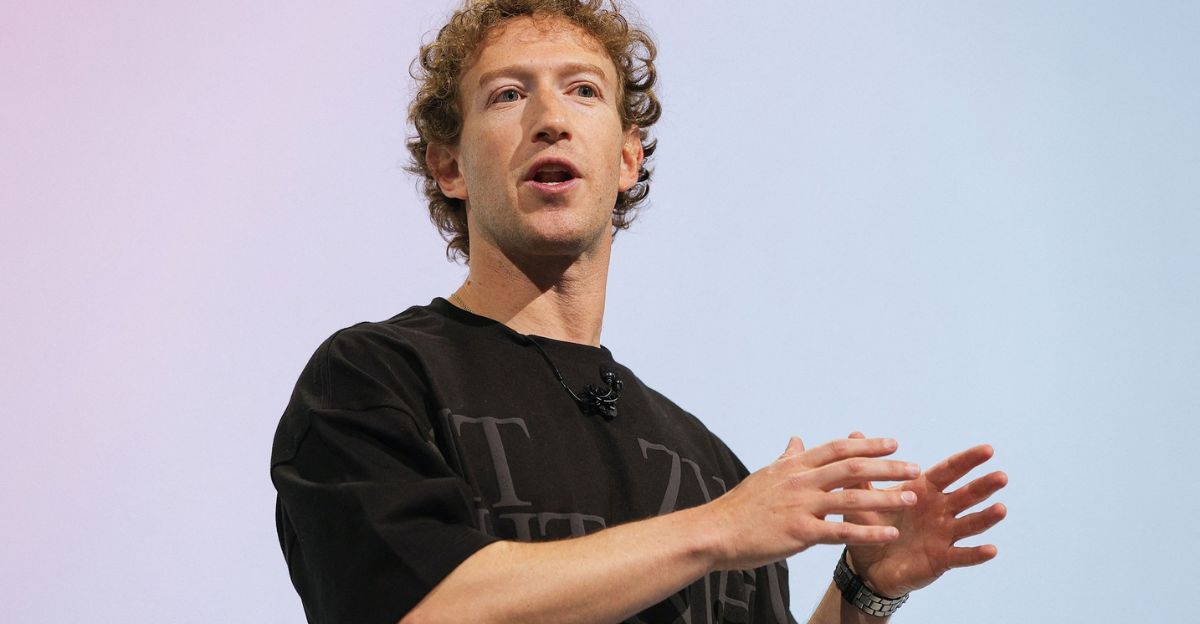
Meta CEO Mark Zuckerberg, with a net worth of approximately $212 billion, would owe roughly $10.6 billion. Nvidia CEO Jensen Huang faces potential liability exceeding $8 billion, while Google co-founders Larry Page ($235 billion) and Sergey Brin ($218 billion) together could owe over $22.5 billion. Entertainment industry billionaires also face substantial obligations: Kim Kardashian would owe $85 million, while Jay-Z and Beyoncé (combined net worth exceeding $3 billion) and Oprah Winfrey ($3.1 billion) represent significant potential revenue sources.
Constitutional and Administrative Challenges

Legal experts universally predict immediate constitutional challenges if the measure passes. The retroactive application—taxing December 31, 2025, net worth in 2026—likely violates California due process protections and potentially the U.S. Constitutional taking doctrine. Nonresidents who relocated before tax implementation would challenge state jurisdiction over assets held outside California.
The initiative allocates only $15 million annually for administration, yet the California Franchise Tax Board estimated that administering a similar 1.5% billionaire wealth tax in 2023 would require $200-$300 million yearly. This funding gap raises critical questions about implementation feasibility, particularly regarding audits, international asset verification, and litigation costs from sophisticated tax avoidance strategies.
Many startup founders hold equity with inflated valuations that do not reflect actual liquid wealth available for taxation. Billionaires appearing wealthy on paper could face massive tax bills they cannot afford without forced sales of ownership stakes, creating valuation disputes and enforcement nightmares.
Economic Migration and Competitive Pressures

California experienced America’s largest net population loss between 2023 and 2024, with 254,332 residents departing. High-profile exits include Elon Musk and Larry Ellison, who relocated to Texas. Between 2018 and present, 79 companies have left California’s Bay Area, while Texas welcomed 209 corporate headquarters relocations. Bloomberg calculates that Musk alone saved $500 million in personal taxes through his move to Texas.
Wealth intelligence firm Altrata predicts that Florida, Texas, and Utah will experience the fastest growth in ultra-high-net-worth individuals through 2030, with Florida leading at 8.8% annual growth. California’s top 1% of taxpayers pay over 40% of state personal income taxes, making billionaire departures potentially catastrophic for state revenue streams.
Policy Contradictions and Uncertain Outcomes
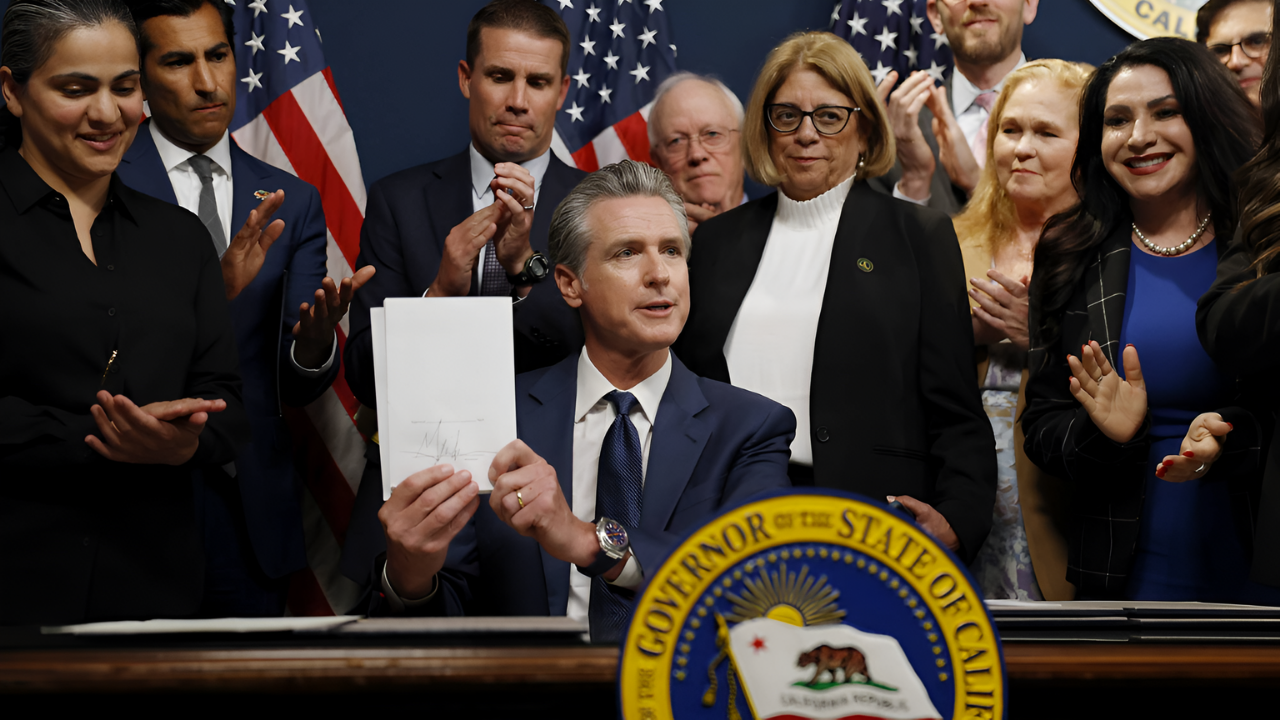
Governor Gavin Newsom has notably declined to endorse the measure, likely reflecting concerns about accelerating wealth exodus and constitutional vulnerabilities. This reluctance highlights California’s fundamental policy tension: while contemplating billionaire wealth taxation, the state simultaneously expanded entertainment industry tax credits to $750 million annually in June 2025—more than doubling the previous $330 million cap.
California’s legislative history demonstrates that “one-time” levies frequently become permanent once revenue dependency develops. What begins as taxation on billionaires often expands as initial targets relocate and revenue pressures mount on broader income brackets.
To reach the November 2026 ballot, supporters must collect at least 874,641 valid signatures by mid-June 2026. Whether Initiative 25-0024 represents groundbreaking wealth taxation architecture or a cautionary tale of fiscal policy remains uncertain. Success depends on completing signature collection.