
In July 2025, California experienced a devastating blow to its private sector as 742,492 workers lost their jobs in a single week, marking a 4.9% drop.
This unprecedented loss, the worst since the COVID-19 lockdown, was tied directly to heightened federal immigration enforcement in key areas like Los Angeles. The rapid downfall shocked the state’s labor market, setting off a chain reaction of economic turbulence.
The Role of Immigration Raids
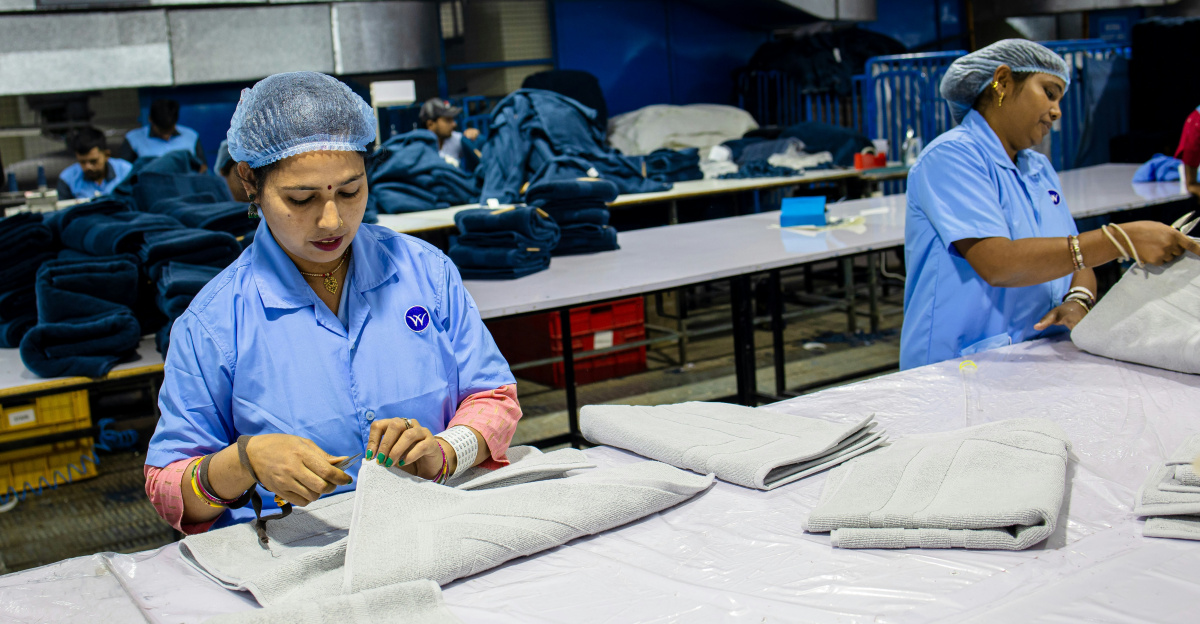
Federal Immigration and Customs Enforcement (ICE) raids began intensifying in June 2025, starting with a prominent sweep at a Los Angeles garment factory. UC Merced’s Edward Flores points to widespread fear, not just deportation, as the core issue.
Both documented and undocumented workers stopped showing up, while employers held off on hiring and reduced hours. The combination of fear and uncertainty froze California’s labor market.
Agriculture Struggles: From Farm to Table

The impact of these raids was most immediately felt in California’s Central Valley, where labor shortages at farms led to disruptions in agricultural production. Fresh produce prices rose in 2025, affecting items like strawberries, lettuce, and peaches.
Local communities dependent on agricultural wages suffered as grocery and gas stations reported declining revenues, further deepening the economic strain.
The Fast-Food Dilemma: Restaurant Workforce Crisis

California’s restaurant industry struggled in 2025 as a perfect storm of minimum wage hikes and immigration enforcement squeezed its workforce.
Chain restaurants, including Jack in the Box, closed locations amid challenging economic conditions. In response, some shifted toward automation—integrating kiosks and delivery-only models—ushering in a new era of job displacement within the sector.
The Gig Economy Struggles

As California’s restaurant scene faltered, the gig economy saw a surge in third-party delivery services like DoorDash and Uber Eats. However, fewer restaurant partners meant fewer opportunities for drivers, leading to volatile income patterns.
The rush to digitalize certain industries left behind long-term consequences for traditional workers and contributed to the hollowing out of middle-class jobs.
A Blow to Exports: Trade Disruptions
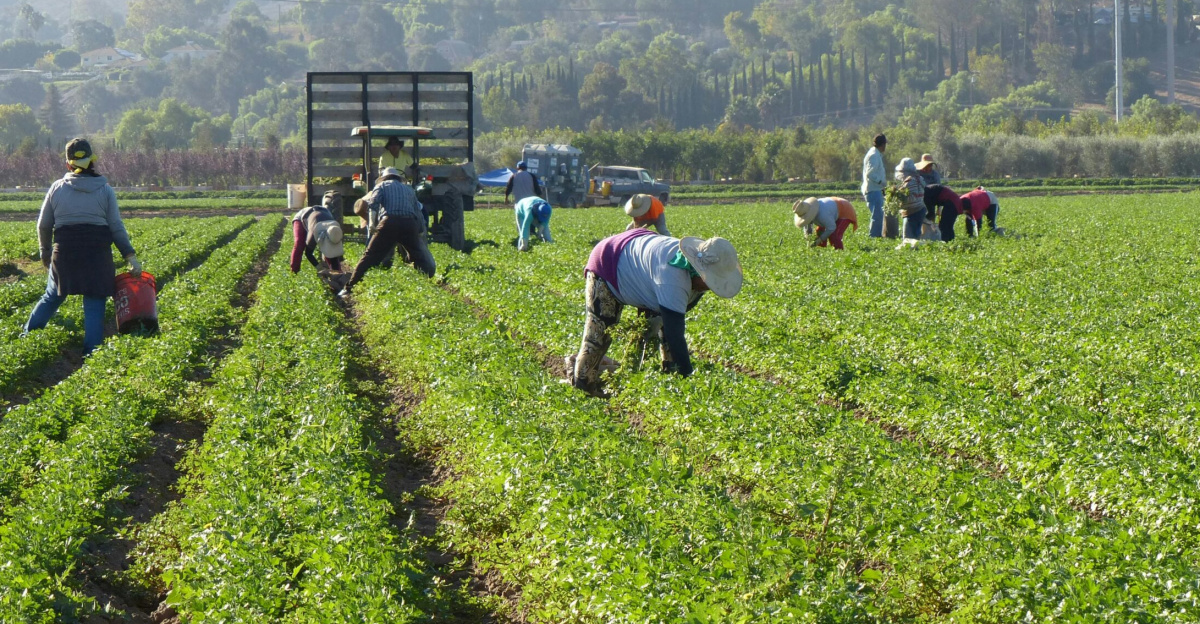
California’s export market suffered a blow as labor shortages affected ports in Los Angeles and Oakland. Produce that could not be processed faced spoilage, and international buyers looked elsewhere for supplies.
Tariffs played a significant role, with California’s agricultural exports to China falling by 56.1% due to trade tensions, further weakening the state’s competitiveness in the global market.
Stories from the Front Lines

Across California’s agricultural regions, immigrant families faced impossible choices during the raids. Many workers with legal status stayed home out of fear, while others relocated to states with less enforcement activity.
In the Central Valley, farm operators reported that up to 70% of their workforce failed to show up during peak weeks in June and July, leaving crops unharvested and threatening family livelihoods across the region.
City and County Emergency Measures
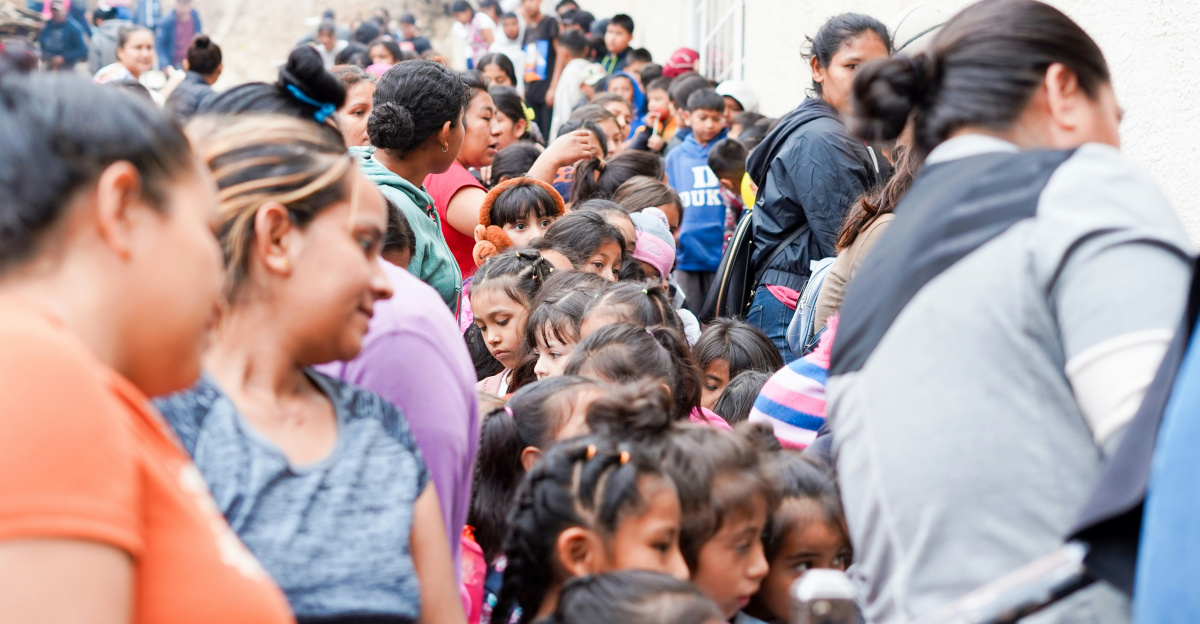
In July 2025, Los Angeles Mayor Karen Bass announced a cash assistance program to support immigrants impacted by ICE raids, followed by LA County’s creation of a dedicated relief fund on July 16. Despite these fast-tracked local initiatives, bureaucratic hurdles slowed relief efforts, and many workers struggled to access help during the critical summer months.
Meanwhile, a federal government shutdown in October halted the Census, leaving policymakers without critical data to assess the full extent of the crisis.
Inflation Takes Hold: Price Hikes & Stagnant Wages

In addition to the direct labor shortages, inflation spiked in California as a result of agricultural and logistical disruptions. Food prices saw increases of 3.5-4.3%, exacerbated by tariffs and supply chain delays.
Meanwhile, wages for service-sector employees stagnated, as employers were unwilling to raise pay amidst the labor shortages, further eroding purchasing power for California’s working-class families.
Retailers Adapt to Workforce Instability
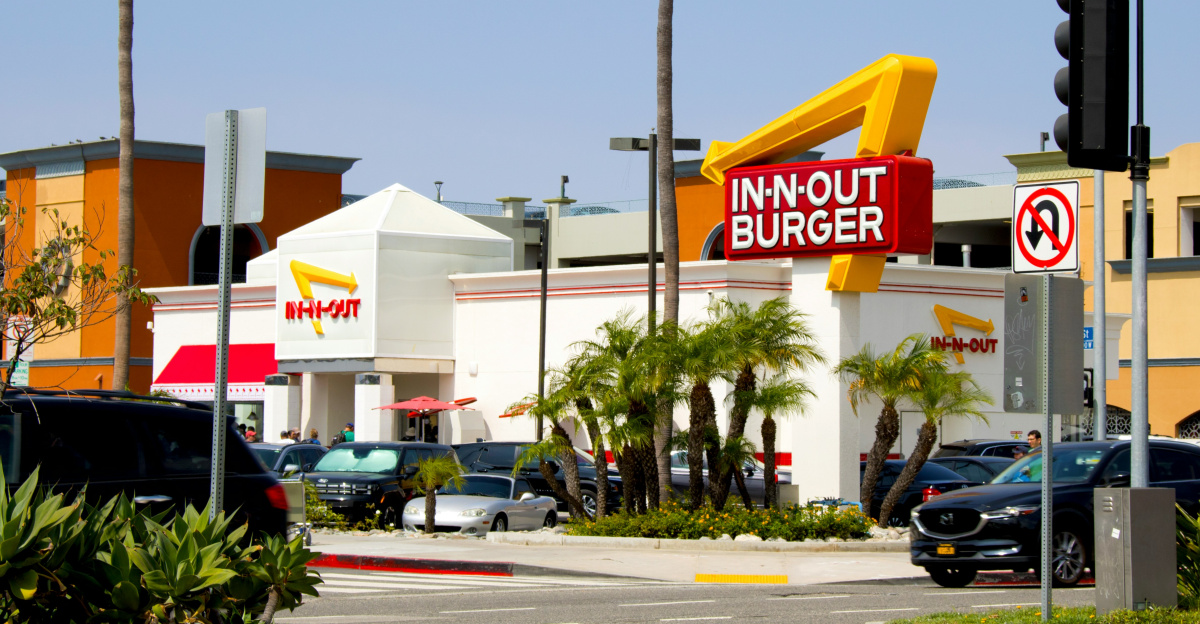
Faced with labor instability, California’s retailers grappled with competing pressures. While some explored automation technologies, others had previously scaled back self-checkout systems due to theft concerns—with chains like Safeway reducing automated checkouts at select California locations in 2024.
The mixed approaches highlighted ongoing operational challenges, while smaller retailers in rural areas struggled without resources for major operational changes.
Tourism Struggles to Stay Afloat

California’s hotel industry, reliant on immigrant workers for housekeeping and service positions, was severely impacted by the labor crisis.
Major hotel operators faced significant staffing challenges, with some consolidating operations in urban markets where labor pools were more stable. By the end of 2025, tourism revenue declined, impacting not just the industry but also local tax revenues that fund public services.
Industries in Crisis: Construction & Manufacturing
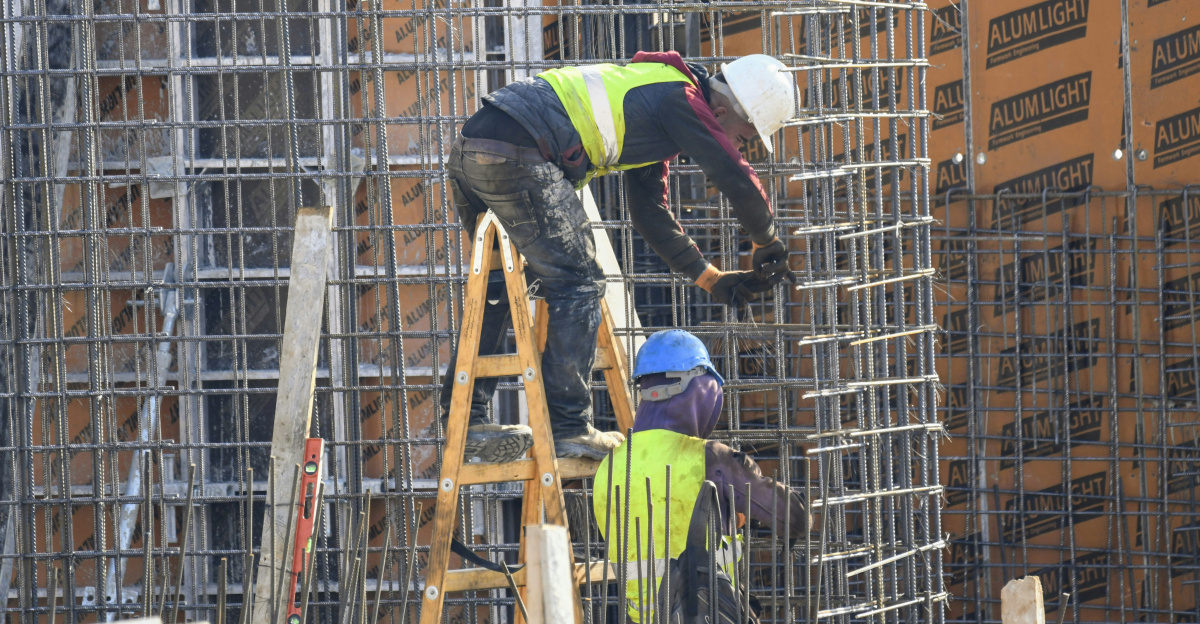
California’s construction industry saw a decline in activity, with building permits falling in mid-2025 as subcontractors lost access to their immigrant workforce. Manufacturing sectors, including apparel production in Los Angeles, faced disruptions, with some operations considering relocation.
These shifts disrupted local supply chains, leading to layoffs in related sectors such as logistics and equipment rental.
Global Ripple: Price Increases Worldwide
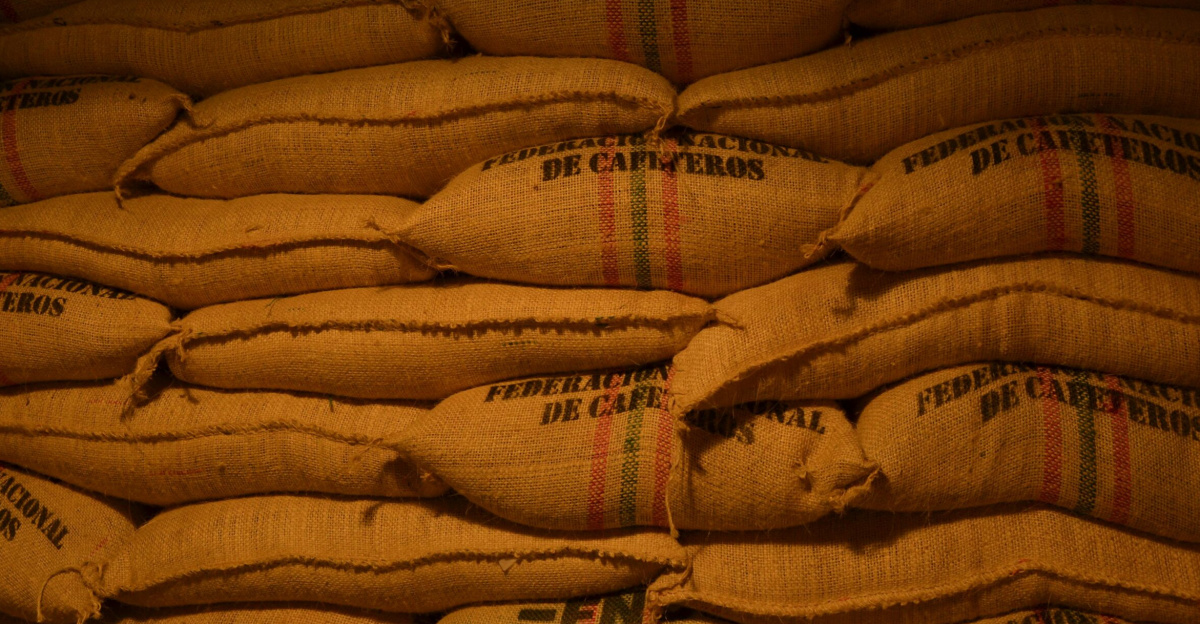
California’s export struggles rippled out to international markets. Countries dependent on the state’s agricultural products, like Japan and Mexico, saw higher prices for items like almonds and walnuts.
However, tariffs were the primary driver of this price increase, leading many international buyers to seek alternative suppliers. This shift in trade patterns is expected to have long-term implications on California’s role in global food markets.
Public Health in Crisis

As the economic impact deepened, public health officials reported increased stress-related health visits and mental health emergencies in California’s hardest-hit regions.
Families unable to access medical care due to fear of deportation delayed treatments, leading to worsening chronic conditions. In rural areas, where immigrant families were the backbone of communities, concerns grew about nutrition and healthcare access.
Divisive Debate: Immigration Enforcement’s Price
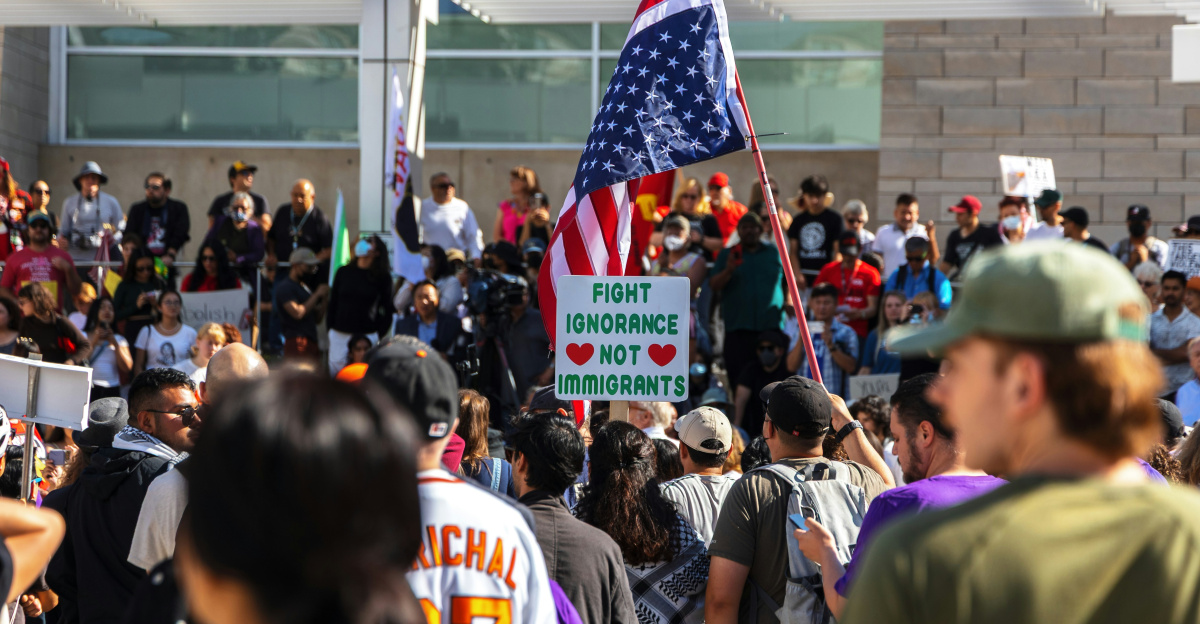
The immigration enforcement debate became more heated as conservative voices hailed the raids as a victory for border security, citing the loss of jobs among immigrants.
However, progressives pointed out that 415,000 citizens also lost jobs in the same period, illustrating the broader economic fallout. The controversy over the enforcement policy deepened, as various groups highlighted the cascading economic consequences.
Winners & Losers: Tech vs. Labor
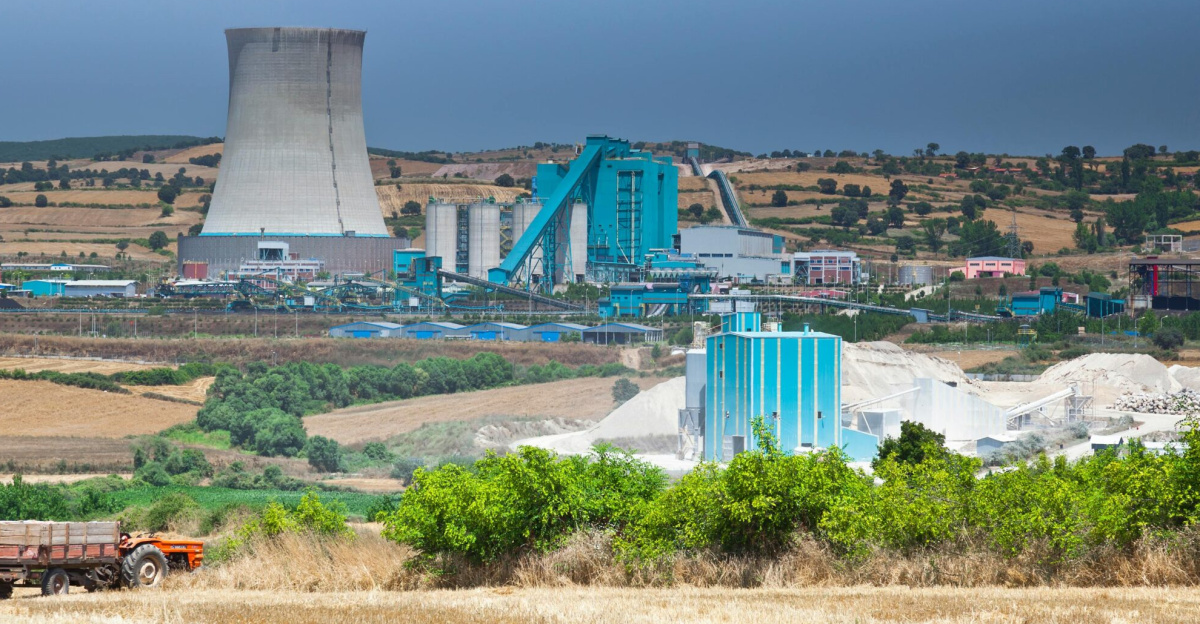
While California’s labor market struggled, tech companies providing workforce compliance solutions saw business growth. Similarly, automation companies benefiting from the rise in self-checkout systems and warehouse robots experienced demand increases.
In contrast, labor-intensive sectors such as construction and hospitality saw marked declines, underscoring the growing wealth inequality in the state and the accelerating trend toward technological substitution.
Financial Markets React to Immigration Enforcement

Wall Street took note of California’s labor crisis, with market analysts tracking labor-intensive industries while monitoring investments in automation and related sectors.
Some analysts described the market’s reaction to immigration policies as reshaping investment considerations. By late 2025, investment strategies were reflecting expectations about ongoing labor market disruption.
Practical Advice for California Families

For California workers facing this volatile landscape, diversification of skills and building emergency savings are key strategies for navigating the uncertainty. For consumers, it’s wise to expect continued volatility in food prices and plan accordingly.
Businesses must also plan for ongoing labor market challenges and consider their operational strategies as a long-term priority.
What Lies Ahead: Projections for 2026

UC Merced’s Edward Flores predicts that California will continue to face labor instability throughout 2026, even if some enforcement measures are scaled back.
He warns that without clear policy guidance and resolution, California’s economy could face additional challenges. The state will need to adapt to ongoing labor market volatility, forcing a rethinking of its growth model and labor strategies.
The Long-Term Consequences: Systemic Shifts

The economic shocks set in motion by federal immigration enforcement are not easily reversible. From agriculture to retail, the cascading effects of job losses, trade disruptions, and inflation have exposed vulnerabilities in California’s economic structure.
While policymakers debate the future of immigration enforcement, the long-term consequences of these actions will continue to reshape California’s economy for years to come.
Sources:
“The Effects of Recent Federal Immigration Enforcement on California’s Private Sector Employment.” UC Merced Community and Labor Center, Edward Orozco Flores et al., Aug 2025.
“California Added 15,000 Jobs in July.” California Employment Development Department, 16 Sep 2025.
“Immigration raids leave crops unharvested, California farms at risk.” Reuters, Kristina Cooke and Ted Hesson, 30 Jun 2025.
“At a troubled fashion company, workers found community. Then ICE came.” Los Angeles Times, 10 Jun 2025.