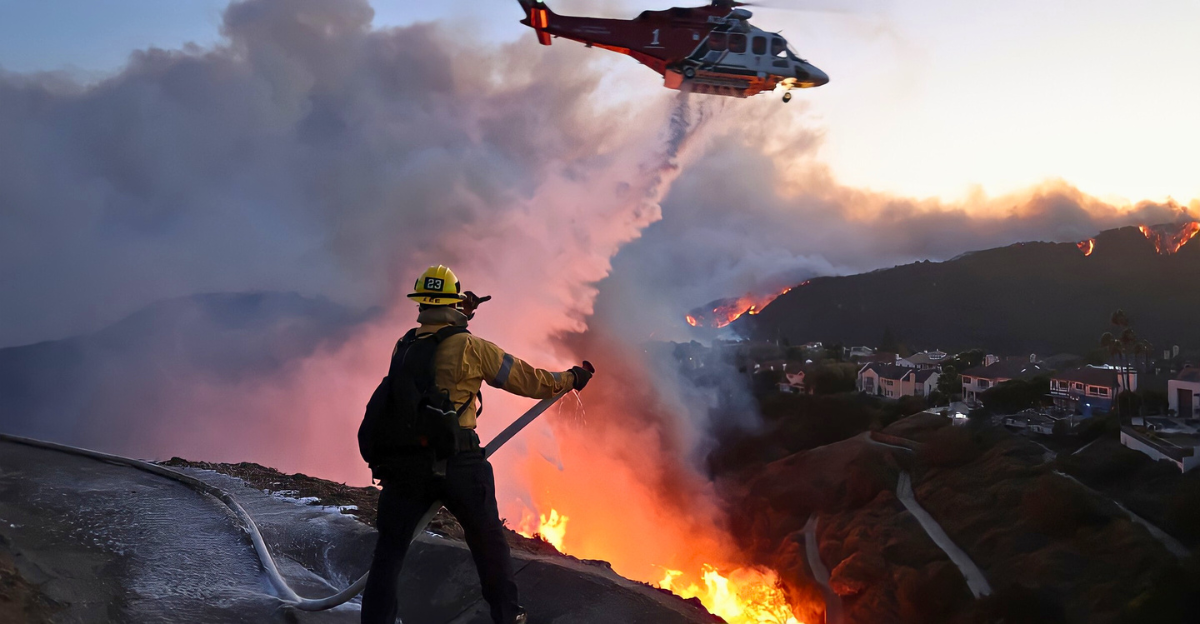
In September 2025, California experienced a dramatic weather shift that sent shockwaves across the state. Meteorologists raised alarms about severe storms and unusual climate patterns early in the month. As residents awoke to urgent warnings, apprehension swept through diverse communities.
Alerts highlighted an unsettling level of atmospheric energy, raising concerns about potentially dangerous weather developments. One resident from San Francisco noted, “It felt like we were standing on the edge of something unpredictable.” The sense of urgency was palpable, ushering in a period that would test California’s resilience against natural disasters. The warnings were just the beginning of a turbulent chapter.
Escalating Risk Signals
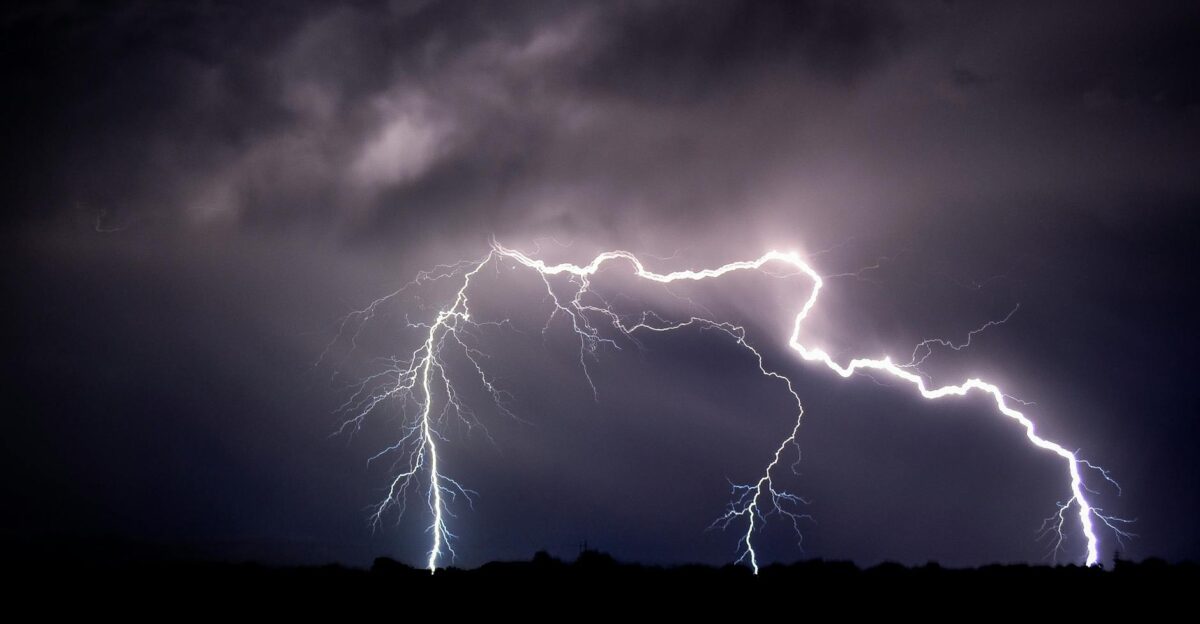
As the state braced for what lay ahead, local agencies intensified their alerts in light of forecast models predicting extreme heat and heightened lightning activity. By nightfall, fire departments scrambled to mobilize additional resources anticipating the imminent crisis. Local governments called for readiness, emphasizing the urgency of preparation.
“It’s unlike any weather pattern we’ve faced before,” remarked a fire chief from Los Angeles. With a volatile mix of conditions, officials warned that this could become one of California’s most challenging weather episodes in years. Residents were encouraged to remain vigilant as the situation unfolded.
A History of Extremes

California’s battle with extreme weather is not a new phenomenon. The echoes of events such as the devastating 2018 Camp Fire and catastrophic flooding in early 2023 still resonate. “Every year it feels like we’re on high alert,” recalled a resident from Redding.
Fire officials pointed to historical patterns that solidified the state’s reputation as “America’s epicenter of natural disasters.” With wildfires, heatwaves, and the threat of flash flooding, the state’s landscape bore the marks of nature’s fury. Each new weather event added to the anxious narrative of survival and community resilience that has defined California’s relationship with its environment.
Deteriorating Conditions
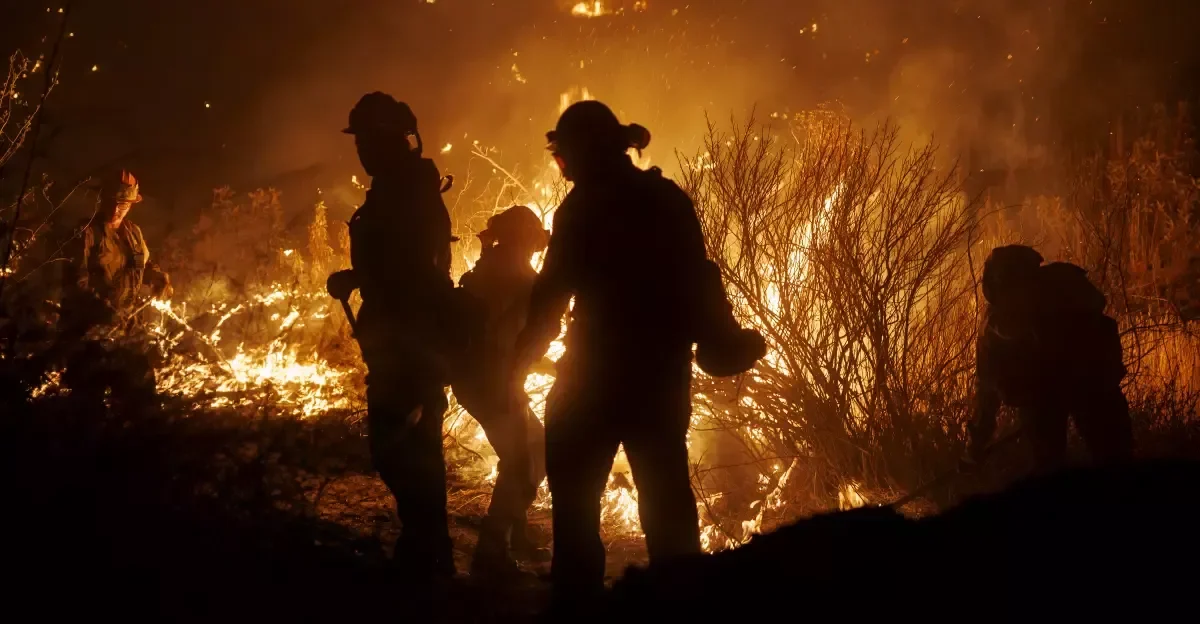
As temperatures soared, humidity dropped drastically, creating perilous ground conditions. CAL FIRE reported alarming increases in fuel loads, while local meteorologists underscored the “combustible mix” of dry vegetation and strong winds as the week progressed. “We know that even a single spark can lead to disaster,” a CAL FIRE spokesperson shared.
Growing concerns over fire risks escalated as conditions worsened. The community grappled with anxiety over what lay ahead, bracing for the inevitable threats posed by California’s unforgiving climate. Authorities urged residents to stay alert and prepared, knowing every moment counted in the face of potential catastrophe.
The Major Weather Threat
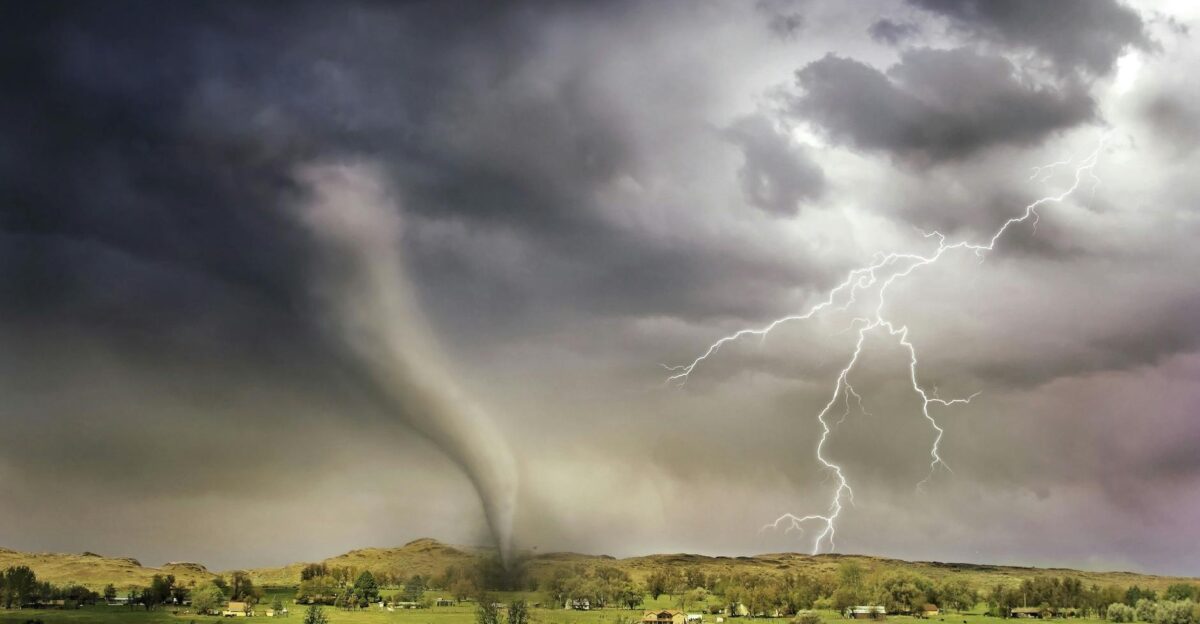
On September 2, 2025, the National Weather Service took definitive action by issuing a statewide formal “major weather threat” warning. They flagged thunderstorms and the risk of lightning as immediate dangers that could ignite devastating fires. Almost immediately, lightning strikes began to unleash chaos, igniting multiple wildfires, including the infamous September Lightning Complex.
“You could see the flashes from miles away,” described a Sonora resident, highlighting the situation’s fear and urgency. This turned the tide for fire risk this season, signaling a dangerous escalation in weather patterns that had already begun to wreak havoc across California.
Regions Under Fire
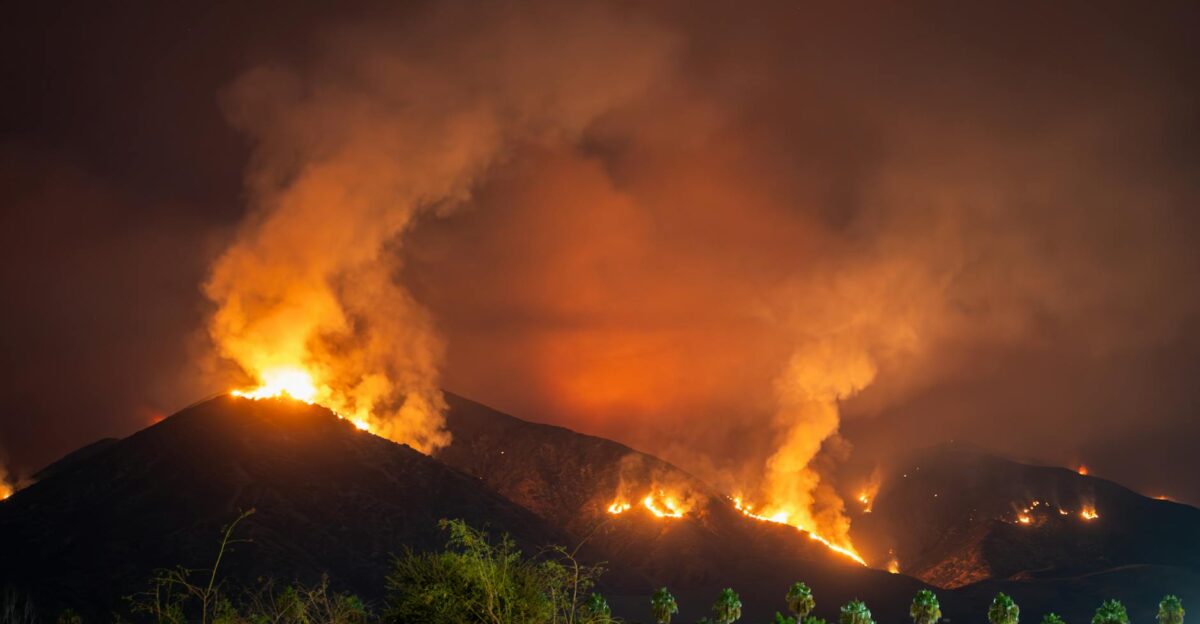
The impacts of the storm were felt most acutely in Northern and Central California. Tuolumne-Calaveras units reported over 22 blazes ignited by lightning in just one day, resulting in widespread evacuations. “We had no time to gather our belongings,” recalled an evacuee from a nearby community.
The Sierra National Forest saw fires rapidly engulfing large areas, and local authorities worked tirelessly to coordinate emergency shelters for displaced families. The situation deteriorated swiftly, underscoring the need for a collective response. Communities united to support each other during this unprecedented crisis, highlighting the desperate need for timely communication and action.
Emerging Human Experiences
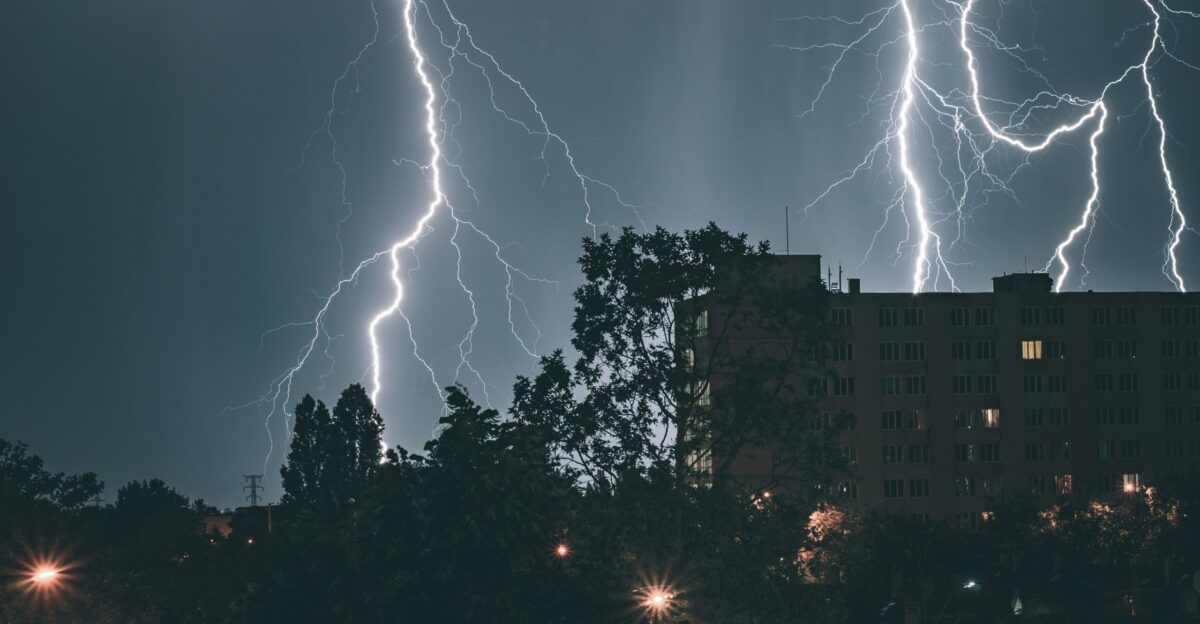
“The sound of thunder was deafening, and it felt like a war zone,” remembered a resident from Chinese Camp as they witnessed the hillside igniting. Firefighters faced treacherous conditions, and several were injured in the line of duty, including one in an overnight accident.
“Stay weather aware and seek shelter if you hear thunder,” urged National Weather Service officials during briefings. As the situation escalated, personal narratives emerged from the chaos. These stories captured the resilience and camaraderie of residents and first responders amid the growing crisis, painting a vivid picture of community spirit in the face of nature’s fury.
Regulatory Responses Ramp Up
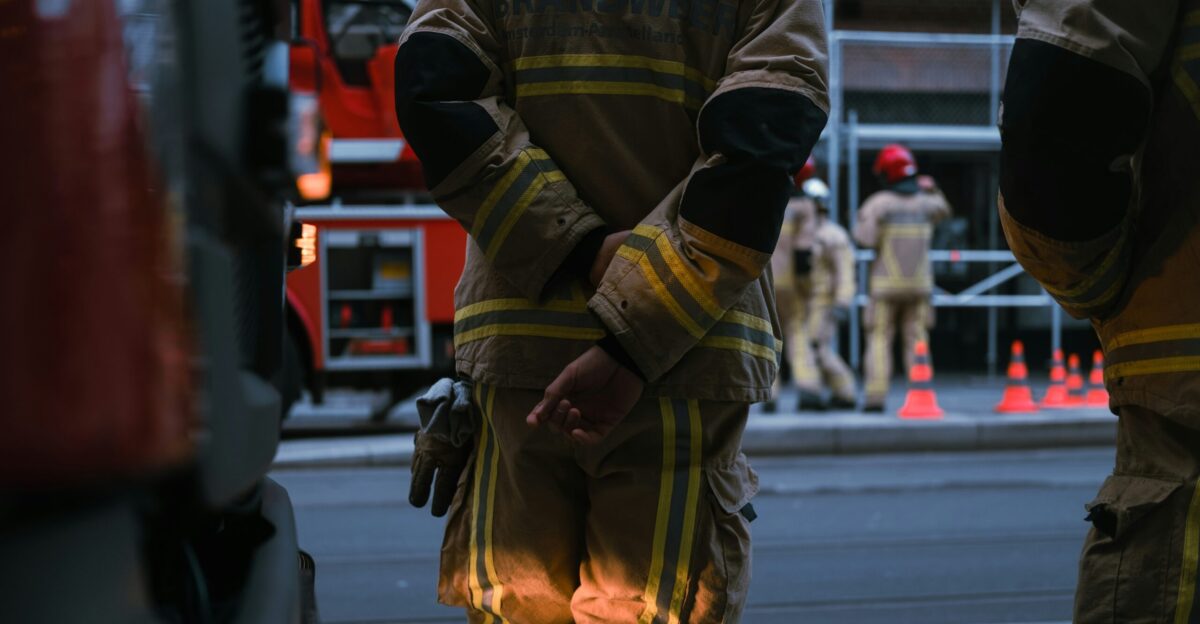
In response to the unfolding disaster, state regulators prioritized public messaging and enhanced fire prevention campaigns. CAL FIRE implemented mobile alert systems, ensuring timely communication with vulnerable communities. “We are doing everything we can to keep people safe,” stated a CAL FIRE official, emphasizing the situation’s urgency.
Emergency declarations facilitated the rapid allocation of resources and allowed for a coordinated effort to combat the evolving threats. As communities faced overwhelming challenges, the determination of authorities to respond effectively became critical in guiding residents through the turmoil of the unprecedented weather crisis.
The Bigger Picture

Experts began connecting the dots, linking California’s weather crisis to broader climate shifts impacting the region. Researchers at UC Merced projected a staggering 35% increase in lightning-caused wildfires by 2027, underscoring the seriousness of the changing climate landscape. “This isn’t just a bad season; it’s a reflection of a larger problem,” warned a climate analyst.
Insurance companies noted elevated risks and potential claims in the area. With each passing day, the cumulative effects of climate change loomed, reinforcing the urgent need for adaptive strategies to protect the communities facing these relentless challenges.
Air Quality Crisis
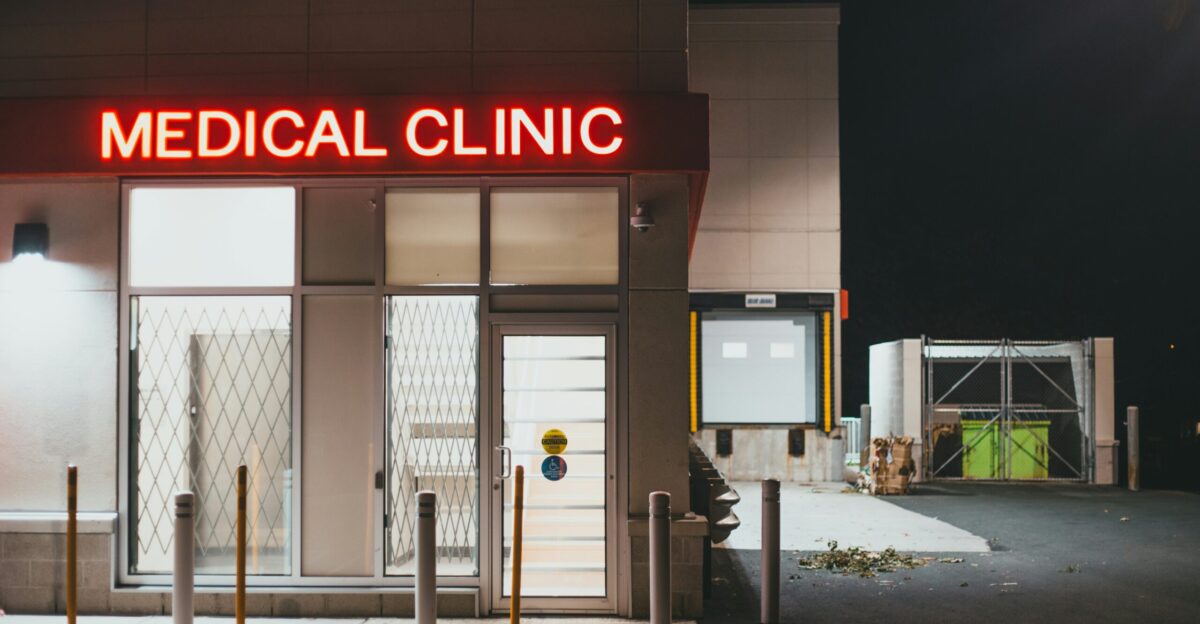
Amid the wildfires, a lesser-known but critical issue unfolded: significant disruptions to regional air quality. Smoke from the fires spread into neighboring states like Nevada and Oregon, resulting in local clinics reporting spikes in respiratory complaints. “I’ve never seen so many people struggling to breathe during wildfire season,” said a doctor from Modesto.
Schools in Stanislaus and Sierra counties canceled outdoor activities due to air quality advisories, showcasing the broader implications of the fires on daily life. As communities grappled with the immediate dangers of fire, the hidden health ramifications prompted further discussions on the interconnectedness of climate and public health.
Disparities in Preparedness
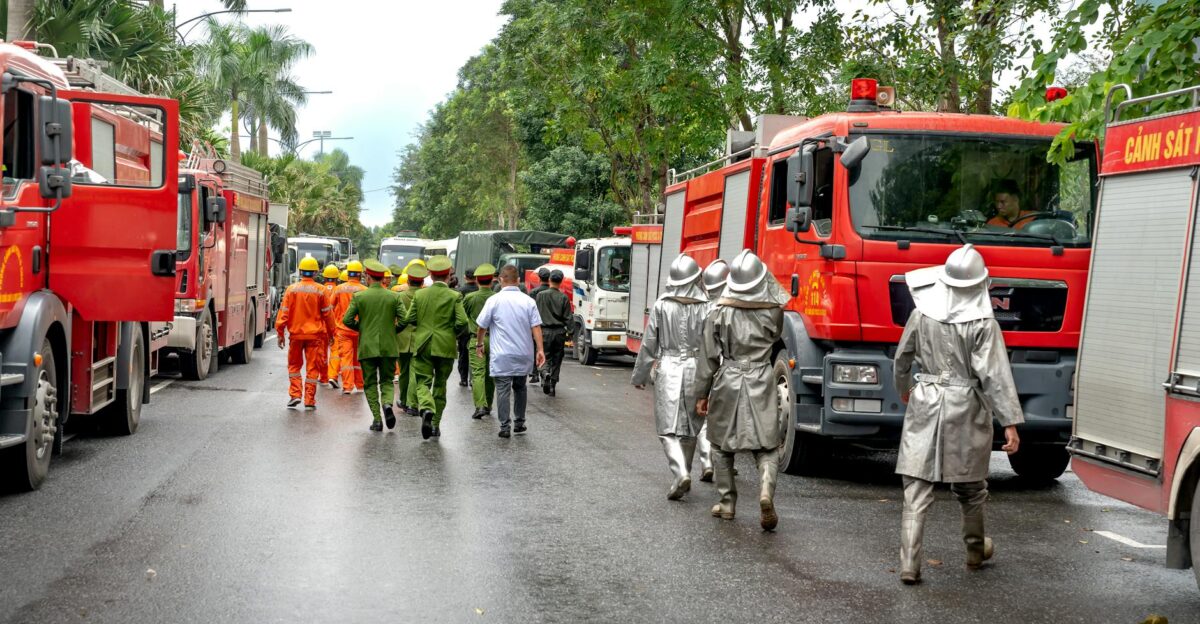
Not every Californian felt adequately prepared for the unfolding crisis. Many rural communities expressed frustration over the slow government response and confusing evacuation instructions. “We need clearer guidance,” urged a resident from a small farming town.
Advocacy groups called for streamlined alert systems that could better serve vulnerable populations. Officials acknowledged past shortcomings and committed to improving coordination for future emergencies. The divide in preparedness highlighted crucial gaps that needed addressing to ensure that every resident, regardless of location, had access to clear and timely information during disasters.
Shifts in Leadership
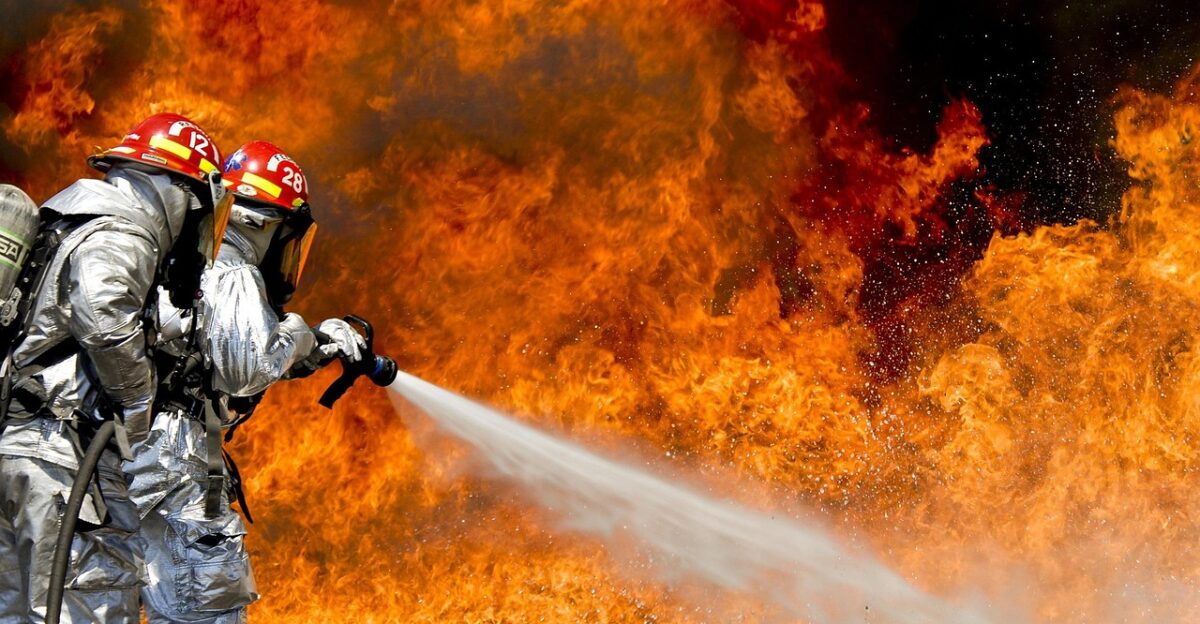
In light of the escalating crisis, Governor Gavin Newsom convened emergency briefings to assess the response strategy. He delegated authority to regional fire chiefs, emphasizing the need for swift decision-making as conditions evolved.
Major shifts within CAL FIRE focused on operational agility, with experienced incident managers deployed in high-risk zones, including the Tuolumne-Calaveras corridor. “We’re adapting to the reality of increased fire risks,” a CAL FIRE leader stated. This change in leadership and strategy underscored the importance of proactive measures in addressing the needs of communities facing extreme weather challenges head-on.
Recovery Efforts Underway
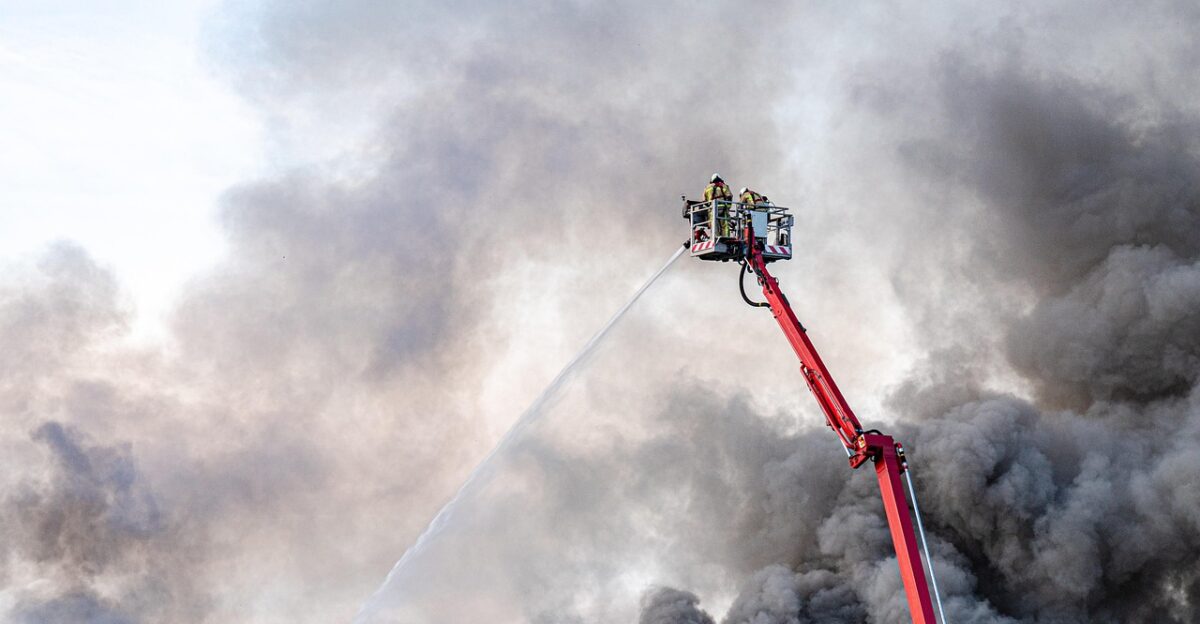
Firefighters mounted aggressive counterattacks utilizing aerial retardants and bulldozer lines to contain the flames. By September 6, 2025, the September Lightning Complex fires were reported as 40% contained, a relief to many. “Every small victory counts in situations like these,” remarked a local firefighter amid the chaotic scene.
Volunteers and relief organizations collaborated to distribute supplies to evacuees, providing essential support amid ongoing efforts. The community rallied together, demonstrating resilience and a strong sense of solidarity, reinforcing that recovery was possible despite devastation.
An Uncertain Outlook
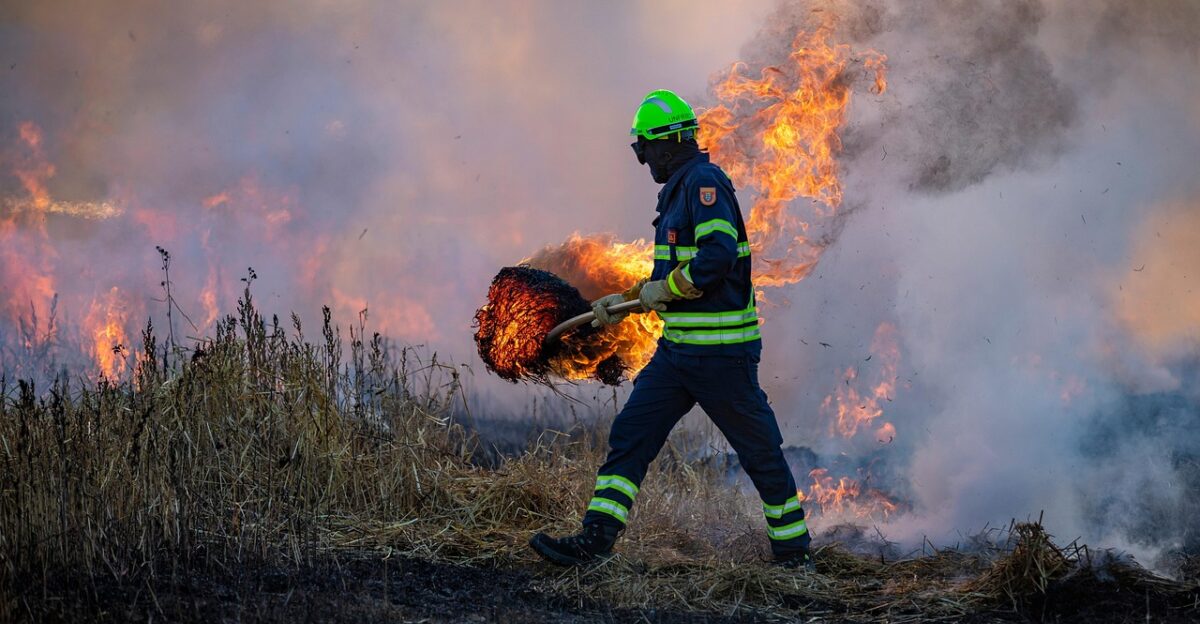
Wildfire experts conveyed a cautious outlook as the season progressed, emphasizing the unpredictable nature of the current weather systems. “We’re seeing some moisture move in, but it’s hard to determine how that will impact fire activity,” noted a prominent wildfire researcher.
As conditions oscillated, concerns remained regarding potential new outbreaks and long-term environmental implications. Each day came with new challenges and uncertainties, compelling residents and officials alike to stay vigilant and adaptable in handling the multifaceted crisis unfolding across the state.
The Community Responds
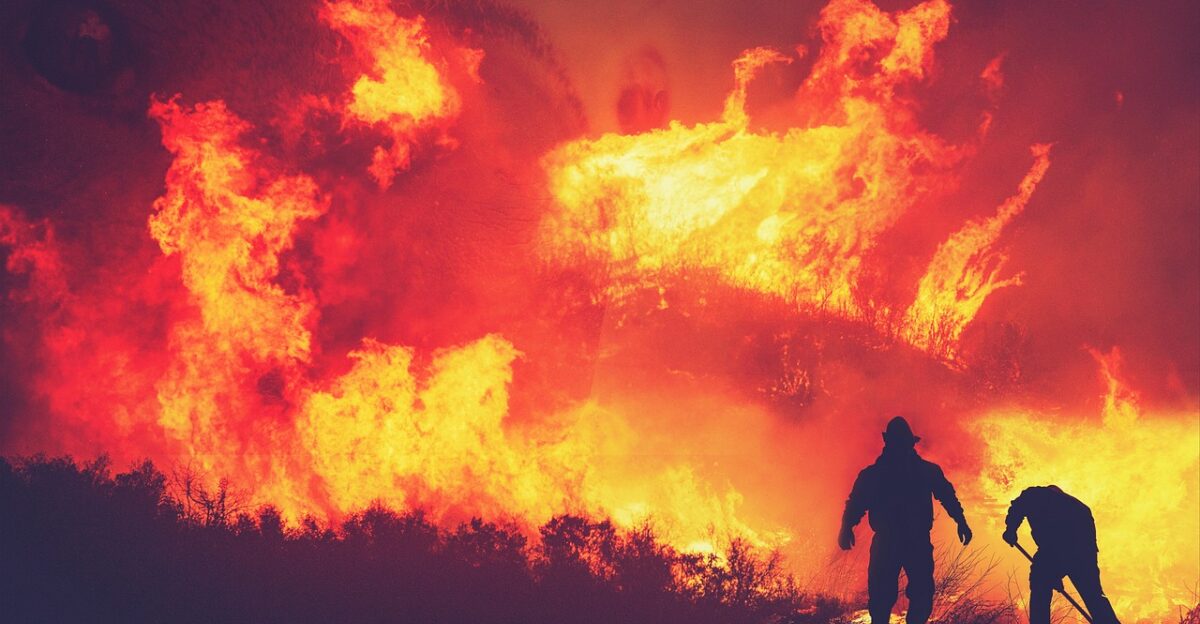
As the fires created chaos, stories of heroism emerged from within the communities. Neighbors joined forces to help one another evacuate, creating a mutual support network. “We looked out for each other; it was amazing to see everyone come together,” shared a local homeowner.
Fundraisers sprang up to assist firefighters and victims, demonstrating the strength of community bonds during tough times. These acts of solidarity painted a picture of hope amid turmoil, reminding Californians that they could rely on one another when faced with natural adversities.
Financial Ramifications

The financial strain from the wildfires extended well beyond immediate response efforts. Residents began to experience the pressures of rising insurance premiums and the potential for lost property. “It’s a nightmare trying to find coverage,” stated a local farmer.
Insurance companies warned of potential claim surges due to the increasing frequency of fire events, adding financial worries to an already precarious situation. Many families faced tough decisions about rebuilding or relocating to safer areas, changing the investment landscape in affected regions. The interplay of economic and environmental challenges intensified the need for systemic changes.
Environmental Implications
Environmental experts dove into analyzing long-term ecological effects as the fires continued to rage. “We’re concerned about the damage to wildlife habitats and forest regeneration,” explained an ecologist involved in assessing the aftermath. The wildfires resulted in immediate destruction and posed challenges to the entire ecosystem.
The impacts rippled through the food chain, making resilience especially important for recovering flora and fauna. Striking a balance between recovery efforts and environmental preservation became crucial in navigating the aftermath of the disaster while ensuring the land could sustain future generations.
Climate Policy Revisions
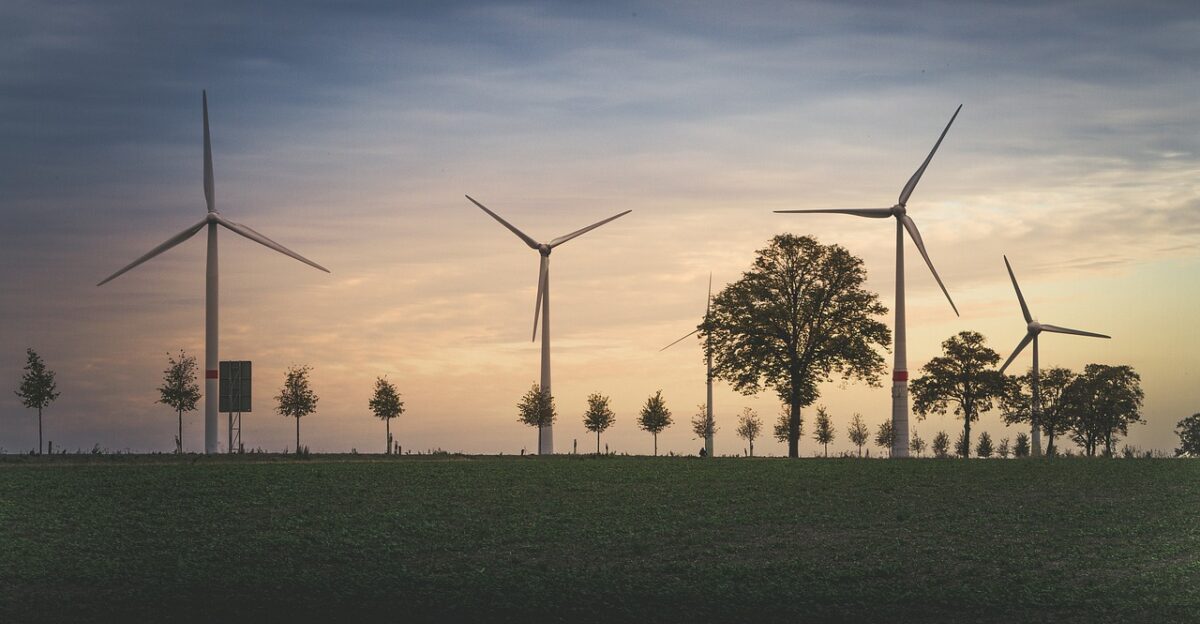
The catastrophic weather events sparked conversations around climate policy and adaptation strategies on a larger scale. “This crisis highlights the necessity for legislative reform,” stated a climate policy advocate. Communities rallied to push for government action on climate resilience and sustainable practices.
The need for robust infrastructure to withstand natural disasters became a talking point, with residents demanding comprehensive action. As policymakers took notice, a wave of proposals emerged, aimed at safeguarding communities and mitigating risks associated with climate change. The events of September 2025 ignited a renewed determination to address the root causes of environmental vulnerabilities.
Preparing for the Future

Looking forward, the lessons learned from the September wildfires shaped discussions on preparedness. “We must prioritize educational programs that emphasize safety,” said a community organizer, reflecting on the need for proactive measures. Emergency training sessions and community drills were proposed to ensure residents remained well-informed and equipped to handle similar crises.
Collectively acknowledging past weaknesses underscored a genuine desire to build resilient communities ready to face changing climate realities. Evolving from reactive measures to proactive strategies became paramount in the dialogue about safety and preparedness.
Moving Toward Resilience

As California reflected on the devastation of September 2025, the path forward incorporated lessons from the fires. Collaborative efforts between government agencies and community organizations sought to create stronger frameworks for resilience. “We’re determined to emerge stronger from this,” asserted a community leader.
The emphasis shifted toward sustainable practices, disaster readiness, and a collective commitment to environmental stewardship. In the face of adversity, Californians demonstrated unwavering resolve to work together for a better future, embodying the spirit of resilience essential for confronting the ever-evolving challenges posed by nature and climate change.