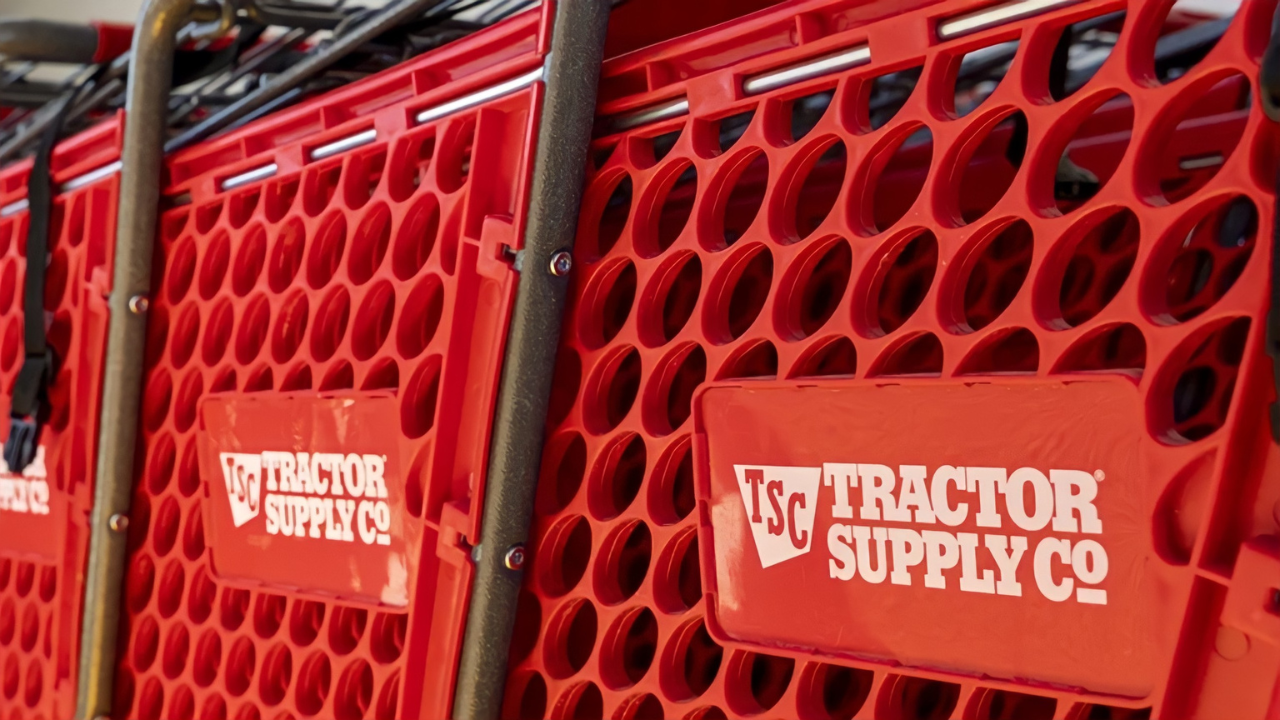
A record-setting $1.35 million fine against Tractor Supply Company has put a national spotlight on how businesses handle the personal data of job applicants. On September 30, 2025, California’s privacy regulator issued its largest penalty yet, citing the retailer’s failure to provide required privacy notices and opt-out options to job seekers—a move that signals a new era of scrutiny for recruitment data practices.
California Raises the Bar on Data Privacy

Since the California Consumer Privacy Act (CCPA) took effect in 2020, the state has led the nation in setting strict standards for how companies collect, use, and share personal information. Most enforcement actions have focused on consumer data, but the Tractor Supply case marks the first time a major penalty has targeted the privacy rights of job applicants. The California Privacy Protection Agency (CPPA) found that Tractor Supply, which operates over 2,300 stores in 49 states, failed to notify applicants about data collection and did not offer a functional way to opt out of data sharing. The company must now certify its compliance annually for four years, setting a precedent that extends privacy protections beyond customers to anyone seeking employment.
“Job applicants are entitled to the same privacy rights as consumers,” said CPPA Chair Jennifer Urban in a statement. “This action makes clear that all personal data—regardless of context—must be handled transparently and lawfully.”
Applicant Data: A New Regulatory Frontier

The privacy of employment data presents unique challenges. Unlike retail transactions, job applications require individuals to share sensitive details such as contact information, work history, and sometimes even background checks. Many companies rely on outdated systems or third-party platforms that lack clear privacy disclosures or opt-out mechanisms, leaving applicant data vulnerable to misuse or unauthorized sale.
“People trust us with their most personal information when they apply for a job,” said Maria Lopez, a human resources manager at a California-based retailer. “If we don’t protect that trust, we risk losing talented candidates and damaging our reputation.”
Experts warn that the regulatory focus on applicant data is part of a broader global trend. The European Union’s General Data Protection Regulation (GDPR) has long required strict consent and transparency for all personal data, including that of job seekers. Now, California’s enforcement is pushing U.S. companies to adopt similar standards.
Historic Penalty and Its Ripple Effects

The $1.35 million fine against Tractor Supply is not only the largest ever imposed by the CPPA, but also the first to require multi-year compliance certification for hiring practices. This signals a shift from one-time penalties to ongoing oversight, with regulators expecting companies to continuously audit and improve their data handling.
“Regulators are sending a message: privacy compliance is not a box to check once, but a continuous process,” said Dr. Alan Chen, a data privacy law professor at Stanford University. “This case will likely prompt other large employers to review their recruitment systems and close any privacy gaps.”
The impact is already being felt. Industry analysts predict that more companies will invest in applicant tracking systems with built-in privacy controls and will reconsider any practices that involve selling or sharing applicant data. The ruling may also discourage the commodification of job seeker information, a practice that has drawn criticism from privacy advocates.
Trust, Transparency, and the Human Cost

For job seekers, privacy violations can have real psychological consequences. Trust is a crucial factor in the employer-employee relationship, and breaches can heighten anxiety and deter qualified candidates from applying. “I want to know that my information won’t be used against me or sold without my consent,” said San Diego resident and recent job applicant Jasmine Patel. “It’s stressful enough looking for work without worrying about where my data ends up.”
California’s enforcement action underscores the importance of ethical data stewardship in recruitment. By protecting applicant privacy, regulators aim to safeguard not just legal rights, but also the psychological well-being of millions navigating a competitive job market.
A Global Shift and What Comes Next
California’s move aligns with a worldwide push for stronger data privacy laws. While the U.S. is still catching up to Europe’s GDPR, states like Colorado and Virginia have begun enacting their own privacy statutes, and federal legislation is under discussion. Regulators are increasingly targeting not just consumer data breaches, but also failures in transparency and consent across all business operations—including hiring.
The Tractor Supply case serves as a warning to national retailers and other large employers: even a single compliance lapse can result in multimillion-dollar penalties, reputational harm, and loss of public trust. As technology like AI-driven applicant screening becomes more common, companies face new challenges in ensuring transparency and control over personal data.
Looking ahead, the stakes are clear. Businesses must treat privacy as an ongoing commitment, not a one-time obligation. The Tractor Supply ruling is likely to reshape industry standards, prompting companies to adopt more robust privacy practices and empowering job seekers to demand greater transparency. In an era where data is currency, trust and compliance are now essential for long-term success.