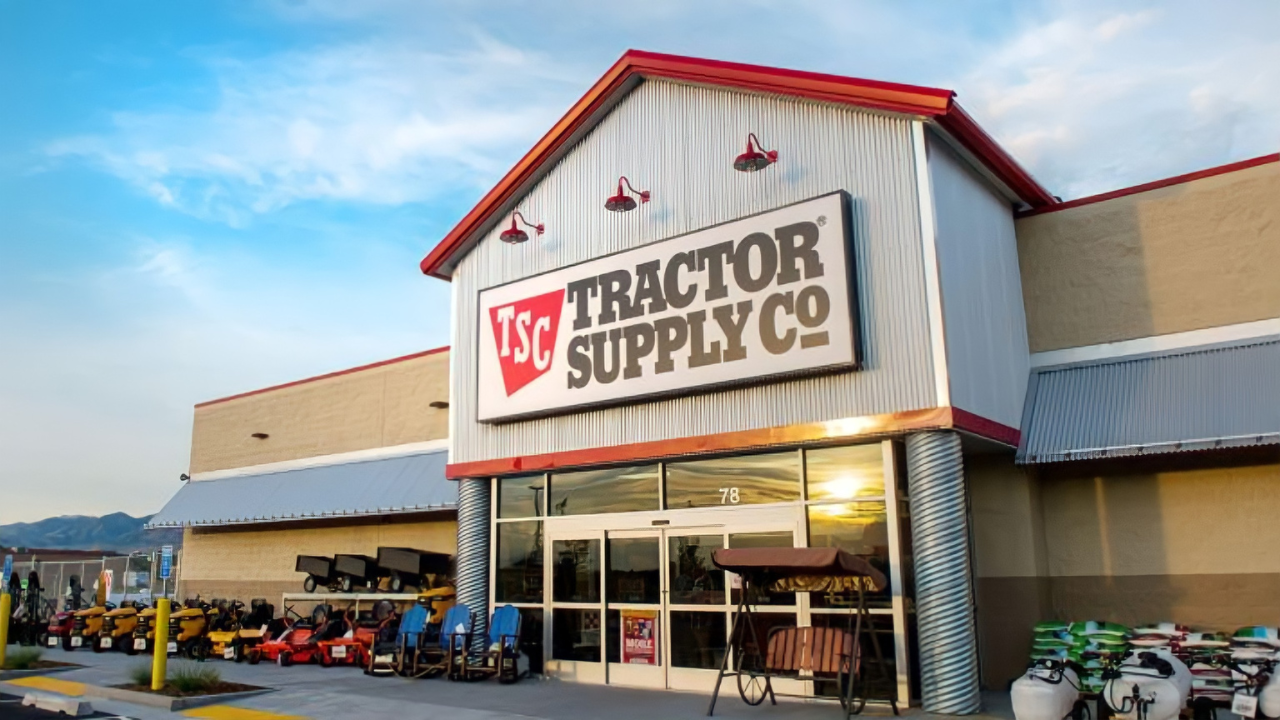
Tractor Supply Company was fined an unprecedented $1.35 million by the California Privacy Protection Agency (CPPA) on September 30, 2025, for breaking the California Consumer Privacy Act (CCPA). The retailer, which has 2,364 locations in 49 states, did not implement functional opt-out options for data sharing and did not give job applicants the legally mandated privacy notices.
This is the biggest fine the CPPA has ever imposed and the first that specifically addresses applicant privacy in hiring procedures. In addition, the fine requires annual compliance certification for four years. This enforcement action underscores the increasing regulatory scrutiny of recruitment data practices, indicating that businesses across the country must immediately audit and enhance applicant data handling or risk similar penalties.
Data Privacy Enforcement’s Historical Context

With the CCPA becoming the nation’s gold standard since its implementation in 2020, California has long been a leader in data privacy. The law imposed strict guidelines on how businesses gather, utilize, and distribute customer data. Up until now, consumer transactions or marketing data were the focus of the majority of enforcement actions.
By concentrating on employment data sector that has historically been disregarded in privacy regulations, the Tractor Supply case sets a precedent. This is a significant development that highlights the fact that job applicants are just as much protected by privacy laws as consumers. The trend is a component of a larger worldwide effort to hold businesses responsible for all interactions involving personal data.
The Problem with Applicant Data Security

The privacy of employment data poses special difficulties. Job applications, in contrast to consumer transactions, entail the sharing of private information like contact details, backgrounds, and resumes. Many businesses still rely on internal procedures or third-party platforms that don’t have clear opt-out options or transparent privacy disclosures.
This makes it possible for data to be misused or sold without authorization. The inability of Tractor Supply to notify applicants and permit opt-outs is a prime example of systemic flaws in applicant data management, a blind spot that is drawing more and more regulatory attention. Investing in technology and changing corporate culture are necessary to ensure compliance.
Why Tractor Supply’s Penalty Is a Historic Ruling

The ruling is significant for a number of reasons. First, the $1.35 million fine is a sign of regulators’ increasing intolerance for non-compliance, dwarfing prior fines for hiring privacy violations. Second, it expands the application of privacy laws from consumers to job seekers by establishing a precedent for enforcing applicant data rights.
Third, Tractor Supply is subject to strict, ongoing accountability due to the four-year compliance oversight that comes with the fine. This serves as a warning that privacy enforcement is a multi-year commitment to reform rather than a one-time punitive event. The case serves as a model for future recruitment privacy initiatives.
Psychological Consequences for Job Seekers and Consumers

A crucial psychological currency in employer-employee relations, trust is undermined by applicant privacy violations. Candidates anticipate that their private information will be handled carefully and won’t be exploited or turned into a commodity.
In an already stressful job market, breaches increase anxiety and erode trust in hiring procedures. This may discourage talented people from applying or turn away highly qualified applicants. Thus, California’s enforcement emphasizes ethical corporate behavior in recruitment, protecting not only legal rights but also the psychological health of millions of workers.
More General Data Privacy Regulatory Trends

California’s action against Tractor Supply is in line with a global trend of stricter privacy regulations. The United States is catching up to the early standards set by the European Union’s GDPR, with California leading the way domestically and other states following suit. Regulations are increasingly focusing on consent failures, inadequate transparency, and data breaches.
Agencies are also concentrating on secondary data uses, such as employment practices and data selling. Proactive compliance is crucial because companies that ignore these trends run the risk of facing harsh fines, reputational harm, and legal action.
Does Enforcement Affect Innovation in Business?

Heavy fines, according to some critics, discourage business innovation, particularly in the retail and recruitment industries, which depend on data analytics to improve hiring and customer service. They contend that regulations impede digital transformation by adding bureaucratic red tape and raising costs.
But the case of Tractor Supply shows that disregarding privacy can have more dire repercussions. Furthermore, innovations must and can develop within moral bounds. In the end, trust-building through responsible data practices promotes sustainable business growth rather than hinders it. Respect for privacy and transparency can become advantages rather than disadvantages in the marketplace.
The Lifecycle Model of Privacy Compliance
The “Privacy Compliance Lifecycle Model,” which combines technology, policy, and continuous auditing, can help explain Tractor Supply’s failure. Companies must first create explicit privacy policies that are adapted to the hiring process. They must then implement enabling technological systems to guarantee that notices and opt-outs run smoothly. Lastly, employee training and ongoing compliance certification fill in any gaps prior to external enforcement.
Enforcement resulted from Tractor Supply’s failure to meet important lifecycle checkpoints. By lowering risk and coordinating data practices with legal requirements, this model assists businesses in visualizing privacy as an ongoing process.
Potential Second-Order Impacts on Recruiting Procedures

As businesses scramble to close privacy gaps, the Tractor Supply fine will probably lead to extensive hiring process reviews. Adoption of sophisticated, consent-focused applicant tracking systems (ATS) with integrated privacy protections may result from this.
Firms may reconsider monetizing applicant data in order to avoid penalties, which could have a chilling effect on recruitment data selling. In the long run, candidates may want more control and transparency over their application data, which could lead to new standards and tools for candidate empowerment and change the dynamics between employers and candidates. This could have an impact on sectors other than retail.
Information Verified by Regulatory Sources

According to the CPPA’s order, Tractor Supply violated CCPA sections 1798.100 and 1798.120 by failing to provide the necessary notices regarding applicant data collection and by not having functional opt-out tools. Strict oversight was demonstrated by enforcement, which included a $1.35 million fine and four years of compliance certification.
This decision is the first of its kind that specifically targets job applicant notices, according to the CPPA’s press release, and it represents an important regulatory milestone. The scope highlights implications for major national chains and impacts Tractor Supply’s 2,364 stores in 49 states.
Calculating National Retailers’ Risk

Every year, national retailers process millions of job applications, generating enormous amounts of private information. Companies may be subject to fines in the millions for even a single compliance error, such as Tractor Supply’s. Statutory penalties under the CCPA can quickly increase to $7,500 for each deliberate infraction. Because of this, thorough privacy auditing is a top priority.
Given the extraterritoriality of California’s law, which affects anyone transacting in the state’s market, retailers with dispersed hiring platforms run the risk of multiplying weaknesses across states. The case of Tractor Supply serves as an example of how a single vulnerability can greatly increase risk.
Comparing Other Penalties for Data Privacy

Due to its emphasis on applicant privacy, Tractor Supply’s penalty stands out when compared to fines imposed on tech companies for consumer data breaches. For example, Google and Facebook have been hit with multibillion-dollar settlements for misusing consumer data, but similar focus on job applicant data is still uncommon.
By extending the enforcement scope to all stages of consumer and potential employee data collection, this establishes a new standard. It indicates that regulators are expanding their purview and will no longer accept partial compliance that disregards the privacy of recruitment data. Regulatory priorities may change as a result of this turning point.
Possible Industry Combinations That Increase Privacy Risks

Privacy risks are increased when emerging AI and analytics are combined with retail hiring data. Large-scale personal data sets are gathered and processed by AI-driven applicant screening systems, which raises questions about data use transparency and the viability of opt-out. Violations like Tractor Supply’s will increase if businesses don’t notify applicants or permit data controls.
AI integration presents retailers with difficult compliance issues that call for strong governance frameworks. Combining privacy laws with AI ethics reveals a new frontier that calls for creative oversight models that combine technology, psychology, and law to safeguard vulnerable data subjects in hiring environments that heavily rely on automation.
The Financial and Social Repercussions of Disregarding Applicant Privacy

In addition to penalties, disregarding applicant privacy damages a company’s reputation and trust, which are vital resources in the job and retail sectors. Customers and potential hires may be turned off by bad press from situations like Tractor Supply’s, which would decrease market share and raise hiring expenses. Socially, inadequate privacy policies increase the likelihood of discrimination and identity theft by sustaining data commodification.
The enforcement of California’s laws reinforces ethical data stewardship as a business necessity and sends a powerful social message. The cost of non-compliance goes well beyond money; it jeopardizes a company’s social license to operate and its legitimacy.
Why Tractor Supply’s Penalty Is Significant

In addition to being a penalty, California’s $1.35 million fine against Tractor Supply is a calculated move that signals the beginning of a new era in data privacy enforcement. It increases awareness of ethics in data monetization, compels businesses to implement strict, transparent hiring privacy policies, and broadens regulatory scrutiny of job applicant data.
Stronger protections, a change in industry standards, and a transformation of the applicant-employer dynamic are all made possible by the ruling. All businesses need to take note of this caution: privacy is now essential to long-term operations and public confidence. The lessons from Tractor Supply are applicable to all industries that handle personal data, not just retail.