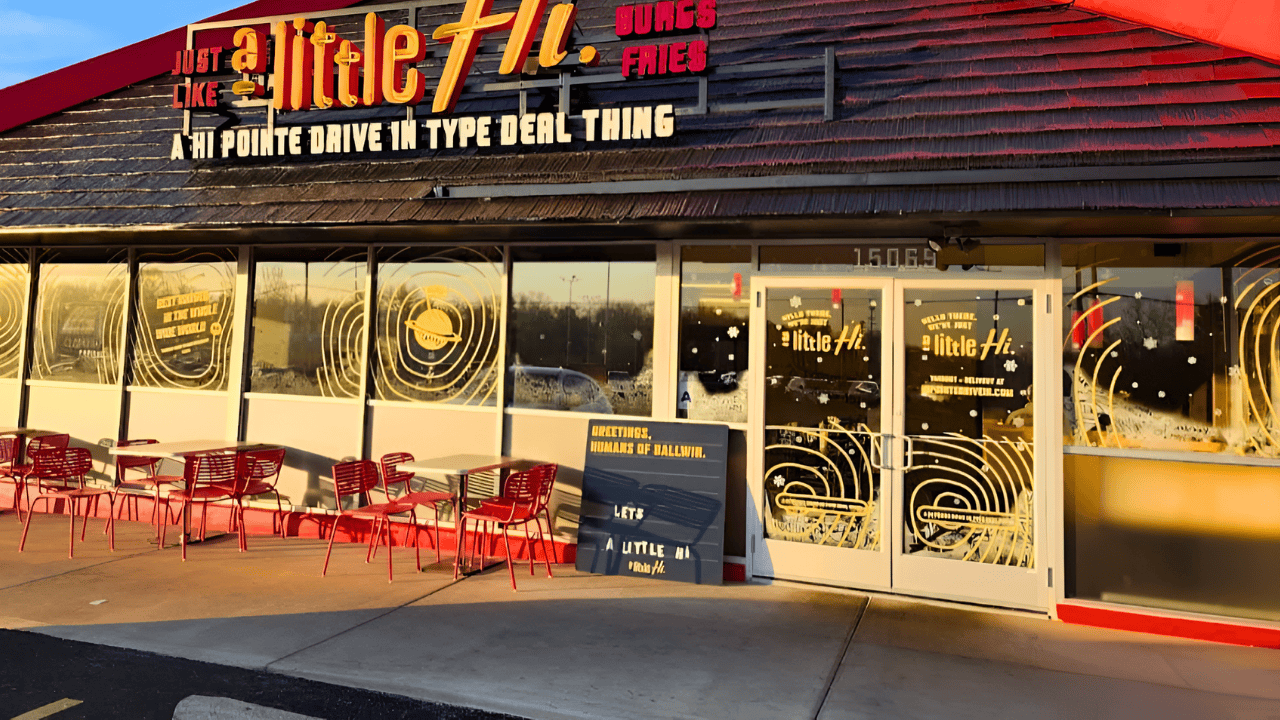
The drive-thru window, once the undisputed champion of American fast-food convenience, is losing its grip on the quick-service restaurant industry. By 2025, drive-thru orders had plummeted to just 65% of total sales, a steep decline from the 83% share captured in 2020. This 18-percentage-point collapse represents the most significant operational shift the sector has witnessed in decades, forcing chains to reckon with a fundamental transformation in how Americans prefer to eat.
A St. Louis Institution Retreats
Hi-Pointe Drive-In, a cherished burger chain in the St. Louis metro area, announced in early January 2026 that it would shutter three of its nine locations—eliminating a third of its footprint in a single strategic move. The closures affect restaurants in Edwardsville and O’Fallon, Illinois, along with a Ballwin, Missouri site, leaving six locations operational across the region.
Company president Ben Hillman acknowledged the pain of the decision in public statements, describing the closures as necessary for long-term viability. The affected locations were the chain’s lowest-volume sites, where sales could not be stabilized despite operational improvements. Employees at the affected locations were impacted, though the company offered transfer opportunities to remaining locations and pledged to honor all gift cards and loyalty rewards systemwide. Hillman emphasized that the consolidation would allow Hi-Pointe to refocus on quality, consistency, and its original chef-driven concept rather than pursuing expansion at the expense of excellence.
An Industry-Wide Pattern
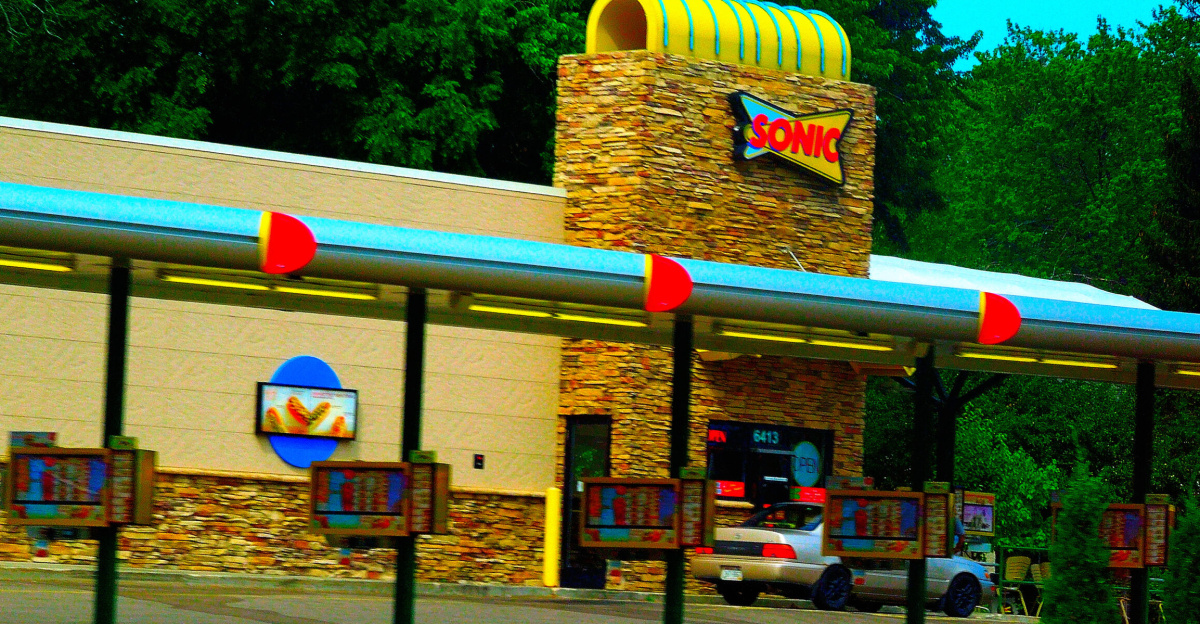
Hi-Pointe’s retrenchment mirrors a broader trend affecting drive-thru and drive-in concepts nationwide. Sonic Drive-In closed approximately 60 locations in 2024, while Salad and Go eliminated 41 Texas and Oklahoma sites. Hot ‘n Now, which once operated more than 150 locations, now survives with just two restaurants. These closures signal a structural shift rather than isolated difficulties—consumers are fundamentally rethinking their relationship with car-based dining.
Revenue Management Solutions data reveals the scale of the reversal: drive-thru traffic declined between 5% and 8% year-over-year throughout 2025, with some months in 2024 showing drops as steep as 13.3%. Meanwhile, takeout surged 15.5% and delivery grew 13.5% during the same period. Off-premises dining now accounts for roughly 83% of all limited-service restaurant traffic, but within that category, drive-thru’s dominance has evaporated. Consumer research shows one in three diners plan to further reduce their drive-thru visits, prioritizing speed and convenience through mobile ordering and delivery platforms instead.
Why Drive-Thru Lost Its Appeal
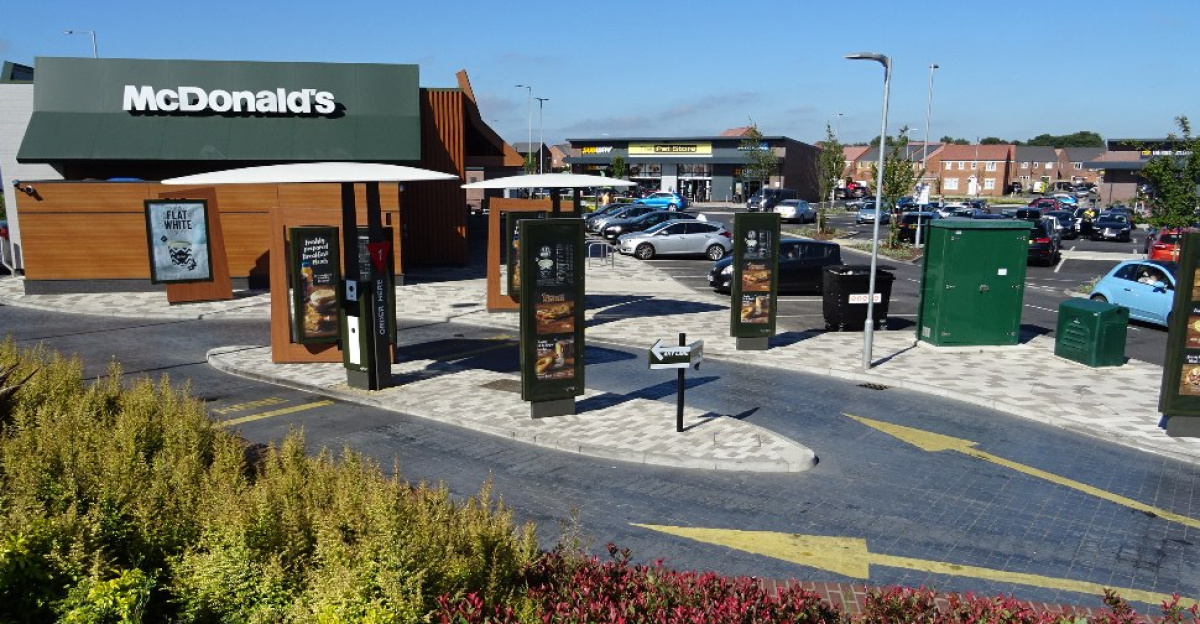
The pandemic initially seemed to cement drive-thru supremacy. Chains invested heavily in double lanes, artificial intelligence ordering systems, and enhanced service protocols. Yet as restrictions lifted and dining rooms reopened, consumers discovered benefits that drive-thru couldn’t match: faster service times, improved order accuracy, and a more satisfying overall experience. The very investments made to optimize drive-thru operations during COVID-19 have failed to deliver anticipated returns as traffic patterns permanently shifted.
Economic pressures compound the problem. Inflation and higher menu prices have reduced overall restaurant visits, making consumers more selective about dining occasions. Many chains that prioritized drive-thru efficiency simultaneously neglected in-store experiences, replacing human interaction with self-service kiosks. Research indicates that automation can erode the personal connection for some customers, particularly older adults who may find self-service technology challenging. Younger consumers—Gen Z and millennials—have embraced takeout and delivery as lifestyle essentials, viewing drive-thru as merely one option among many, and often an inferior one.
Toward a New Operational Model
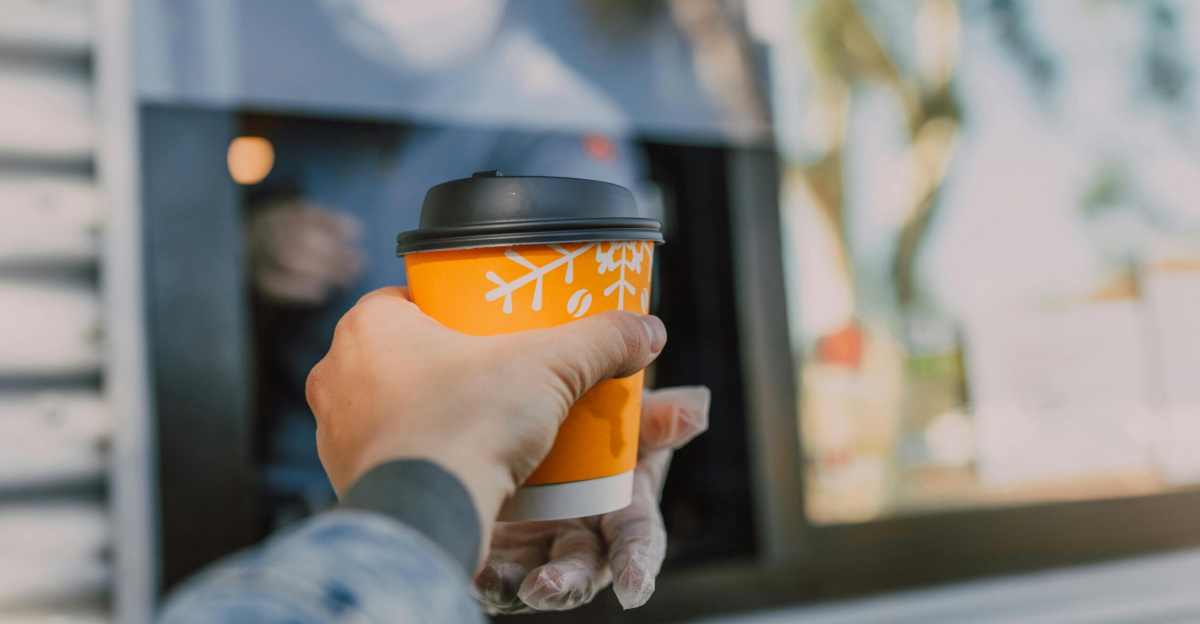
Some chains are charting different paths. Starbucks expanded its Green Apron staffing model across North American locations by summer 2025, adding dedicated drive-thru baristas and in-store technology to sequence orders more efficiently. Early pilots demonstrated that strategic labor investment could reduce wait times and boost sales more effectively than automation alone—a counterpoint to the industry’s technology-first approach.
The question facing drive-thru-dependent operators is no longer whether the model will survive, but whether it remains viable as a business cornerstone. Chains must confront expensive drive-thru real estate commitments even as traffic continues declining. Some will likely pivot toward hybrid models or convert properties to delivery-only kitchens. For operators like Hi-Pointe, consolidating around profitable locations while refining the core concept may offer the best path forward. The coming years will determine whether drive-thru evolves into a complementary channel or becomes a stranded asset in an industry reshaped by changing consumer expectations and economic realities.
Sources:
“QSR Drive-Thru Trends: Why Traffic Is Falling & How Restaurants Can Win It Back.” Revenue Management Solutions, 20 Aug 2025.
“Hi-Pointe Drive-In announces closure of 3 locations in St. Louis area.” Sauce Magazine, 5 Jan 2026.
“Off-Premises Restaurant Trends 2025.” National Restaurant Association, Apr 2025.
“Drive-in burger chain closes one-third of restaurants in 2026.” TheStreet, 11 Jan 2026.