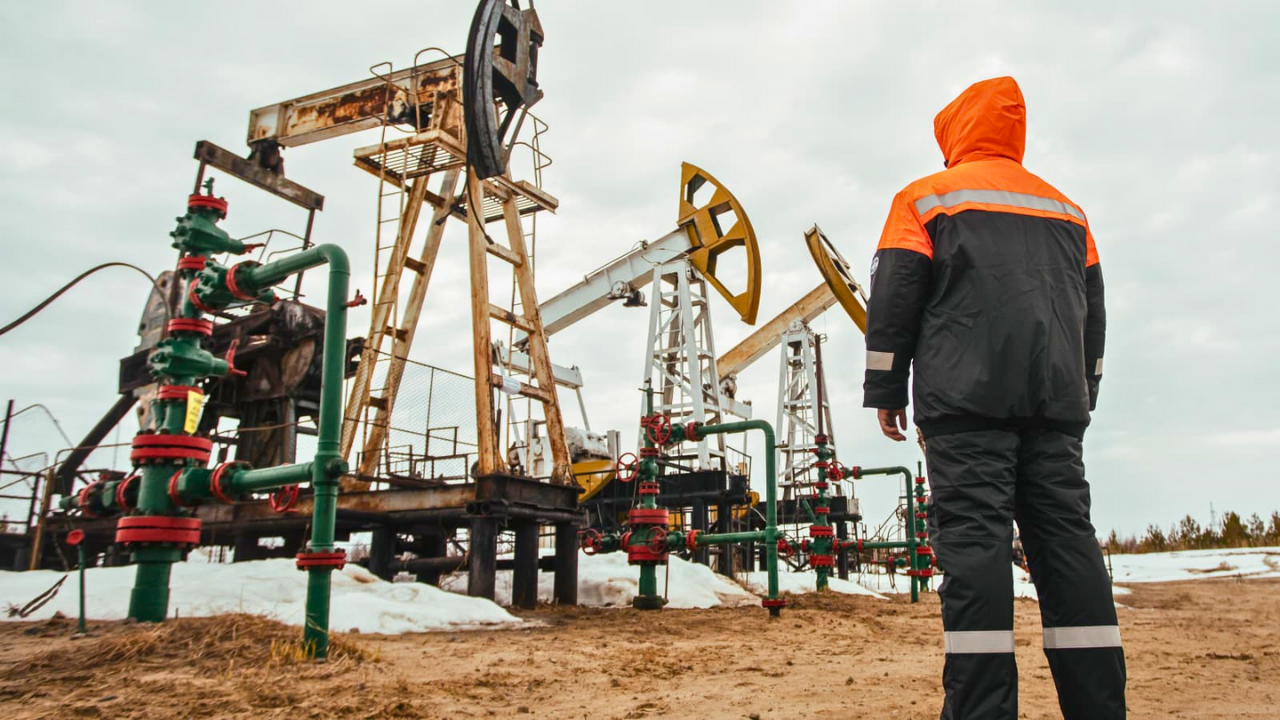
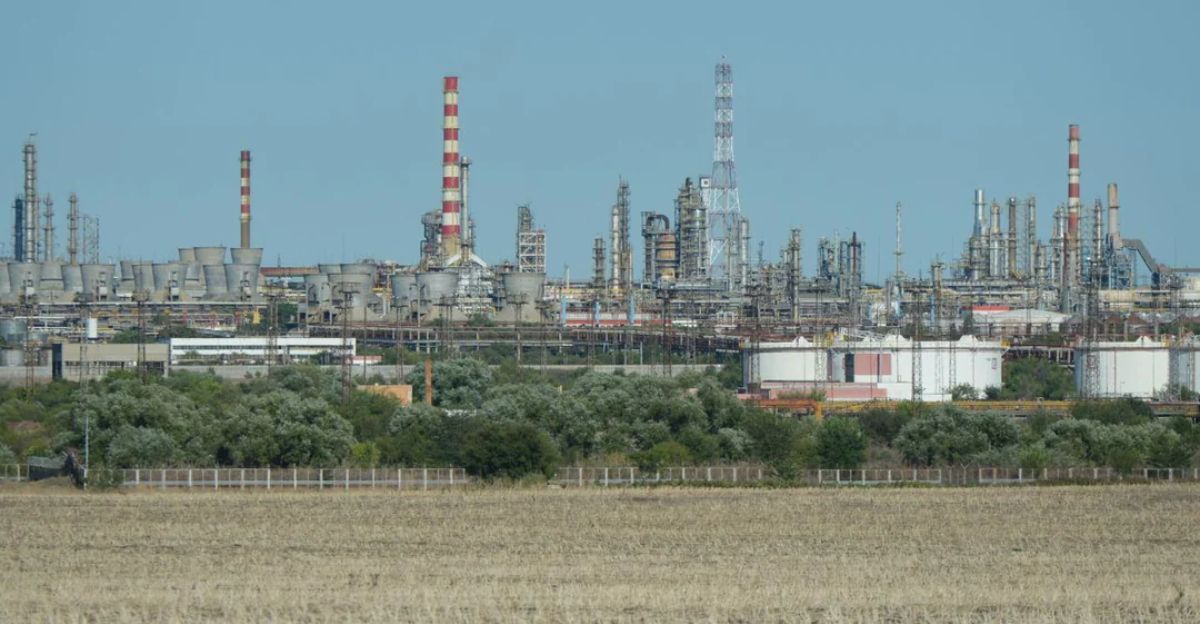
Engines roared and refinery lights burned late into the night as Bulgaria moved to seize control of the Lukoil-owned Burgas refinery — its only oil-processing plant and lifeline for two-thirds of the nation’s fuel.
The dramatic step, according to Bulgarian officials, follows fresh U.S. and U.K. sanctions on Russian energy giants. It’s the first time a NATO-aligned nation has targeted Moscow’s energy assets so directly amid the war in Ukraine.
Lawmakers Push Through Emergency Seizure Bill
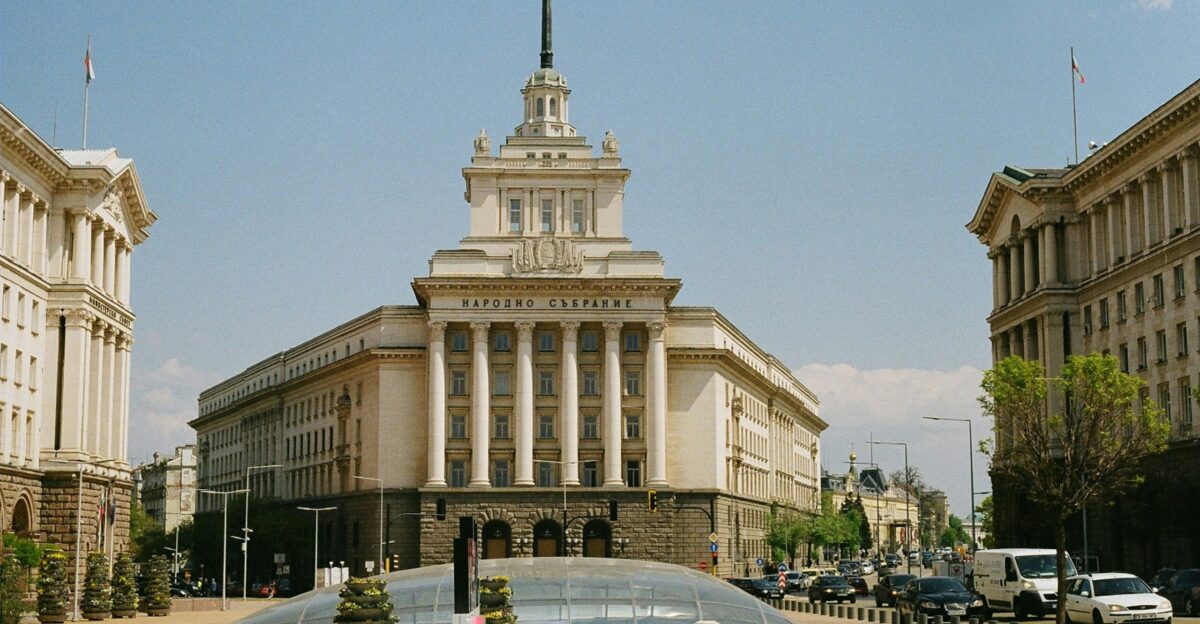
As the story broke, lawmakers in Sofia rushed to finalize emergency legislation that would enable the state to take over the refinery temporarily. According to Bulgarian media outlet Capital, the draft law empowers authorities to appoint a special administrator, stripping Lukoil of its voting rights and appeal power.
Former Prime Minister Boyko Borissov confirmed on BNT that his GERB party was “submitting the bill immediately — there’s logic in this move.”
Parliament Overrides Presidential Veto
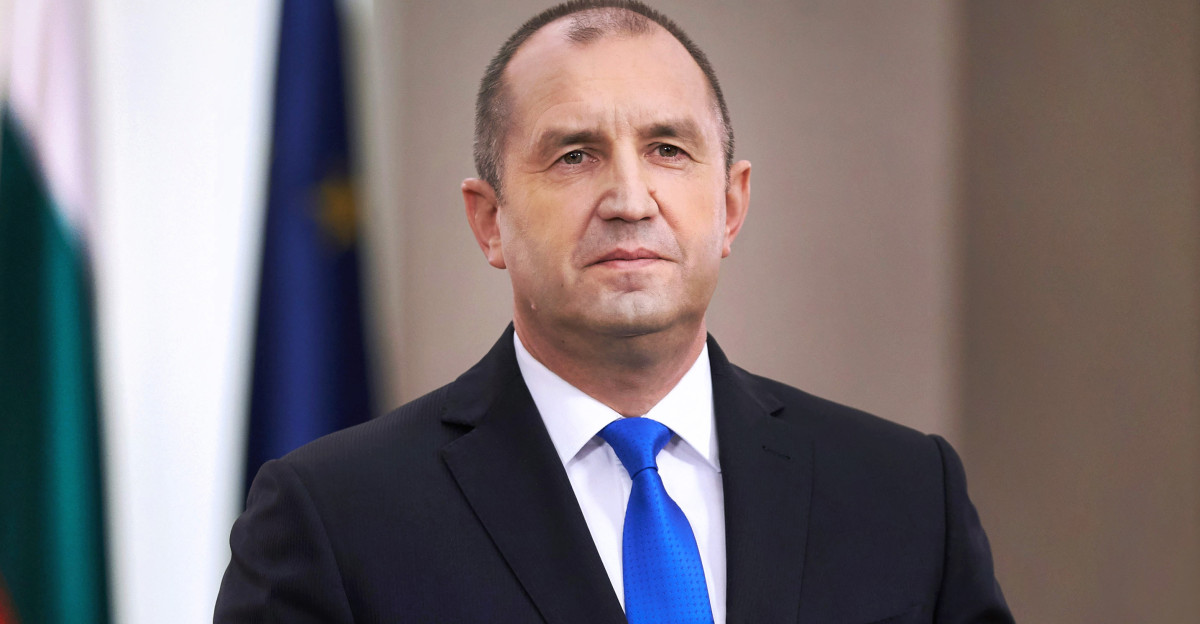
Tension spilled into parliament on November 6 as lawmakers voted 125 to 74 to override President Rumen Radev’s veto, pushing the refinery takeover into law. According to televised proceedings, government ministers defended the move as essential to “shield national energy security.”
It’s a bold act for a small NATO state now balancing loyalty to Western allies with its dependence on the very infrastructure once dominated by Moscow’s oil empire.
Western Sanctions Force Sofia’s Hand
The United Kingdom and the United States imposed sweeping sanctions in October against Russia’s top oil producers, Rosneft and Lukoil, to curtail Moscow’s war financing in Ukraine. The coordinated measures froze assets and restricted energy transactions, according to the U.S. Treasury’s Office of Foreign Assets Control.
Experts say Bulgaria’s move reflects pressure to protect its fuel supply while remaining aligned with NATO and the EU’s evolving sanctions framework.
A Strategic Asset Worth Billions
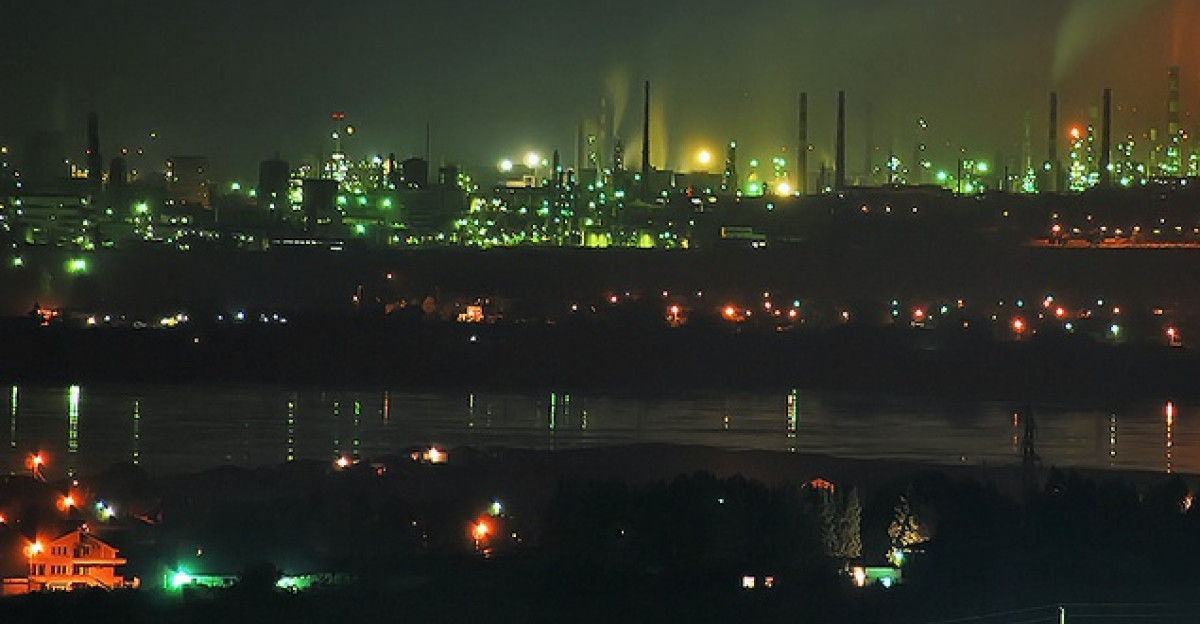
The Burgas refinery, valued at roughly $2 billion, is Bulgaria’s largest industrial enterprise and a key pece of its energy independence. According to government data, the facility employs 1,348 workers and has been self-powered since 2000.
Oil arrives through the Burgas Rosenetz port before being piped to the plant, which produces most of Bulgaria’s fuel — a vital link in a country still recalibrating its post-Russian energy strategy.
Lukoil’s Longstanding Hold on Bulgaria
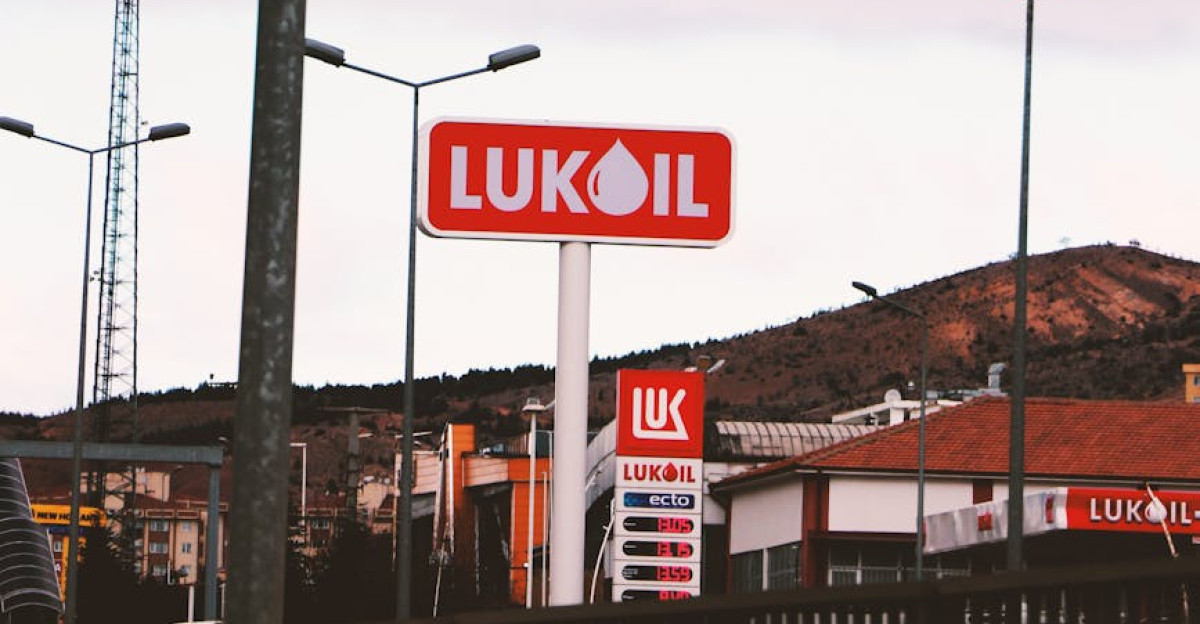
Lukoil acquired the Burgas refinery in 1999 and built a vast network of over 200 fuel stations across Bulgaria. According to Radostina Primova, Senior Analyst at the Center for the Study of Democracy in Sofia, Lukoil supplies two-thirds of Bulgaria’s end-user fuel.
Although Bulgaria stopped importing Russian crude in March 2024, officials acknowledge Lukoil’s legacy influence lingers, making the takeover a symbolic and logistical pivot away from decades of dependency on Russian energy infrastructure.
Setting a European Precedent
According to energy analysts in Sofia, this is the first time a NATO-aligned nation has moved to seize a Russian energy asset since the invasion of Ukraine began. The legislation’s roots trace back to 2023, when Bulgaria introduced provisions for temporary state control of strategic facilities.
Officials say those measures now serve as the legal backbone for this unprecedented nationalization effort amid intensifying geopolitical and economic tensions.
Bidding War for Burgas Refinery
Multiple bidders have already emerged for Lukoil’s prized refinery. Regional media report that Kazakhstan’s KazMunayGas has offered $1 billion, while Hungary’s MOL Group and Turkey’s Cengiz Holding also expressed interest. Azerbaijan’s SOCAR is considered a frontrunner.
Lukoil reportedly values its remaining Bulgarian assets at $2 billion, although Swiss trader Gunvor, once seen as a likely buyer, withdrew its bid on November 5, citing uncertainty related to sanctions.
Energy Security Redefined
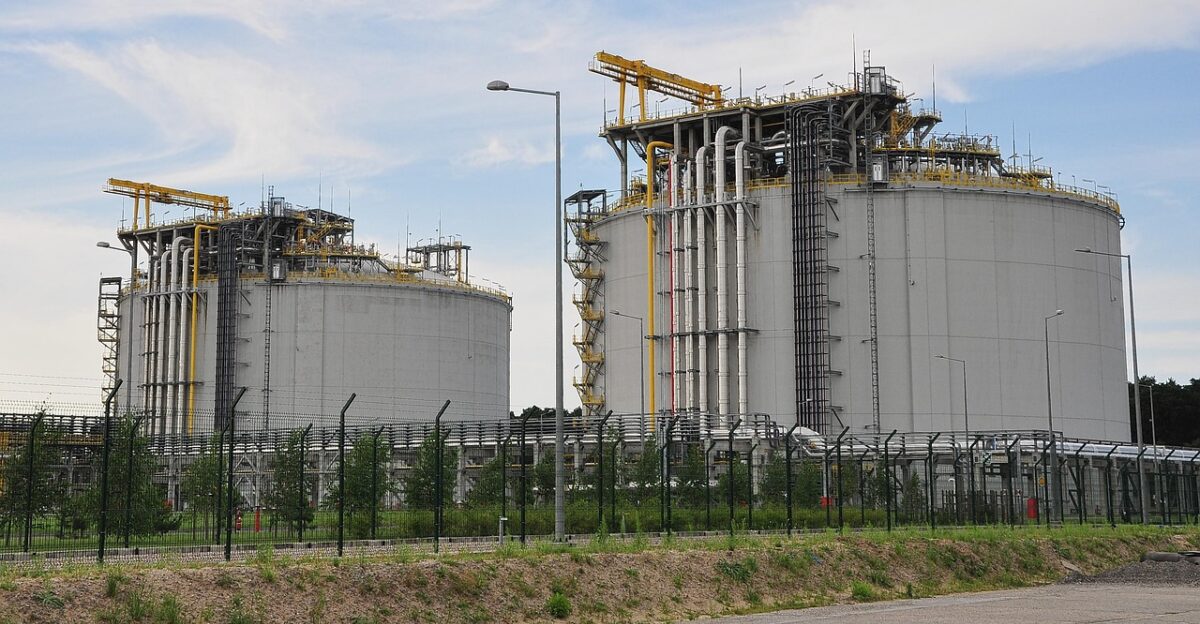
Poland, Latvia, and other EU members are now coordinating closely to strengthen regional fuel networks as sanctions reshape trade routes. According to sources familiar with the talks, Poland is negotiating to import additional U.S. liquefied natural gas for Ukraine and Slovakia, potentially amounting to 4 to 5 billion cubic meters annually.
Bulgaria’s refinery move is part of this wider effort to secure non-Russian energy lifelines across Europe’s eastern flank.
EU Sanctions Reach New Heights
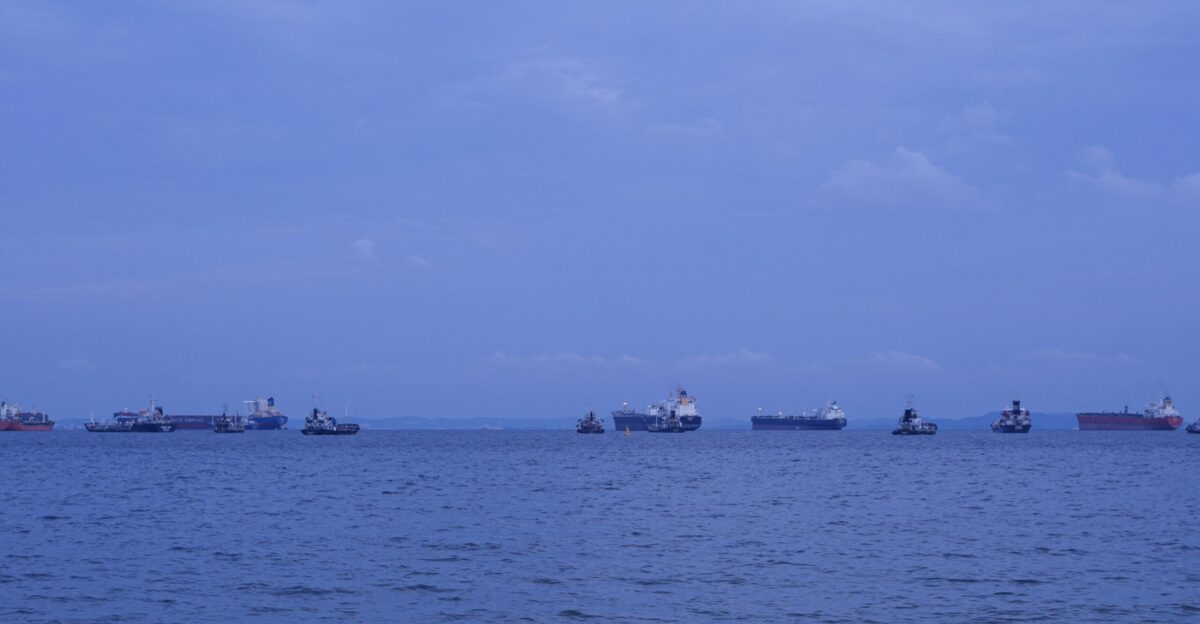
The European Union’s 19th sanctions package, adopted on October 23, intensifies restrictions on Russia’s oil and gas sectors. According to Ukrainian officials, the package could cost Moscow “tens of billions of euros” annually.
It bans long-term imports of Russian liquefied natural gas starting in 2027 and blacklists 117 additional “shadow fleet” tankers used to bypass sanctions, alongside companies such as Lukoil’s UAE-based subsidiary Litasco Middle East DMCC.
Drone Strikes and Energy Warfare
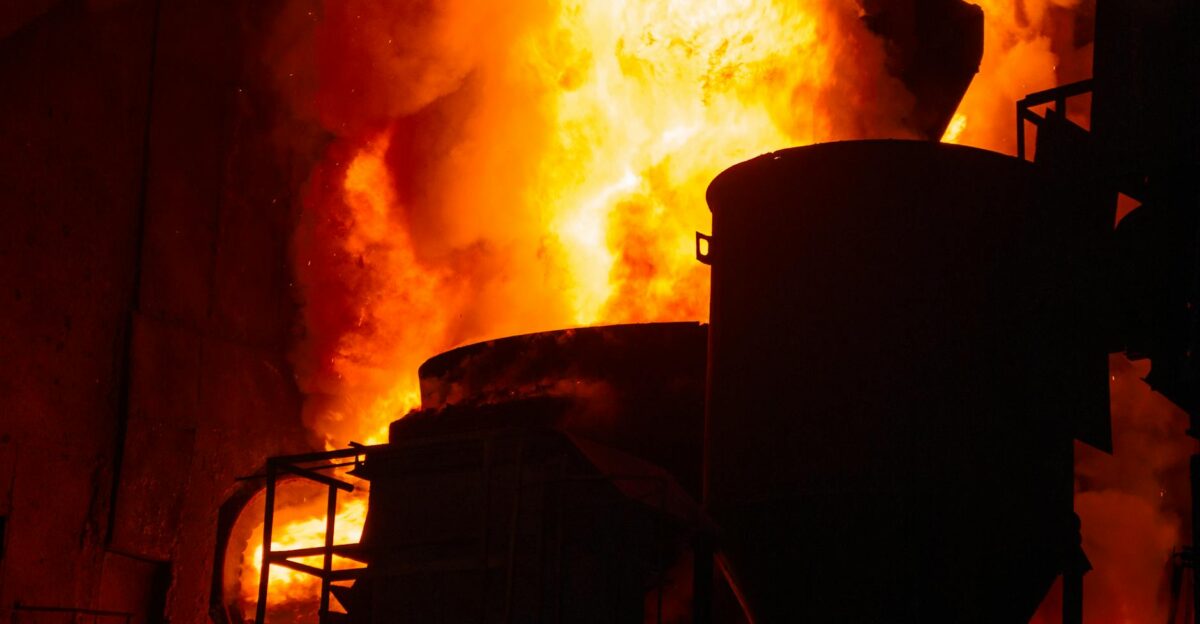
While Europe tightens sanctions, Ukraine continues targeting Russia’s refineries with long-range drones. On November 6, Kyiv struck Lukoil’s Volgograd refinery, halting one-fifth of its daily output, according to three sources cited by Reuters. The facility, processing 13.7 million tons in 2024, suffered significant damage.
Governor Andrey Bocharov confirmed one civilian death and multiple homes damaged, highlighting how the war now directly threatens both nations’ vital energy infrastructure.
Russia Fortifies Its Oil Facilities
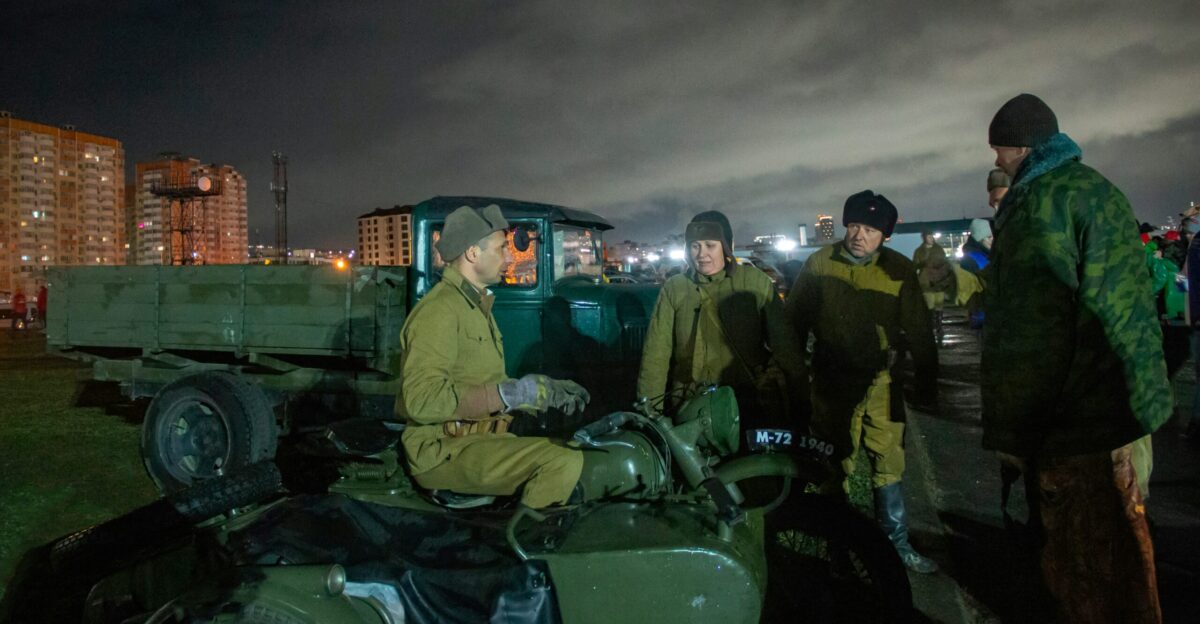
In response, President Vladimir Putin signed a law mobilizing around two million reservists to guard oil facilities from Ukrainian drone attacks. Vice Admiral Vladimir Tsimlyansky told Russia’s Defense Ministry on October 22 that the reservists will form “mobile fire teams” to protect refineries.
Putin assured citizens that they would not be sent abroad, emphasizing the growing domestic focus on defending energy assets, which are seen as critical to national stability.
Tensions Deepen with Nuclear Test Orders
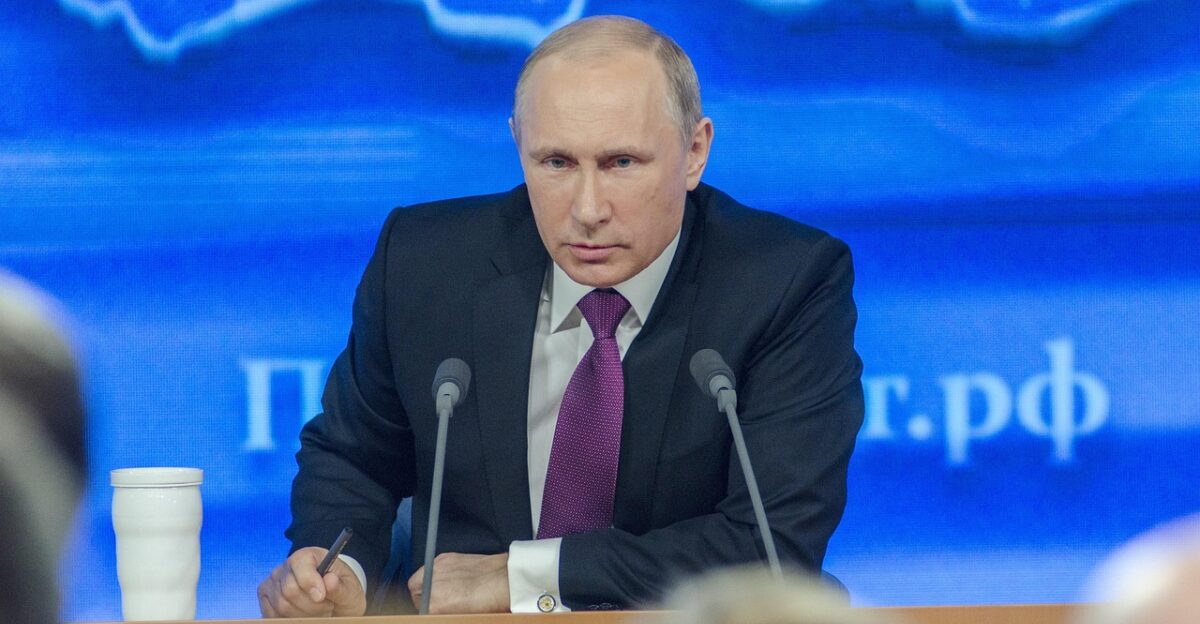
Adding to global unease, Putin on November 5 directed his government to prepare for potential nuclear weapons tests — echoing former U.S. President Donald Trump’s similar announcement days earlier.
According to the Kremlin’s transcript, Putin ordered the Defense and Foreign Ministries to “develop coordinated proposals” on testing readiness. Defense Minister Andrei Belousov stated that Moscow could reactivate its Novaya Zemlya site quickly if the situation escalates.
Ukraine’s Allies Step Up Support
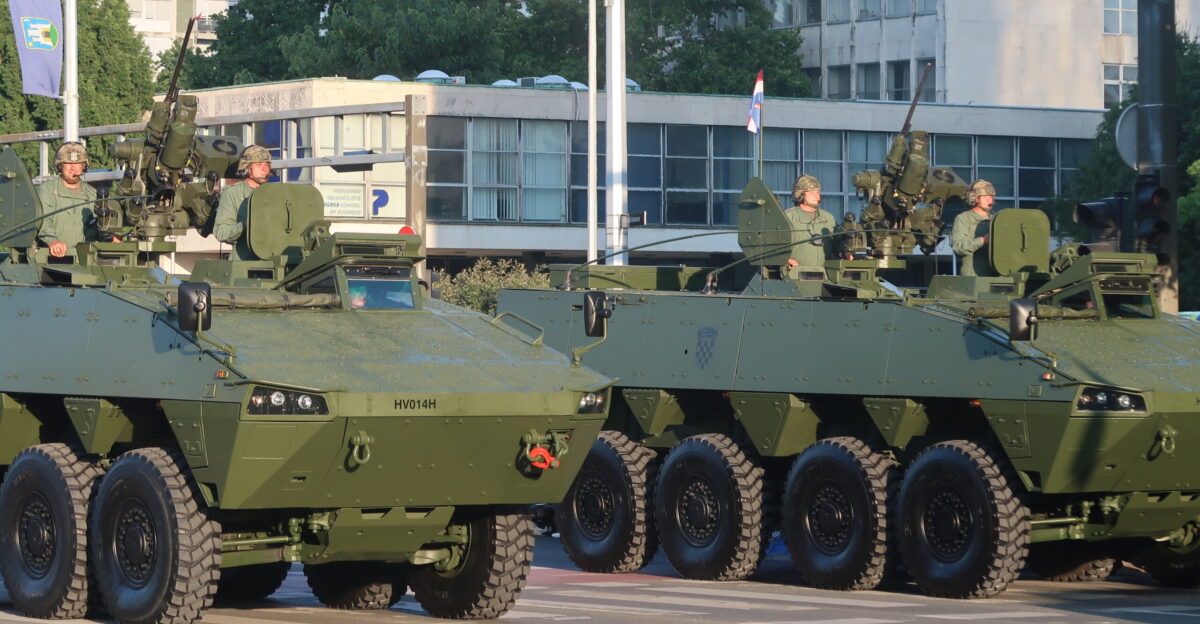
Amid mounting threats, NATO allies are reinforcing Kyiv. Latvia delivered 21 Patria armored vehicles on November 6, completing its 2025 military aid pledge, according to Latvia’s Defense Ministry. The €2.2 million package also included mobile workshops and repair kits.
Latvian Defense Minister Andris Sprūds stated that the vehicles will bolster Ukraine’s Special Operations Forces — part of a broader European effort to enhance Ukraine’s defense capabilities.
A Turning Point in Europe’s Energy Future
Bulgaria’s decision to seize the Burgas refinery isn’t just a local political drama — it’s a bellwether for Europe’s post-Russia energy landscape. As Western sanctions tighten and war disrupts supply chains, nations across the region are rapidly reconfiguring their energy maps.
According to regional analysts, the Burgas move signals a permanent shift: Europe is no longer just weaning off Russian oil — it’s reclaiming control of its future.