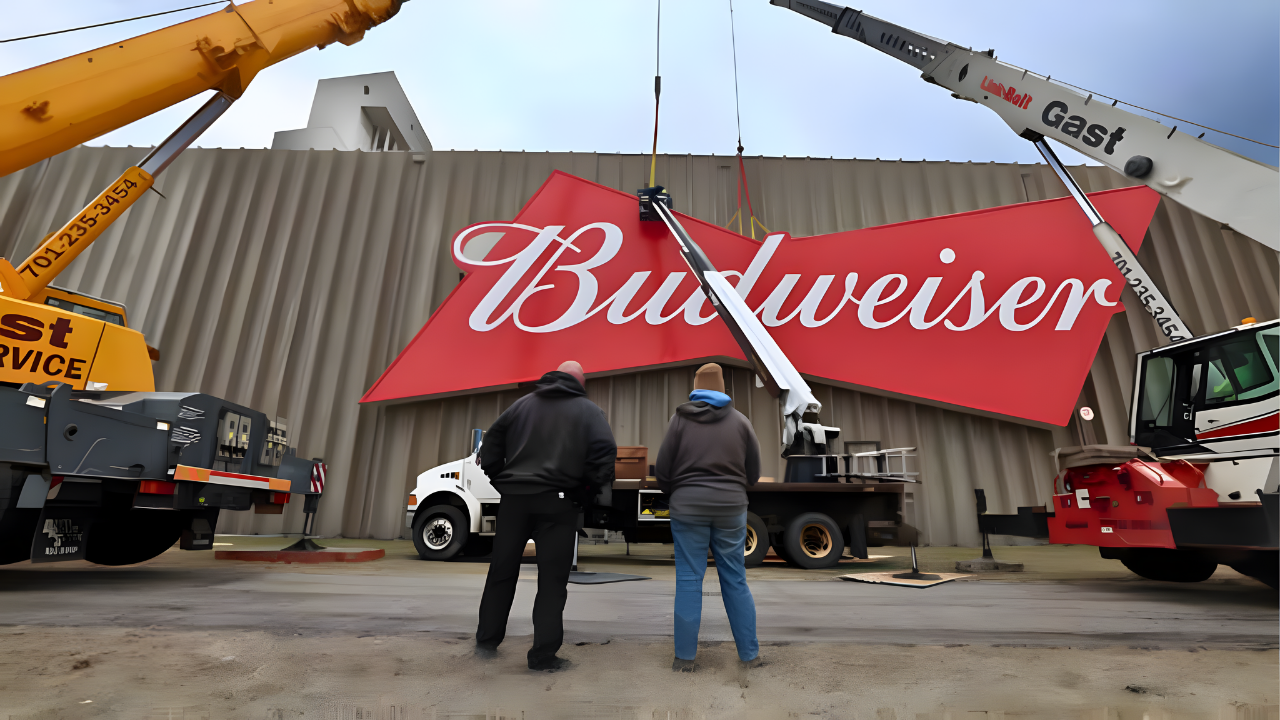
Production lines are preparing to go quiet at three Anheuser-Busch breweries. Gates that once opened for daily shifts in California, New Hampshire, and New Jersey are now slated to close for good, as 475 workers are cut in a single wave announced in mid-December.
One facility has brewed beer for nearly 50 years; another traces its roots back to 1951. This sudden pullback marks the company’s largest domestic retreat yet—but what forced America’s biggest beer maker to step back now?
475 Jobs Vanish
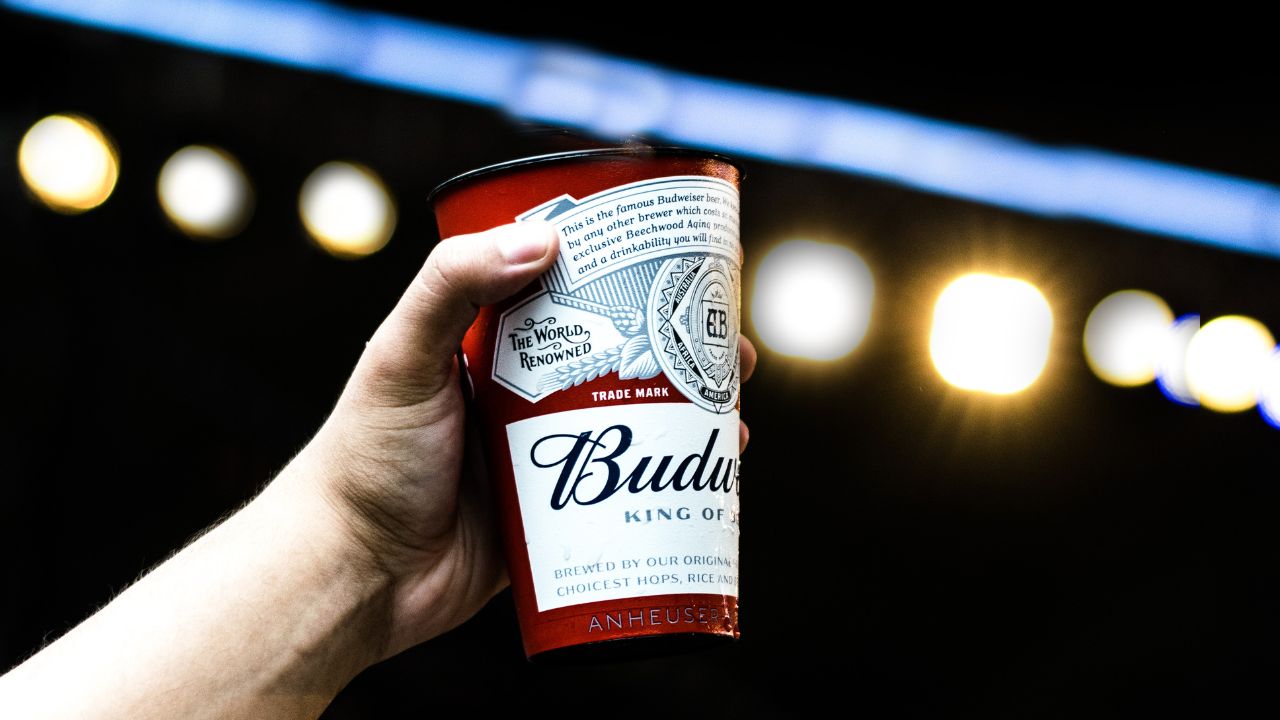
A total of 475 workers will lose their jobs as Anheuser-Busch shutters breweries across three states, marking one of the largest single waves of job losses in the company’s U.S. history.
The cuts arrive as overall U.S. beer volumes fell about 3% last year, pressuring both global giants and independent brewers.
Younger consumers continue to shift away from traditional lagers, accelerating pain across the supply chain. For workers, the timing and scale deepen fears of more cuts ahead.
Bud Light Fallout Still Lingers
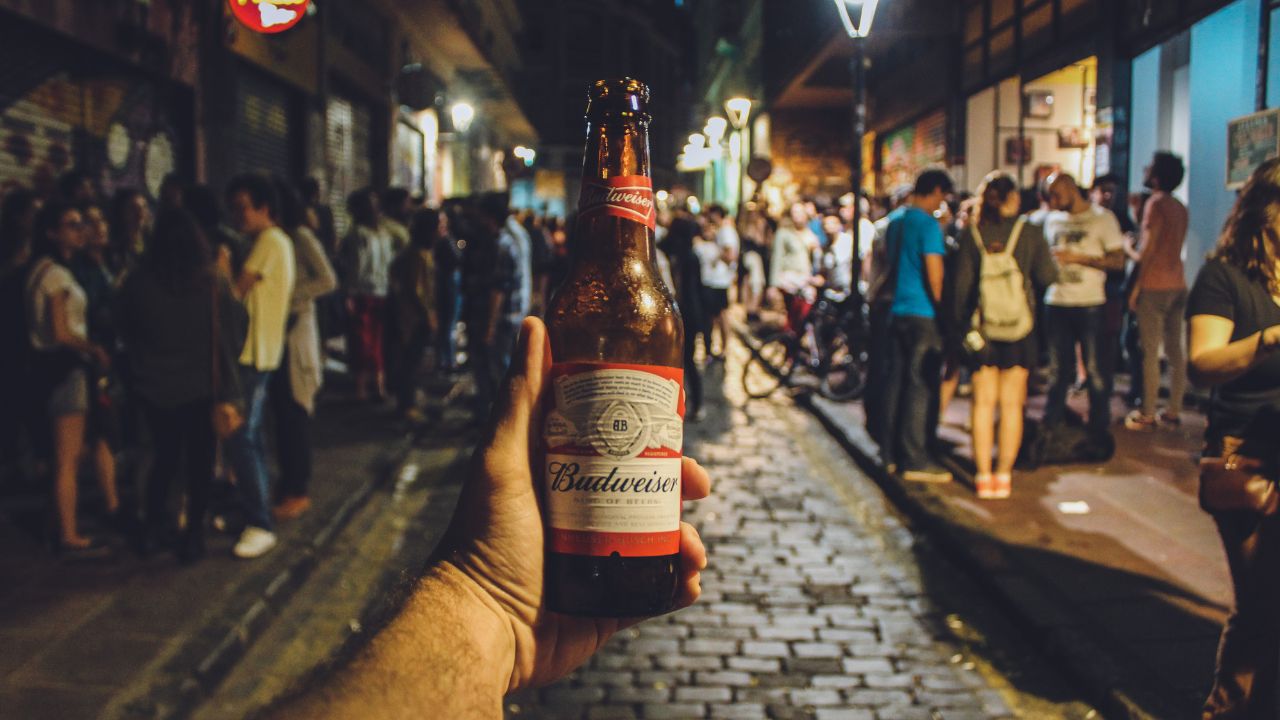
The shadow of the 2023 Bud Light boycott continues to loom large. The controversy surrounding a transgender influencer promotion wiped out an estimated $1.4 billion in sales, costing Bud Light its long-held position as America’s top-selling beer.
Financial aftershocks remain visible: Anheuser-Busch’s Q3 2025 net profit fell to $1.05 billion, down sharply from $2.07 billion a year earlier. Volumes never fully recovered—and the brand’s stumble reshaped the company’s U.S. footprint.
A Nationwide Drinking Shift

The closures are unfolding amid a broader cultural shift. Gallup surveys show U.S. alcohol consumption at record lows, with canned cocktails, spirits, and non-alcoholic options gaining ground.
Industry data confirms the trend: beer production and imports slipped about 1% in 2024, while craft beer declined roughly 4%.
Even as Anheuser-Busch fights to stabilize revenue—down about 1.2% in early 2025—the industry itself is contracting beneath it.
Three Plants Go Dark

The company confirmed it will shut down breweries in Fairfield, California, and Merrimack, New Hampshire, and sell its Newark, New Jersey facility in early 2026. Together, the closures account for 475 eliminated jobs nationwide.
Fairfield had operated since 1976, while Newark traced its brewing roots back to 1951. Announced between December 10 and 12, the coordinated exits represent what analysts describe as Anheuser-Busch’s largest domestic retreat to date.
California Loses a Brewing Anchor

Fairfield’s brewery, located on Busch Drive, will close in early 2026 after nearly five decades of operation. City leaders called the decision “devastating,” warning of lost water-utility revenue and economic spillover.
Along with one of Fairfield’s largest employers, the plant supported hundreds of families and regional suppliers. Its closure marks the end of a major chapter in Northern California’s industrial brewing history, as production shifts away from legacy West Coast facilities.
Workers Offered Limited Paths
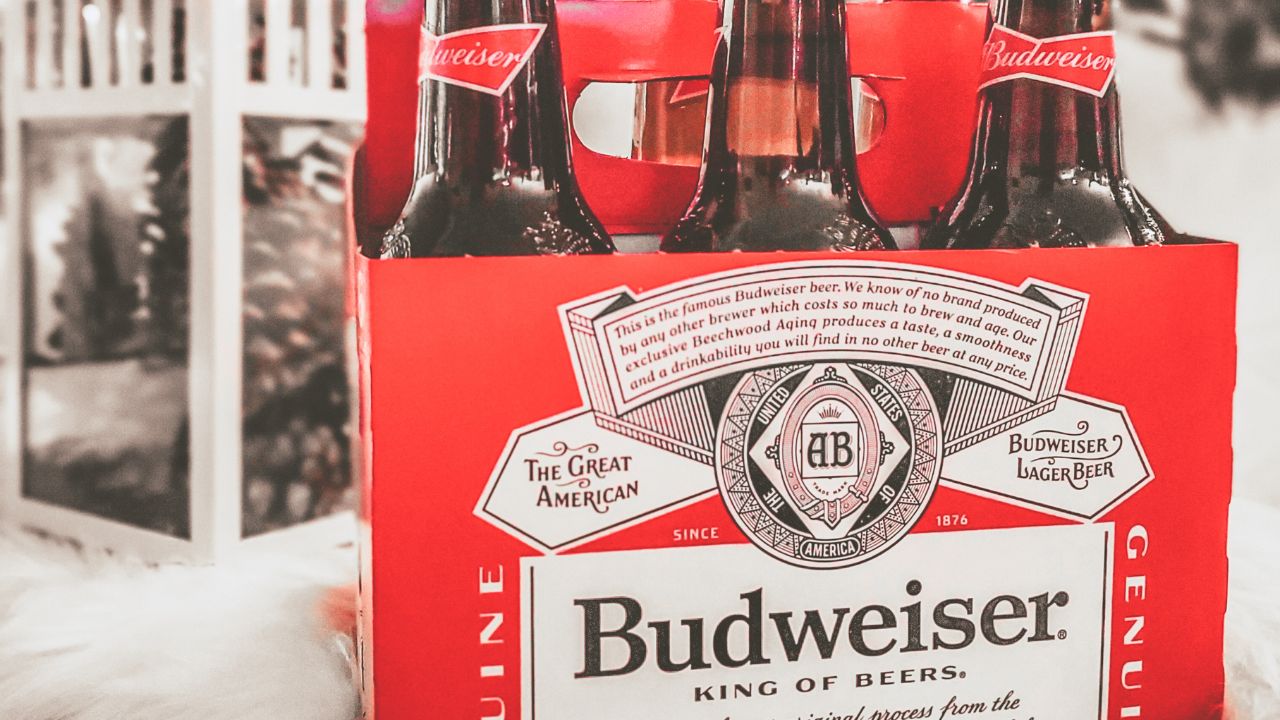
Affected employees were offered options including relocation, job retraining, or severance packages at other U.S. sites. The International Brotherhood of Teamsters said strong labor contracts negotiated in 2024 helped soften the blow.
Newark Mayor Ras J. Baraka lamented losing a brewery that had operated for 75 years, while acknowledging that workers still face major disruptions as families decide whether relocation is feasible.
Pressure Spreads Across the Industry
Anheuser-Busch is not alone. California has seen a wave of brewing pullbacks, including 21st Amendment Brewery, which eliminated 76 jobs in San Leandro, and Rose’s Taproom, which closed in Oakland.
Even legacy brands face turbulence, with Pabst Brewing confronting legal challenges tied to layoffs. Anheuser-Busch itself previously closed facilities in Oakland (2022) and Canton, Ohio (2024), underscoring a multi-year contraction.
Beer’s Utilization Problem
Analysts estimate U.S. breweries are operating at roughly 75% capacity, well below the 85% utilization considered efficient for large-scale plants. As flavored malt beverages and spirits gain share, excess brewing capacity becomes a financial drag.
Even with Michelob Ultra overtaking Bud Light domestically, overall U.S. beer revenue still fell about 2% in 2024. Mega-breweries built for peak demand now struggle in a shrinking market.
Capacity Glut
Anheuser-Busch’s footprint was designed for an earlier era of mass lager dominance. After InBev’s 2008 acquisition, production was consolidated into large, high-volume facilities. But demand has steadily drifted toward super-premium, low-alcohol, and alternative beverages.
Running oversized plants below optimal capacity drains margins, forcing executives to trim physical assets rather than continue funding underused infrastructure. Efficiency—not expansion—now defines survival.
Local Leaders Push Back
Fairfield City Manager David Gassaway warned the facility, once shuttered, would be difficult to repurpose, calling it “a large, specialized facility.” Mayor Catherine Moy criticized California’s business climate, blaming state politics for driving employers away.
Similar frustration echoed in New Jersey and New Hampshire, where tax bases and union jobs vanish with each closure. Once these facilities go dark, leaders fear the losses may never fully be replaced.
Belgian Owners Reframe Strategy
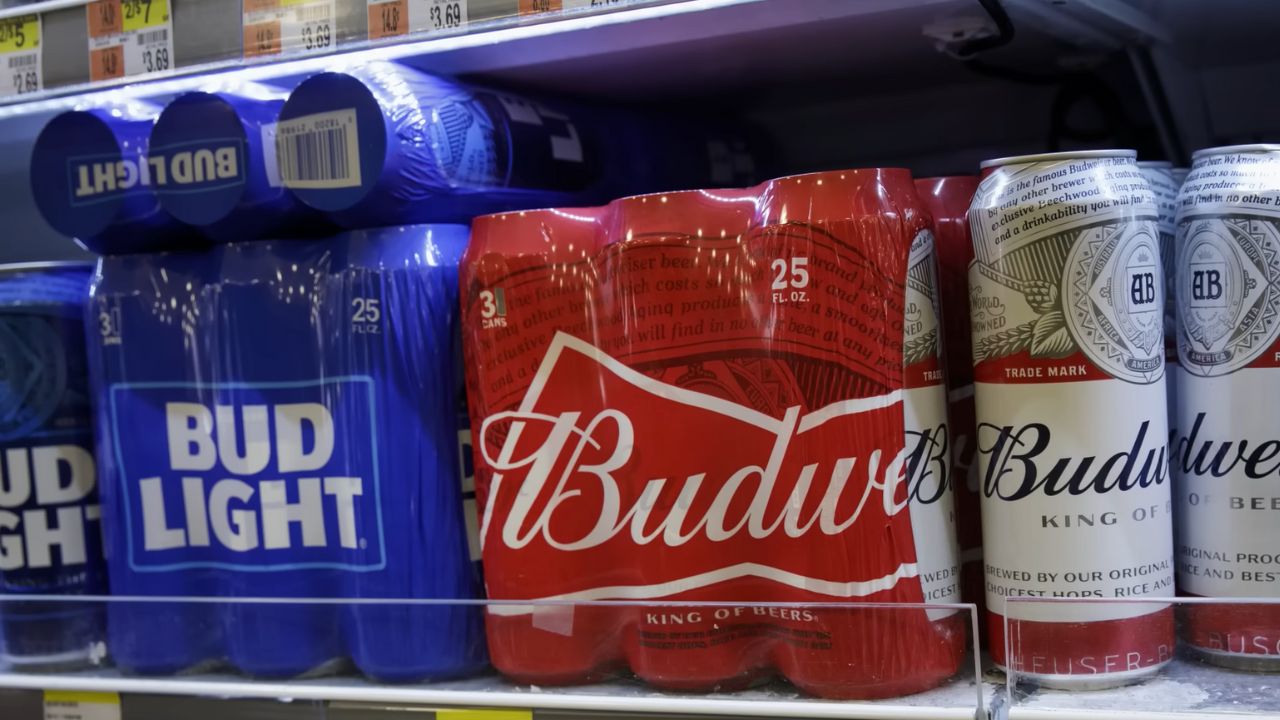
Anheuser-Busch is owned by AB InBev, which says it remains committed to the U.S. market. The company reports investing roughly $2 billion across about 100 U.S. facilities over the past five years.
CEO Brendan Whitworth has emphasized “American-made” branding and insisted consumers will see no product shortages, even as production is consolidated into fewer locations.
Production Gets Reallocated

Rather than exiting brewing entirely, Anheuser-Busch plans to shift production to its remaining nine U.S. plants, freeing capital for modernization. In May 2025, the company announced $300 million in manufacturing investments, including funding tied to veteran employment initiatives.
Executives say the strategy allows the brewer to align output with demand while prioritizing its strongest brands. Whether consolidation can reignite growth remains an open question.
Analysts Remain Cautious
Industry observers see the closures as unavoidable but grim. Brewers Association economist Bart Watson described the move as “painful rationalization.”
Broader craft data paints a bleak picture: 399 brewery closures versus 335 openings in 2024. Economist Matt Gacioch likened the sector to “challenging open water,” warning that both big beer and craft players face structural headwinds unlikely to reverse quickly.
A Shrinking U.S. Footprint
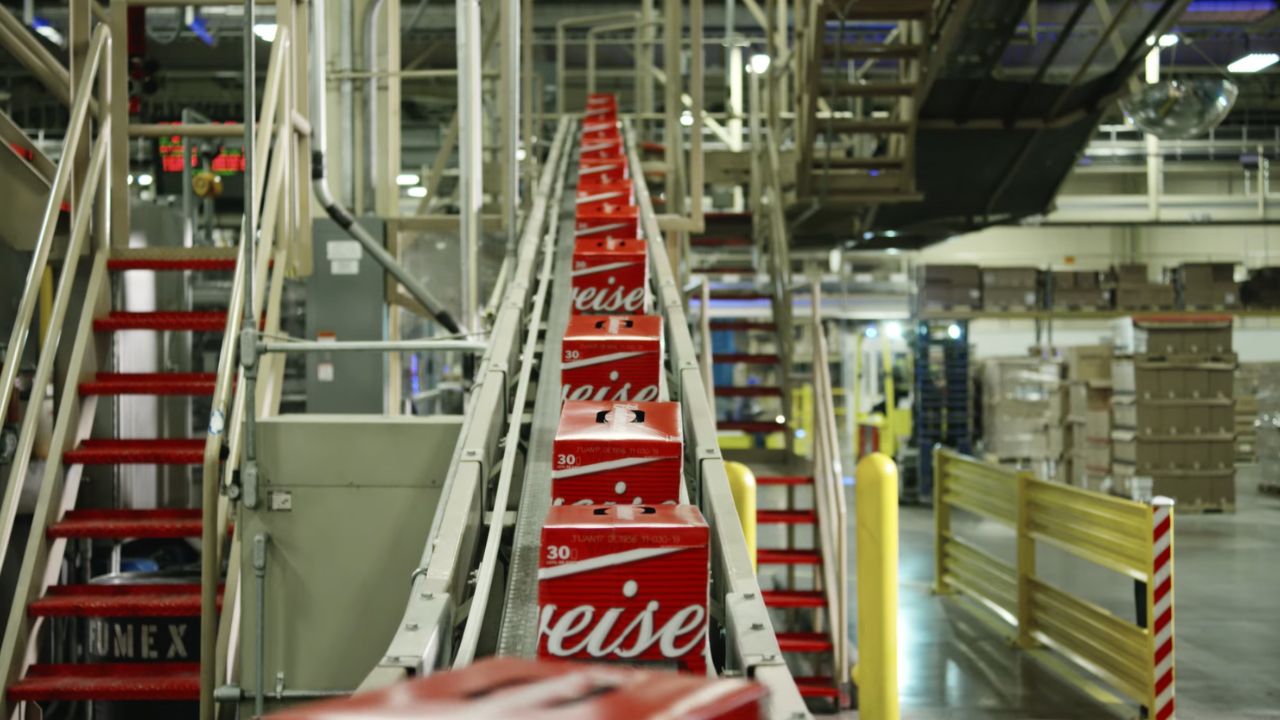
With five U.S. plants closed between 2022 and 2025, Anheuser-Busch’s domestic manufacturing footprint is clearly shrinking. Executives now point toward lower-alcohol innovations and diversification as future growth paths.
But as cocktails and spirits surge, beer’s historical dominance continues to erode. Once-iconic symbols like Clydesdales and Super Bowl ads now coexist with factory shutdowns—a stark contrast for a brand built on permanence.
Politics Enter the Debate
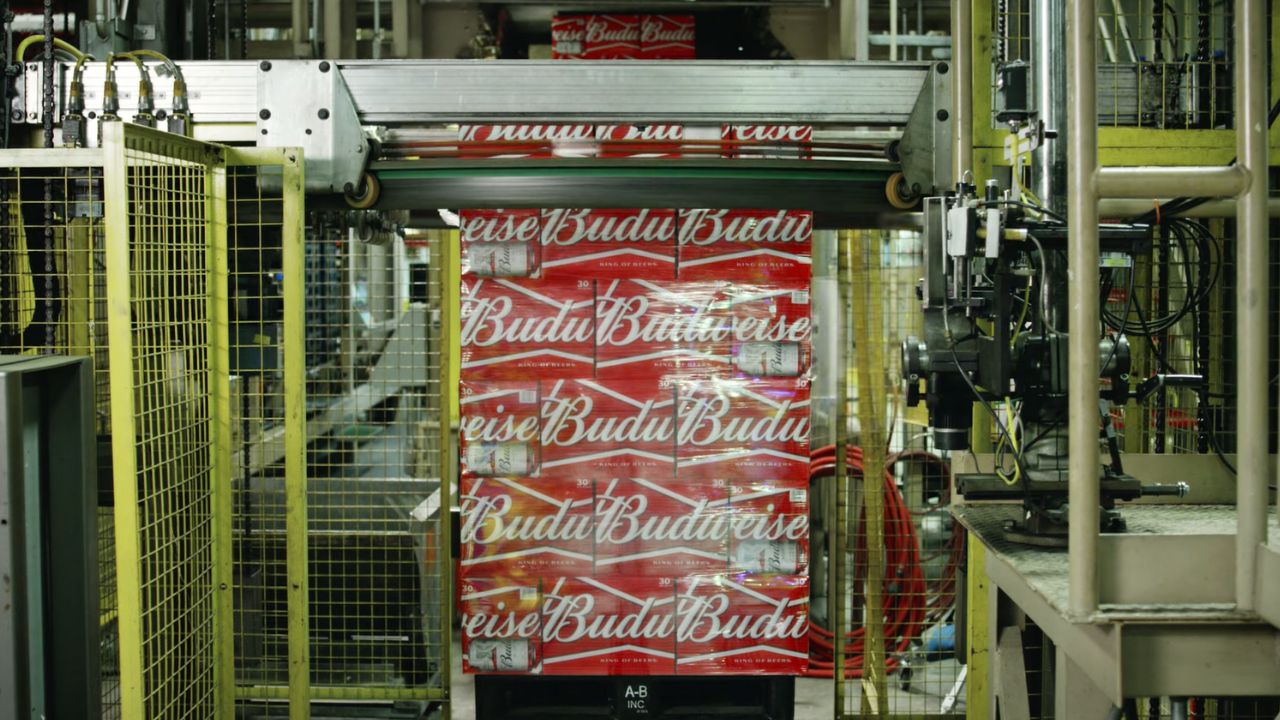
Local officials have tied brewery closures to broader economic losses, citing refinery shutdowns and auto auctions leaving California. Political resistance to foreign ownership dates back to 2008, when U.S. senators unsuccessfully opposed InBev’s takeover.
Today, populist rhetoric resurfaces as communities demand accountability. Yet despite political noise, market forces—consumer behavior and declining volumes—continue to dictate outcomes more than legislation.
Global Strategy, Local Pain
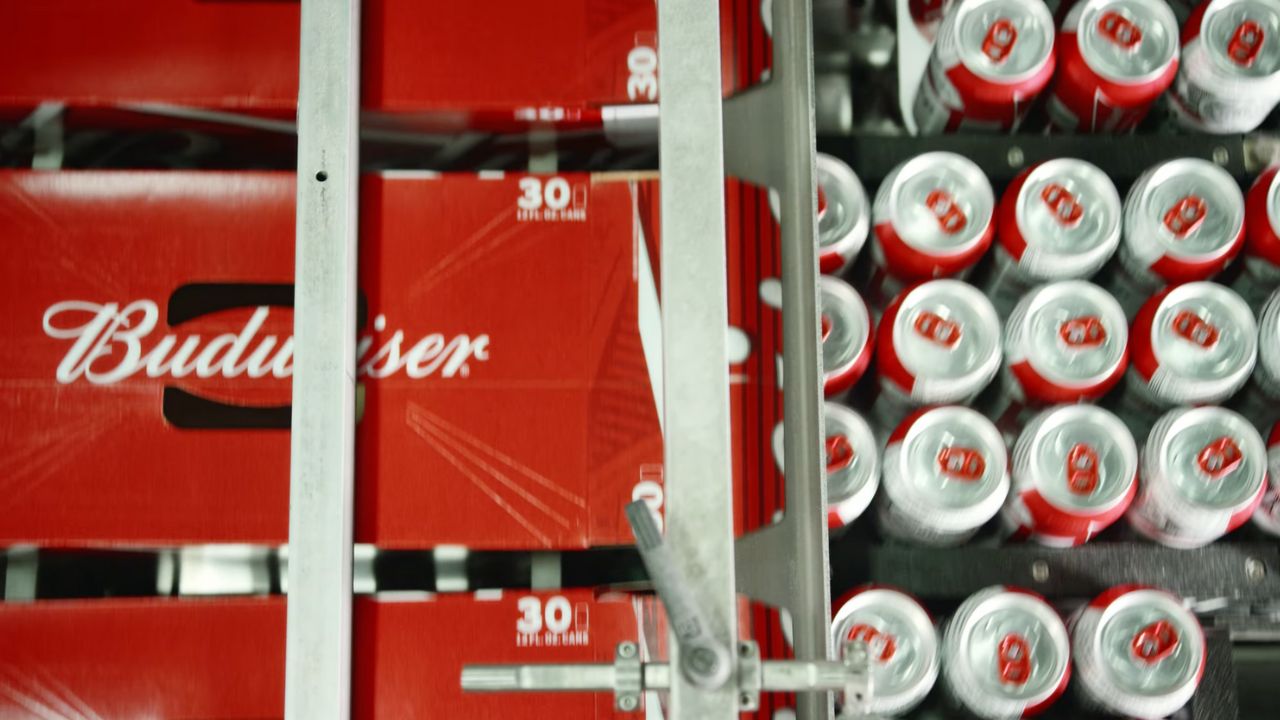
While AB InBev adjusts its global production strategy, U.S. communities bear the immediate cost. The Newark brewery will be sold to Goodman Group for potential logistics redevelopment, signaling a shift away from beer manufacturing altogether at the site.
The company reports no international supply disruptions, but domestically, the retreat mirrors similar struggles facing lagers worldwide as tastes evolve.
Union Contracts Cushion the Blow
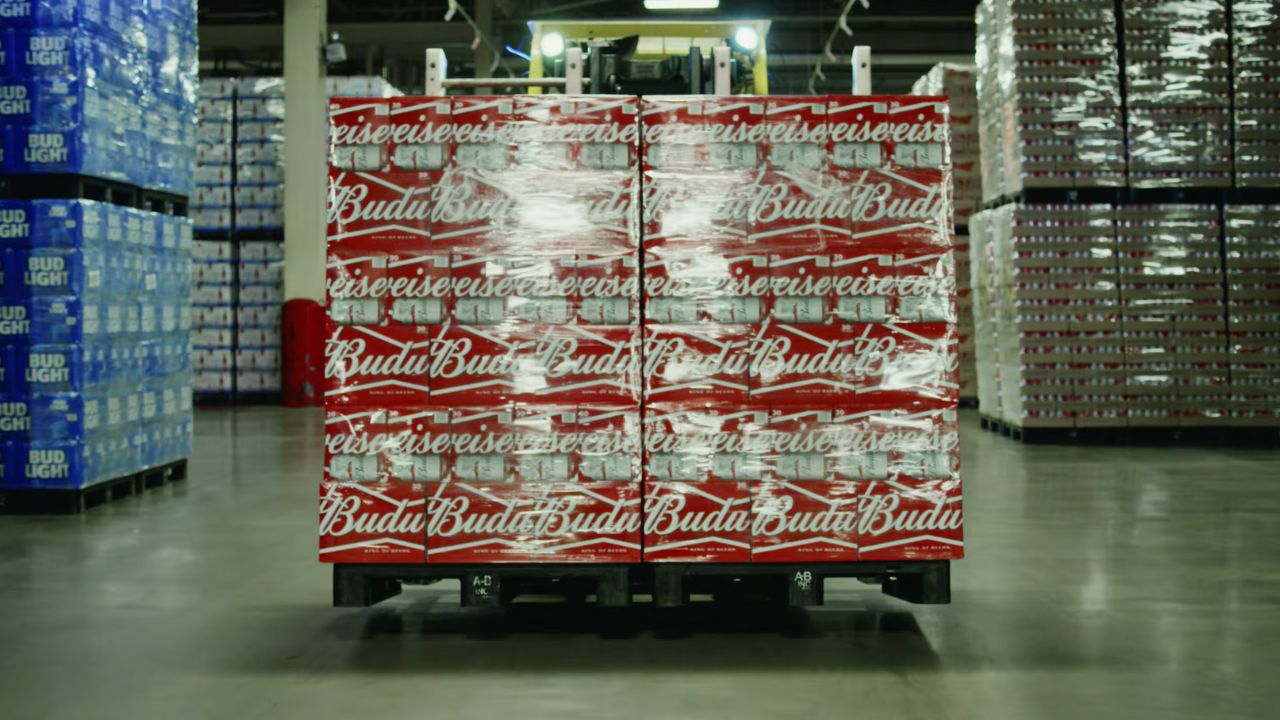
Unlike some recent industrial shutdowns, union protections prevented sudden mass layoffs. Teamsters contracts ensured relocation assistance and severance options, offering workers more security than many peers in California manufacturing.
Still, specialized brewery sites pose environmental and redevelopment challenges. Even with safeguards in place, many displaced workers face difficult decisions about uprooting families or exiting the brewing industry entirely.
Culture Shift Redefines Beer
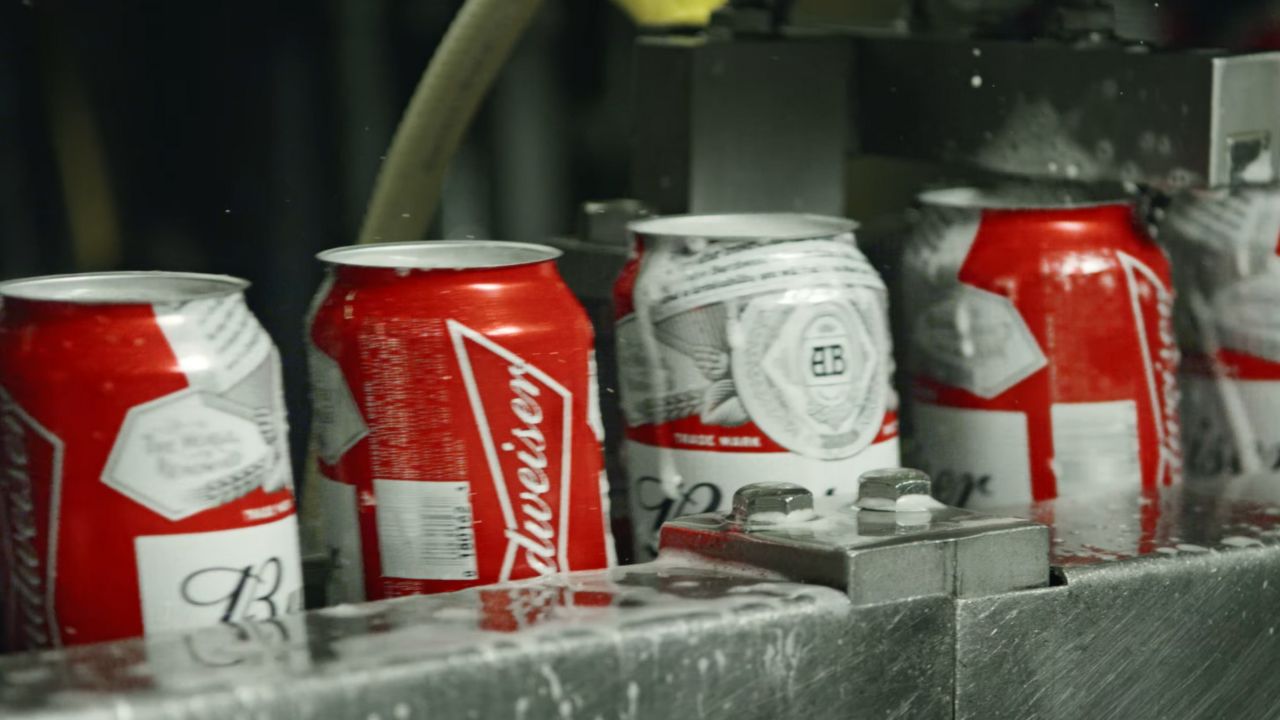
The Bud Light backlash revealed deeper cultural vulnerabilities. Younger generations increasingly skip beer altogether, favoring wellness trends and alternative drinks. Once-powerful nostalgia—from iconic frogs to patriotic ad campaigns—no longer guarantees loyalty.
For Anheuser-Busch, reputational shocks accelerated trends already underway. The result is a quieter but more profound reckoning: America’s beer identity is being rewritten in real time.
Retreat Signals a Bigger Shakeup
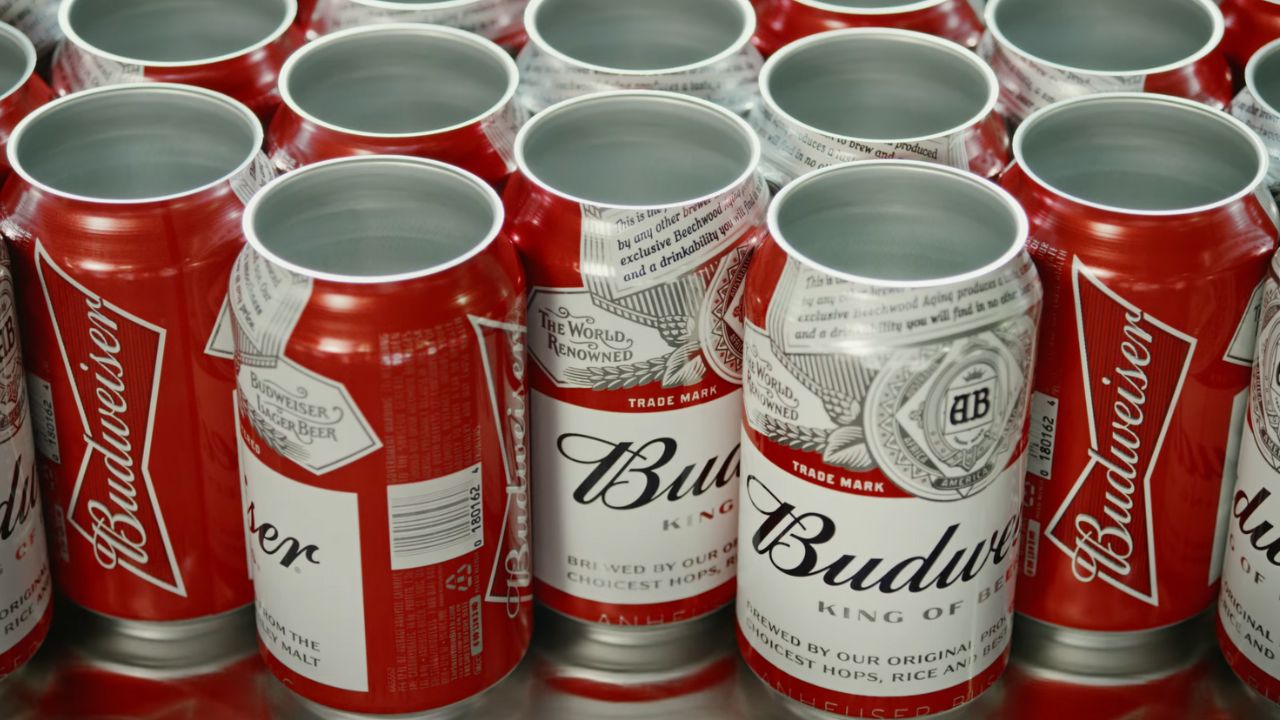
Anheuser-Busch’s largest U.S. retreat underscores a stark reality: beer is no longer recession-proof, culture-proof, or immune to long-term decline.
Rationalization may stabilize margins, but communities lose jobs, history, and economic anchors. As cocktails and spirits rise, the brewing giant faces a narrowing channel forward. The next chapter hinges not on scale—but on whether reinvention can outpace contraction.
Sources:
“Anheuser-Busch Shuttering Last Bay Area Brewery.” San Francisco Chronicle, 11 Dec 2025.
“Craft Breweries Adjust to Industry Change as Closings Outpace Openings First Time.” National Alcohol Beverage Control Association (NABCA), 2024.
“US Adult Alcohol Consumption Rate Hits Record Low – Survey.” Just-Drinks, Aug 2025.
“Teamsters Overwhelmingly Ratify 5-Year Contract at Anheuser-Busch.” International Brotherhood of Teamsters, 6 Mar 2024.