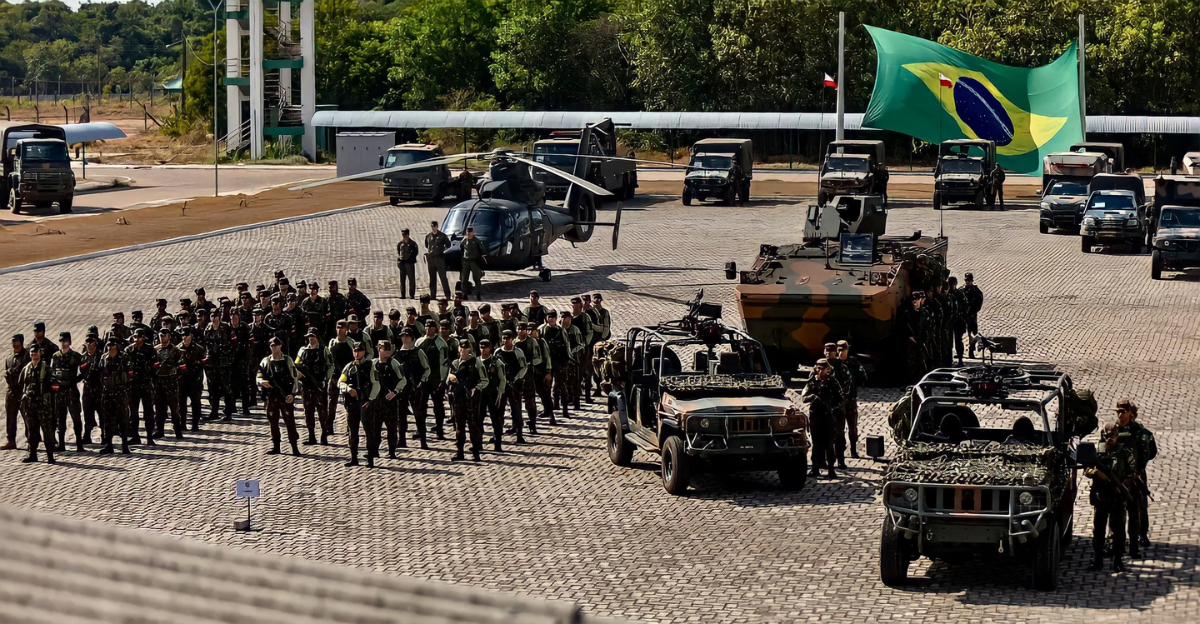
In a complicated geopolitical maneuver that combines regional security, diplomacy, and strategic calculations, Brazil reportedly considered evacuation scenarios for Venezuelan leaders in 2025 as U.S. military pressure off the country’s coast increased. According to reports, “Operation Imeri,” as it is known, may have involved air and sea action to remove Venezuelan President Nicolás Maduro and his inner circle to Brazilian territory.
Venezuela and Brazil view the United States’ deployment of naval forces in the Caribbean as an aggressive move that could lead to regional instability, despite the fact that the deployment is intended to combat drug trafficking threats. The Brazilian strategy is a delicate balancing act between internal military divisions, geopolitical rivalry with U.S. influence, and humanitarian concerns.
The Historical Background of Relations Between Venezuela and Brazil
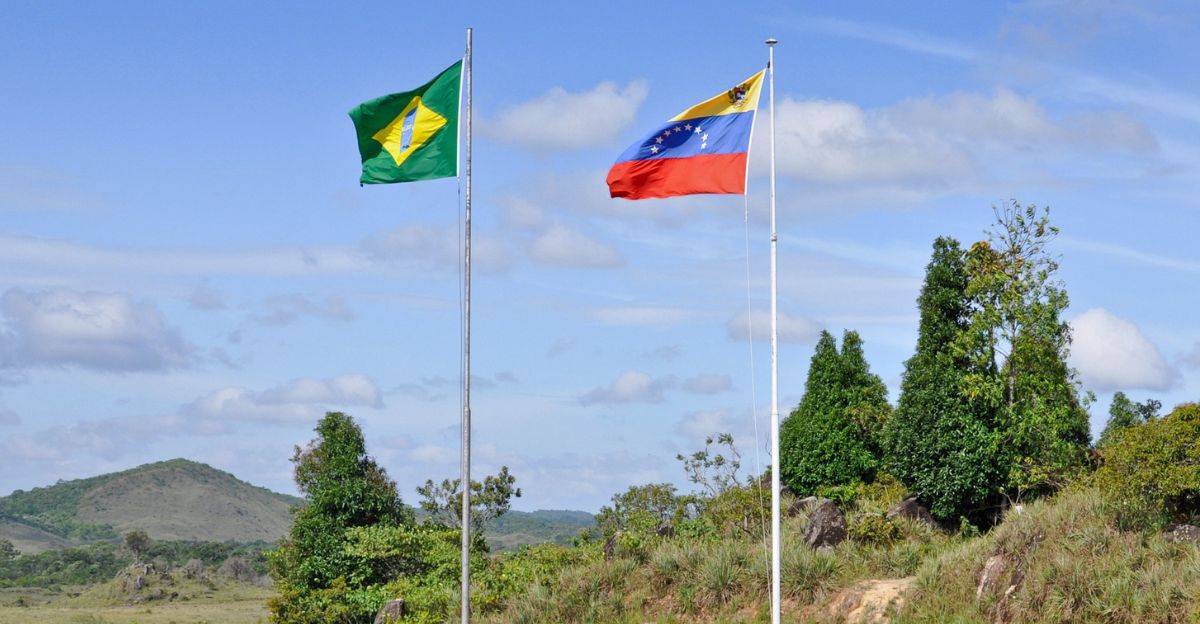
A lengthy history of alternating tensions and collaboration characterizes the diplomatic interactions between Brazil and Venezuela. The bilateral relationship is dynamic, ranging from diplomatic tensions under President Jair Bolsonaro, who severed ties with Maduro’s government and backed the opposition, to the more recent normalization under Lula da Silva’s administration, which aims to reestablish relations and economic cooperation.
Brazil, which is home to thousands of Venezuelan refugees, has been severely impacted by the country’s political unrest, economic collapse, and mass migration, particularly in northern states like Roraima. Brazil’s cautious but strategic engagement with Venezuela is framed by historical migration pressures and cross-border tensions, which impact decisions such as evacuation plans in the face of growing U.S. military involvement.
U.S. Military Actions and Their Effects on the Region
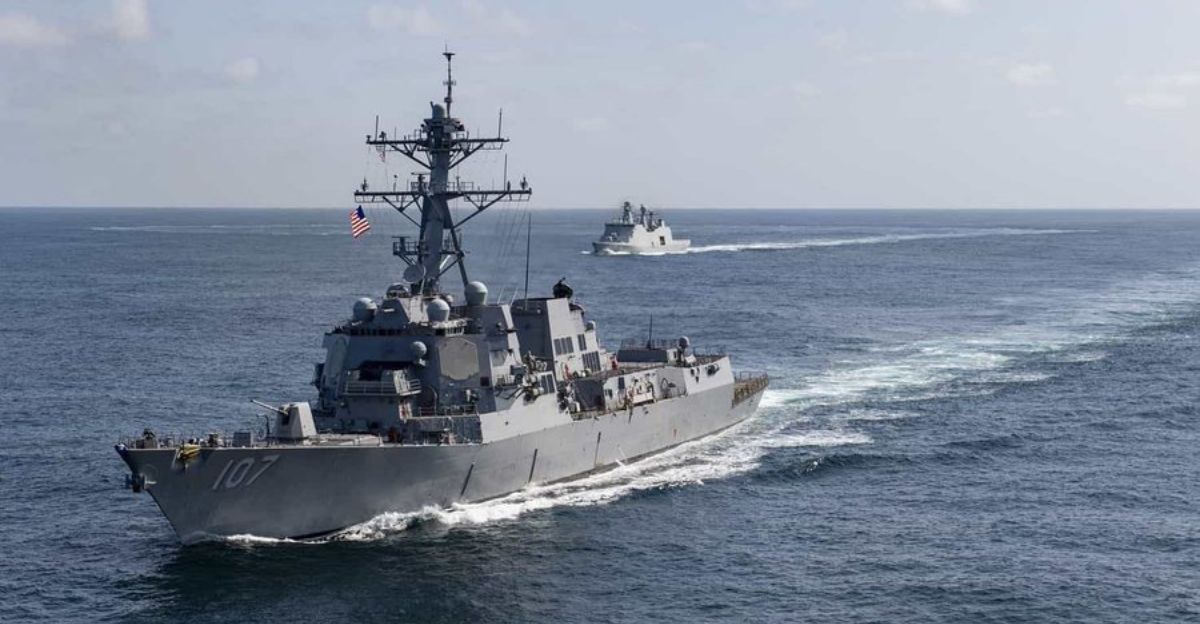
In order to fight Latin American drug cartels, the United States has increased its naval presence in the Caribbean, close to Venezuela, sending destroyers and amphibious assault ships with thousands of soldiers. The military buildup is seen by Brazil as a destabilizing factor and by Venezuela’s government as a direct threat of regime change, despite Washington’s denials of plans for a ground invasion.
Tensions in the region have increased as a result of Venezuela’s military mobilization and militia recruitment. With Washington claiming supremacy and Brazil balancing regional stability with opposing U.S. hegemony, the U.S. deployment is representative of larger hemisphere power struggles.
Operation Imeri: Evacuation Planning in Brazil
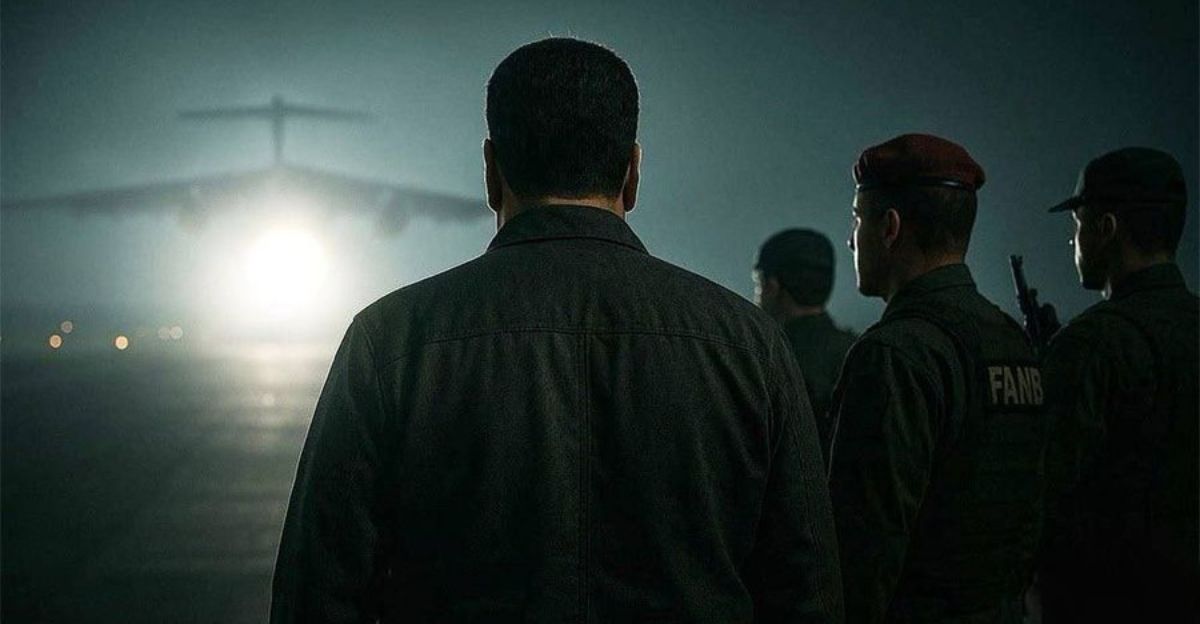
According to reports, Brazil’s contingency plan, Operation Imeri, calls for two complementary military actions: an aerial extraction in which special operations teams board a cargo plane to remove Venezuelan leaders quickly, and a maritime evacuation corridor utilizing naval vessels, such as frigates and helicopter carriers, aided by Brazilian Marine special forces.
By disguising operations as military drills, these plans avoid the requirement for congressional approval and demonstrate Brazil’s effort to strike a balance between political, legal, and strategic considerations. The operation illustrates how seriously Brazil takes the crisis’s regional repercussions and demonstrates its willingness to take unilateral action to keep Venezuelan leaders out of the hands of the United States or other adversaries.
Internal Conflicts in the Brazilian Military
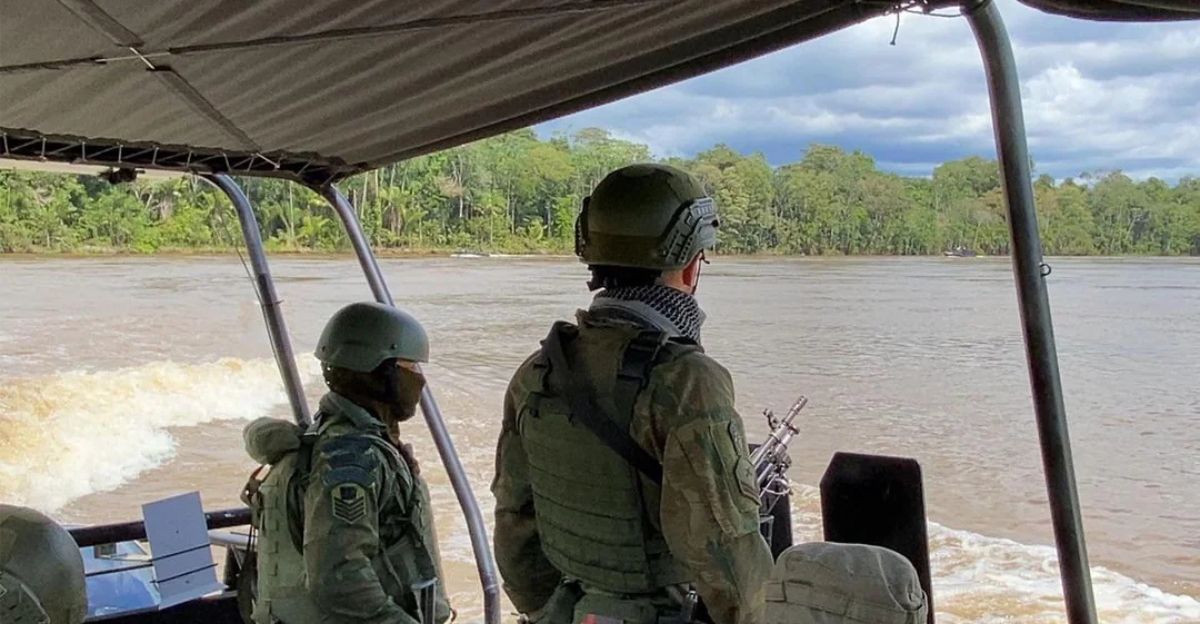
Plans for evacuation were complicated by strong internal opposition within Brazil’s Navy and Marine Corps. According to reports, some units, most notably the Marine Corps, refused to take part, stating that supporting the Venezuelan government was immoral. This opposition highlights deeper divisions within Brazil’s military over the nation’s interaction with Maduro’s regime.
Such disagreements might make it more difficult to take a coordinated military response and raise questions about Brazil’s involvement in Venezuelan affairs on a national level. One significant factor affecting how Brazil handles sensitive operations like Operation Imeri is the division among military ranks.
Aspects of the Crisis That Are Psychological
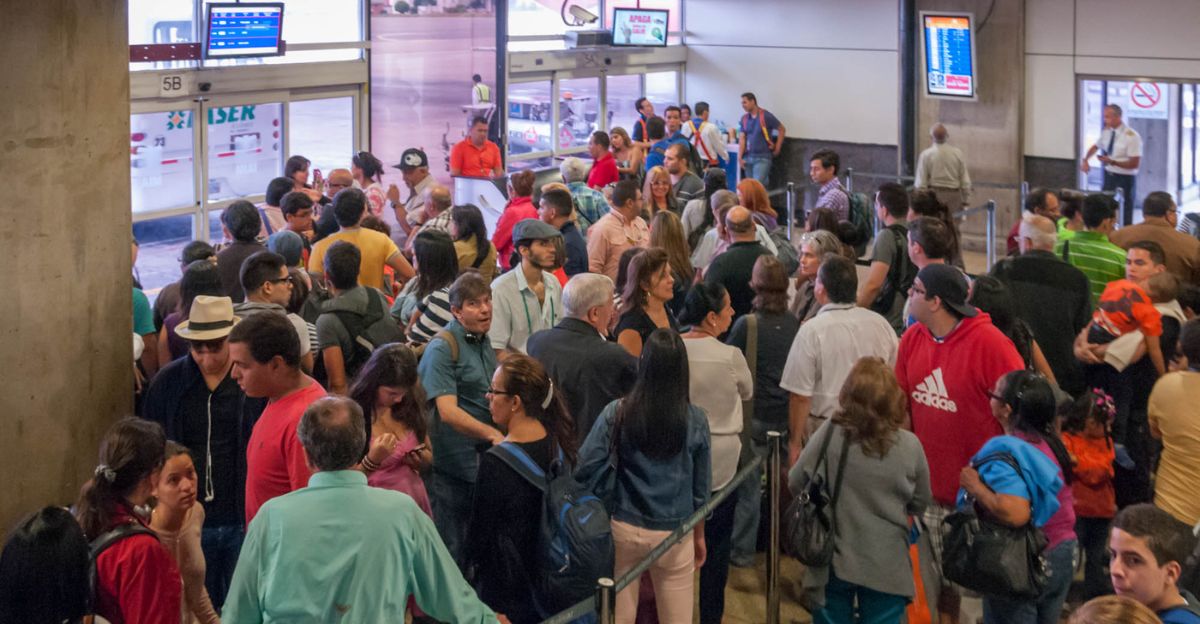
The Venezuelan crisis is deeply psychological in nature rather than just military or political. Millions of Venezuelans are fleeing the country, and many are experiencing mental health crises as a result of the widespread trauma, anxiety, and despair that plague the populace.
Bolivarian psychologists and President Maduro characterize these pressures as a psychological battle to topple the regime. From a psychological perspective, Brazil’s evacuation concerns can also be interpreted as an attempt to maintain regime continuity, reduce chaos, and project confidence in the face of intense psychological warfare in the area.
Humanitarian Challenges and Migration
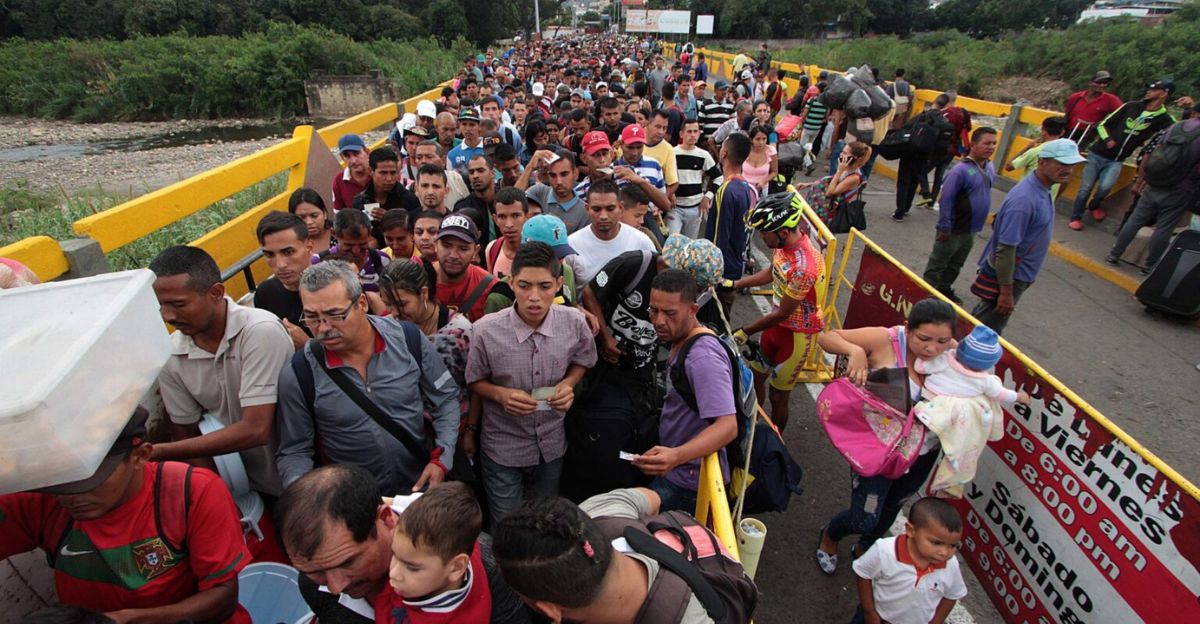
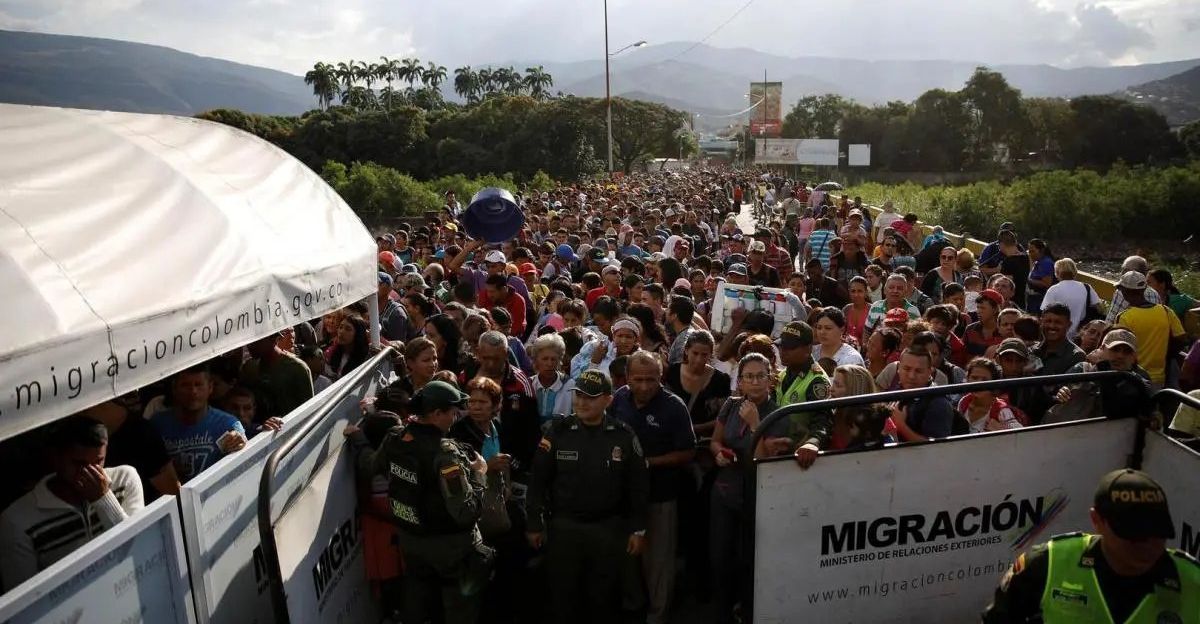
Venezuelan migrants fleeing political repression and economic collapse have flooded into Brazil’s border states, especially Roraima. Brazil has deployed thousands of troops to manage migrant flows and maintain order as a result of the humanitarian crisis.
Local tensions are exacerbated, public services are challenged, and bilateral relations are complicated by the presence of Venezuelan refugees. Talks about evacuations highlight Brazil’s strategic interest in securing Venezuelan leadership and methodically controlling regional effects in order to stop additional instability and unchecked migration.
South American Geopolitical Consequences
The U.S., Russia, China, and Latin American nations are all involved in regional and international rivalries that intersect with the Venezuelan crisis. The high stakes of geopolitical competition are highlighted by China’s economic investments, Russia’s military and intelligence presence in Venezuela, and U.S. sanctions.
The possibility of Brazil evacuating Venezuelan leaders demonstrates opposition to American hegemony and an attempt to establish regional independence. Rebalancing power dynamics, influencing alliances, and establishing precedents for intervention sovereignty in South America are all possible outcomes of this action.
Diplomatic and Legal Nuances
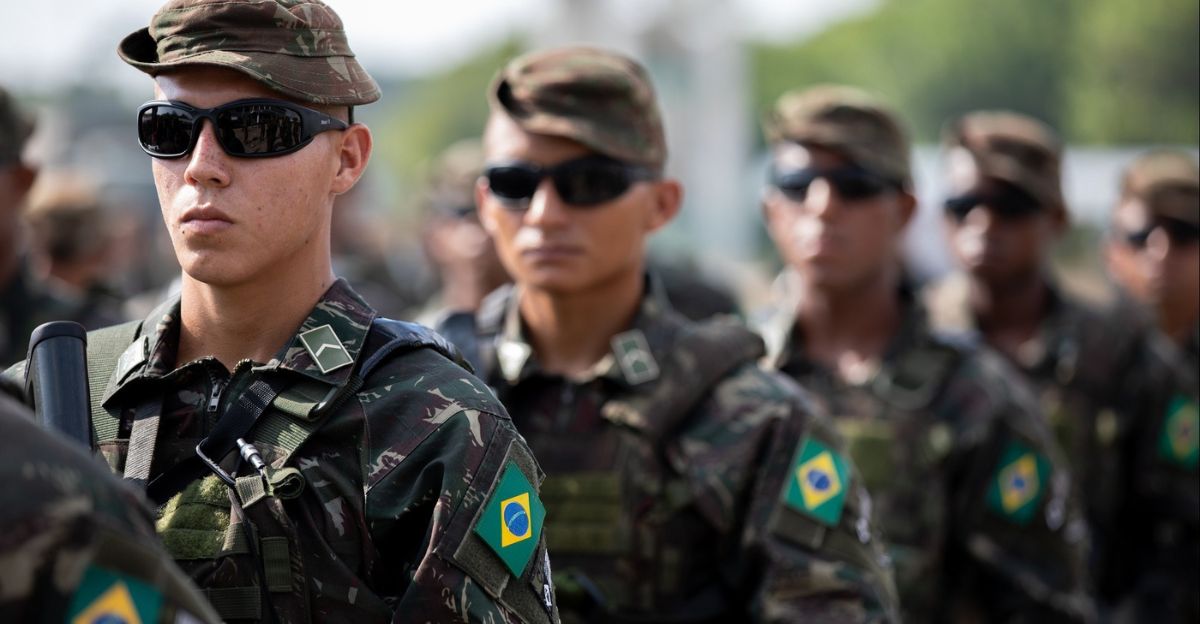
By classifying Operation Imeri as a military exercise, Brazil evaded congressional approval, exposing the shaky legal frameworks governing foreign military operations. Additionally, there are diplomatic contradictions between Brazil’s official recognition of Maduro’s government and its secret readiness to remove him from power.
The delicate diplomacy that Brazil employs in the Venezuelan context is exemplified by the balancing act between managing migration, upholding sovereignty, and caving in to pressure from the United States. This demonstrates the difficulty of crisis management under international law.
The Strategic Motives of Brazil
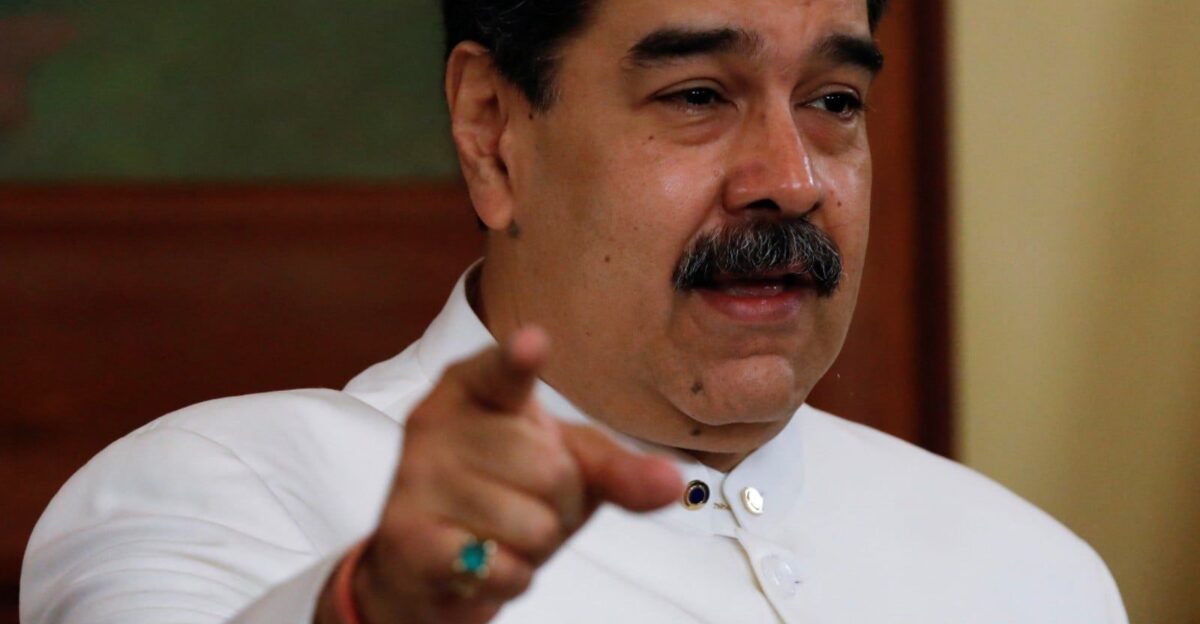
Brazil is considering evacuating Venezuelan leaders for a number of reasons, including security, humanitarian, and strategic ones. Brazil is well aware that instability on its northern border could worsen drug trafficking and insurgent activities spilling into its territory, in addition to averting a power vacuum or a chaotic collapse in Venezuela. Stability is a top priority because the massive migration crisis has overtaken northern Brazilian states and jeopardized social cohesion.
Brazil further views this action as an attempt to assert itself as a key regional powerbroker in Latin America rather than a passive observer, thereby countering U.S. unilateral policies in the region. Brazil’s larger goal to foster autonomy in regional affairs in the face of increasing global multipolarity is consistent with this geopolitical declaration.
A Defensive Move, Not Support for Maduro
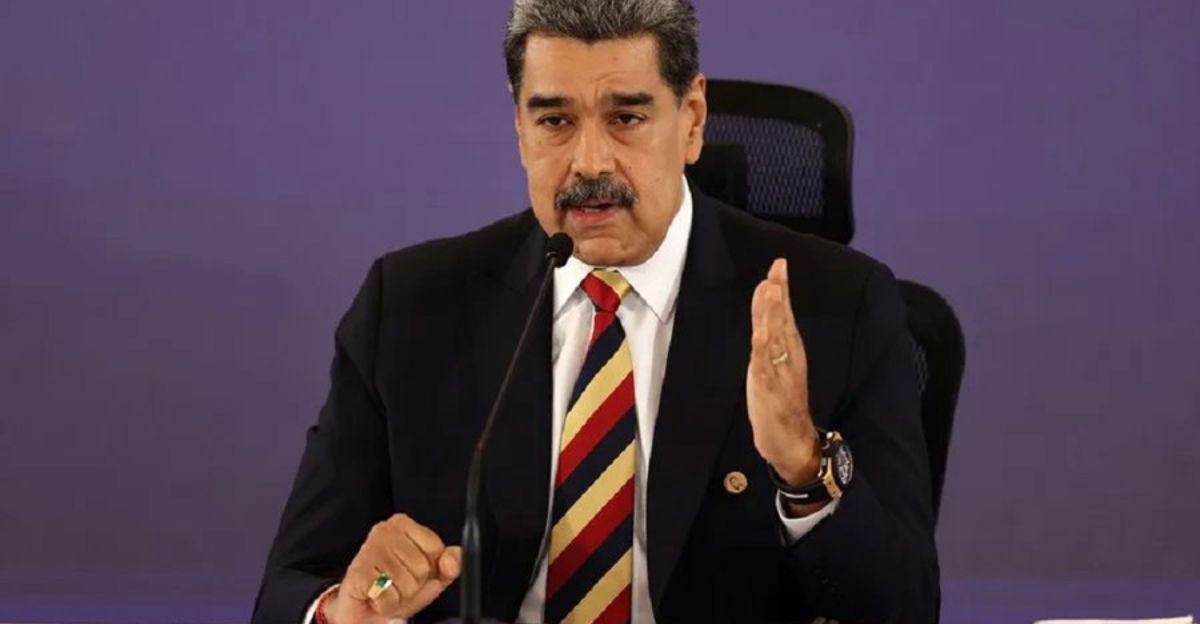
The scenario shows a more nuanced defensive posture, in contrast to popular interpretations that frame Brazil’s evacuation plan as outright support for Maduro’s regime. Brazil may be using the practical tactic of removing Venezuelan leaders to keep them out of the hands of the United States or the hostile opposition, which could lead to a bloody regime change and further destabilize the area.
Sovereignty and a smooth transition are given precedence over anarchic turmoil in this strategy. Brazil’s readiness to defend divisive leaders may be interpreted as an attempt to keep disputes within regional borders rather than resorting to outside military interventions that might escalate into more extensive conflicts.
Operation Imeri as an Action in the Gray Zone
Operation Imeri is a prime example of a contemporary geopolitical “gray zone” strategy, in which governments act in areas that are in between open conflict and peace.
In order to preserve plausible deniability and steer clear of direct conflict or legal obstacles, Brazil frames naval and aerial evacuation drills as military exercises. Without official declarations of war or the legitimacy of conflict intervention, this strategy enables flexibility to react quickly to changing crises. These hybrid operations highlight how modern crisis management is changing as nations look to influence events without resorting to direct military conflict or needlessly raising tensions.
Historical Precedents for Evacuation Operations
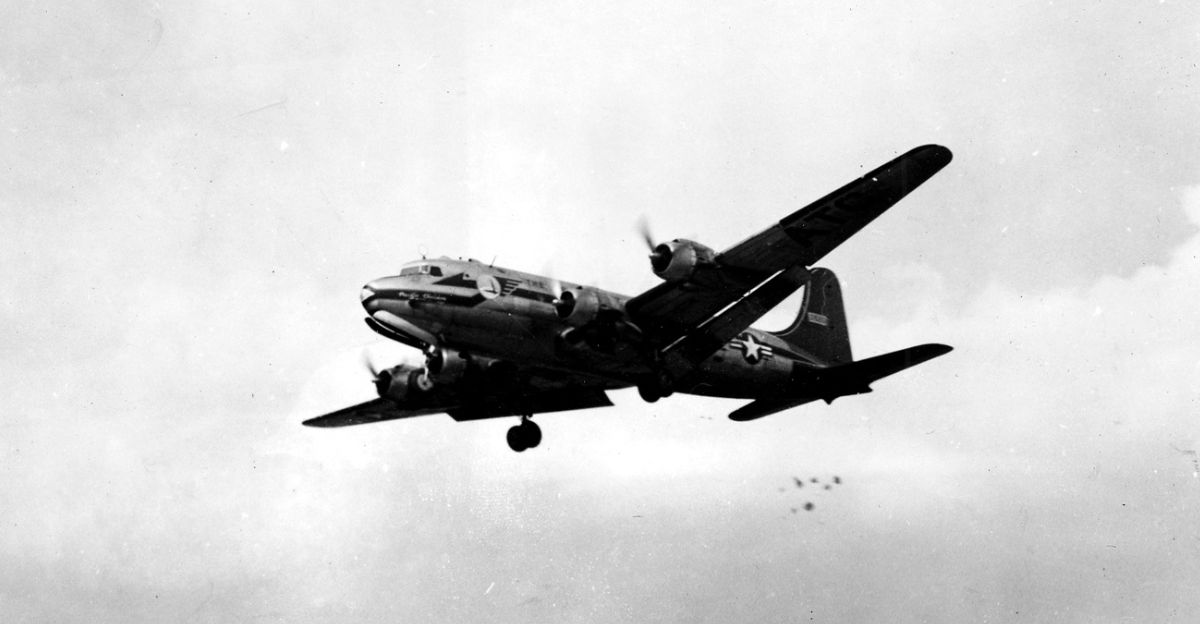
Political leaders have been evacuated during crises in the past as a way to maintain governance continuity and avert violent collapse. Examples of ways to sustain exiled governments or stabilize conflict areas include the Allied airlifts during the Cold War crises and the evacuation of European governments during World War II.
Evacuations in Syria and Libya more recently sought to preserve beleaguered governments or facilitate peaceful transitions during civil wars. Recognizing these past experiences, Brazil is considering similar plans, highlighting the possibility that a controlled evacuation could prevent widespread chaos and regional spillover. Such operations are tactical tools in geopolitical contests to manage or mitigate the aftermath of conflict and regime fragility, as these precedents show.
Potential Second-Order Impacts on the Political Future of Venezuela
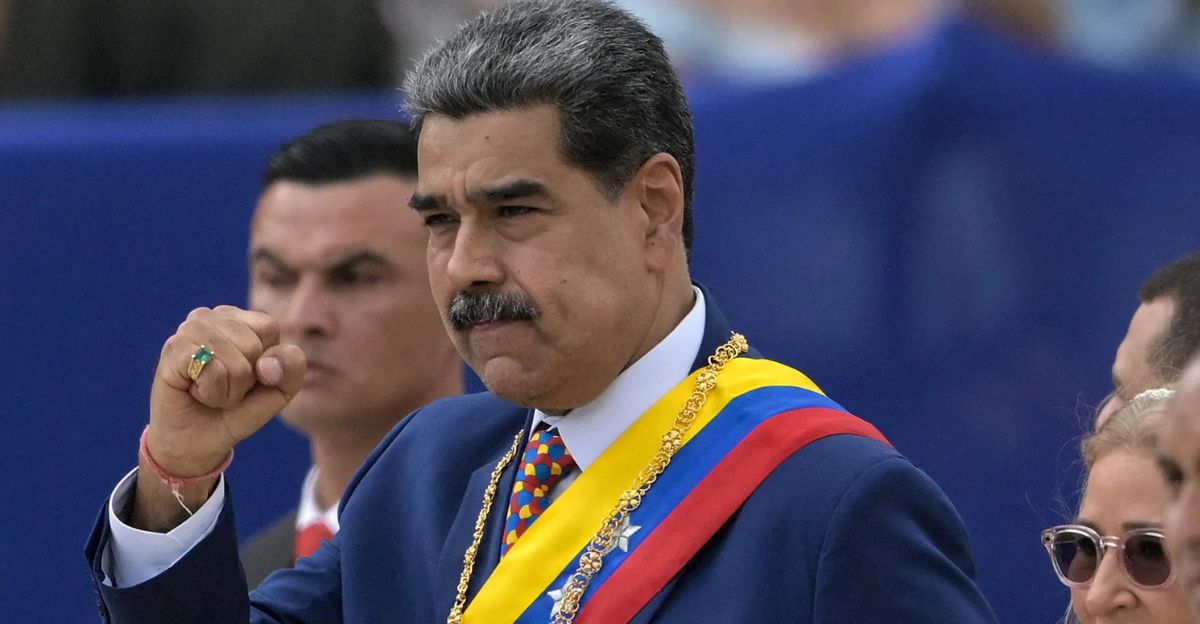
The evacuation of Maduro and his inner circle could have a number of complex effects. Providing a forum for talks and the establishment of post-crisis governance may enable a peaceful transition or an exile government situation in which Brazil serves as a de facto custodianship.
On the other hand, if rival Venezuelan factions reject the removal of the leadership, it could lead to factional violence or splinter group insurgency, which could cause civil war in some areas of the nation. The action might also lead to increased U.S. sanctions or military responses meant to isolate Maduro-aligned leadership further. Given the difficult trade-offs involved in trying to stabilize a fractured regime without igniting more chaos, Brazil may find itself embroiled in protracted conflict mediation or peace enforcement roles.
Possible Effects on Third-Order Regional Security
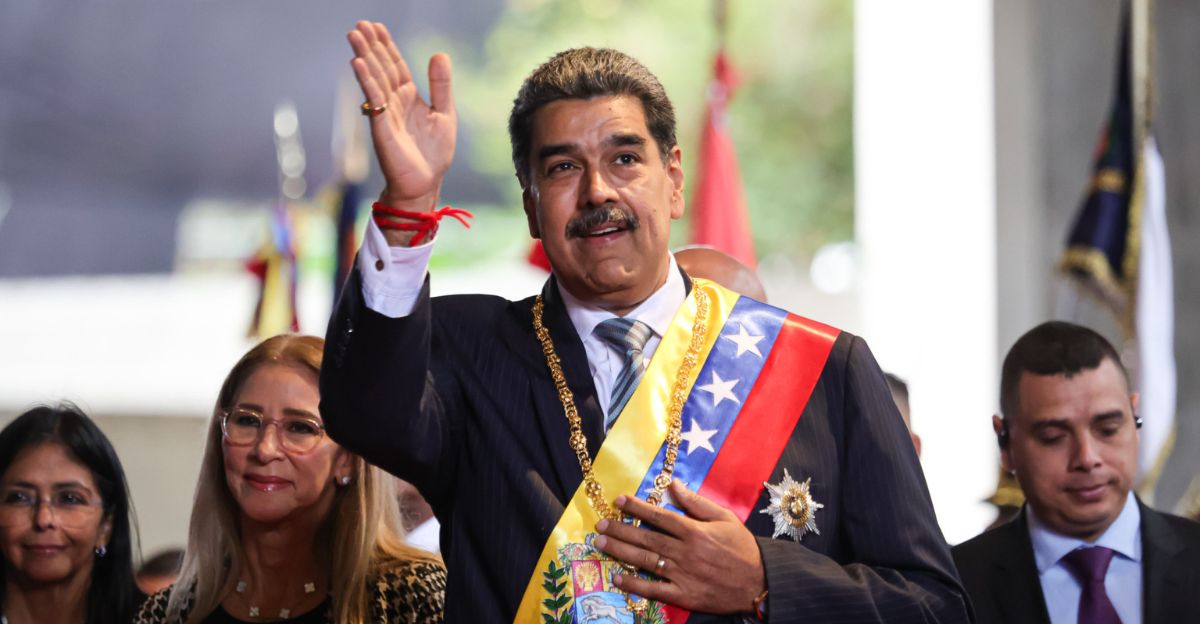
Brazil’s evacuation plans have the potential to have long-lasting effects on regional security dynamics beyond Venezuela’s borders. In order to increase militarization throughout South America, neighboring nations may strengthen border controls, tighten immigration laws, and reevaluate their alliances with superpowers. Because armed groups take advantage of state vulnerabilities and refugee flows, the operation could hasten the weaponization of humanitarian crises.
Economic stability may be impacted if regional resource flows and trade routes are disrupted. Furthermore, Brazil’s action might lead to other regional powers taking similar extraterritorial measures, creating precedents for challenges to sovereignty under security pretexts and escalating the stakes for the precarious geopolitical balance in Latin America.
Security of Leadership and Psychological Warfare
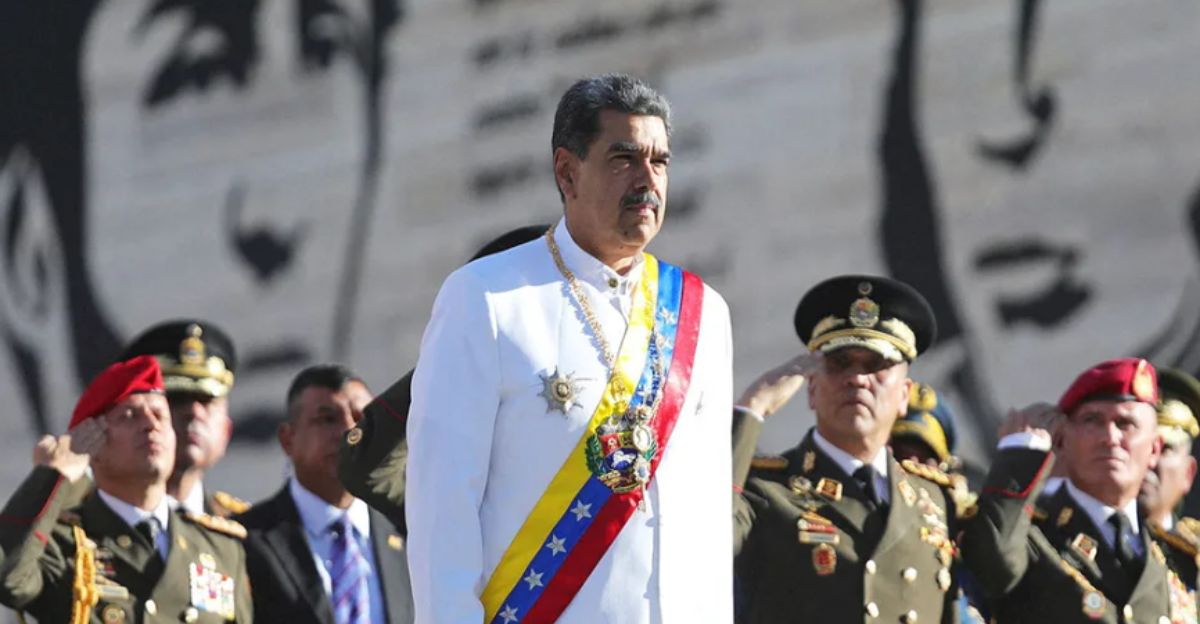
Protecting the leadership represents regime resilience to both supporters and enemies, and it goes far beyond physical safety in the delicate psychological theater of authoritarian survival. The potential extraction operation could deter opposition groups and defections by sending a message that Maduro’s inner circle still holds sway. Because authoritarian regimes mainly depend on projecting strength and unity to maintain power in the face of internal and external pressures, psychological warfare is essential.
Maintaining leadership in the face of persistent U.S. sanctions, media campaigns, and military threats boosts the spirits of both security forces and civilian supporters. In disputed political environments, such symbolic acts of protection contribute to larger narratives of sovereignty resistance and regime legitimacy.
Economic Factors and Petroleum Interests
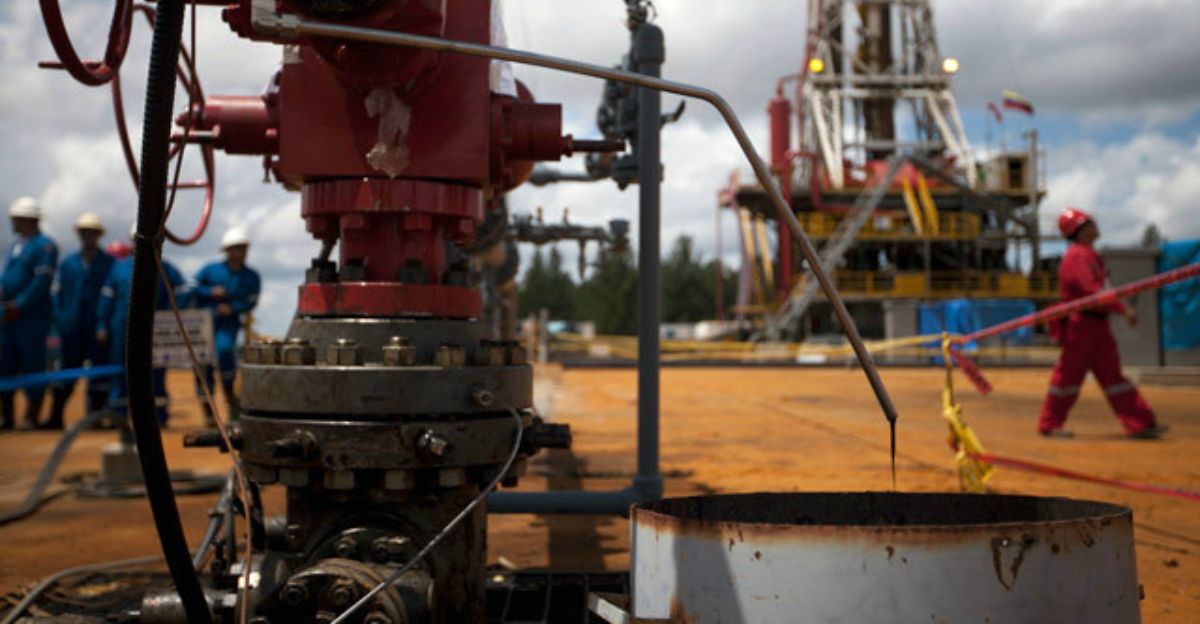
One of the most critical factors in the geopolitical calculations behind Brazil’s evacuation discussions is Venezuela’s enormous proven oil reserves. In addition to endangering the financial interests of regional and international powers that have invested in energy resources, a disruption or collapse in Venezuela could destabilize the world’s energy markets.
Brazil’s approach subtly seeks to preserve a buffer zone of relative stability during the crisis in order to safeguard regional energy security. Additionally, guaranteeing access to or control over Venezuelan resources could help Brazil’s economy while reducing the influence of rivals with conflicting interests like the United States, China, and Russia. These economic factors highlight the close connection between military and diplomatic activities in the area and resource geopolitics.
Under Lula, Brazil’s Diplomatic Reengagement
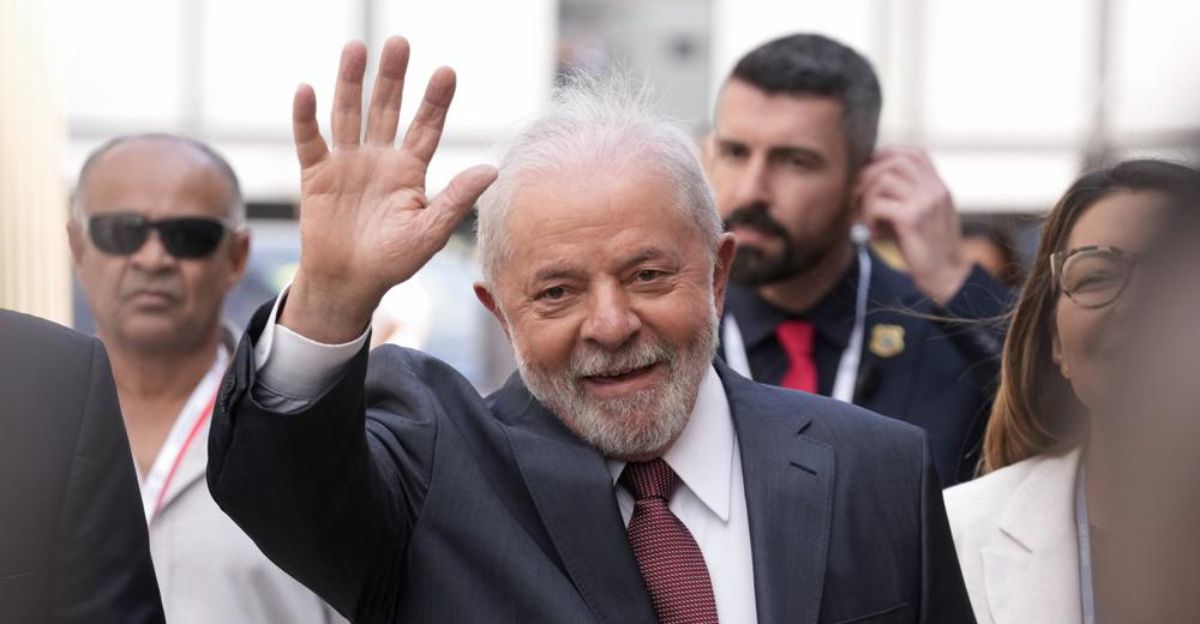
Brazil has taken a very different tack since President Luiz Inácio Lula da Silva returned to office, aiming for fresh communication and normalization with Venezuela’s government. This diplomatic shift represents practical attempts to stabilize regional relations and cooperatively address migration issues, which stands in stark contrast to the animosity of the Bolsonaro era. With the intention of hedging bets in the face of mounting U.S. pressure, the reported evacuation plans coexist with Brazil’s larger diplomatic framework.
By maintaining lines of communication while making backup plans, this dual-track diplomacy seeks to demonstrate Brazil’s strategic adaptability. As part of nuanced crisis management, Lula’s administration has made it clear that regional autonomy and multilateral cooperation are priorities, striking a balance between rhetoric and tactical military preparations.
Execution Difficulties and Global Reactions
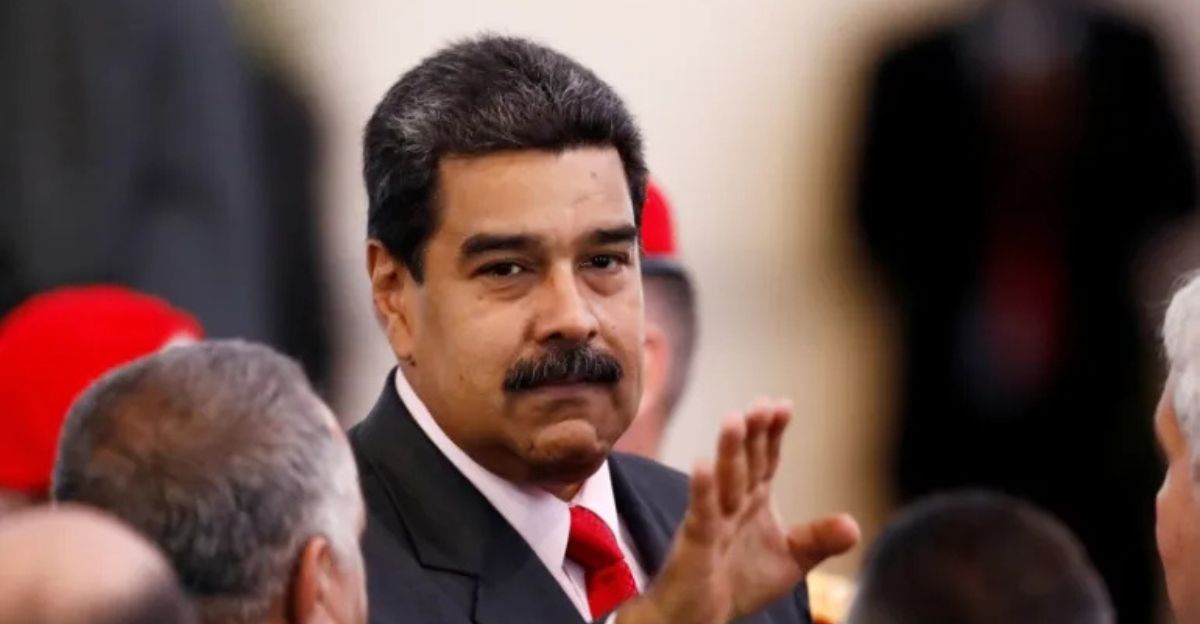
There are significant political and operational challenges in carrying out an evacuation of Venezuelan leaders. Internal conflicts in Brazil, particularly Marine Corps resistance, make it difficult to coordinate its military efforts. U.S. intelligence monitoring and diplomatic warnings that impose sanctions if Brazil moves forward add to the complexity of the execution.
International organizations and regional actors are still cautious because such an operation might undermine delicate peace initiatives. Brazil has to walk a tightrope between public opinion, legality, and geopolitical retaliation. In order to prevent unintended escalation or diplomatic fallout, these difficulties highlight the complexity of covert or semi-covert military interventions in disputed political environments, necessitating advanced risk management and backup plans.
Conclusion
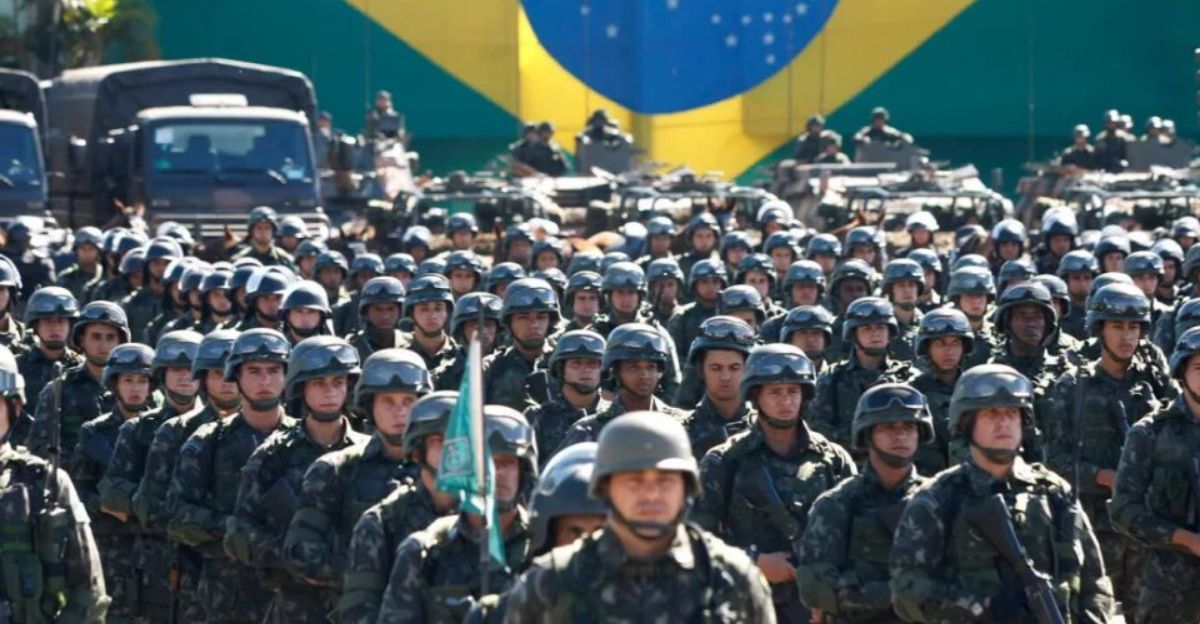
Brazil’s consideration of evacuation options in the face of U.S. military buildups demonstrates a complex strategic calculation that combines geopolitical rivalry, regional stability, and sovereignty. It captures Brazil’s ambitions to govern Latin America independently while navigating the dangers of growing hostilities and international criticism. The operation highlights a new approach to crisis management that combines military ambiguity, psychological warfare, and legal gray areas, all supported by resource and migration considerations.
Brazil’s strategy is a prime example of the difficult balancing act that smaller nations must perform in the face of great power competition while projecting influence and preserving national security in the face of unstable regional dynamics. This case is a powerful illustration of how hybrid geopolitics in the twenty-first century necessitate ongoing adaptation and strategic nuance.