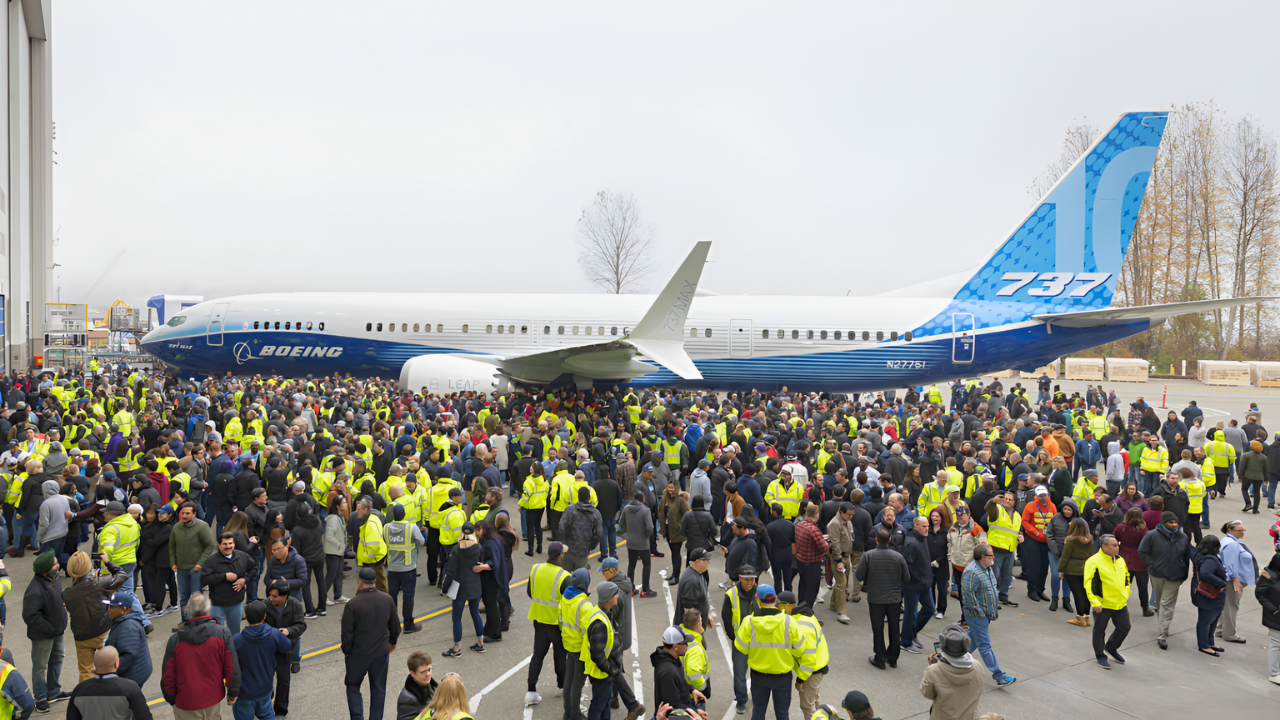
Captain Brandon Fisher saved 177 lives when a door plug blew out of his Boeing 737 Max 9 at 16,000 feet over Oregon on January 5, 2024. The Alaska Airlines pilot executed a textbook emergency landing that federal investigators praised.
Yet months later, Fisher discovered Boeing was quietly suggesting pilot error contributed to the near-catastrophe, turning his heroic moment into a fight for his professional reputation.
The Moment Everything Changed
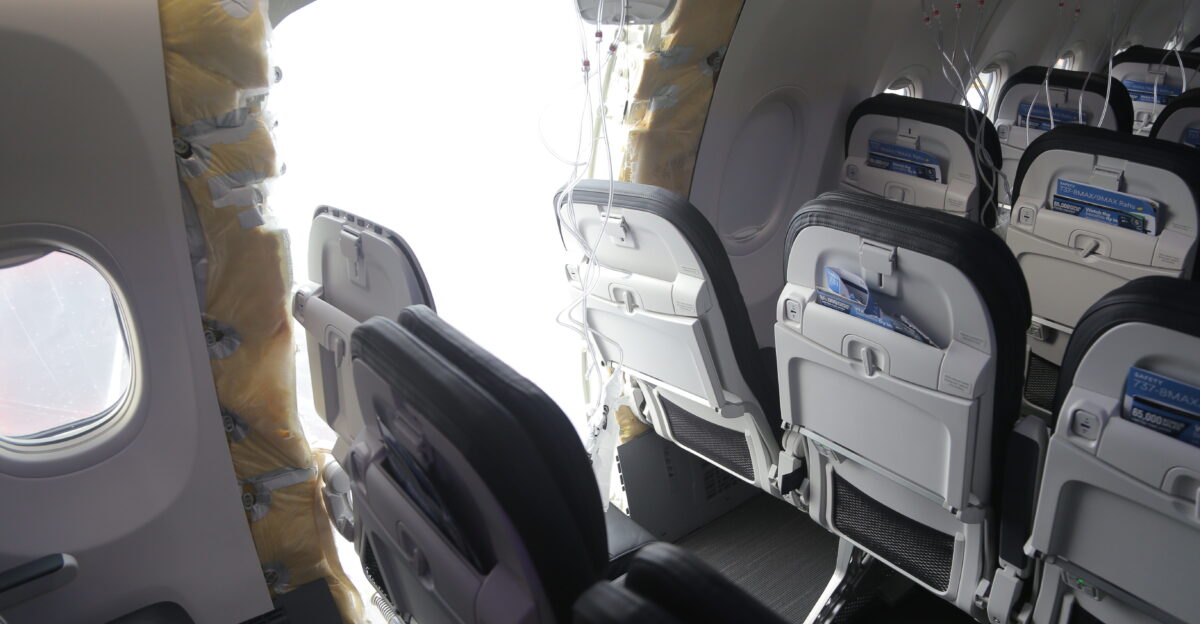
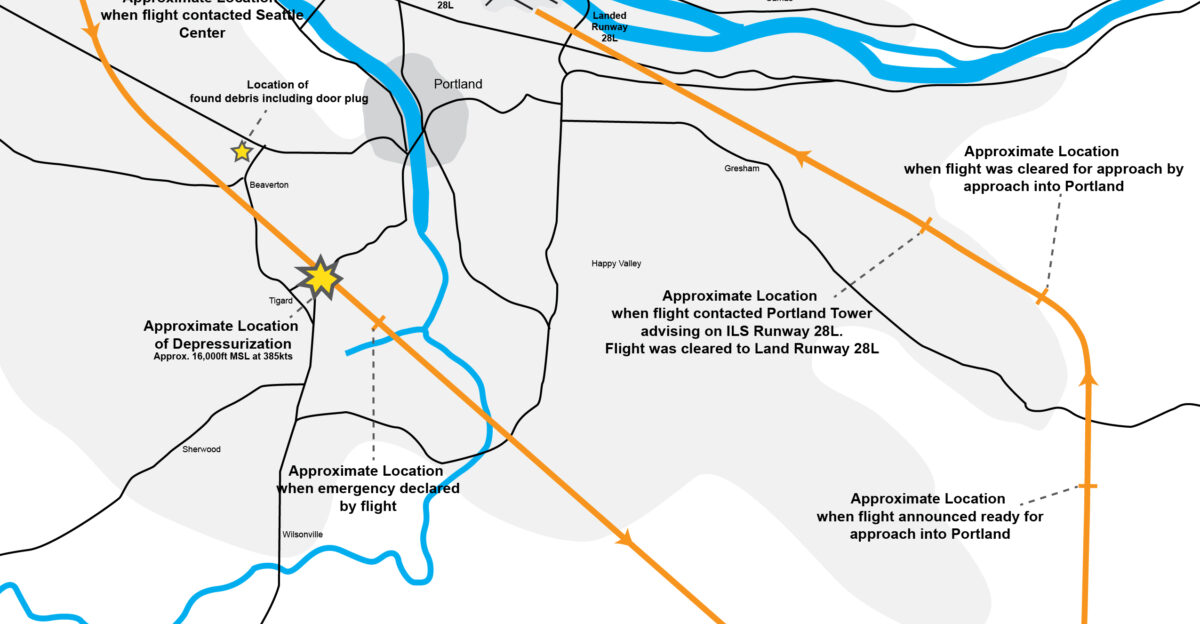
Flight 1282 had just departed Portland for Ontario, California, when passengers heard a deafening boom. A mid-cabin door plug covering an unused emergency exit had torn away, leaving a gaping hole in the fuselage.
The cockpit door burst open from rapid decompression. Headsets ripped from pilots’ heads. Oxygen masks dropped. Fisher and First Officer Emily Wiprud faced a crisis no training manual could fully prepare them for.
The Chilling Truth Behind the Blowout
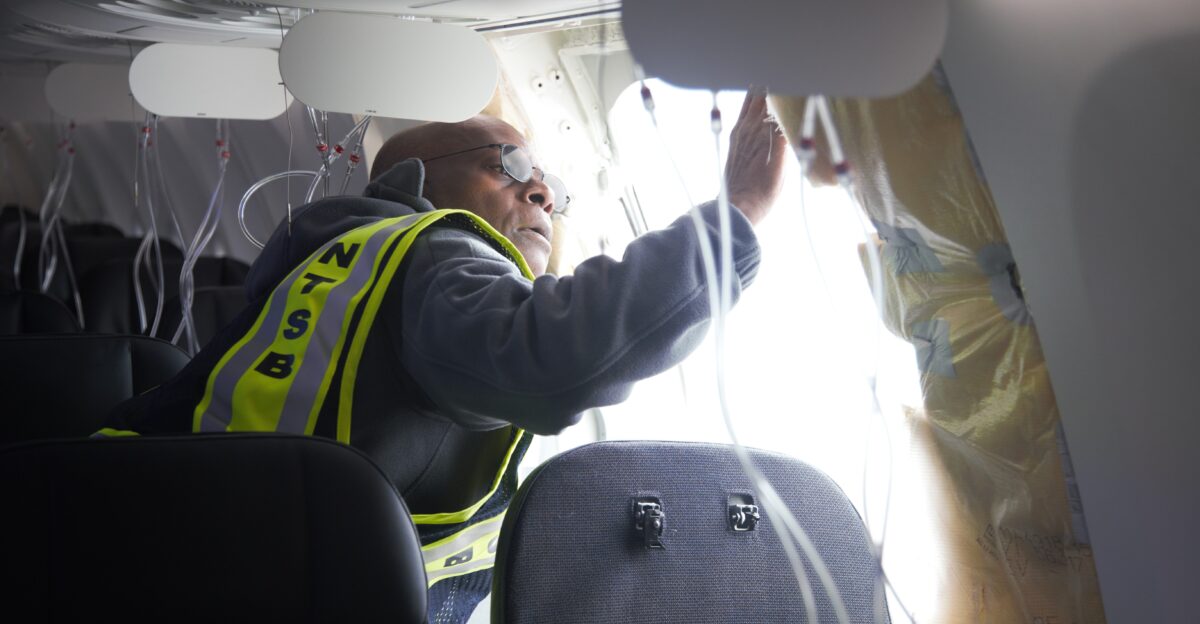
Federal investigators uncovered a stunning manufacturing failure. Four critical bolts that should have secured the door plug were removed during factory assembly and never replaced. The National Transportation Safety Board found that this defect was hidden behind interior panels, completely invisible to pilots and maintenance crews.
The door plug had been loosening across 154 previous flights before it finally gave way, according to the NTSB’s final report.
Discipline in the Chaos
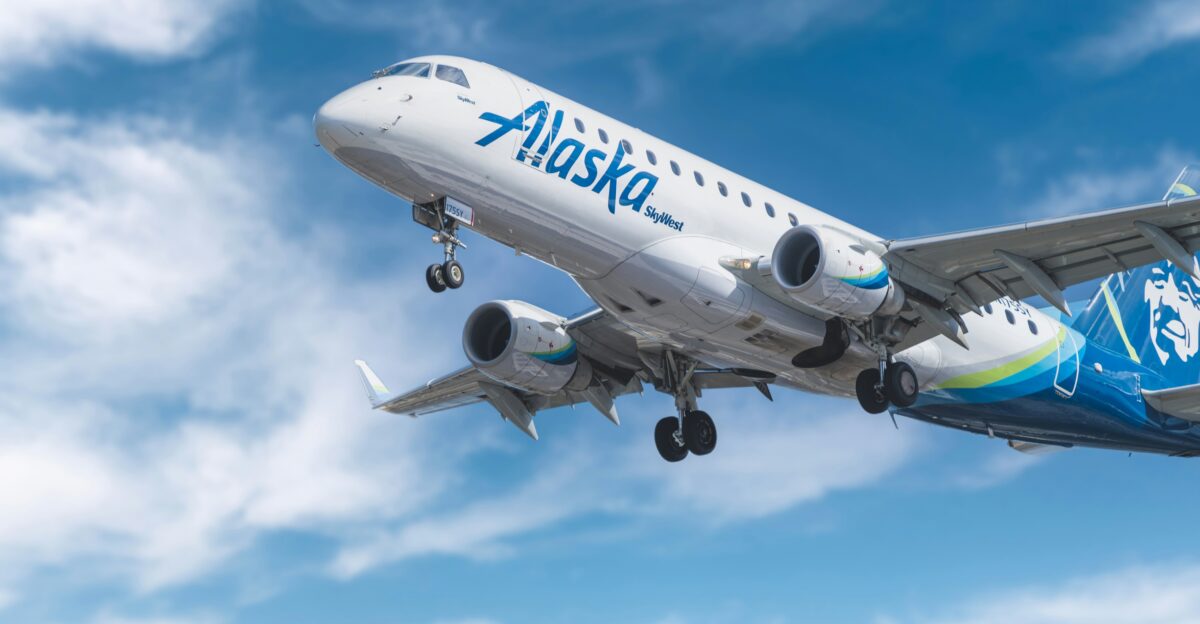
Despite the chaos, Fisher’s crew responded with precision. When their headsets failed from depressurization, they communicated through overhead speakers. Flight attendants physically fought to keep the cockpit door closed as cabin pressure plummeted.
Fisher immediately diverted back to Portland. Only three passengers suffered minor injuries. The NTSB later concluded the crew’s actions were exemplary, directly contradicting any suggestion of pilot error.
A Factory in Disarray
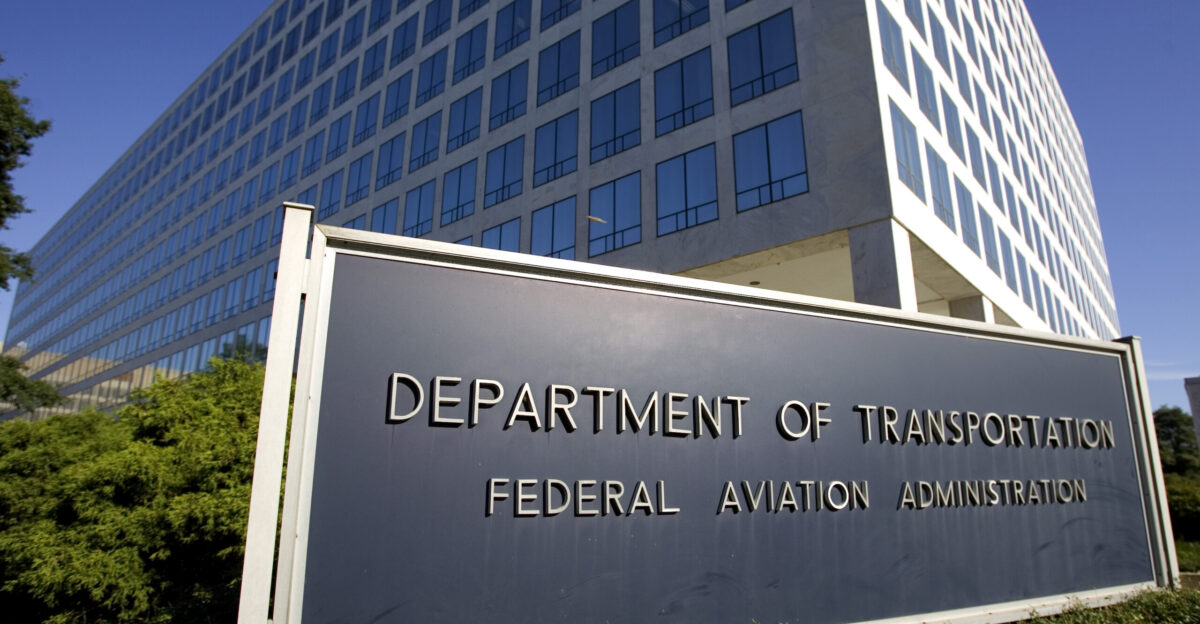
The Federal Aviation Administration launched an immediate audit of Boeing and its supplier Spirit Aerosystems. The results shocked regulators. Boeing failed 33 of 89 product evaluations, with noncompliance issues spanning manufacturing process control to parts handling.
Spirit Aerosystems passed just 6 of 13 audits. FAA Administrator Mike Whitaker told reporters the problems weren’t merely paperwork—they involved fundamental failures in tool management and work sequencing.
The Hotel Key Card Inspection
At Spirit Aerosystems, inspectors discovered mechanics had used a hotel key card to check a door seal, revealing how far quality oversight had deteriorated. The door plug that blew out of Flight 1282 had itself failed Boeing’s own inspection. These weren’t isolated mistakes but systemic breakdowns in a production system that had been under heightened scrutiny since the 737 Max’s previous deadly crashes.
A History of Deadly Consequences
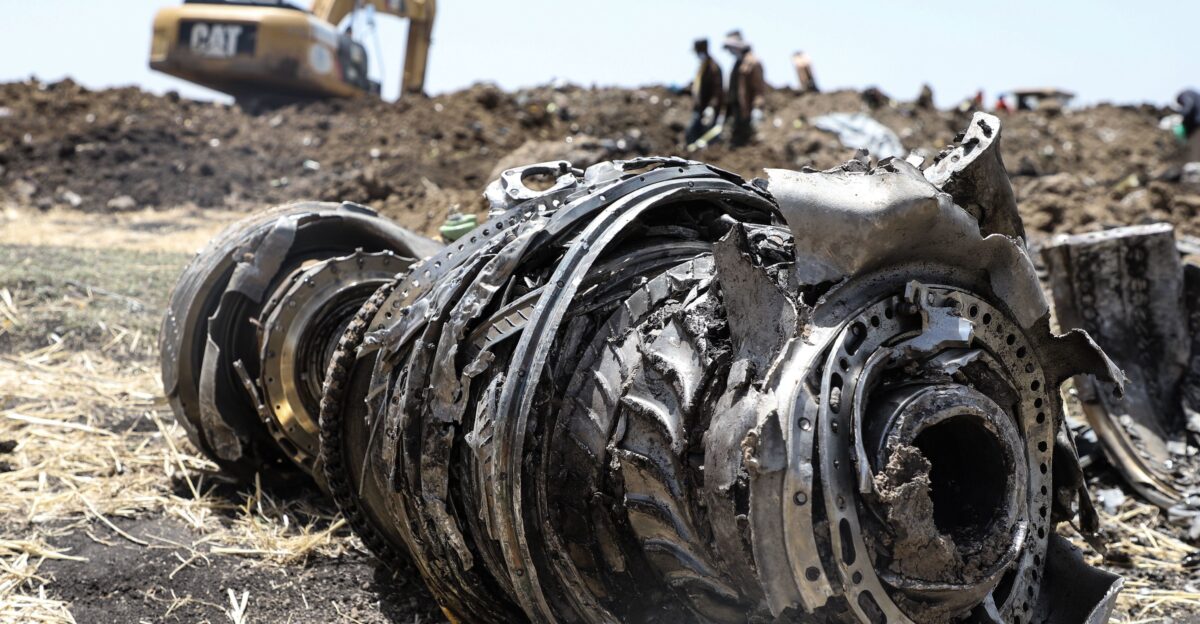
The 737 Max series carries a heavy burden. In 2018 and 2019, crashes in Indonesia and Ethiopia killed 346 people, leading to a nearly two-year fleet grounding. Boeing had pledged to overhaul its safety culture. Yet the Flight 1282 incident exposed those promises as hollow.
The NTSB concluded the blowout resulted from “Boeing’s failure to provide adequate training, guidance, and oversight” to factory workers.
When the Company Turns on Its Pilot
Fisher learned in May 2024 that the FBI believed he may have been a victim of “criminally negligent conduct” by Boeing. Federal authorities validated his heroism, yet Boeing’s internal communications suggested the aircraft was “improperly maintained or misused” by the crew.
Fisher’s lawsuit states Boeing’s words were “directed at painting him as the scapegoat for Boeing’s numerous failures,” infuriating the veteran pilot.
The Personal Cost of Corporate Blame
The psychological toll extends beyond the emergency itself. Fisher’s legal team describes Boeing’s actions as a “deep, personal betrayal by a company that claimed to hold pilots in the highest regard.”
Having flown Boeing aircraft his entire career, the attempt to shift blame felt particularly cruel. The lawsuit seeks $10 million in damages, but the real injury is professional and emotional, not financial.
A Lawsuit for Vindication
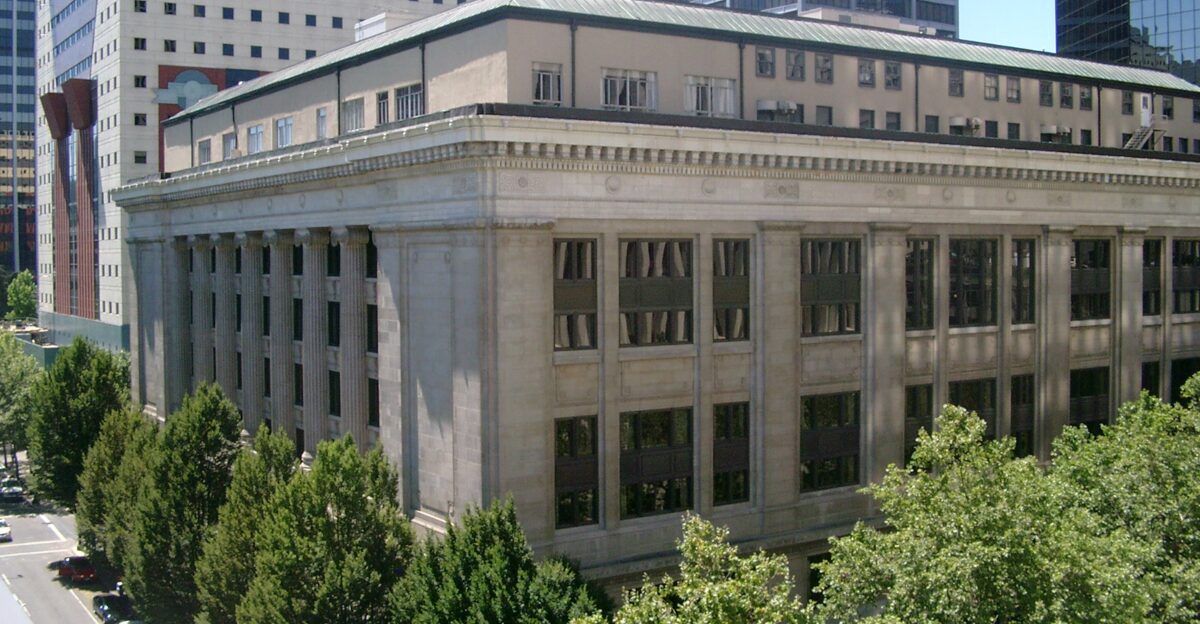
Filed December 30, 2025, in Multnomah County, Fisher’s lawsuit names both Boeing and Spirit Aerosystems. Attorneys William Walsh and Richard Mummolo wrote that Boeing’s attempts to blame Fisher represented not just a business tactic but a moral failing.
The legal action serves as a public record that federal investigators cleared the crew while condemning the manufacturer, creating a permanent counter-narrative to Boeing’s private suggestions.
The Fleet Grounding That Followed
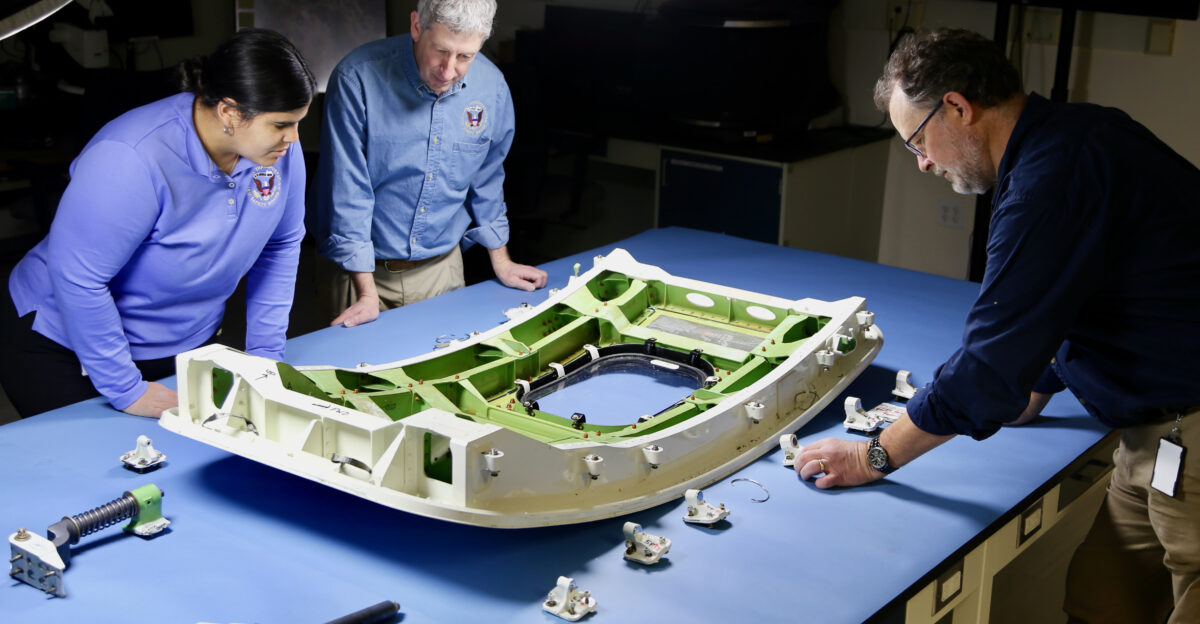
The FAA responded forcefully. Within days of the incident, the agency issued an Emergency Airworthiness Directive grounding all 737 Max 9 aircraft with mid-cabin door plugs. Airlines worldwide inspected their fleets.
The grounding lasted weeks as inspectors checked every door plug installation. The action signaled that regulators viewed this as a manufacturing crisis, not an operational one, implicitly supporting Fisher’s position.
Financial Consequences for Boeing
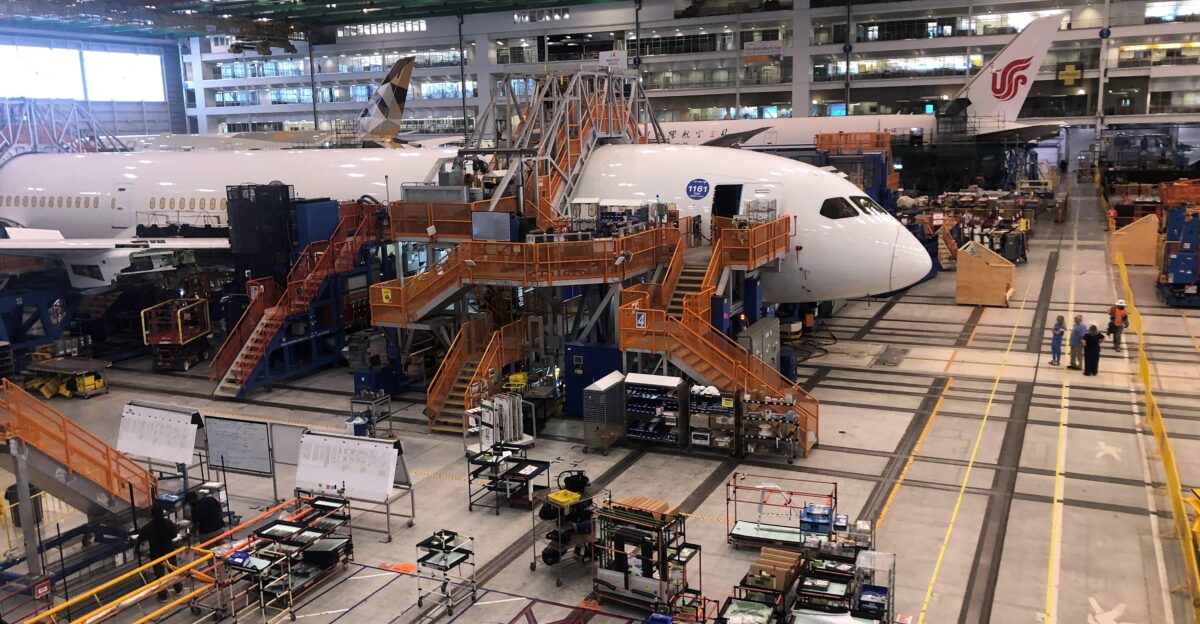
The FAA fined Boeing $3.1 million for safety violations discovered during the investigation into the incident. The penalties reflected specific failures in the company’s quality-control systems.
While Boeing had been allowed to increase production to 42 planes per month in late 2024, the regulatory environment remained one of heightened scrutiny. The fines represented tangible accountability for systemic failures.
Whistleblowers Break the Silence
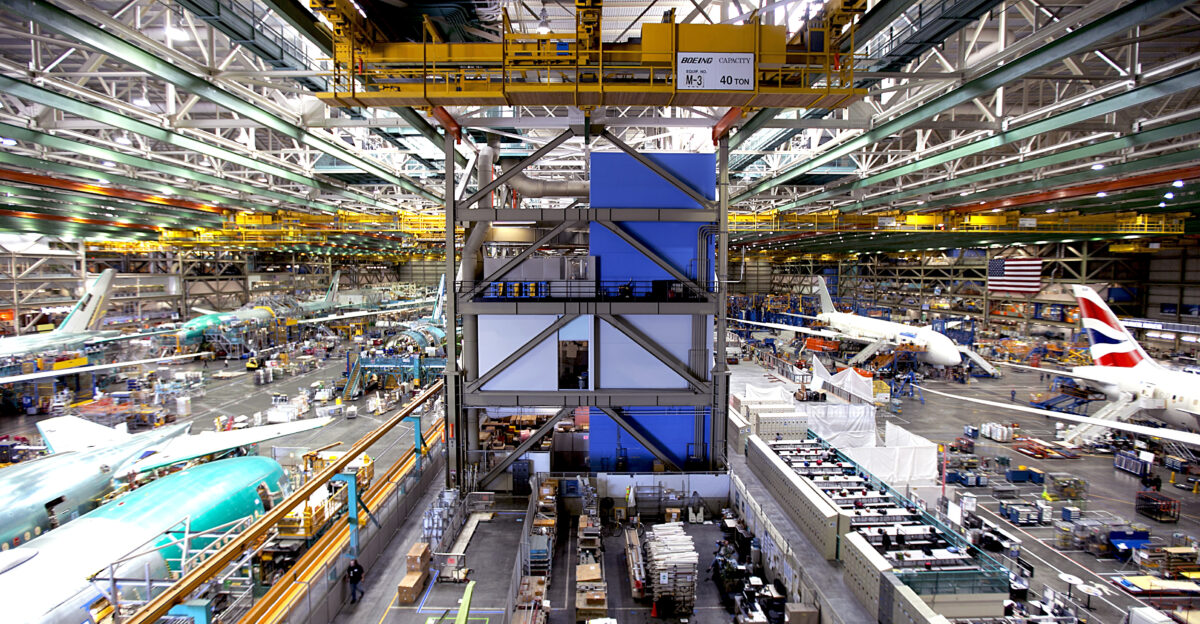
Fisher’s lawsuit emerged amid a wave of whistleblower complaints about Boeing’s manufacturing practices. Current and former employees came forward with accounts of pressure to speed production and inadequate training for new workers.
The Flight 1282 incident gave these voices credibility, transforming what might have seemed like isolated complaints into a pattern of corporate behavior that endangered public safety.
Airlines Demand Better Oversight
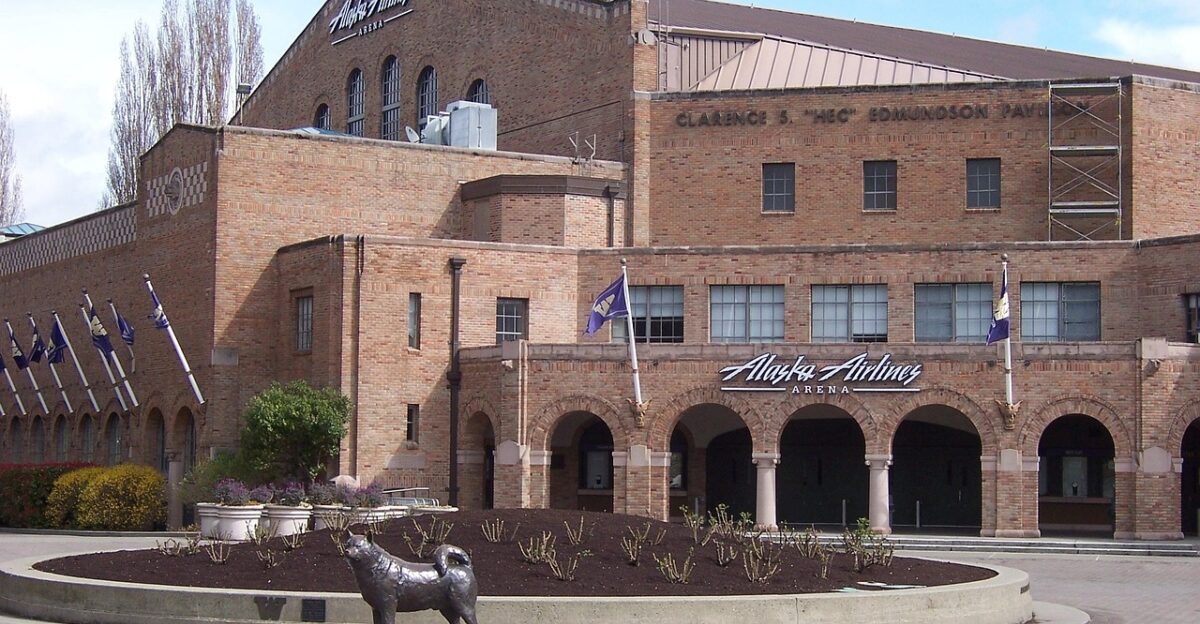
Alaska Airlines, while publicly supporting Fisher and his crew, implemented enhanced quality-control measures on 737-9 production. The airline began conducting its own inspections of new aircraft before accepting delivery.
Other carriers followed suit, sending teams to Boeing’s factories to monitor assembly. The industry effectively acknowledged it could no longer trust Boeing’s internal quality assurance alone.
Boeing’s Promised Reforms
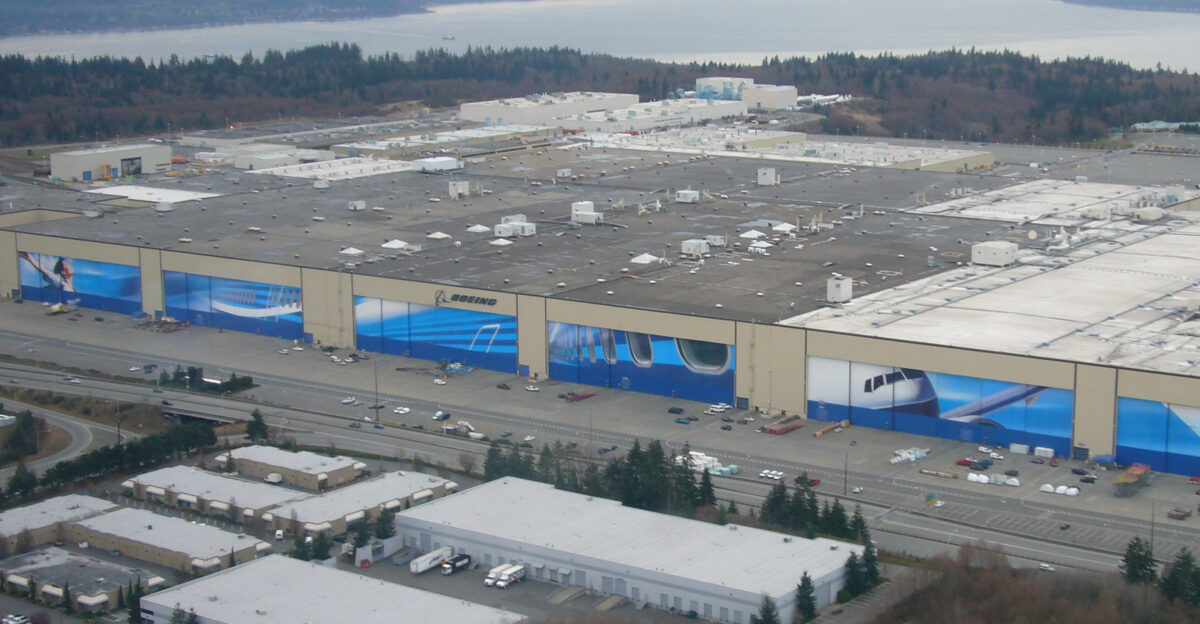
By early 2026, Boeing had opened its factories to airline customers for independent reviews and committed to enhanced quality oversight. The company pledged to slow production if necessary to ensure safety.
Yet these promises echoed similar commitments made after the earlier Max crashes, leaving many in the aviation community skeptical about whether corporate culture could truly change without deeper structural reforms.
The Pilot’s Dilemma
Fisher’s situation reflects a troubling aviation pattern: crews performing miracles while corporations pursue liability reduction. The veteran pilot didn’t create the missing bolts or skip manufacturing steps. He simply did his job with extraordinary skill.
Yet he found himself fighting for his reputation against a manufacturer with vastly greater resources and an incentive to deflect blame.
Federal Validation Versus Corporate Narrative
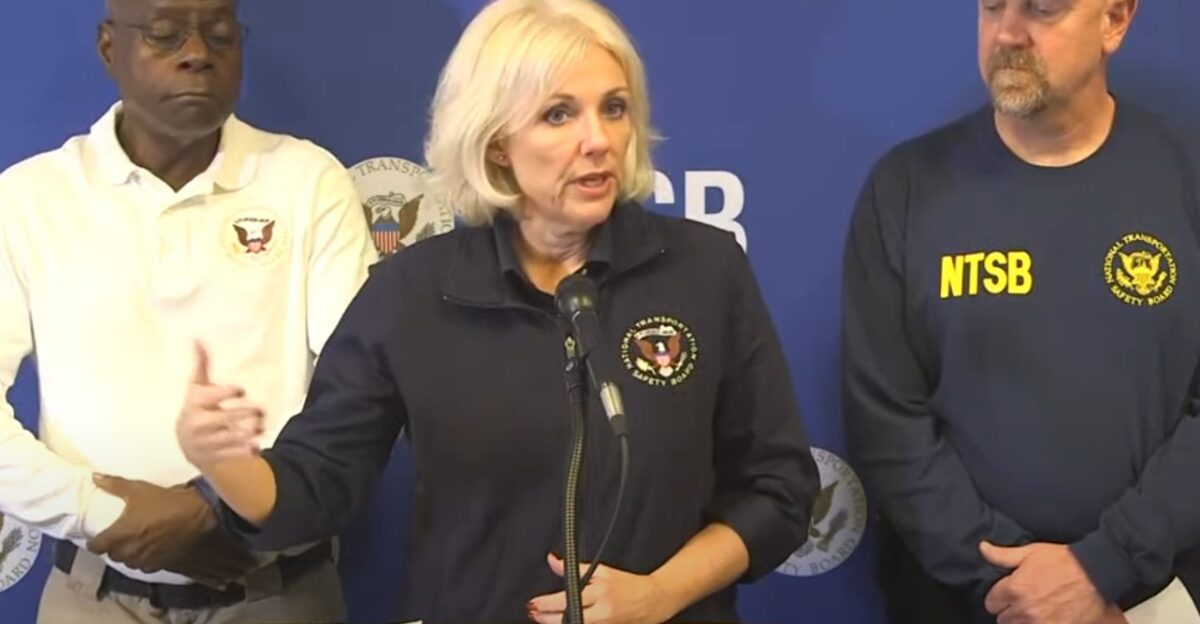
The contradiction is stark. The NTSB, FAA, and FBI all concluded Fisher acted heroically while Boeing and Spirit failed systemically. Yet Boeing’s private communications suggested otherwise.
This disconnect between official findings and corporate messaging created, according to Fisher’s lawsuit, a “false narrative” that could damage his career prospects and professional standing within the tight-knit aviation community.
The Weight of 346 Previous Deaths
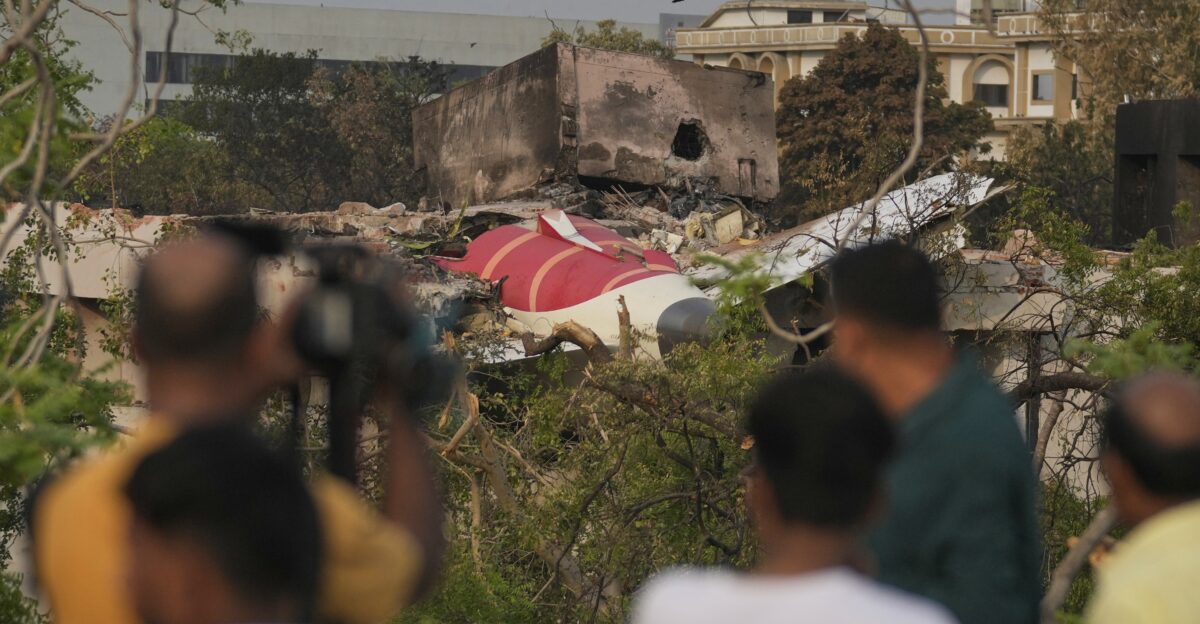
The Flight 1282 incident carries extra weight because of the 737 Max’s history. After 346 people died in previous crashes, Boeing assured the world it had reformed. The door plug blowout proved those assurances premature.
For families of earlier victims, Fisher’s near-miss and subsequent blame game reopened wounds, suggesting the company still hadn’t learned to prioritize safety over speed.
What Accountability Looks Like
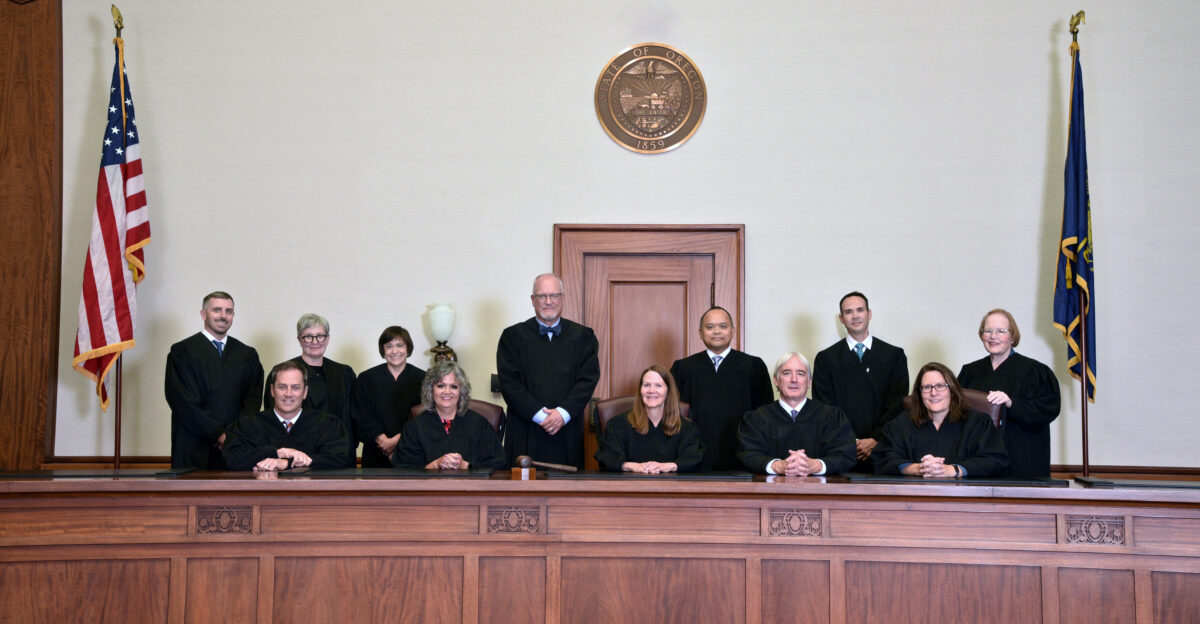
As of January 2026, Fisher’s lawsuit is being heard in Oregon courts, while Boeing continues to implement corrective actions. The case represents more than one pilot’s grievance—it tests whether manufacturers can be held accountable for attempting to blame the very people who mitigate their failures.
The outcome may influence how future incidents are handled and whether crews will trust their employers to support them.
The Future of Aviation Safety
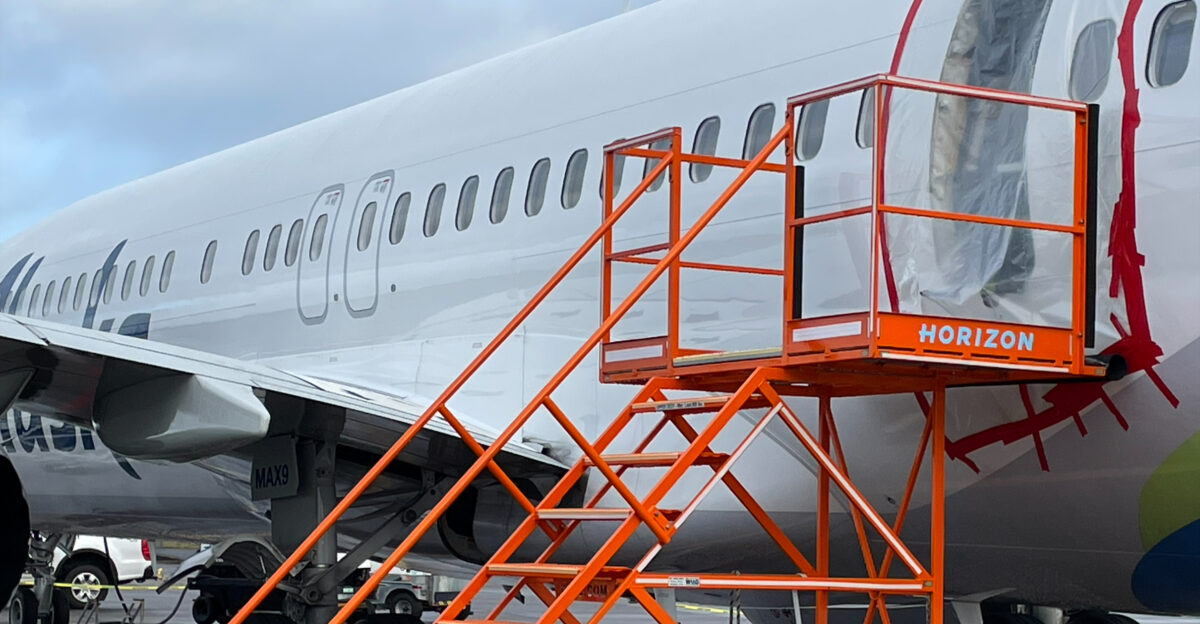
Captain Brandon Fisher’s story—one of competence, courage, and subsequent betrayal—may ultimately matter more to aviation’s future than any technical specification. It reveals that safety culture must flow from factory floors to boardrooms, not just from flight decks.
When corporations prioritize liability protection over truth, even heroes become casualties. The 737 Max’s legacy now includes not just the lives lost, but the reputation of a pilot who saved 177 others.
Sources:
NTSB Aviation Investigation Preliminary Report, DCA24MA063 | National Transportation Safety Board
FAA Audit of Boeing’s 737 MAX Production Found Dozens of Issues | New York Times
FAA audit of Boeing’s 737 MAX production found dozens of issues | Seattle Times
Boeing failed 33 of 89 audits in FAA investigation | Fox Business
Alaska Airlines Flight 1282 | Wikipedia
Alaska pilot who landed plane after panel blew out says Boeing unfairly blamed him | ABC News