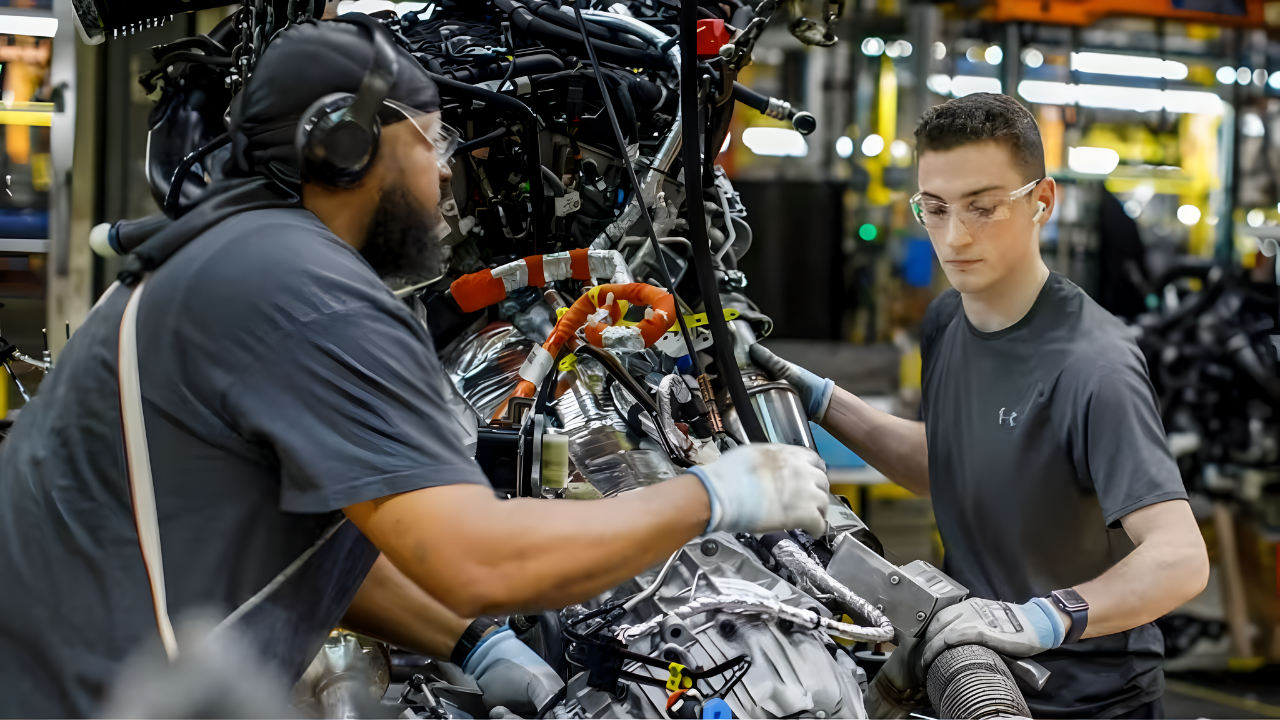
Termination notices are already dated. 1,514 jobs at BlueOval SK Battery Park are scheduled to disappear starting February 14, just months after the factory began operating.
Production lines that opened in late summer are now preparing to shut down, with workers told operations will cease even as pay continues through their termination dates. The collapse unfolded fast—but what triggered such a sudden reversal after billions were spent?
Battery Hype Peaks
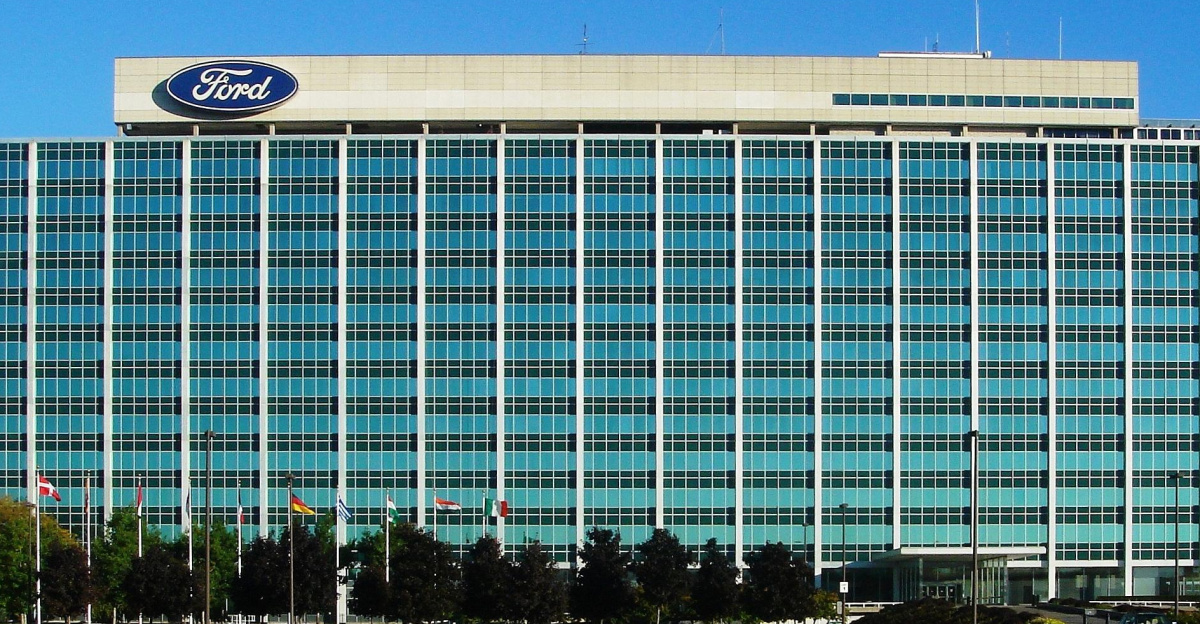
When Ford Motor Company unveiled its massive investment in Glendale, state leaders called it transformational. The project was framed as the largest economic development in Kentucky history, backed by billions in incentives and national attention.
The goal was clear: anchor Kentucky in the EV future. But as consumer demand softened and costs surged, the optimism surrounding battery manufacturing began to crack.
Joint Venture Born
In September 2021, Ford announced a partnership with South Korea–based SK On to launch BlueOval SK Battery Park near Glendale, Kentucky, roughly 50 miles south of Louisville.
The formal joint venture was established in July 2022. The plan included two massive EV battery plants employing up to 5,000 workers.
Hiring began in 2023, and expectations ran high. Few anticipated how quickly global EV conditions would shift.
Production Falters Fast
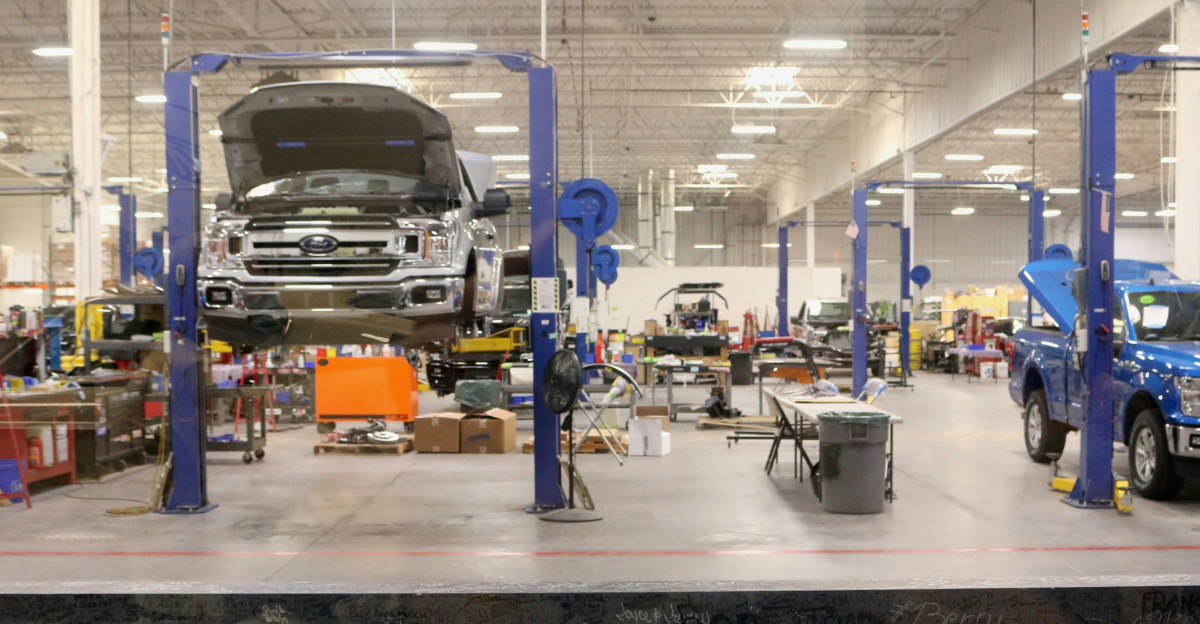
Kentucky 1 officially began producing EV batteries in late summer 2025. But within months, internal pressures mounted. Slower EV sales, higher costs, and changing federal policy weighed heavily on the venture.
By December, Ford signaled a dramatic pivot. The second plant, Kentucky 2, never opened. What was designed as a long-term manufacturing anchor was suddenly facing a premature shutdown.
Layoffs Hit Hard
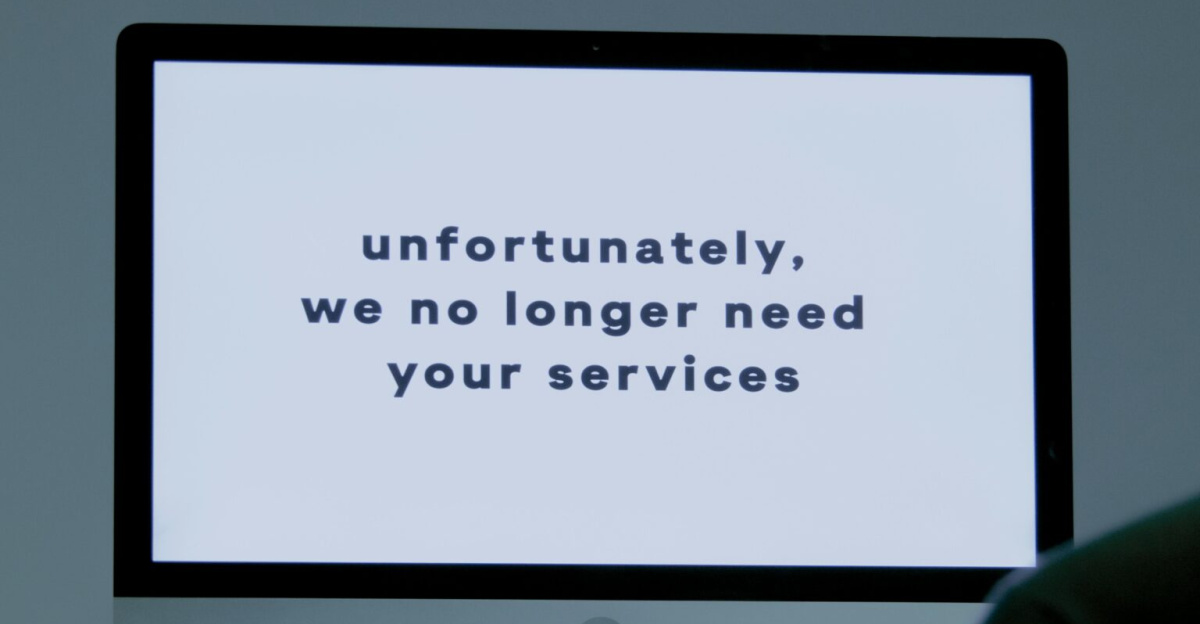
The break became official on December 11, when Ford dissolved its joint venture with SK On and assumed full control of the site.
Four days later, CEO Michael Adams informed employees that 1,514 jobs would be eliminated beginning February 14, 2026.
Production operations are expected to cease before that date, ending EV battery manufacturing barely six months after it began.
Community Reels

For Glendale and surrounding Hardin County communities, the layoffs land like an economic shockwave. Workers affected include both hourly and salaried employees, many drawn to the plant for its promise of long-term stability.
Although the WARN Act guarantees 60 days of pay and benefits, the sudden loss of income threatens housing security, local businesses, and an already fragile rural economy.
Families Feel Pain

Behind the numbers are 1,514 households facing abrupt uncertainty. Many workers were hired as recently as 2023, expecting decades of employment.
Instead, they are confronting termination less than two years later. In his memo, Adams confirmed production would end regardless of whether employees were called in, underscoring how quickly the project’s trajectory reversed.
Ford Scales Back

The Kentucky layoffs mirror a broader retreat across Ford’s EV business. The company recently disclosed a $19.5 billion impairment charge tied to its electric vehicle operations, reflecting slower demand and rising losses.
Similar pauses by other automakers signal that the EV transition is proving far more volatile—and costly—than initially forecast.
EV Market Cools

Once viewed as inevitable, EV growth has cooled across the U.S. Market adoption remains uneven, infrastructure challenges persist, and pricing pressures continue.
Kentucky’s battery project, once framed as future-proof, now illustrates how quickly large-scale EV manufacturing bets can unravel when demand fails to materialize at expected levels.
Hiring Twist Emerges

Ford insists the shutdown is not permanent. The company plans to repurpose the site to produce battery energy storage systems (BESS) and hire 2,100 workers within approximately 18 months.
However, no firm timeline has been set, and laid-off workers receive no priority rehiring guarantee—leaving a long employment gap with no clear bridge.
Workers Voice Frustration
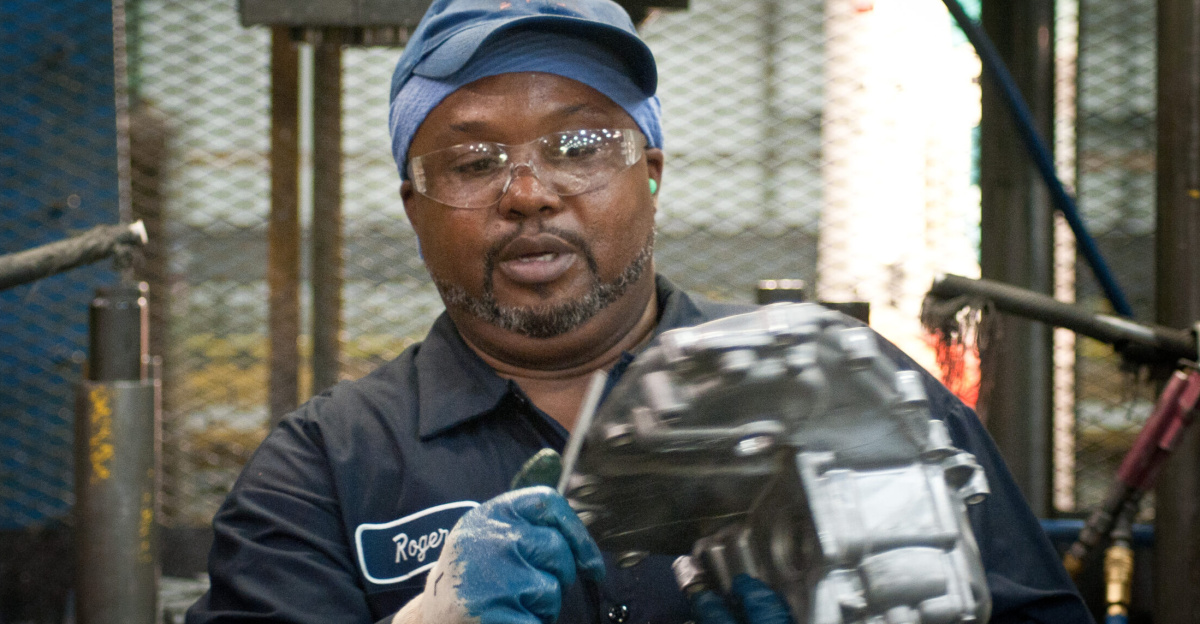
Employees say the pivot feels abrupt and destabilizing. Many relocated or retrained specifically for EV battery roles, only to see the entire operation shut down months later.
Internal communications confirmed that all Kentucky EV battery positions would be eliminated, intensifying frustration among workers who believed they were building a long-term career.
Leadership Takes Control
Following the December 11 split, Ford assumed full ownership of BlueOval SK Battery Park. Adams now oversees the site’s transition away from EV batteries.
The move marks Ford’s first major shift from EV battery production to grid-scale energy storage—effectively launching a new business line while dismantling another.
Repurposing Push

The $5.8 billion complex is now being retooled for BESS production, a slower-growing but more stable market.
While Ford frames the transition as forward-looking, the immediate impact is severe. WARN protections provide temporary relief, but displaced workers face at least an 18-month gap before potential reemployment.
Skeptics Weigh In

Economic analysts remain cautious. Even if all 2,100 BESS jobs materialize, the project would still deliver nearly 3,000 fewer jobs than originally promised.
The speed of the collapse has cemented its reputation as Kentucky’s biggest battery disappointment, raising doubts about large incentive-driven EV manufacturing bets.
Horizon Uncertain

Whether Glendale rebounds depends on execution, timing, and market conditions. Battery storage demand is growing, but far more slowly than EV optimism once suggested.
For now, workers and local leaders are left watching construction sites and calendars, waiting to see if promised rehiring becomes reality—or another delay.
Policy Fallout Looms

State lawmakers now face scrutiny over the massive incentives tied to the project.
With thousands of jobs disappearing and one plant still idle, questions are mounting over whether public funds were adequately protected against market volatility and federal policy reversals.
Global Ties Severed
SK On’s exit reflects a broader pullback from U.S. EV expansion by international partners. Trade tensions, policy shifts, and slowing demand are reshaping global battery strategies.
The dissolution of the joint venture underscores how quickly multinational alliances can unravel when economics shift.
WARN Safeguards Kick In

Federal WARN Act rules require large employers to provide advance notice and continued pay during mass layoffs.
For Glendale workers, this guarantees at least 60 days of income and benefits, offering a temporary buffer—but no long-term solution—as the plant winds down operations.
Hype Meets Reality
Kentucky’s EV boom was built on bold promises and national enthusiasm. The sudden collapse of its flagship battery project has reshaped expectations statewide.
It has transformed pride into caution and forced communities to rethink what “green manufacturing” truly delivers on the ground.
Signals Broader Shift
BlueOval SK’s pivot is more than a local story. It signals a recalibration of America’s EV ambitions, where speed, scale, and policy collided with economic reality.
As Ford shifts toward energy storage, Kentucky is left grappling with the human cost of a future that arrived—and vanished—far faster than promised.
Sources:
“South Korea’s SK On, Ford Motor to End U.S. Battery Joint Venture.” Reuters, 11 December 2025.
“Ford Takes $19.5 Billion Hit in Detroit’s Biggest EV Bust.” The Wall Street Journal, 15 December 2025.
“‘Now they’re left in the rain’: BlueOval workers in Glendale face Feb. 14 closing date.” WKY Public Radio, 23 December 2025.
“Ford and SK On end US battery venture.” EverTIQ, 11 December 2025.