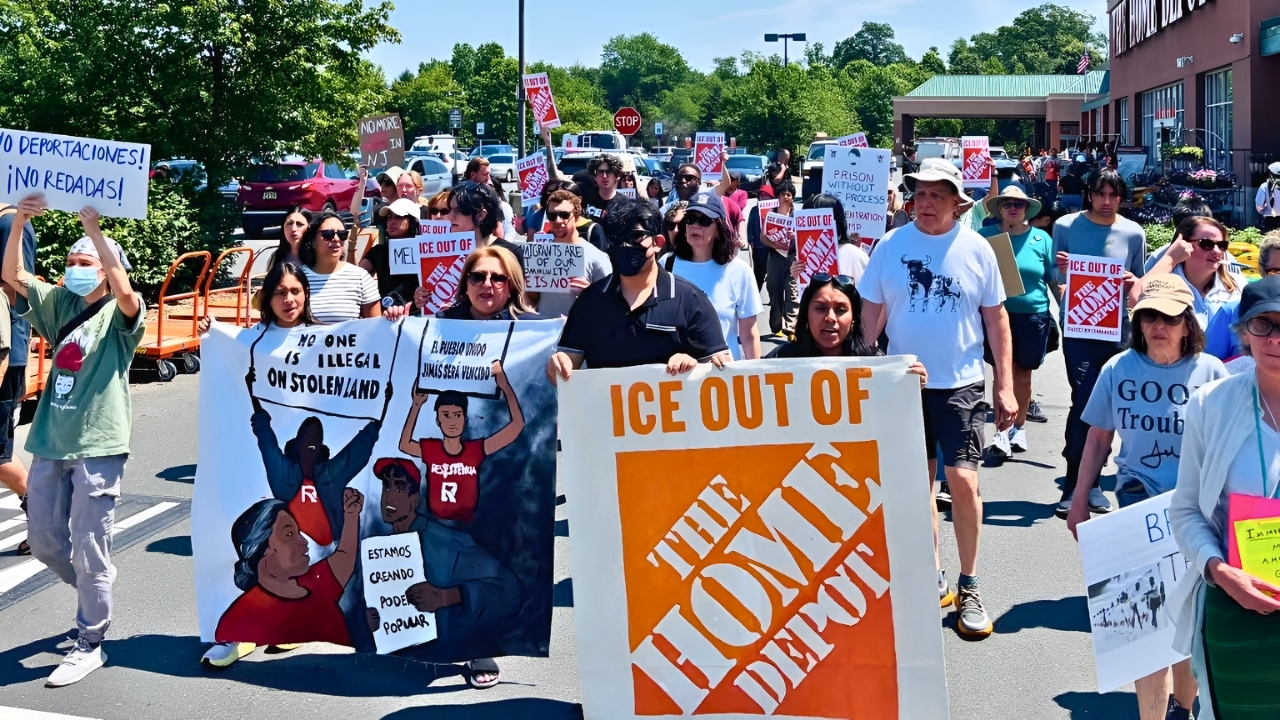
As Americans prepare for the year’s most significant shopping period, coordinated boycott movements are urging consumers to avoid Amazon, Target, and Home Depot from Thanksgiving through Cyber Monday. The “We Ain’t Buying It” campaign, led by Black Voters Matter, and the broader “Mass Blackout” initiative, organized by more than 50 grassroots organizations, frame their efforts as economic resistance to corporate diversity rollbacks and alleged immigration enforcement cooperation. These campaigns arrive at a critical moment when the Thanksgiving-Cyber Monday shopping period is expected to drive substantial consumer spending.
Target’s Backlash and Financial Strain
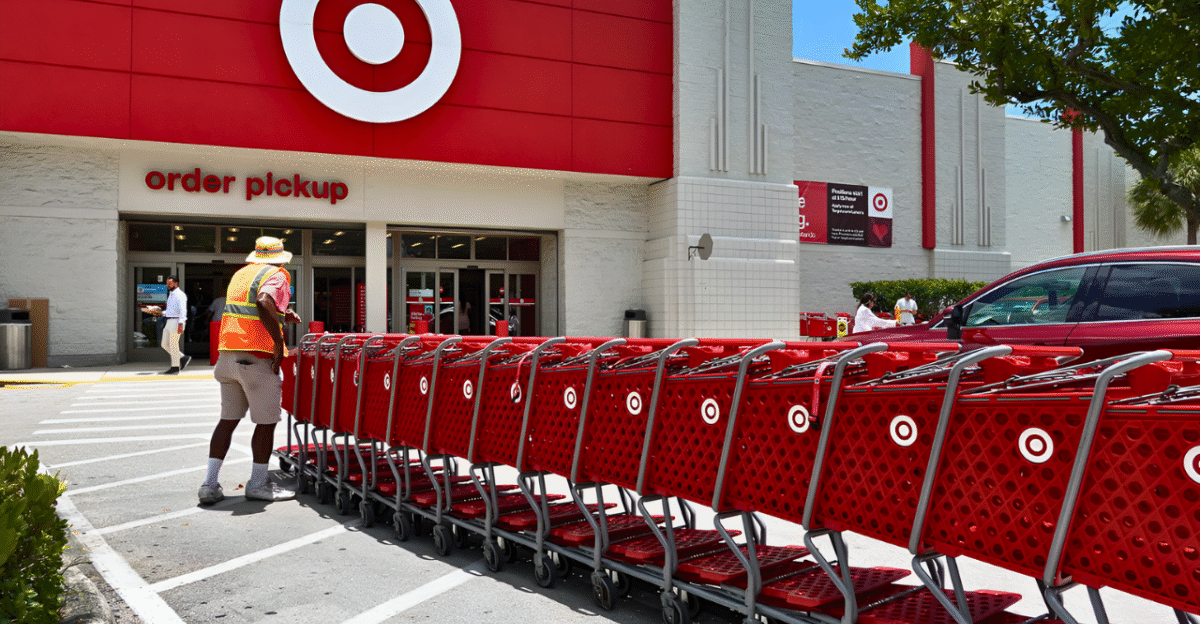
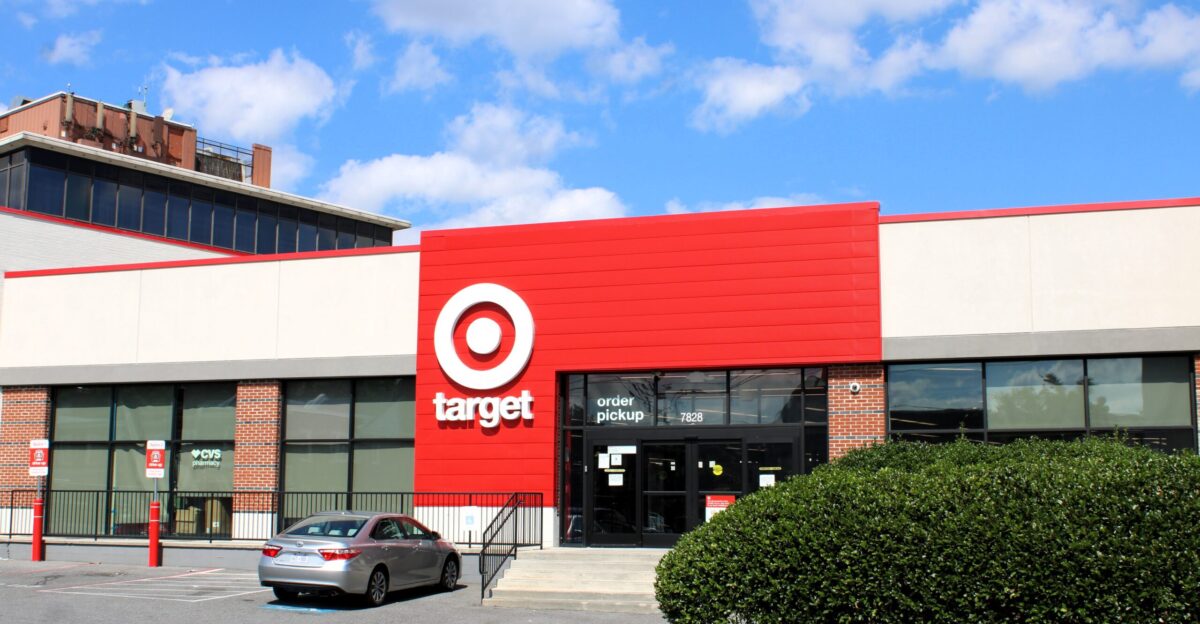
Target has already provided a cautionary example of boycott consequences. Following the company’s decision to wind down diversity, equity, and inclusion programs in early 2025, CEO Brian Cornell announced his resignation in August (effective February 2026) after sustained backlash. The company’s stock declined 33 percent following the DEI announcement, erasing over $20 billion in market value. Q2 2025 operating income declined 19.4 percent to $1.3 billion, while earnings per share stood at $2.05. Target’s guidance indicates a low-single digit decline in fiscal 2025 sales, with financial analysts citing boycott impact as a contributing factor.
Mixed Results from Past Efforts
However, earlier boycott attempts reveal significant limitations. An organized effort on February 28, 2025, produced mixed results. According to Momentum Commerce data reviewed by Newsweek, Amazon’s U.S. sales rose 1 to 3 percent compared to an average Friday despite boycott calls. While peak-hour sales were slightly lower than typical, earlier sales compensated for the decline entirely. Retail analyst Marshal Cohen from Circana explained that individual single-day boycotts face structural limitations in today’s consumer markets. Northwestern University professor Brayden King cautioned that single-day boycotts may temporarily impact daily sales but rarely lead to sustained corporate changes.
Consumer Fatigue and Campaign Goals
Consumer participation in boycotts has declined significantly. Only 21 percent of consumers report boycotting brands for political reasons, a 10-percentage-point decline from 2021 levels, according to Morning Consult analysis. Inflation-driven economic pressures are primarily responsible for this shift, as budget flexibility has declined substantially among American households.
The “We Ain’t Buying It” campaign specifically targets three retailers during a five-day window from November 27 through December 1, 2025. Black Voters Matter cites Target for abandoning DEI programs under political pressure. Amazon is being targeted for CEO Jeff Bezos’s $1 million donation to the Trump inaugural fund. Home Depot faces boycott allegations regarding immigration enforcement cooperation, though the company explicitly denied these claims, stating it receives no advance notifications of immigration enforcement activities on company properties.
The broader “Mass Blackout” campaign runs from November 25 through December 2, urging participants to refrain from all spending at major corporations and cancel streaming subscriptions. Unlike the more focused “We Ain’t Buying It” effort, this campaign aims at comprehensive consumer participation across all major corporations while encouraging support for small businesses instead.
Home Depot’s stock has declined approximately 14 percent this year amid broader retail sector challenges and added boycott pressure. Q3 2025 revenue reached $41.4 billion, up 2.8 percent year-over-year, exceeding expectations. However, adjusted earnings per share declined to $3.74 from $3.78, a decline of 1.1 percent, disappointing analyst expectations.
Historical boycott examples demonstrate varying effectiveness levels. Bud Light’s 2023 boycott resulted in U.S. sales dropping up to 26 percent, causing the brand to lose its top position. A 2020 Goya Foods boycott resulted in short-term sales increases from consumers making countercultural purchases. Starbucks has experienced sustained boycott pressure resulting in a loss of approximately $11 billion in market value through 2024. The company has announced plans to close approximately 500 stores globally as part of a broader restructuring initiative.
Retail analysts emphasize the difficulty of isolating boycott-specific revenue impacts from other market factors during periods of economic uncertainty. During inflationary periods and amid tariff threats, distinguishing boycott-driven sales declines from natural market dynamics proves extremely challenging. Marshal Cohen explained that retailers often cannot clearly attribute specific sales declines to boycotts versus general economic pressures.
Despite extensive boycott organizing and media coverage, actual participation estimates remain largely speculative and unverified. Local organizers in various regions have estimated their participation levels, but no credible national polling or survey data quantify expected participation rates nationally or regionally.
The National Retail Federation projects 186.9 million Americans will shop from Thanksgiving through Cyber Monday 2025. The Thanksgiving-Cyber Monday period represents a significant portion of November-December holiday retail activity, with the NRF forecasting November-December sales growth of 3.7 to 4.2 percent. Total holiday sales are projected to exceed $1 trillion for the first time, though growth rates remain slower than historical trends.
Whether these holiday season boycotts achieve meaningful financial impact remains uncertain. Historical data suggest that actual impact often falls significantly short of organizer projections and consumer stated intentions. The coming weeks will provide crucial data about whether organized consumer movements can meaningfully influence corporate behavior during the year’s most critical retail period.