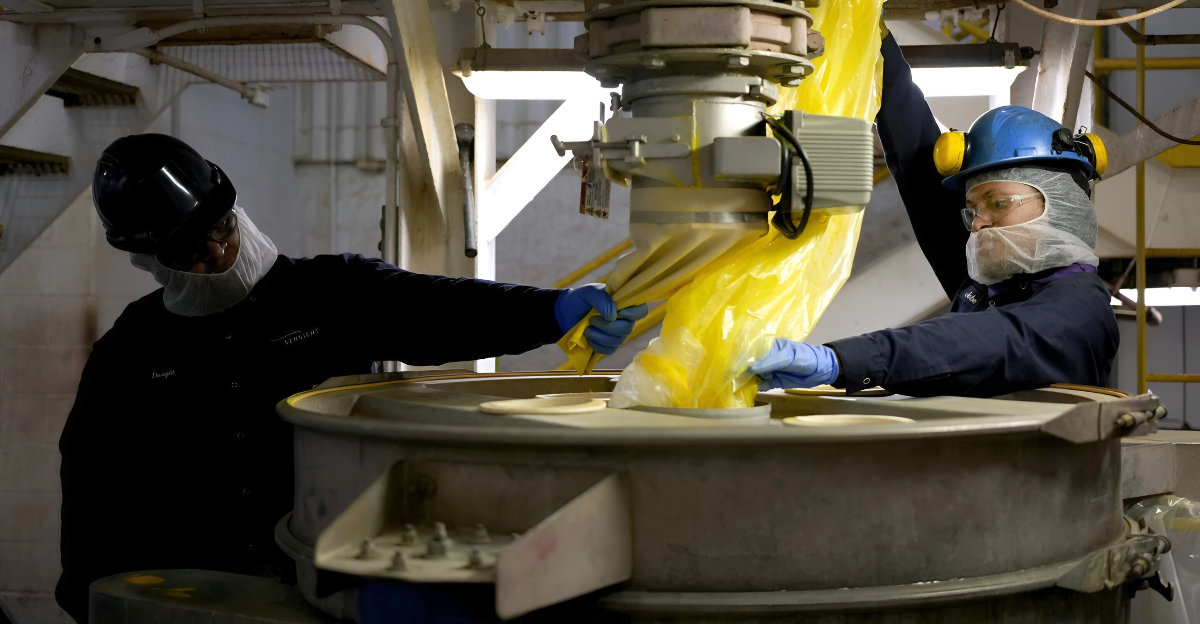
For decades, America’s snack aisles have dazzled kids and adults alike with their bright reds, blues, and yellows. But in 2025, the same companies that made snacks so visually irresistible are answering a new call.
As FDA and public health leaders confront the risks of petroleum-based dyes, Big Food faces a reckoning: can iconic munchies keep their signature color with natural alternatives?
This consumer-driven transformation brings together nostalgia, scientific concern, and a modern push for transparency across supermarket shelves, making snack colors the unexpected frontier in food innovation.
Why Dyes Are Now Controversial
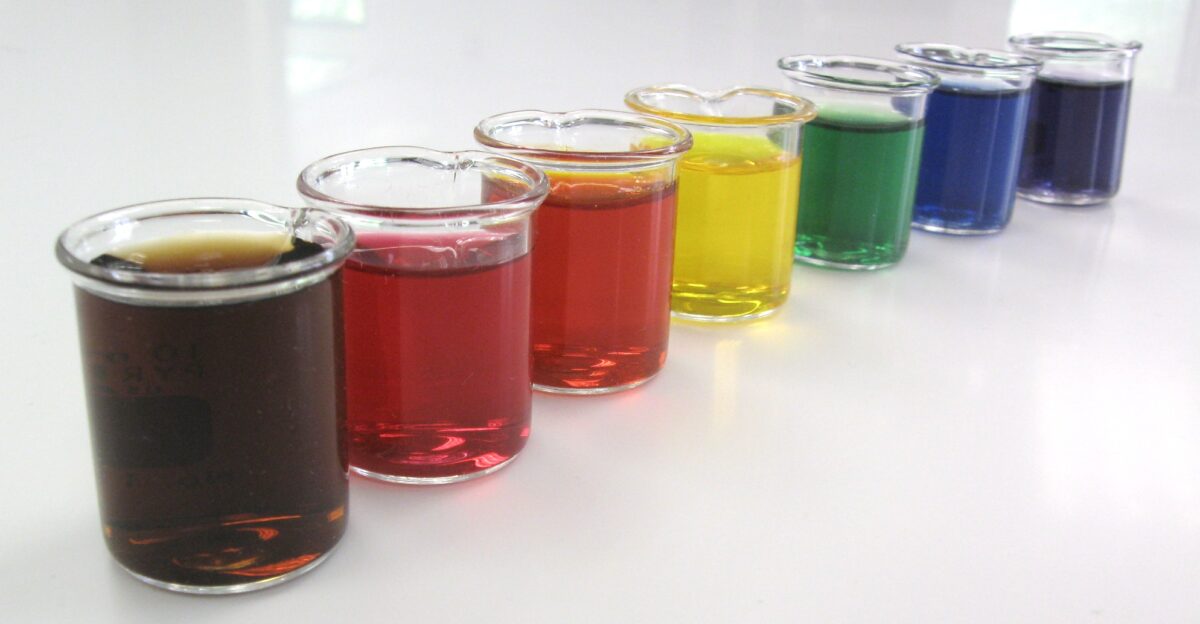
Recent research continues to link petroleum-based synthetic dyes to attention and behavioral concerns in children, and some regulatory agencies—including the European Food Safety Authority (EFSA)—have recommended caution regarding their consumption.
The FDA acknowledges these ongoing studies and notes that certain synthetic dyes “offer no nutritional value.” Many health groups cite EFSA reviews and FDA advisories as the impetus for demanding reform, though official positions stop short of direct causation
The FDA Steps In—A Timeline for Change
In April 2025, the FDA faced mounting pressure from public health advocates and several states introducing their own phase-out bills for synthetic food dyes. While a formal national ban is under consideration, no official federal mandate with hard deadlines is currently enacted.
Instead, the FDA has encouraged manufacturers to voluntarily move away from dyes like Red No. 3, Red No. 40, Yellow No. 5, and Blue No. 1, responding to consumer safety concerns and ongoing review by advisory committees. States such as California and New York are driving stricter local rules, shaping the pace of change
Kraft Heinz—Leading by Example
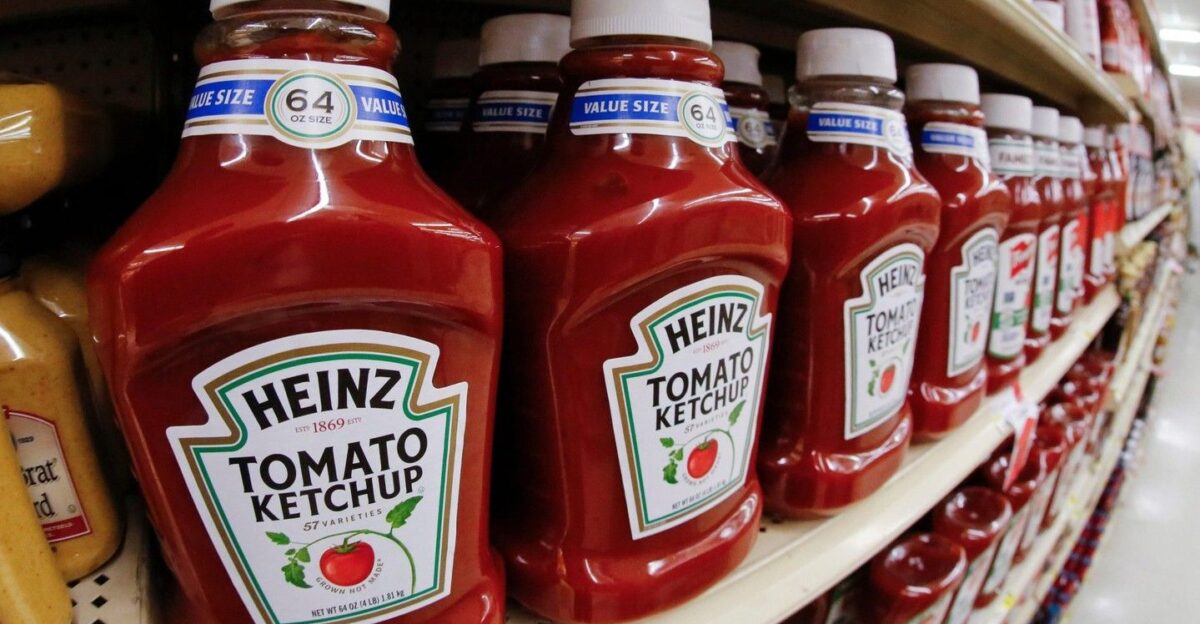
Kraft Heinz set the pace for change, with nearly 90% of its U.S. products already dye-free as of mid-2025 according to NPR and Reuters. The company’s iconic Kraft Mac & Cheese switched from artificial yellow to spices like paprika and turmeric years ago, showing innovation can preserve legacy flavors.
North America president Pedro Navio declared they’ll stop introducing items with synthetic dyes immediately and will remove them from remaining lines—like Jet-Puffed and Jell-O—by 2027. Their wider message is that reform isn’t just compliance, it’s about earning trust with every box.
General Mills—A Race to Clean Labels
General Mills is sprinting toward dye-free shelves, removing synthetic colors from all U.S. cereals and K-12 food lines by summer 2026 according to public statements documented in industry reports and NPR coverage. Their target is an immaculate portfolio by the end of 2027.
85% of General Mills’ products—including favorites like Lucky Charms—already use natural hues. The company sees reformulation as a way to meet evolving consumer demand. Their cereal bowls now showcase colors from fruit, vegetables, and vibrant spices, aiming to balance childhood nostalgia with responsible change.
Nestlé USA—Speed Meets Strategy
Nestlé USA announced one of the fastest timelines stating that synthetic dyes will be entirely out of its U.S. portfolio by mid-2026 as noted by statements appearing in Reuters, Food Dive, and third-party outlets. The company says 90% of its products—including brands like Smarties, Lean Cuisine, and KitKats—are dye-free already.
CEO Marty Thompson stresses the focus is on “adapting to consumer preferences and nutritional needs,” deploying gardenia extract, beet juice, and caramel color to replicate iconic looks. Their dye-free journey is technical and visionary, aiming for trust and excitement in every snack.
Conagra—Fastest Frozen Foods
Conagra’s pivot is remarkably swift with all artificial colors out of its frozen foods—Marie Callender’s, Birds Eye, Healthy Choice—by the end of 2025. Executive VP Tom McGough calls this change “just one aspect of a broader strategy to modernize our portfolio.”
They’re converting K-12 school offerings, aiming for dye-free by 2026-27. Families buying frozen meals will see colors from food, not factories—serving the same convenience, but with more peace of mind.
Smucker—A Pledge to Families
J.M. Smucker’s dye removal plan will impact lunchboxes and desserts alike, with Hostess, fruit spreads, and ice cream toppings slated to be dye-free by 2027. Their commitment goes further for schools—those products will lose artificial colors by 2026-27.
President John Brase says their focus is on “safe, quality, affordable products,” reflecting a desire to protect kids’ health without sacrificing familiar flavors. This pledge signals both business evolution and a personal promise to American families.
PepsiCo—Changing Snack Favorites
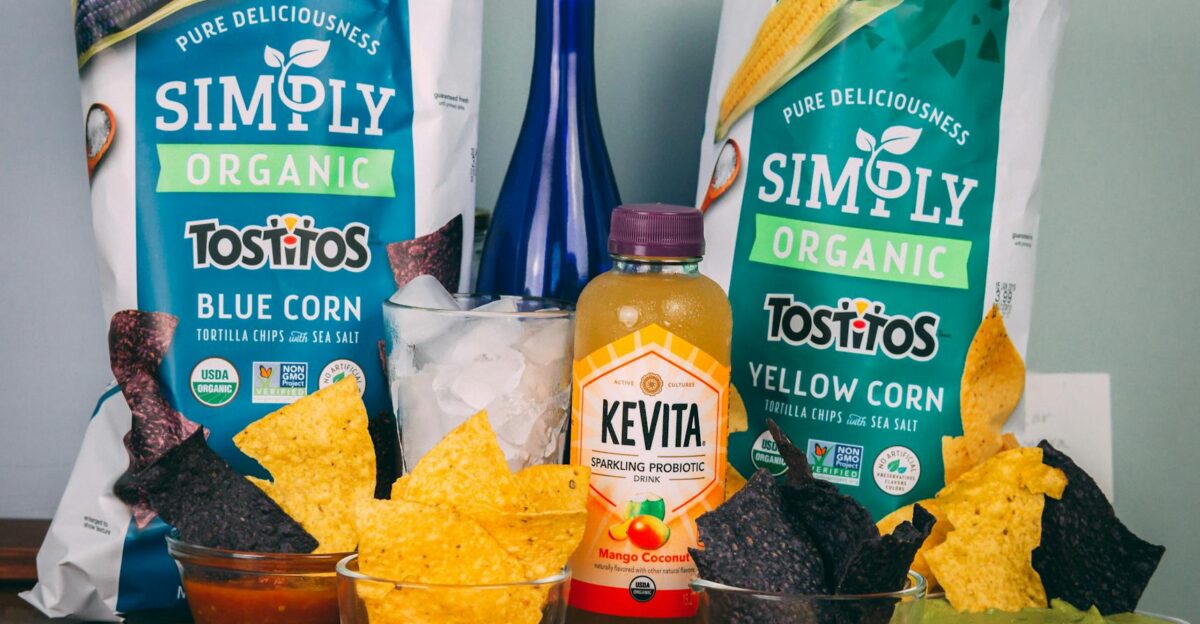
PepsiCo, known for its bold Lay’s and Tostitos brands, pledged in April 2025 to eliminate artificial colors from those snacks by the end of 2025. CEO Ramon Laguarta frames this as a “portfolio-wide health transformation,” with over 60% of their foods already dye-free.
PepsiCo’s challenge is taste and visual appeal—proving that cleaner formulations can win loyal fans. The move signals a broader intention: all PepsiCo snacks will soon offer familiar flavors with a fresh take on safety.
Hershey—Sweet Treats, New Approach
By 2027, Hershey’s classic candies, from Jolly Rancher to Reese’s, will eliminate synthetic dyes. Innovation is key and Hershey promises to preserve excitement, making “natural” as much fun as the old vivid wrappers.
They’re reformulating sweets to bridge tradition with trust. The shift isn’t just scientific, it’s about keeping the playful spirit in every treat, giving consumers both flavor and reassurance with every handful.
WK Kellogg—Transforming Table Staples
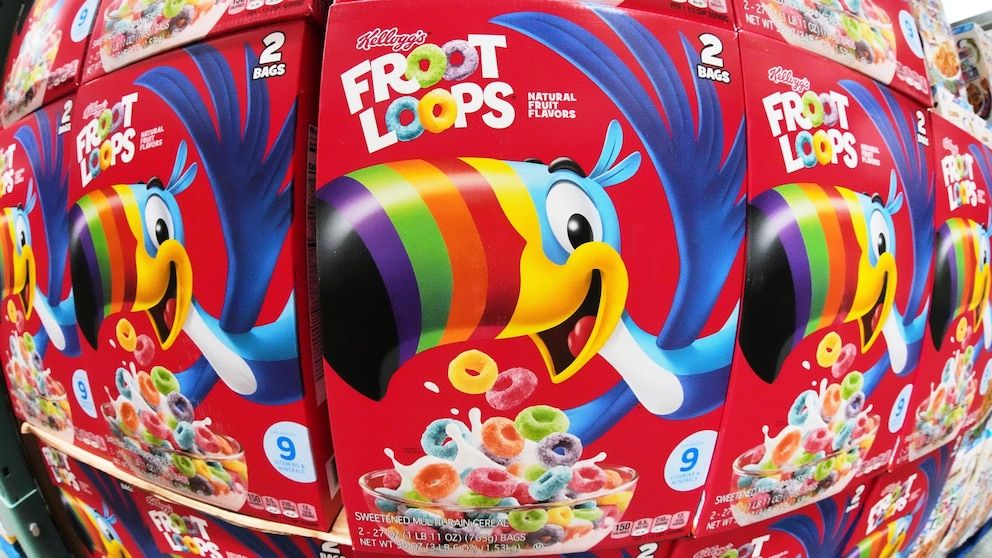
WK Kellogg, the name behind Froot Loops and Apple Jacks, will stop introducing cereals with synthetic dyes after January 2026 and remove them entirely by 2027. School breakfast options are leading the way, promoting dye-free mornings for children nationwide.
The overhaul blends nostalgia and forward-looking nutrition, showing that iconic flavors and colors can be reimagined for health-conscious families. Kellogg’s is betting breakfast can still be fun, just with new rules.
Tyson Foods—Acting with Speed
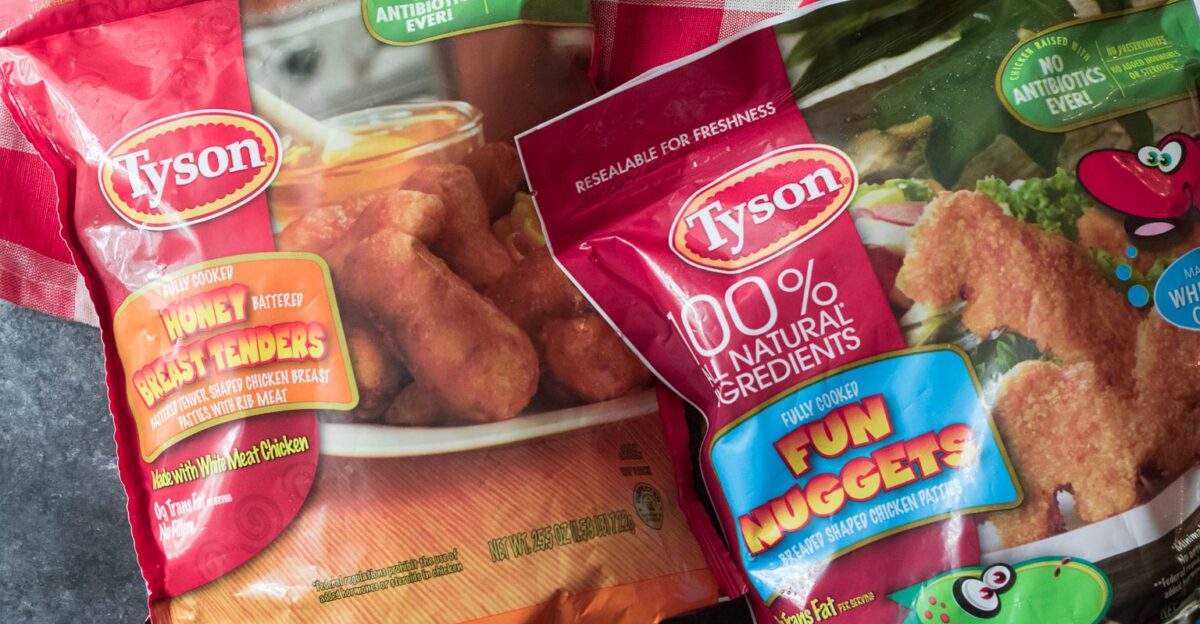
Tyson Foods completed its transition in May 2025, stripping synthetic dyes from all retail-branded products, especially chicken nuggets. CEO Donnie King views speed as paramount—a reassurance for parents choosing dinner options.
For Tyson, reform isn’t just a regulatory task, but a quest for customer trust, ensuring familiar favorites stay recognizable and clean. The rapid switch puts Tyson at the front of the race for safe, appealing grocery choices.
The Science: What’s at Stake?

Research drawn from advisory statements by the FDA and EFSA shows links between certain food dyes and increased risk of hyperactivity in children, as well as potential ties to obesity and metabolic issues. FDA experts emphasize these changes are part of a greater push for child wellness.
Nutritionists caution, however, that removing dyes alone doesn’t make snacks healthy as real gains come from less sugar, more whole ingredients, and overall moderation. For consumers, dye-free is just the start of a new way to shop and snack.
Nostalgia vs. Wellness—The Consumer Dilemma
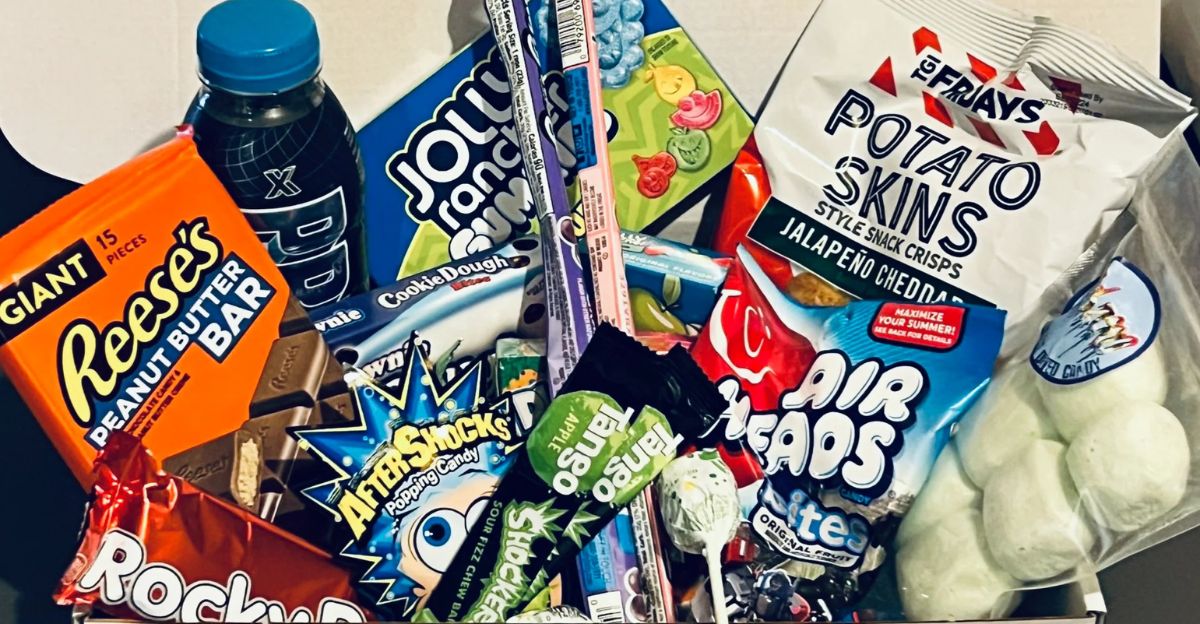
American snack lovers aren’t all looking forward to change. Social media is filled with childhood memories inspired by neon gummies and cereals. Many worry that natural alternatives may not deliver the same punch or excitement.
Brands must walk a fine line, ensuring reformulation keeps old “wow” factors alive. The debate is personal: how does a nation hooked on color rediscover simple joy in food without it?
Sourcing Nature’s Colors
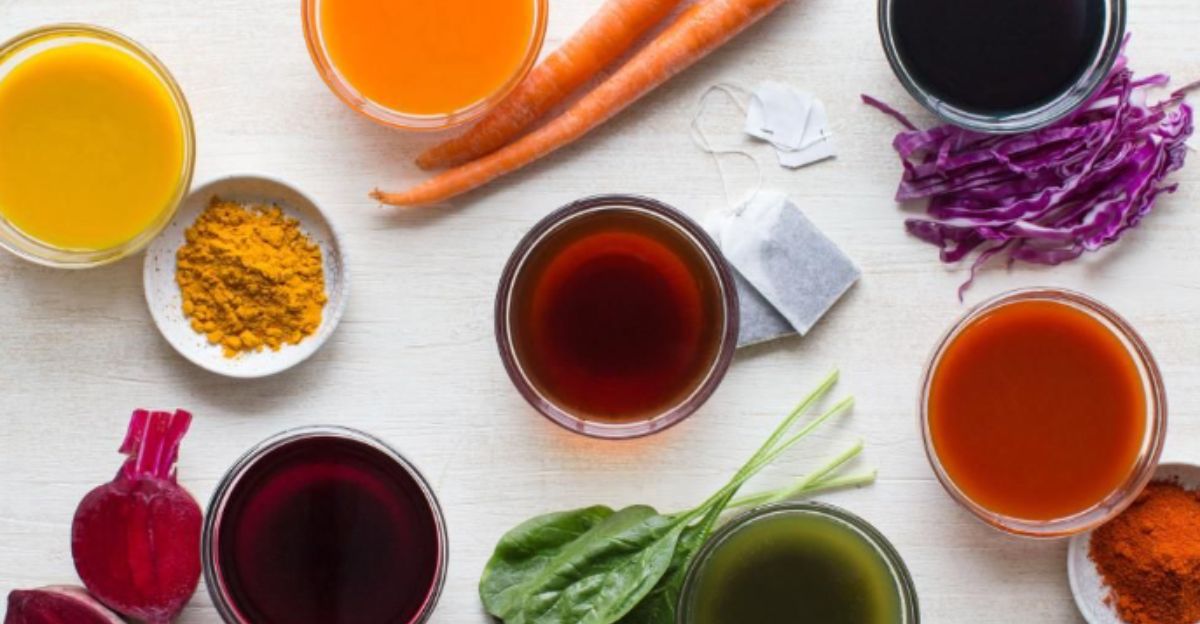
Innovation in color is booming. Brands are using beet juice, turmeric, butterfly pea flowers, and gardenia blue—FDA-approved options that promise eye-catching hues while boosting safety. Product development means endless taste tests, focus groups, and collaborations with ingredient suppliers.
The challenge: Can naturally sourced colors deliver the vibrancy Americans expect without health risks? The new palette changes how Americans experience food, reflecting values and expectations.
School Cafeterias—Kids at the Forefront

School lunch programs are driving much of the reform. Big Food companies must deliver dye-free options for K-12 cafeterias by summer 2026. Some states, like West Virginia, already require it, forcing early adoption nationwide.
It’s a milestone for parents—healthier food choices for millions of kids. But for brands, this means rapid reformulation, new supply chains, and a chance to shape lifelong eating habits for future generations.
Patchwork Laws and Industry Response
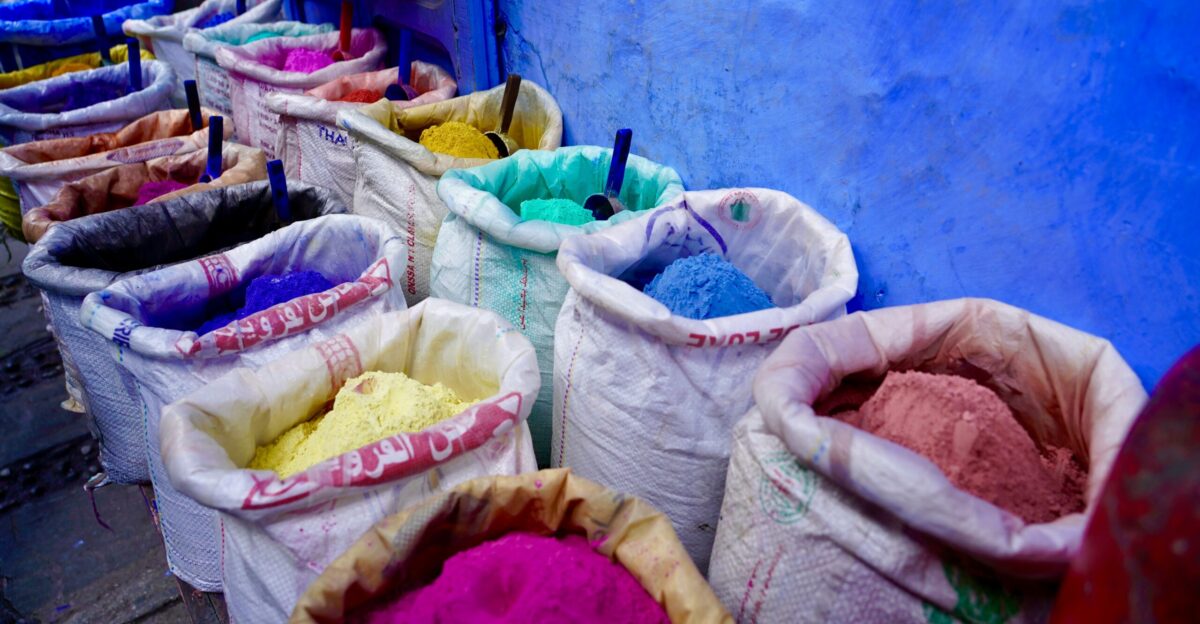
Regulation isn’t just federal—states from California to Texas have passed laws banning or limiting synthetic dyes, creating a complex “patchwork” for national food manufacturers. Compliance requires agile reformulation and monitoring of both state-level and FDA rules.
Industry leaders invest more in innovation, as navigating conflicting mandates becomes a competitive necessity. Absolute momentum is built by showing leadership, rather than waiting for legislation to force change.
Social Media Shapes the Reform Story

The clean-label movement lives online. Snack reform stories, product launches, and ingredient explainer videos thrive on TikTok, Instagram, and YouTube. Viral trends challenge brands to act fast, while consumers compare new dye-free treats and share feedback with millions.
For food makers, listening to digital chatter is now an industry imperative where every launch and reformulation might become the next hashtag, instantly shaping consumer perception.
R&D and the Snack Race
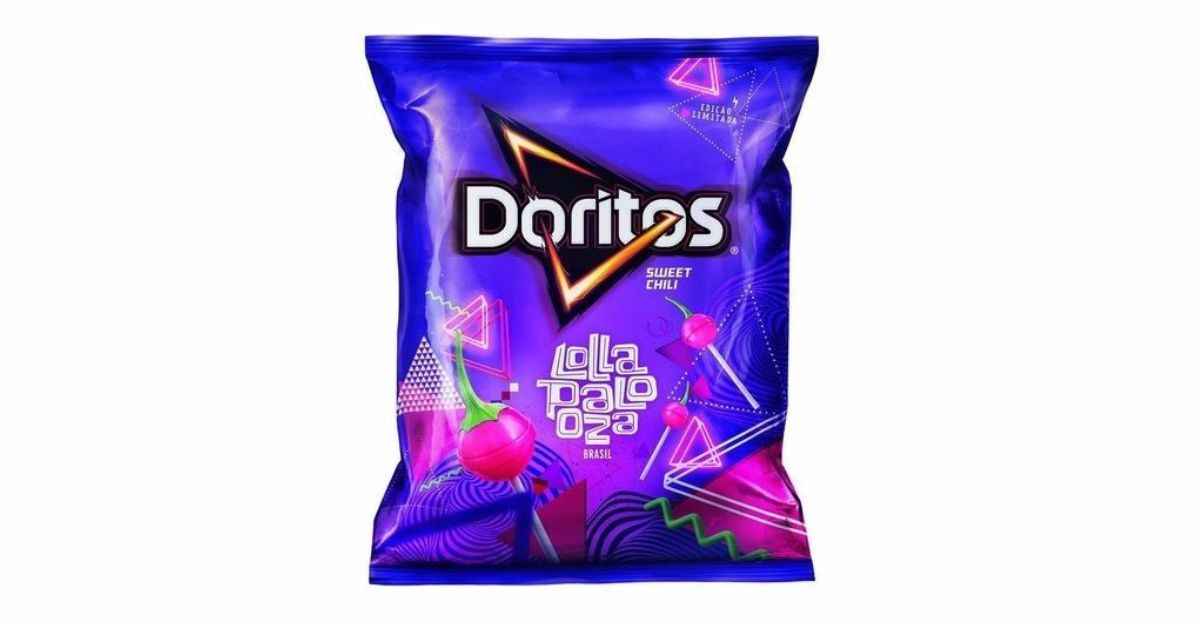
Investment in research and development has surged. All major brands experiment with natural pigments and novel flavors—spicy ranch, berry blast—to wow new generations. R&D labs are tasked with matching the precise look and taste Americans expect, without shortcuts.
As regulations force the pace, companies look to set trends rather than follow, striving to remain beloved and responsible across America’s snackscape.
The New Snack Era—What’s Next
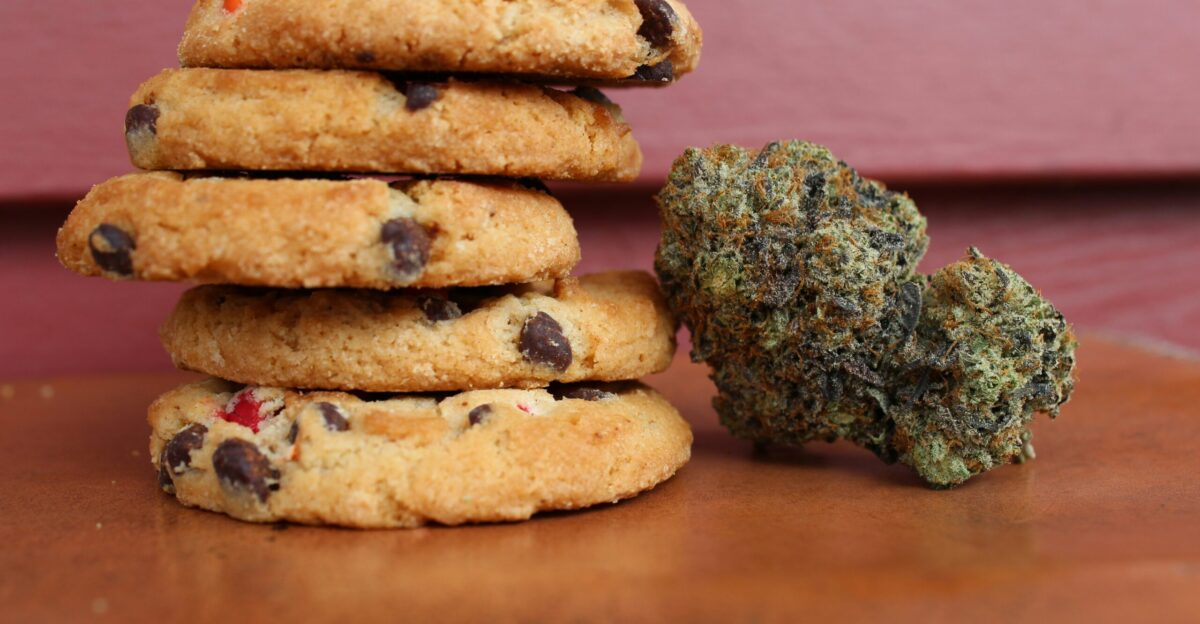
By 2027, the ripple effect of Big Food’s dye removal will be everywhere—from breakfast cereals to school cookies. Shelves and lunch boxes will feature more naturally vibrant colors, reflecting health, transparency, and trust.
Brands hope the result is a nation that feels safer snacking and kids who eat more wisely. Yet the story is still being written—whether new products can truly capture the old spirit remains to be seen. The transition is more than regulatory—a cultural shift in America’s colorful history.