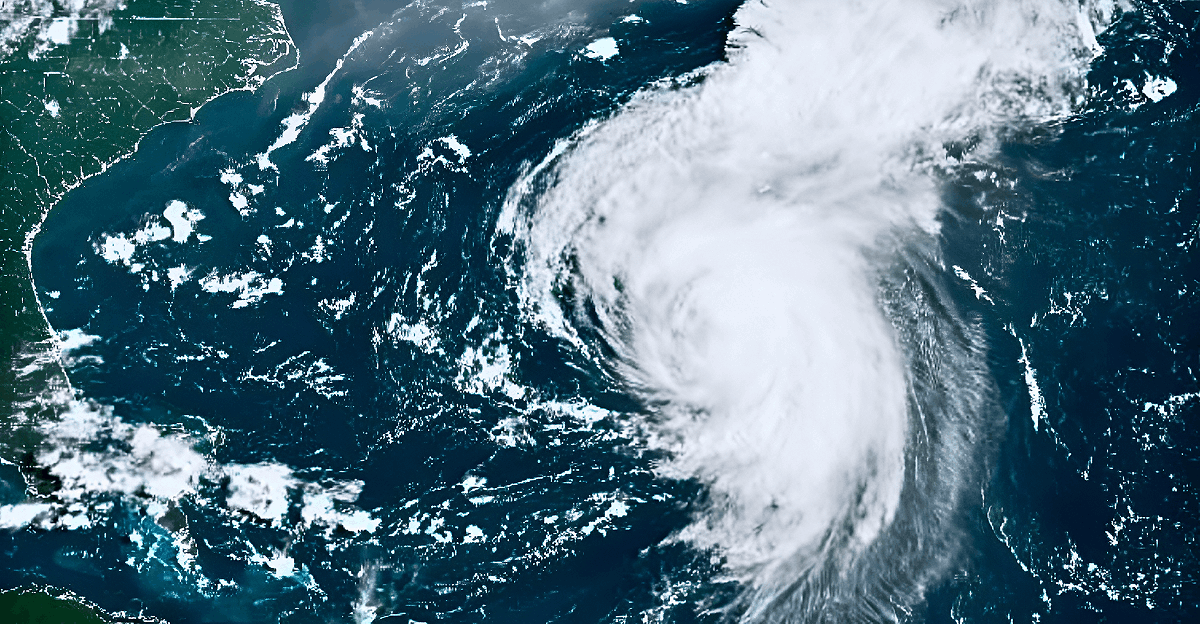
In September 2025, Bermuda was in a tough spot. The island was about to be hit by two hurricanes within two days, a phenomenon that rarely occurs.
The first hurricane, called Humberto, was set to pass the island on Tuesday, followed by Imelda on Wednesday night.
Meteorologists warned that these storms were unusually close together in both time and space.
The government quickly established emergency plans, instructing people to prepare and take this threat seriously.
Residents were told that this wasn’t just a “normal storm,” but a rare situation where strong winds could last for several hours and cause significant damage.
Rare Pairing
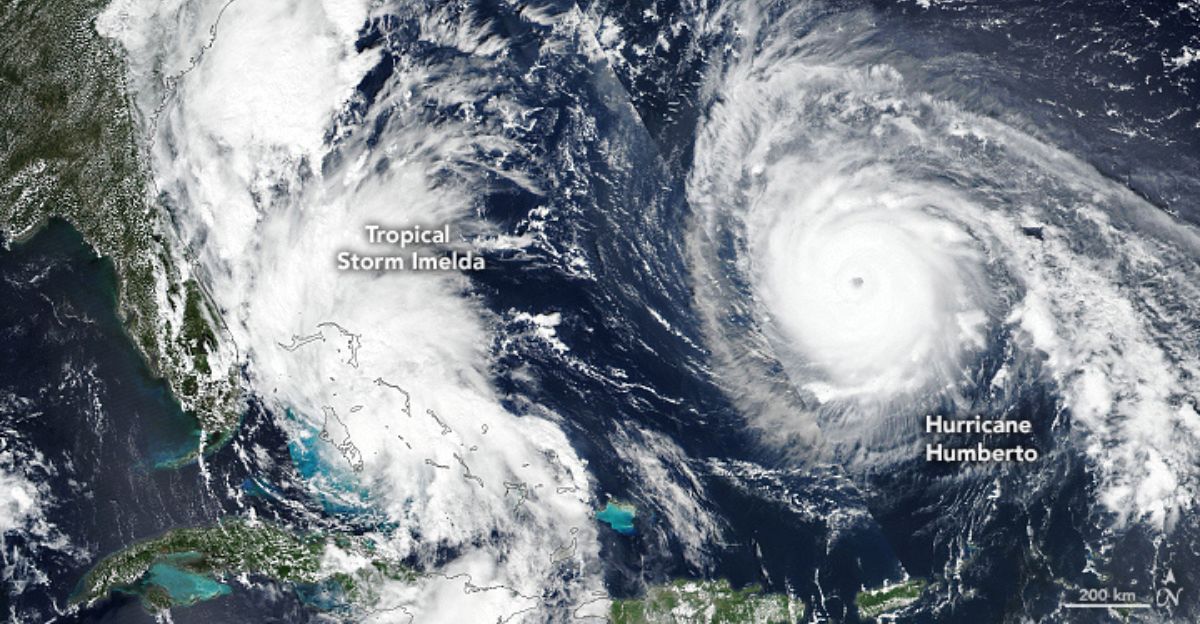
Two hurricanes approaching one small island at once is infrequent. Experts said that Humberto and Imelda formed one of the tightest hurricane pairs seen in the Atlantic since modern satellite monitoring began in the 1960s.
At one point, the storms were only 450 miles apart.
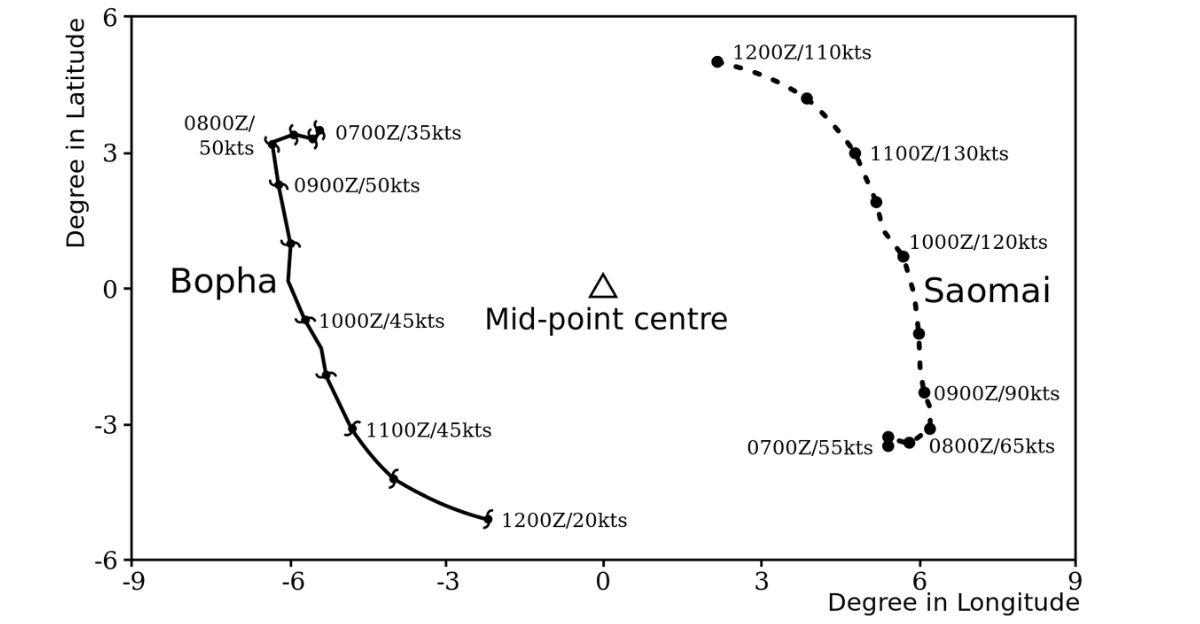
They spun so close together that scientists observed a phenomenon known as the Fujiwhara effect, whereby their paths and strength influenced each other.
Typically, this phenomenon occurs more frequently in the Pacific, but in 2025, it gained prominence in the Atlantic.
In this case, Bermuda got the worst of it, while the U.S. East Coast avoided bigger trouble that these storms could have caused if they’d acted differently.
Island Preparations
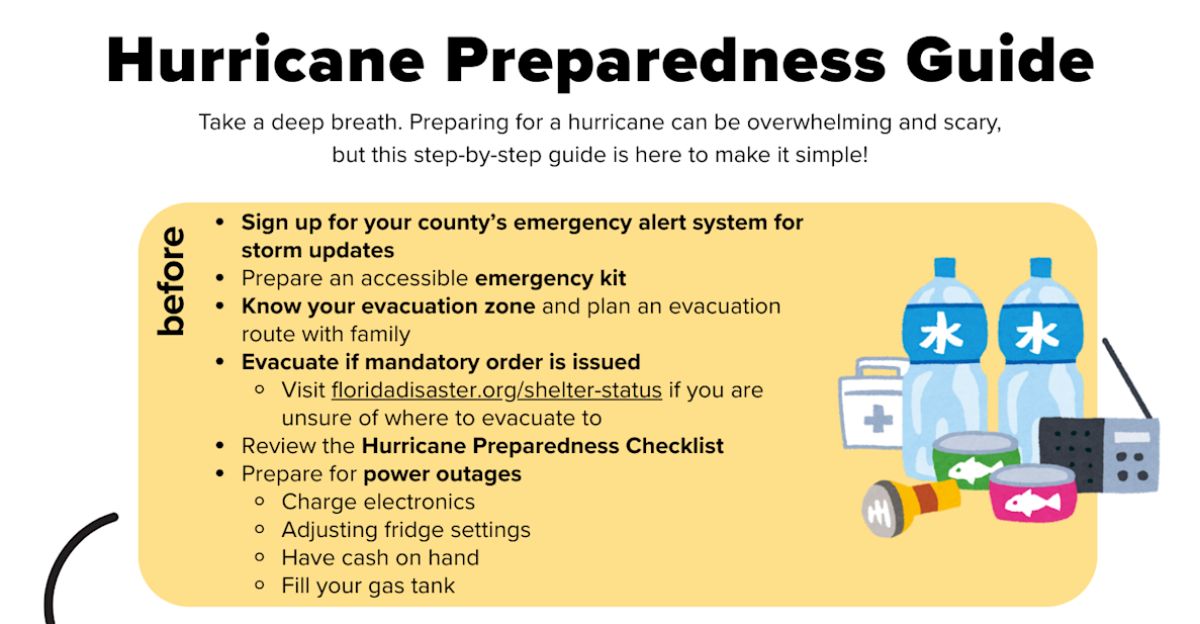
The Bermuda government didn’t waste any time. Schools and the airport were closed, government offices shut early, and residents had strict deadlines to complete their preparations.
Main roads were closed to prevent people from being caught in dangerous conditions.
Emergency shelters and continuous radio updates were arranged as forecasters warned that prolonged power outages and internet disruptions were possible.
Everyone was told to get ready, since the coming storms could be stronger and more damaging than most hurricanes.
Humberto’s Path
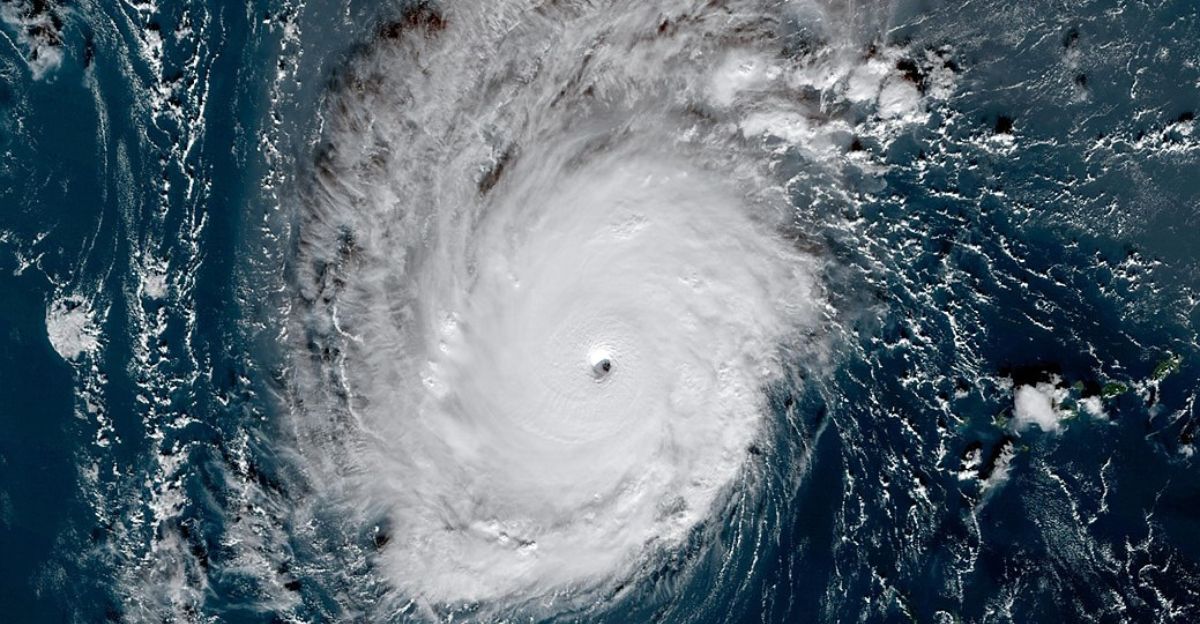
Humberto started very strong, reaching Category 5 status (the highest possible), but weakened to Category 1 before getting near Bermuda.
The center of the storm passed some distance away, but the island still got big waves and wind gusts of around 80 mph.
Rain fell and giant waves battered the shoreline, especially the coral reefs that usually offer some protection from the sea to Bermuda.
The Weather Service said thunderstorms would continue through the night, making things unpleasant and unsafe.
Imelda’s Threat
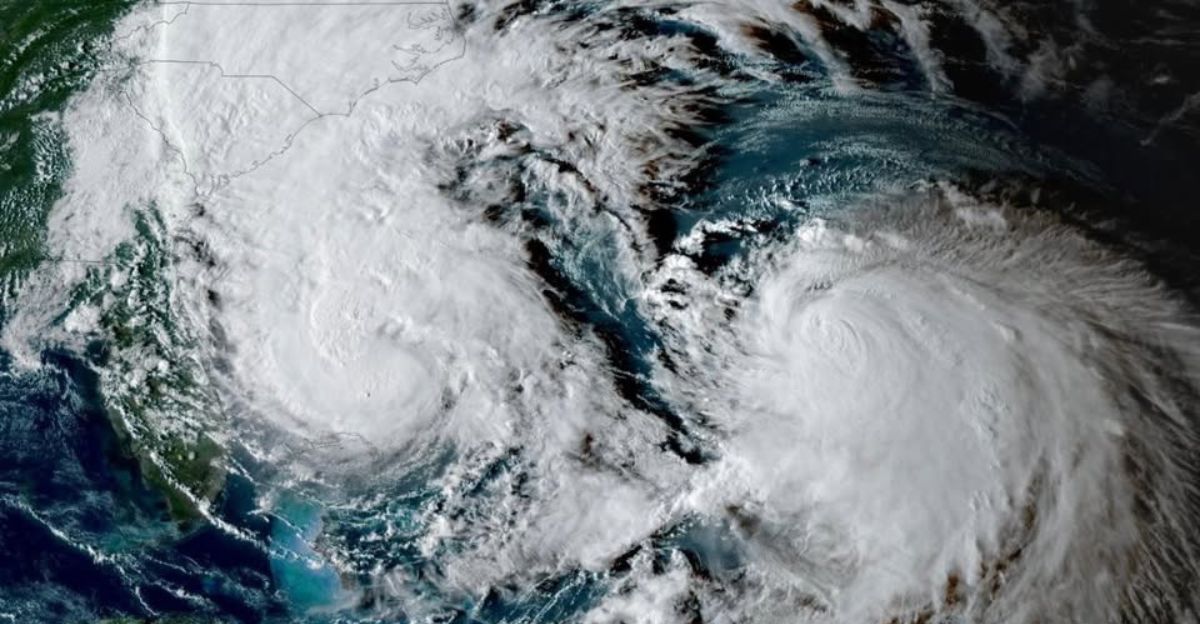
Imelda, however, turned out to be more dangerous as it headed straight for Bermuda. By Tuesday night, it had reached Category 1 status with 85 mph winds and got as close as 29 miles to the island.
The U.S. National Hurricane Center issued strong warnings, indicating that high winds, heavy rain, and flooding were likely.
For several hours, Bermuda endured hurricane-force winds and torrential rain, resulting in widespread flooding and prolonged power outages.
Forecasters predicted that Imelda could even intensify, delivering more water, stronger winds, and longer-lasting damage than Humberto.
Resident Impact
People rushed to stores to stock up on emergency supplies, such as food, water, and gasoline, clearing the shelves.
Hotels closed most services and helped shelter their guests, while banks and fuel stations shut down early.
Residents boarded up homes, brought in outdoor furniture, and helped neighbors, especially those who were elderly or needed more help.
The whole community came together, doing what they could to make it through.
Marine Dangers
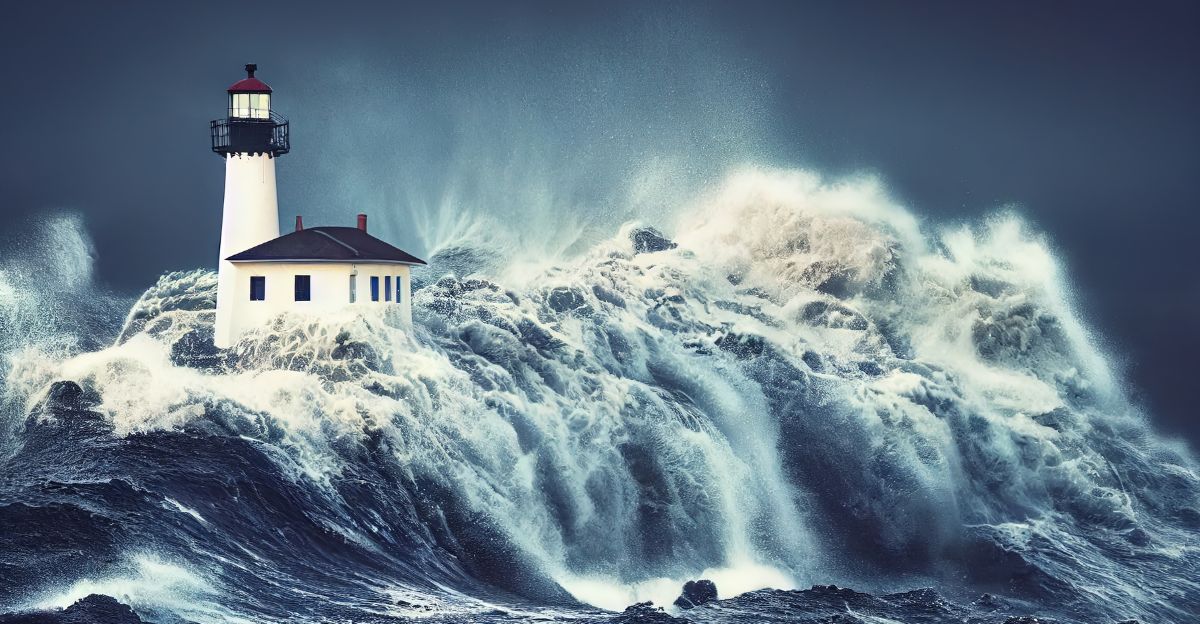
The two hurricanes turned Bermuda’s ocean into a mess. Thirty-foot waves and strong currents made the waters around the island dangerous, especially for boats and beaches.
Red “High Surf” warning signs were posted at marine parks, and ferry and lifeguard operations were suspended.
Boaters scrambled to protect their vessels from massive waves and possible flooding.
Even faraway coasts, like those in North Carolina, U.S., saw houses collapse from the waves caused by the storms.
Economic Disruption

Bermuda’s economy took a hit. Popular cruise ships canceled their trips, resulting in thousands of dollars in lost tourist revenue for the island.
With airports and local businesses closed, many tourists were trapped, and business owners lost money during one of the busiest times of the year.
Insurance companies are preparing for a surge in damage claims related to events such as wind, flood, and business interruptions.
Tourism officials said the timing could ruin Bermuda’s important autumn visitor season.
Scientific Phenomenon
The storm pairing was a rare event for meteorologists and climate scientists.
Humberto and Imelda spun so close together that they displayed the Fujiwhara effect, something that usually only happens in the Pacific.
Because Humberto was so strong, it altered Imelda’s path, keeping it aimed at Bermuda instead of the U.S. coast.
This provided scientists with a wealth of new information to enhance future forecasts and investigate how warmer oceans may contribute to an increase in double hurricanes in the future.
Sting Jet Threat
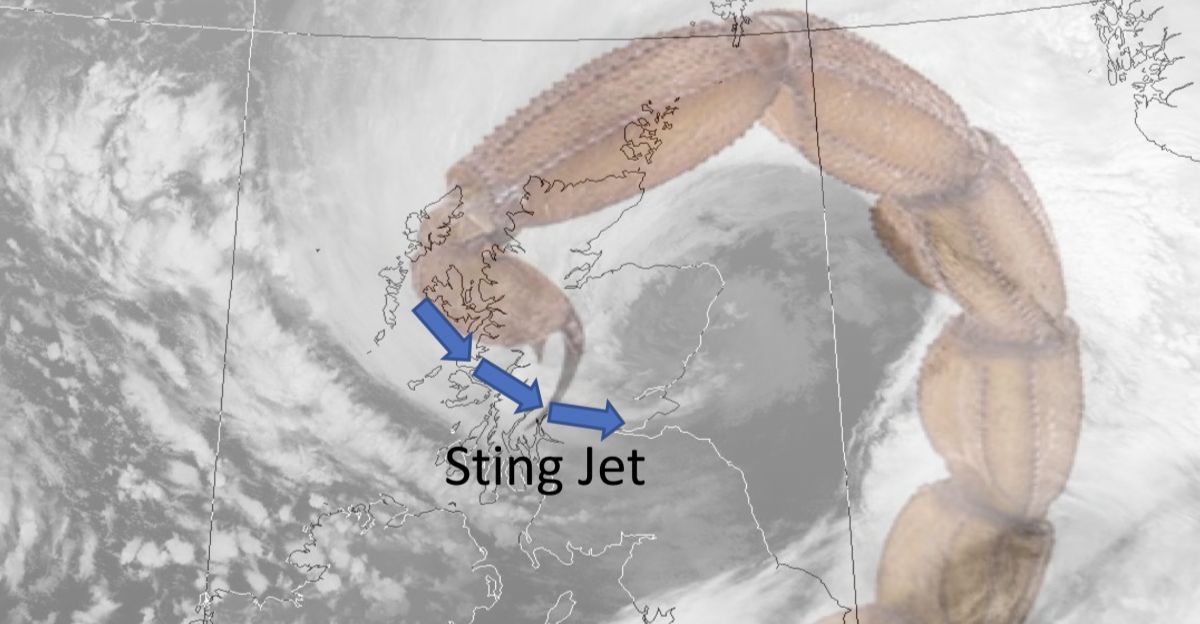
Experts also warned about a rare thing called a “sting jet,” which is a small area of powerful, fast-moving winds that can cause focused damage.
This usually occurs when one storm absorbs energy from another, and it can lead to sudden, intense wind gusts in certain areas, even stronger than the rest of the hurricane.
This worrying forecast prompted the forecaster to take extra precautions against unexpected damage.
Emergency Response

Bermuda’s emergency teams worked nonstop. Officers provided frequent updates, shelters were prepared for a large number of evacuees, and repair crews waited in safe locations to begin work once the storms had passed.
The Royal Bermuda Regiment, police, and fire services were all put on alert, and hospitals stocked up on supplies.
International help waited in the wings, just in case Bermuda needed more assistance.
Search and rescue plans were in place in case things went terribly wrong.
Infrastructure Vulnerability
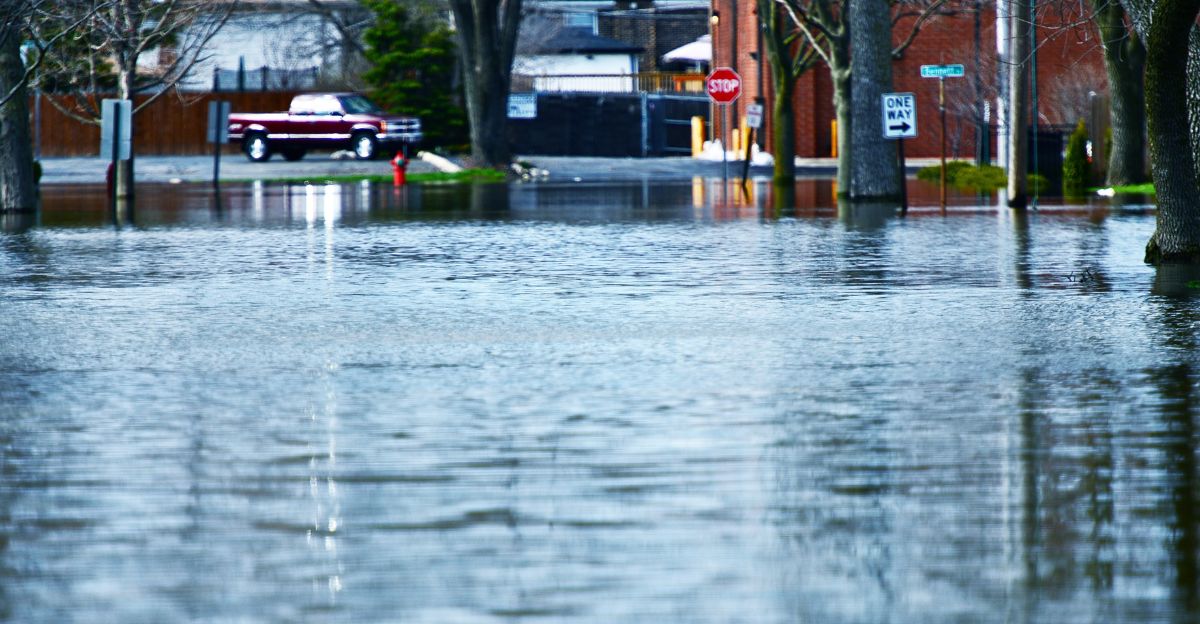
Everything, from power lines to water supplies and phone towers, was under threat.
BELCO, the island’s electric company, expected massive outages, and everyone worried about the bridge that connects Bermuda’s parishes.
The island’s limestone buildings, built tough for hurricanes, would be tested harder than ever.
Hospitals and other key services were prepared to use backup generators, allowing them to continue operating through the worst of the weather.
Historical Context
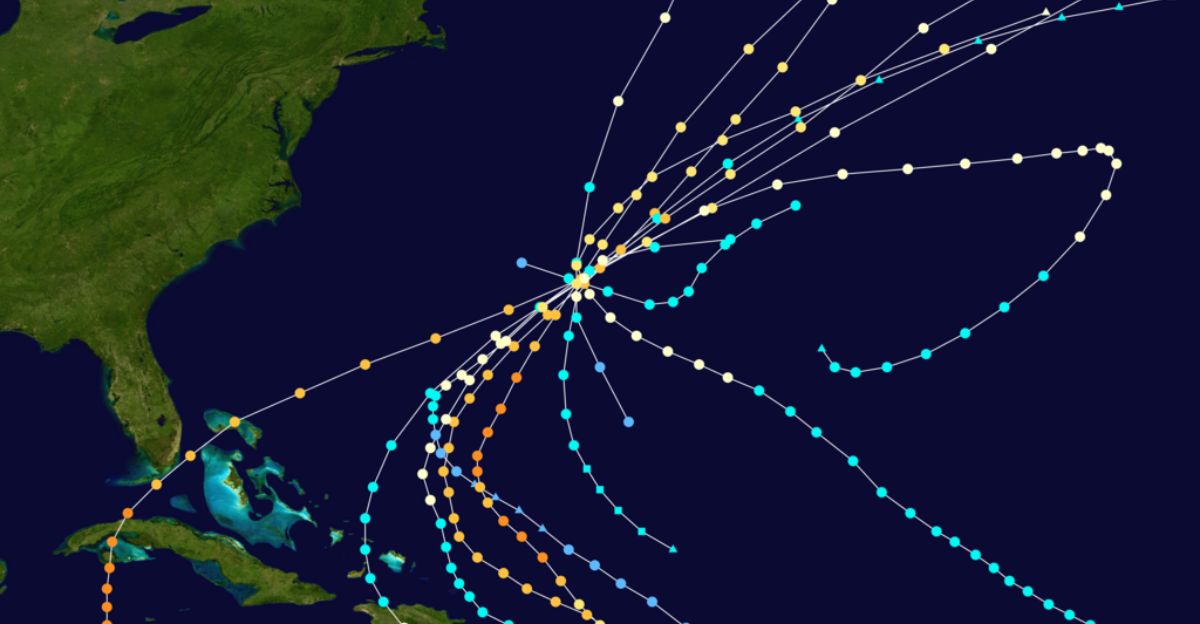
In over 150 years of records, Bermuda had never seen two hurricanes this close together.
The island mainly faces only one major hurricane in a decade, and recent ones haven’t posed such a combined threat.
Experts agreed that the 2025 double strike was one of the most unusual natural disasters Bermuda had ever faced, making it stand out in hurricane history.
Regional Impacts
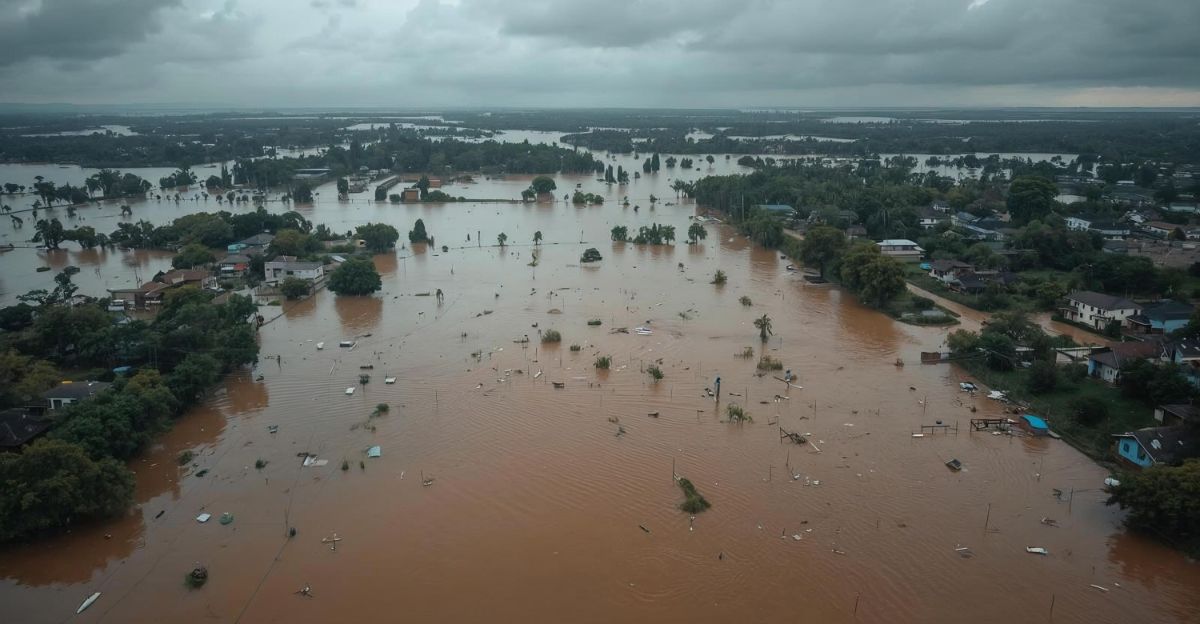
The storms affected more than Bermuda. Beaches from Florida to New Jersey saw dangerous waves and currents.
The Bahamas had flooding that kept schools closed, and parts of Cuba faced deadly landslides and evacuations.
Houses on North Carolina’s Outer Banks even collapsed into the ocean.
Together, Humberto and Imelda disrupted life across the Caribbean and the southeastern United States, not just Bermuda.
Recovery Planning
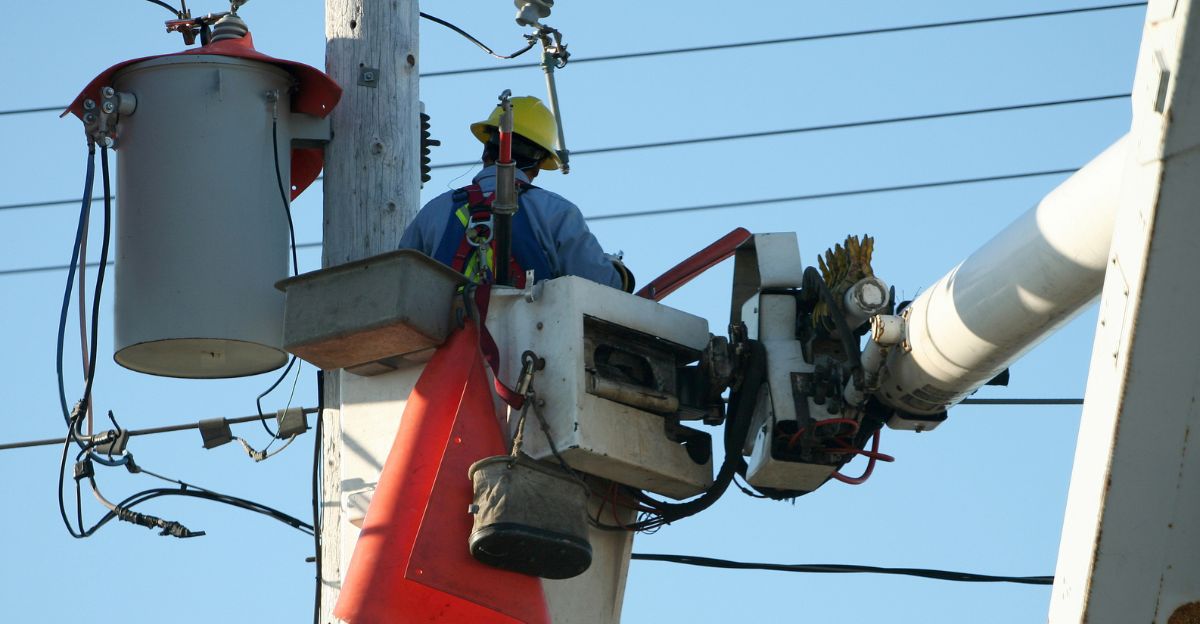
Even before the storms left, Bermuda was preparing to clean up. Power crews and airport workers waited to fix the issues immediately, while offices planned to reopen only after the damage had been assessed.
Insurance teams waited for flights to begin so they could assist people in claiming damages.
Officials said that careful preparation would help the island recover more quickly and limit the damage, highlighting the importance of being prepared for major storms.
New Research
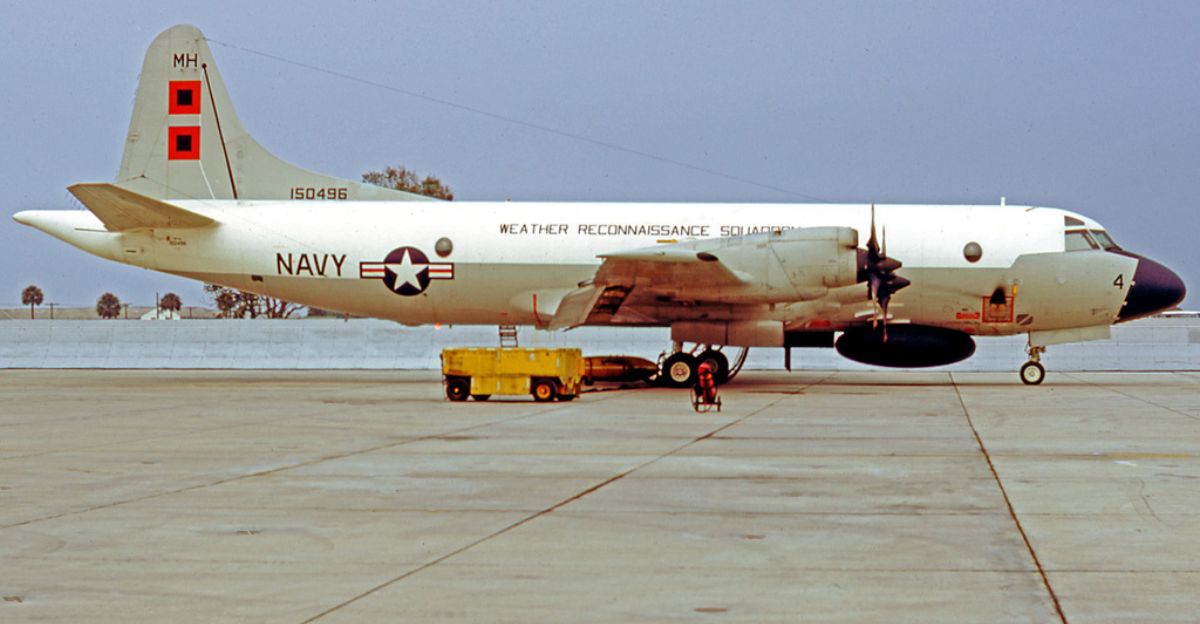
Scientists jumped at the chance to study the interaction of Humberto and Imelda, using special planes and computer models.
The event provided them with new insights into how hurricanes interact, especially if ocean temperatures continue to rise.
Studies from NOAA and numerous universities aimed to improve future hurricane forecasts and emergency responses, particularly for small islands like Bermuda, which could face similar threats in the coming years.
Industry Implications
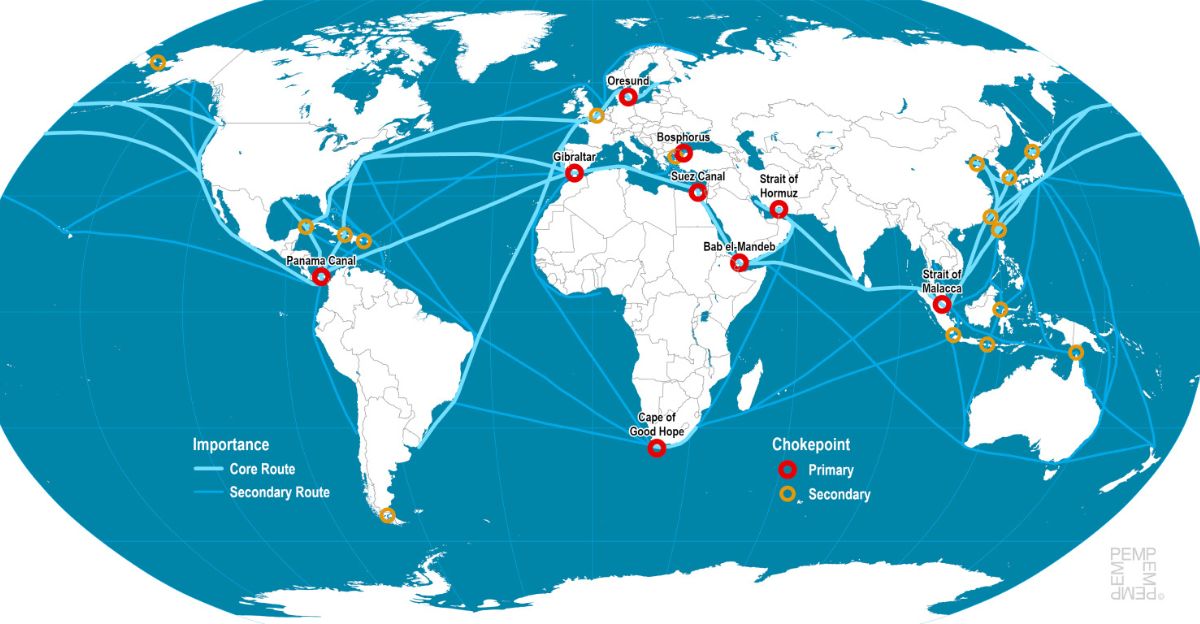
This disaster exposed weaknesses in the insurance industry, tourism, shipping, and various businesses.
Insurers had to rethink risk models, while cruise lines and hotels developed new ways to handle changes.
Shipping companies altered their routes, and international firms experimented with remote work plans.
Airlines studied better ways to manage canceled flights and diversions in the future, knowing that even more people could be affected next time.
Social Response

Social media is filled with dramatic videos of waves crashing over roads, palm trees bending, and rumors flying.
The government had to correct false reports and reassure citizens that Bermuda was a safe and secure place to be.
The storms started debates about climate change and how warming seas may lead to more twin hurricanes.
Meteorologists worked hard to explain the science and stop the spread of wild theories, keeping people focused on facts.
Historical Precedent
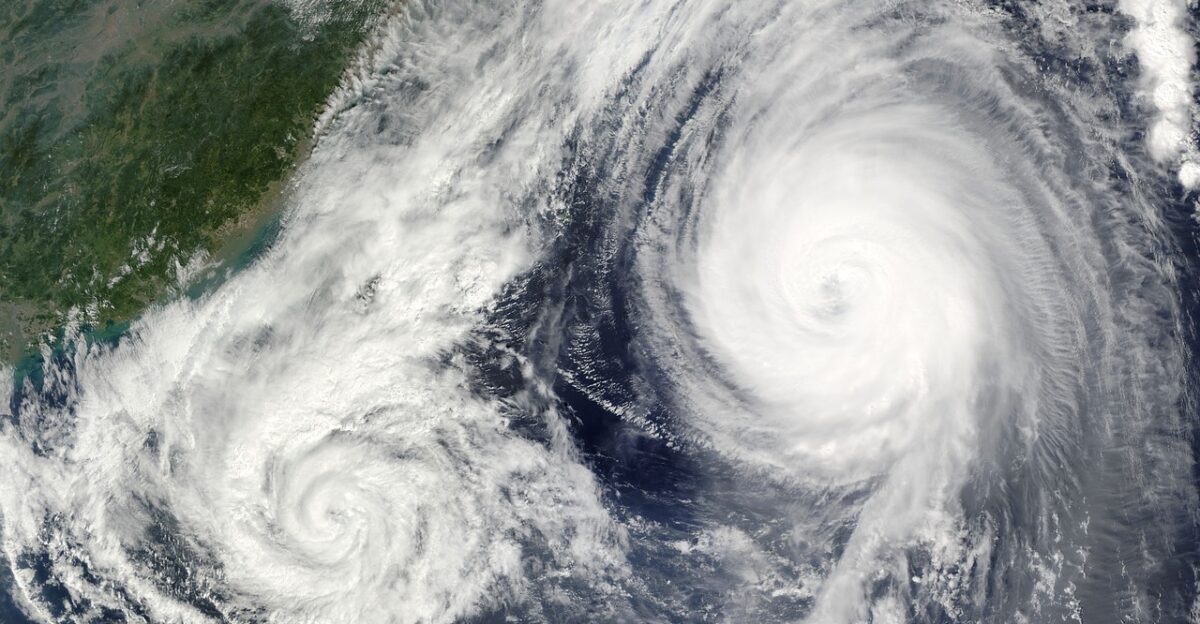
Double hurricanes have happened elsewhere before, but rarely so close together over such a small island.
Since 1966, no Atlantic hurricanes had made landfall together like Humberto and Imelda threatened to do in Bermuda.
Most past storm pairs struck separate locations or remained far apart, making the 2025 event especially unusual and possibly a warning for the future as oceans continue to warm.
Island Resilience in a Warming World
Bermuda’s experience with two hurricanes in less than three days was a new lesson for island nations.
It tested the community’s ability to prepare, survive, and recover from disasters.
Thoughtful planning helped prevent deaths and serious injuries, but the damage and disruption showed why no one can ignore these changes in the weather.
As oceans warm and storms become increasingly challenging to predict, Bermuda’s story will matter to everyone who may face similar hurricane challenges in the future.