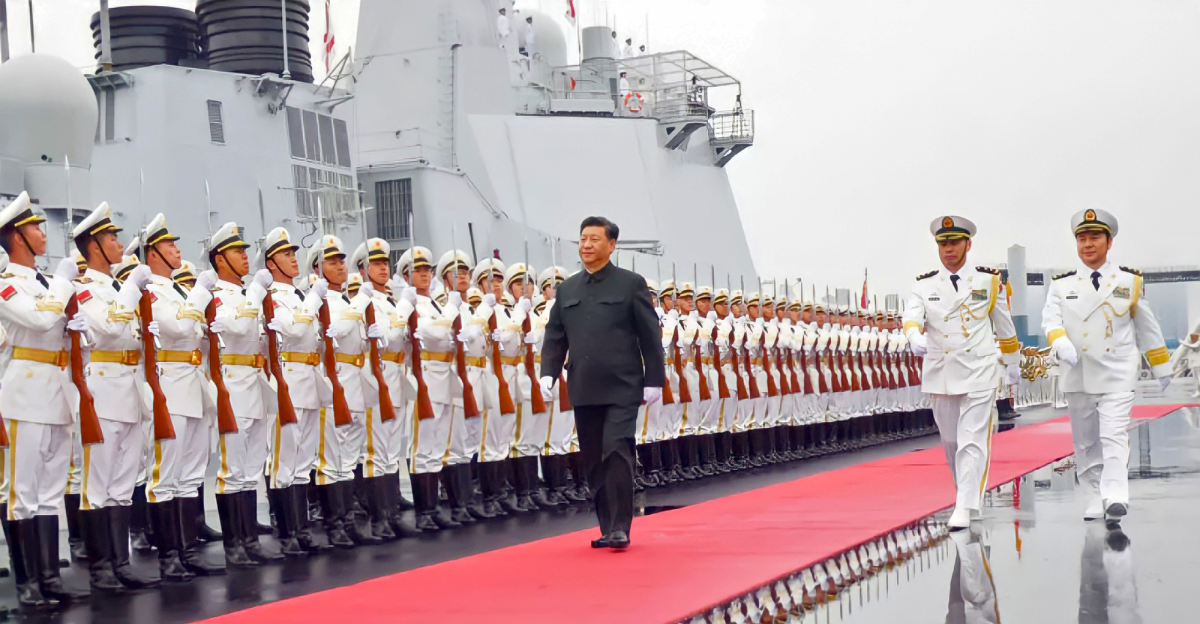
By late 2024 U.S. intelligence reported China’s navy had become the world’s largest by hull count. China now fields 370+ warships and submarines, up from roughly 220 a decade ago, with dozens more vessels added each year.
Analysts note Beijing’s shipyards outproduce anyone: China’s commercial docks boast an estimated 230 times the shipbuilding capacity of U.S. yards.
Chinese warships are rolling off the blocks at unprecedented pace. This naval arms race on the east coast – with mass production of destroyers, corvettes and amphibious transports – signals preparation for a major contingency (chiefly Taiwan), not routine training.
Coastal Infrastructure Surge
Observers using satellite imagery have documented a rapid expansion of Chinese military facilities along the Taiwan-facing coast. New deep-water docks, floating berths and amphibious ship piers have sprouted at formerly quiet ports.
On land, China is raising large airfields and helicopter bases mere miles from Taiwan’s islands.
The Wall Street Journal reported, for example, “sites range from a large new base for amphibious warships to a multi-billion dollar airport a few miles from Taiwan”.
Historical Context
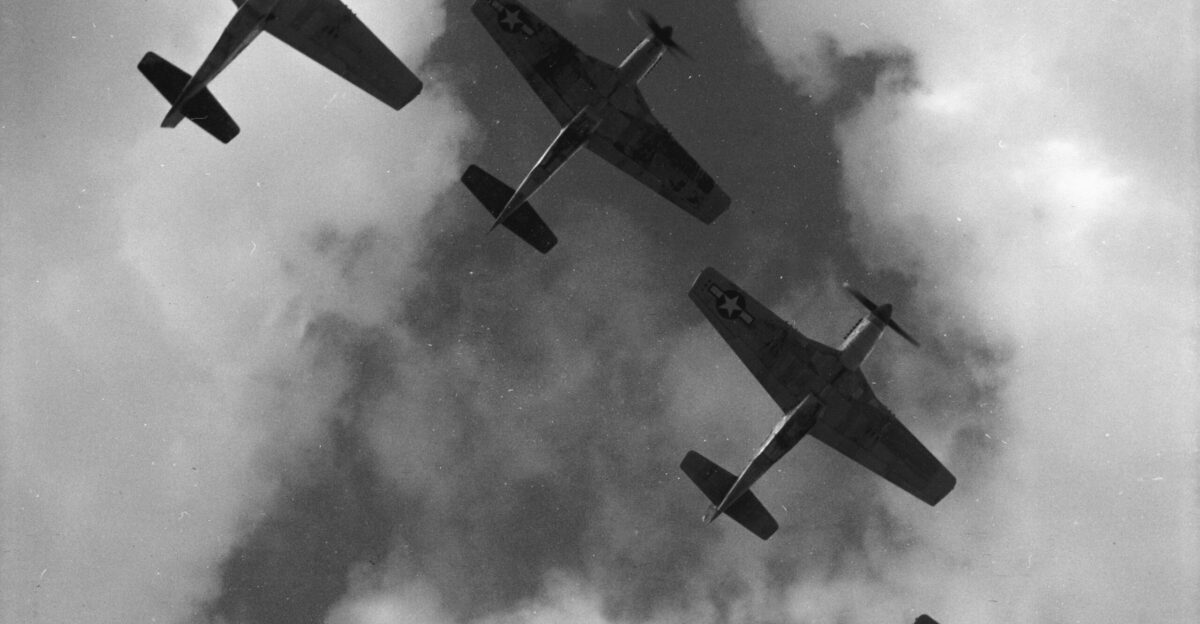
China’s naval buildup is the fastest expansion of its kind since World War II. The PLA Navy (PLAN) has gone from a brown-water coast guard into a true blue-water fleet in under two decades. Defense reports note China today “has the world’s largest navy with a battle force of more than 370 ships and submarines”.
It now operates hundreds of combat and support vessels—far more total hulls than the U.S. (China’s 234 major warships versus the U.S. Navy’s 219).
Much of this growth stems from reforms Xi Jinping initiated around 2015: modernizing bases, emphasizing joint training, and treating civilian ports and airports as reserve military assets. The PLAN has doubled its combat surface fleet and flooded the western Pacific with new capability.
Rising Tensions
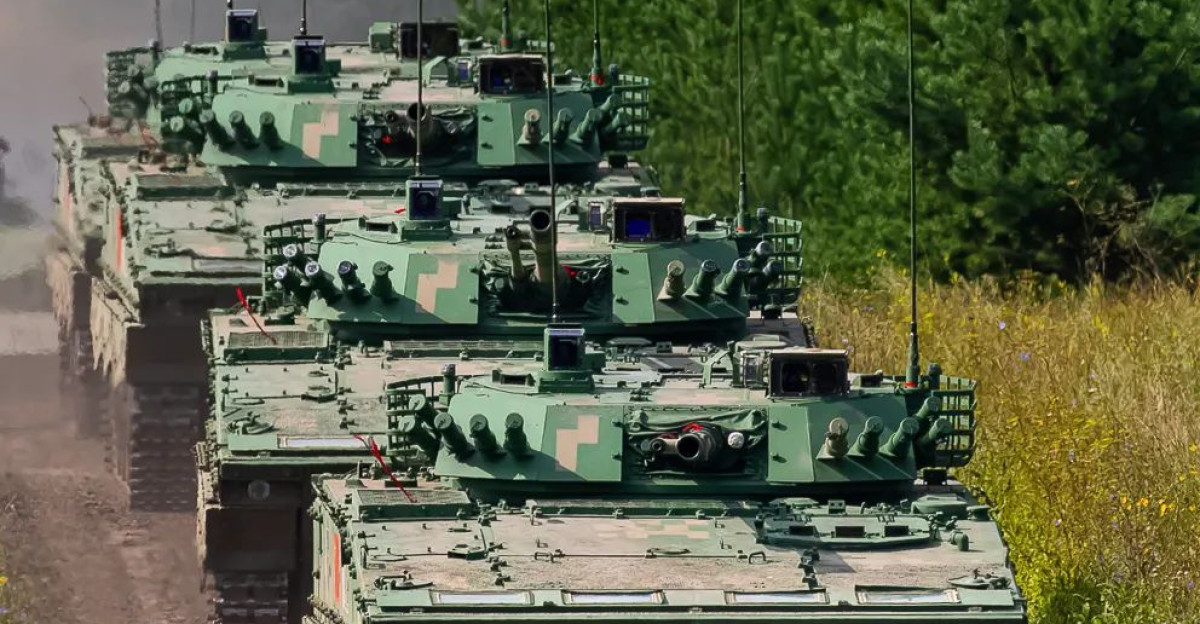
Already in 2025, China’s drills around Taiwan became more aggressive. In April, the PLA held its first large “Strait Thunder-2025A” exercise. Chinese media described it as live-fire blockading maneuvers aimed at “regional control” and “precision strikes” on infrastructure.
Analysts note the PLA even practiced simulated rocket bombardment of Taiwan’s energy facilities and ports.
Taiwan countered by ramping up its own Han Kuang war games: this year’s drills ran ten days (double previous lengths) to practice a full-scale invasion defense. The Han Kuang scenario included sinking ships, delaying landings, and the defense of key airports. At sea and ashore, the message is clear: each side is training harder than ever.
The Yueqing Bay Base
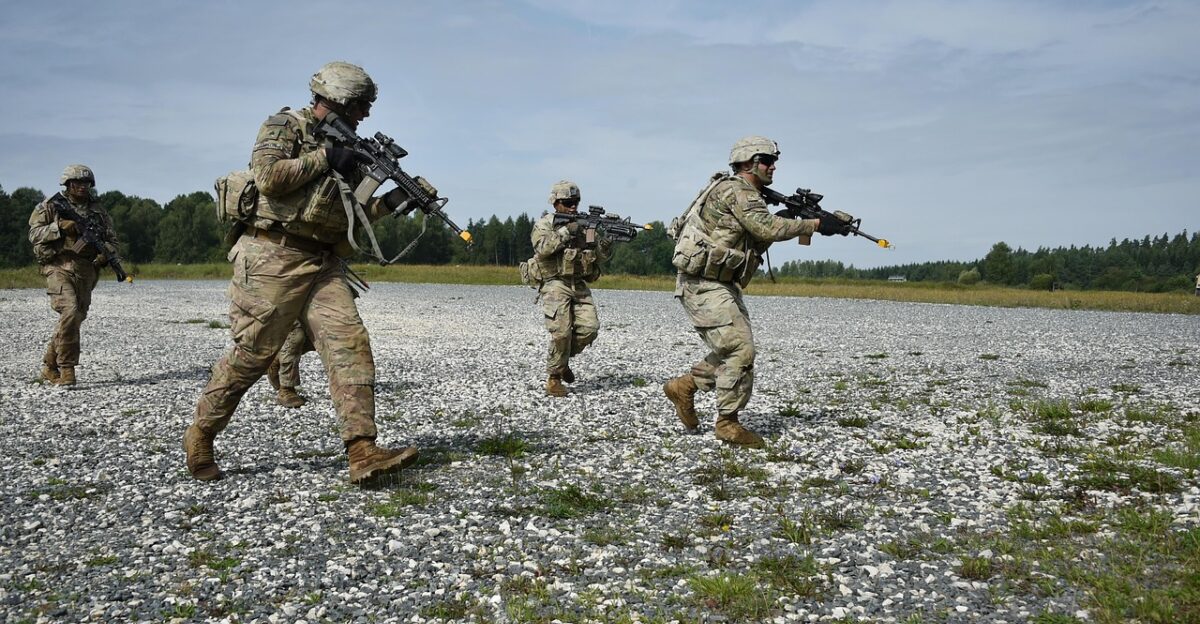
Analysis of new satellite photos has uncovered a massive amphibious landing base in Yueqing Bay (Zhejiang province). There is a one-mile-long concrete pier that now juts into the water, with about 20 military vessels docked in recent images – including tank-carrying RO/RO transports, landing craft, and supply ships.
The pier’s design and capacity suggest it was built for wartime use, not peace. Its location is off to the side of the Taiwan Strait’s main shipping lanes – likely chosen so invasion ships could amass safely out of the usual “free-fire” zones.
As one defense expert points out, “the facility’s size suggests it was built for expanded wartime use… It could serve as a jump-off point for part of an invasion fleet” heading toward northern Taiwan.
Taiwan’s Threatened Shores
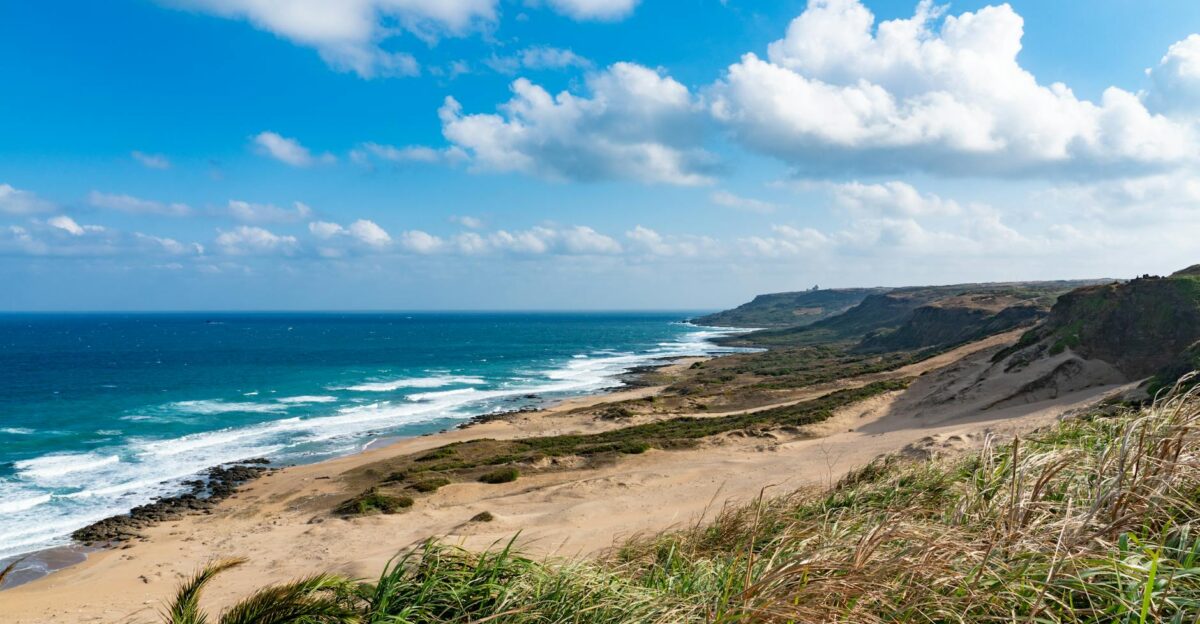
Taken together, these new bases pin Taiwan under a crosshairs from multiple angles. Just across the strait, China has placed troop-carrying helicopter fields in Fujian province so that transport helos can reach southwestern Taiwan beaches (and the Penghu Islands) within minutes.
Western Taiwan’s coast – from Changhua down to Pingtung – now lies well within range of helos and rockets launched from the mainland. Security analysts note that capturing the Penghu archipelago early would “give China crucial momentum… to sustain attacks on Taiwan’s main island”.
Even Taiwan’s north isn’t safe: Chinese airfields and naval brigades in the north could strike into the Taipei area.
Expert Assessments
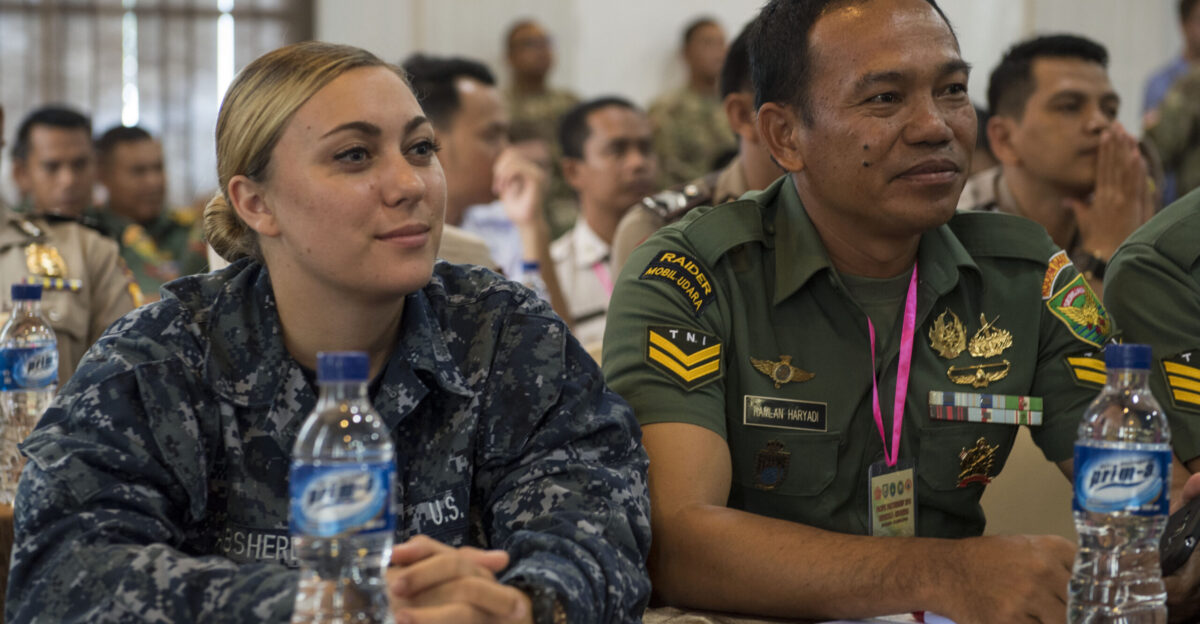
U.S. and allied analysts have been blunt: nearly everything in this buildup is about Taiwan. Retired U.S. Navy intelligence officer Michael Dahm sums it up: “All of it goes to supporting China’s one military planning scenario, which is a Taiwan scenario”. Whether it’s shipyards, airports, or sand berms, the common thread is preparing for an invasion. Planners also warn that dispersing forces makes Taiwan’s defense harder.
China’s multi-harbor strategy, one journal reports, would force Taipei to “complicate decisions… on what to target, when and where”.
By scattering warships and transports across dozens of sites, Beijing could force Taiwan (and any U.S. backers) to guess at dozens of possible assault points rather than one big convoy.
A New Amphibious Carrier
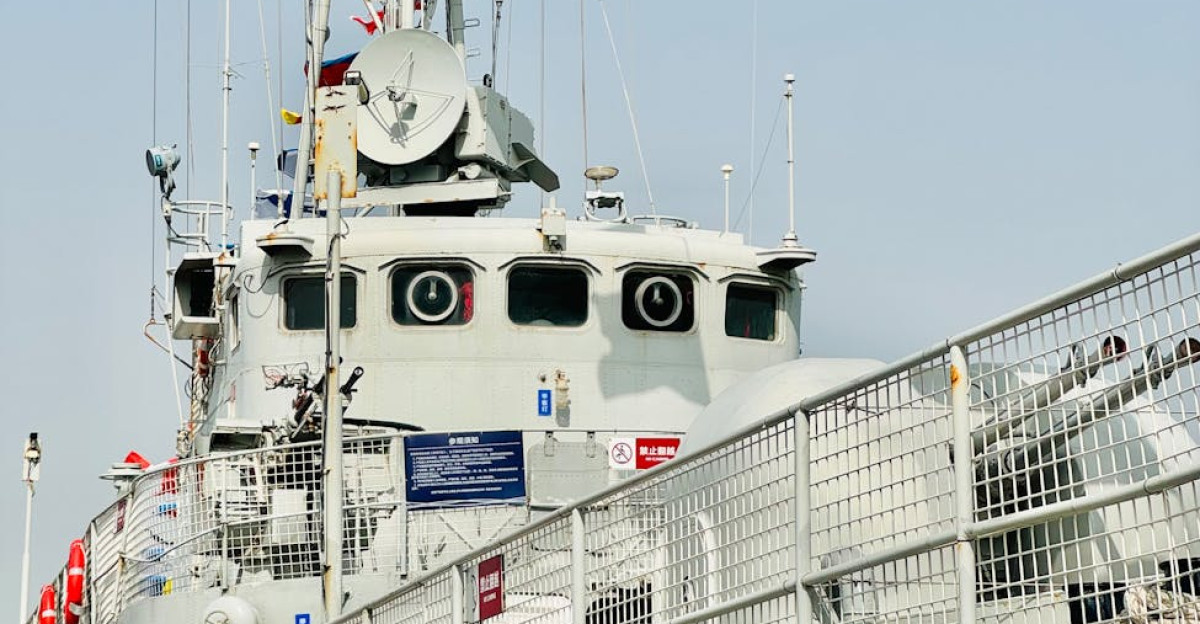
Adding fuel to the fire, China just launched a game-changing warship. On Dec. 29, 2024, the PLAN floated out its first Type 076 amphibious assault carrier, nicknamed Sichuan. At over 40,000 tons displacement (comparable to some small aircraft carriers), the Sichuan is among the world’s largest troop ships.
Crucially, it comes equipped with electromagnetic catapults – the first-ever on an amphibious ship. That means it can launch heavy UAVs or fighter jets along with helicopters, blurring the line between “landing ship” and light carrier.
The vessel’s modular hangars and AI-assisted systems reportedly let it carry over 1,000 marines and scores of aircraft. U.S. officials have noted this leap in Chinese naval aviation: the Sichuan transforms Beijing’s amphibious fleet into a far more versatile force.
Strategic Implications
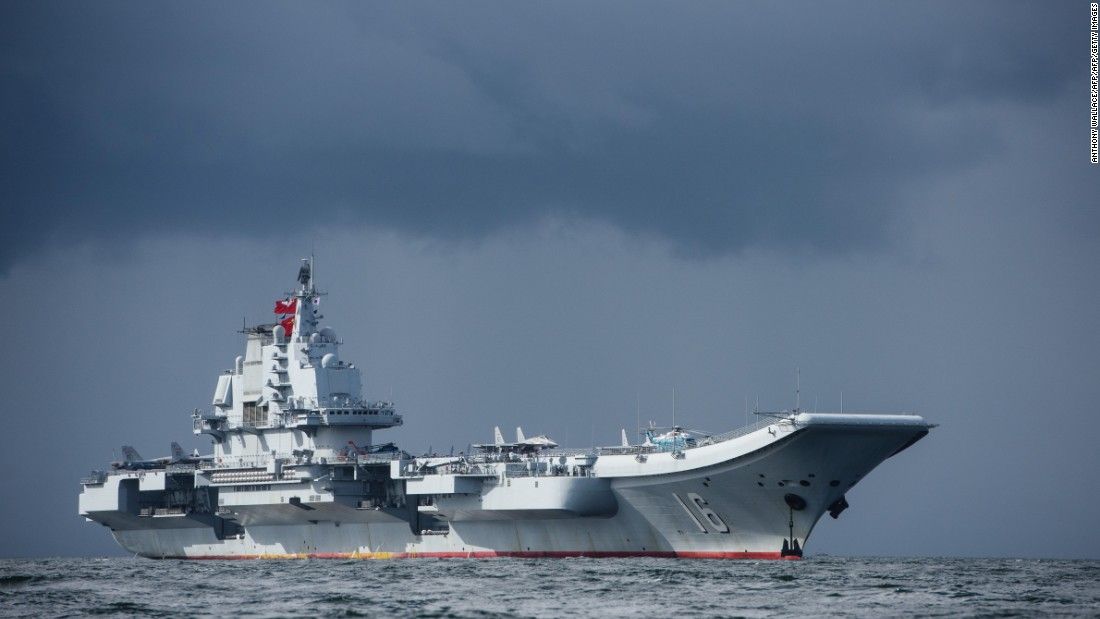
If China meets its projections, its navy could keep growing into the next decade. Current Pentagon estimates see the fleet reaching 430+ ships by 2030 (the U.S. Navy by then will have roughly 300 hulls).
Such an imbalance would fundamentally shift the Pacific balance of power. Worse, Beijing’s coastlines are thick with dual-use investments: runways and docks that handle millions of civilian passengers in peacetime can instantly serve tankers, transport planes, and bombers in war.
This blending of civilian and military construction mirrors China’s South China Sea strategy. For allies, it means every Chinese megaproject must be assumed to have a secret war use. In planning terms, these “hidden” bases and hidden arsenals force Taiwan’s partners to plan for a much larger threat envelope.
Airport Revelation
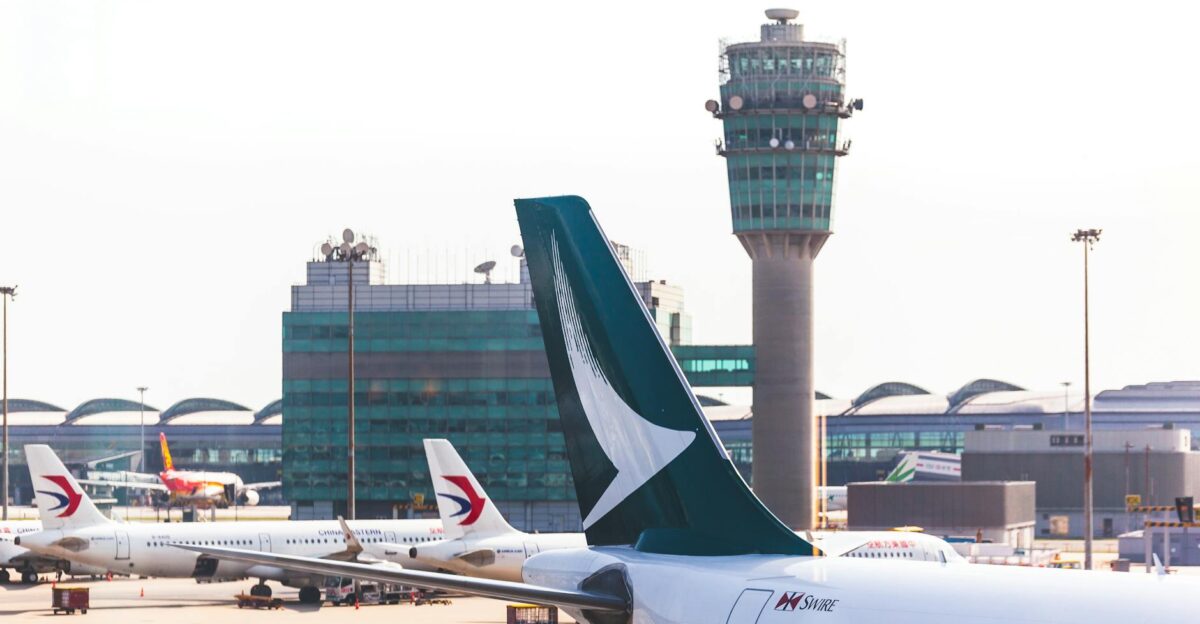
Perhaps no site highlights this dual-use trick better than the new Xiamen Xiang’an International Airport. Built on carefully expanded Dadeng Island, it will open soon just kilometers from Kinmen (a Taiwan-controlled archipelago). In fact, one report notes: the runways lie only 2.3 miles from Kinmen’s shore.
In peacetime this $2+ billion airport will serve tens of millions of passengers. But in war its long concrete runways, hangars and cargo terminals become a forward military base.
China dredged Dadeng for years—doubling its area—to lay the foundations. Once active, Xiang’an has three runways and is rigged for large transport jets. Analysts warn that Beijing could quickly divert military aircraft and cargo planes there, emptying the field of civilians first and refueling fighter-bombers next.
Internal Debates

Even within China’s leadership there is recognition of the challenges. Launching a Taiwan invasion is logistically nightmarish, and officers know it. Official media hints that amphibious landings are among warfare’s “most complicated and… difficult” operations.
PLA war planners worry about security (how to keep dozens of build-up sites secret?) and command (can all those boats rendezvous at the right time?). In theory, dispersing forces buys surprise – but in practice it raises the risk that some units get lost or cut off.
There’s debate over “mass vs. scatter”: piling troops into fewer ports simplifies logistics, but paints a bull’s-eye for Taiwan’s missiles. Spreading out requires heroic coordination across ships, helos and supply convoys.
Leadership Focus
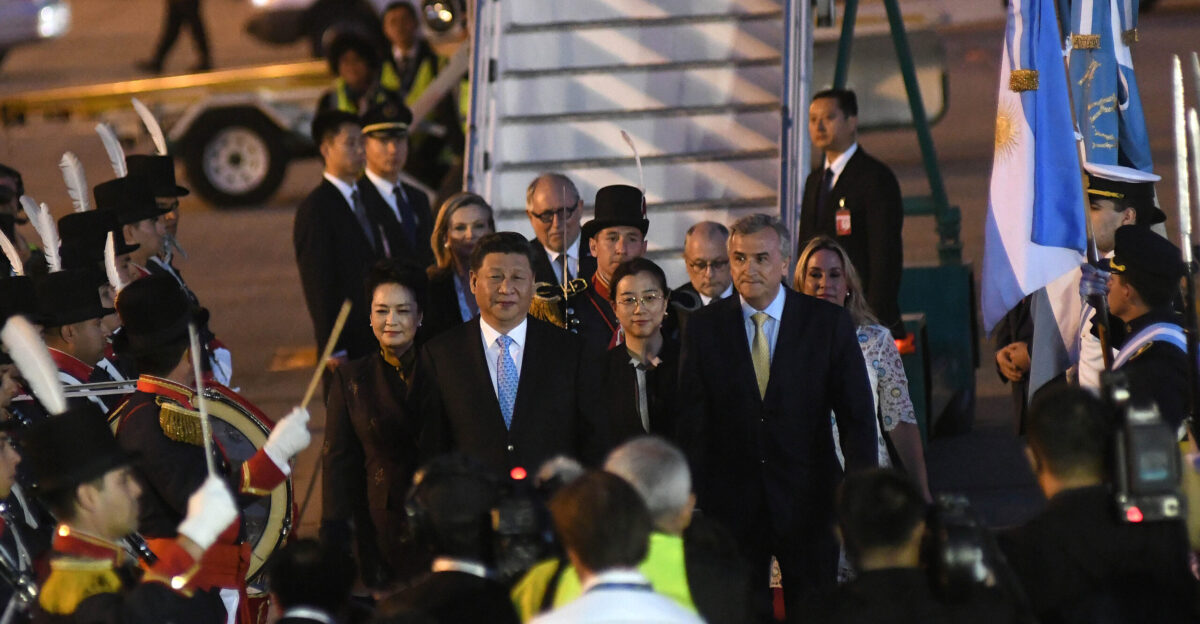
President Xi Jinping has made clear timelines for achieving these military goals. Chinese white papers call for a “strong military” by 2027, a “mechanized force” by 2035 and a “world-class” military (including navy) by 2049 (the PRC centenary). The recent coastal buildup fits squarely into that agenda.
Naval commanders increasingly train under Taiwan-war scenarios, and changes at the top of the Eastern Theater Command reflect this priority. For example, the army’s Taiwan planners and the fleet’s amphibious commanders now report jointly to Xi’s staff.
The Type 076 carrier is only one piece: Xi’s speeches emphasize power projection (long-range strike, carrier task forces, marines and heliborne troops) over mere home-defense.
Taiwan’s Response

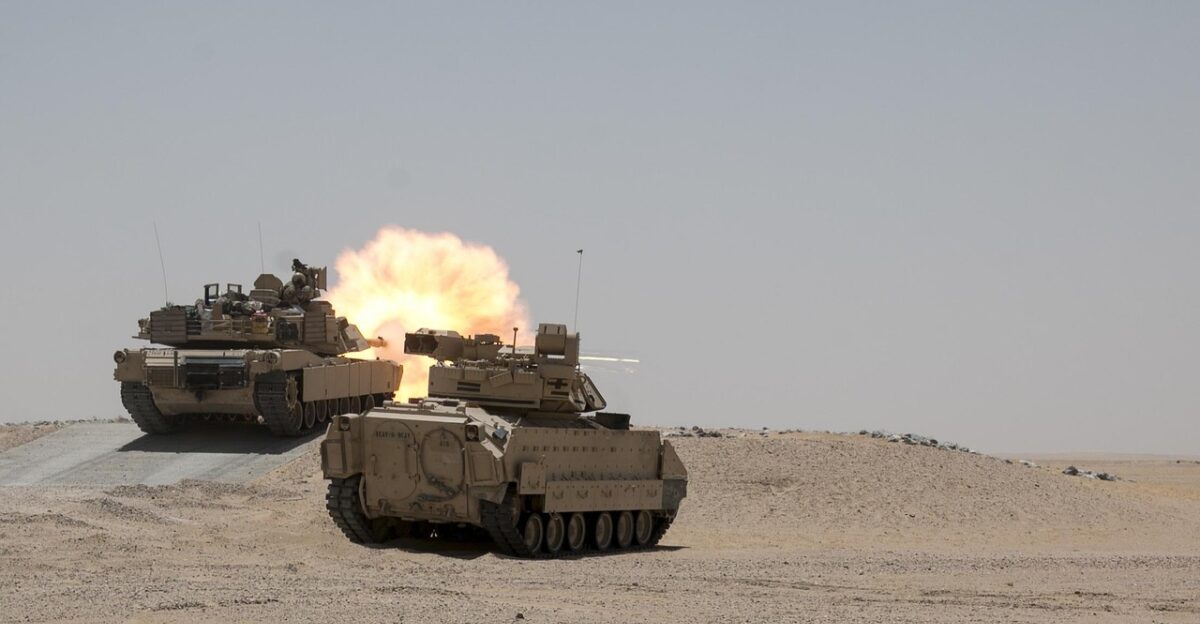
Taipei has responded by doubling down on asymmetric deterrence. In Han Kuang 2025 drills, the Taiwanese military fielded newly acquired U.S. M1A2T Abrams tanks and HIMARS rocket launchers to defend likely beachheads.
Across western Taiwan, engineers quickly buried obstacles and C4 charges in river mouths and along beaches. Sky Bow and Surface-to-Air batteries sprang up to threaten PLA helos.
In the strategy circle, Taiwan officially rejects a force-on-force match, instead favoring a “porcupine defense”: anti-landing obstacles, mines, and mobile missile strike teams that turn every inch of coastline into a lethal trap. Taiwan’s generals describe the plan as one to “hit them where they’re vulnerable, then disappear into the hills.”
Military Skepticism
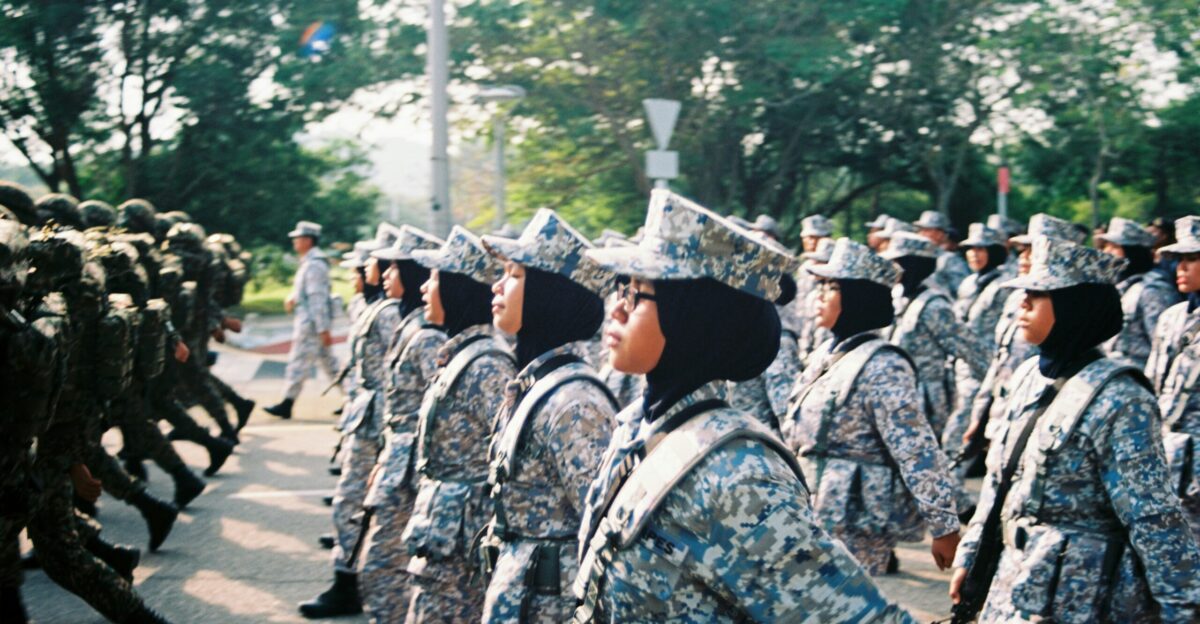
Even some Western analysts voice doubts about China’s timetable. They note that building ships and harbors is one thing; crewing them properly is another. A fleet of 400+ hulls needs hundreds of thousands of trained sailors and marines – and China simply hasn’t fought a real war in decades.
U.S. think tanks warn that rushing new vessels out of yards can actually lower readiness if crews aren’t fully trained. Likewise, complex multi-branch operations (sea-land-air coordination) must be perfected by drills, and many such exercises are still at a basic level.
Weather too poses a wild card: the Taiwan Strait’s infamous storms and currents can scatter landing forces or force delays. Finally, Taiwan’s defenders have stocked the strait with subs, missiles, and mines, making a blind invasion perilous.
Timeline Uncertainty
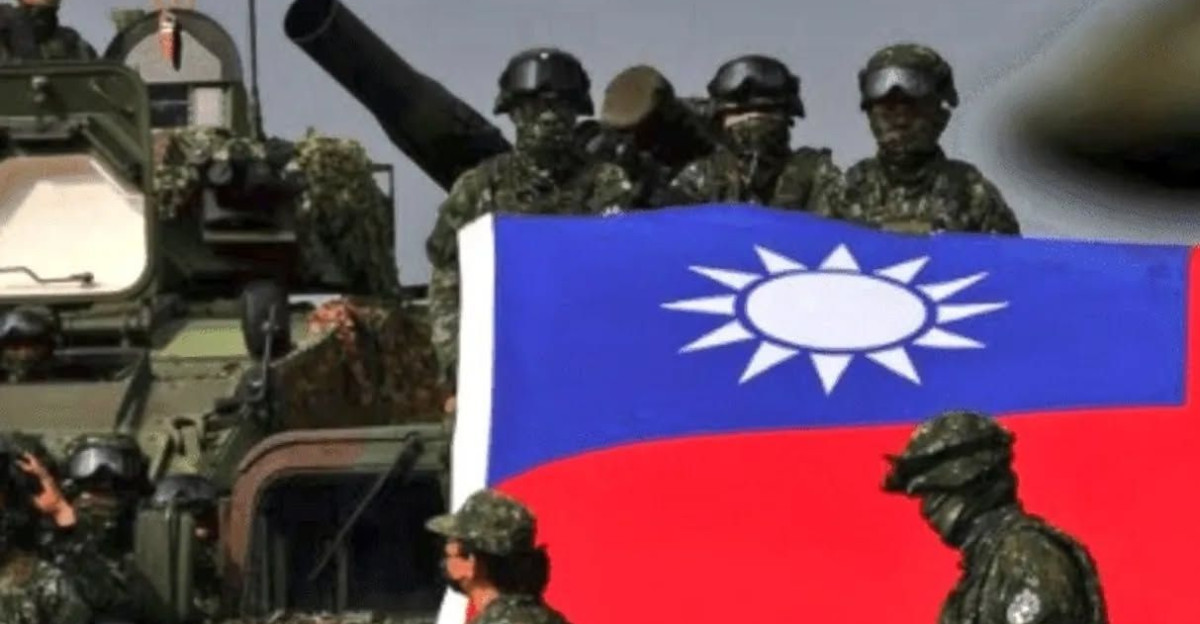
So what’s next? Intelligence analysts are divided on China’s intentions. Beijing loudly proclaims Taiwan part of China, yet also plays for time. As one Wall Street Journal analysis put it, “whether Xi intends to carry out such an offensive remains an open question.”
The very scale of infrastructure spending suggests long-term contingency planning rather than an immediate strike.
On the other hand, each passing exercise hones Chinese forces further. U.S. officials warn that the line between drills and real rehearsals is blurring. In practical terms, Taiwan’s window to deter or resist a first assault is narrowing.
U.S. Policy Repercussions

China’s wave of expansion has put enormous pressure on U.S. strategy. Beijing’s navy is deemed Washington’s new “pacing challenge,” forcing a shift of resources westward. Pentagon planners openly say the Indo-Pacific now supersedes Europe as the priority region.
This has led Congress to authorize a huge bump in shipbuilding funding – on the order of $40 billion per year for the next 30 years (though U.S. yards may struggle to spend it all efficiently).
Navy and Marine leaders warn that meeting China at sea will stretch American industry to its limits. At the same time, allies in Europe and the Middle East chafe at getting less attention. This strategic pivot is making NATO debates tense: some worry that over-prioritizing China will leave Russia unchecked.
International Ripples
China’s build-up has already prompted demonstrations of resolve from other democracies. In September 2025, Australian and Canadian warships transited the Taiwan Strait under freedom-of-navigation protocols – drawing sharp Chinese condemnation.
Beijing’s Eastern Theatre Command publicly tracked and warned both ships as they sailed eastward.
Tokyo, meanwhile, pushed ahead with its historic military build-up: the 2025 budget climbed above $55 billion to counter China’s naval threat, and Japan launched a joint missile exercise with the U.S. to hone its island defense. Seoul and Delhi are also reevaluating their roles in an Indo-Pacific security framework. Among NATO members, debates have flared.
Economic Warfare

The strategic contest isn’t just ships and guns – it extends under the sea and into cyberspace. For months, analysts have noted Chinese survey ships mapping the web of undersea cables around Taiwan and even U.S. bases like Guam. (If cut, these fibers could choke civilian communications or military data links.)
Taiwan’s government treats cable breaks as serious incidents: in mid-2025, a court jailed a Chinese ship captain for three years after he was caught deliberately slicing a Taiwan–Penghu cable with his anchor.
That case was no accident: Taiwan’s telecom ministry tallied five cable disruptions in 2025 (vs just three per year previously).
Technological Edge
Alongside quantity, China is leveraging new technology in this buildup. The Type 076 Sichuan with its catapult is one example: it can launch and recover large UAVs and even fighter drones from an amphibious ship. It functions as an amphibious carrier, dramatically extending where and how PLA marines can land.
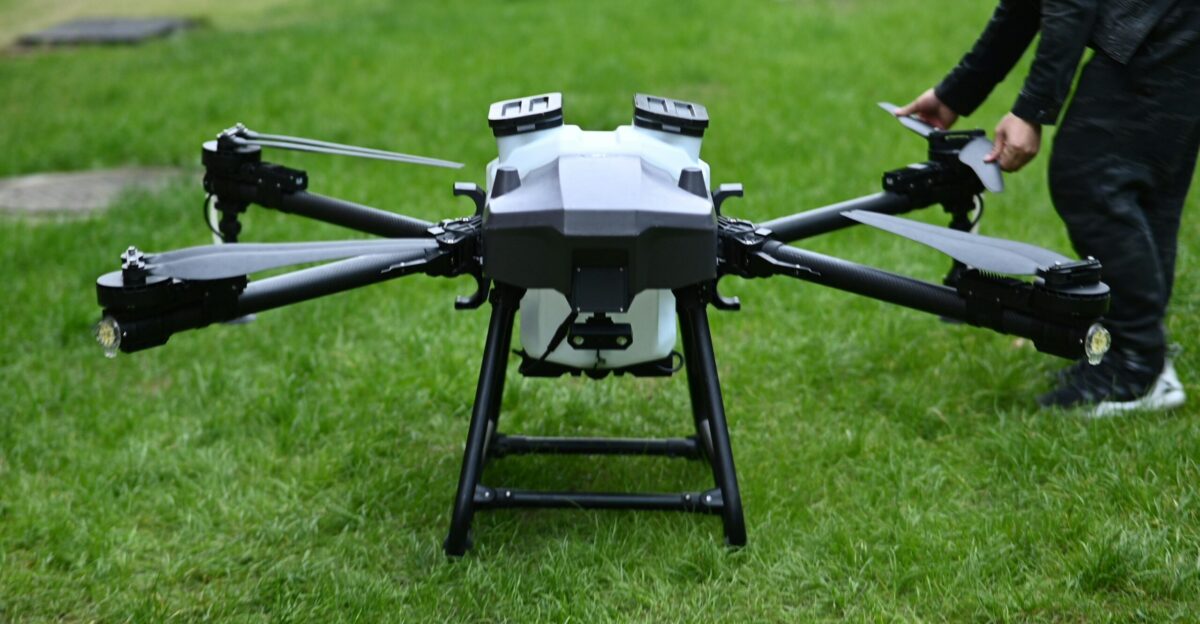
Beyond hardware, China is experimenting with artificial intelligence and robotics. Chinese war planners talk openly about “multiplatform integration” and AI-driven logistics, suggesting future fleets where autonomous scouts and weaponized drones guide the assault ships.
Chinese civilian tech firms (which build state-of-the-art commercial ships and AI systems) are entwined with the military industrial base, so innovations spill over quickly.
Strategic Crossroads
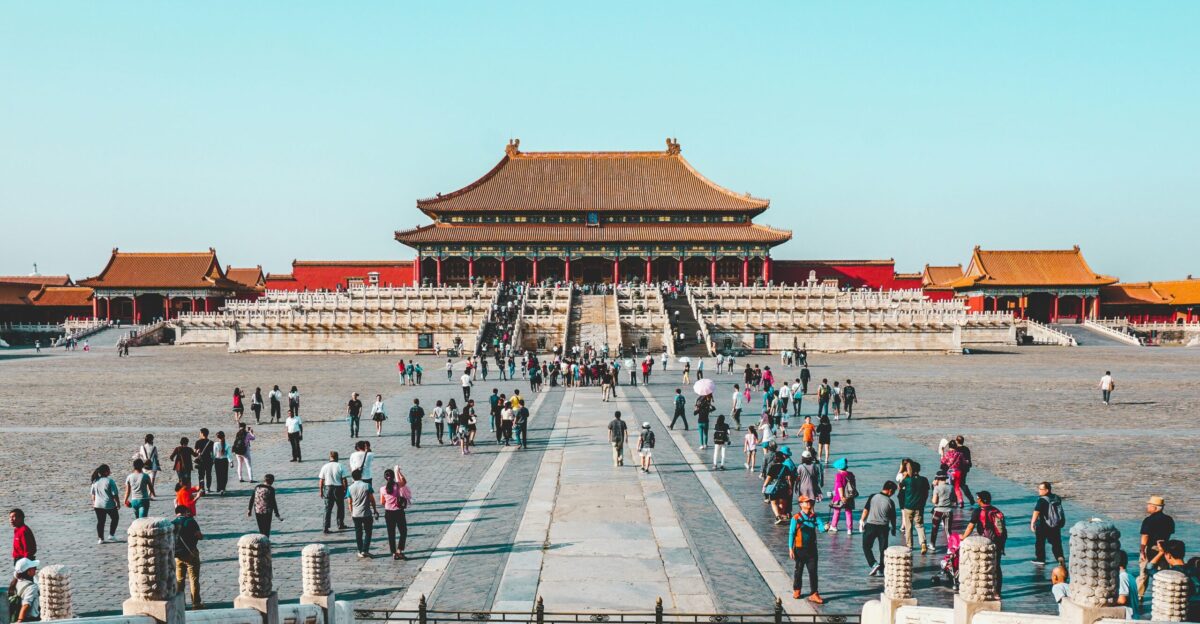
China’s massive coastal militarization represents, many analysts agree, the most significant challenge to Asia’s post-World War II stability. The physical facts now exist: fortified docks ring Taiwan, staging bases reach across the strait, and civilian-looking airports carry dual purpose.
Democratic allies are left to decide whether to meet this challenge head-on or seek some accommodation. Some propose deterrence by denial – more arms sales to Taiwan, deeper trilateral exercises, and expanded AUKUS+ cooperation. Others urge cautious diplomacy to avoid provocation.
One U.S. analyst warned that infrastructure in place is effectively “irreversible” – once built, these bases will still be there under any peace deal. In the end, the direction Asia takes may hinge on choices made in Beijing, Washington and Taipei right now.