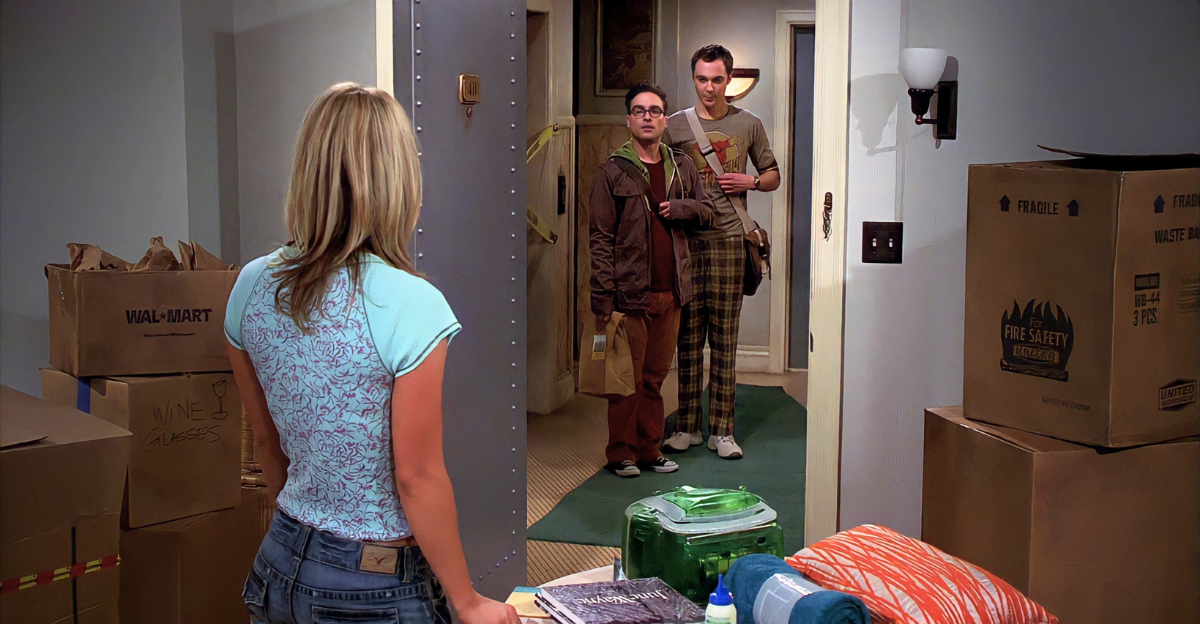
Penny isn’t just a character; she’s the heartbeat of The Big Bang Theory. Imagine the show without her quick wit, eye rolls, and unexpected wisdom. It’s almost unthinkable. Yet in the very first 2006 pilot, she did not exist. Instead, Amanda Walsh played “Katie,” a sarcastic, street-smart neighbor who clashed with Leonard and Sheldon. Test audiences weren’t convinced.
The warmth was missing, and the laughs felt sharp rather than inviting. Chuck Lorre later admitted that the pilot was “off.” That stumble opened the door to something brighter—Penny. And with Kaley Cuoco, the show found its spark and soul.
When Chemistry Missed the Mark
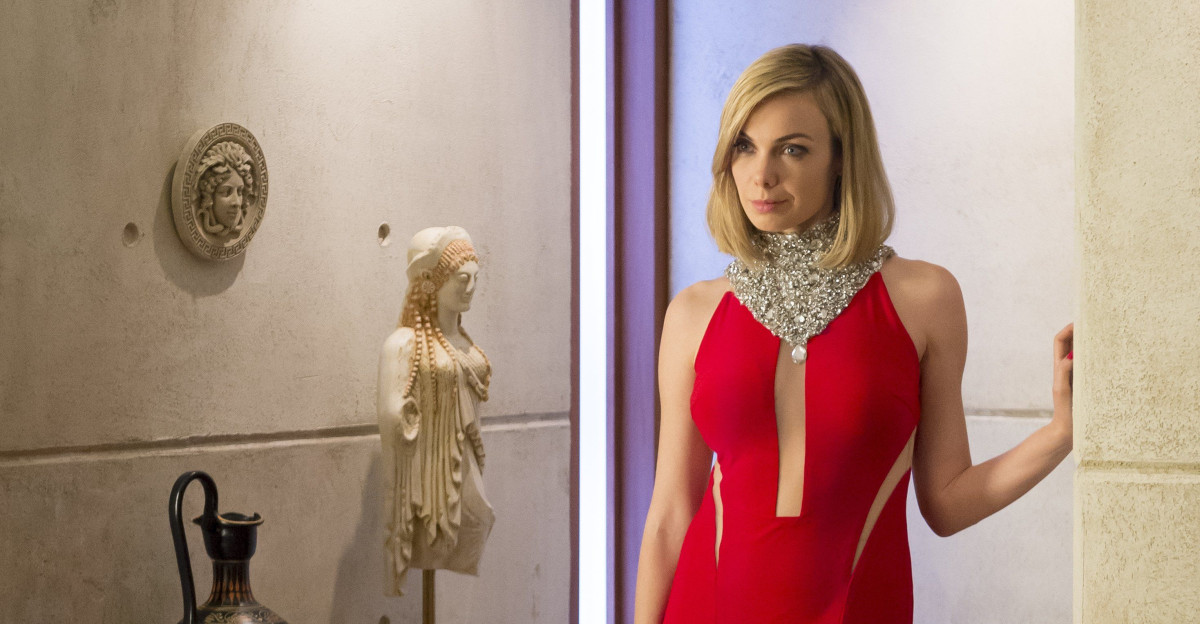
Even the sharpest scripts can fall flat if the chemistry isn’t right. During early rehearsals, producers sensed a spark missing. Amanda Walsh had talent, but her timing with Johnny Galecki and Jim Parsons didn’t ignite. Punchlines landed awkwardly, and camaraderie gave way to tension. Galecki later called the humor “forced,” while Lorre admitted the dynamic lacked heart.
They auditioned others, including Jodi Lyn O’Keefe, but nothing clicked. The show didn’t just need a neighbor—it needed someone who could bridge nerdy banter and warmth, a character who could charm, surprise, and ultimately steal every scene she touched.
Katie—Too Cool to Care
Katie wasn’t unlikable, just a miscalculated character. She was written as a cynical, street-smart woman who exploited Leonard and Sheldon’s kindness. Test audiences didn’t warm to her, and people wanted a character they could root for. Chuck Lorre later admitted that Katie felt “mean,” which undercut the humor.
Viewers didn’t want a bully across the hall; they wanted a friend. That realization was huge. The show didn’t need edge; it required empathy. So Katie was shelved, and Penny was born, turning the story from clashing personalities into a tale of unlikely but heartfelt friendship.
Enter Penny—A Breath of Fresh Air

Reworking Katie into Penny was like opening a window and letting light in. Instead of a hardened survivor, Penny became a Nebraska girl chasing acting dreams while waitressing at The Cheesecake Factory. Bill Prady said she brought “humanity” to the show, giving audiences an emotional anchor.
Penny wasn’t just comic relief; she balanced the scientists’ world with relatability. Through her, we laughed at nerd culture and everyday struggles. With Penny, the show found its heart. Without her, the series might never have made it past season one.
Kaley’s First Audition—The ‘Too Young’ Verdict
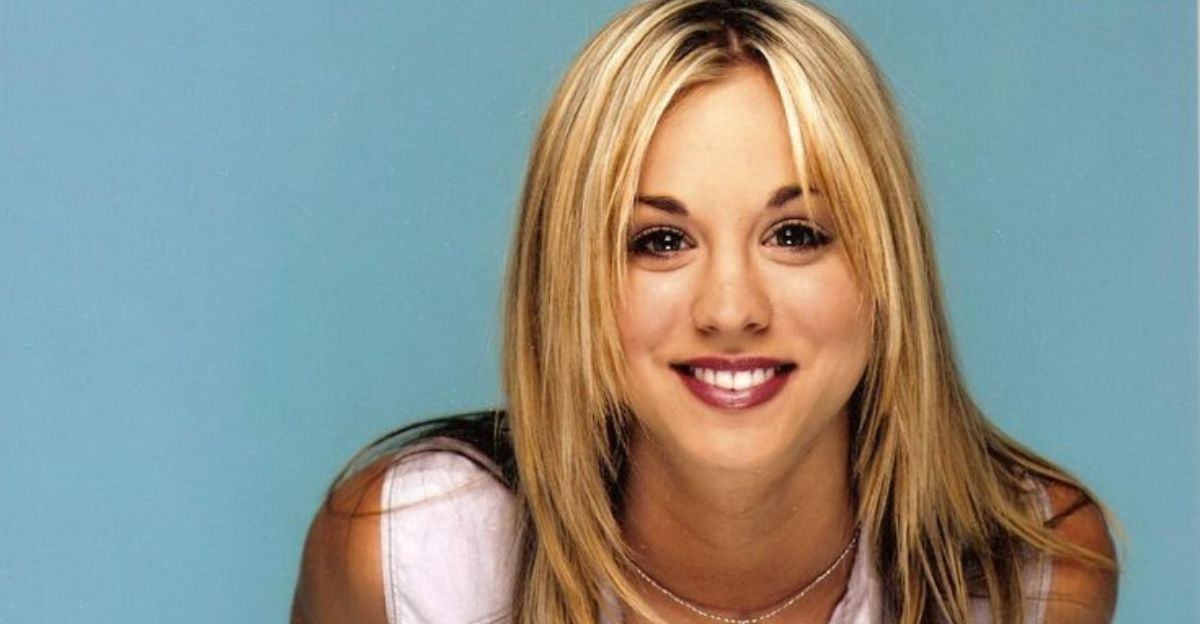
Kaley Cuoco’s first shot at the role came during auditions for Katie. Casting director Ken Miller later revealed producers thought she was “too young” for the stricter version of the character. Still, Cuoco left a strong impression.
When Katie was rewritten into Penny, softer and more hopeful, producers remembered her energy immediately. This time, she fit perfectly. It’s one of those Hollywood reminders that rejection isn’t always failure; it’s sometimes just waiting for the proper role. Kaley didn’t just land Penny; Penny landed her, at precisely the right time.
Winning the Room
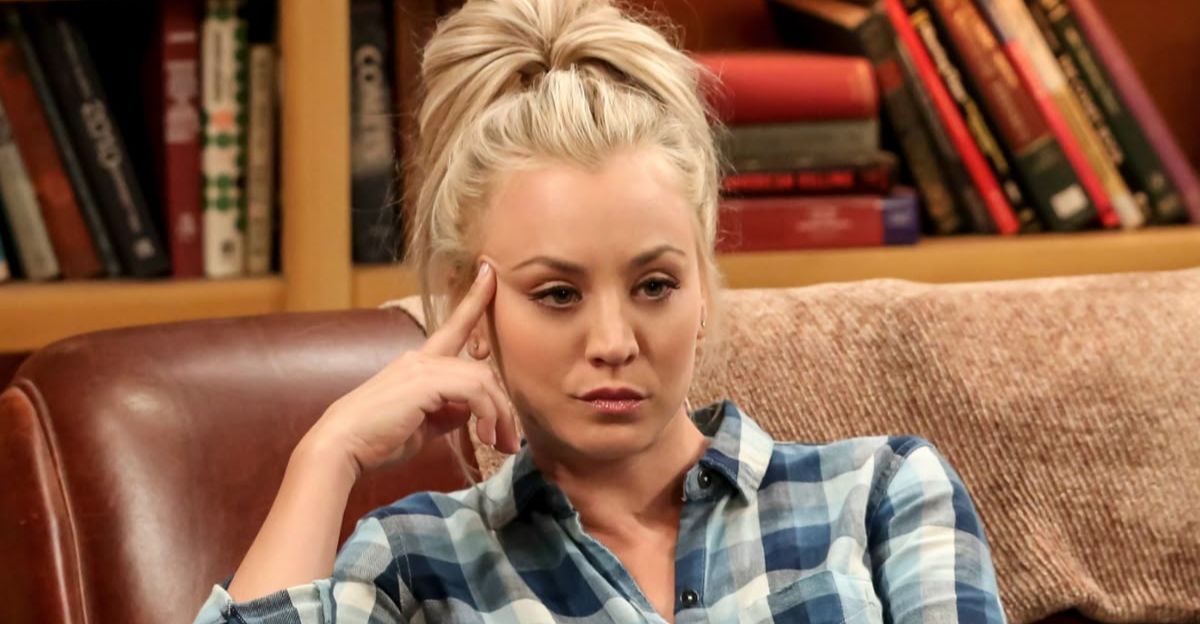
When Kaley returned to audition as Penny, everything clicked. Chuck Lorre recalled in interviews that after she read, the producers practically shouted, “We found her!” Her warmth, humor, and ease made the character come alive.
Johnny Galecki later said her chemistry with him and Jim Parsons felt “like fate.” Even simple lines sparkled in her delivery. Penny wasn’t just cast—she was embodied.
Sometimes auditions feel like job interviews. This one felt like destiny. Cuoco’s natural presence turned a rewritten character into the glue that held the entire ensemble together.
Every day, Approachable, Authentic
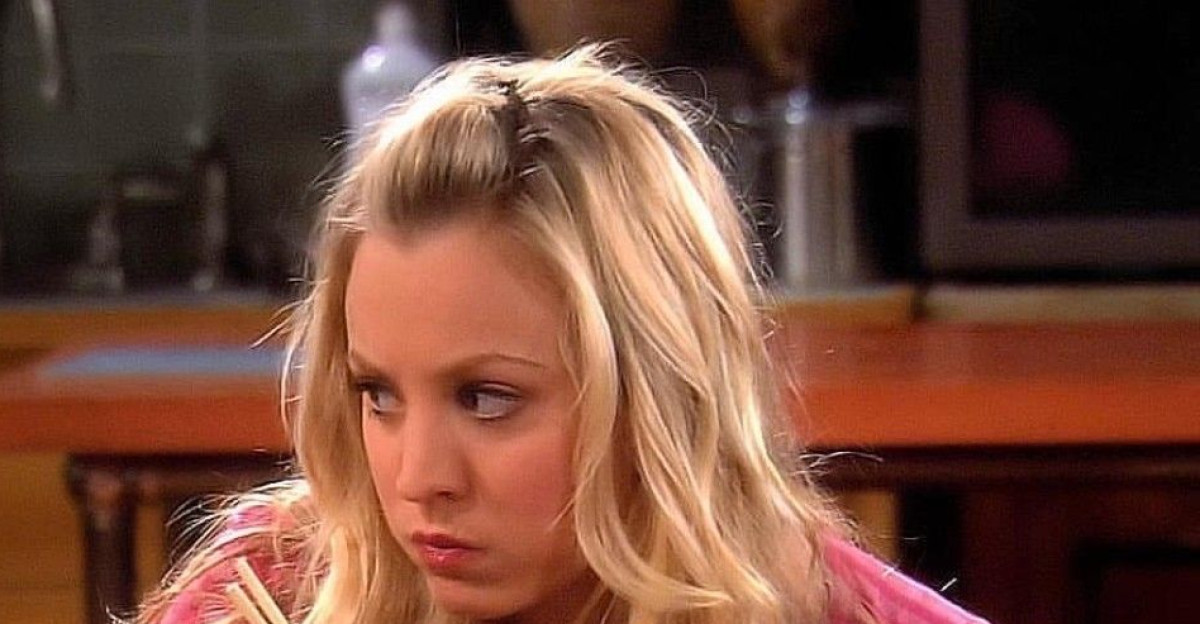
What made Penny different was how real she felt. She wasn’t perfect, and that’s precisely why fans connected with her. Bill Prady told The Hollywood Reporter she was “the audience’s entry point,” the character who made the scientists’ world accessible.
She struggled to pay rent, chased shaky dreams, and made mistakes like the rest of us. While Leonard explained particle physics, Penny explained what it felt like to fail at an audition. That balance of genius and everyday grit made the show work for casual viewers who didn’t care about quarks or equations.
Why Penny Fit So Well
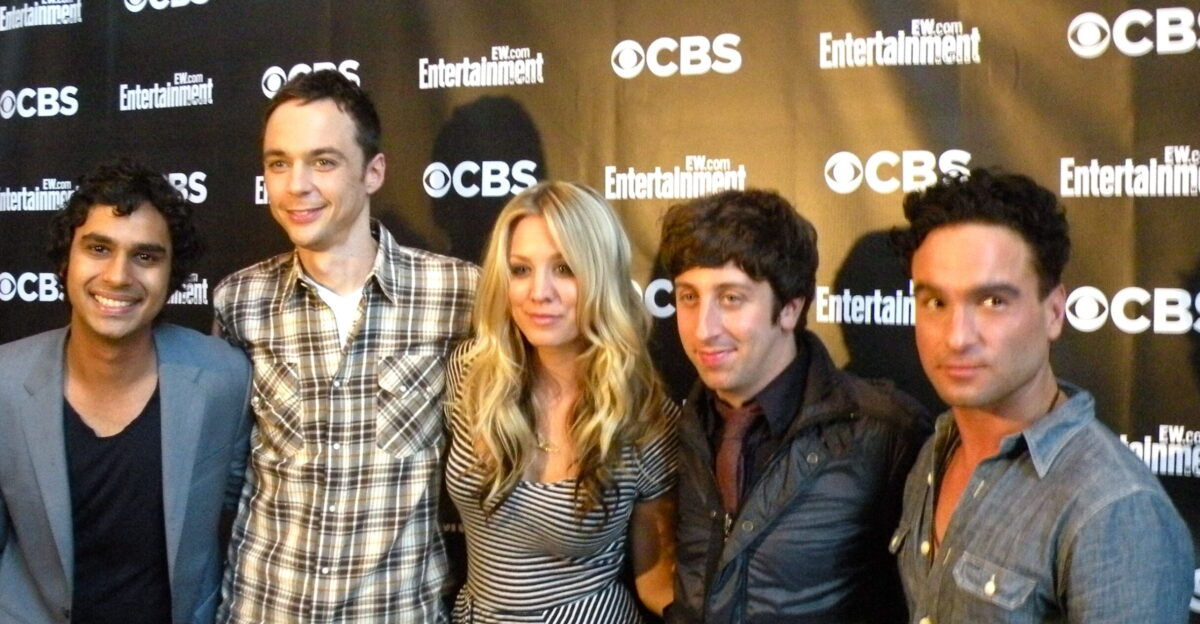
Kaley’s casting brought more than laughs; it brought cohesion. Galecki later described her arrival as “the missing puzzle piece.” Penny became the bridge between nerd culture and mainstream audiences. She wasn’t mocking Leonard and Sheldon; she was embracing them, flaws and all.
Off-camera, Cuoco’s personality meshed with the cast so seamlessly that their real friendships bled into the humor. It’s why their banter felt natural and arguments came across as believable. Penny didn’t just round out the cast. She tied the whole show together into a family viewers wanted to revisit week after week.
Penny’s Secret Science—Social Smarts
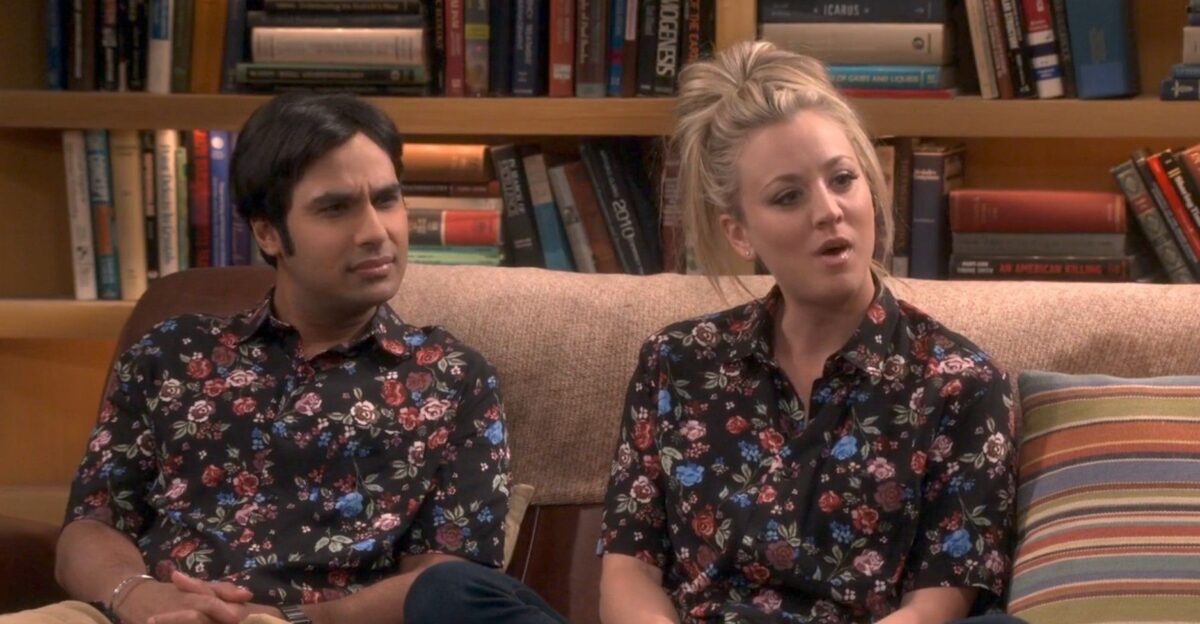
The guys might have had advanced degrees, but Penny had a Ph.D. in people. She guided Leonard through dating jitters, encouraged Raj through heartbreak, and grounded Sheldon when his genius got the better of him.
Fans often joked that she was the “real scientist,” experimenting with empathy and social dynamics. In an interview with USA Today, Kaley Cuoco laughed, “She was their translator into the real world.”
That’s what made Penny vital. While the others solved equations, she solved hearts, reminding us that brains don’t always beat emotional intelligence.
The Almost-Pennys of Hollywood
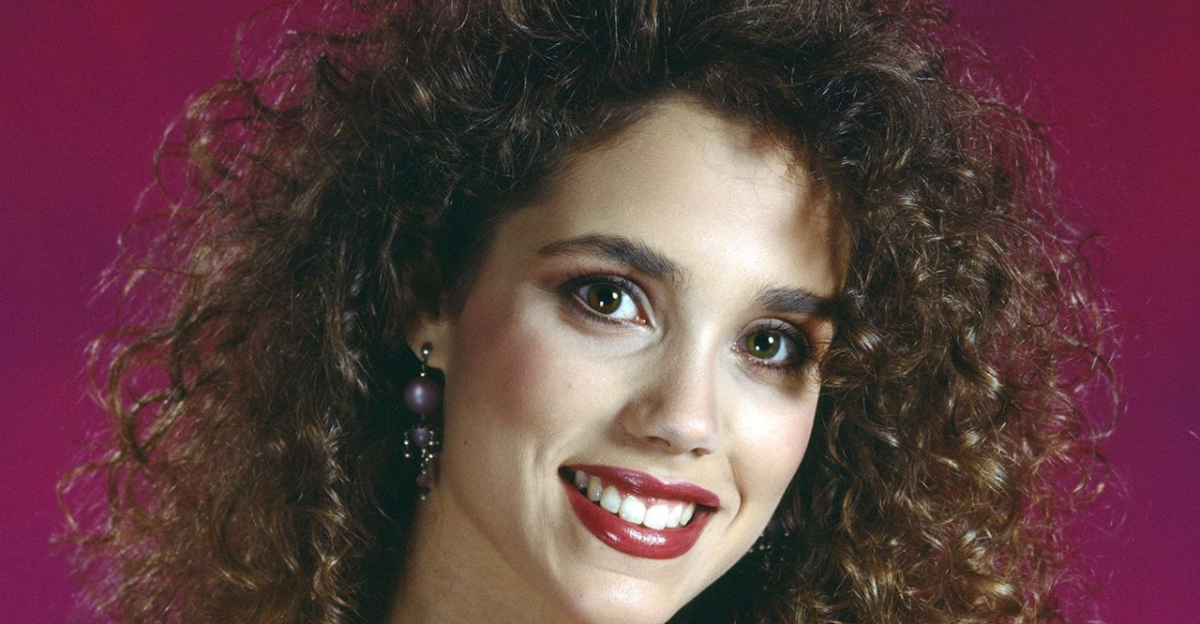
Before Kaley won the role, several actresses were in the running. According to Collider, Brie Larson, Elizabeth Berkley, and Jodi Lyn O’Keefe all reportedly auditioned. Even Tara Reid and Marisa Tomei were floated as possibilities.
Each brought their spin, but none had the right chemistry with the cast. Casting Penny wasn’t just about finding funny, it was about finding someone who could soften the sharp edges of nerd humor. Ultimately, Cuoco brought the exact blend of relatability and sparkle producers had been chasing.
Kaley’s Struggles Behind the Smile
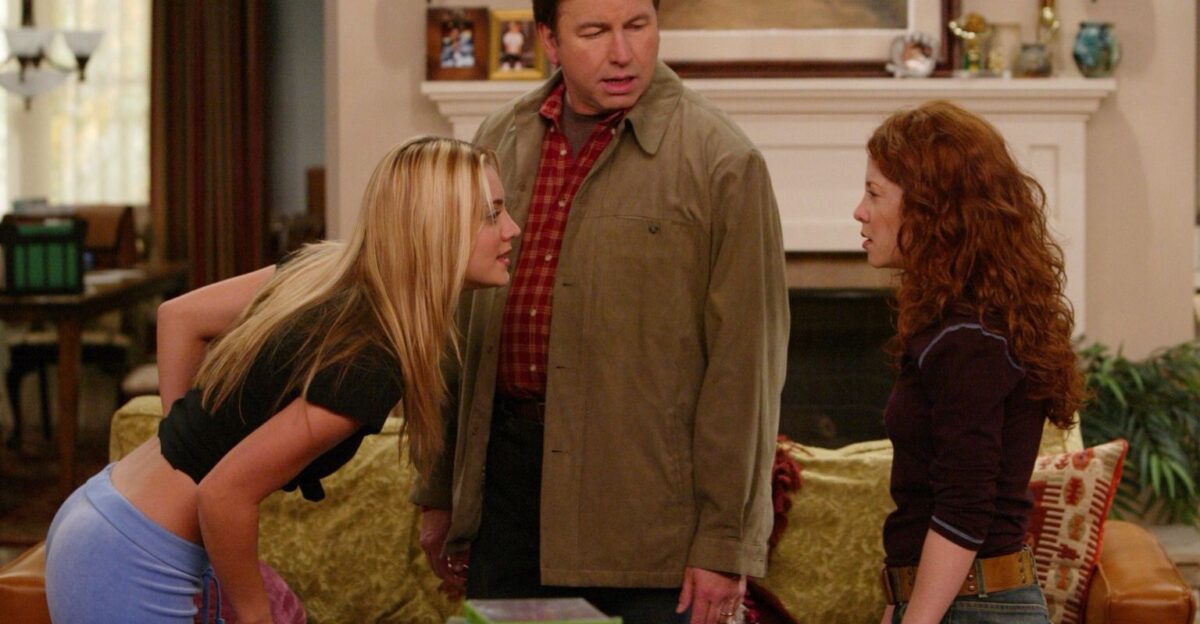
Kaley Cuoco’s career as an actress wasn’t a sure thing when The Big Bang Theory came around. After 8 Simple Rules, she faced lulls, self-doubt, and roles that didn’t quite land. When Penny was rewritten, Cuoco was hesitant.
She liked Katie’s grit and wasn’t sure Penny’s lighter touch suited her. Chuck Lorre later said they practically begged her to reconsider. That uncertainty mirrored Penny’s doubts.
Both the actress and the character were figuring things out. That parallel struggle became part of what made Penny feel so relatable on screen as she chased her second chance.
Day One—Instant Spark
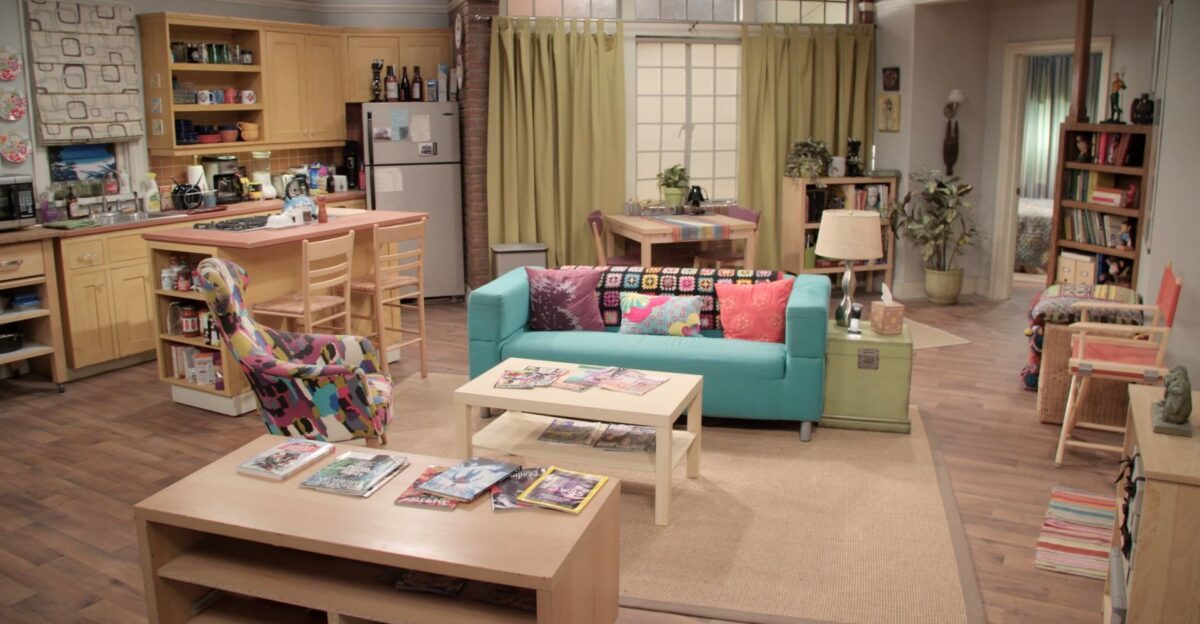
Kaley’s first day on set confirmed everything producers hoped for. Johnny Galecki told People it felt like family from the start. The timing, the banter, the laughter—none of it had to be forced. Jim Parsons later admitted that much of the early laughter was genuine, not staged.
That authenticity is what translated onscreen. Fans could sense the actors weren’t just acting, they were connecting. Penny’s arrival didn’t just fix the show’s chemistry; it supercharged it. The cast went from colleagues to ensemble almost instantly, and audiences fell in love alongside them.
From Ditz to Depth
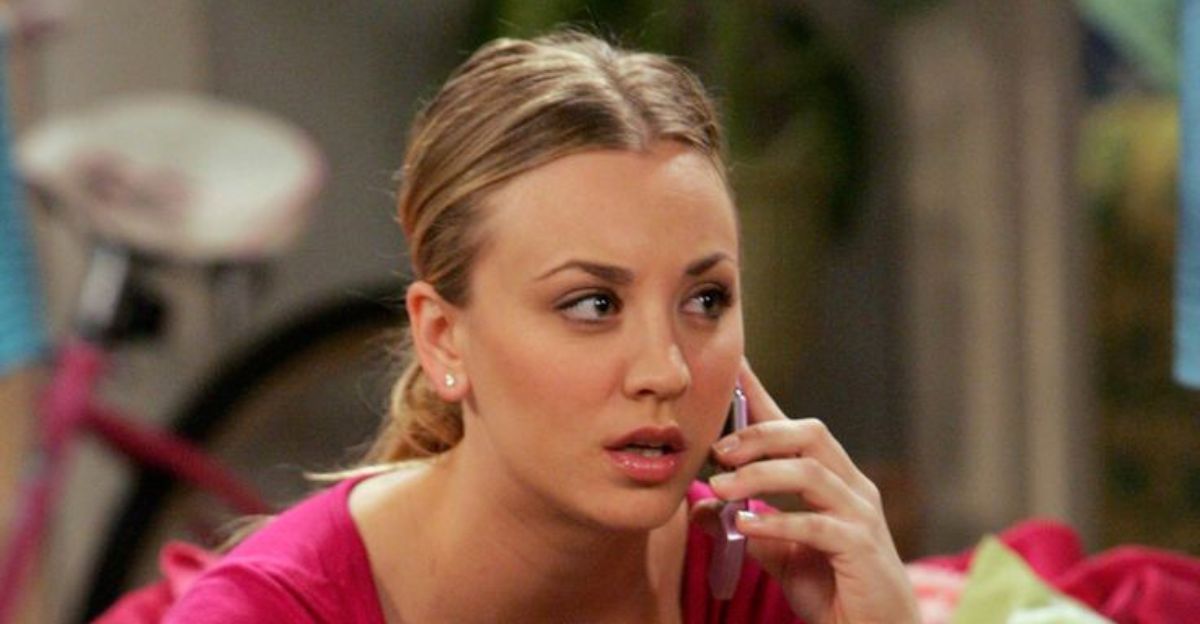
In early drafts, Penny veered dangerously close to the “dumb blonde” stereotype. Writers soon realized that wasn’t sustainable. Chuck Lorre later called that cliché a mistake in Vanity Fair. Penny’s true strength was her emotional intelligence and wit.
Over time, she became the series’ heart, grounding absurd scenarios with humanity. She wasn’t just Leonard’s love interest; she was the character fans turned to for real talk. Watching Penny evolve proved that sitcom characters don’t have to stay flat. They can grow, stumble, and shine in ways audiences relate to deeply.
The Career Curveball
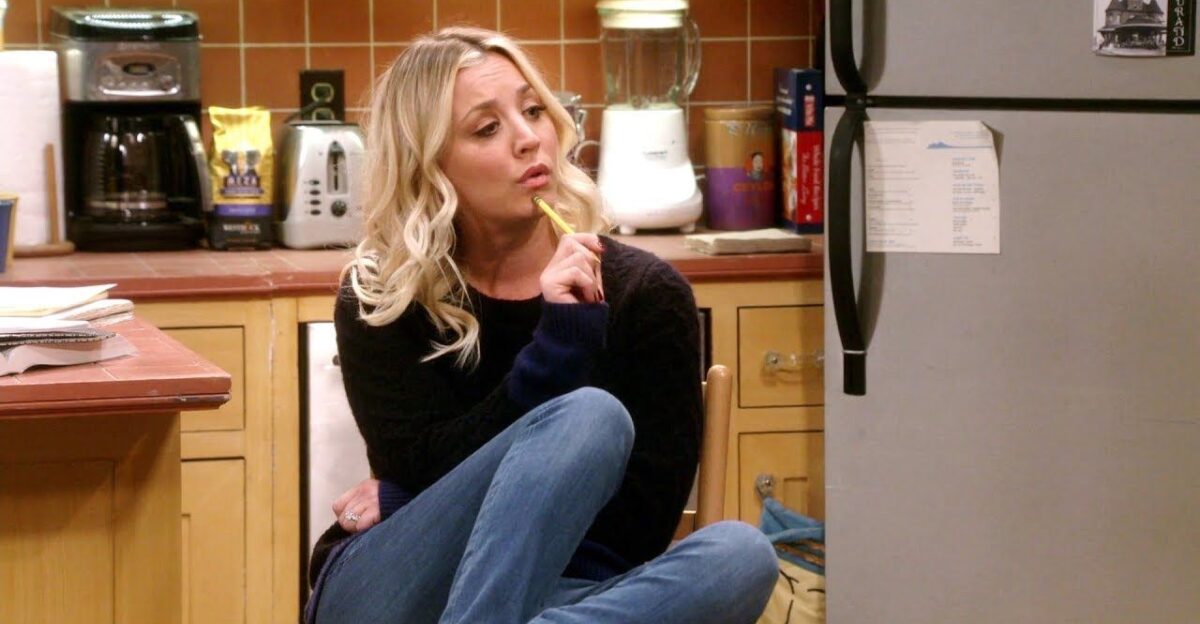
Fans were caught off guard when Penny abandoned her acting dreams for a job as a pharmaceutical sales rep. The switch felt sudden, but writers defended it as authentic. “Dreams change,” producer Steve Molaro explained in The Wrap. And that’s what resonated: viewers saw themselves in her pivot.
Life doesn’t always go according to plan. Penny’s career shift captured that messy, mid-20s reality where ambition meets practicality. For many fans, it made her more relatable than ever. The move showed that sitcoms can mirror life’s detours, not just its punchlines.
Penny and the Ratings Boom
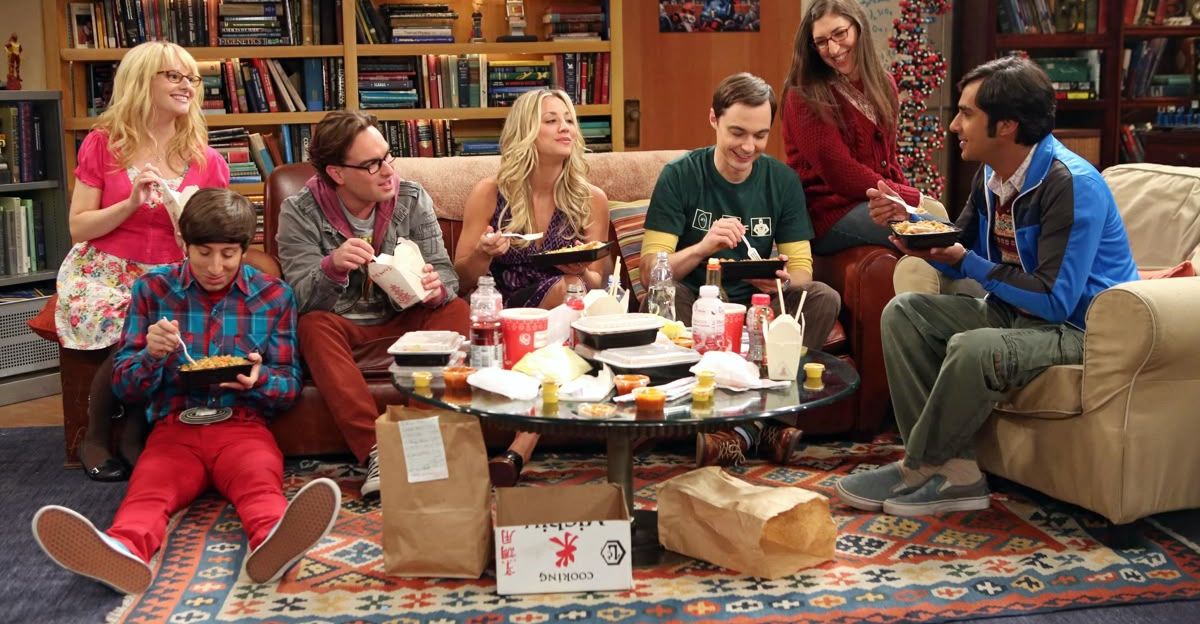
Penny’s recast didn’t just save the show creatively; it transformed it into a phenomenon. With Kaley on board, The Big Bang Theory quickly became CBS’s crown jewel, topping Nielsen ratings for years. At its peak, over 18 million people tuned in weekly.
Her relatability drew in audiences far beyond science enthusiasts, connecting families, couples, and casual viewers with her struggles and triumphs. Penny wasn’t just a character; she was why people kept returning. The decision to reimagine her wasn’t just smart television; it was a billion-dollar idea in disguise.
The Humanity Factor
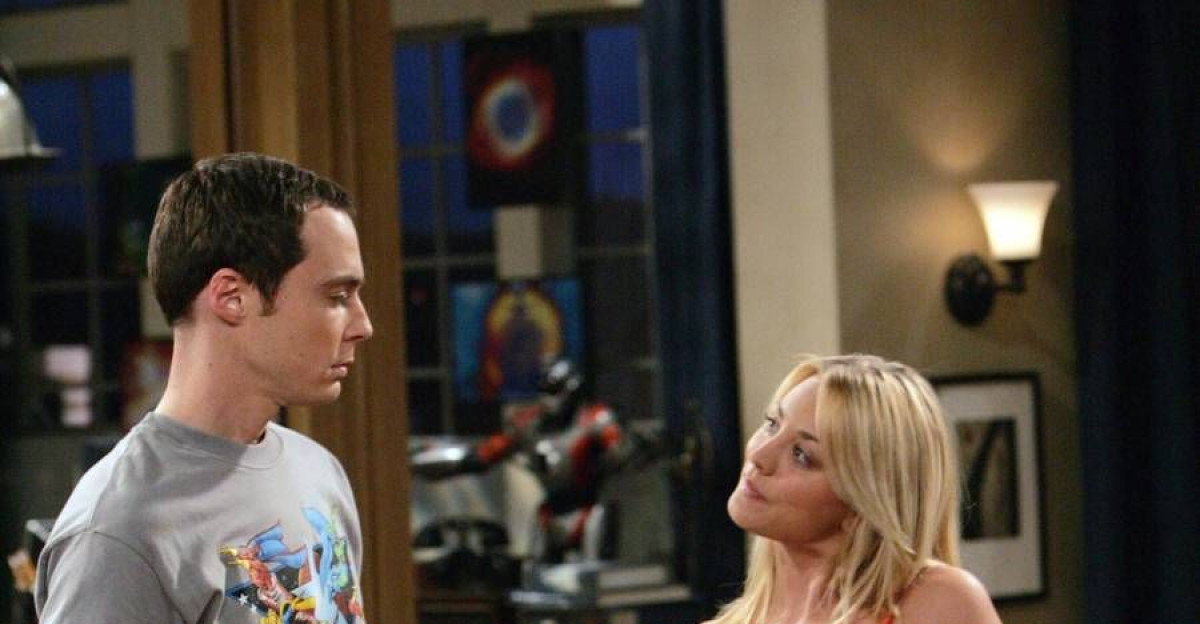
Chuck Lorre has often said Penny brought “humanity” that the show lacked in its first attempt. When Cuoco hesitated about the role, producers didn’t just wait; they called her personally, adjusting the pilot reshoot to match her schedule. Casting director Ken Miller told Variety, “It had to be her.”
That determination highlights how crucial Penny was to the show’s DNA. She wasn’t optional; she was essential. It’s rare for one casting decision to shift the fate of a sitcom so dramatically, but without Penny, The Big Bang Theory may never have become a household name.
Penny as Our Proxy

Penny became the audience’s stand-in. Her confusion over Klingon and her disbelief at comic book debates were our reactions, too. Jim Parsons told Deadline she was “the bridge,” the character who allowed fans unfamiliar with nerd culture to laugh along.
Through Penny, geekiness felt less intimidating and more inviting. She wasn’t mocking the guys but learning with them, often bringing heart to their misadventures.
Penny’s role reminded audiences that friendship can cross academic or other worlds and still feel genuine. That connection helped the show appeal far beyond its niche.
Love in the Spotlight
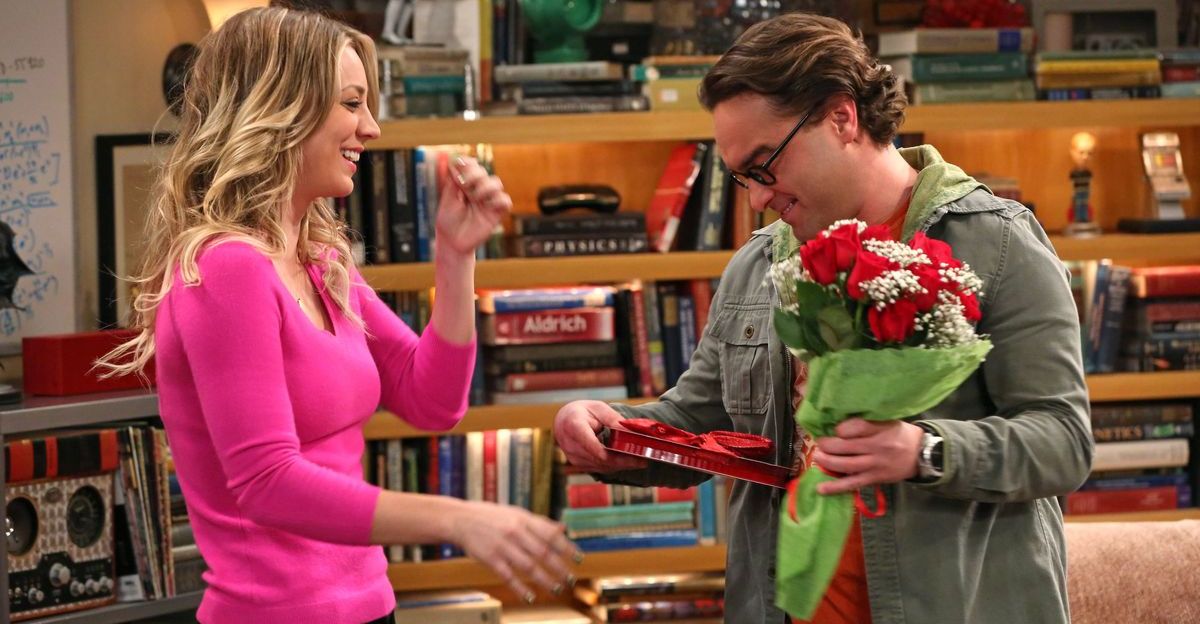
Penny and Leonard’s romance became the show’s emotional backbone. From awkward beginnings to marriage, their relationship showed how opposites attract and how much work it takes to stay together. As one Vulture critic wrote, “You root for them because they’re imperfectly real.”
Fans related to their fights, reconciliations, and quiet moments of support. It wasn’t a sitcom fantasy; it was messy and human. Their love story gave the series heart, proving that even in a comedy about nerds and equations, the biggest constant was love worth fighting for.
Penny’s Legacy
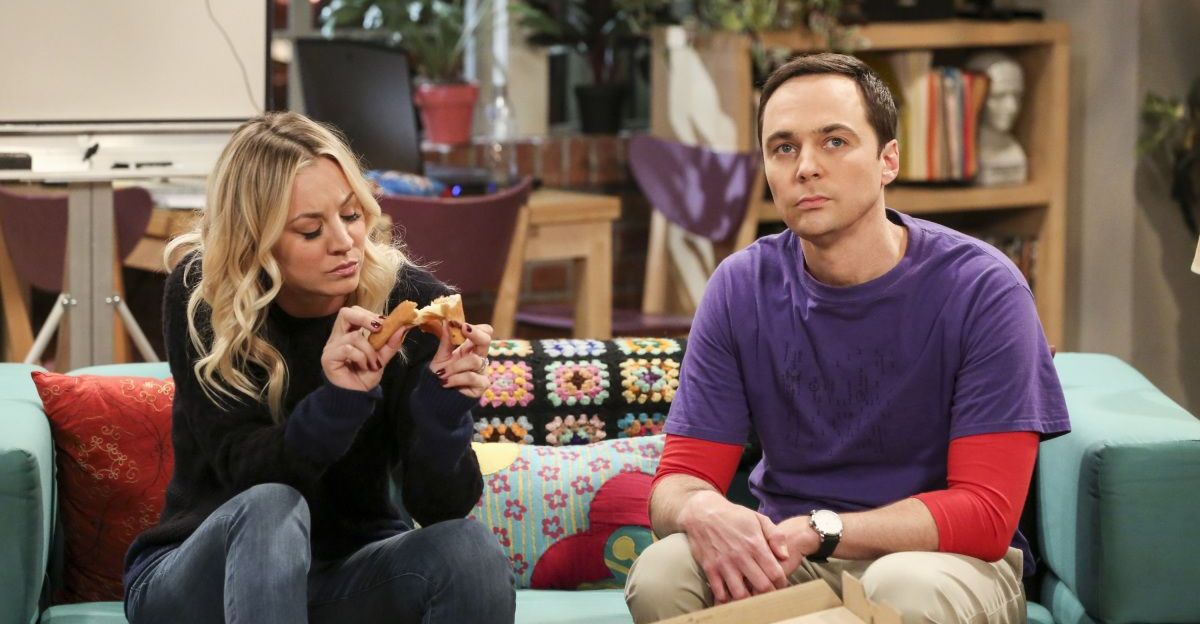
Recasting Penny changed everything. Kaley Cuoco didn’t just save the pilot; she redefined what a sitcom heroine could be. She was funny, flawed, resilient, and honest. Penny wasn’t just the neighbor across the hall; she became the emotional glue that made the series accessible.
Her presence turned science-heavy jokes into lessons about empathy and belonging. Looking back, imagining The Big Bang Theory without her is hard. Penny wasn’t a sidekick. She was the show’s soul, whose impact rippled far beyond television.
Why We’ll Never Forget Her
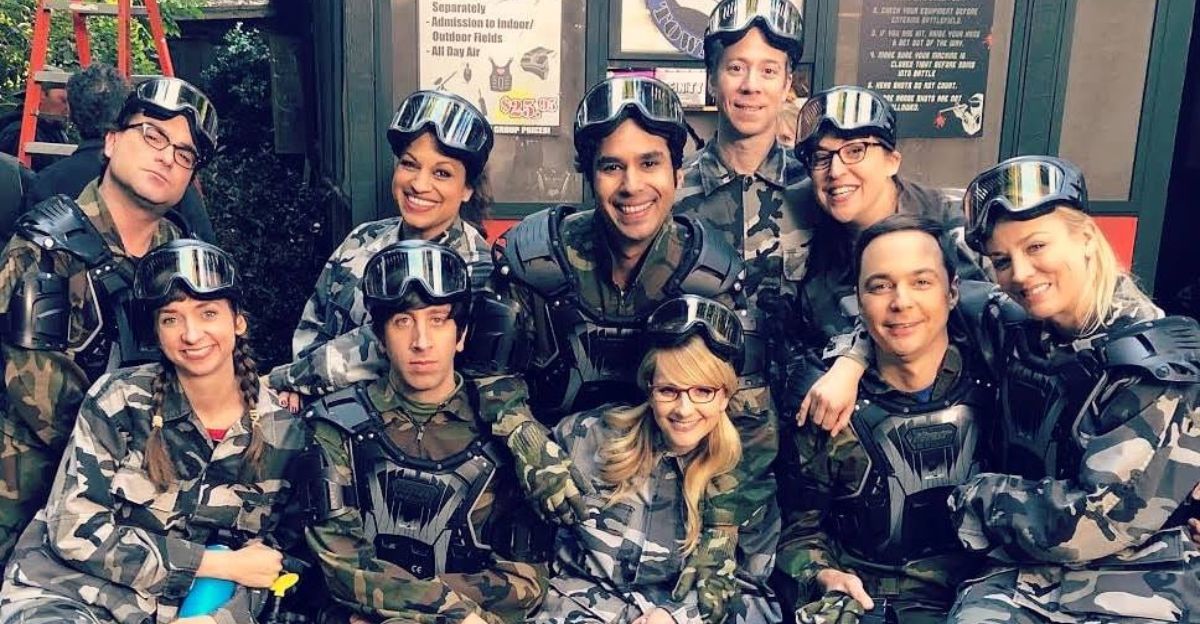
Penny’s journey is one of television’s happiest accidents, from a scrapped pilot character to a sitcom icon. Kaley Cuoco infused humor, warmth, and authenticity into a role that could’ve been forgettable, turning her into unforgettable.
Through Penny, audiences saw themselves: flawed, hopeful, awkward, and endlessly growing. Her impact was not just in ratings or awards, it was in the millions who felt seen, understood, and a little less alone.
Penny showed that the best characters don’t just make us laugh, they make us care. And that’s why she still lights up the screen and our memories more than a decade later.