
When Catherine, Princess of Wales, welcomed guests to Westminster Abbey for the 2024 “Royal Carols: Together at Christmas,” the event was about far more than seasonal music. Now in its fifth year, the service has become a key moment in the royal calendar, offering a clear view of who sits at the visible heart of the monarchy. The presence—or absence—of extended family members, particularly Princess Beatrice and Princess Eugenie, is read as a quiet signal of how a streamlined royal structure is taking shape under King Charles III.
Kate’s Expanding Role in the Monarchy
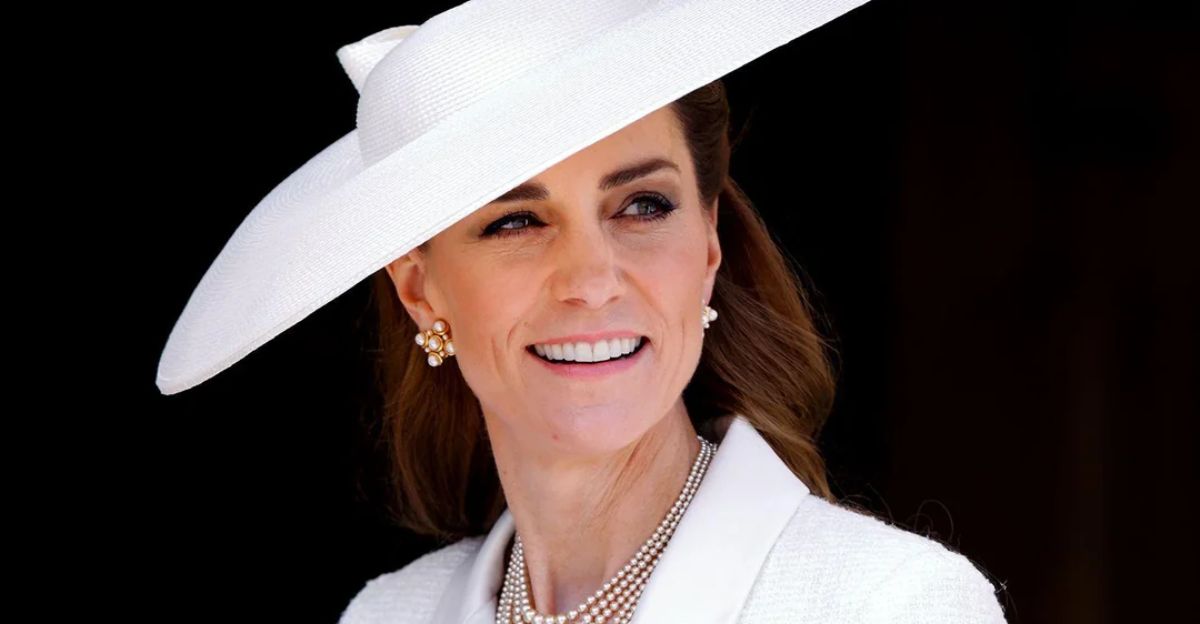
Catherine’s influence has grown markedly since she became Princess of Wales after Charles’s accession in 2022. Her portfolio now includes prominent initiatives on early childhood, mental health, and community wellbeing, many of which are treated as institutional priorities rather than personal side projects.
The carol service, created under her patronage and organized through her office, has evolved into one of her signature undertakings. Because it is nationally broadcast and heavily covered, it underscores how her role has shifted from supportive consort to a leading architect of the royal family’s public agenda. Events she fronts now carry symbolic meaning inside the institution, reflecting both the issues the monarchy wishes to highlight and the individuals it chooses to place at the forefront.
A Televised Barometer of Royal Standing
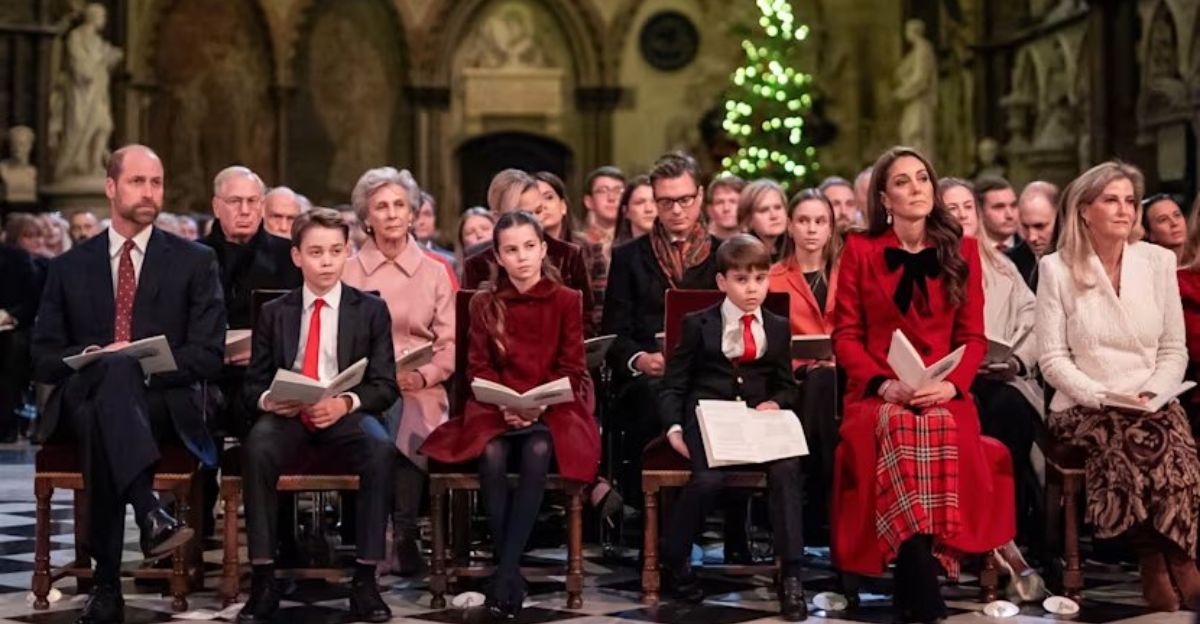
Launched in 2021, “Royal Carols: Together at Christmas” has rapidly become a televised tradition. It brings together senior working royals, charitable partners, and invited members of the public in a setting closely associated with major royal milestones. For commentators and viewers, the service functions as a kind of annual barometer, illustrating who currently represents the monarchy’s active public face.
In an era of transition—marked by a new king, a focus on consolidation, and ongoing reputational challenges—the Abbey guest list is scrutinized as an unofficial guide to internal priorities. Inclusion suggests proximity to the monarchy’s operational centre; absence can spark questions about distance, redefined roles, or quiet recalibration. Because Catherine issues invitations in her capacity as Princess of Wales, those choices are seen as reflecting both her judgment and the broader direction of the royal household.
Beatrice, Eugenie, and the Legacy of Their Father’s Fall
Princess Beatrice and Princess Eugenie occupy a complicated position in this landscape. They are indisputably part of the Royal Family and retain their titles, but they are not classified as working royals and do not hold full-time public roles on behalf of the Crown. Both have developed careers—Beatrice in private investment and innovation, Eugenie in the international art sector—while supporting charitable efforts in a more private, ad hoc way.
Their standing has been shaped less by their own actions than by the consequences of Prince Andrew’s removal from public life. In January 2022, he was stripped of his military titles and royal patronages following his legal settlement in the United States related to Jeffrey Epstein, and he stepped back from official duties. Although the sisters were not implicated, coverage of them remains closely tied to discussion of their father. High-profile appearances often revive scrutiny of his conduct, even at events unrelated to his case.
For Beatrice and Eugenie, this creates a recurring dilemma around visible royal occasions. Attending demonstrates family unity and loyalty to the institution but risks reigniting commentary about Andrew. Choosing not to appear, however, can be interpreted as a sign they are drifting further from the monarchy’s public core, even when they have in fact received invitations.
A Streamlined Court and Limited Space for Extended Royals
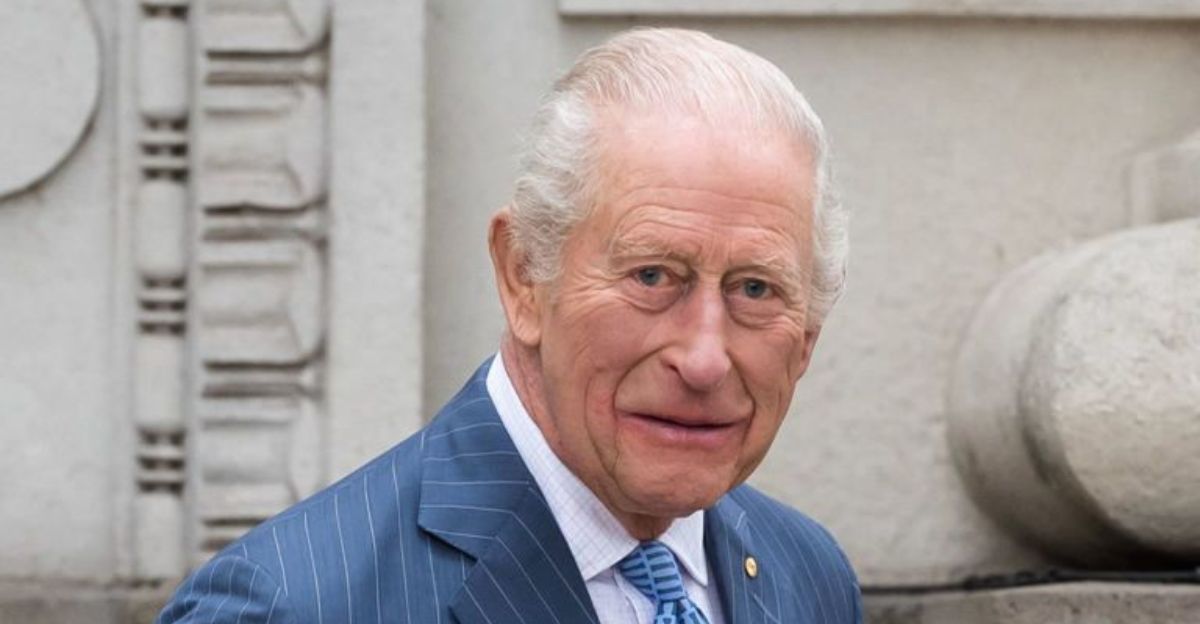
King Charles has long favoured a focused royal structure built around a smaller group of working figures. Since his accession, this approach has become more evident, with public duties concentrated on Charles, Queen Camilla, the Prince and Princess of Wales, and a short list of others. The shift is designed to deliver a clearer message and reduce operational complexity, but it also leaves fewer official opportunities for extended relatives.
Within this framework, Beatrice and Eugenie’s current position is defined by secure titles but uncertain long-term roles. There is no indication from the Palace that their status as princesses is under review. At the same time, titles alone no longer guarantee regular participation in major programmes. Their professional careers and young families further reinforce their place outside the full-time working circle, even as they continue private philanthropic work.
The 2024 carol service underlined this balance. Both sisters were reportedly invited and have attended previous years, signalling that they are not being formally excluded. The 2024 theme—“love in all its forms” and “the power of togetherness”—aligned with the monarchy’s emphasis on communal resilience after a demanding period. Yet their limited overall visibility across the year confirmed that they remain on the periphery of the institution’s daily public operations.
Looking Ahead: Signals from a Quiet Ceremony
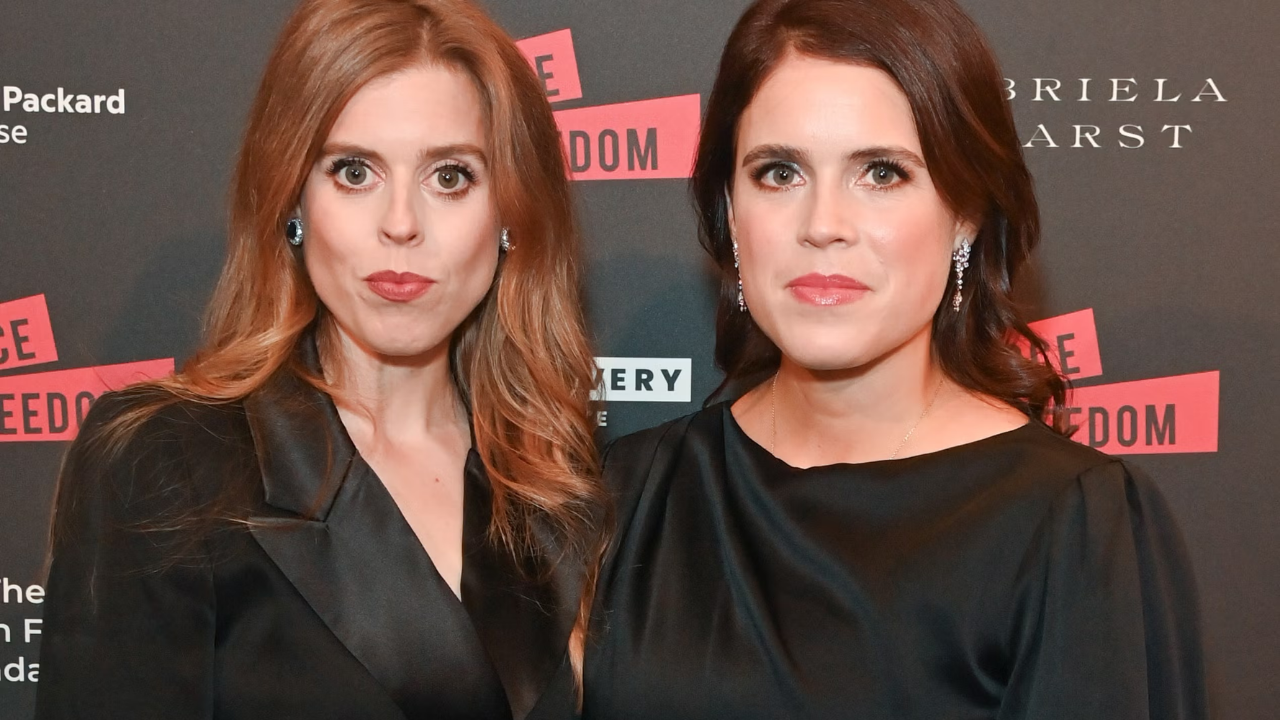
As heir to the throne, Prince William will eventually shape the next phase of this streamlined model. No public strategy has been outlined regarding Beatrice and Eugenie, but the continued emphasis on a compact working group suggests significant expansions of their public role are unlikely in the near term. For now, they remain in a holding pattern: closely related to the core, occasionally present at flagship occasions, yet largely defined by careers and families outside palace walls.
In this context, Catherine’s Westminster Abbey service has become more than a festive gathering. Its evolving guest list offers an annual snapshot of how the monarchy manages visibility, loyalty, and reputational risk while presenting a united front. For the York sisters, continued invitations show their family connection is intact. Their comparatively low profile, however, highlights the reality of a monarchy that is narrowing its public focus—even as it seeks to project warmth, continuity, and togetherness to the country.