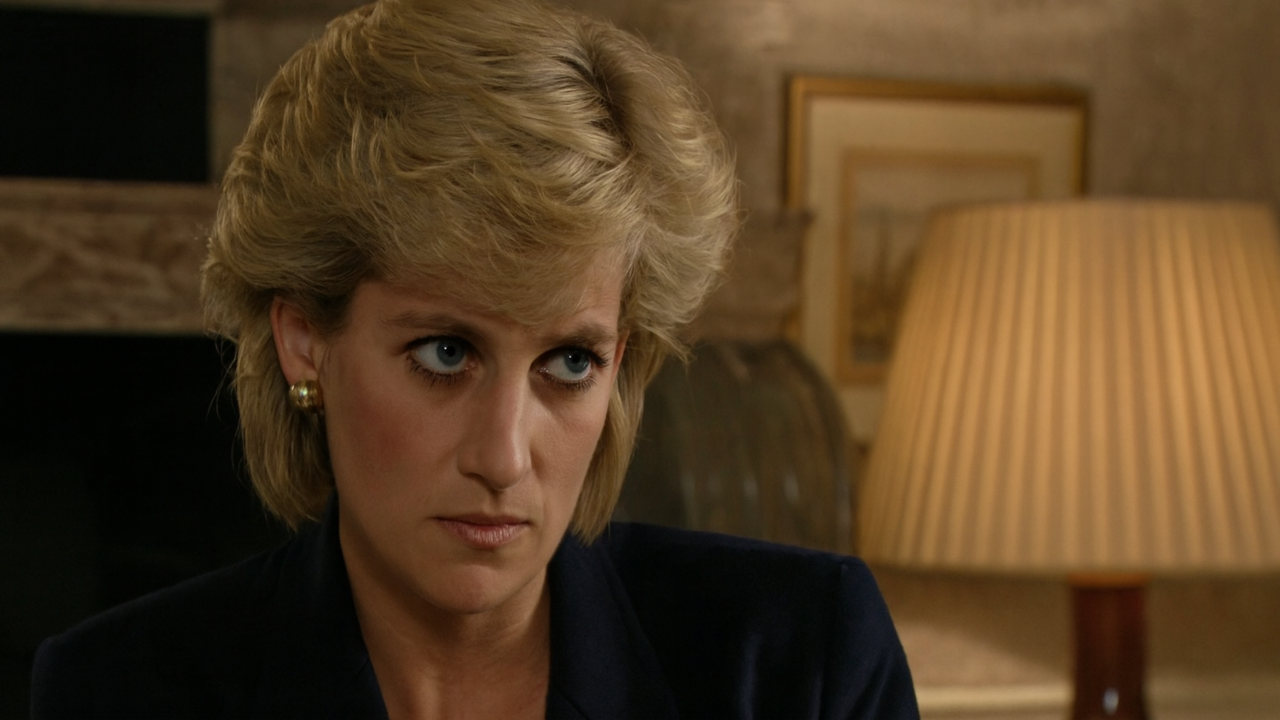
The BBC’s 1995 Panorama interview with Princess Diana has long been lauded as a journalistic milestone. Yet new investigations reveal it was built on deception, forged documents, and a decades-long cover-up. Martin Bashir manipulated Diana and bypassed protocols, leaving whistleblowers punished and the broadcaster’s credibility in question.
The Dyson Report and Andy Webb’s “Dianarama” shine light on how institutional failures allowed deceit to flourish. From forged bank statements to destroyed memos, the scandal reveals the BBC’s struggle between ambition and integrity. Let’s explore the full story, from Bashir’s schemes to the long-delayed reckoning.
How Bashir Gained Diana’s Trust
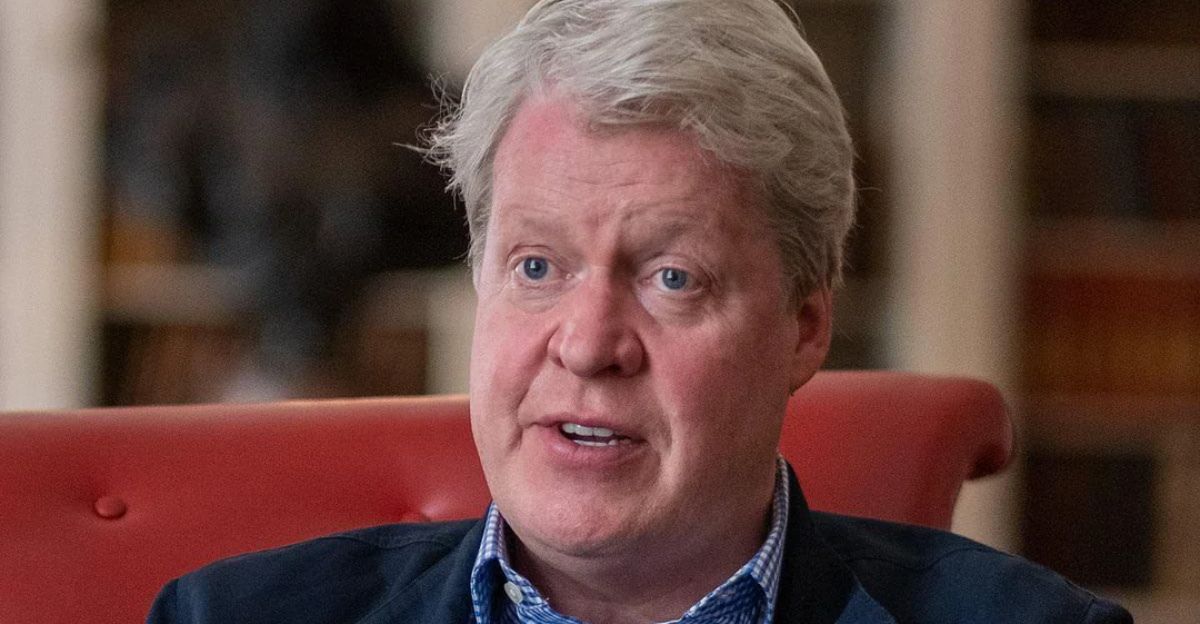
Martin Bashir faked bank statements in September 1995, alleging Diana’s aides were paid for spying or betraying her. He showed these to Earl Spencer, her brother, amplifying Diana’s fears. His deceit secured the interview of the century, yet violated core BBC standards.
Bashir’s tactics were described as “deceitful” and a “serious breach” of BBC guidelines on 19 May 2021. These actions planted paranoia about MI5, assassinations, and surveillance, fundamentally shaping Diana’s decisions. But what role did BBC leadership play in enabling this fraud?
BBC Leadership Failed Oversight
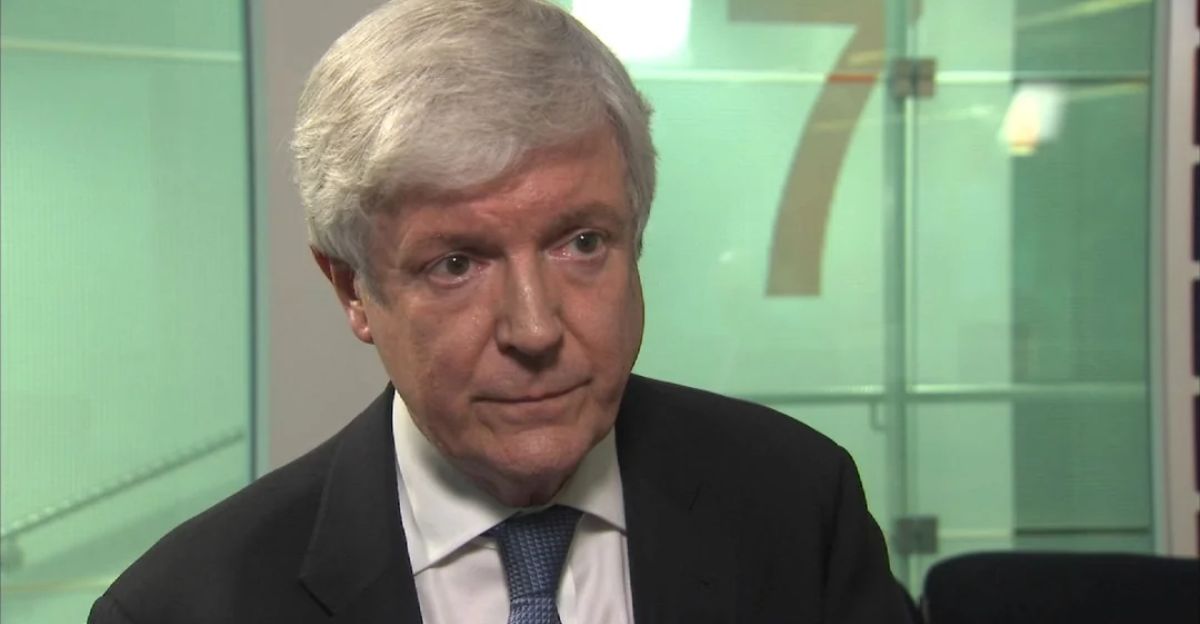
Tony Hall’s 1996 internal investigation cleared Bashir as “honest and honourable,” ignoring warnings from senior staff. Memos were missing or destroyed, and whistleblowers were smeared as “jealous colleagues.” John Birt, then Director General, claimed ignorance despite detailed oversight of Panorama’s content.
Steve Hewlett, Panorama editor, removed firewalls designed to prevent fraud, allowing Bashir unchecked access. This systemic lapse created a cover-up that would last decades. How did whistleblowers respond to these suppressions?
Whistleblowers Face Retaliation
Tom Mangold, Mark Killick, and Harry Dean warned BBC management about Bashir’s misconduct. Instead of action, they were discredited, dismissed, or sidelined, often forced out of their careers. Their warnings went unheeded for decades, damaging reputations and morale.
Matt Wiessler, the graphic designer who forged documents under duress, faced a home burglary with evidence disks stolen. The intimidation ensured silence. Yet public revelations would later restore some accountability. What were the broader impacts of these manipulations?
Royal Household and Public Deception
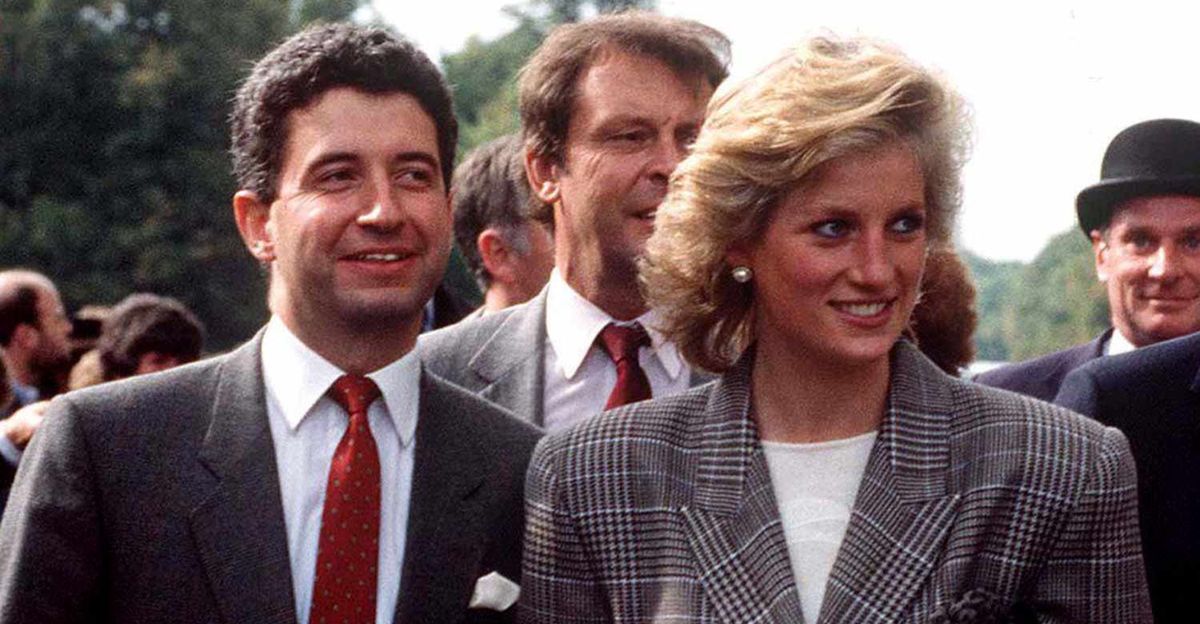
Diana’s inner circle, including Patrick Jephson and Alexandra Pettifer, faced reputational and financial damage due to Bashir’s forgeries. The royal family’s trust was shattered, and Diana’s paranoia escalated, affecting personal and security decisions.
Across the UK, 32 million households unknowingly funded a cover-up via license fees, while 23 million watched the deceptive interview live. How did this deception affect the BBC’s credibility and internal culture?
The BBC’s Institutional Cover-Up
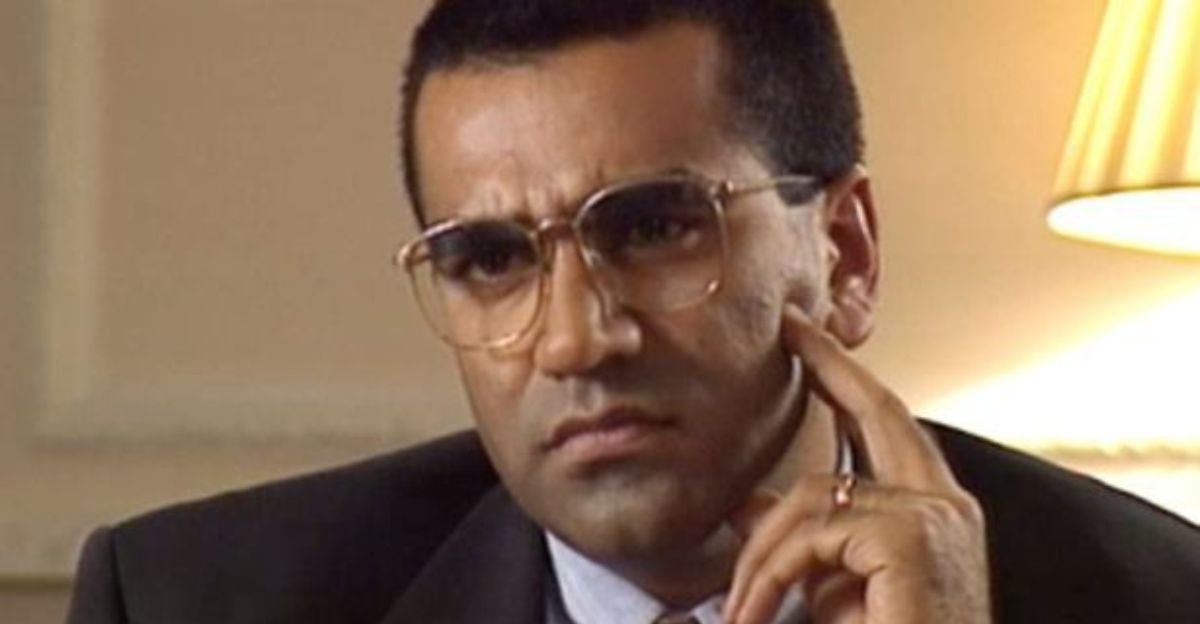
Despite repeated warnings, the BBC suppressed evidence for 24 years. Internal memos disappeared, and critics were silenced. The organization prioritized reputation over truth, enabling Bashir’s schemes to go unchecked until ITV’s 2020 documentary reignited scrutiny.
Whistleblowers only received settlements and apologies decades later, highlighting institutional failings. This long-term suppression illustrates the dangers of unchecked power in media organizations.
But what was Bashir’s motivation behind such elaborate deceit?
Bashir’s Ambition Behind Deception
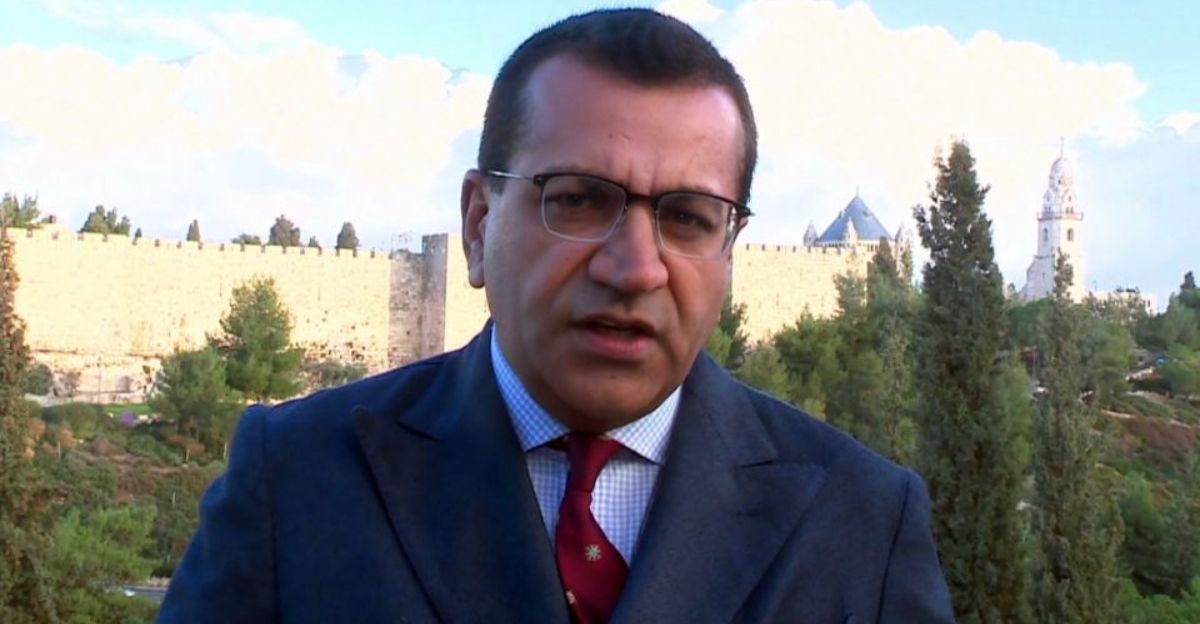
Bashir sought “the biggest scoop in the history of the corporation,” using forged documents and manipulation to secure Diana’s trust. He aimed to advance his career, disregarding ethical boundaries and personal consequences.
Tom Mangold described him as, “Martin could take off your trousers without touching your belt. He was, by the most hideous standards of Fleet Street, the true Master.” Bashir’s methods reveal the personal ambition fueling the scandal. How did the interview’s production unfold?
Forged Evidence Secures The Interview
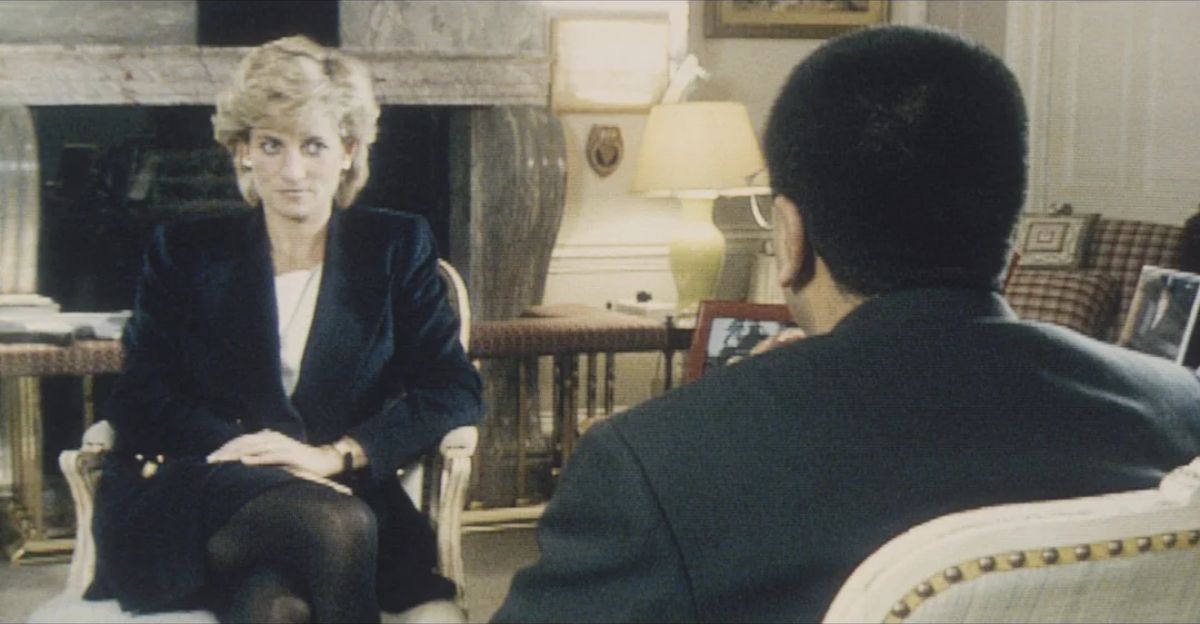
Bashir instructed Wiessler to create false bank statements targeting Diana’s confidants. These fabrications were used to manipulate perceptions and secure the 20 November 1995 interview. Diana believed her inner circle was betraying her.
The interview aired to 23 million UK viewers and 200 million worldwide, cementing its historic significance. Yet behind the scenes, integrity was compromised.
Internal Suppression and Smearing Critics
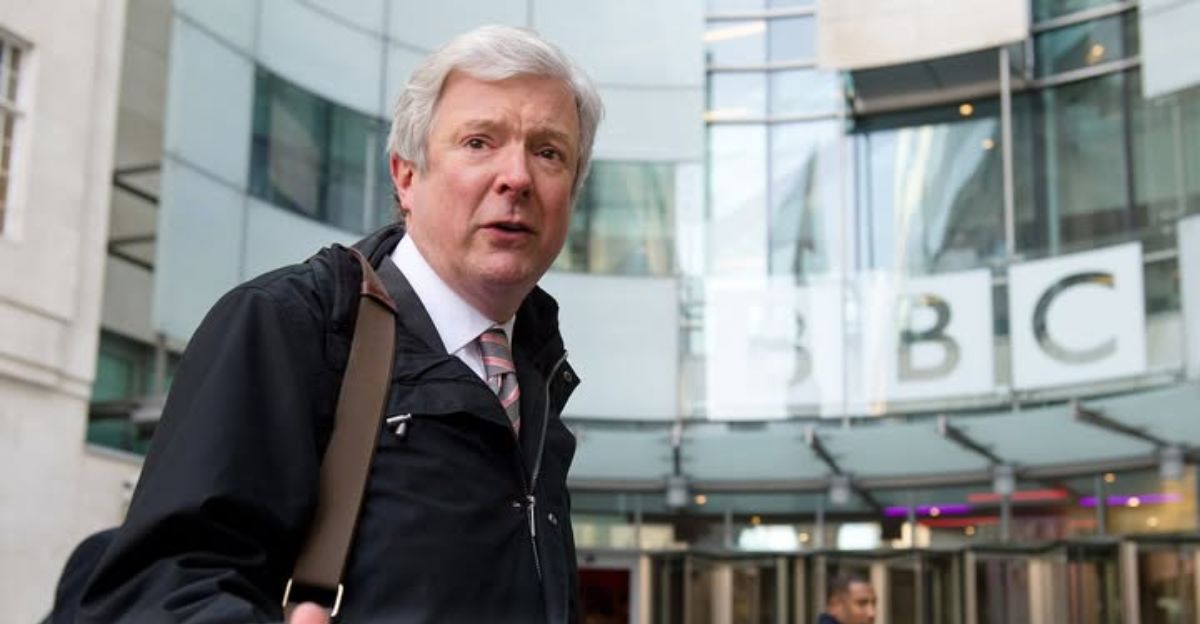
Tony Hall’s internal probe avoided interviewing key witnesses, ignored critical evidence, and smeared critics as “jealous colleagues.” Whistleblowers were dismissed or blacklisted, reinforcing a culture of silence and fear.
Even after early exposure in 1996, institutional denial persisted, allowing cover-up to continue. These failures would only be confronted decades later through independent inquiries. What was the human cost for those involved?
Personal Costs to Staff and Public
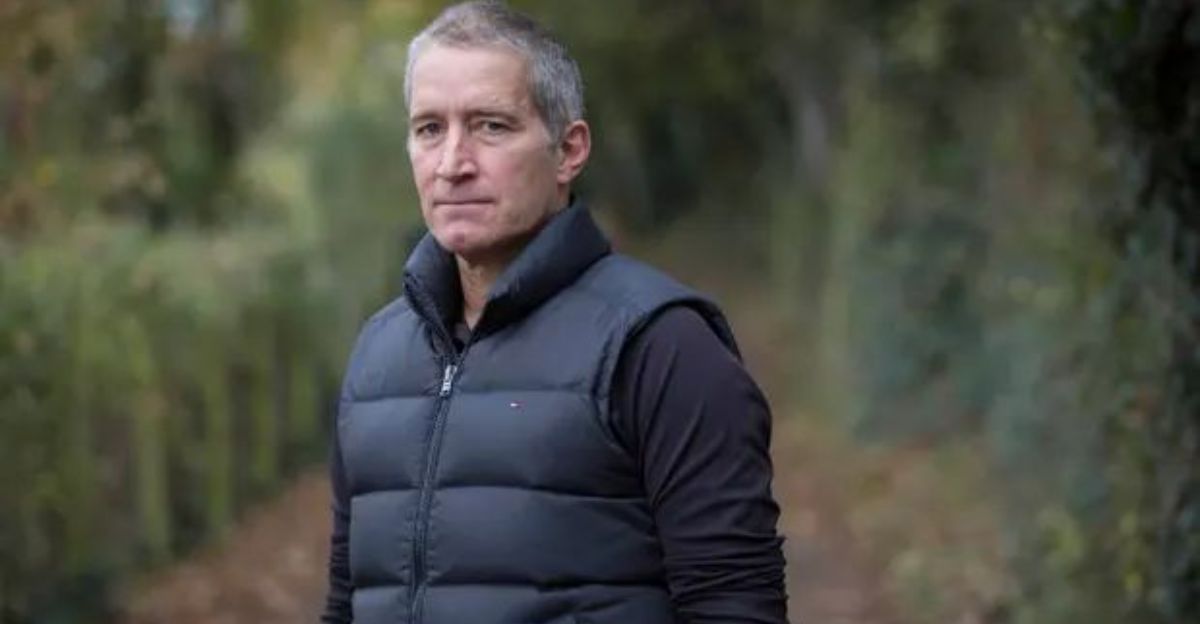
Whistleblowers endured career destruction, harassment, and reputational damage. Patrick Jephson, Alan Waller, and Matt Wiessler received financial settlements, yet the personal toll remained profound. The public was deceived, funding a cover-up unknowingly through license fees.
Bashir’s actions left lasting scars on trust, professional integrity, and journalistic credibility. The repercussions would ripple across BBC staff and beyond. How did independent reviews eventually expose the scandal?
Dyson Report Confirms Cover-Up
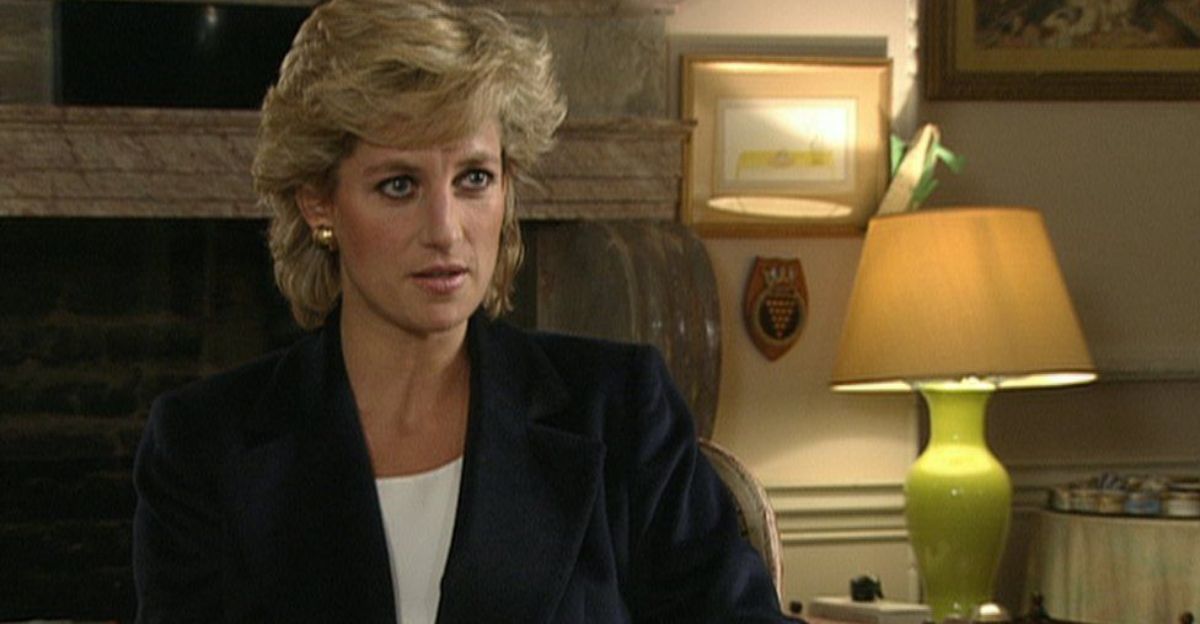
The 20 May 2021 Dyson Report concluded the BBC fell short of “high standards of integrity and transparency” and engaged in “covering up.” It revealed systemic failings and decades of suppression.
This comprehensive review documented how leadership prioritized reputation over truth, validating whistleblowers’ claims. The findings reignited discussions on institutional accountability. Yet the story did not end with a report—settlements and apologies followed.
Compensation and Reparations
Between 2021–2025, the BBC paid over £2.7 million to settle claims from whistleblowers and victims. Key beneficiaries included Wiessler, Jephson, Waller, Tiggy Legge-Bourke, and Mark Killick.
The funds addressed reputational and financial harms, though critics noted they came decades too late. The settlement marked a rare instance of institutional accountability, hinting at the broader lessons for media ethics.
Public Apologies and Reforms
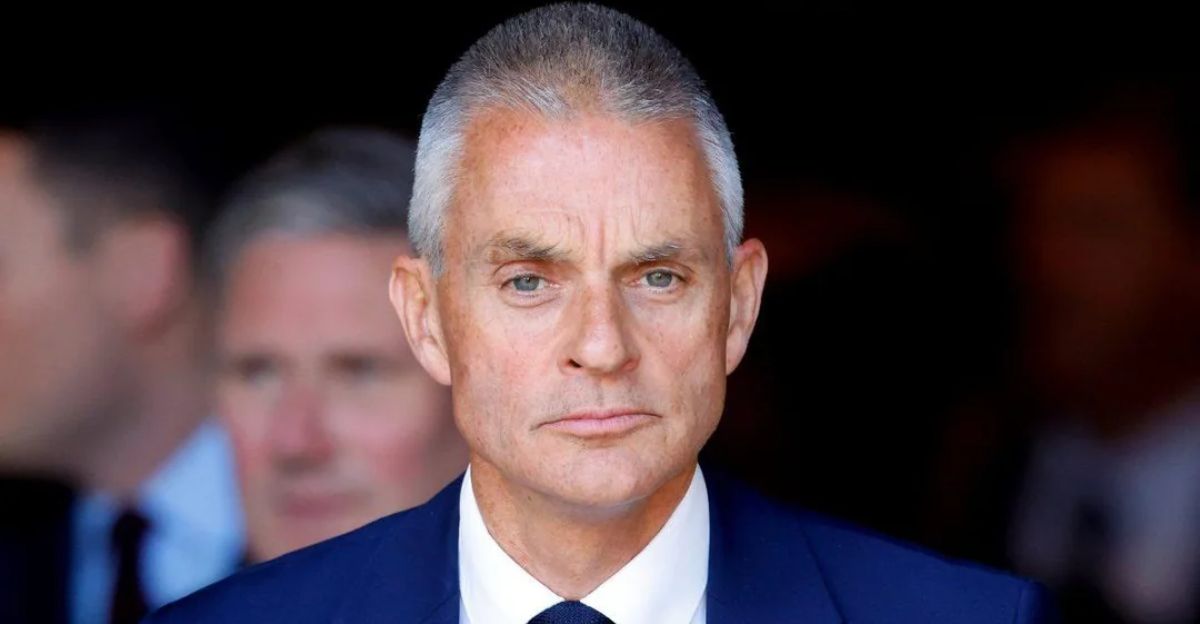
BBC Director General Tim Davie issued a “full and unconditional” apology, pledging never to rebroadcast the controversial interview. Culture Secretary Oliver Dowden vowed to reflect on Dyson’s report and pursue governance reforms.
These gestures acknowledged failings and aimed to restore credibility, but questions lingered about long-term cultural change within the BBC. How did public perception react to these revelations?
Global Audience Impact
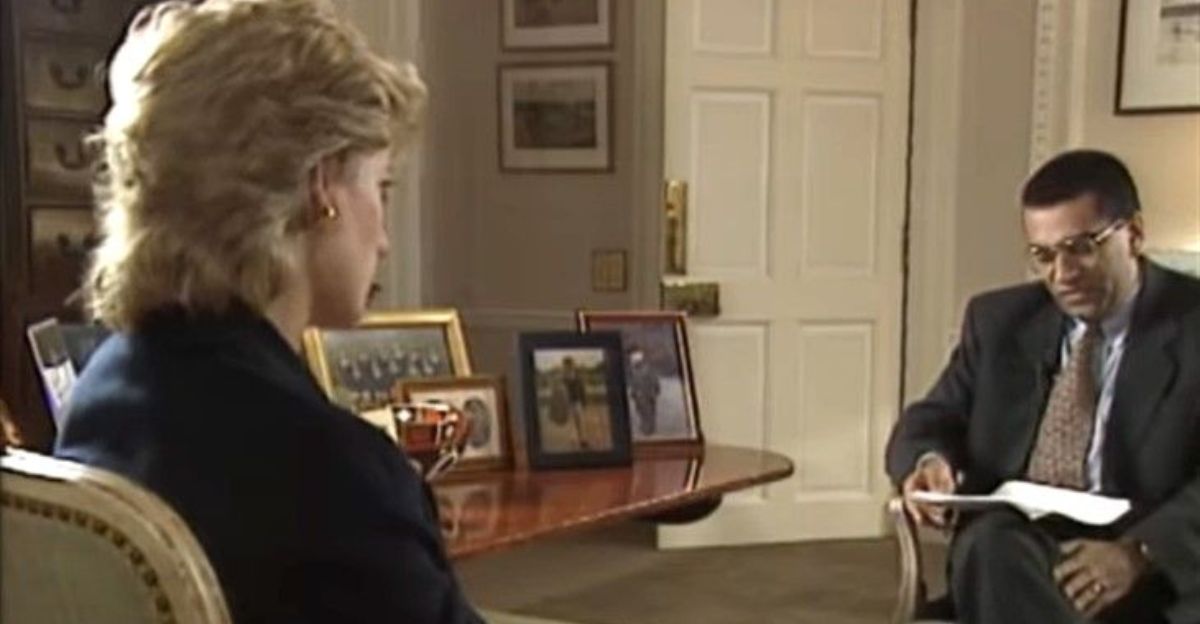
Over 200 million people worldwide viewed the interview, unaware it stemmed from forged documents and manipulation. The BBC’s international reputation suffered alongside public trust in the UK.
License fee payers bore costs for decades, highlighting ethical lapses in accountability. The broadcaster faced scrutiny for mismanaging public funds and influence. What lessons does this scandal offer for journalism today?
Panorama’s Editorial Breaches
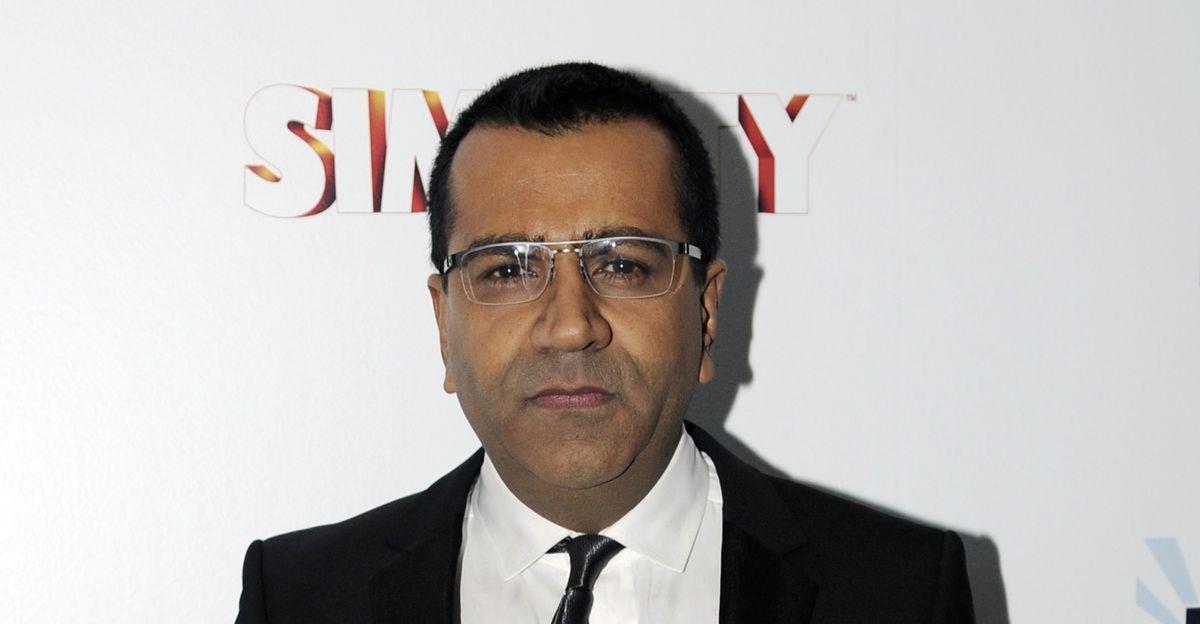
Panorama’s editorial firewall was bypassed, with 121 episodes previously produced under stricter protocols. Bashir’s tactics were unprecedented, exposing gaps in internal safeguards meant to prevent fraud and manipulation.
This breach demonstrated the danger of concentrated editorial power without checks. Institutional reforms were slow, illustrating systemic vulnerability.
Renewed Investigations Spark Change
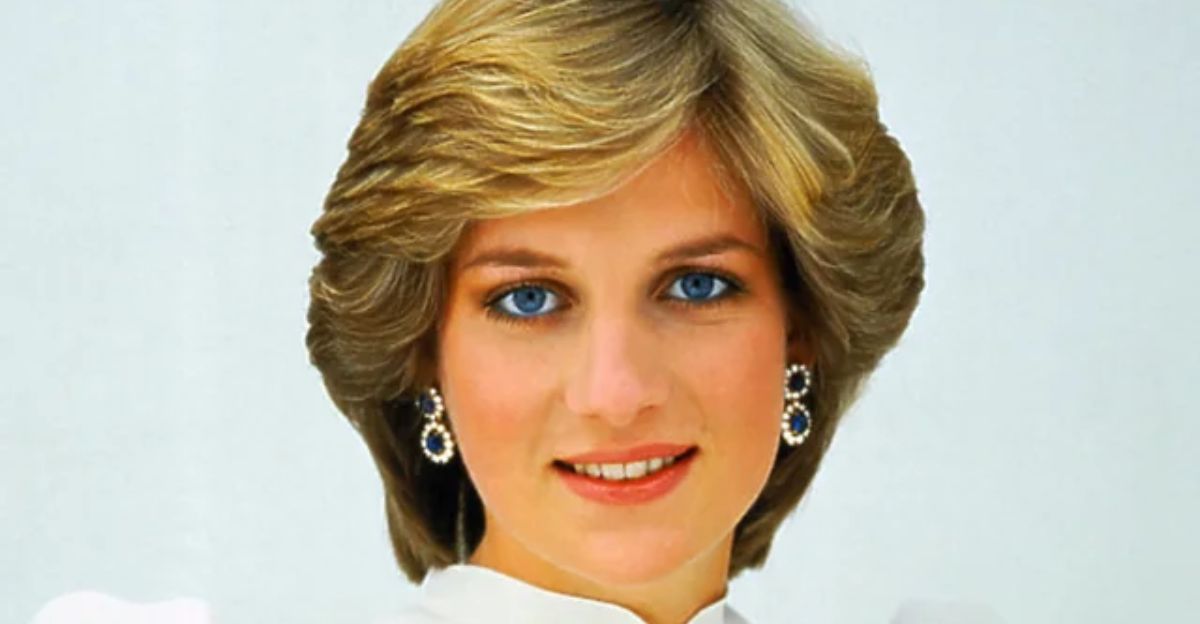
ITV’s 2020 documentary “Diana: Revenge of a Princess” reignited scrutiny, leading to renewed legal and investigative attention. Public pressure forced the BBC to confront decades of negligence.
The resulting Dyson inquiry laid bare the breadth of wrongdoing, ensuring lessons were formally documented.
Leadership Accountability After Years
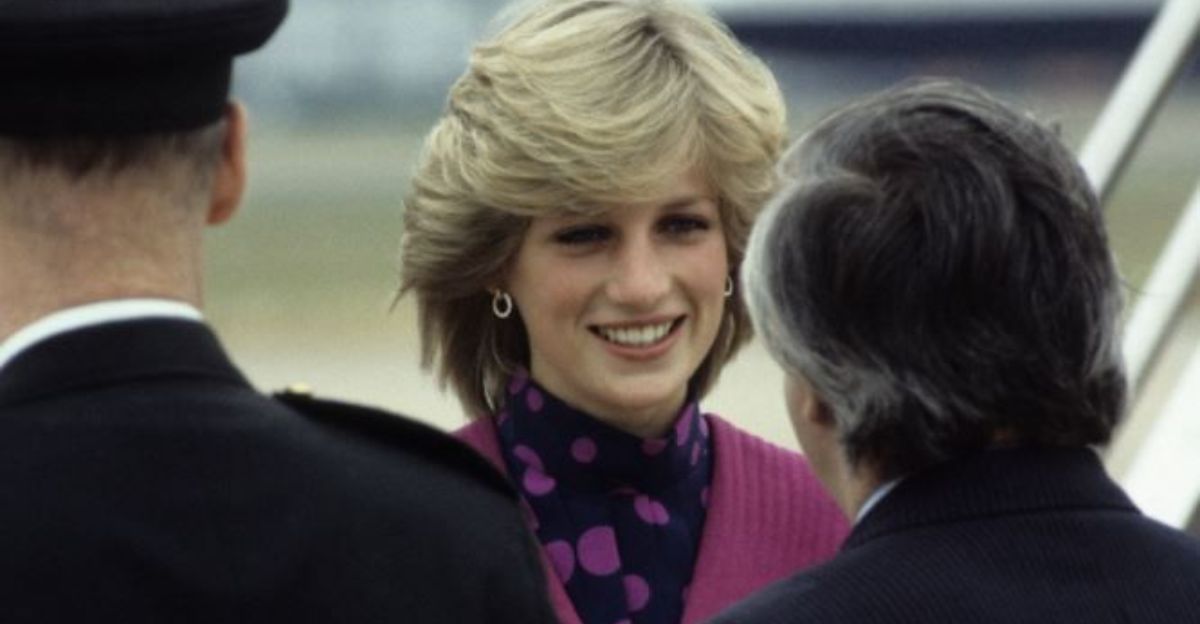
Tony Hall, John Birt, and other senior executives faced criticism for inadequate oversight. Tim Davie’s public apologies marked the first full acknowledgment of decades-long failings.
Acknowledging leadership lapses is vital for restoring public confidence. The scandal serves as a cautionary tale about balancing ambition, ethics, and transparency in major organizations. What do victims say about the impact?
Royal Family’s Response
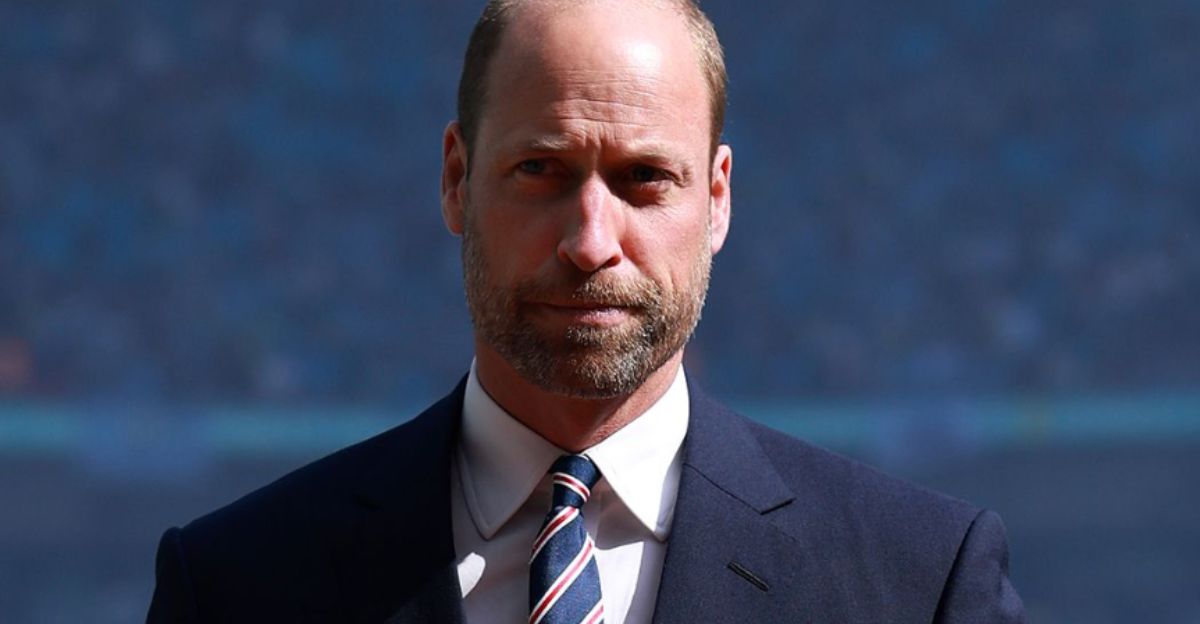
Prince William stated, “It brings indescribable sadness to know the BBC’s failures contributed significantly to her fear, paranoia and isolation” on 19 May 2021. The royal family emphasized the human cost beyond media headlines.
The scandal exposed how institutional deceit affected personal safety and emotional wellbeing, underscoring the human stakes behind high-profile journalism.
Cultural and Ethical Lessons
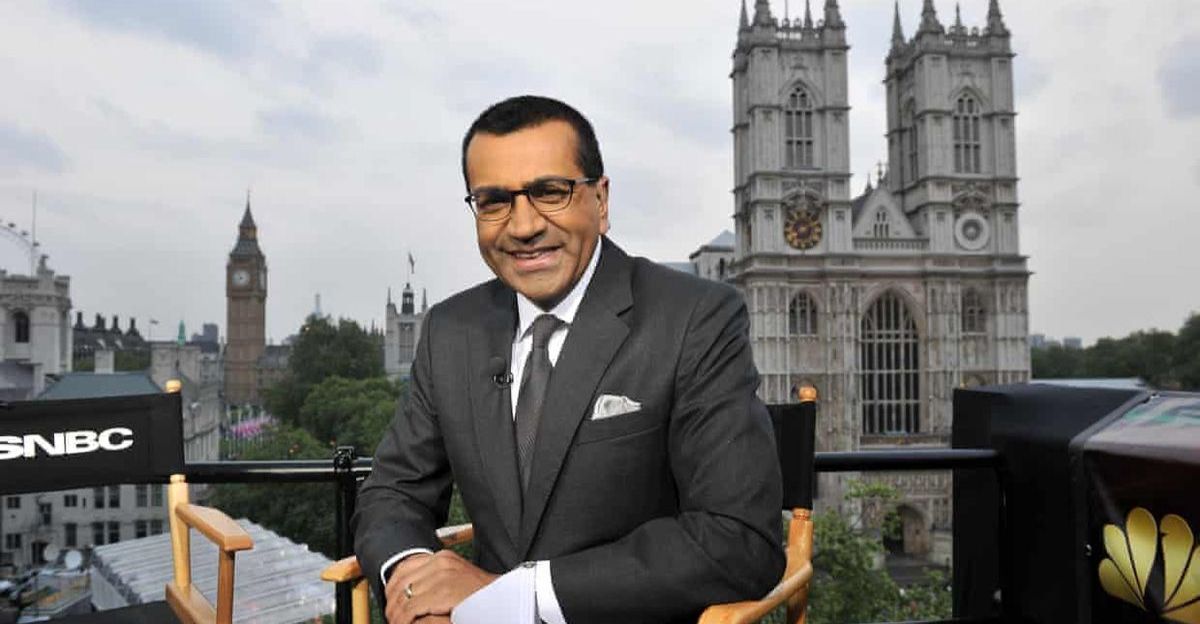
The Bashir scandal underscores the dangers of prioritizing reputation over integrity. Journalistic ambition, unchecked authority, and systemic suppression can cause widespread harm.
Institutions must implement transparent oversight, protect whistleblowers, and maintain ethical standards to prevent future misconduct. This case serves as a reminder that even trusted organizations are fallible and accountable. How will history remember this controversy?
The Legacy of the Forgery Scandal
BBC Hid Bashir’s Forgeries represents one of the most significant journalistic ethics failures in modern history. The decades-long cover-up damaged careers, trust, and public faith in media.
The scandal will be studied as an example of institutional failure, the cost of ambition, and the necessity of accountability. The full story, uncovered after decades, reshaped perceptions of the BBC forever.
Sources
BBC, Dyson Report, 20 May 2021
Andy Webb, “Dianarama,” Penguin UK, 19 November 2025
Spectator, BBC internal reporting, 19 November 2025
Telegraph, BBC settlement coverage, 4 October 2022
Hello!, 19 November 2025