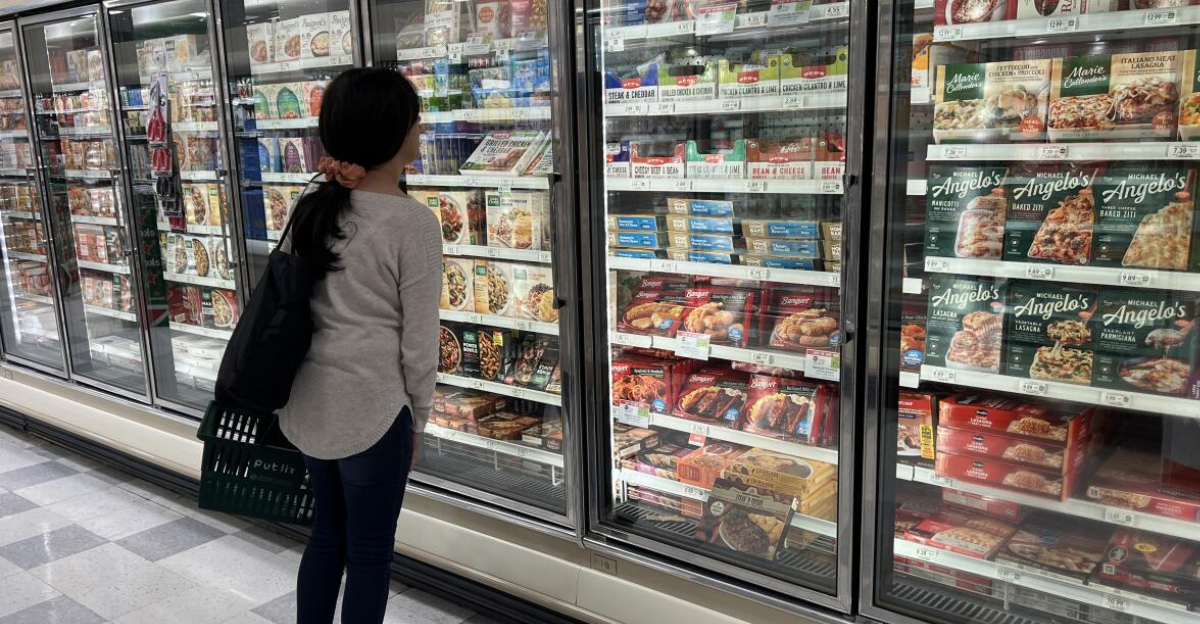
This week, a new public health alert is rippling through households as federal inspectors warn that frozen pasta meals sold at Walmart and Trader Joe’s may carry Listeria monocytogenes.
The USDA’s Food Safety and Inspection Service issued the alerts on September 26–27, urging shoppers to check their freezers and avoid eating the flagged entrées. Officials say the action is precautionary but serious.
The Specific Meals Under Scrutiny
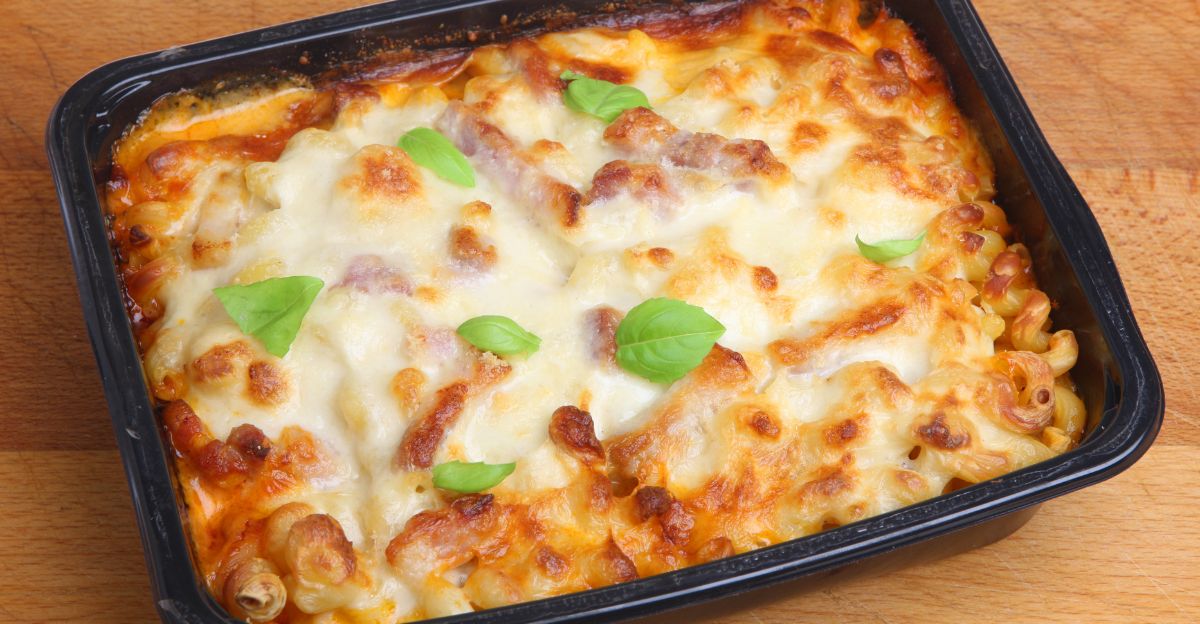
The health alerts name two products: Walmart’s Marketside Meatball Marinara frozen meal (establishment numbers EST. 50784 or EST. 47718) and Trader Joe’s Penne Arrabbiata with Chicken (establishment number P-45288). Both were produced at the same facility as earlier Listeria-linked foods. Consumers can find these numbers inside the USDA mark of inspection on the packaging.
Even though no illnesses have been confirmed from these pasta dishes, FSIS says they could pose a risk and advises consumers to discard them immediately. The goal is to stop exposure before it happens.
Not a Recall, But a Health Alert

It’s important to note this is not a formal recall. FSIS health alerts are issued when products are no longer on store shelves but may still be in consumers’ freezers.
That means if you purchased these pasta meals recently, you could still have them at home. The guidance is clear: do not eat them, throw them away, or return them to the store.
Listeria: A Hidden Threat in Frozen Foods
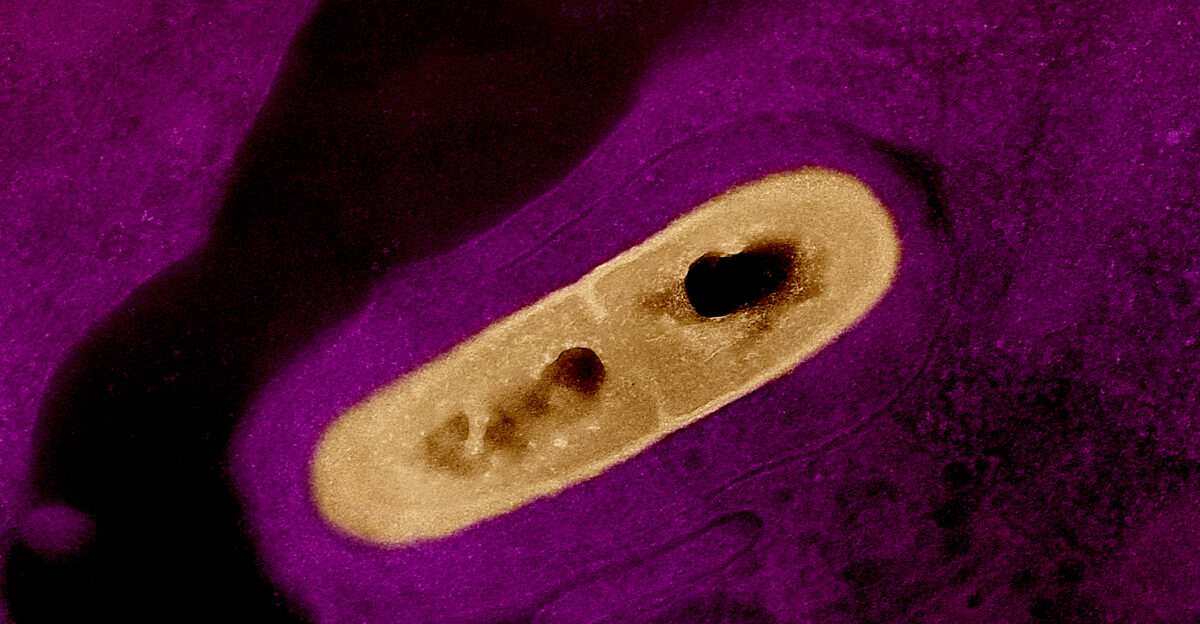
Unlike many bacteria, Listeria monocytogenes can survive and even grow in cold environments such as refrigerators and freezers. That makes frozen meals a particular concern. If consumed, the bacteria can cause listeriosis, a serious infection.
For healthy adults, it may bring flu-like symptoms. But for pregnant people, newborns, seniors, and those with weakened immune systems, the illness can be especially severe — sometimes fatal.
How the Broader Outbreak Began
This alert ties back to a larger Listeria outbreak first identified in August 2024. Health investigators connected the initial cases to frozen chicken fettuccine meals made at the same facility.
Since then, the outbreak has grown, prompting repeated testing and expanded warnings. Officials say the newest alerts are part of an ongoing investigation to ensure that all potentially contaminated foods are flagged.
The Current Case Count

According to the Centers for Disease Control and Prevention (CDC), the outbreak has led to 20 confirmed infections across 11 states. Of those, 19 people have been hospitalized, and 4 deaths have been reported since the outbreak began in 2024.
It’s a sobering reminder of how dangerous Listeria can be. Importantly, no illnesses have yet been linked specifically to the newly identified Walmart or Trader Joe’s meals.
Why No Direct Link Yet
So why the warning if no one has gotten sick from these pasta entrées? Food safety officials explain that the products were manufactured at the same plant as other items already tied to illnesses.
Testing raised enough red flags to issue a health alert. The approach is cautious — but with Listeria’s track record, officials say it’s better to act quickly than risk new infections.
The Groups Most at Risk

While anyone can develop listeriosis, certain groups are much more vulnerable. Pregnant individuals face a higher risk of miscarriage or stillbirth if infected. Newborns, adults over 65, and people with weakened immune systems may also experience more severe or life-threatening complications.
That’s why health authorities are especially firm in advising these groups to avoid the affected products. The bacteria aren’t worth the gamble.
What Symptoms to Watch For
Listeria infections can look deceptively mild at first. Typical early signs include fever, muscle aches, nausea, and diarrhea. But in more severe cases, the bacteria can spread beyond the gut, causing headaches, confusion, balance problems, or seizures.
Symptoms can appear within a few days of eating contaminated food or take up to ten weeks to surface. That wide window makes vigilance crucial.
What To Do If You Ate These Meals
If you recently consumed Walmart’s Meatball Marinara or Trader Joe’s Penne Arrabbiata with Chicken and are experiencing symptoms, health officials advise contacting a doctor immediately. Blood tests can confirm listeriosis, and early treatment with antibiotics improves outcomes.
Even if you feel fine, checking your freezer and discarding the meals is the safest step. Prevention is far easier than treatment when it comes to Listeria.
How FSIS Decides When To Act
The USDA’s Food Safety and Inspection Service monitors production facilities, runs microbial tests, and works closely with the CDC to track illnesses. When testing suggests possible contamination, FSIS issues a public health alert if the products are no longer available in stores.
If they’re still widely sold, a formal recall typically occurs. In this case, the products were already off the shelves.
The Facility at the Center of It All

The pasta meals come from a single production facility that has been under scrutiny since the outbreak surfaced last year. While the alert didn’t emphasize the company’s name, inspectors say the same plant previously produced chicken fettuccine meals that were already tied to illnesses.
This latest step expands the net, ensuring consumers are warned about every product line that might pose a risk.
The Geography of the Outbreak
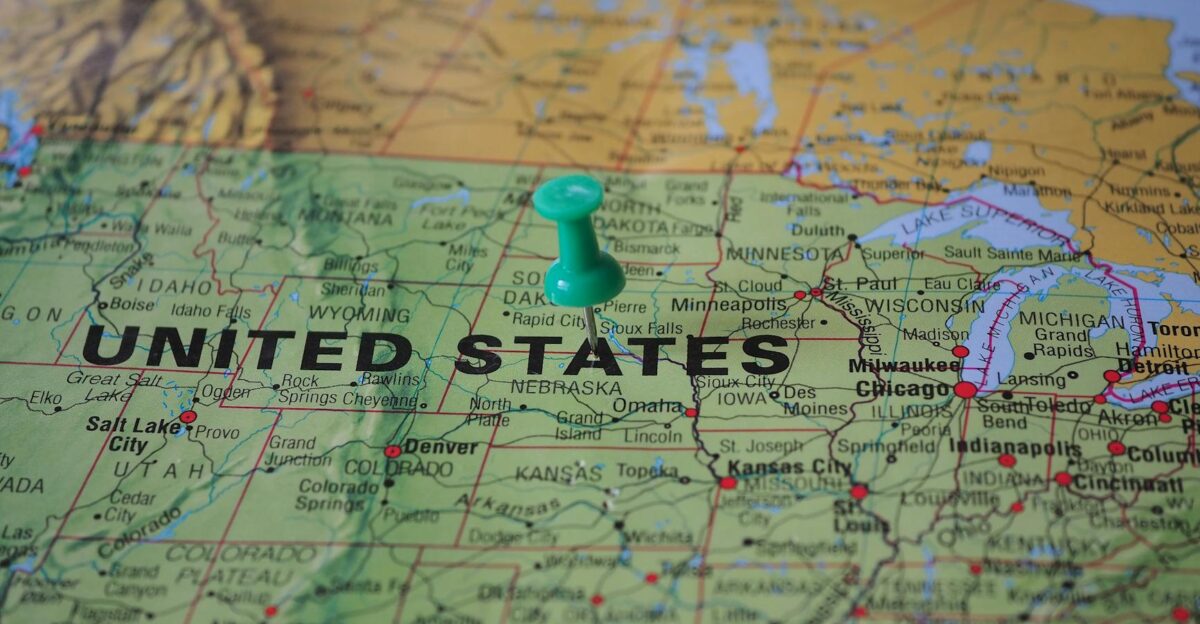
So far, CDC data shows cases spread across 11 different states. The agency has not released a complete list in the most recent update, but past reports included states ranging from California to New York.
Because frozen foods are shipped nationwide, pinpointing risk isn’t tied to one region. That means the warning applies broadly — anyone in the U.S. could have purchased these meals.
Why Listeria Outbreaks Last So Long
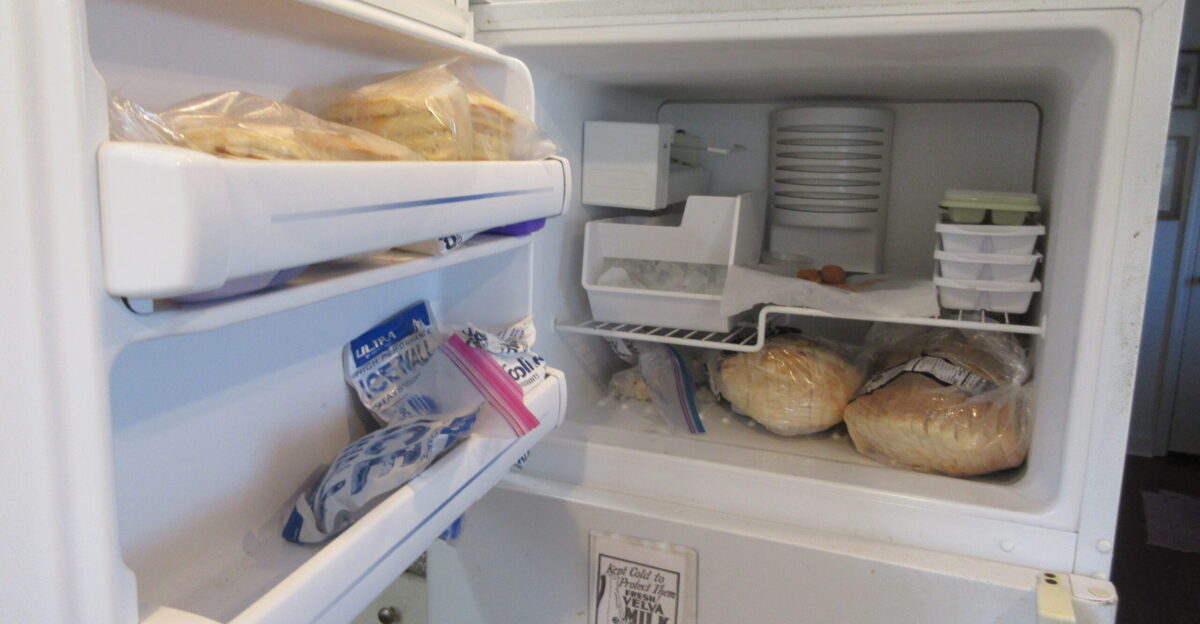
Unlike some foodborne illnesses that spark quick, localized clusters, Listeria outbreaks can drag on for months. That’s partly because the bacteria incubate slowly, and partly because frozen foods may sit in home freezers for weeks before being eaten.
Investigators expand their scope each time a product resurfaces in testing or an illness is reported. The result is drawn-out outbreaks that require patience and persistence to manage.
What Makes This Bacteria So Dangerous
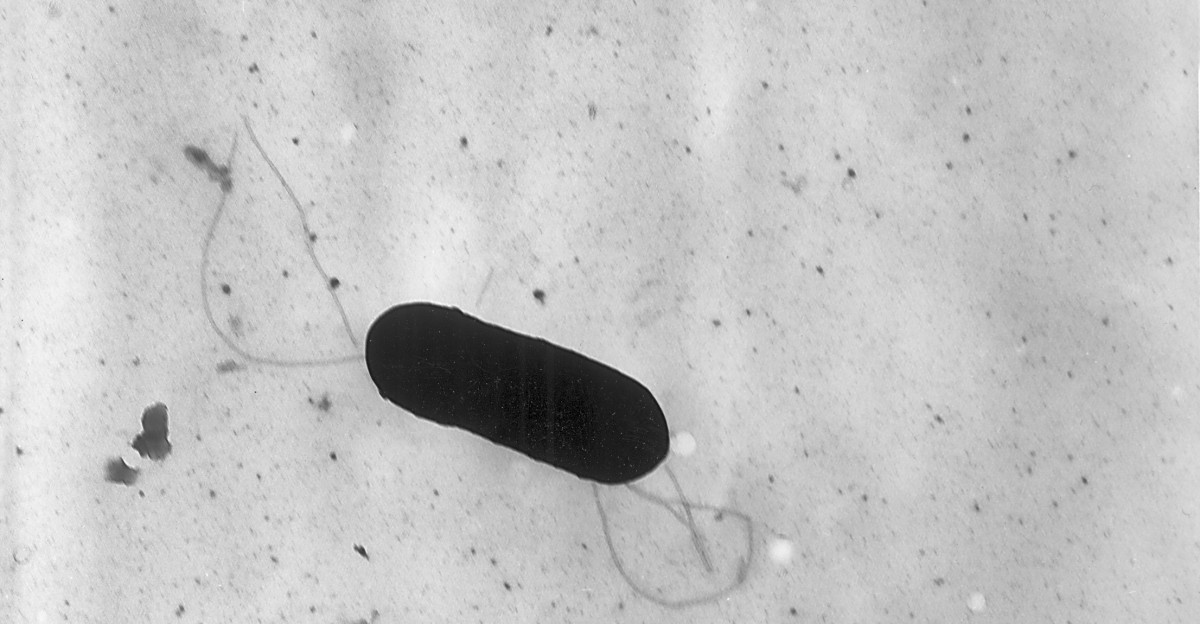
Listeria isn’t just hardy in the cold — it’s also invasive inside the body. Once ingested, it can spread beyond the digestive tract and into the bloodstream or nervous system. That’s what makes it so much more dangerous than some other foodborne pathogens.
Even a relatively small number of cases can have devastating outcomes, which is why outbreaks involving Listeria are treated with such urgency.
No Refunds, Just Caution

Unlike recalls, which often include instructions for returning products for a refund, FSIS health alerts don’t carry financial guidance. The main goal is to protect consumers from illness.
If you have one of the listed meals, throw it away or return it to the store, but don’t expect compensation. It may feel frustrating, but health officials say preventing illness is worth the inconvenience.
Lessons From Previous Outbreaks
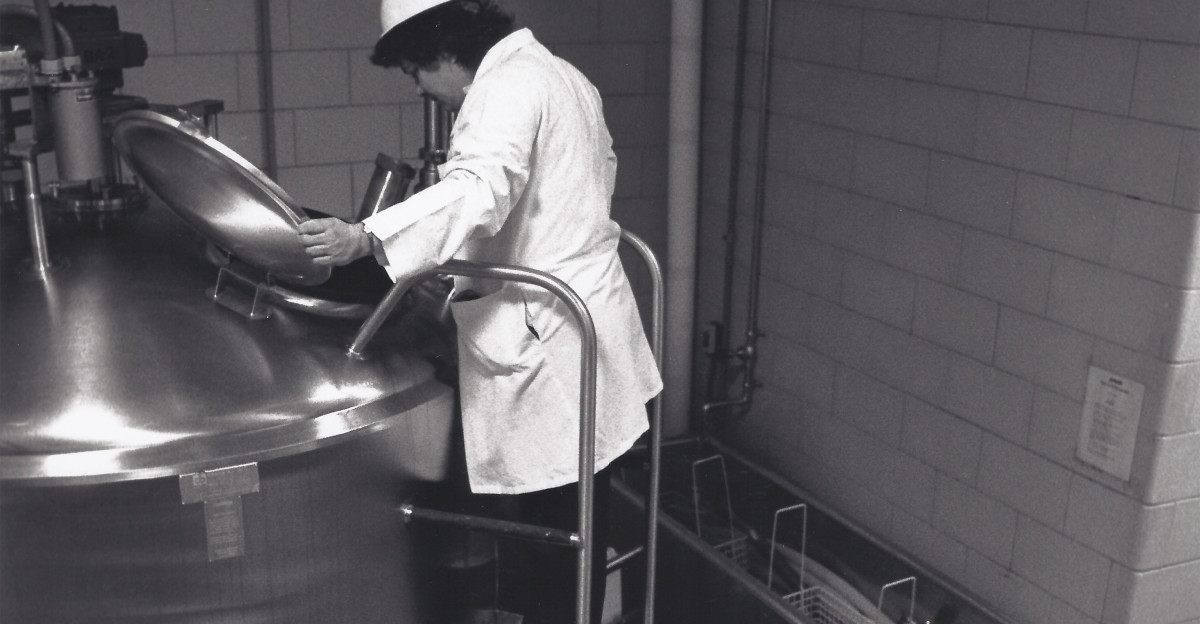
This isn’t the first time frozen meals have been involved in a Listeria outbreak. Past cases involving ice cream, frozen vegetables, and ready-to-eat meats have shown how easily the bacteria can move through food systems.
Each outbreak teaches investigators more about where the weak points are, and each alert helps strengthen consumer awareness about checking freezers regularly.
The Broader Food Safety Picture
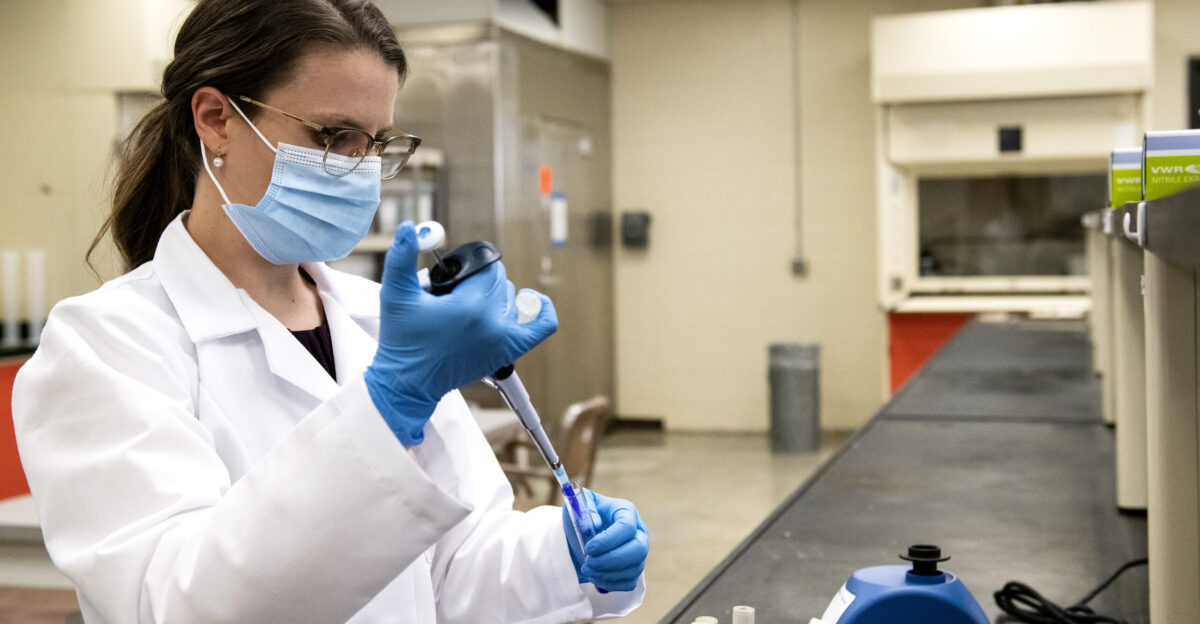
While this alert focuses on two pasta meals, it’s part of a larger story about food safety in the U.S. Regulators, manufacturers, and retailers constantly balance convenience with protection.
Frozen meals are popular for their affordability and shelf life, but they also highlight the importance of vigilance. The system may not be perfect, but alerts like this show how public health efforts aim to stay ahead.
Staying Informed Protects Families

For consumers, the best defense is awareness. Following USDA FSIS and CDC updates, checking freezers when alerts are issued, and seeking medical advice if symptoms appear are practical steps.
Foodborne outbreaks can feel distant until they’re not, so staying informed makes a real difference. Ultimately, vigilance in the kitchen is part of protecting our families.
What To Expect Next
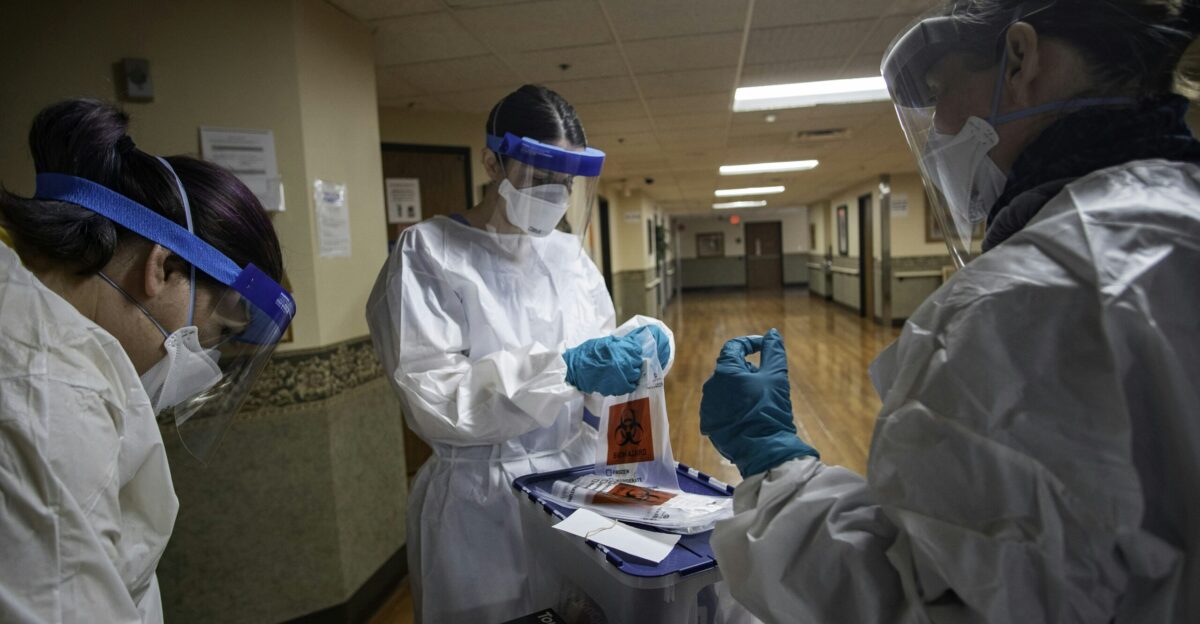
Investigators continue to monitor the facility linked to these products and may expand testing or alerts if new risks are uncovered. For now, no new illnesses have been linked to the Walmart and Trader Joe’s pasta meals. Still, FSIS and CDC encourage caution.
Clearing your freezer is the simplest way to stay safe and ensure this outbreak doesn’t grow further.