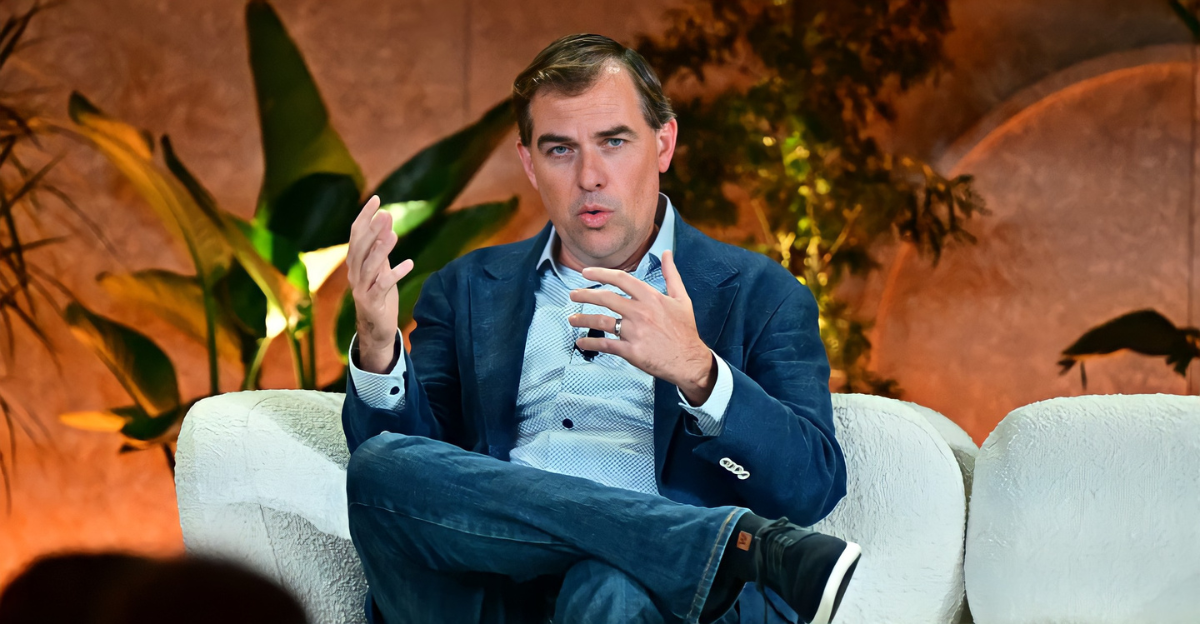
The landscape for teenagers entering the workforce is evolving rapidly as advancements in artificial intelligence reshape the job market. AWS CEO Matt Garman says critical thinking has surpassed coding as the essential skill for young people. As companies automate technical tasks, they prioritize the human edge traits like creativity and Adaptability.
This shift implies that young adults must not only master technology but also cultivate their ability to analyze situations and solve complex problems. As Garman noted, “Critical thinking is the most important skill young people can develop today. This evolution highlights a transformative period where employment prospects are no longer defined solely by technical ability.
The Stakes Are Higher

As automation seeps into various industries, job security, once a given, is faltering. Data from Heliyon reveals that over 40% of the skills employers actively seek now focus on human capabilities, including problem-solving, flexibility, and strategic decision-making. This transition indicates a growing demand for soft skills that enable individuals to navigate complex environments.
In an increasingly automated world, emphasizing team dynamics and interpersonal communication could make the difference between thriving and merely surviving professionally. As one hiring manager explained, “The candidates who can think critically and collaborate are the ones who stand out in our hiring processes.”
Spotlight on AWS and Leadership
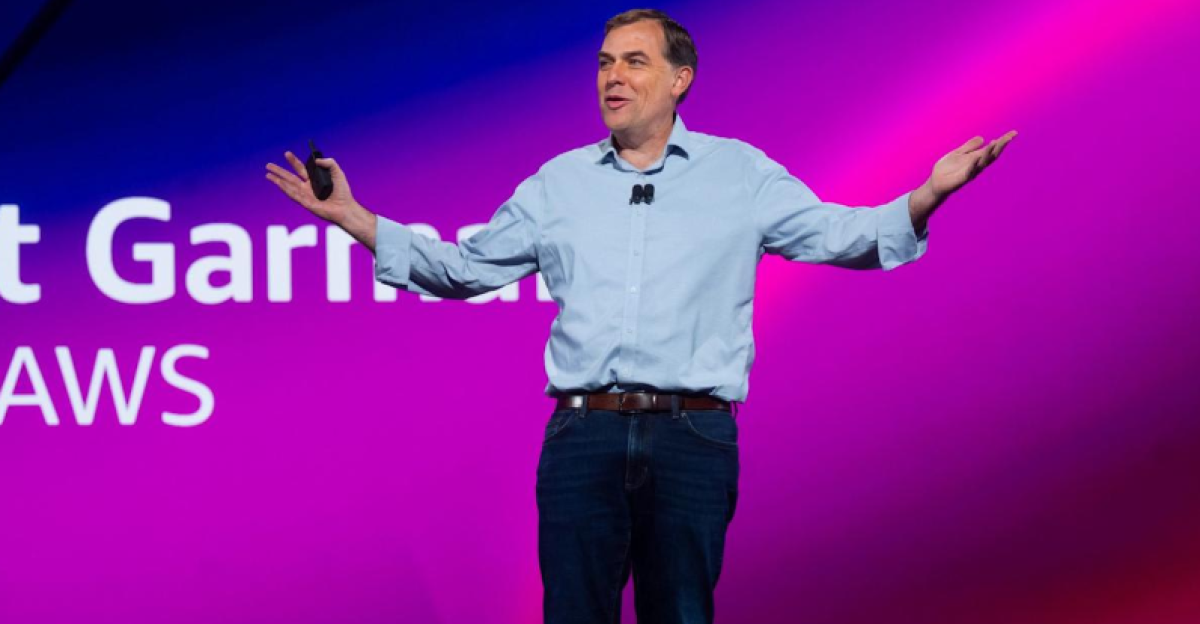
In June 2024, Matt Garman became CEO of Amazon Web Services, stepping up after nearly two decades at the company. Having begun his career as the first product manager at AWS, Garman ascended through various roles, encompassing engineering and sales, before leading one of the most lucrative cloud divisions in the world.
His unique journey within AWS positions him to grasp the value of soft skills in driving innovation and maintaining competitive advantage. Reflecting on his rise, Garman emphasized the importance of Adaptability in this rapidly changing landscape: “Leaders must cultivate an environment that values flexibility and creative problem-solving.”
Adapting to New Pressures
The influence of AI is compelling organizations from tech giants to smaller firms to reassess their hiring practices. Under Garman’s leadership, AWS defends its market position against competitors that integrate generative AI capabilities. This rapidly evolving environment emphasizes the need for continuous innovation and Adaptability.
Garman advocates a culture where employees are encouraged to learn and grow alongside changing technologies. One employee noted, “The pressure to learn new skills is daunting but also exciting. We are in a unique position to shape the future together.”
The Essential Advice from Garman
In August 2025, Garman’s insights struck a chord when he told CNBC that every teenager, including his child, should prioritize developing critical thinking skills during their education, regardless of their major. He asserted, “It’s going to be the most important skill,” highlighting a pivotal shift from traditional technical competencies toward a more versatile skill set.
This message resonates with students and educators alike, conveying that the future belongs to those who can think critically and innovate beyond the confines of standardized learning. His guidance encourages a holistic view of education, preparing young people to navigate an unpredictable future confidently.
Global Perspectives on Skills
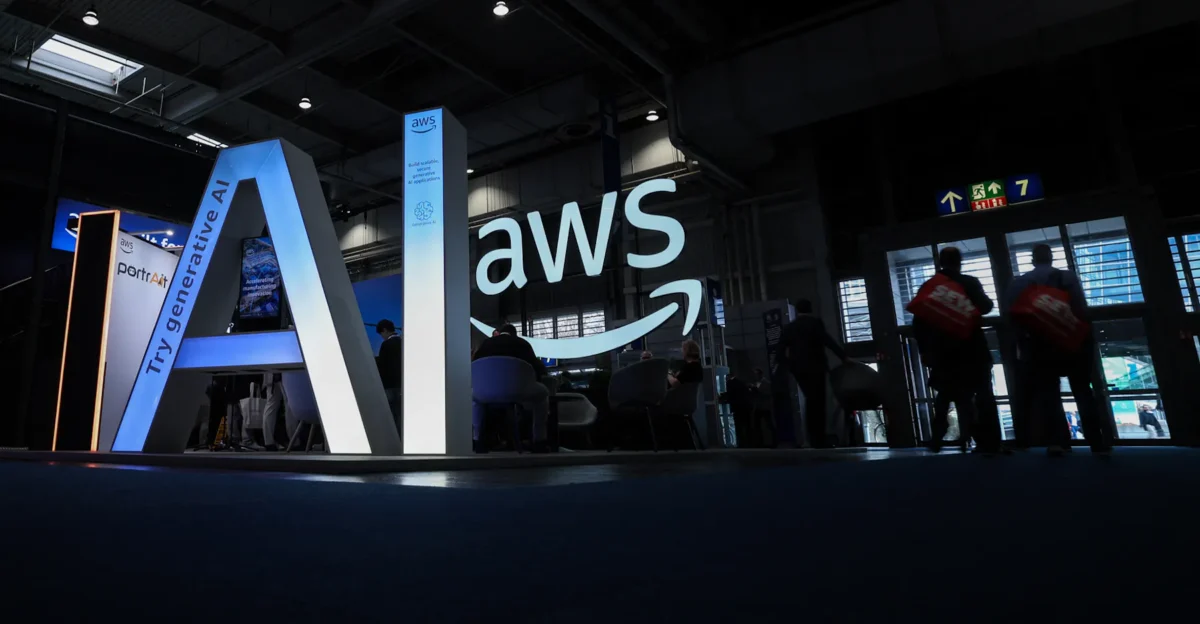
Garman’s advice is gaining traction in various educational and corporate settings worldwide. Human Resource managers from countries like India, the US, and Europe increasingly emphasize creativity, Adaptability, and problem-solving abilities over programming skills. As AI becomes entrenched in everyday operations, employers recognize the necessity for versatile skill sets that promote collaboration and innovation.
One HR manager mentioned, “We’re looking for team players who can think outside the box. The traditional skill set no longer suffices in an AI-dominated landscape.” This evolving outlook is shaping curricula and training programs globally.
A Shift in Student Mindset
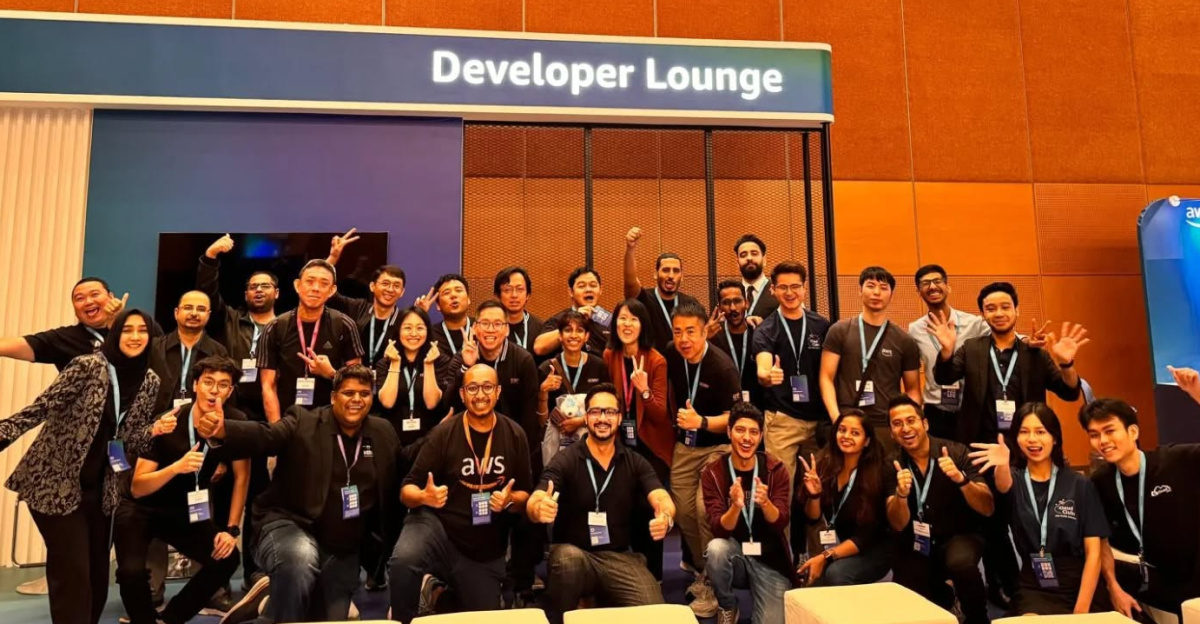
Because of these insights, high school and college students are re-evaluating their academic pursuits. “I used to think coding was everything, but now I’m joining the debate club,” said Alyssa Chen, a high school student in Seattle. Her sentiment reflects a broader realization among peers: soft skills carry substantial weight in today’s job market.
With employers sequencing their internship applications to highlight interpersonal abilities, the traditional trajectory toward technical mastery is being counterbalanced by an appreciation for emotional intelligence and creativity. As students navigate these decisions, they’re increasingly aware of the need to diversify their skill sets.
Tech Giants Follow Suit

In response to the shifting demand for skills, major tech firms like Google Cloud and Microsoft Azure are also adapting their internship criteria. The focus extends beyond coding proficiency, encompassing initiative, teamwork, and real-world problem-solving abilities. “We want applicants who can demonstrate leadership and creativity in their projects,” explained a recruiter.
This significant shift indicates an industry-wide acknowledgment that the jobs of tomorrow will require more than just technical aptitude. Companies are broadening the scope of what constitutes a valuable candidate to include collaborative thinkers who can innovate under pressure.
Widespread Market Trends
Critical thinking is emerging as a top priority among leading employers in the marketplace. In a 2024 survey, nearly three-quarters of Fortune 500 companies preferred entry-level hires demonstrating creative reasoning and flexibility over pure technical skills.
This trend suggests that organizations are realigning their recruitment strategies to seek versatile candidates who can thrive amidst rapid changes. One industry analyst commented, “Adaptability is now as essential as the technical knowledge. We’re witnessing a paradigm shift in how we assess potential employees.”
Recognizing Rising Flexibility
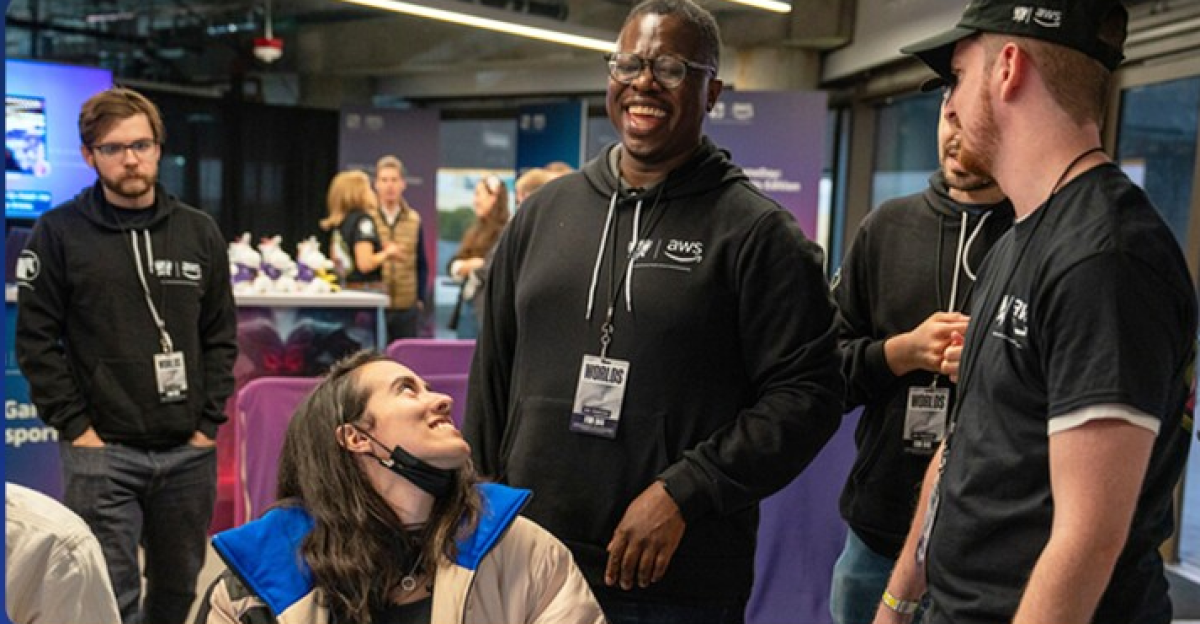
Beyond critical thinking, the capacity to learn and adapt is becoming increasingly paramount. Garman asserts that this flexibility may be “just as important” as any specialized skill acquired in school. Employers recognize that soft skills are strategic assets capable of elevating operational effectiveness.
One AWS employee remarked, “Being adaptable means pivoting and tackling challenges head-on. That’s invaluable in today’s fast-paced workspaces.” This crucial understanding reinforces that success lies in soft and technical competencies, thus shaping future training and development programs.
Addressing Workforce Concerns
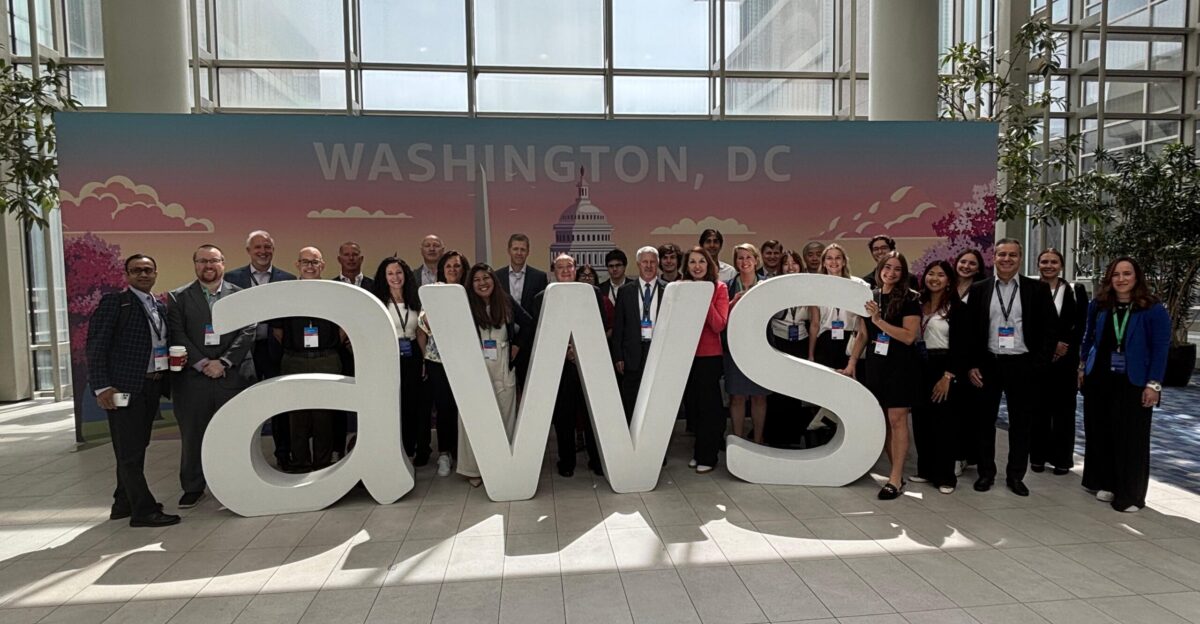
Despite the promising trends, a sense of unease prevails among tech workers regarding the evolving skill demands. With degrees focused on programming becoming less relevant for specific roles, some express concerns over the future value of their education.
An anonymous AWS staffer noted, “It’s unsettling not knowing if my job will value what I studied.” This tension underscores the urgent need for clear company communication regarding skill expectations and career growth amidst shifting landscapes. Ensuring employees feel supported in adapting to new realities is vital for retention and morale.
Leadership and Organizational Culture
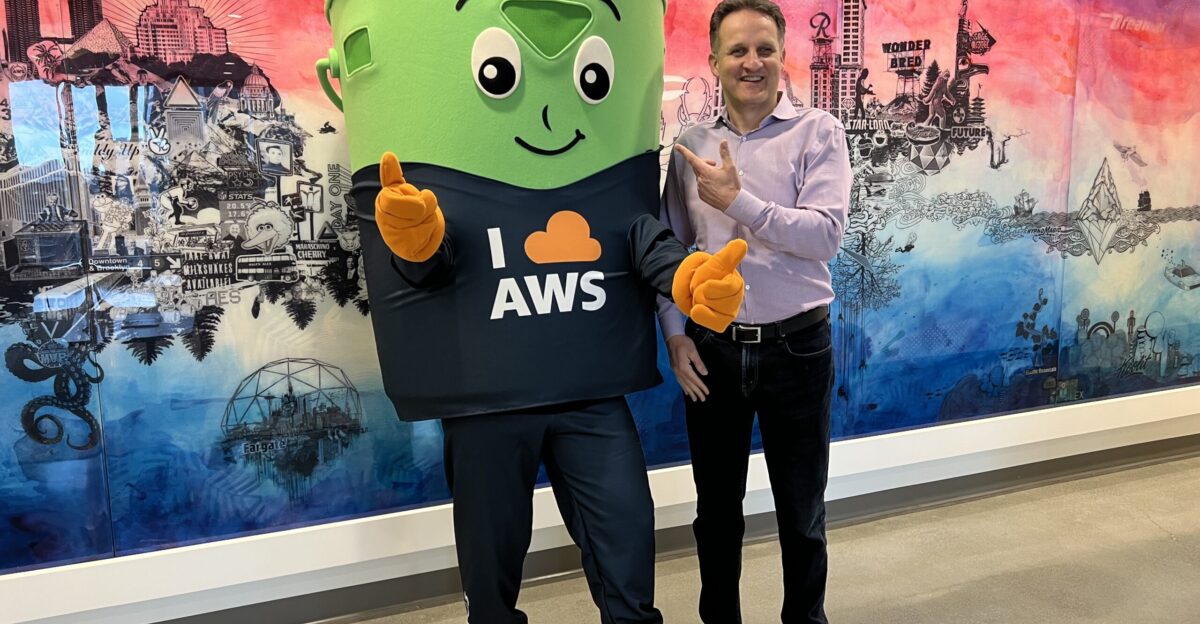
The shifts in hiring practices also reflect broader changes in leadership within organizations. Following Adam Selipsky’s departure in June 2024, Garman took the reins of AWS, committing to foster a culture that values innovation coupled with essential soft skills.
Engaging an environment that encourages creativity will boost employee engagement and enhance the company’s ability to innovate continually. “Creating a space where our teams feel free to experiment leads to groundbreaking solutions,” Garman emphasized, embodying the values he seeks to instill at AWS.
Strategic Initiatives at Amazon

Amazon is implementing strategic initiatives to enhance employee capabilities and maintain its edge amidst increasing competition. Under Garman’s leadership, AWS has committed to robust training programs focused on critical thinking and communication skills.
Initiated in the summer of 2025, these programs aim to equip employees with the tools necessary to navigate an evolving marketplace effectively. One AWS employee remarked, “These training sessions have been eye-opening. They allow us to explore creative solutions to real-world challenges.”
Expert Perspectives on Future Opportunities

As the workforce articulates the necessity for a broader skill foundation, industry analysts caution against neglecting technical education. Forrester’s Lee Sustar remarked, “If students focus solely on technical fields, they may miss vital opportunities in the future.”
He contends that most jobs will require a combination of creativity and Adaptability, suggesting that educational pathways must evolve accordingly. Bridging the gap between technical know-how and transferable skills may ultimately empower students to seize opportunities in an unpredictable future workspace.
The Uncertain Future

As we look forward, one pivotal question arises: What does tomorrow hold for the workforce? With AI’s capabilities only set to expand, the demand for flexible and innovative thinking will remain high. Young minds face choices today that will shape their career paths for decades.
A student reflected, “I’ve realized that adaptability might be my most crucial asset moving forward.” This reality prompts a pressing inquiry: Will educational systems adequately keep pace with the changing demands of the industry and equip students for the future?
Education Policy Shifts

In response to these shifting demands, governments have initiated new educational policies. New US and India initiatives focus on embedding critical thinking and creativity within K-12 curricula. The aim is to cultivate an academic framework that prepares students for a world shaped by technological advancements and the necessity for soft skills.
One educational administrator stated, “Integrating these vital skills into early education will empower our youth to impact their chosen fields significantly.” This proactive approach represents a crucial step toward future-proofing education systems.
The Global Ripple Effect

The call for Adaptability and creativity resonates beyond the boundaries of Silicon Valley. Universities in Europe and Asia are reacting similarly by reassessing curricula to emphasize an integrated approach. For instance, educational institutions collaborate with businesses to develop programs fusing technical training with creative problem-solving.
A university professor noted, “Our revisions are geared toward equipping students with a holistic skill set that reflects the realities of today’s job market.” This global response signifies a collective recognition of the pressing need for a workforce that can thrive amidst rapid technological evolution.
Collaborating for the Future

Partnerships between educational institutions and businesses are emerging as a critical strategy for addressing skills gaps. Engaging in experiential learning opportunities allows students to apply classroom knowledge to real-world contexts.
One business leader shared, “Collaborative programs enable students to gain firsthand experience, bridging the gap between education and employment.” Such initiatives foster a symbiotic relationship where students develop valuable soft skills while companies nurture a pipeline of adaptable talent ready to engage in modern challenges.
Visionary Leadership in Education

Visionary leadership in education is paramount if systems adapt effectively to future workforce demands. Education leaders must boldly advocate for curricula reflecting both technical and soft skill requirements.
Emphasizing the need for continuous adaptation in teaching methods, one education reformer mentioned, “We must train teachers to foster critical thinking and collaboration in students to prepare them for an uncertain future.” This highlights an urgent call for innovation within educational leadership to ensure that emerging generations are equipped to navigate complexities.
Embracing Change Together

Emphasizing the human element becomes crucial as automation and artificial intelligence redefine work. The ability to think critically and adapt transforms not only individual careers but the fabric of society at large.
How can we collectively embrace this change? As Mat Garman stated, “The future is not just about technology; it’s about the people who wield it.” The journey ahead may be uncertain, but through education, collaboration, and commitment to personal growth, students, educators, and businesses alike can prepare for a dynamic and exciting future that awaits.