Over the years, humans have created awe-inspiring structures, like skyscrapers, bridges, and monuments. However, nature’s best architects were at work long before us.
Across deserts, oceans, and forests, countless species design and construct breathtaking structures to ensure their survival. These are not just shelters but feats of engineering and design that defy logic, inspiring even our most advanced builders today.
Natural Structures
From underwater coral empires to insect-built megacities, these natural structures reveal the brilliance of some of the world’s simplest creatures.
Some of these structures adjust their temperature automatically, while others stretch across thousands of miles. Some are even alive, growing, and adapting in real time. Now, let’s take a look at nine of the most impressive animal structures that outshine human buildings.
1. The Great Barrier Reef
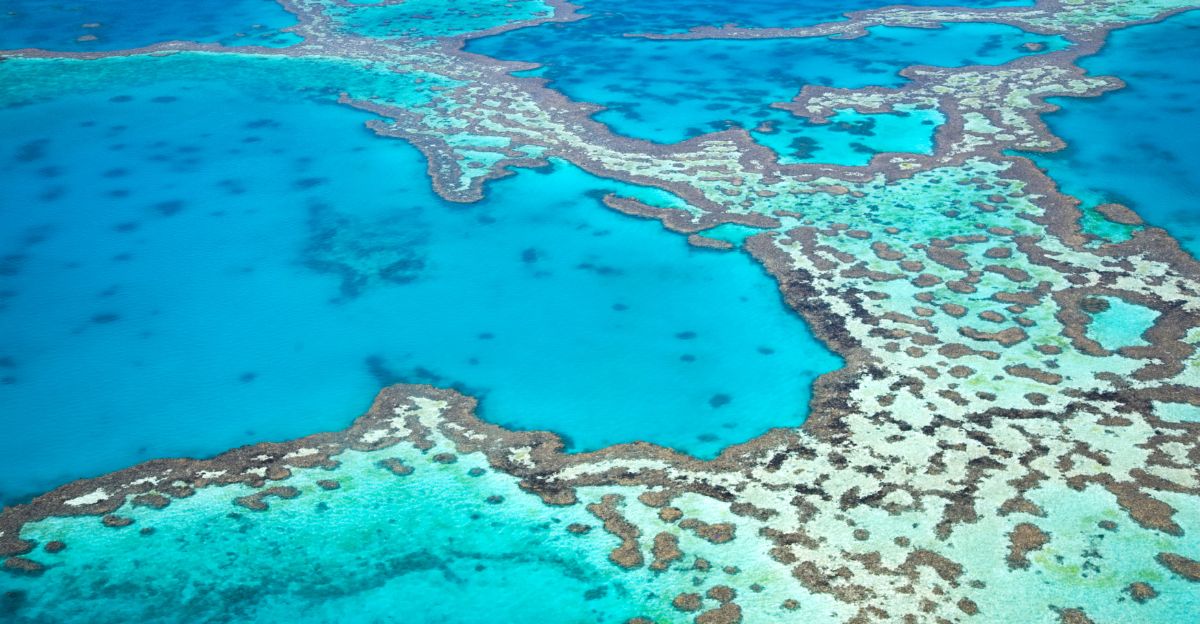
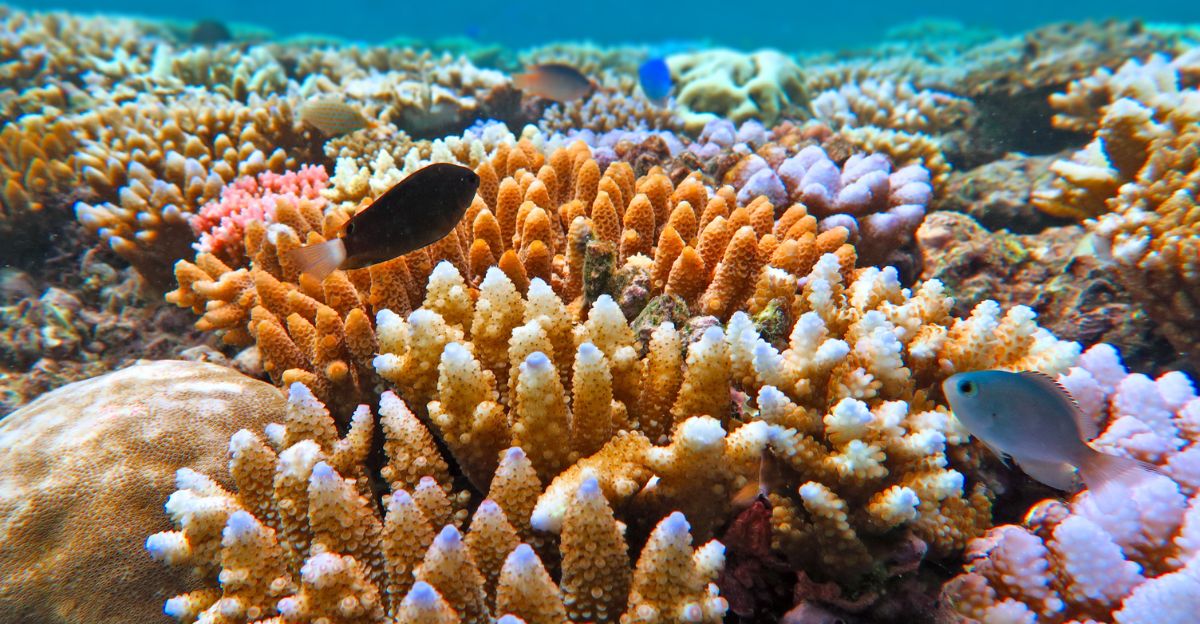
Can you imagine building a structure so large that it is visible from space, and so intricate that it nurtures millions of lives? The Great Barrier Reef is a living city built by tiny coral polyps.
Each one deposits limestone, forming the foundations of an underwater metropolis that stretches beyond the horizon.
The Living Metropolis Underwater
Spanning over 1,429 miles, the Great Barrier Reef connects thousands of reefs and islands, larger than many countries combined.
It thrives through cooperation: polyps form the walls, algae provide the energy supply, and fish serve as its citizens. It’s a self-sustaining, ever-expanding city. This structure is proof that the oldest architects might also be the smartest.
2. Termite Mounds
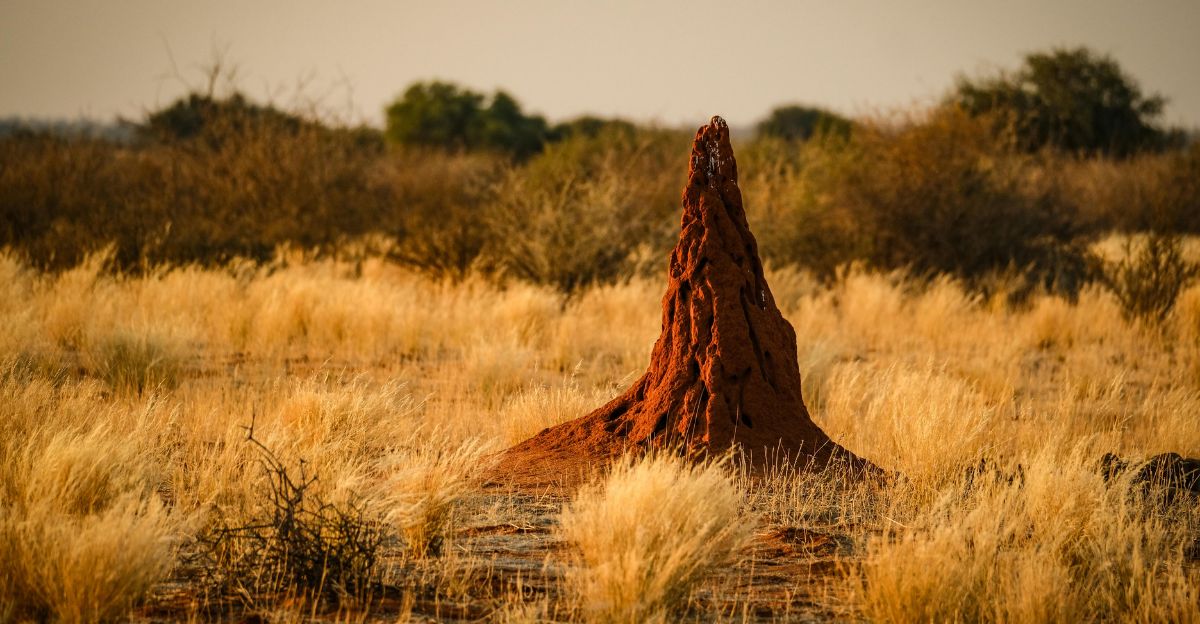
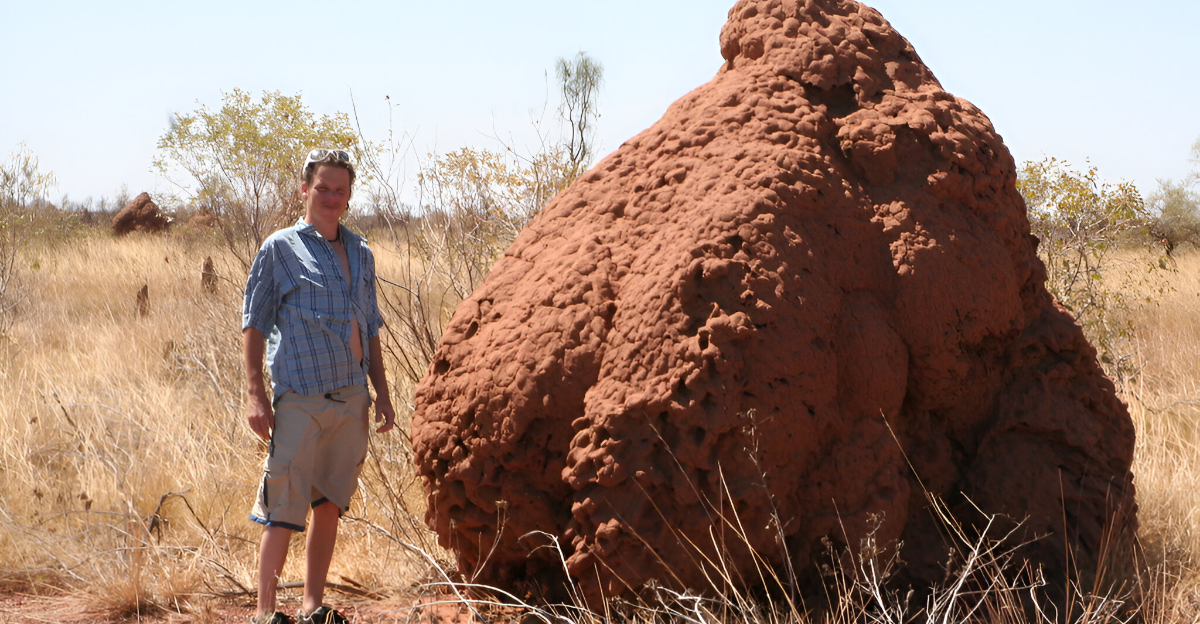
In the savannas of Africa and Australia, towers of dust and clay can reach the heights of small buildings.
Termites, each around the size of a grain of rice, design and construct these intricate skyscrapers. They mix saliva with soil to form a natural cement stronger than concrete and establish perfect ventilation throughout.
Natural Climate Control

Inside these huge mounds, termites are able to maintain constant temperature and humidity, whether in the blistering heat or chilling cold. Tiny channels circulate air like an advanced HVAC system, and it is all instinctively built.
Human architects have studied these designs for sustainable architecture models and are amazed that these small creatures manage perfect environmental regulation instinctively, with no machinery required.
3. Weaverbird Nests
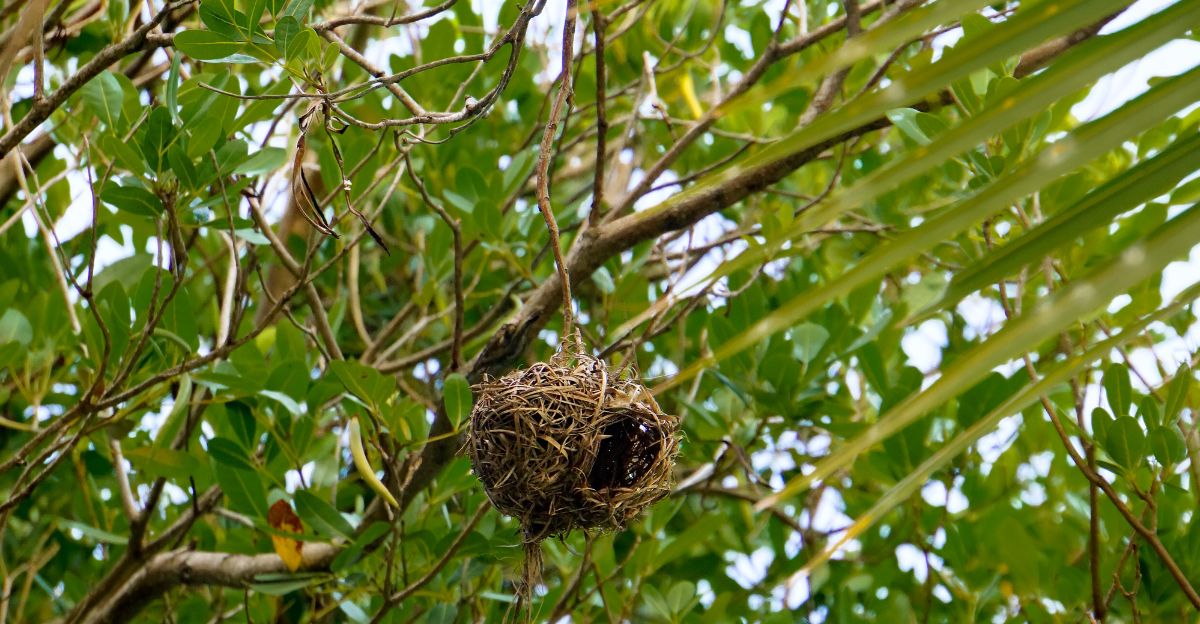
Weaverbirds twist grass strands into extraordinary nests, high among the acacia trees. These nests are masterpieces as they are perfectly balanced and waterproof.
They’re built to withstand strong winds, rain, and predators, with complex internal chambers for eggs and chicks. Every nest is unique, reflecting incredible precision and patience within a bird’s tiny frame.
Neighborhoods in the Sky
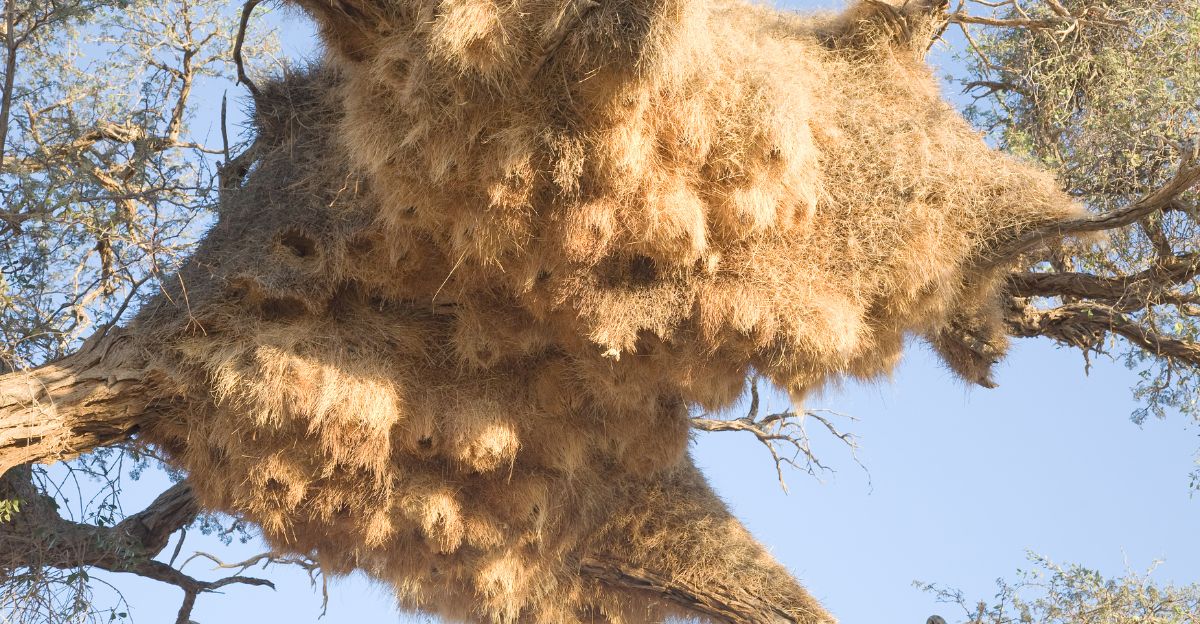
Some species, like the sociable weaver, go even further, creating massive communal nests. These colonies resemble apartment complexes suspended in the air, housing dozens of families under one roof.
Each bird maintains a private section, but all birds contribute to shared insulation and stability.
4. Beehives
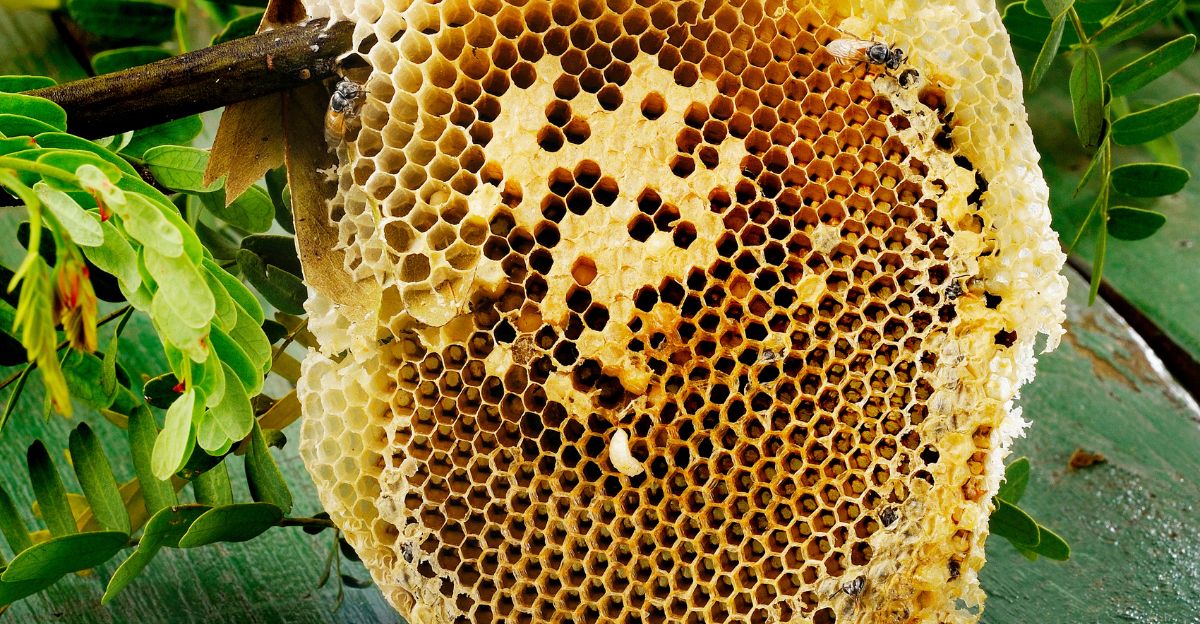
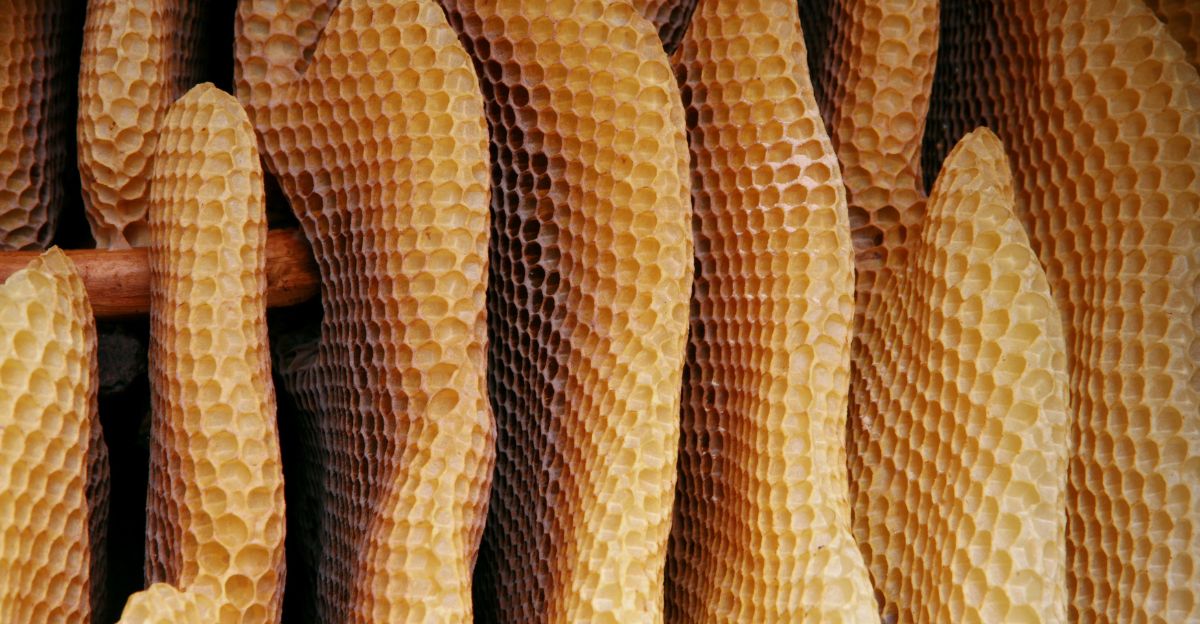
Everyone recognizes the iconic honeycomb, but not many people realize just how perfect it is. Each cell maximizes storage using minimal material. This is a structure so mathematically efficient that no architect could improve upon it.
Bees instinctively carve identical hexagons, stacking them seamlessly without overlapping, turning wax into an engineering marvel.
Geometry That Beats Engineers
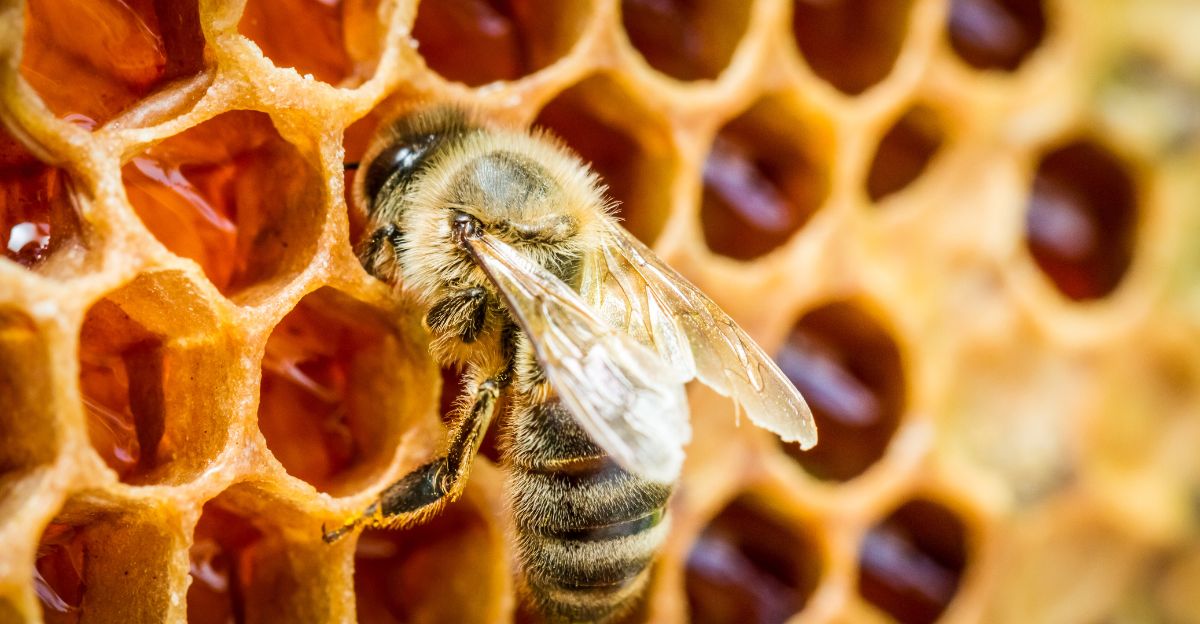
Mathematicians have proven that the hexagonal pattern is the most area-efficient shape for dividing a plane. The bees’ design minimizes material use while maximizing strength and space.
Architects have long studied hives for structural inspiration, seeing in them the essence of efficiency, resilience, and community.
5. Ant Cities

Below the ground is a massive, hidden civilization. Ant colonies have carved entire cities right below our feet. What looks like a simple anthill above the ground conceals a labyrinth of tunnels, chambers, and highways below.
These underground networks span several feet deep and house millions of ants, each space assigned to nurseries, food storage, and farming gardens.
Architects of the Underground
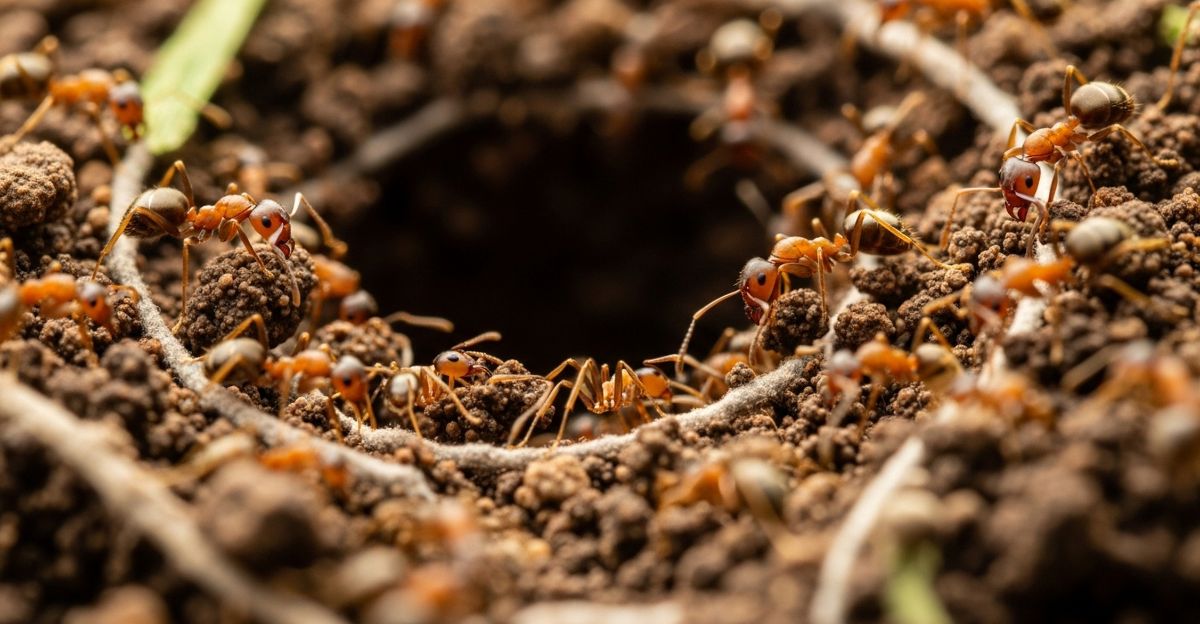
Ant colonies function with astonishing architectural order. Some species regulate airflow through strategic tunnels, while others maintain fungus farms for sustainable food production.
There is no central planner and no blueprint, yet their coordination rivals that of human cities. Each ant acts on instinct, guided by chemistry and cooperation, creating complex societies beneath us.
6. Bowerbird Bowers
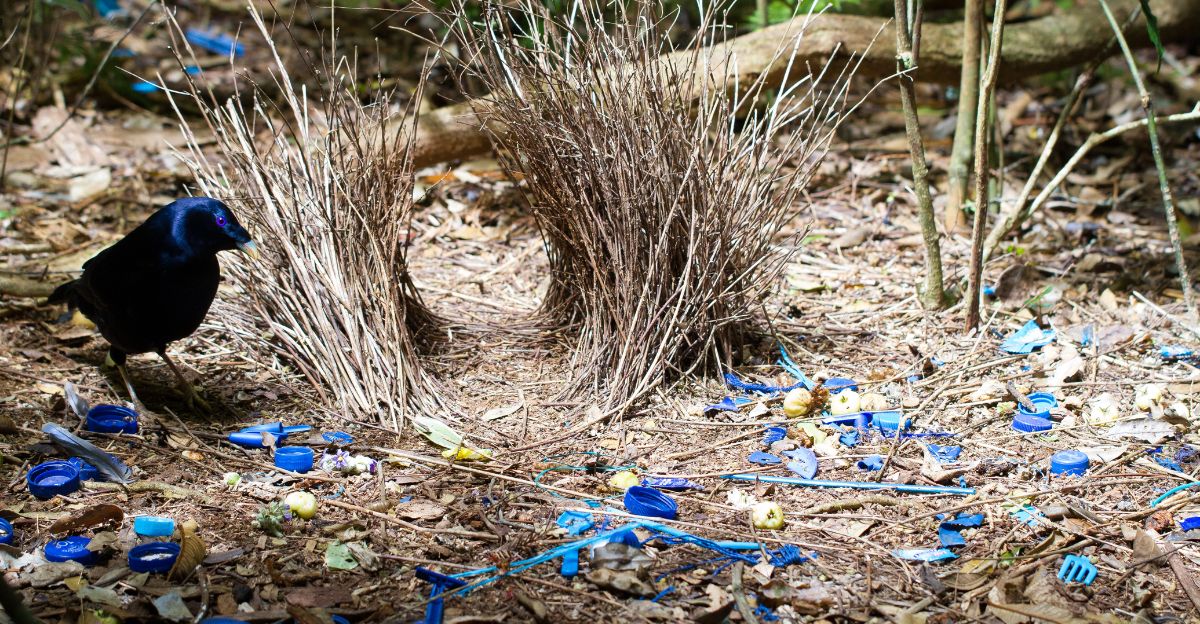
Male bowerbirds design intricate displays called bowers, which are adorned with flowers, shells, berries, and bits of human trash.
Every item is meticulously arranged by color and symmetry to appeal visually to females. These birds are true aesthetes, blending architecture, design, and courtship in one extraordinary creation.
Perfect Balance
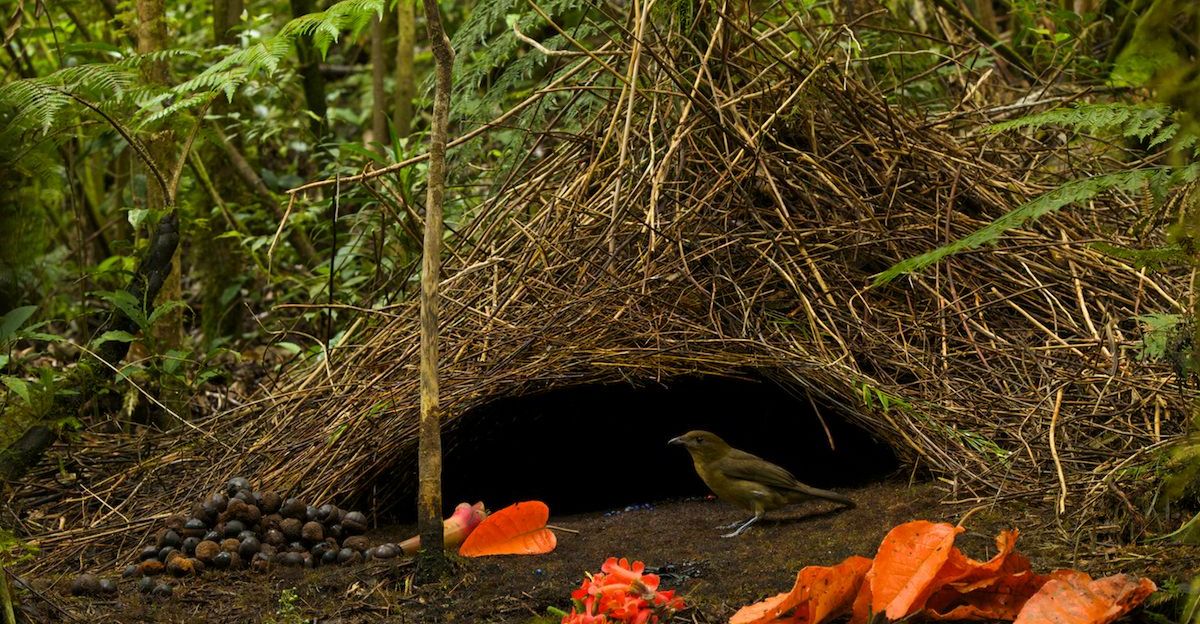
The male adjusts lighting, alignment, and even perspective so that the female views his display in perfect balance. Some organize color gradients or create illusions of depth.
Scientists call this avian architecture “art for attraction”, a natural concept of aesthetics strikingly parallel to human interior design.
7. Beaver Dams
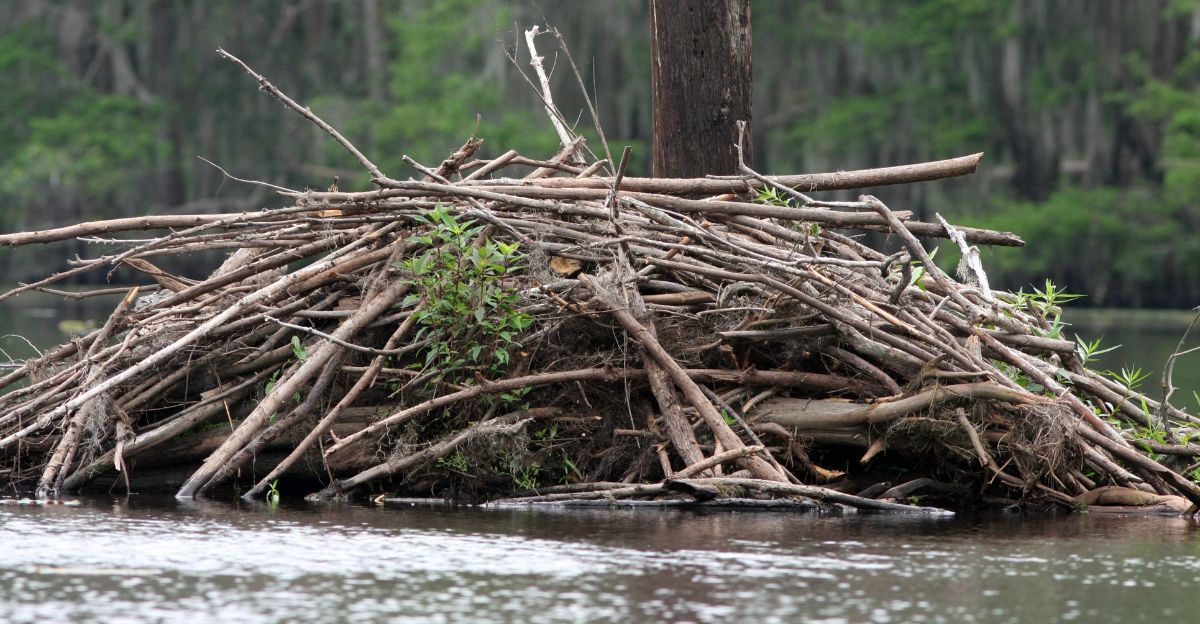
When it comes to reshaping landscapes, few animals compare to beavers. Using their teeth as tools, they fell trees and construct massive dams that alter entire ecosystems.
These wooden fortresses create ponds and wetlands, slowing water, reducing erosion, and supporting countless species.
Engineering with Purpose
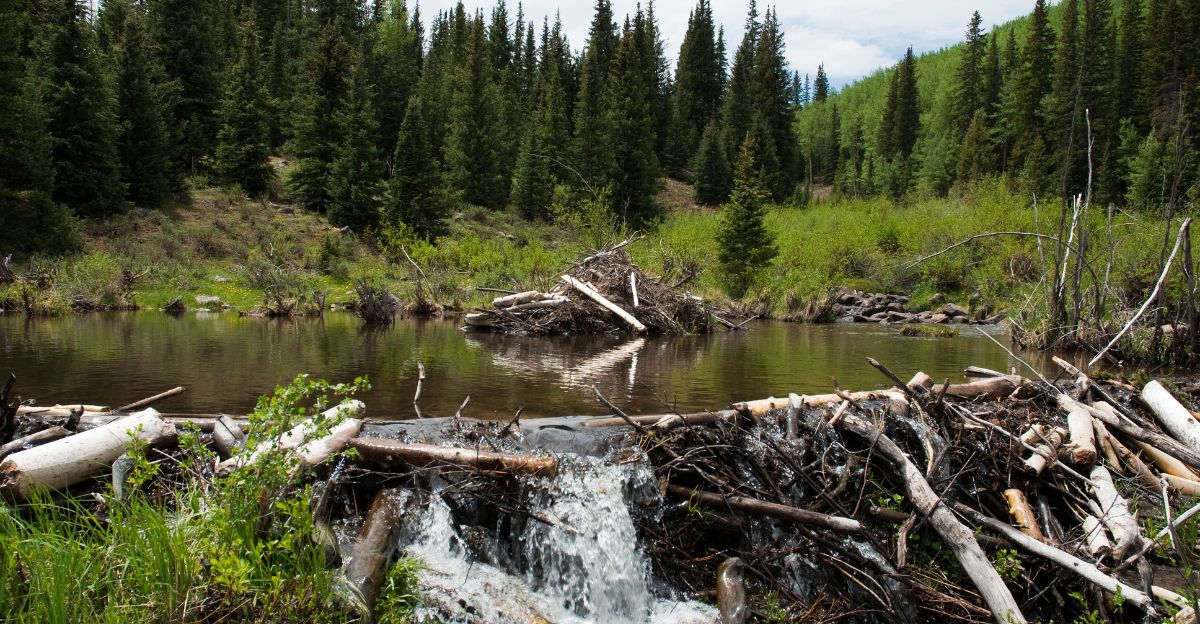
Beaver dams aren’t random piles of sticks; they’re water-management systems. The design diverts currents, regulates depth, and ensures water access year-round.
Over decades, they grow stronger as the beavers continuously repair them. Engineers have studied their instinct-driven construction for insights into sustainable hydrology, proving that nature has always known structural longevity best.
8. Magnetic Termite Mounds

In northern Australia, millions of magnetic or “compass” termites build mounds aligned perfectly along the north–south axis. Each flat side catches morning and evening sunlight, while the narrow edge faces the midday sun to prevent overheating.
This alignment isn’t random; it’s instinctive precision that mirrors the principles of passive solar architecture.
Solar Architecture Perfected by Insects
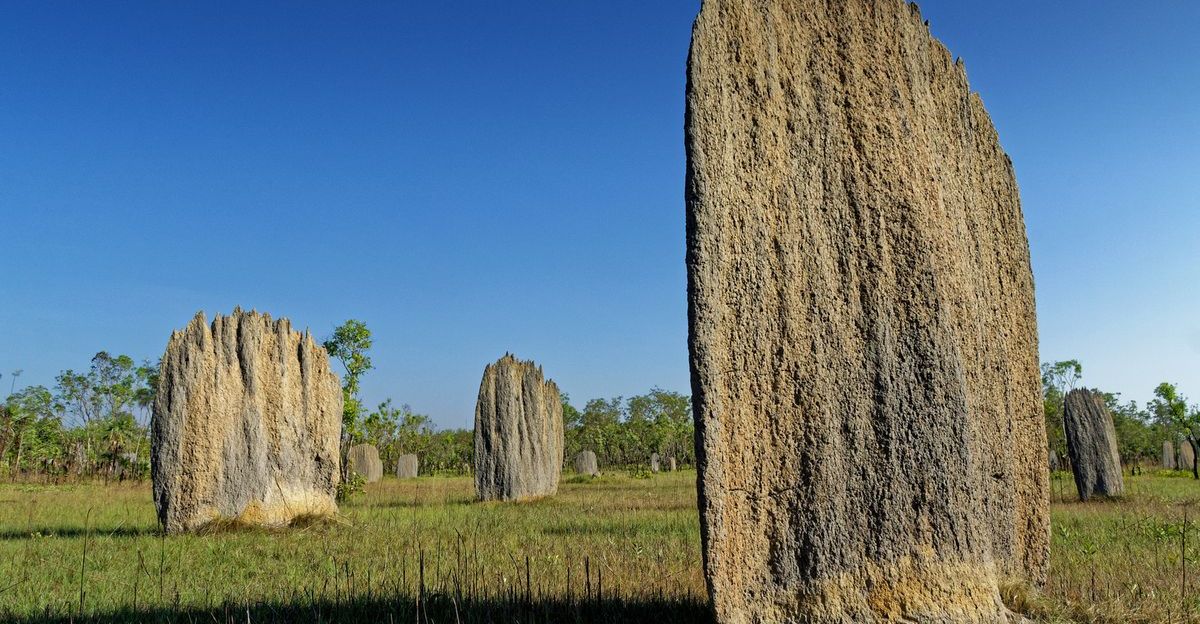
These mounds function as natural air conditioners. Heat rises and escapes through vertical vents, drawing cooler air downward. The result is a consistent internal climate without any power source. Their alignment even inspired human architects studying green-building principles.
Termites, oblivious to their brilliance, perfected energy-efficient architecture centuries before humans began experimenting with solar design.
9. Weaver Ant’s Bridges
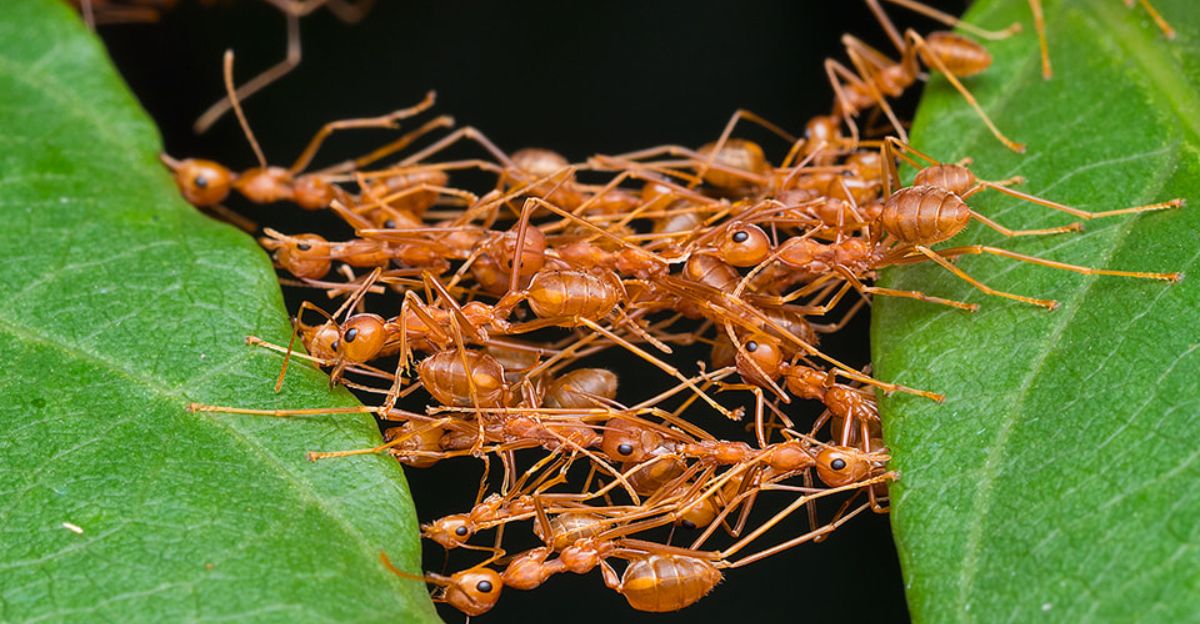
When faced with a wide gap, a colony of weaver ants doesn’t stop; it links bodies to create a living bridge. Each ant grasps another’s legs or mandibles, forming chains that stretch and flex as needed.
These cooperative bridges enable the entire colony to cross obstacles seamlessly while remaining adaptable and mobile.
Engineering That Breathes and Moves
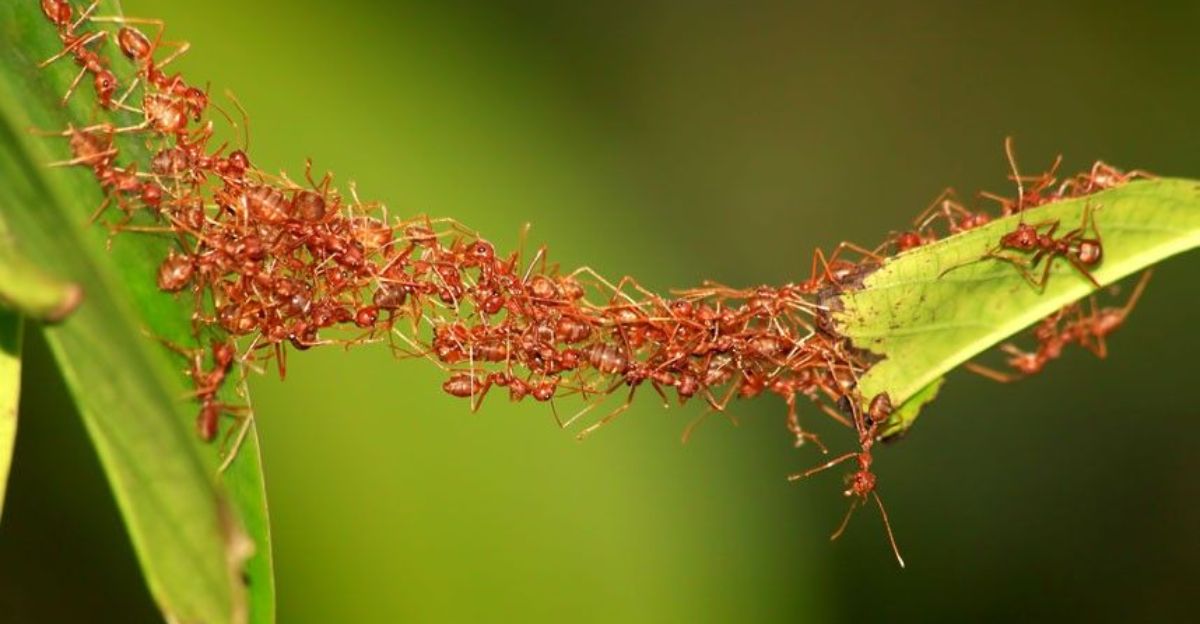
Unlike rigid human bridges, these living structures pulse with life, adjusting shape and tension in real time. They strengthen under stress, bend under force, and guide others safely across.
It’s architecture that breathes, responds, and evolves on command, the perfect finale to prove that nature’s designs don’t just stand still. They live.