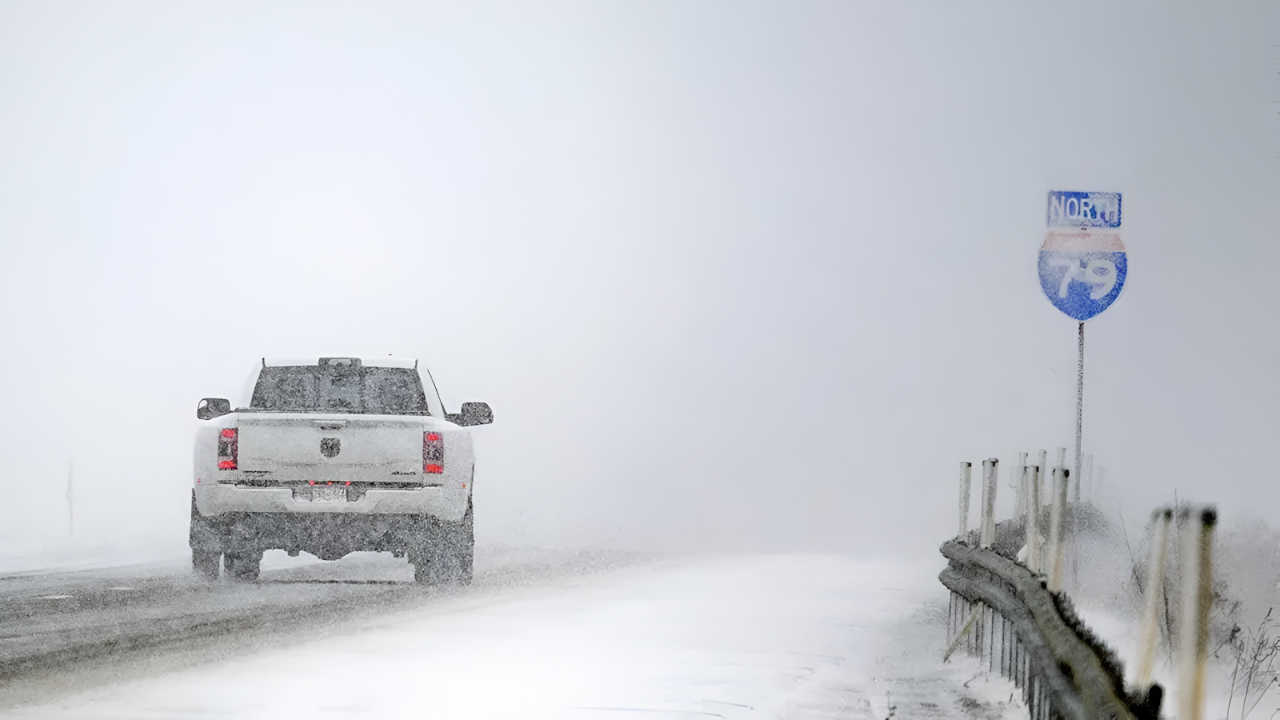
On November 26, 2025, nearly 82 million Americans braced themselves for the busiest travel day of the year. At the same time, a powerful Arctic winter storm slammed the Upper Midwest, transforming Thanksgiving travel into a survival challenge. The National Weather Service issued dire warnings, calling conditions “potentially very difficult to impossible” for travel.
Roads were becoming treacherous, and airports prepared for major disruptions. As people raced to their destinations, the weather grew increasingly menacing, threatening to halt their journeys.
The Storm Strikes at Peak Travel Time
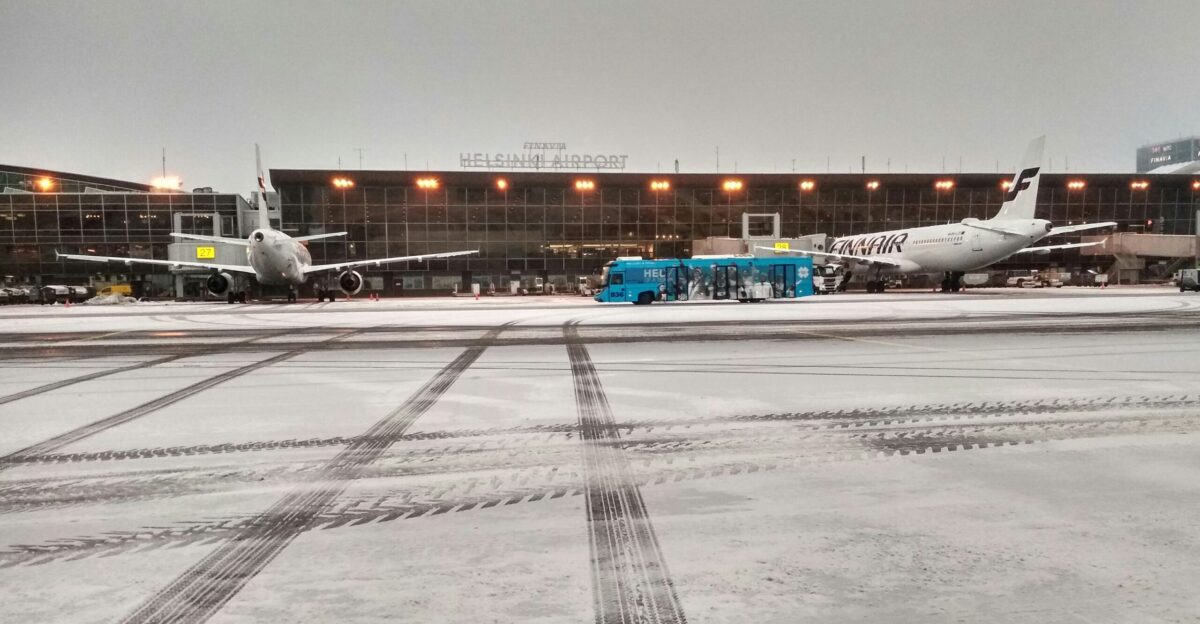
The Arctic blast hit on the single busiest Thanksgiving travel day, compressing peak travel into dangerous conditions. Minneapolis-St. Paul International Airport, expected to screen 47,000 passengers, saw delays as snow blanketed the region. Interstate 94 faced gridlock as families raced to get ahead of the blizzard.
AAA predicted a 53% surge in travel time on Minnesota highways by late afternoon. The holiday rush collided with record-low visibility and extreme snow, triggering widespread disruptions and delays that would extend into the evening and beyond.
Lake-Effect Dynamics: The Storm’s Power Source
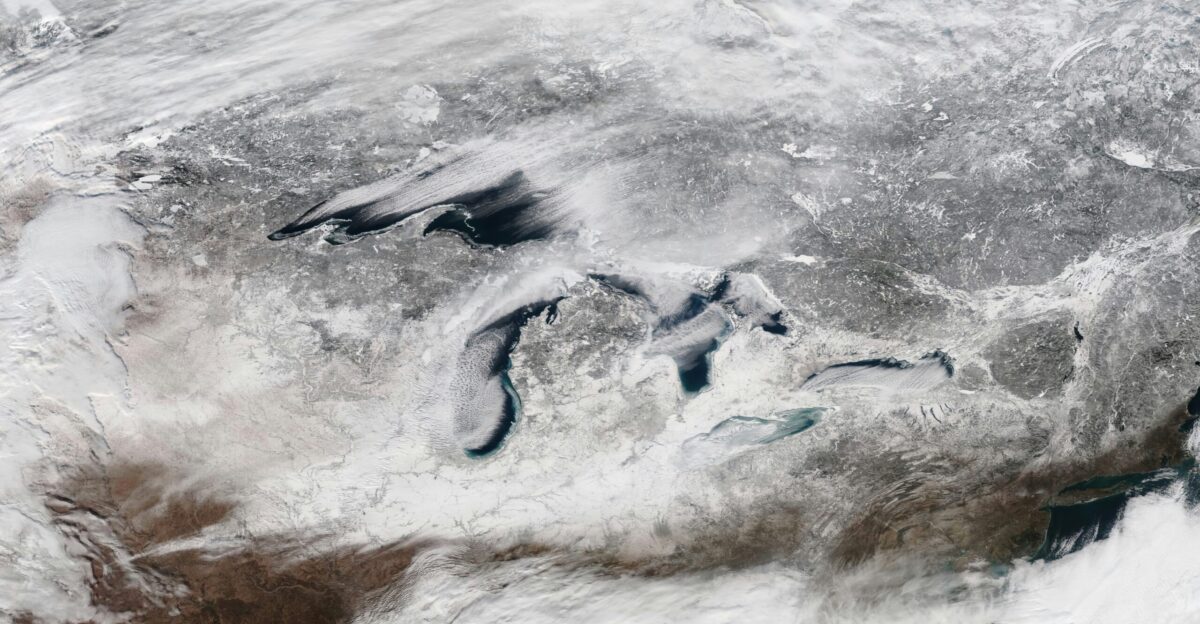
This storm’s strength came from the Great Lakes, as Arctic air streamed south over relatively warmer waters, creating perfect conditions for massive lake-effect snowfall. The temperature difference led to rapid evaporation, which fueled intense precipitation that dumped inches of snow within hours.
As convective columns formed, the combination of cold air and moisture created one of the most intense storms in recent memory. The resulting conditions created dangerous whiteouts, affecting both drivers and travelers at the height of the holiday rush.
A History of Thanksgiving Blizzards
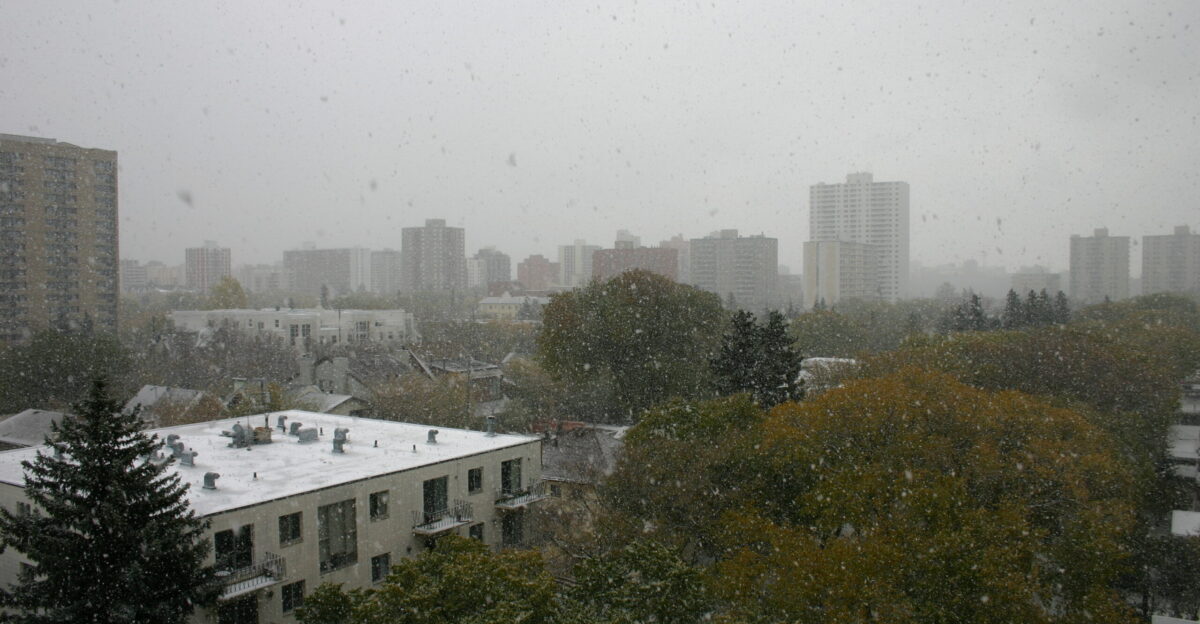
This wasn’t the first Thanksgiving storm to disrupt travel. In 2019, Duluth, Minnesota saw 21.7 inches of snow, marking the city’s heaviest two-day November snowfall. The November 1, 1991, blizzard still holds the record for heaviest single-day snow at 24.1 inches.
With forecasts suggesting similar or worse conditions, locals grew anxious. The storm served as a reminder of how fast conditions could escalate from flurries to blizzard whiteouts, adding urgency to the warnings being issued across the region.
Warnings & Life-Threatening Storm
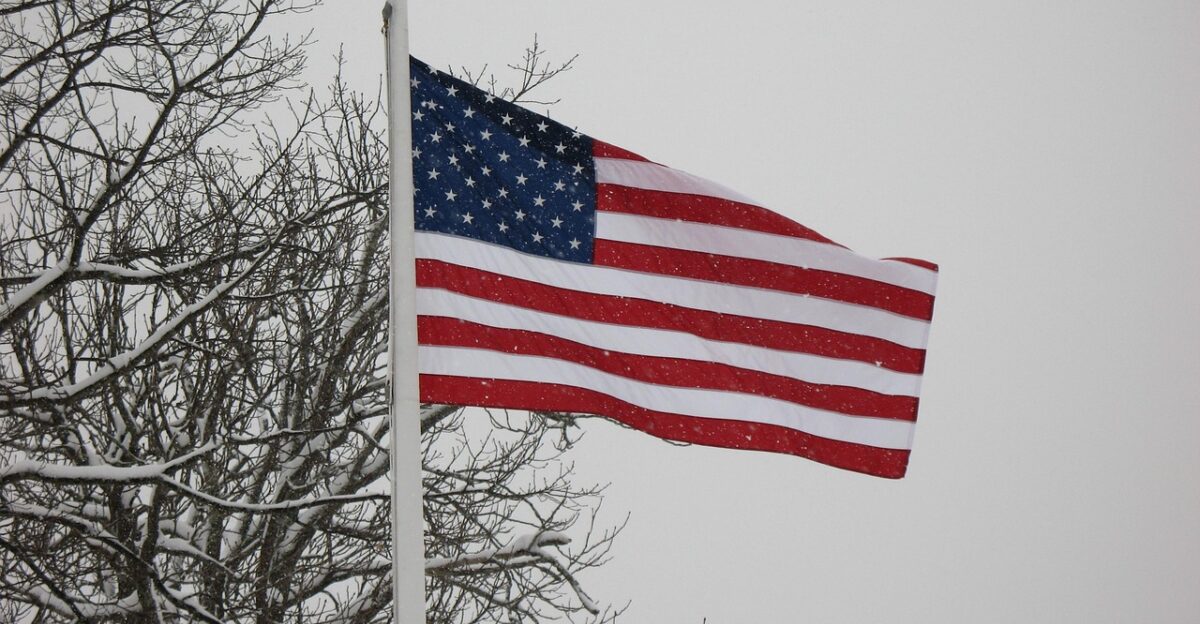
The National Weather Service issued Blizzard Warnings for Minnesota, South Dakota, Wisconsin, and Michigan’s Upper Peninsula. Winds reached 45–50 mph, reducing visibility to less than a quarter mile in some areas. Snowfall rates climbed to an inch per hour, with some regions expecting 4-8 inches in one day.
The NWS warned that the 2025 storm created “life-threatening, potentially deadly travel conditions” with visibility reduced to near-zero and wind gusts topping 50 mph. Federal highway statistics show that snow and ice-related crashes kill over 1,300 people each year nationwide. While no deaths were reported locally, officials said the severity and timing placed millions at risk, making it one of the most dangerous Thanksgiving travel periods in years.
Emergency Protocols Unleashed Across Five States
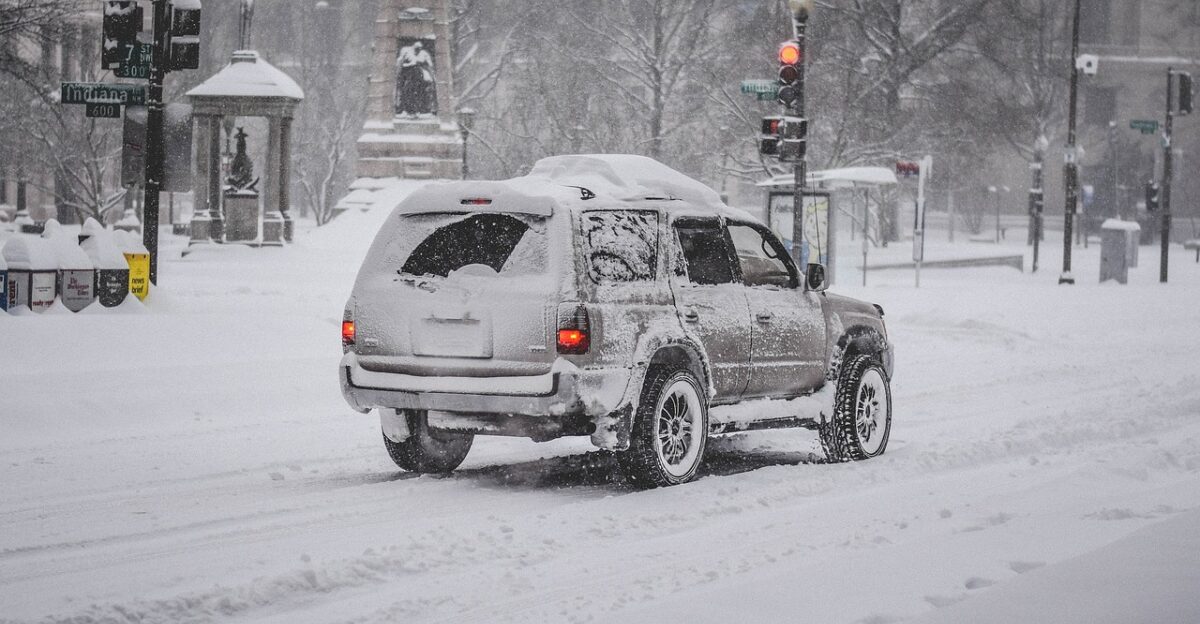
By Wednesday morning, emergency protocols had been triggered across five states. Minnesota dismissed schools early, and plowing equipment was pre-positioned in Wisconsin’s lake-effect zones. In Michigan’s Upper Peninsula, residents were urged to evacuate, while emergency services mobilized to assist stranded travelers.
The storm was a full-scale crisis requiring coordinated action to mitigate damage. As authorities prepared for the worst, roadways became more perilous, and the burden on emergency services grew heavier with each passing hour.
Highway Chaos: Crashes, Gridlock, and Whiteouts

By afternoon, snow had overtaken highways, creating life-threatening conditions. West-central Minnesota saw 27 crashes in a matter of hours. On Interstate 94 near Alexandria, jackknifed semis blocked traffic as near-zero visibility forced drivers into perilous situations.
What had been clear skies moments before transformed into walls of snow, leaving no time for reaction. Even experienced drivers were caught off guard by the sudden intensity and dangerous conditions on the roads.
Airlines & Cancellations
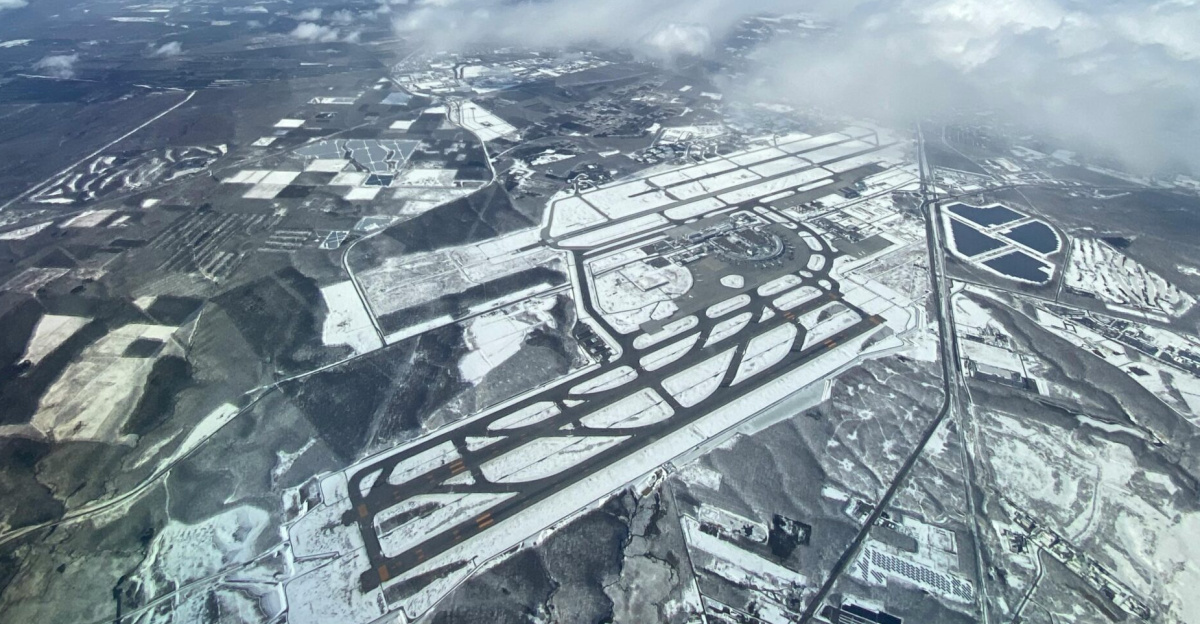
As the blizzard surged, Delta, Southwest, and United scrambled to adjust operations. Minneapolis-St. Paul International, the 18th-busiest airport in the country, prepared for major delays as snow blanketed the tarmac. Deicing crews raced to clear runways, but flight cancellations were inevitable.
Delta and Southwest issued travel waivers, giving passengers a chance to rebook flights at no extra cost. Thanksgiving-week travel typically builds over several days, but the storm compressed everything into a frantic 2-3 days. With airlines overwhelmed, passengers faced last-minute rebookings, while hotels and car rental agencies faced intense pressure, with some regions seeing rental car shortages even as prices dropped 15% from the previous year.
The Cost of the Storm
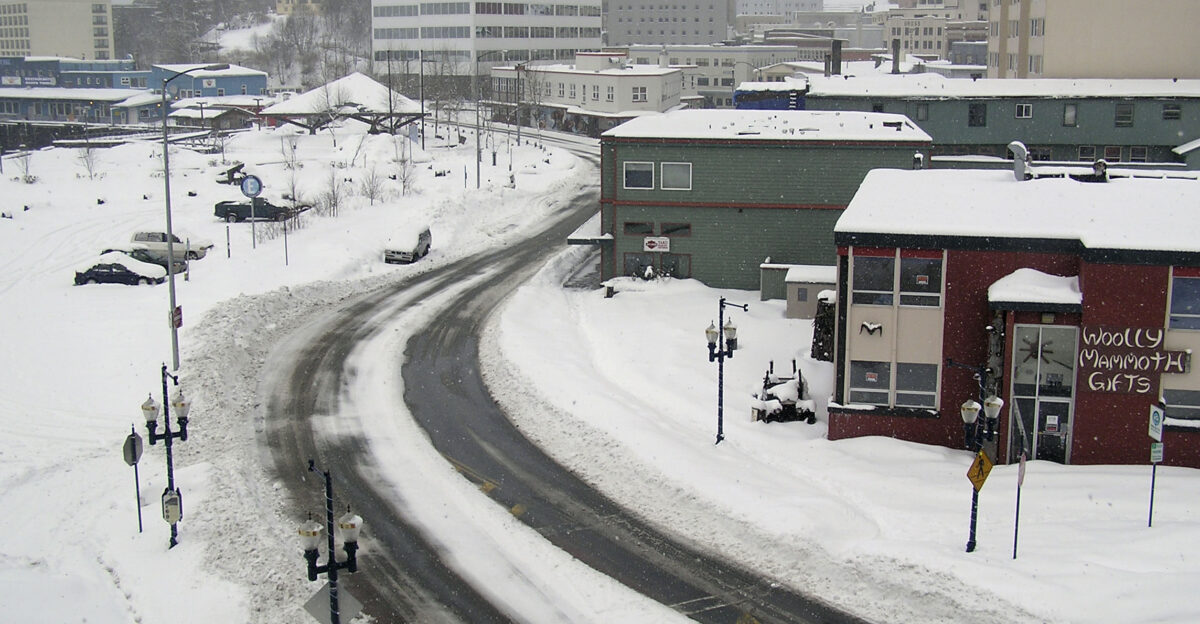
States in the path of the storm could face losses ranging from $300 to $700 million in direct and indirect costs. Road maintenance budgets, already stretched thin during winter, saw added pressure. Businesses, especially in hospitality and retail, reported sharp drops in traffic.
With travel corridors like Minnesota’s I-94 generating millions of dollars in daily commerce, the snowstorm’s effects rippled across industries, from trucking companies to restaurants that depend on holiday shoppers.
The Lake-Effect’s Uneven Reach
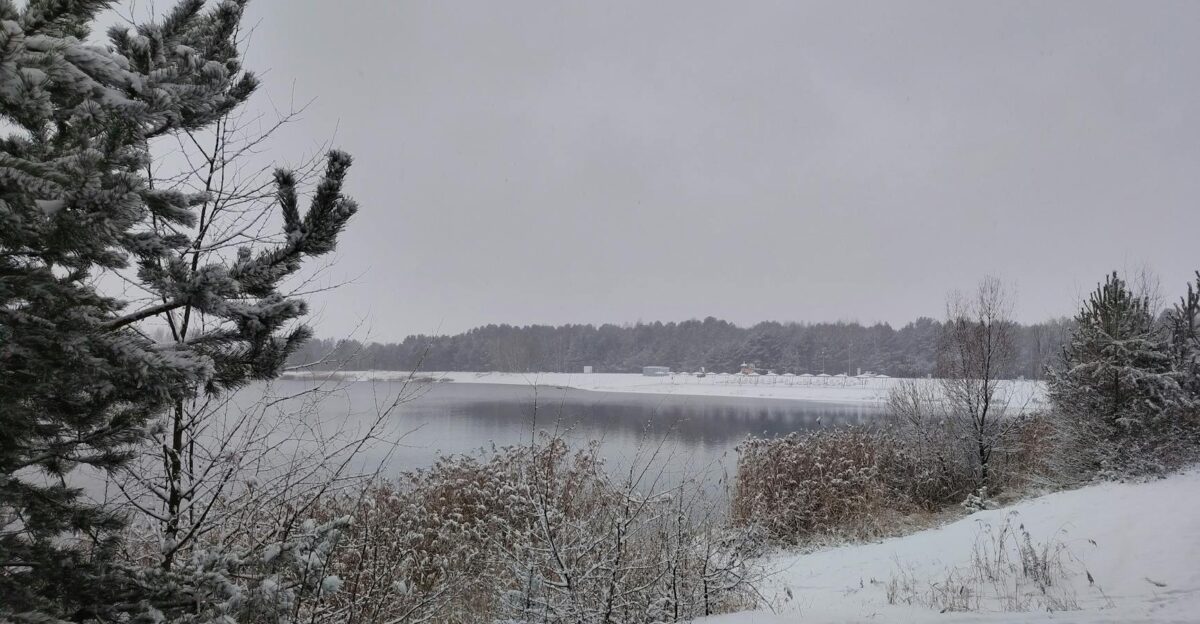
Not all areas experienced the storm equally. Some towns near Lake Superior, such as Hurley, Wisconsin, saw snowfall totals far higher than areas just miles inland. The Great Lakes’ influence created disparate impacts across the region.
The Keweenaw Peninsula of Michigan regularly exceeds 250 inches annually, while Duluth averages 78 inches. This geographic variation made for unpredictable conditions as travelers entered the region, with some areas facing extreme accumulation while others saw moderate snow.
Emergency Messaging vs. Traveler Resistance
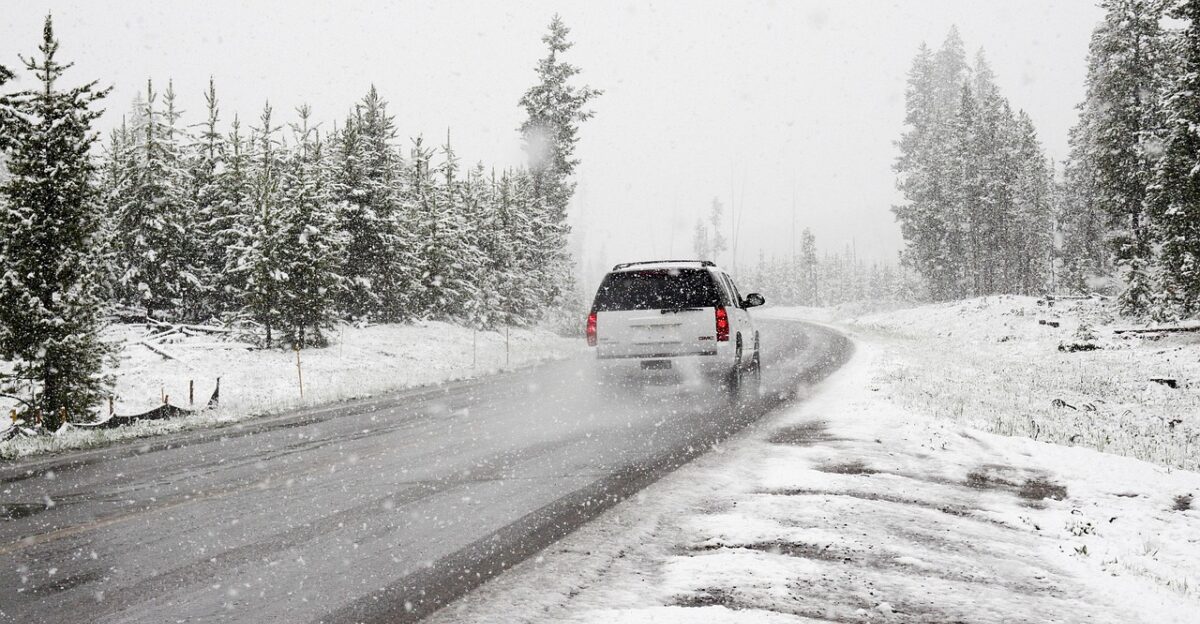
Despite official warnings, some travelers ignored the advice. “People are willing to brave the crowds and make lifelong memories,” said AAA Vice President Stacey Barber. This defiance added complexity to emergency messaging, as authorities had to balance dire forecasts with skepticism about forecasts.
Stranded motorists served as a stark reminder of how quickly conditions could turn dangerous. The speed at which the storm intensified left drivers little time for adjustments or course corrections.
Infrastructure Under Siege
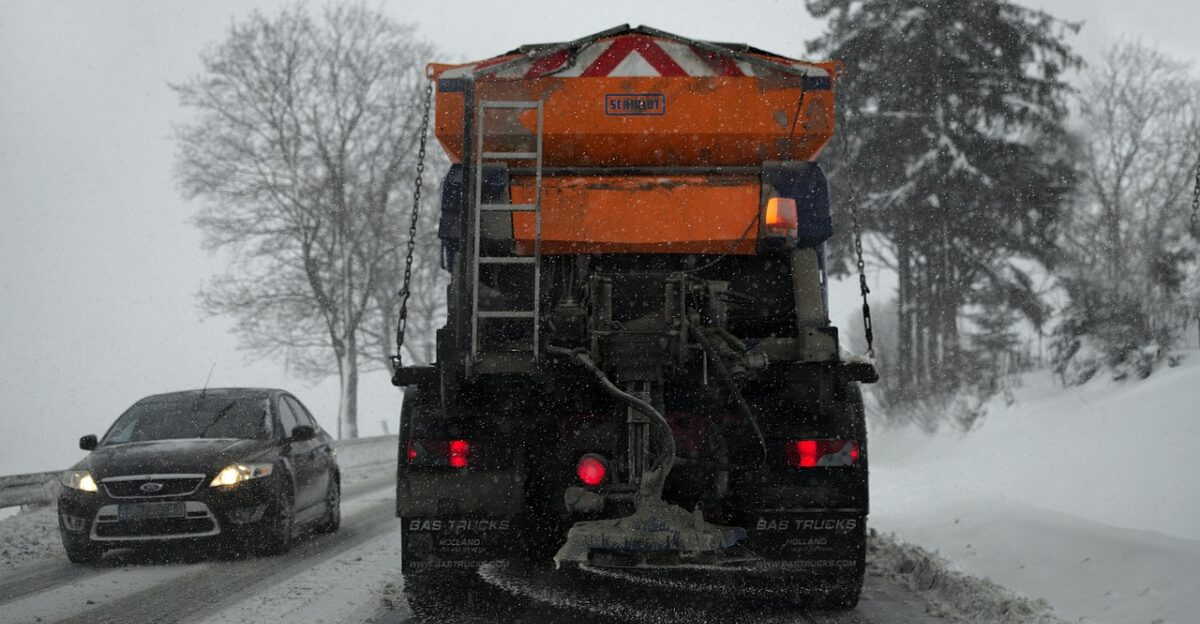
The blizzard tested Minnesota’s infrastructure severely. Salt supplies, strategically stored for the season, were quickly depleted. Plows operated around the clock, but icy bridge overpasses froze faster than surrounding roads, requiring extra attention.
Communication systems, overwhelmed by emergency calls, struggled to direct motorists to safer routes. State and local agencies leaned on mutual aid agreements, but the storm exposed weaknesses in winter weather preparedness, particularly with stretched maintenance budgets.
Arctic Instability and Climate Patterns
This wasn’t just any cold snap but part of a larger pattern of Arctic instability. Atmospheric models showed a major cold front from Scandinavia pushing Arctic air southward, with temperature differences between cold air and warmer lakes creating extraordinary conditions.
Intensified by climate change effects, this event led to one of the most extreme lake-effect snowstorms in years. Warmer lakes and shifting weather patterns are fueling extreme conditions with growing frequency, and meteorologists warned that similar events would become more common as the climate continues to change.
Global Patterns & Future Policy
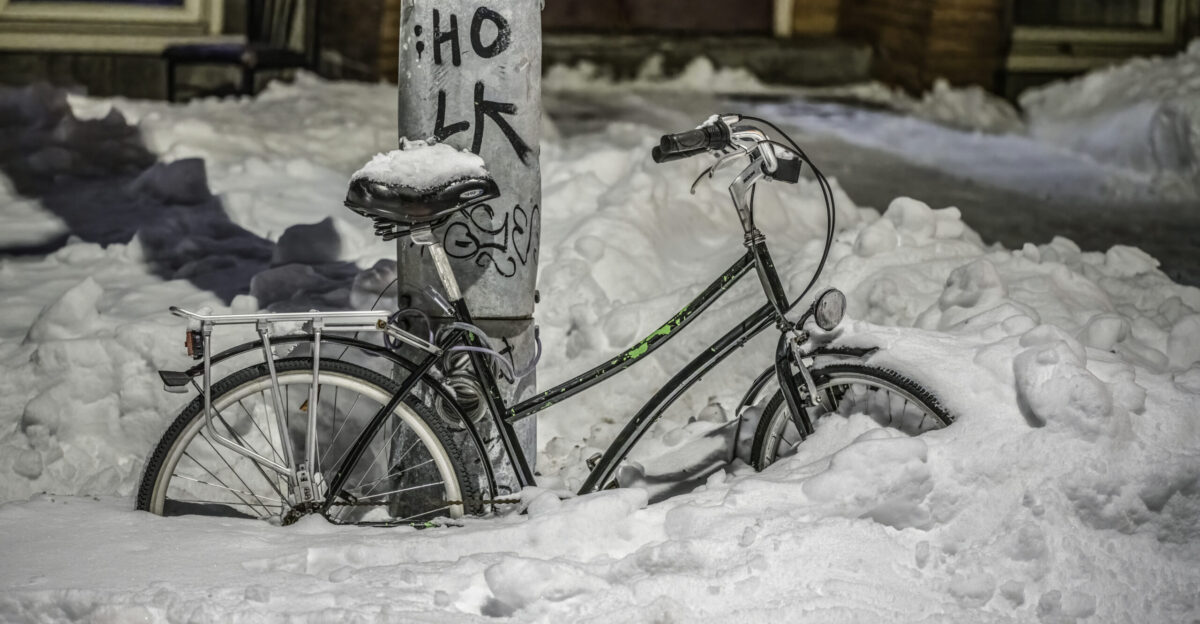
As extreme weather swept through the U.S., similar patterns were unfolding in other parts of the Northern Hemisphere. In Canada, Buffalo, and Toronto, severe winter challenges emerged, as did Scandinavian countries experiencing similar Arctic surges. This shift may represent the new norm for global weather systems, indicating larger atmospheric changes at work.
State governments are rethinking road funding and infrastructure maintenance. Minnesota has proposed weather-responsive toll systems to fund emergency maintenance and is discussing regional coordination approaches to winter weather management, especially along high-traffic corridors like I-94. With state budgets increasingly strained by winter storms, these policy changes are becoming necessary to maintain road safety and economic productivity.
Lessons for an Uncertain Future
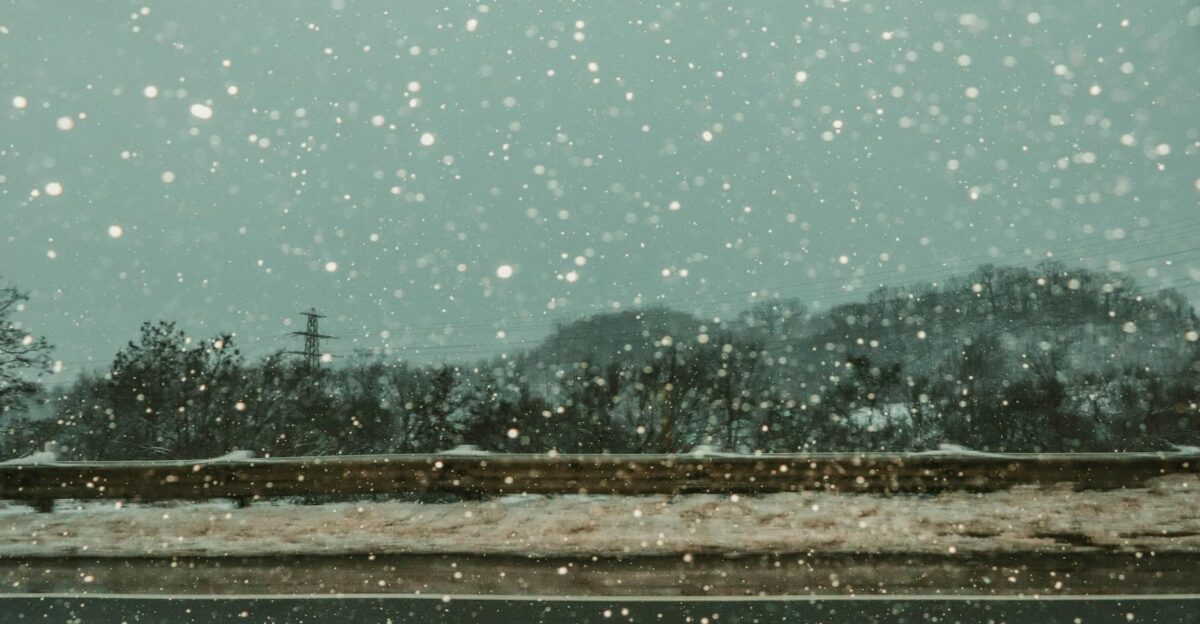
The November 2025 blizzard offered a glimpse into a future of more frequent and intense weather events. The convergence of warming oceans and Arctic instability means that what was once considered rare is becoming routine. Governments, businesses, and individuals must adapt to this changing landscape, recognizing that extreme weather now comes with high costs in dollars, infrastructure, and lives disrupted.
Understanding how different generations perceive and respond to weather risks will be key to improving future preparedness. The storm was a stark reminder that adaptation is no longer optional—it’s essential. With unpredictable weather patterns now the emerging reality, the lessons learned will shape how future generations respond to extreme weather and build resilient infrastructure.